PX Stuff

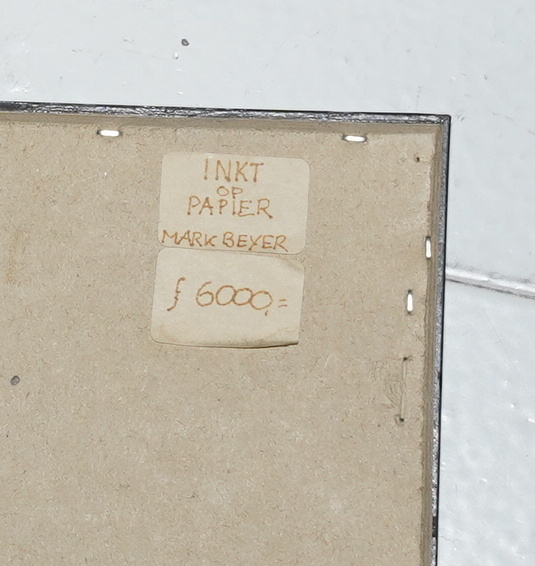
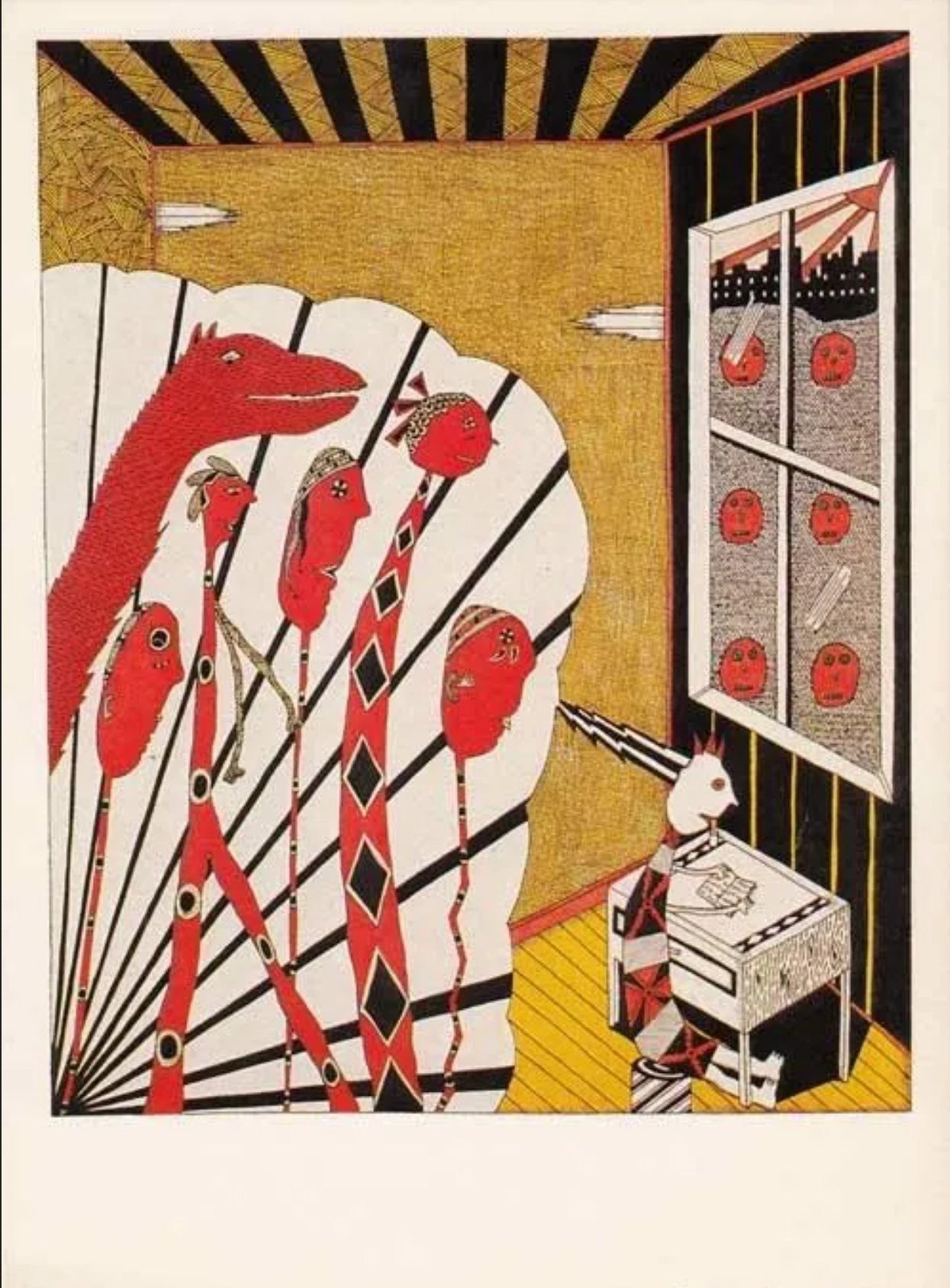
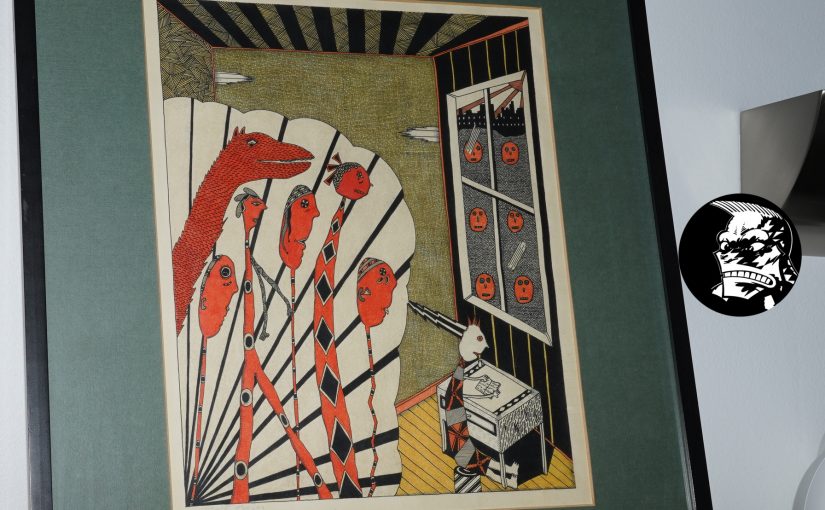
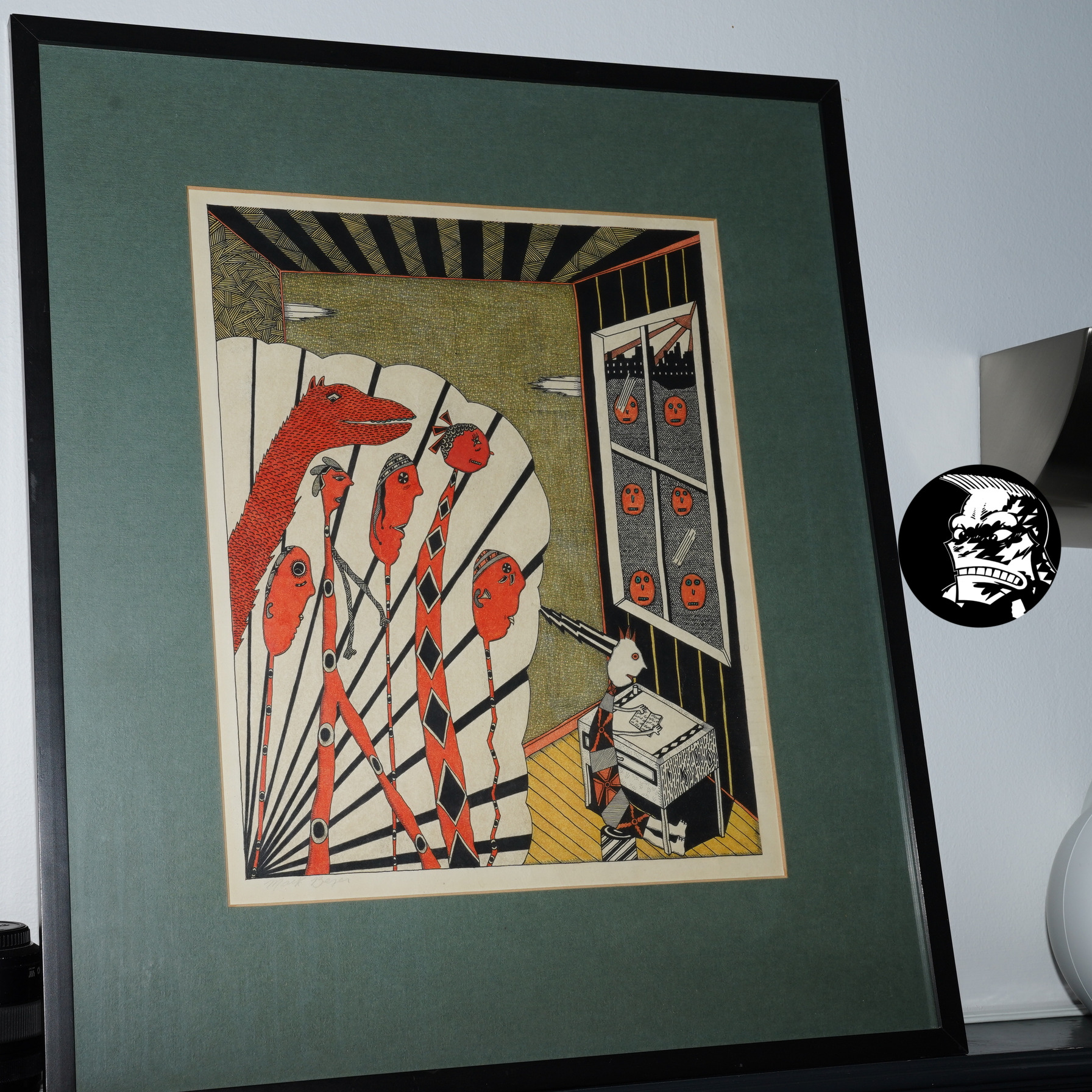
Drawing in ink and gouache? on paper by Mark Beyer.

I remember where I got this one — it was at the Lambiek comics store, and it was the most expensive thing I had ever bought. I was a student, and I really couldn’t afford it, but I had to have it.

I think. Or did had I just started working? Oh, yeah! I had bought a poster of this drawing a couple years earlier, and it was hanging in my “work area”, but then I saw the real thing on display at Lambiek, and I asked whether it was for sale.

He took it down from the wall and said “six thousand guilder”, so I guess this was before 1999, when Euros became a thing? I said “gulp” and he said “cash” and I had to go and get money from various ATMs around Amsterdam.

So that was… about… three thousand Euros? Wow. I really couldn’t afford that at that time.

At all.

Everything for art! It was probably the first expensive-expensive thing I ever bought?

(Or did he say “five thousand guilder for you?” He may have. I didn’t haggle or anything, but I seem to remember him lowering the price spontaneously. Perhaps because of my *gulp* and general fashionably sloppy me-ness.)

This drawing was made into a poster and was part of a postcard set, too… which I used to have, but I can’t find it now. Here’s a copy from the interwebs:

This blog post is part of the Punk Comix series.

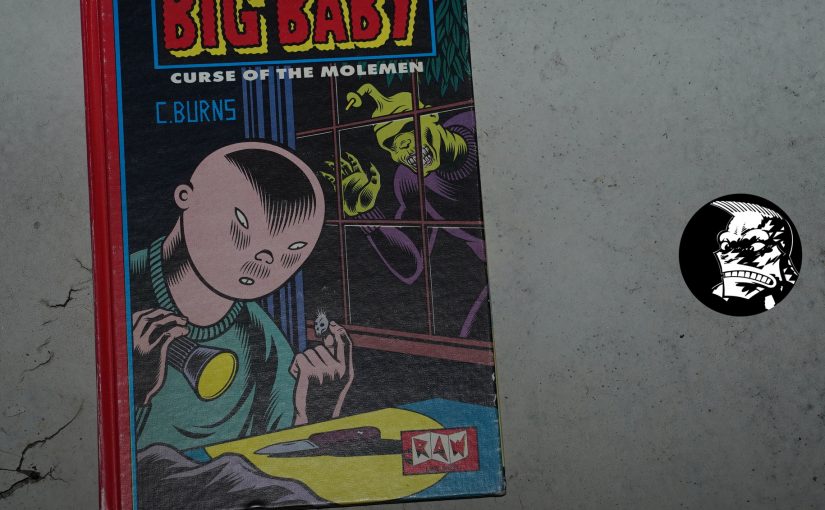
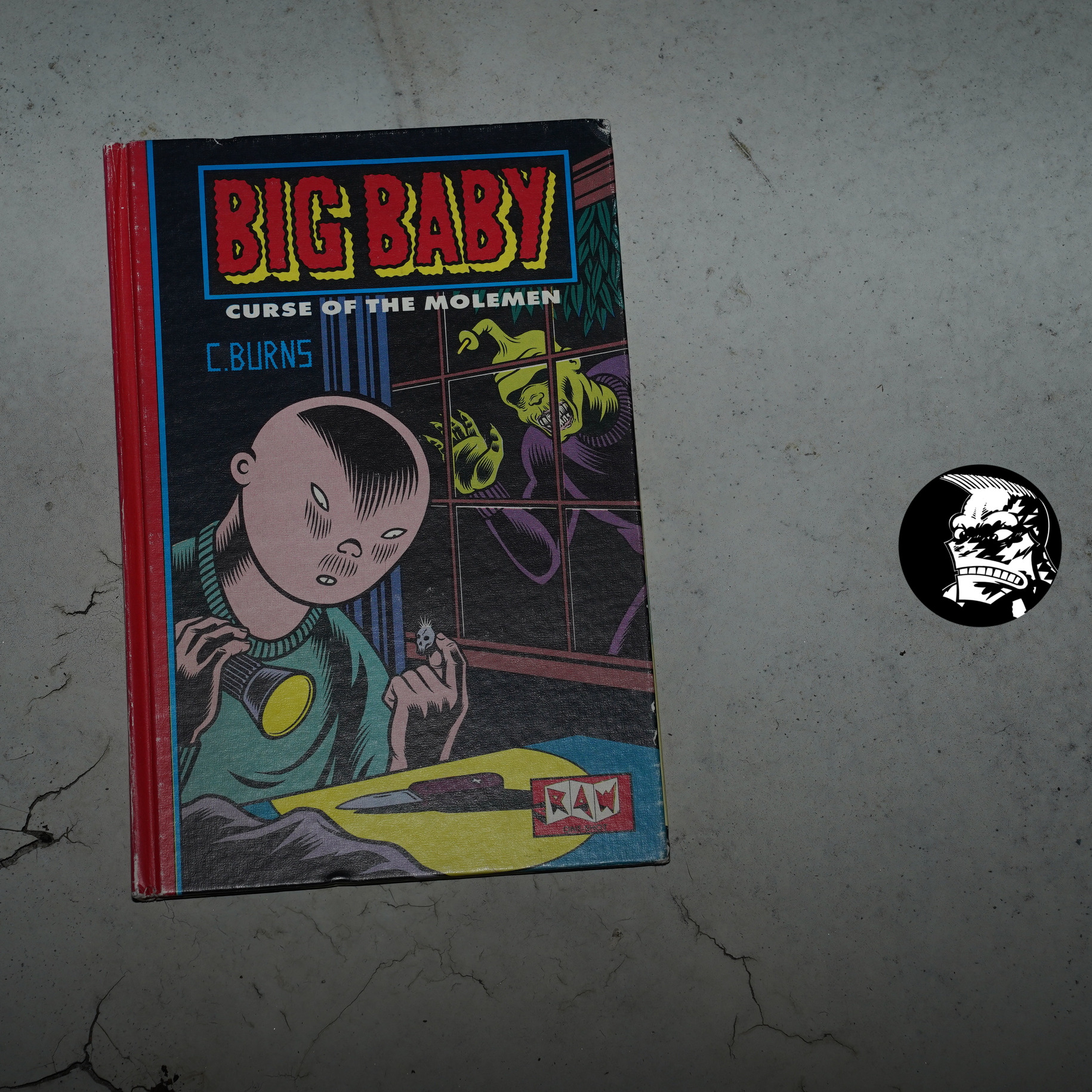
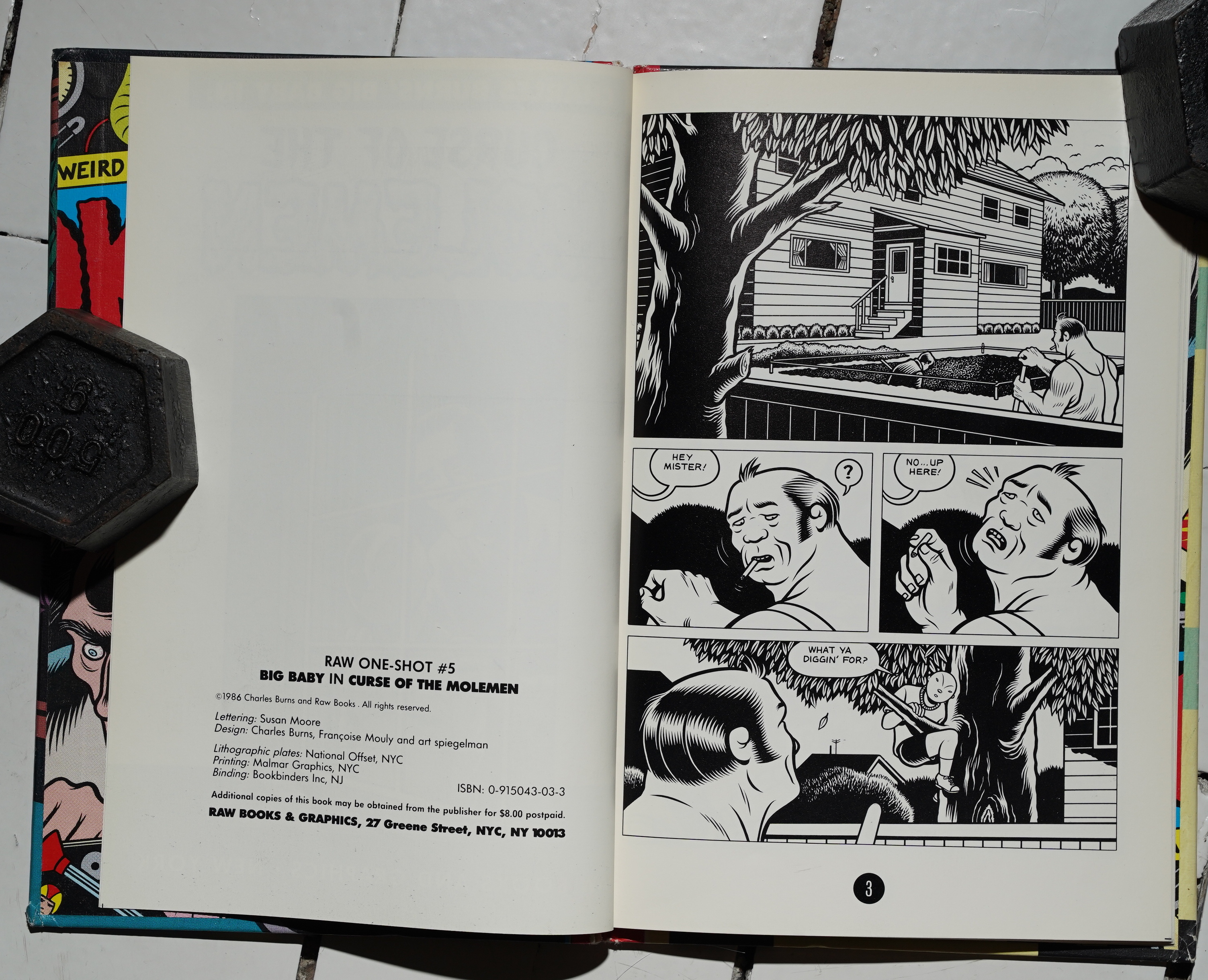
PX86: Raw One-Shot #5: Big Baby: Curse of the Molemen

Raw One-Shot #5: Big Baby: Curse of the Molemen by Charles Burns (158x236mm)

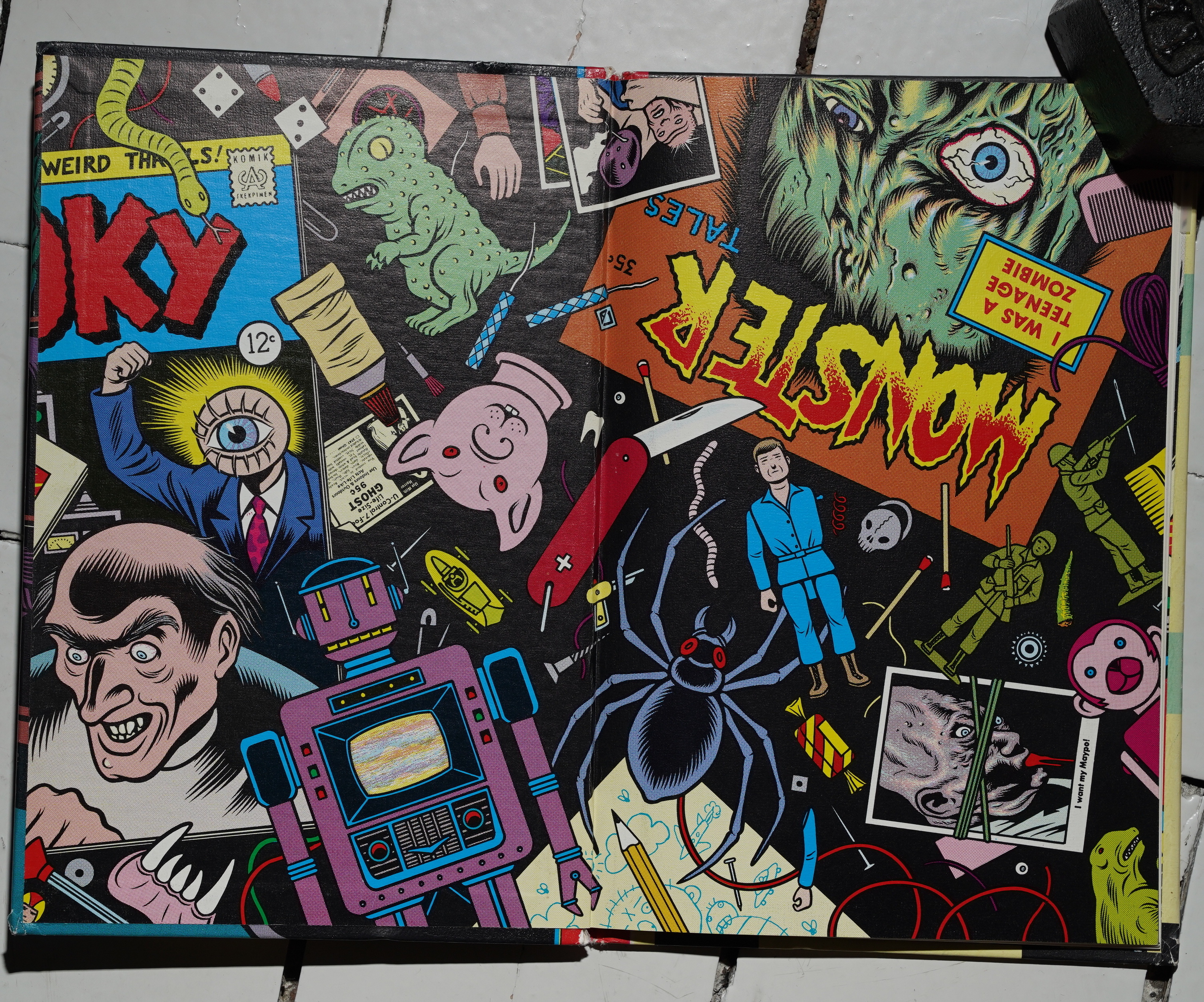
The end papers set the scene: We’re in a 50s child’s world.

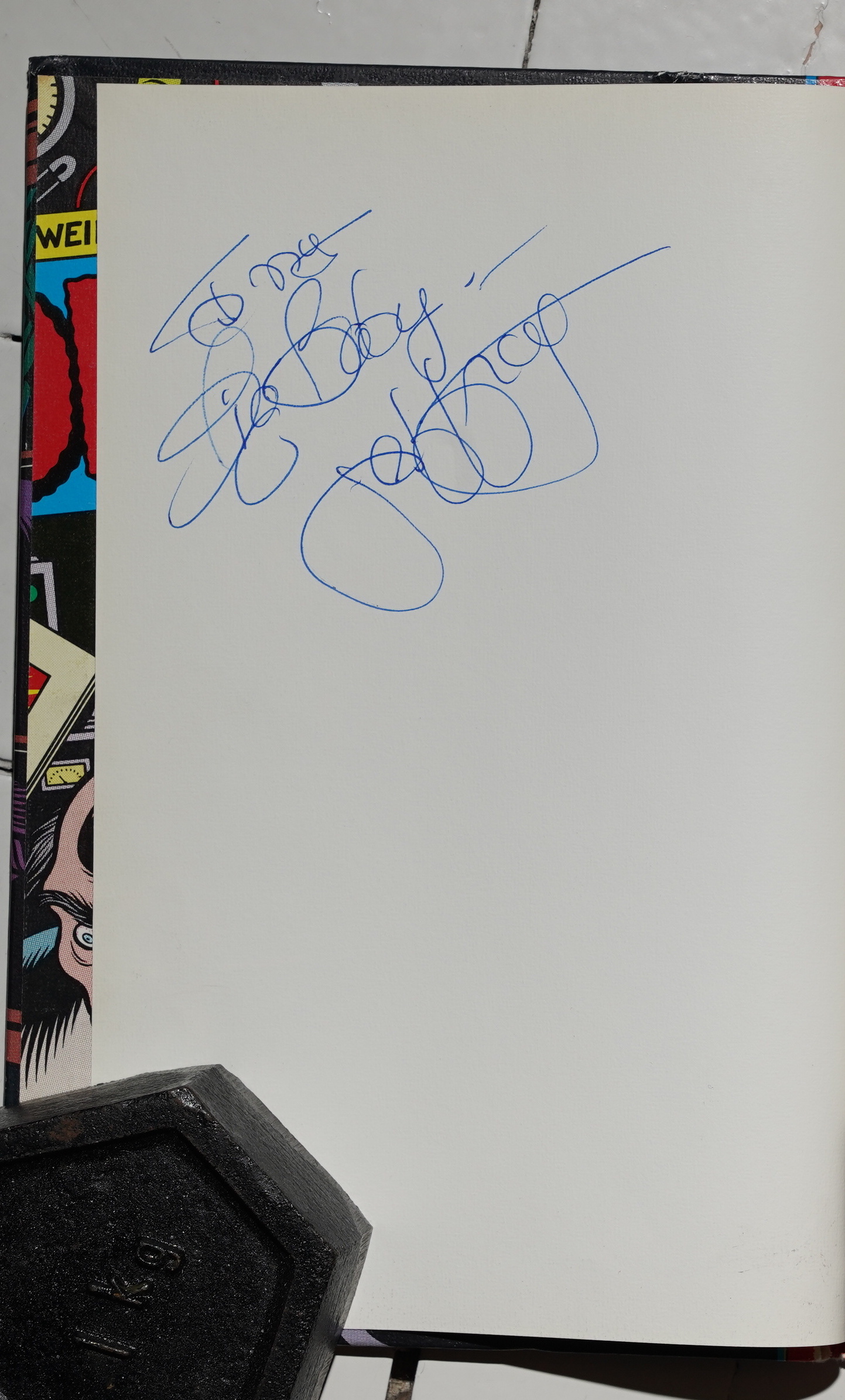
Well, that’s nice! “To my Big Baby — Jeffrey”. Or… is it?

(I’m not sure whether snapping pics like this is an invasion of privacy or not, so I’ll just not mention even the possibility.)

This is a little hardback volume, and it feels so well designed. Yes, it’s a very mid-80s design, with Futura and all, but everything, from the covers to the binding to the end papers to even the indicia and the page numbers just show the care and dedication that has gone into this. And the printing: It’s so razor sharp it feels like you can cut your fingers on those lines.

Big Baby’s insectile design is something to behold.

In some ways, Charles Burns was the odd man out at Raw — his stories are very 50s influenced and not very “punk” or “new wave” or whatever at all. But he’d be the odd man out in an Underground Comix setting, too — sure, he’s having fun with this material, but there’s also something unnerving about it all. This isn’t Eraserhead by any means, but it’s tapping into some of the same things.

Some EC references in that lower left hand panel…

Anyway, it’s a solid read, and very satisfying as an object.

Dale Luciano writes in The Comics Journal #113, page 45:

In Big Baby: Curse of the Molemen (a
recent RAW on&shot), Burns relates the
story of how a young kid (Big Baby, Burns’s
version of the typical American boy as
bizarro) witnesses the killing of a jealous,
wife-beating neighbor by the neighbor’s
downtrodden wife. Thisis the indirect out-
come of a plot which, as the schlock title
cleverly implies, promises a more conven-
tional follow-through of the story’s B-movie
origins. Burns initiates the Story from the
kid’s point of view—Big Baby sees a monster
crawling out Of a hole being excavated for
a swimming pool in the neighbor’s yard
and, later, sees the monster carry a human
victim back into the hole. We anticipate that
Burns will somehow deliver on the basic
horror storyvremise.
He does, but in shrewdly conceived, unex-
pected ways. Big Baby is a good example of
the displacement that occurs in the best hor-
ror stories. What Big Baby enconters When
he finally ventures down into that hole may
or may not be the product of a hyperactive,
hysterical imagination, but the horror of the
mean-spirited, suburban who
feels he has license to use his Wife as a
punching bag overshadows anything else in
the story. When Big Baby learns that the
Creatures are “lady monsters” Who kidnap
human males for their own sexual purposes,
the metaphor for the perversion Of natural
impulses within the constraints of middle-
class marriage is eerily brought to the fore.

Uhm… OK…

This blog post is part of the Punk Comix series.

Comics Daze

Today’s a nice day for comics. It’s kinda… grey…

Psychic TV: Dreams Less Sweet

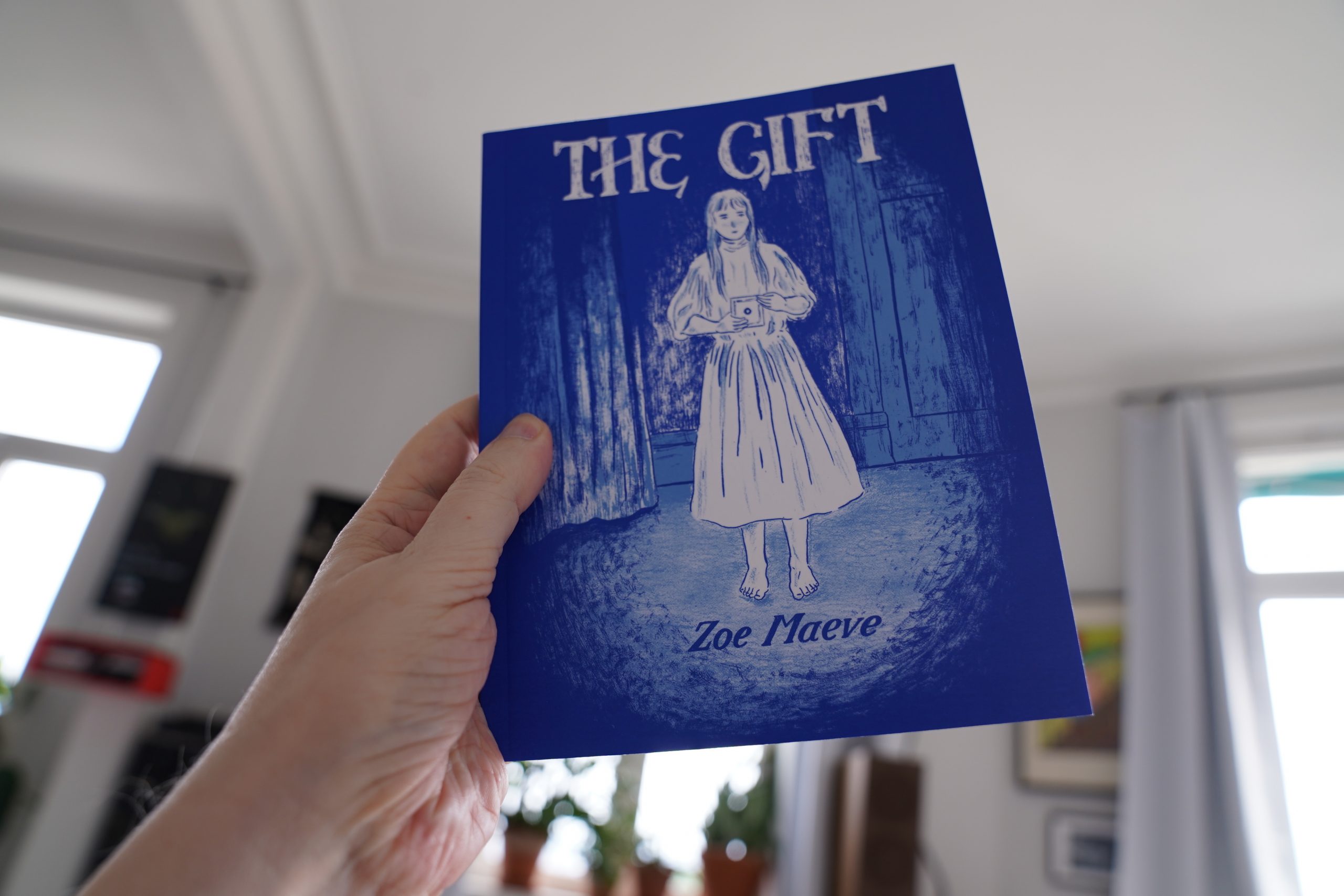
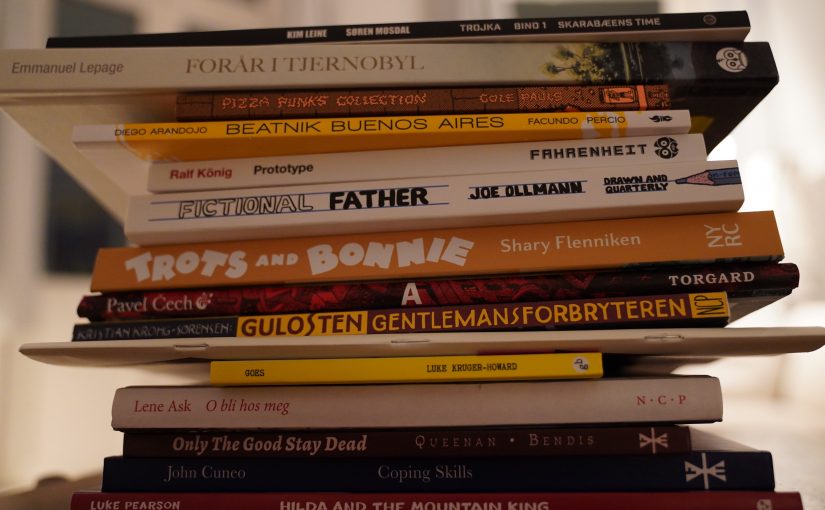
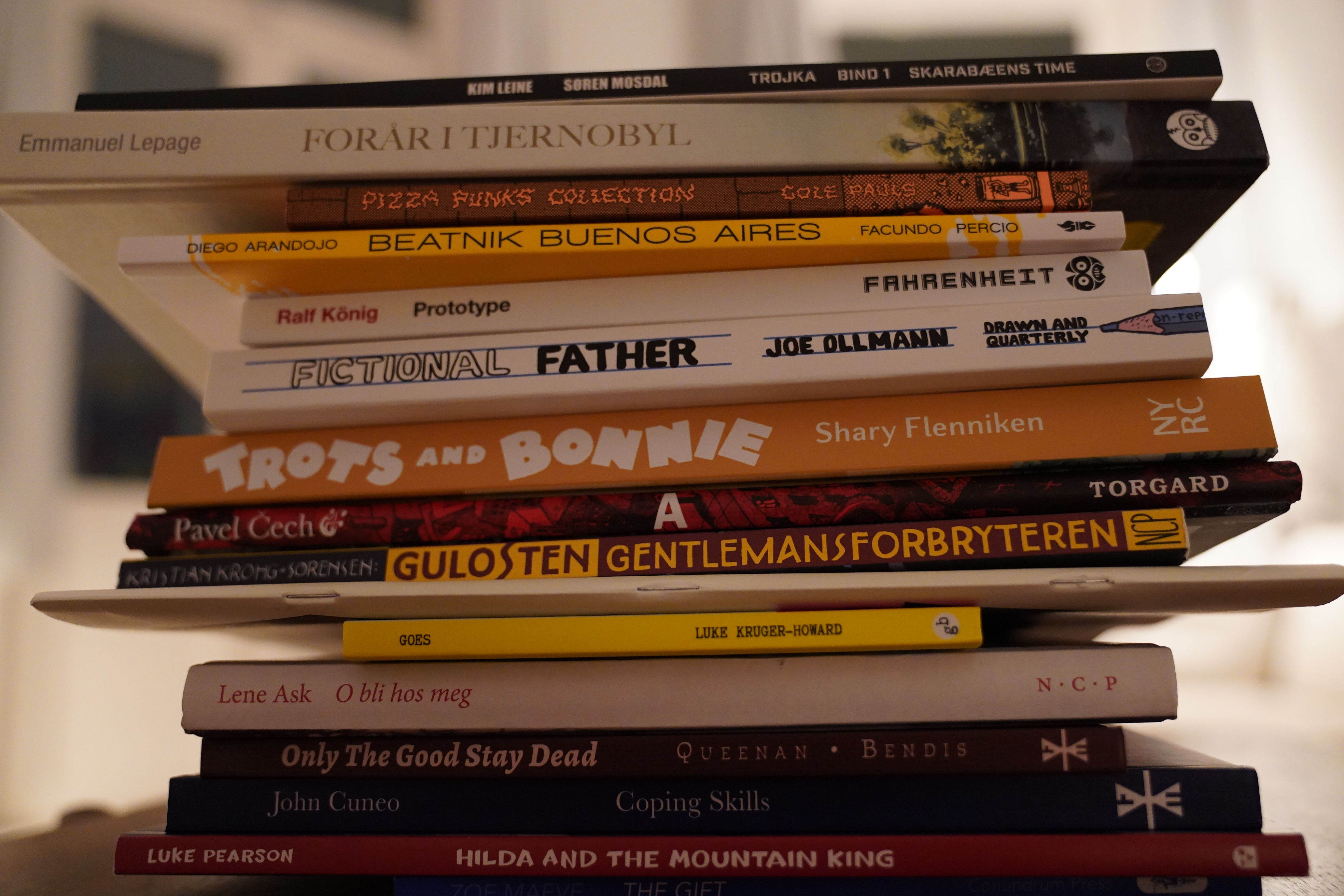
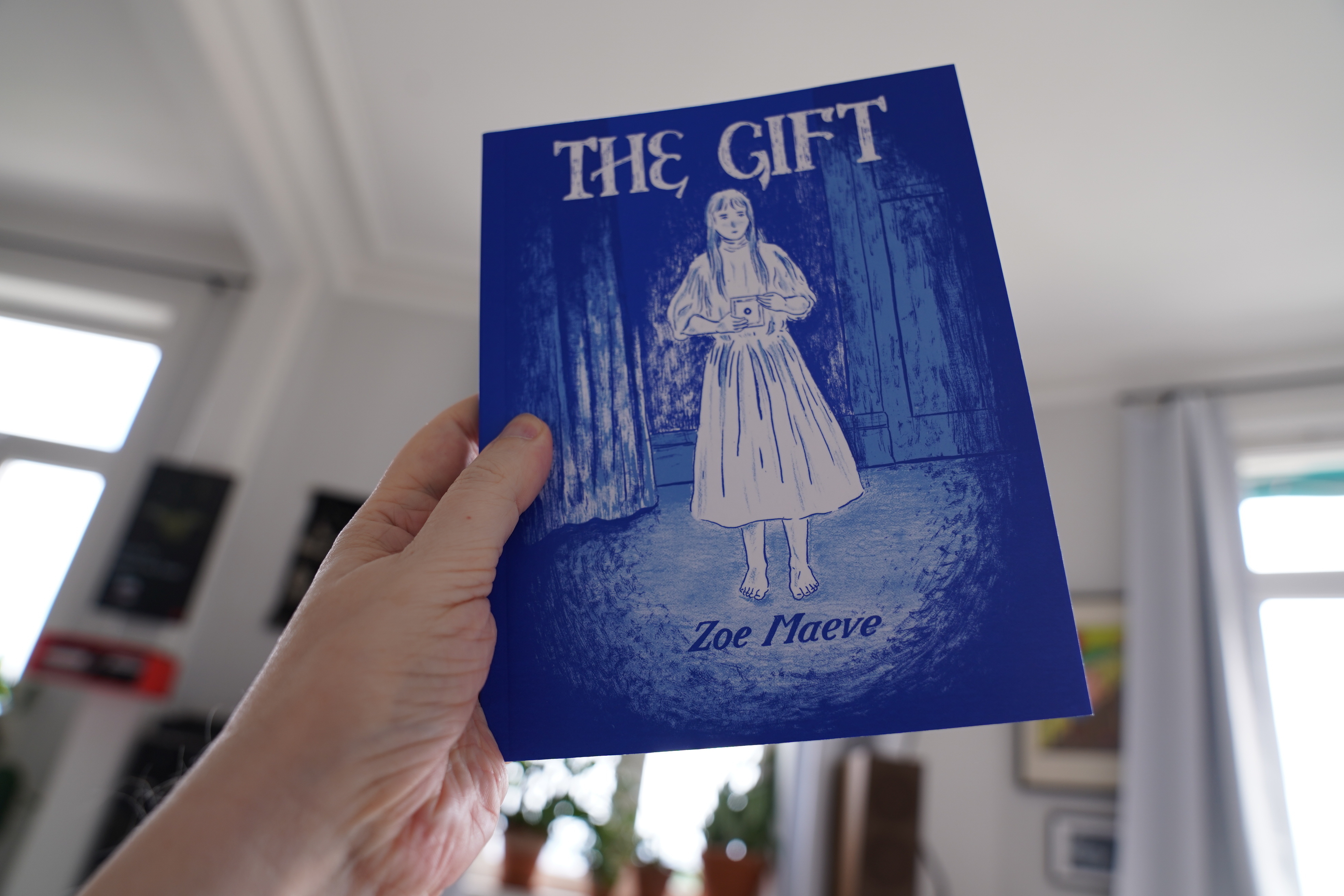
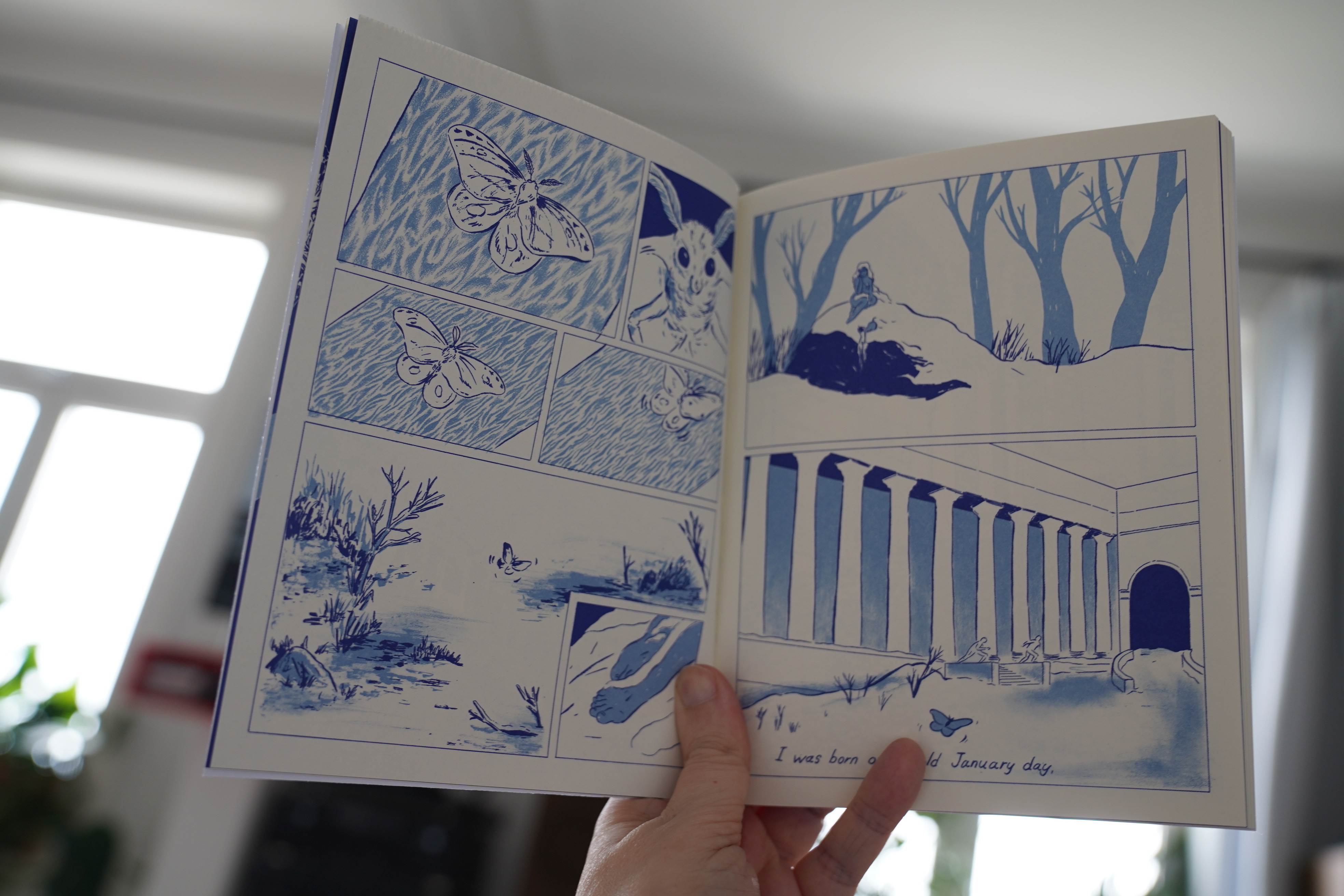
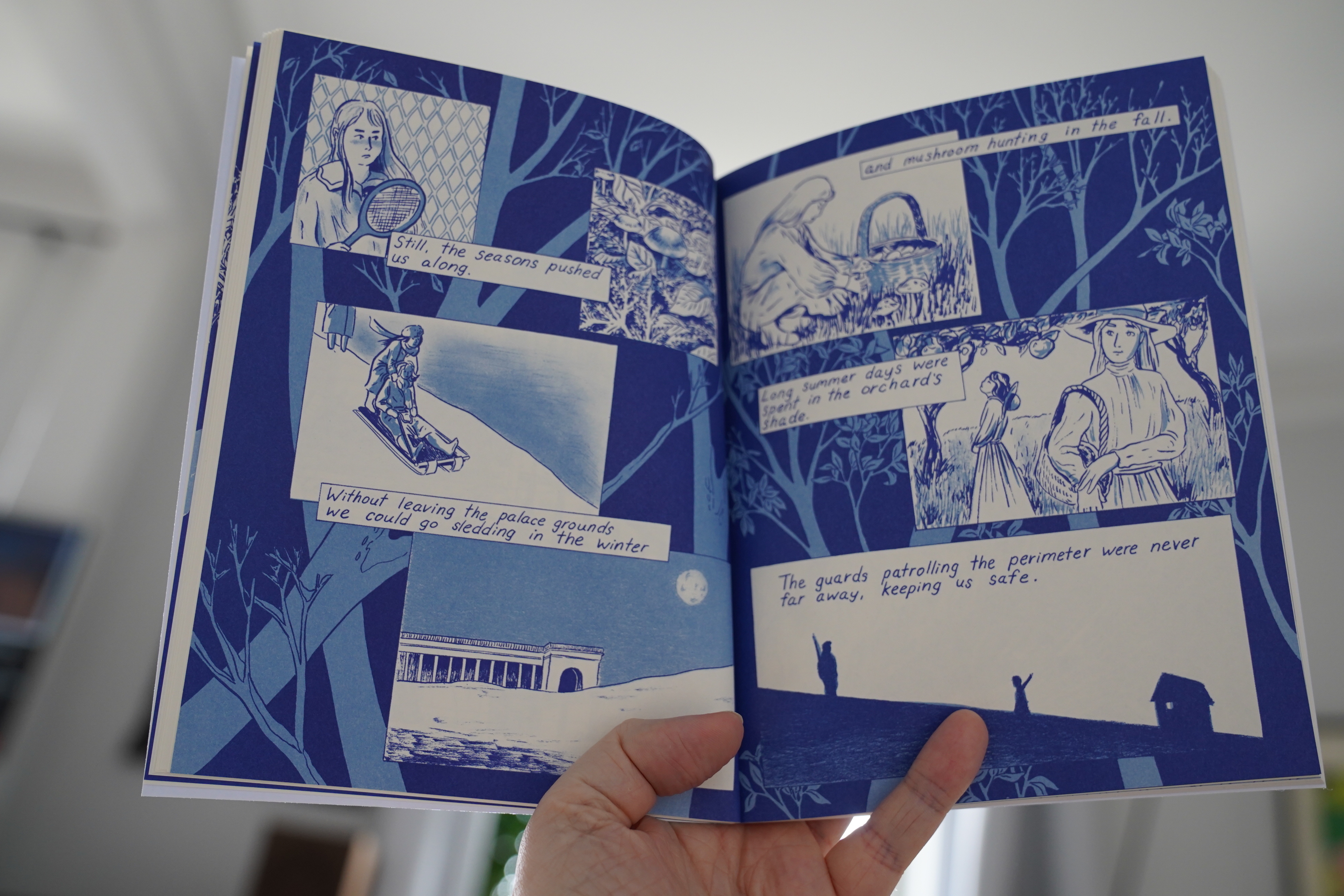
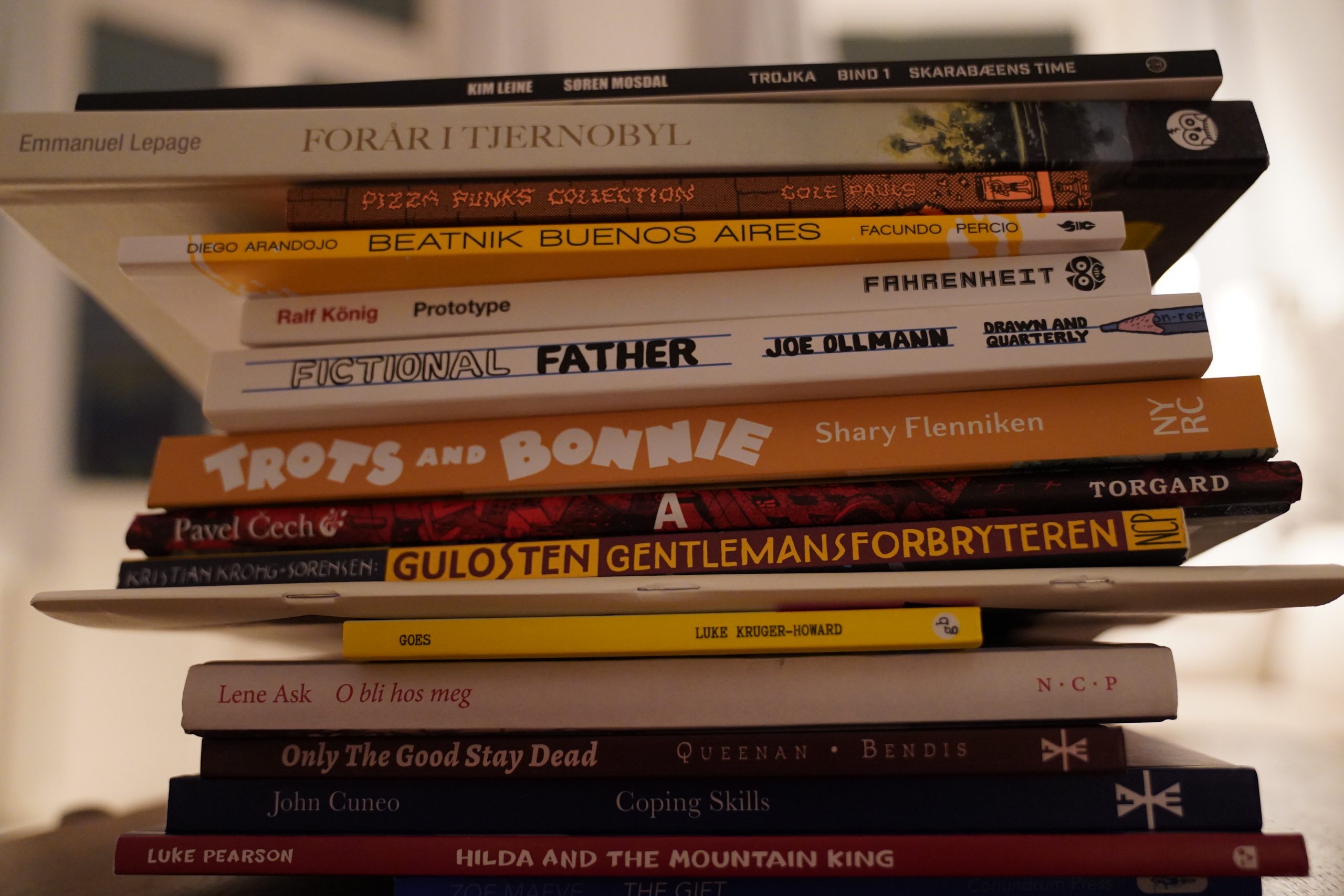
14:37: The Gift by Zoe Maeve (Conundrum)
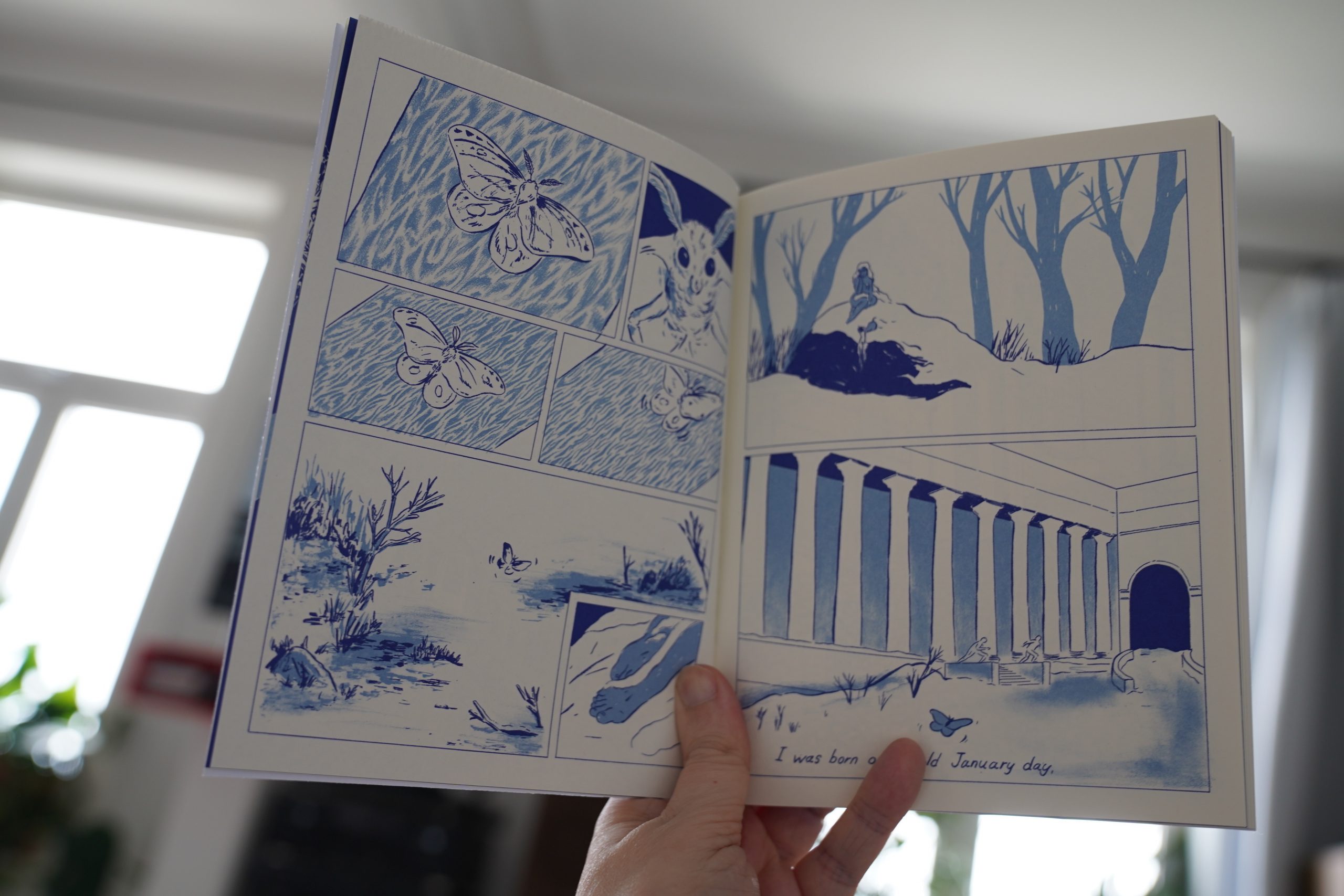
Love the artwork here…
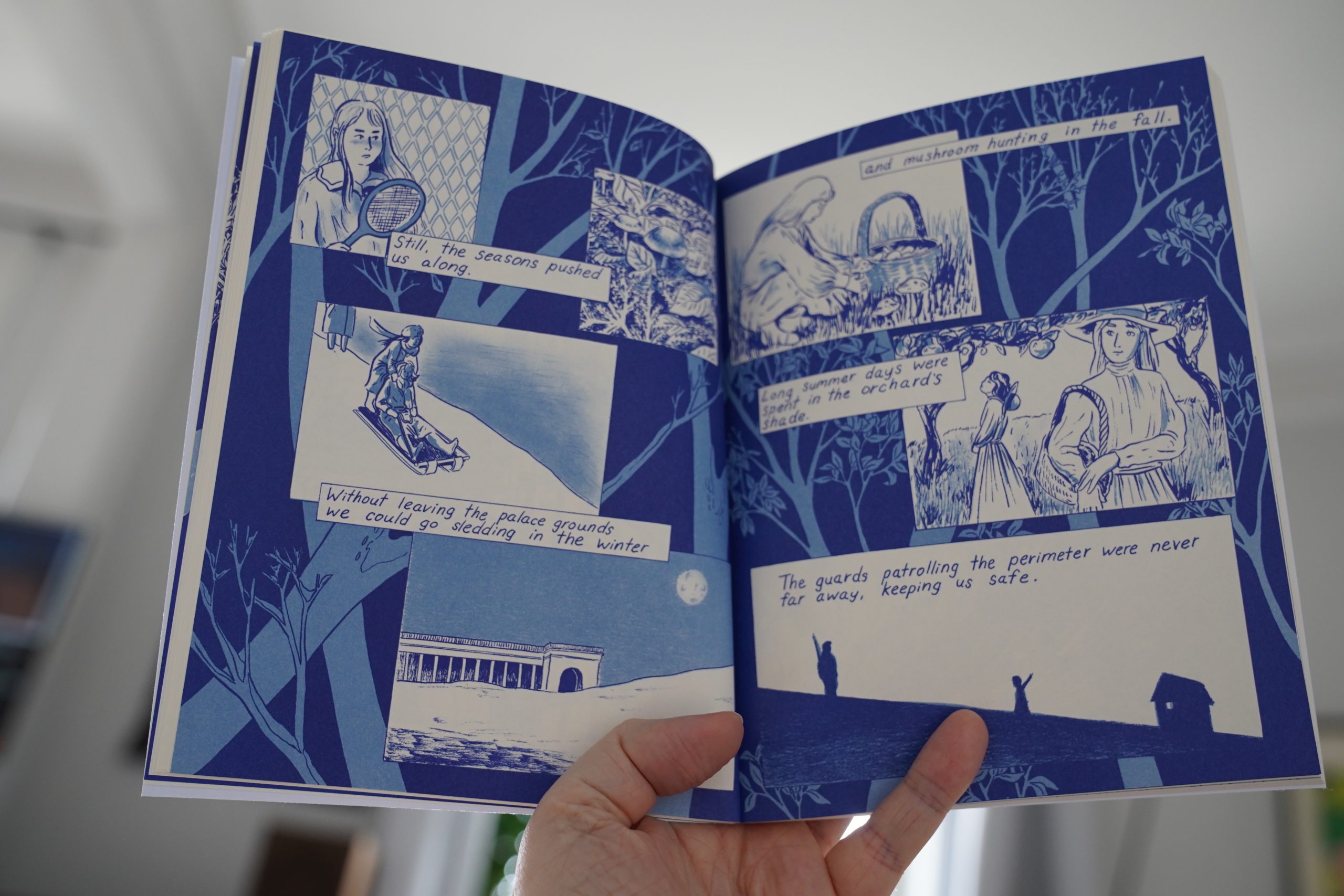
… and it’s an intriguingly told fantasy about what the tsarinelles’ (that’s totally the correct word for “czar children”) lives (and deaths) were like. But… I just found myself annoyed with the entire thing. My brain was going “another fucking Romanoff thing? But why!”

It just seems crass and over-done as a subject matter, and somewhat offensive in the execution? Somehow.

But it’s well done! I’m so ambivalent.

Nobukazu Takemura: Zeitraum

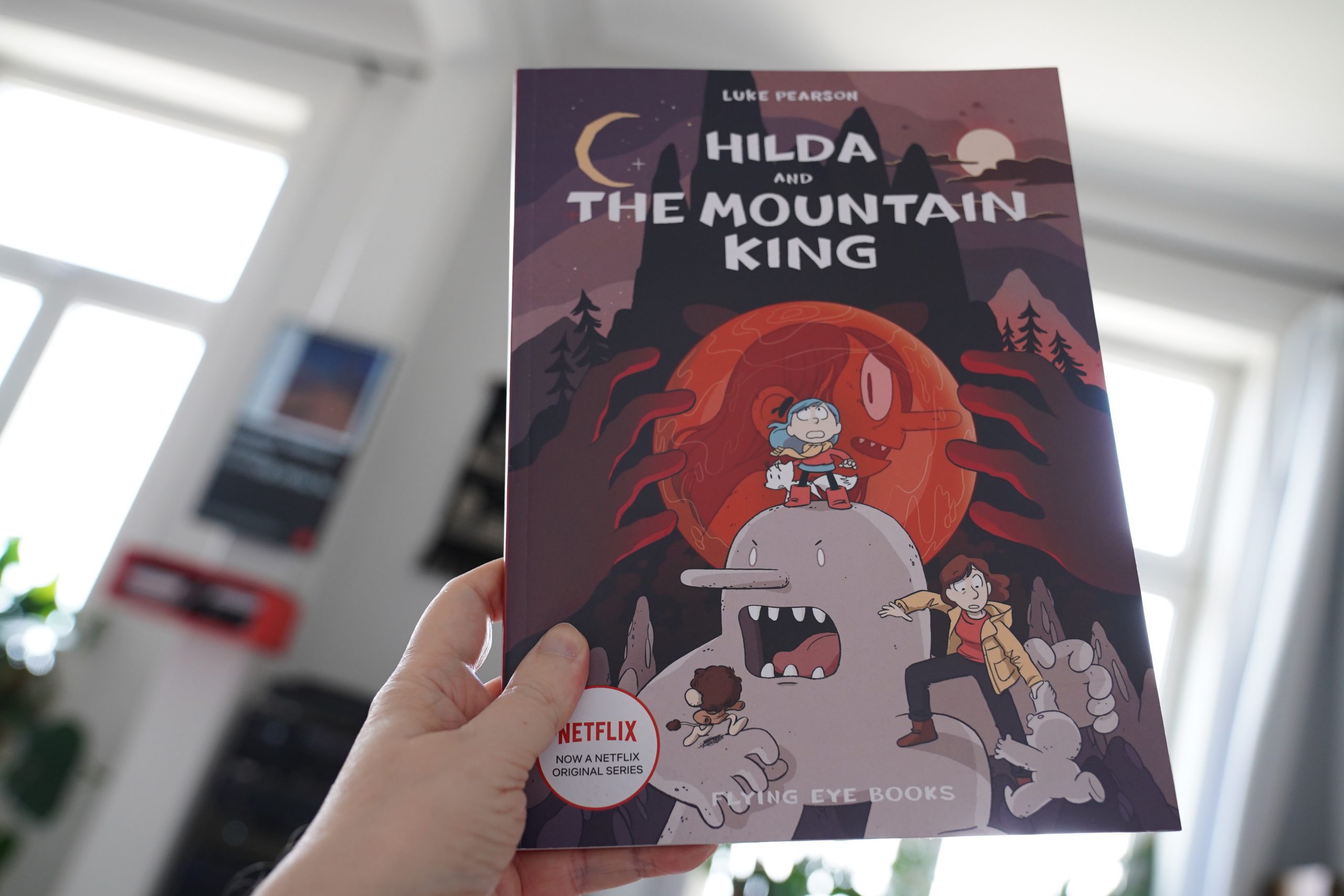
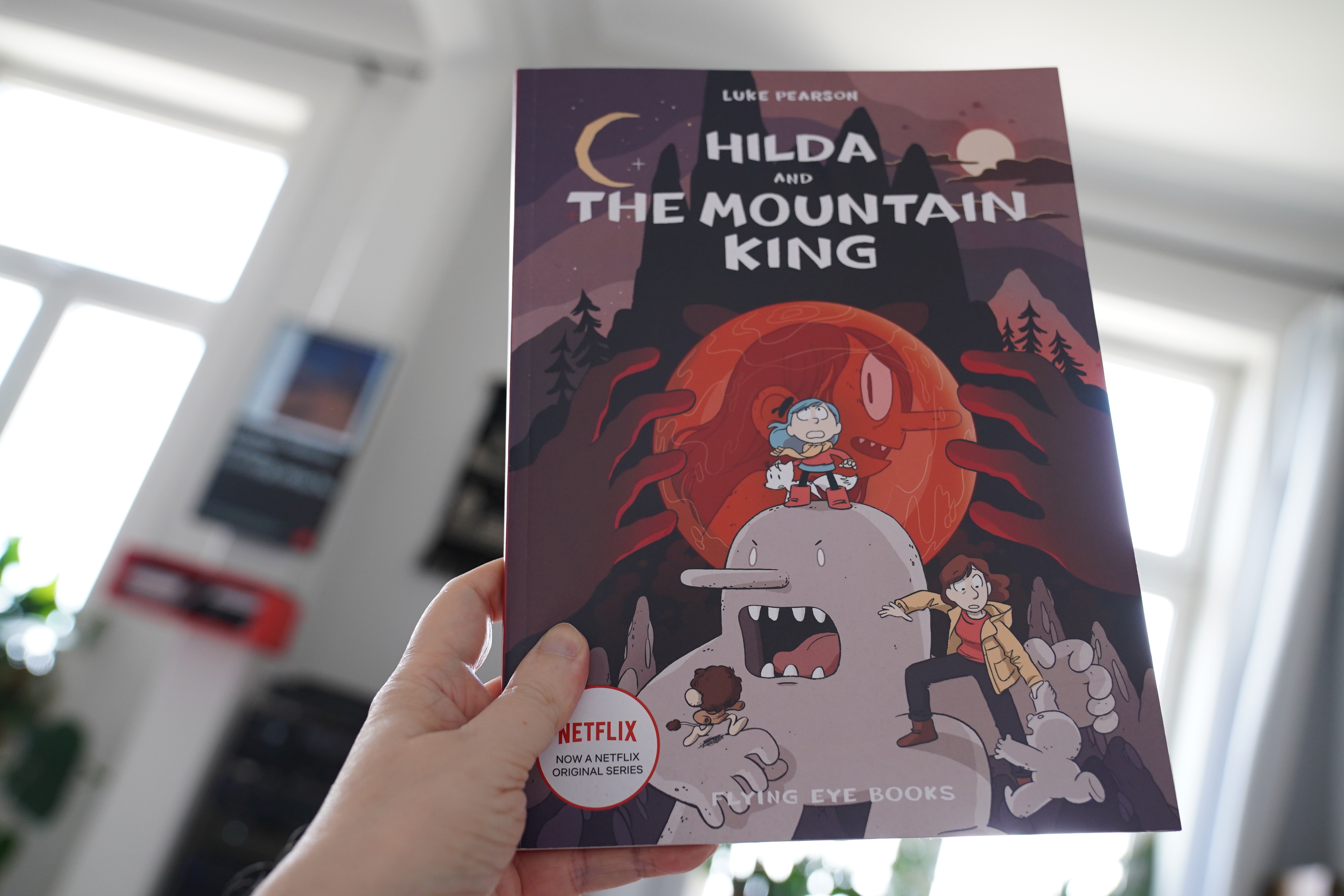
14:55: Hilda and the Mountain King by Luke Pearson (Flying Eye)

I’ve like these Hilda books, but now that it’s a Netflix series, are they gonna start sucking?
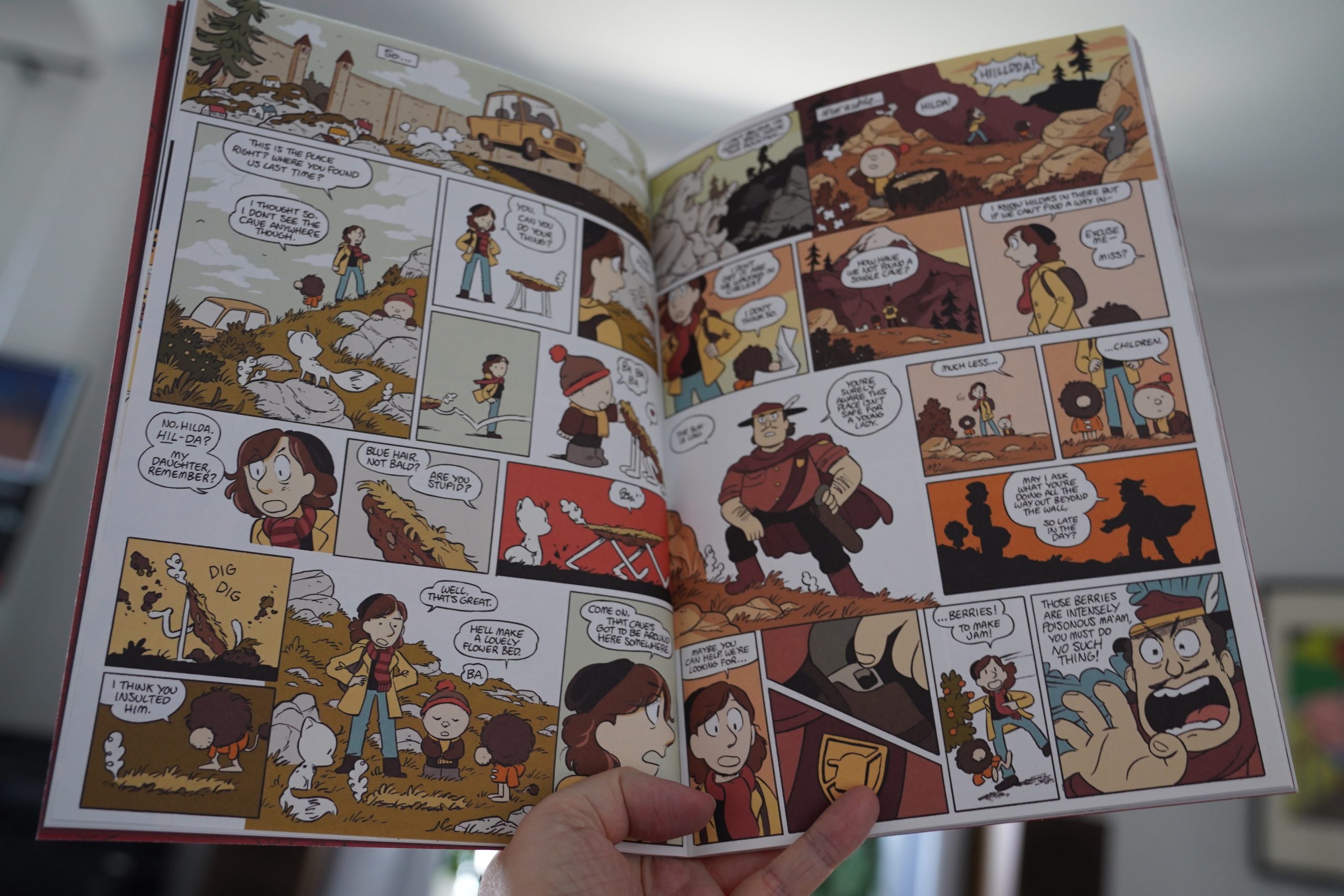
This is apparently the second part of a two-parter, and it’s so… dense. There’s so many characters (with bizarre designs) that it’s kinda hard to pay attention.
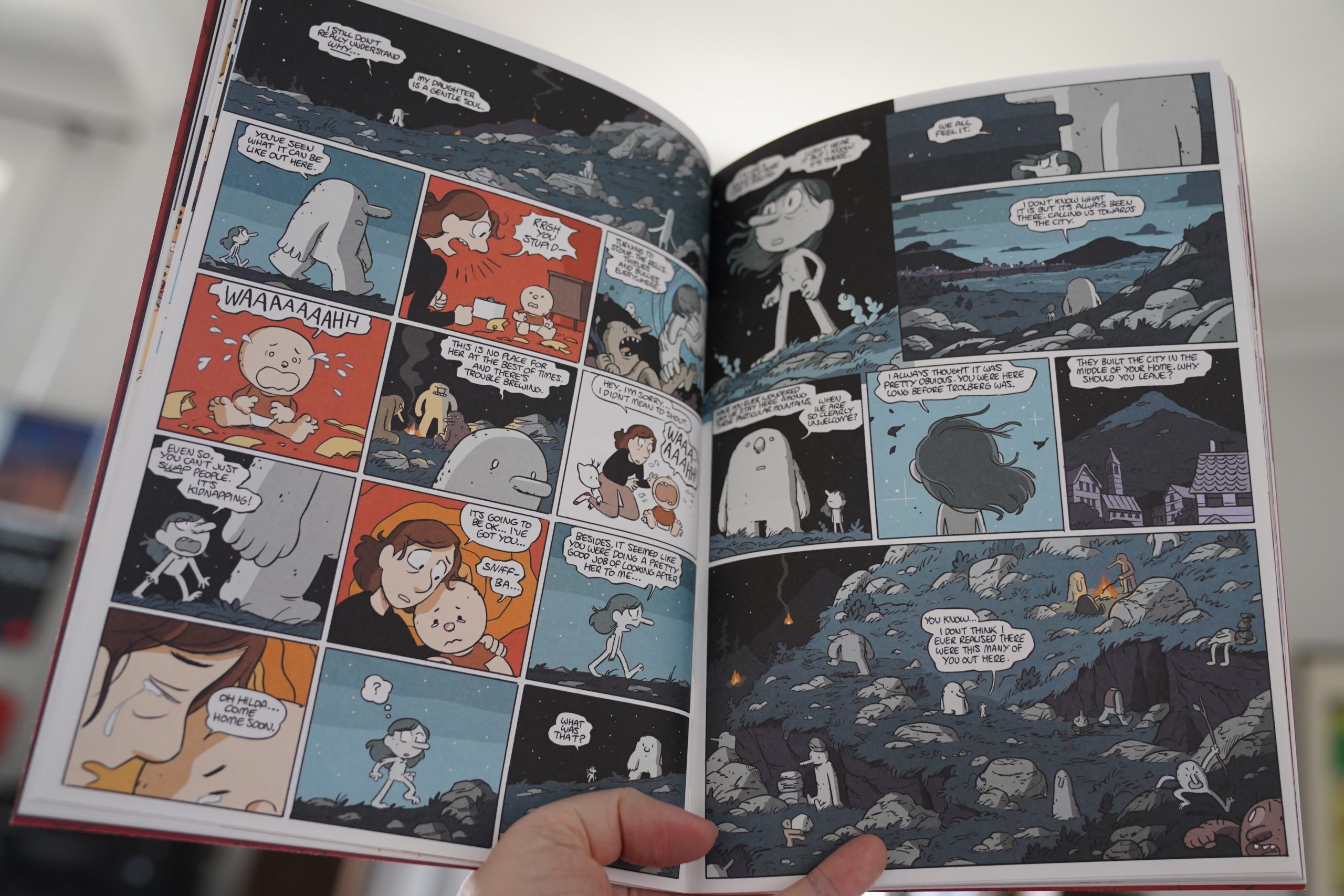
And I’m sorry to say that it reads pretty much like a storyboard for a TV series. So I guess my fears were justified.

But, I mean, it’s not bad. It’s got a pretty epic ending.

Nobukazu Takemura: Zeitraum

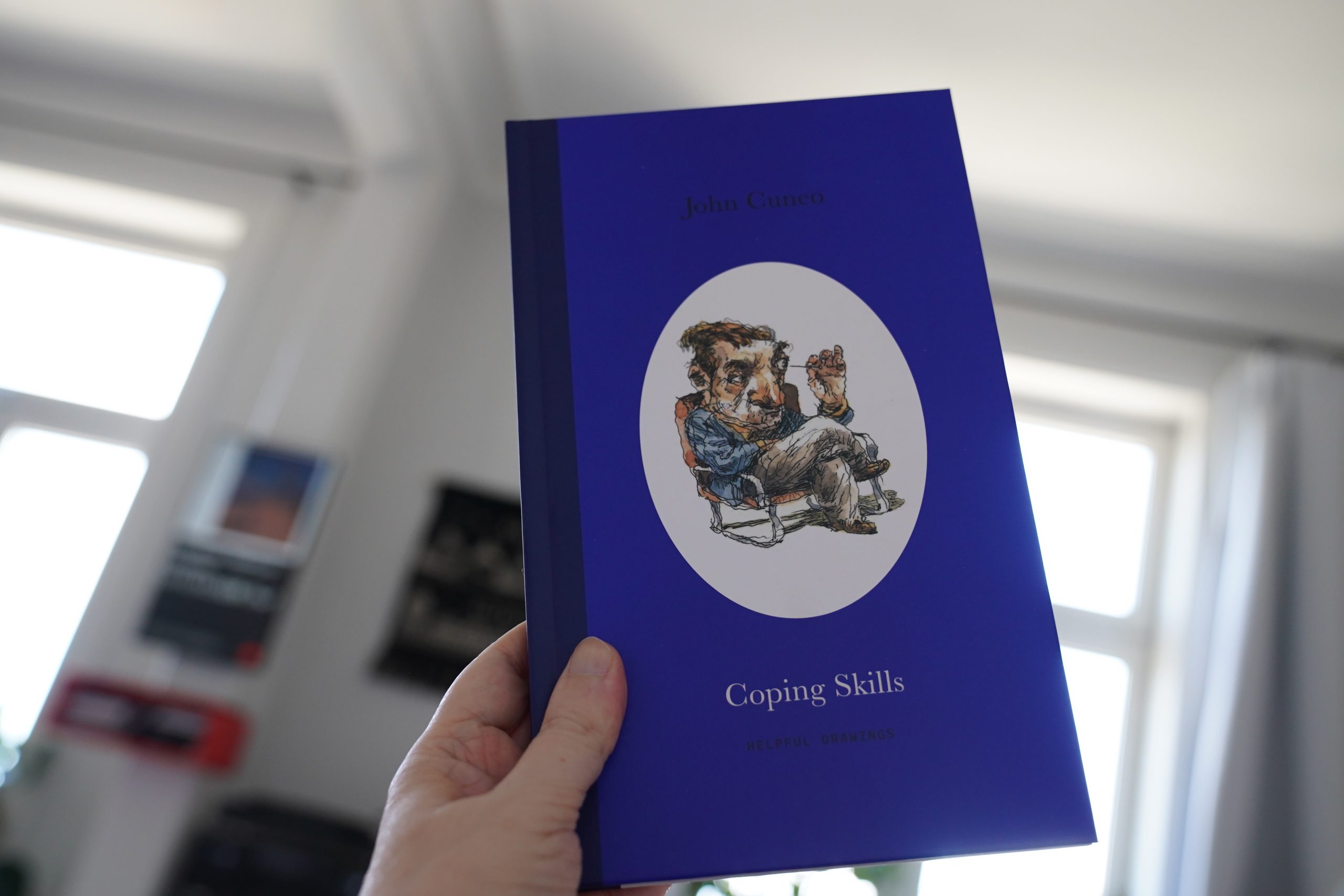
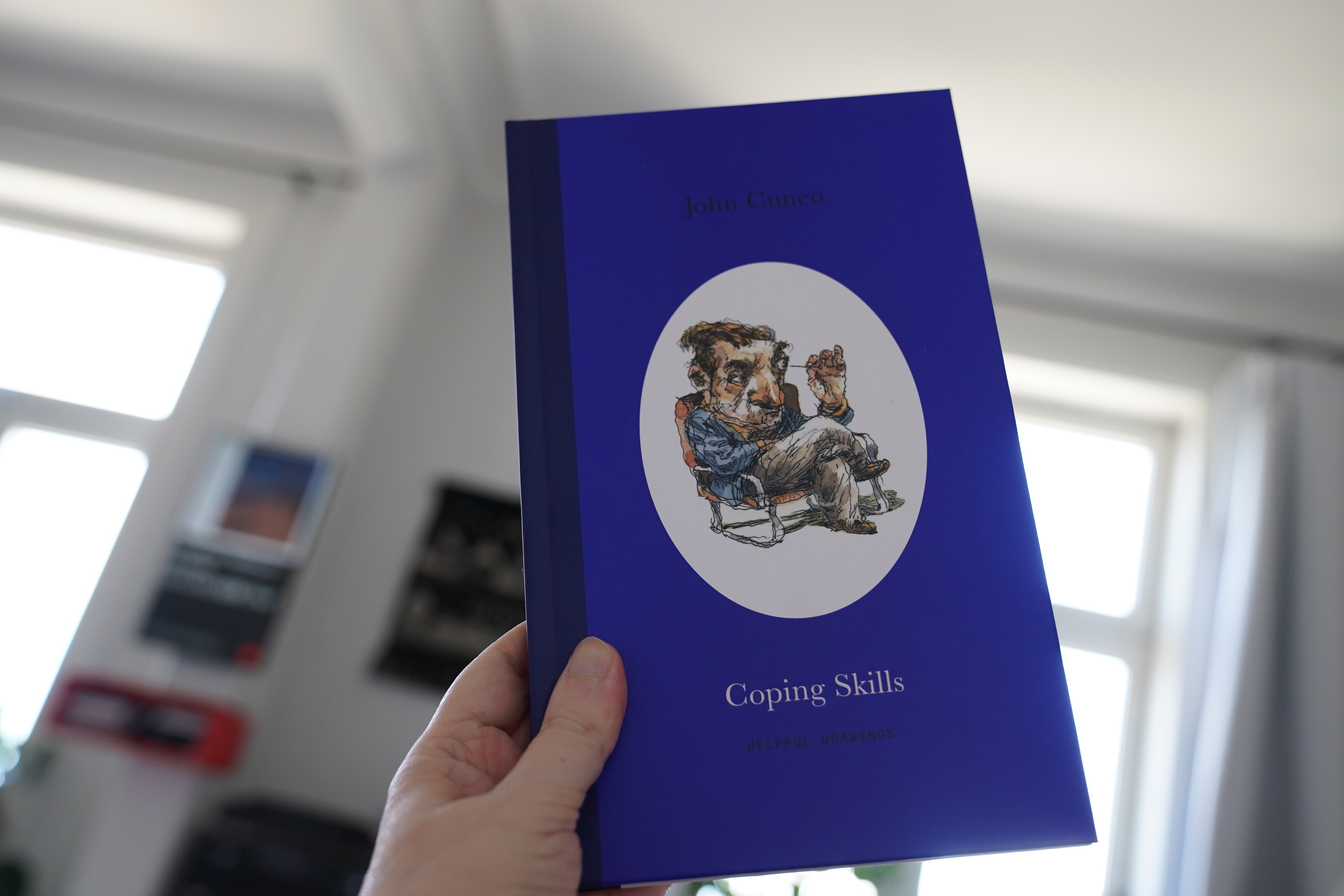
15:23: Coping Skills by John Cuneo (Fantagraphics)
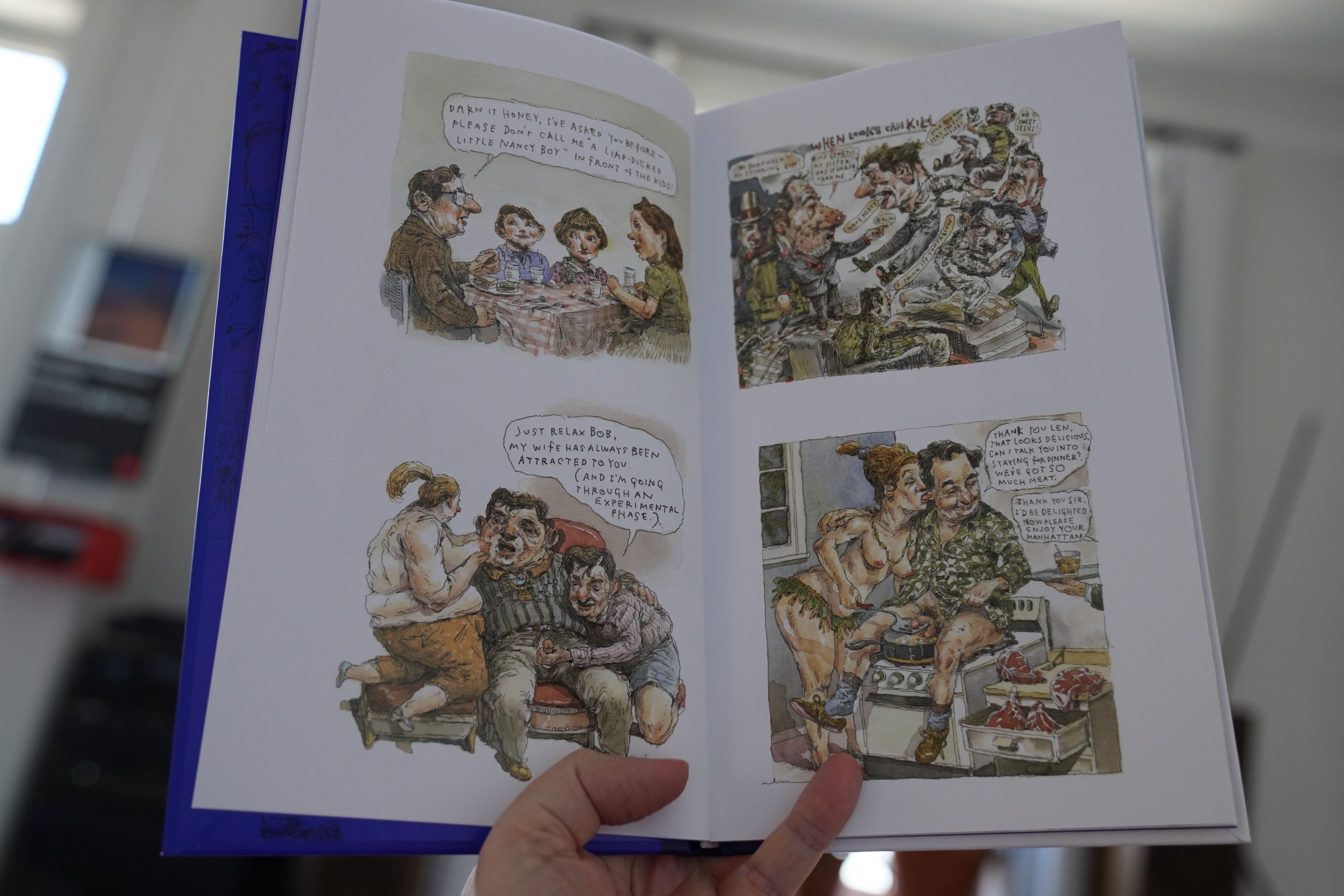
This is a sketchbook thing, so I assumed this was gonna suck, but it’s great.
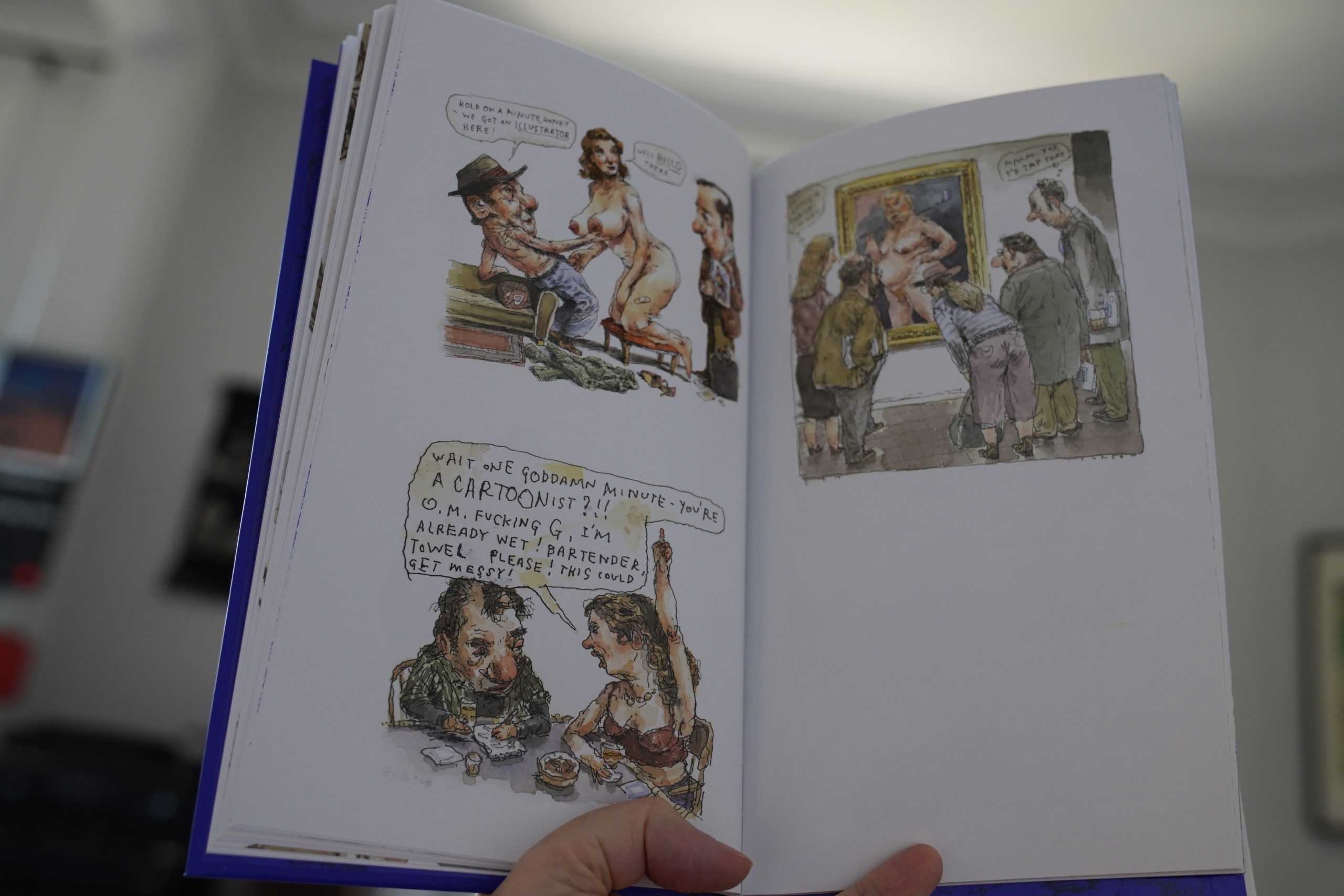
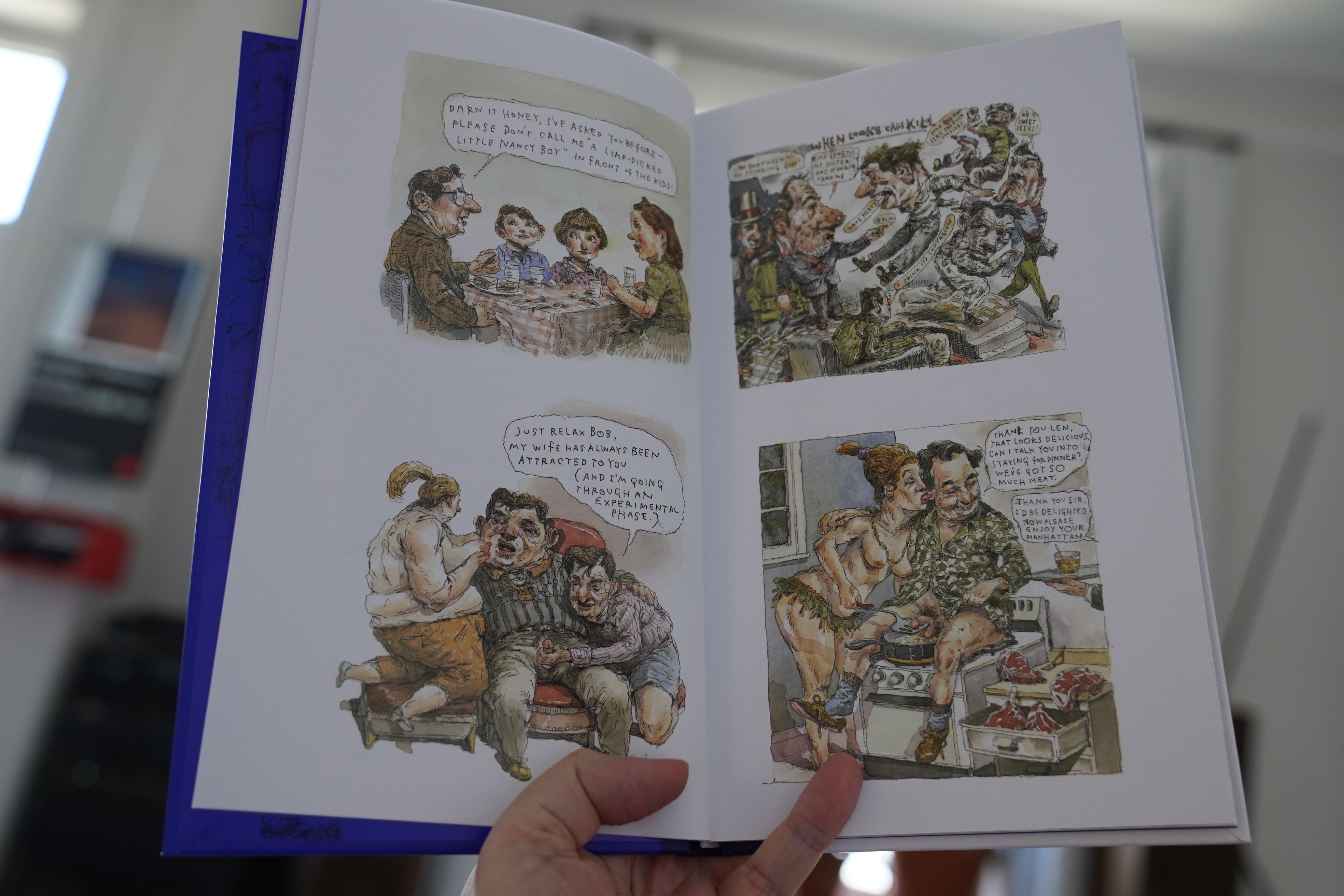
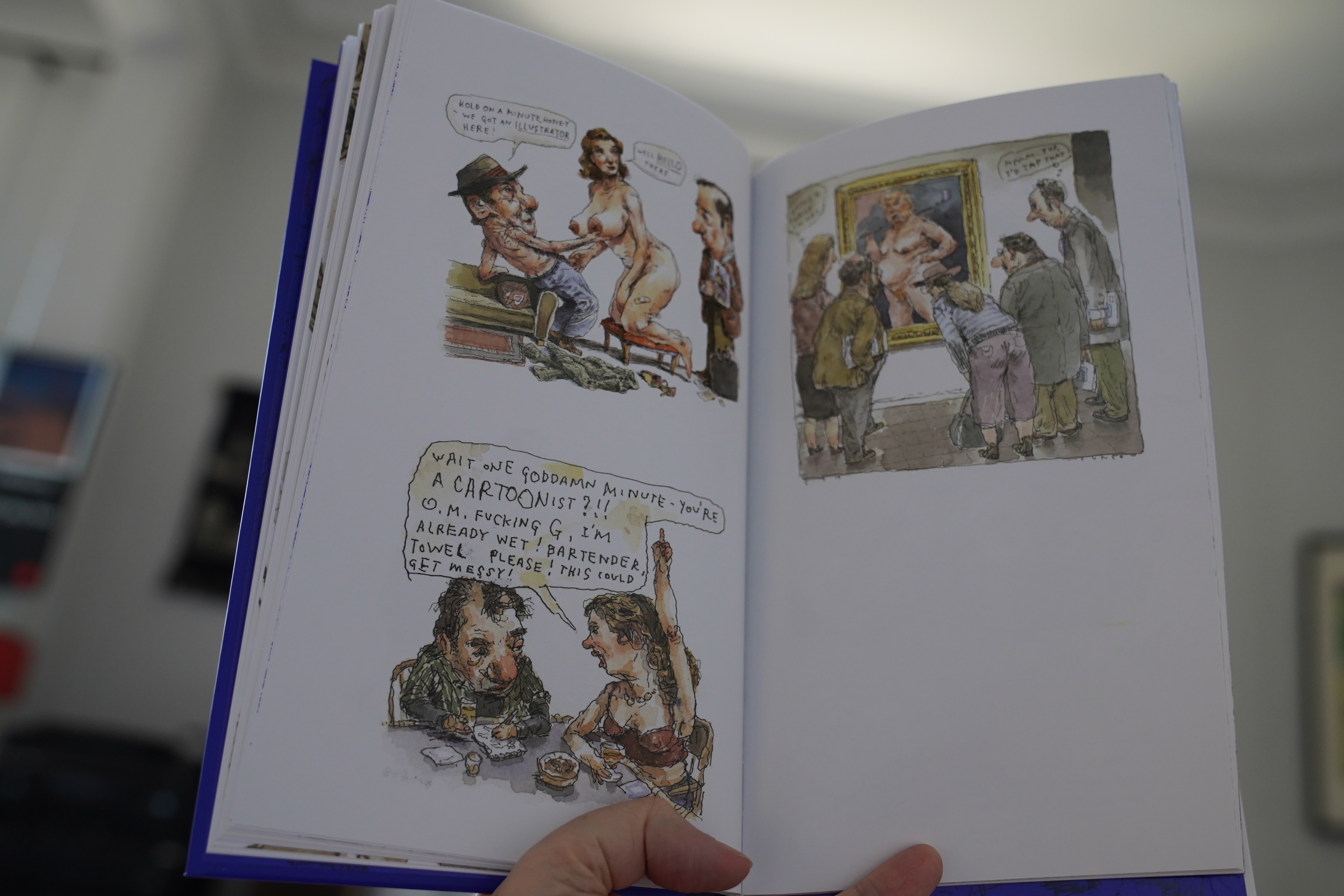
It’s very funny, and I love Cuneo’s line. It’s also just a very handsome book — it’s tall and narrow and that somehow seems appropriate.

Nobukazu Takemura: Zeitraum

15:38: Only the Good Stay Dead by Joe Queenan & Keith Bendis (Fantagraphics)

Joe Queenan… is that the guy who wrote that hilarious Putting on the Ritz book? … No, that was Joe Keenan.
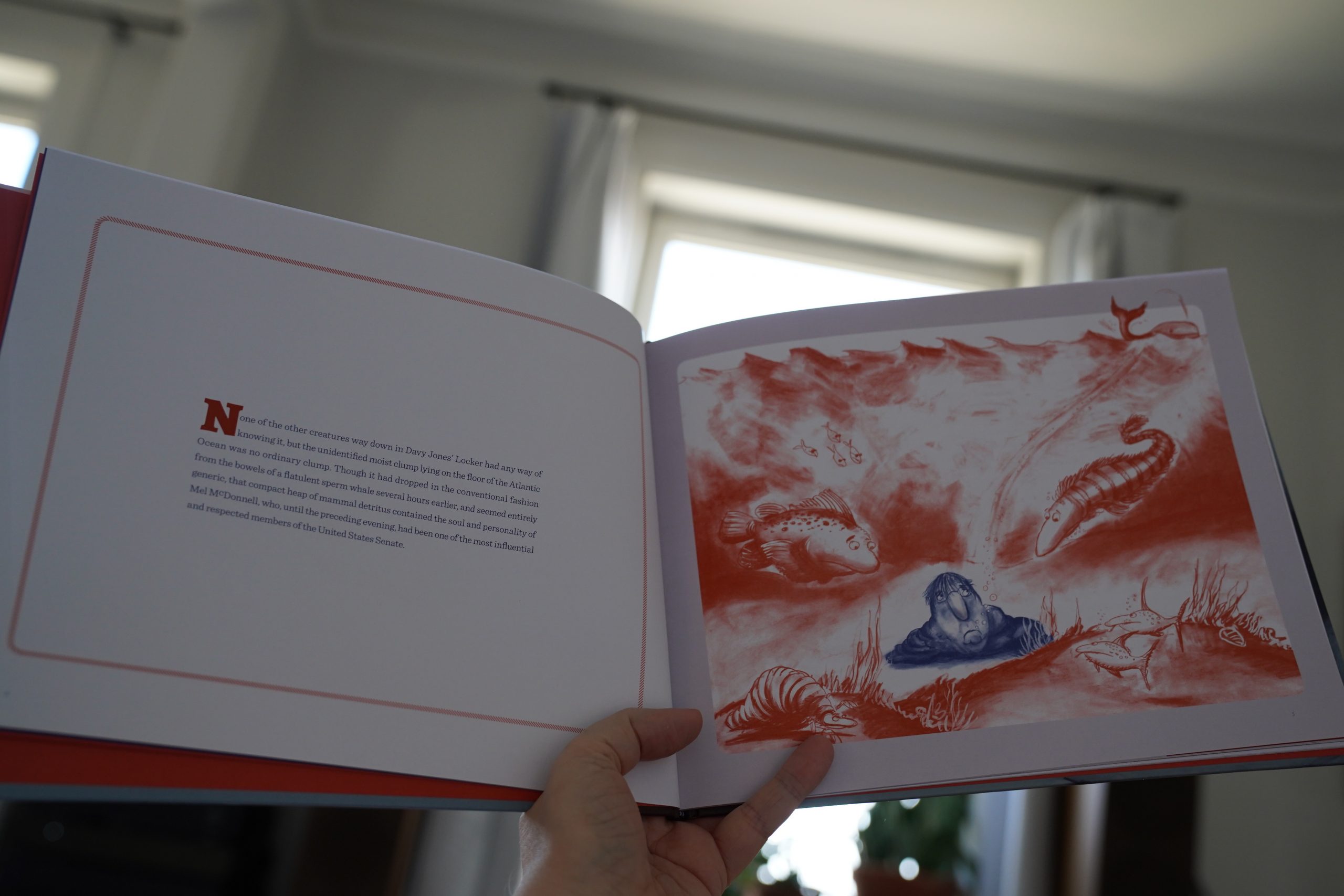
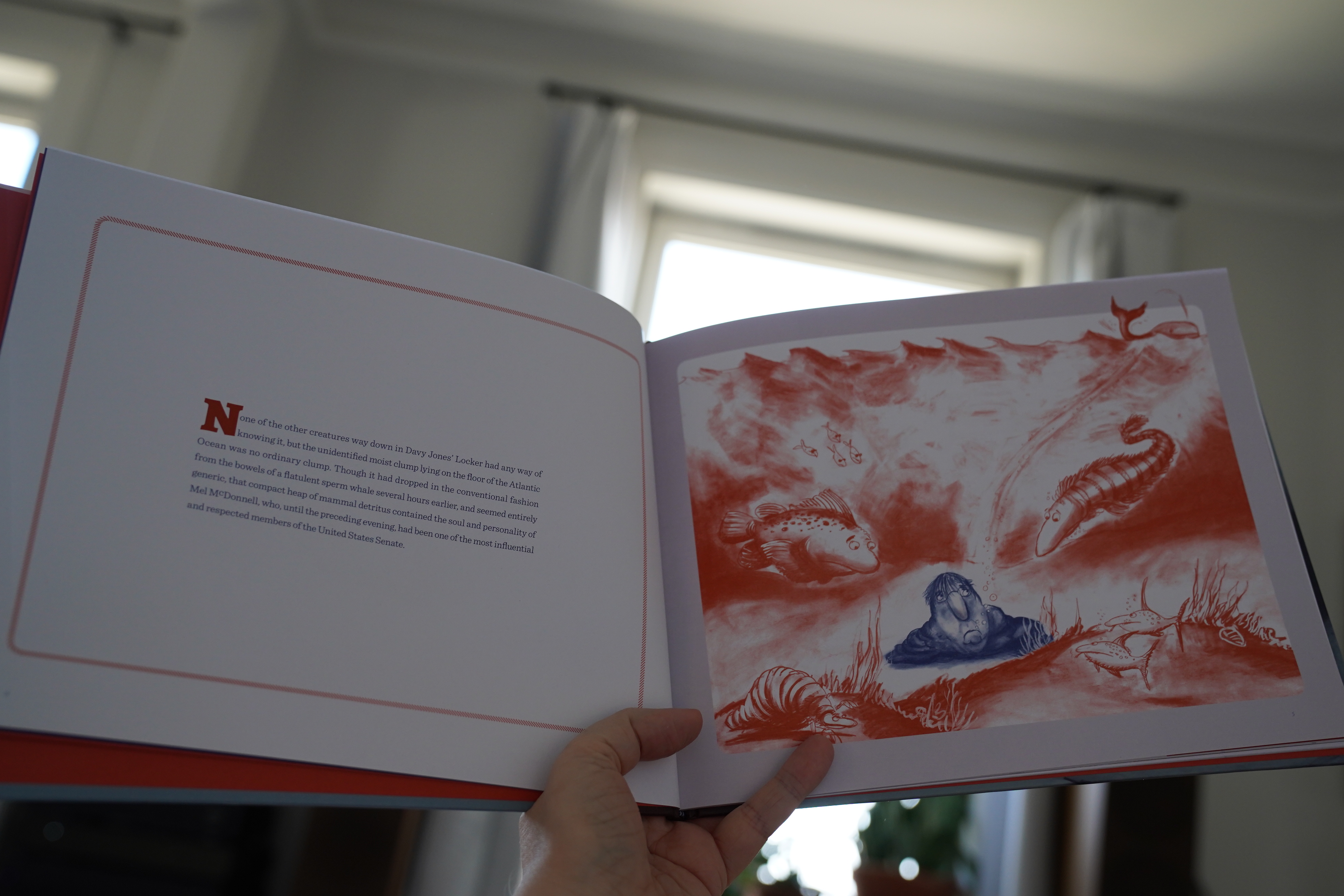
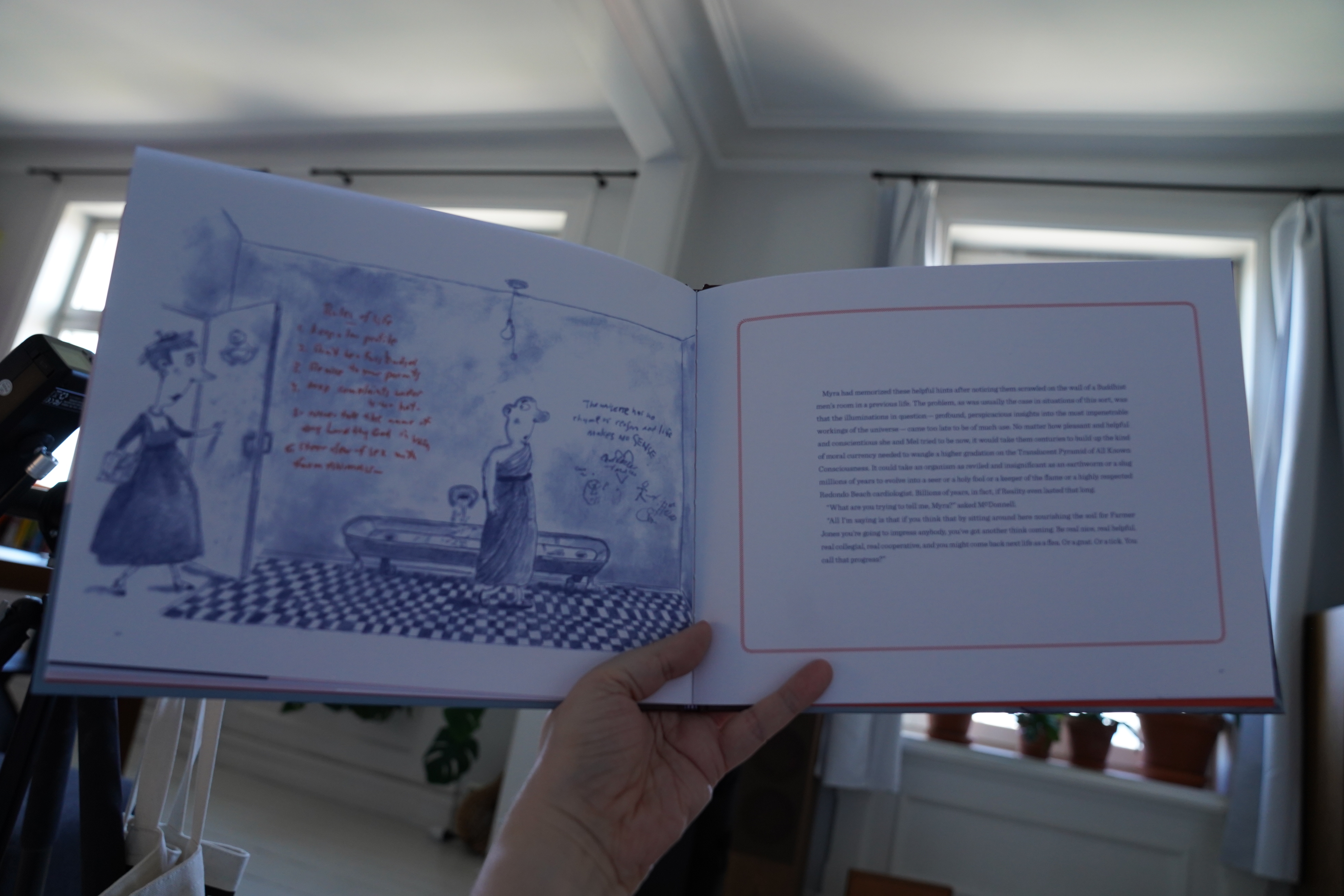
This is the story of Mitch McConnell’s karmic journey.
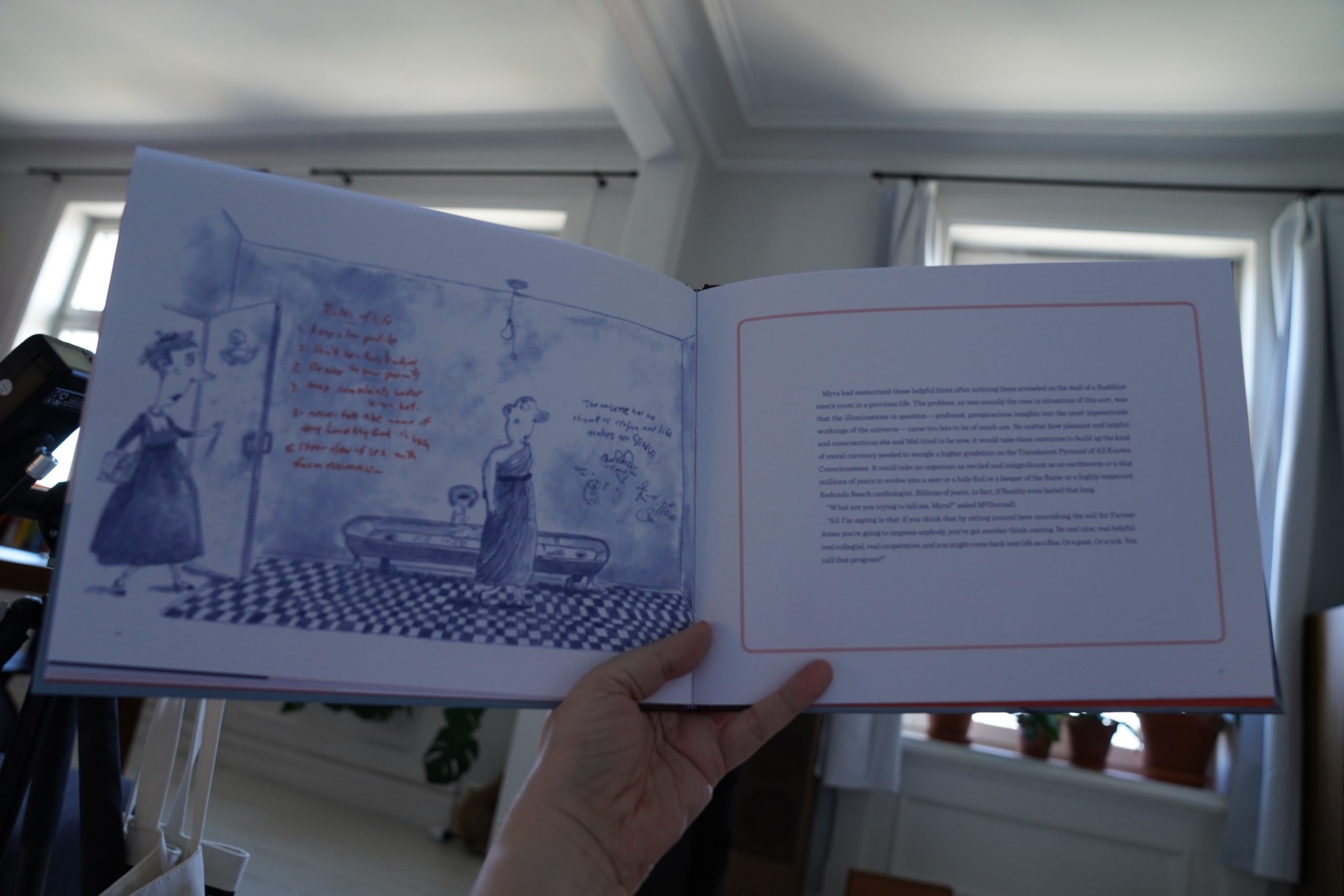
It’s… it’s amusing? But…
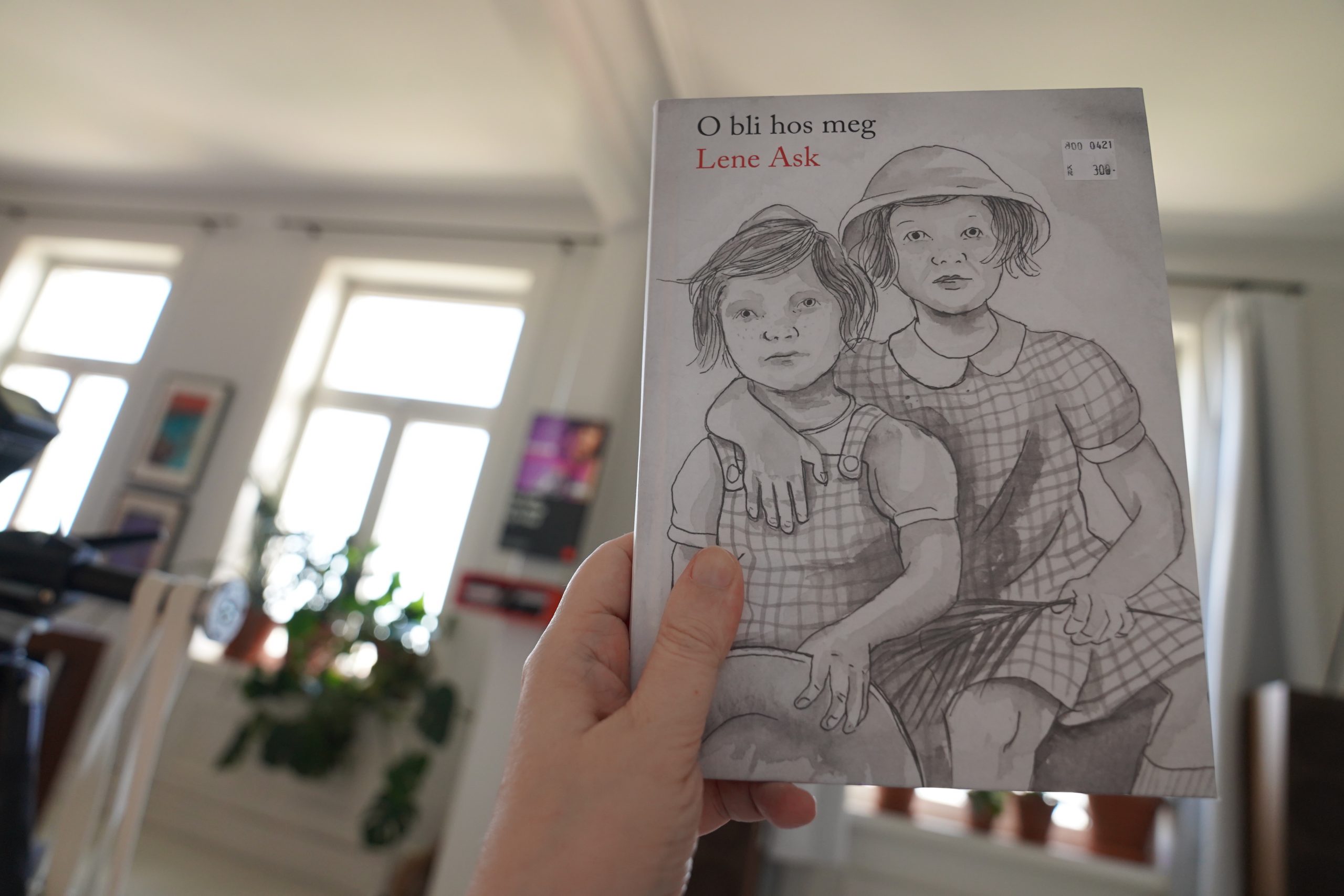
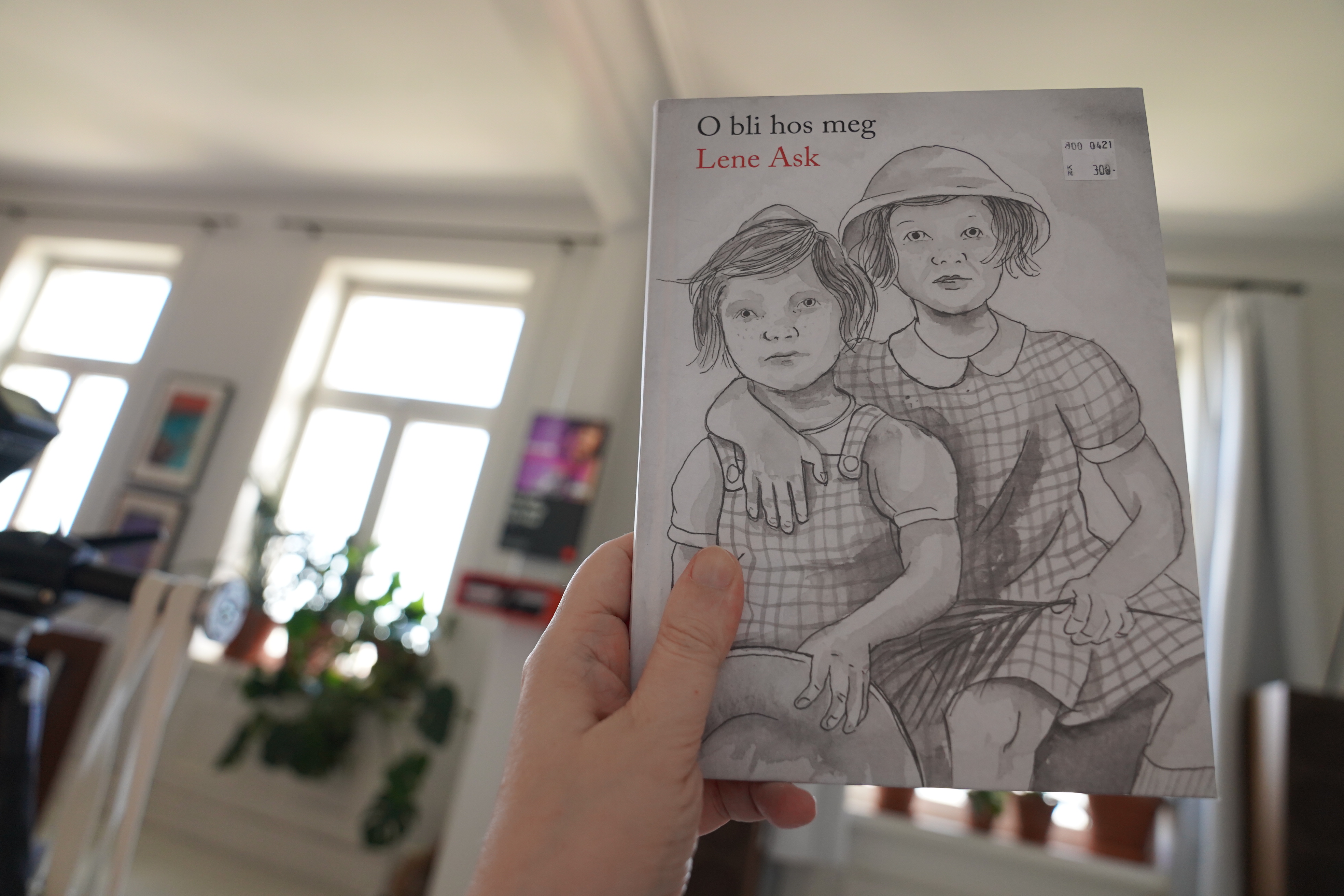
16:03: O bli hos meg by Lene Ask (No Comprendo)
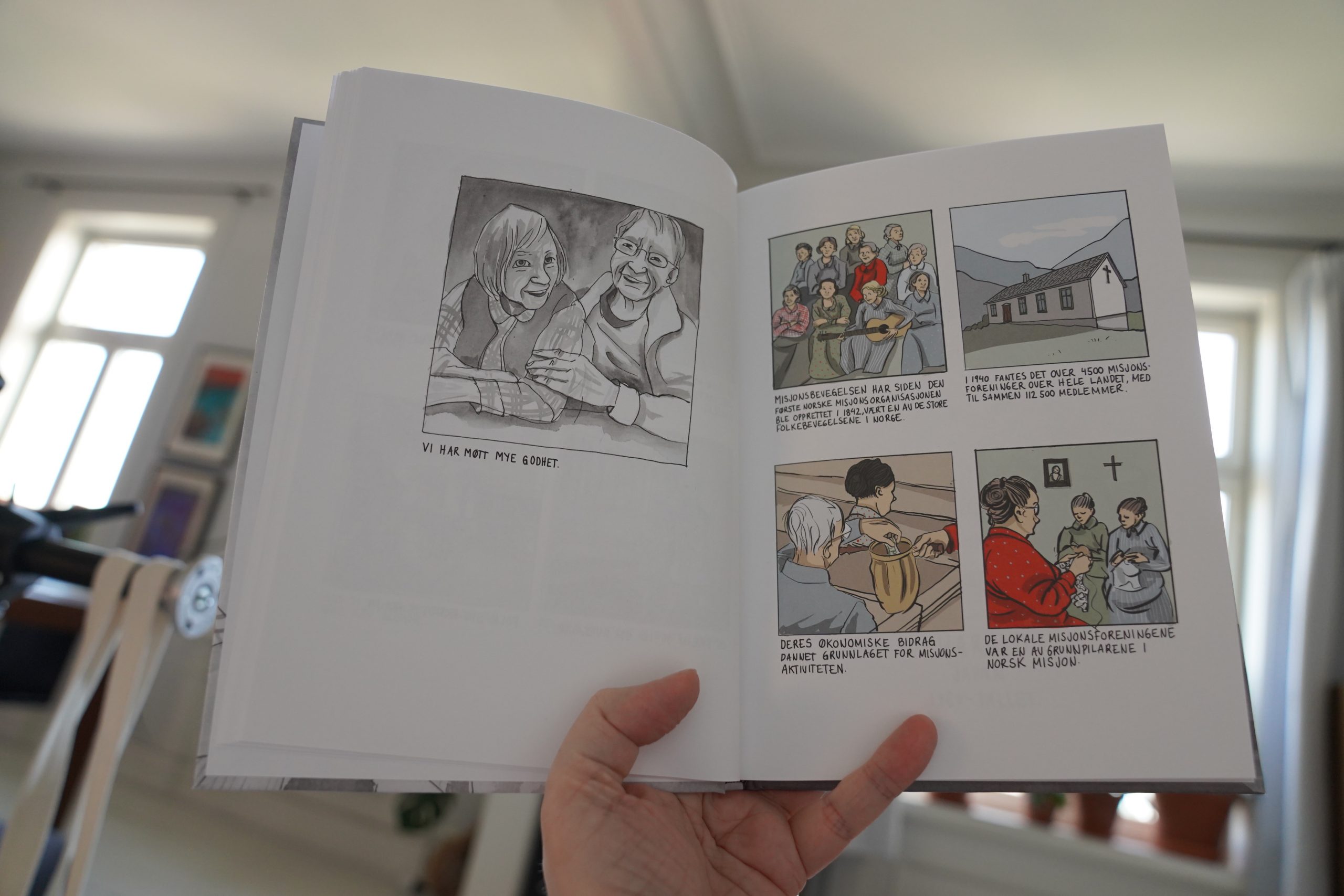
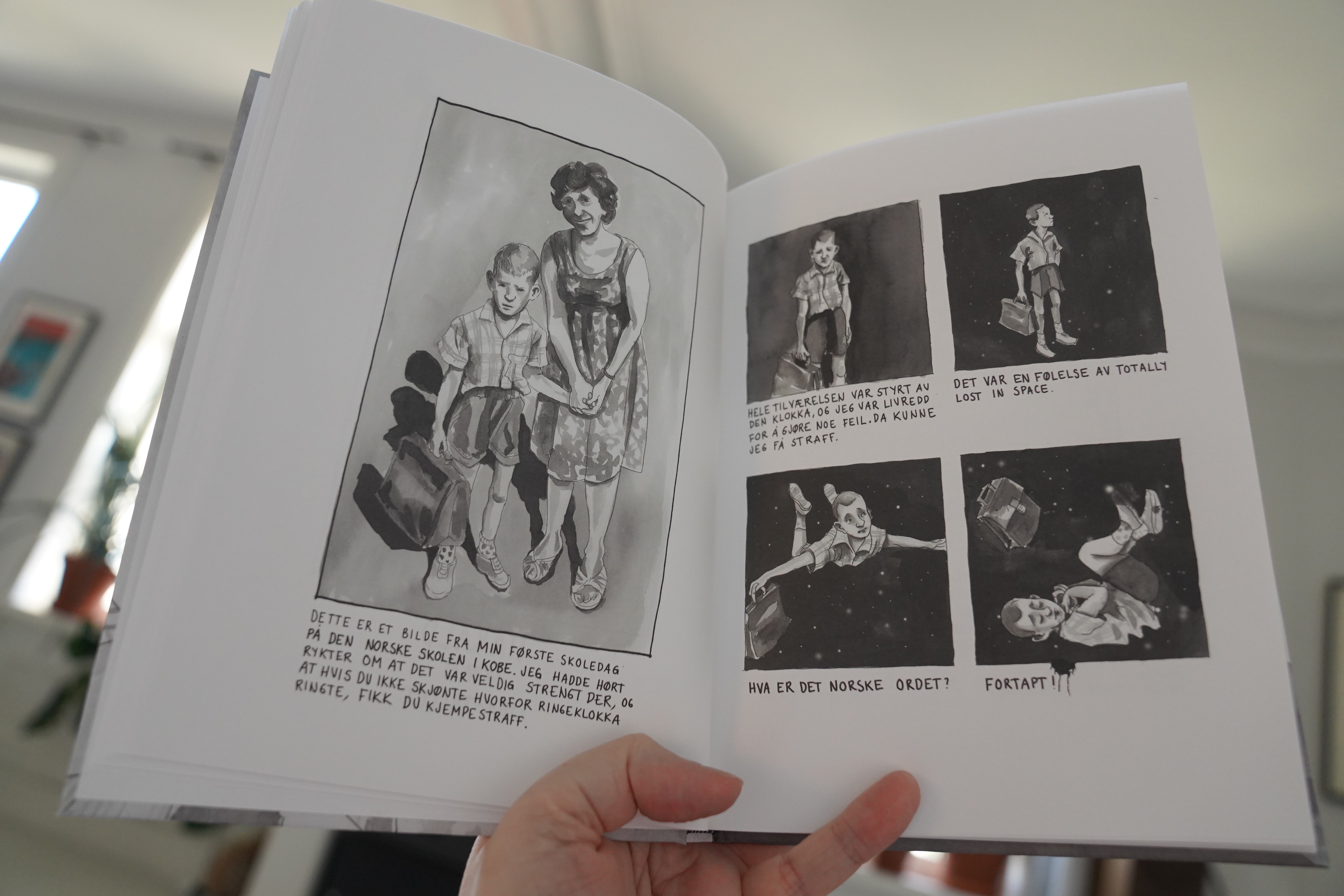
This book is a collection of interviews with children of missionaries — they were usually placed in boarding schools while the parents went to Madagascar and Santal, converting people to Christianity.
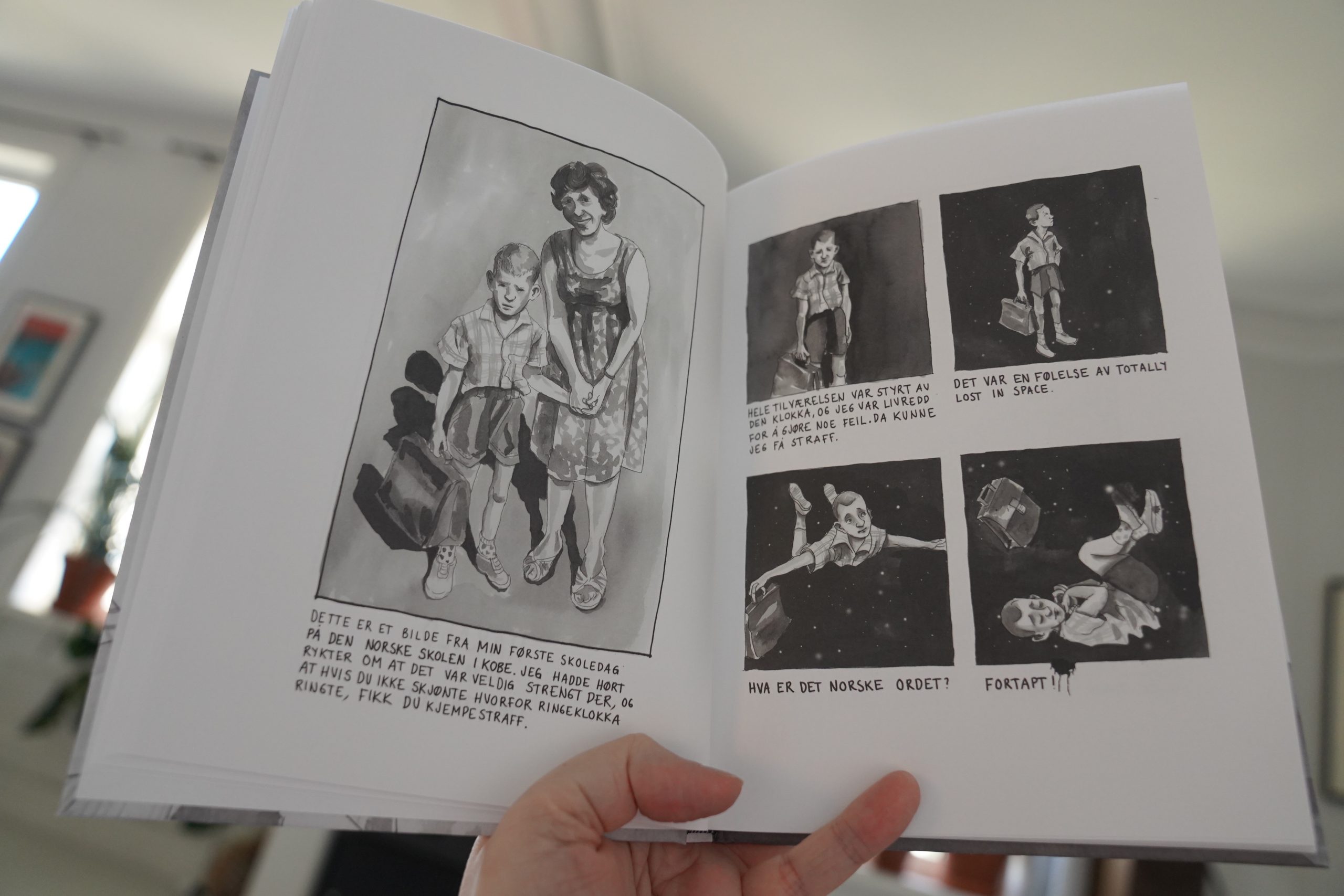
It’s a nine hankie book: Ask allows the people to tell their own stories in a seemingly straightforward way, but it’s really… considered? It’s a very precise book, with heart-wrenching beats that sneak up on you. It’s kinda angry? But keeps it well hidden?

Powerful.

Kid Sister: Ultra Violet

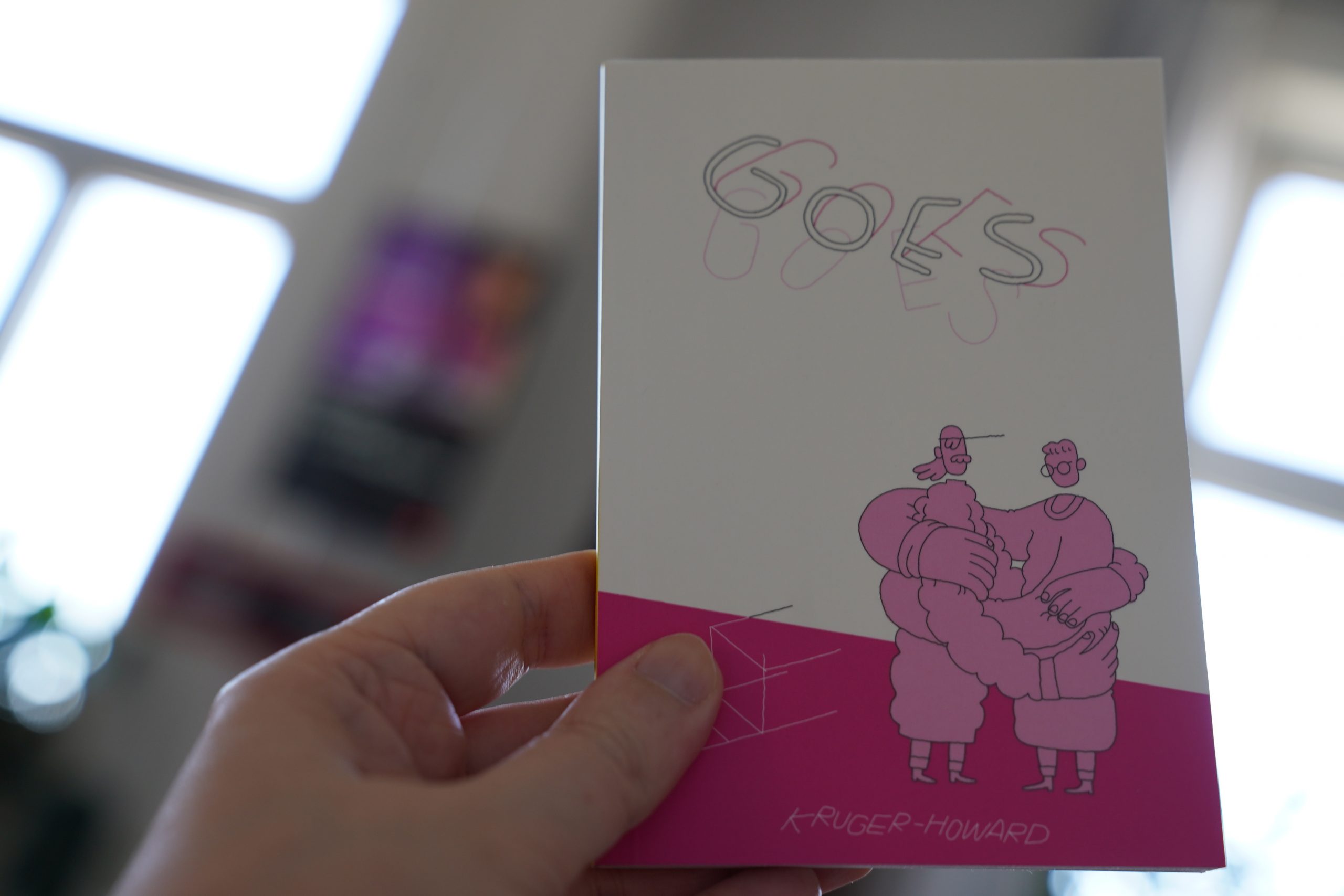
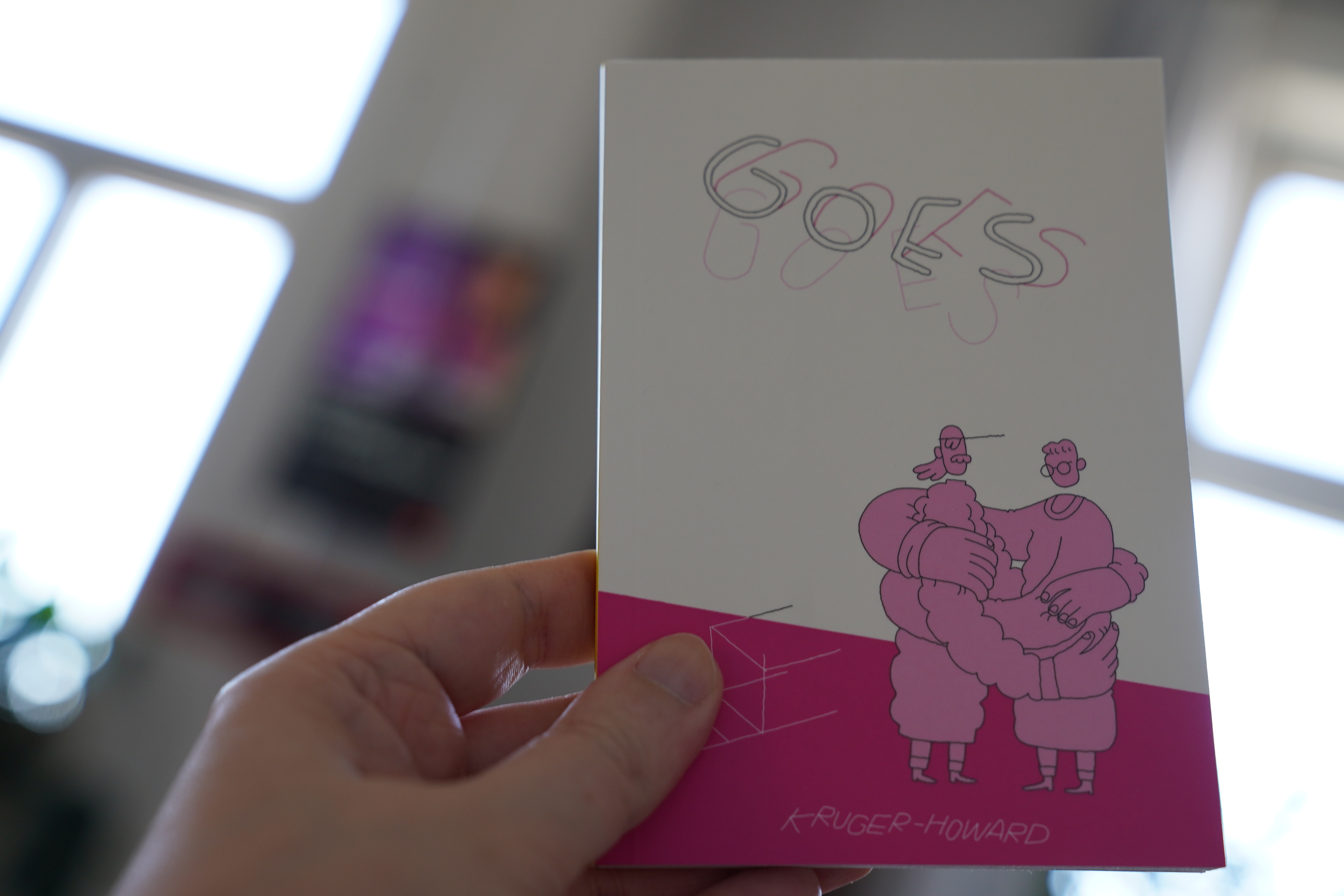
16:29: Goes by Luke Kruger-Howard (Goes Books)

Oh, yeah, this was that book that’s… free… but you can buy copies for other people? Something like that.
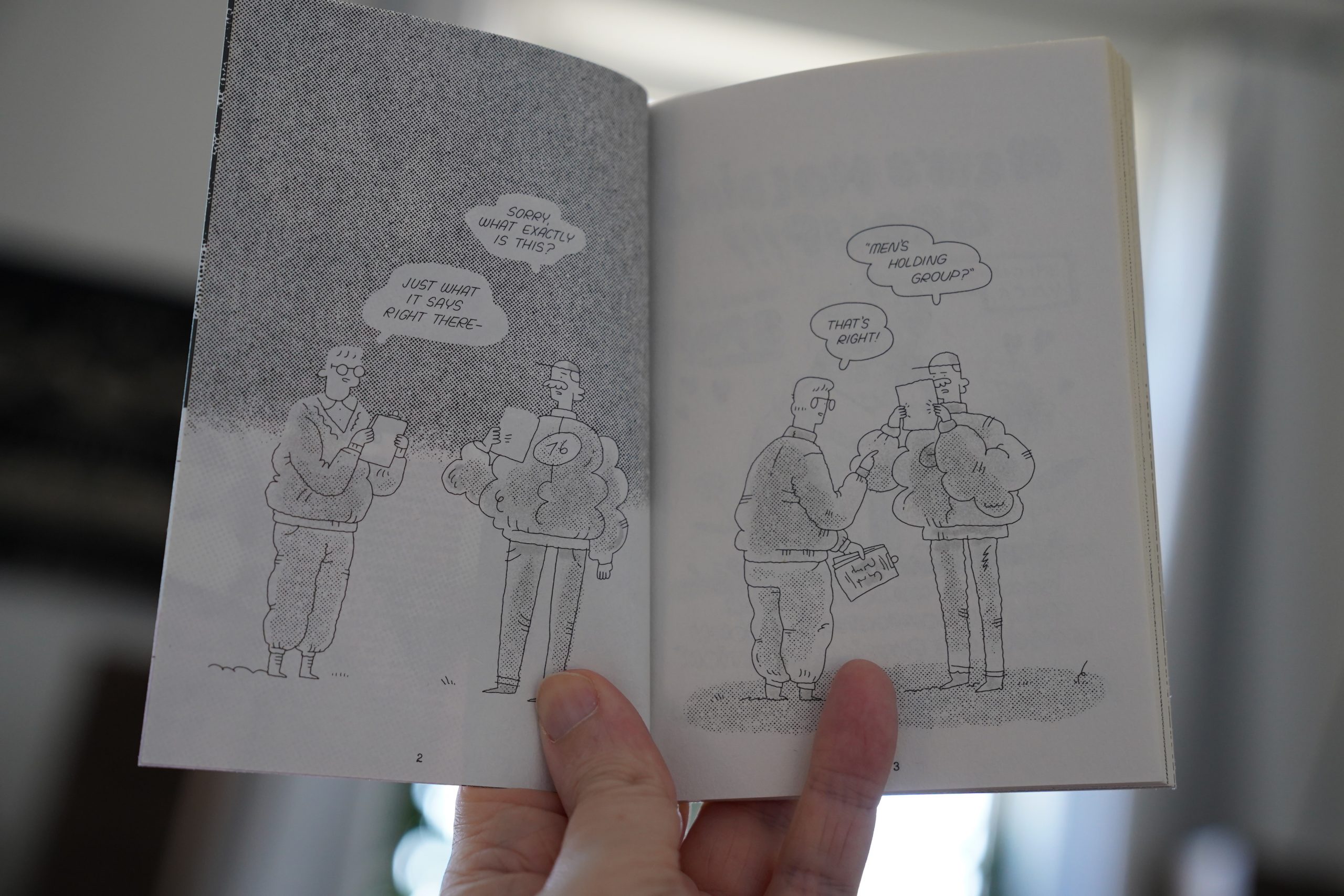
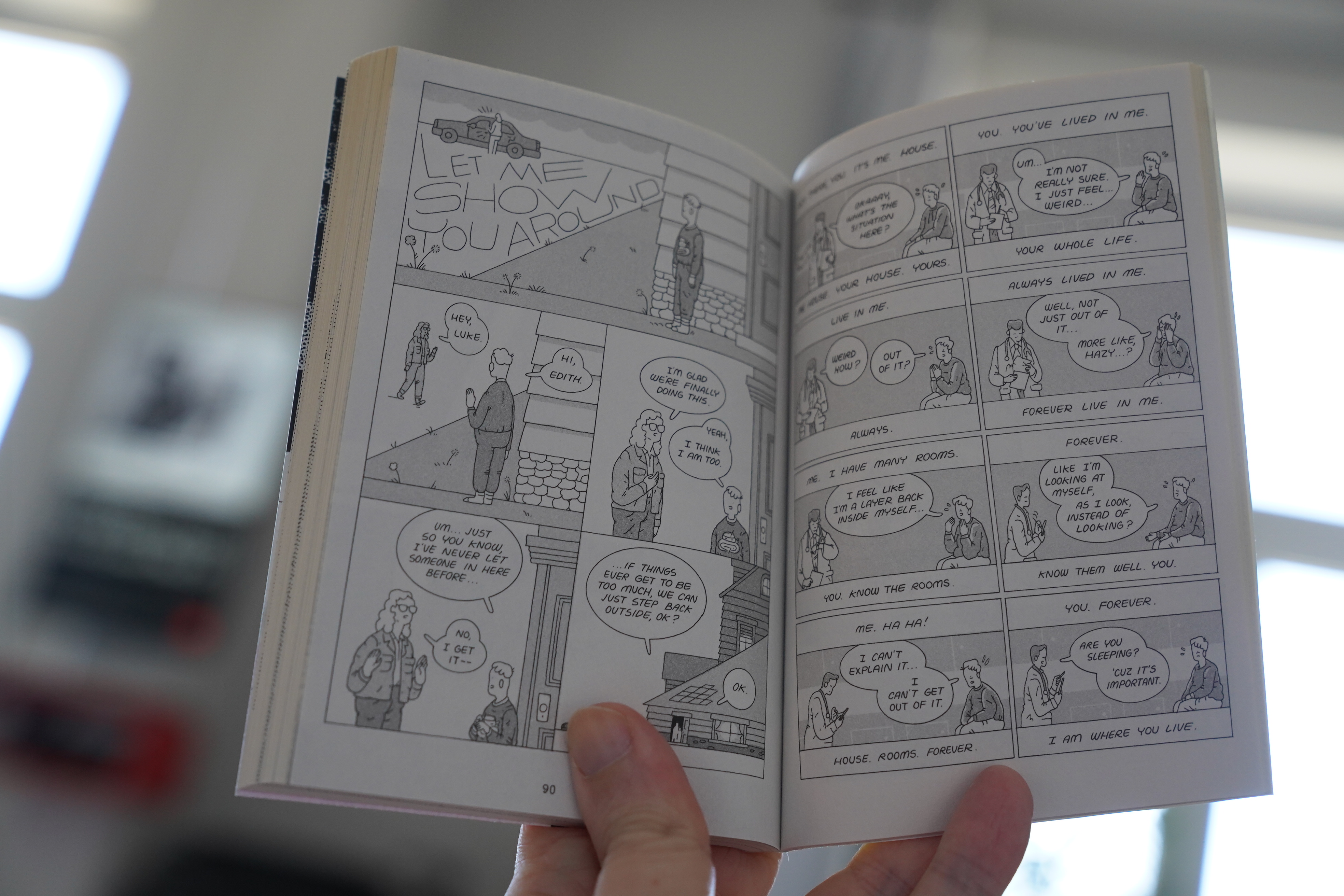
It’s an interesting book — it’s all emotion, and I was expecting there to be a punchline somewhere, and it doesn’t happen, and that’s an interesting reading experience.
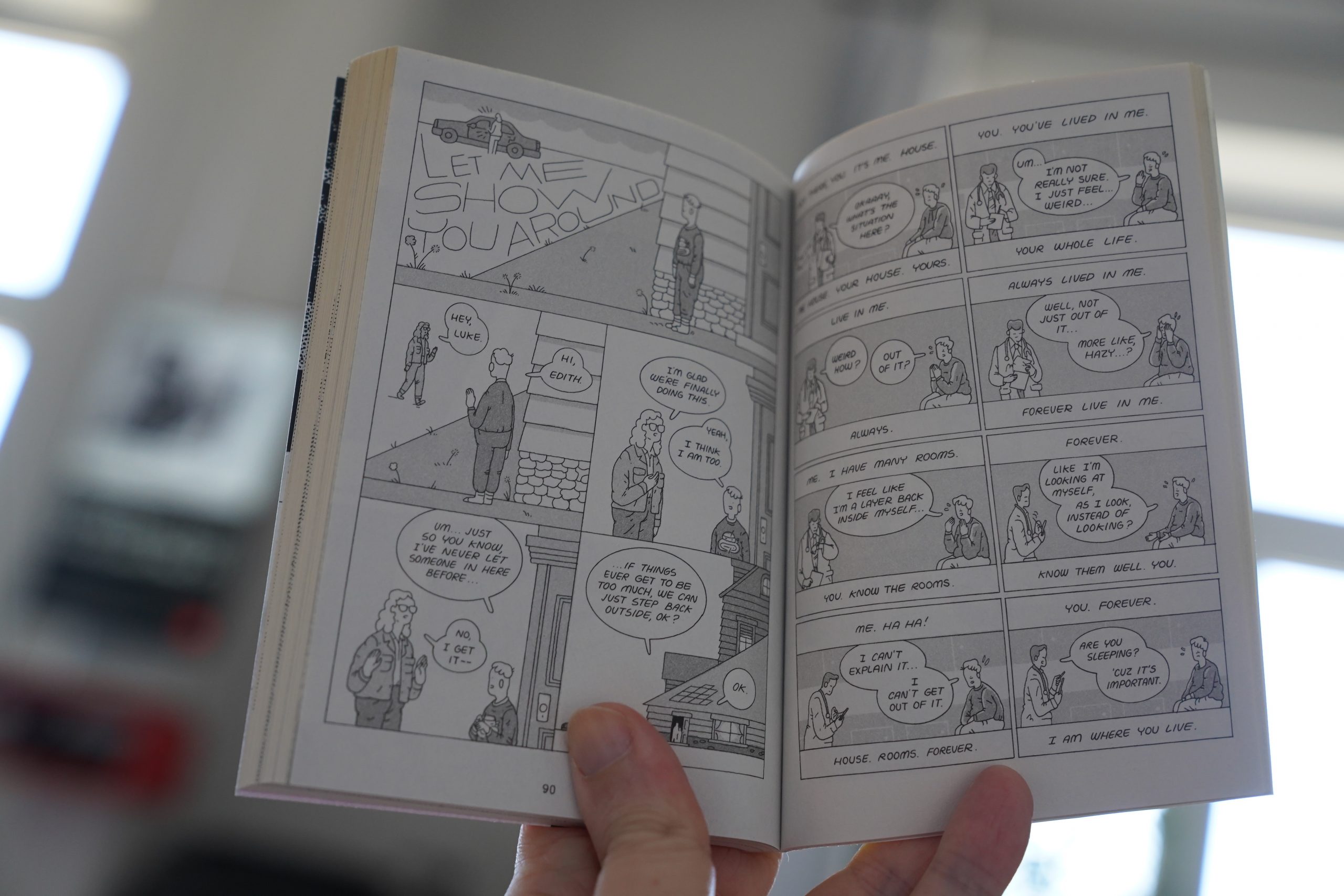
Kruger-Howard does some formal storytelling things that are pretty neat.

PJ Harvey: The Peel Sessions 1991-2004

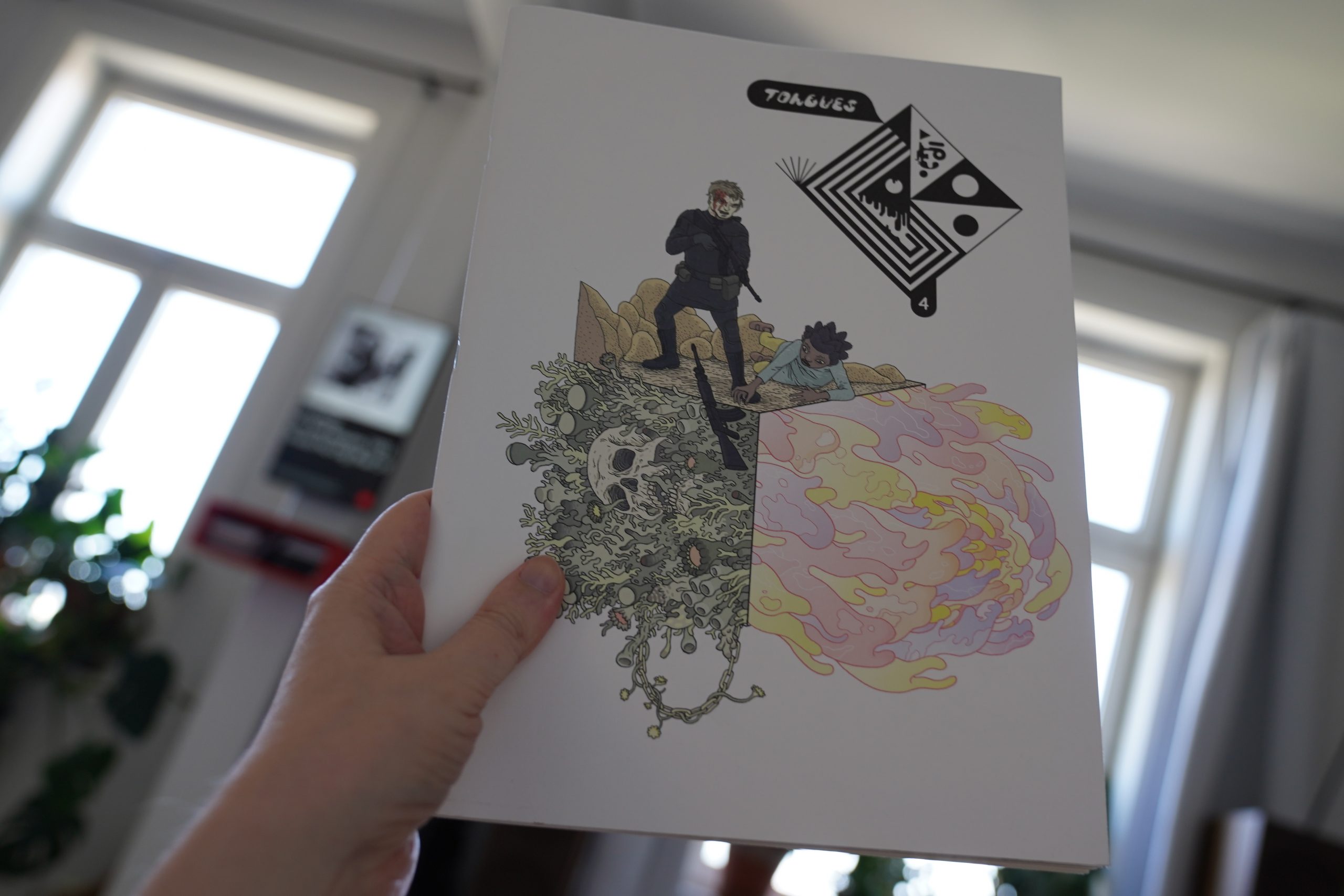
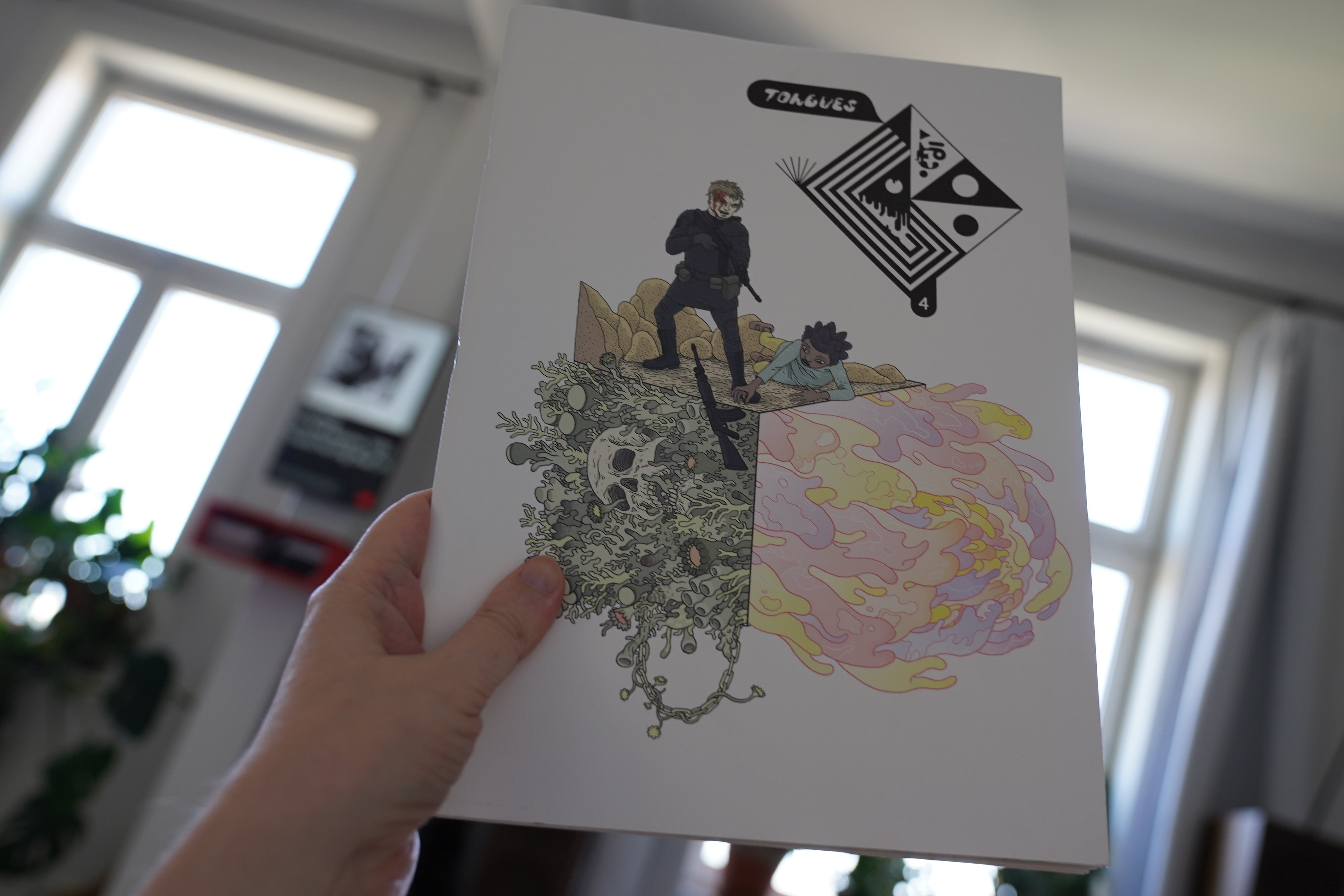
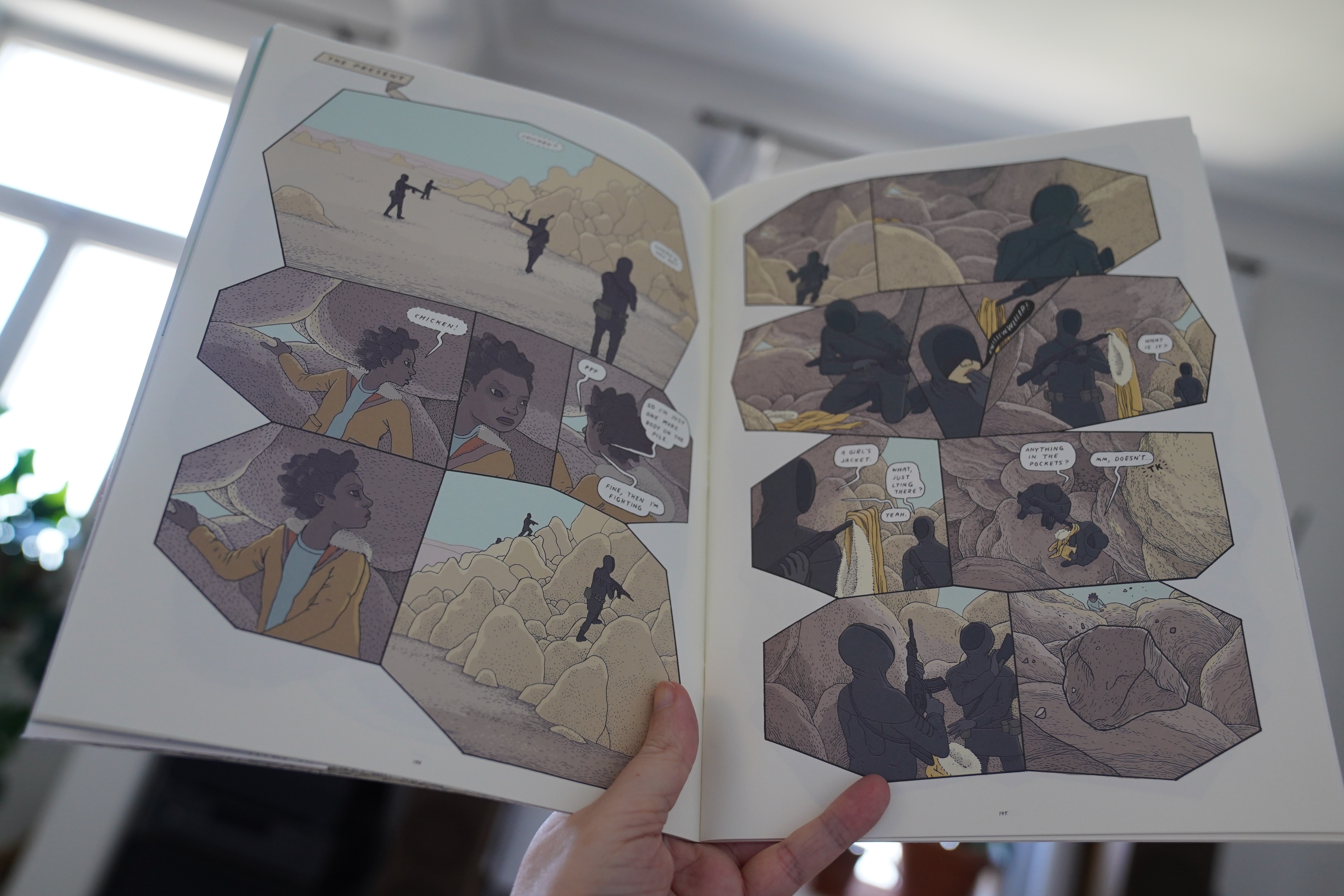
16:45: Tongues #4 by Anders Brekhus Nilsen
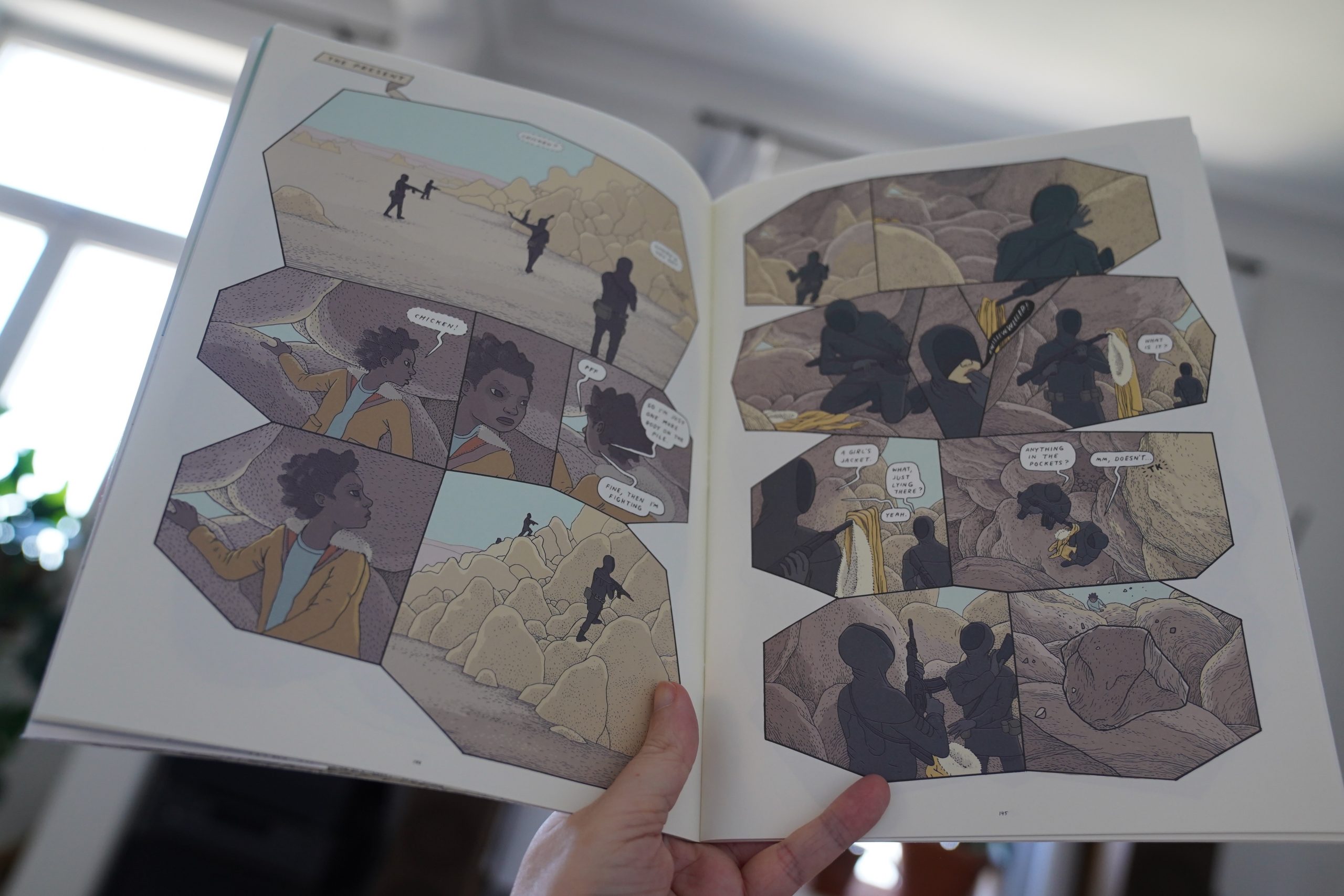
My confusion here probably makes things seem even more profound than they are (I think this project was started three years ago, so I’ve basically forgotten what it was about), but this is a stunning issue anyway: So many things are happening and it all seems so… er… profound? I don’t mean that in a snide way, but things seem to connect in interesting ways. It’s fun to read.
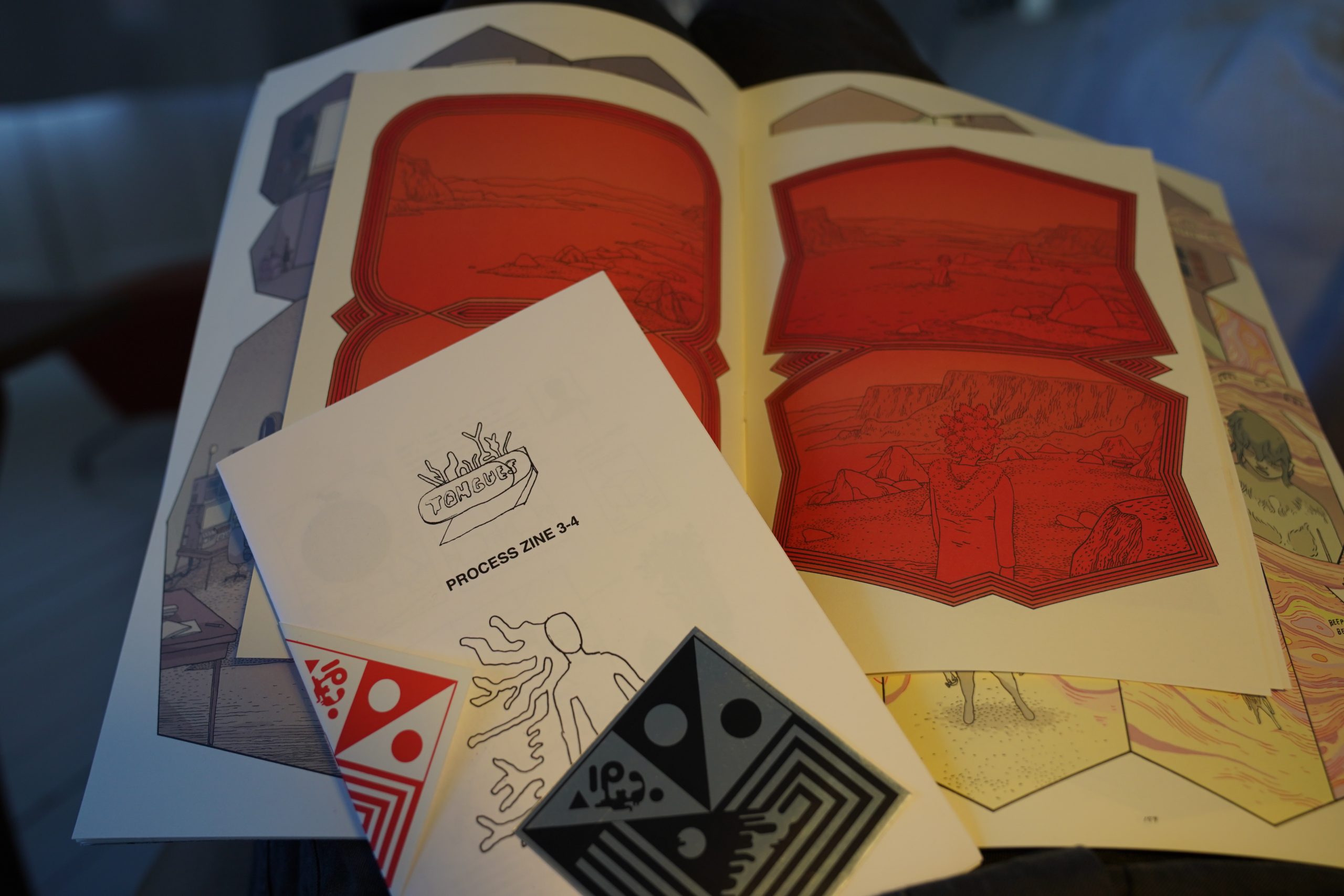
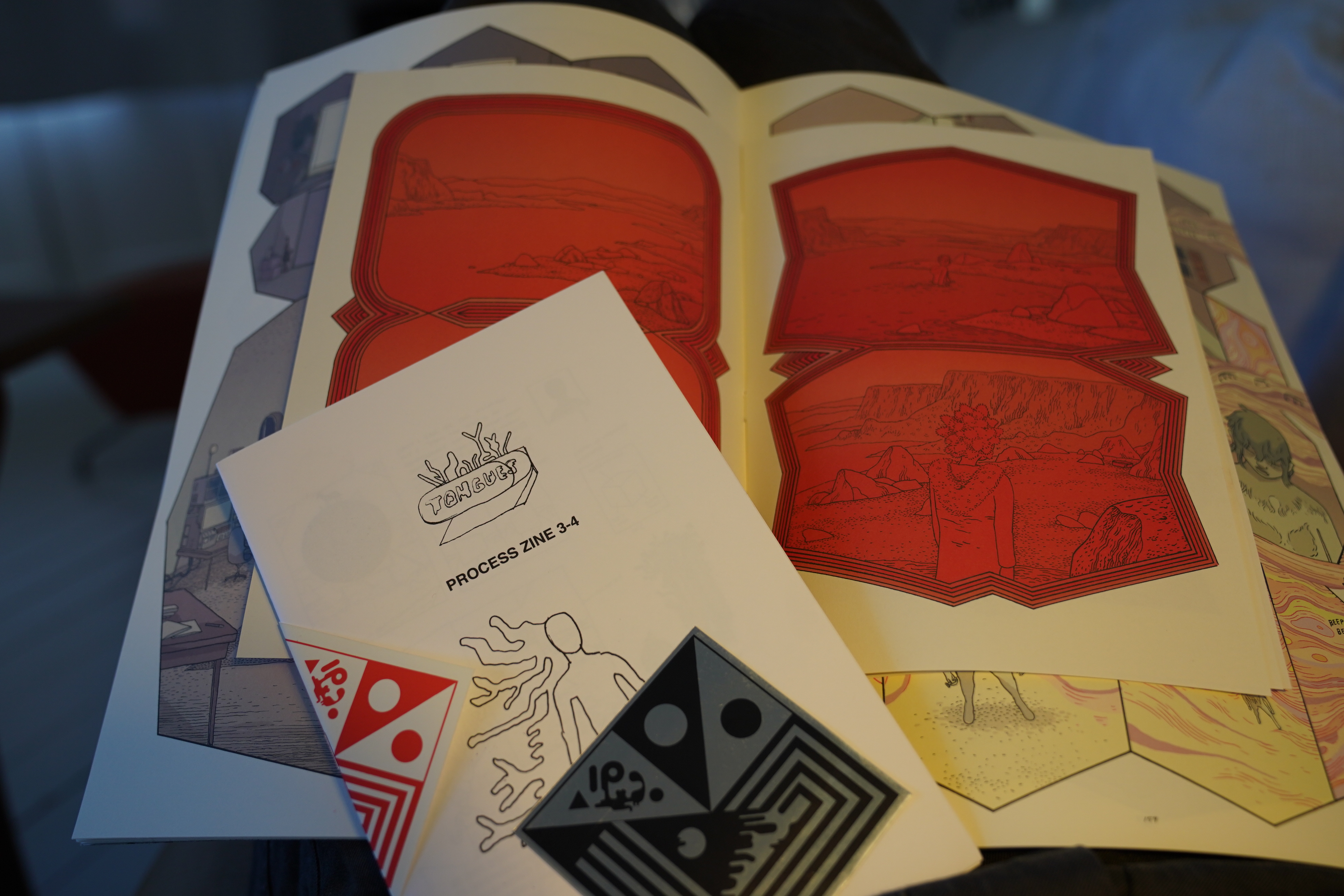
And as usual, there’s lots of stuff included. I love getting an issue of Tongues in the mail.

David Harrow: The Succession

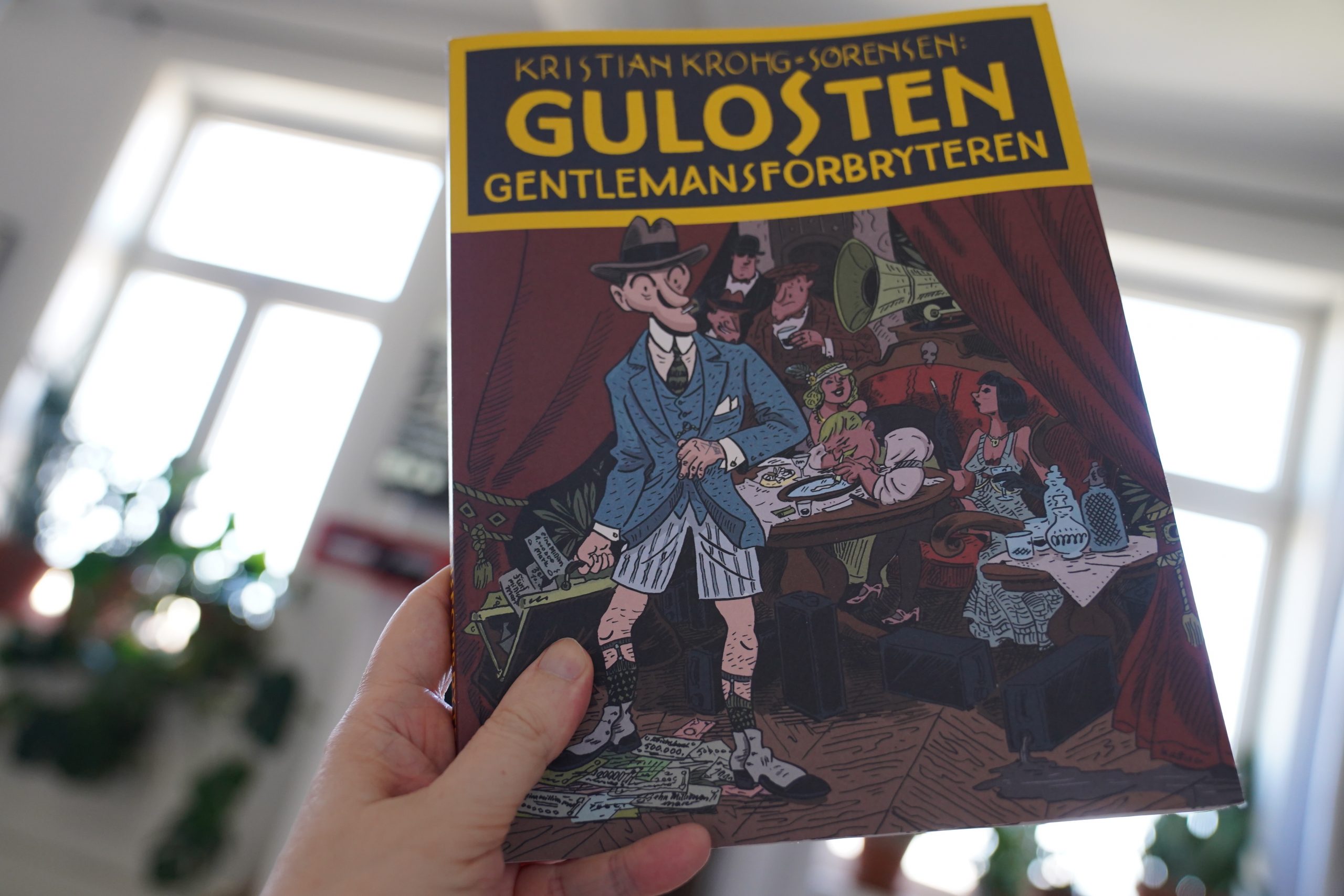
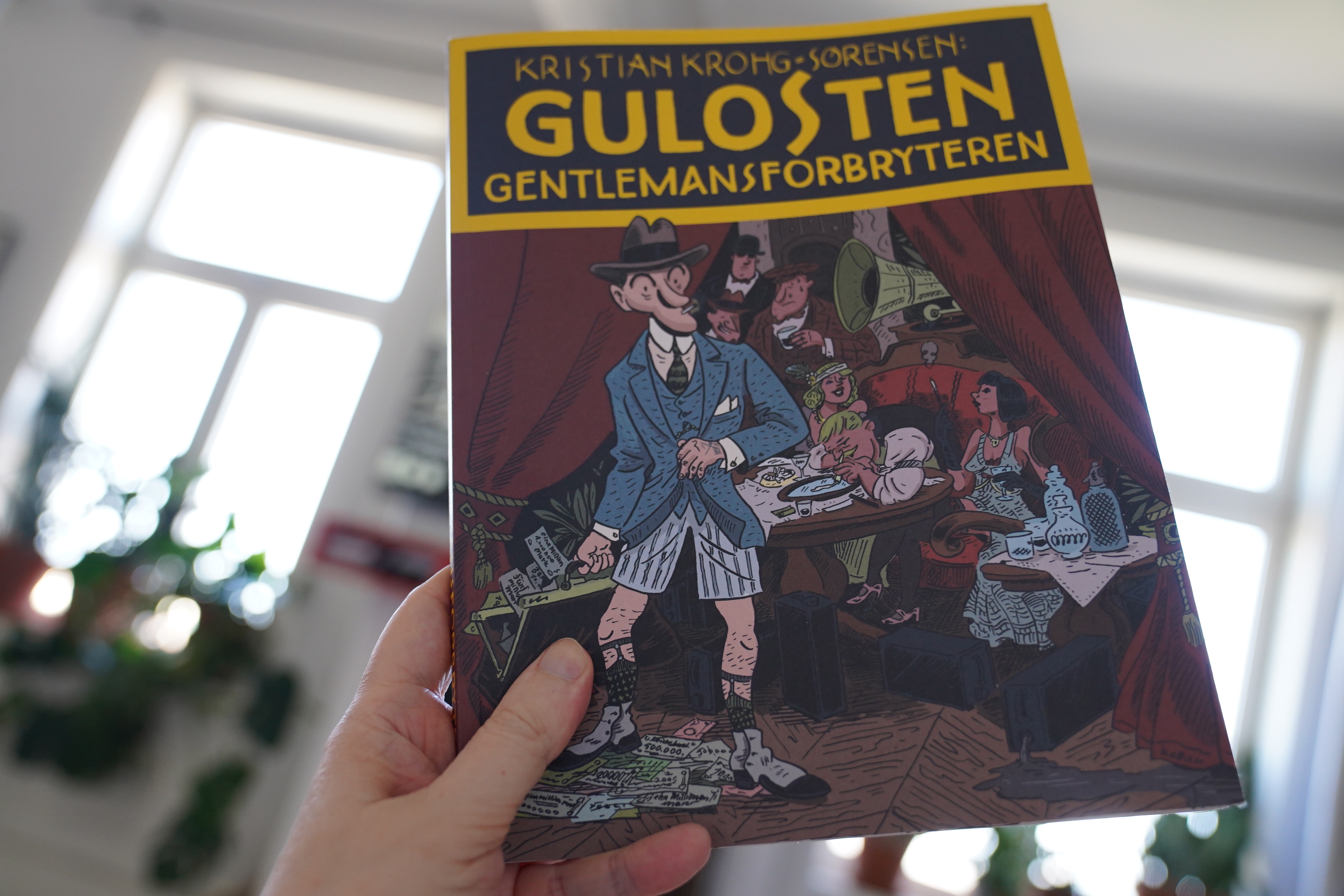
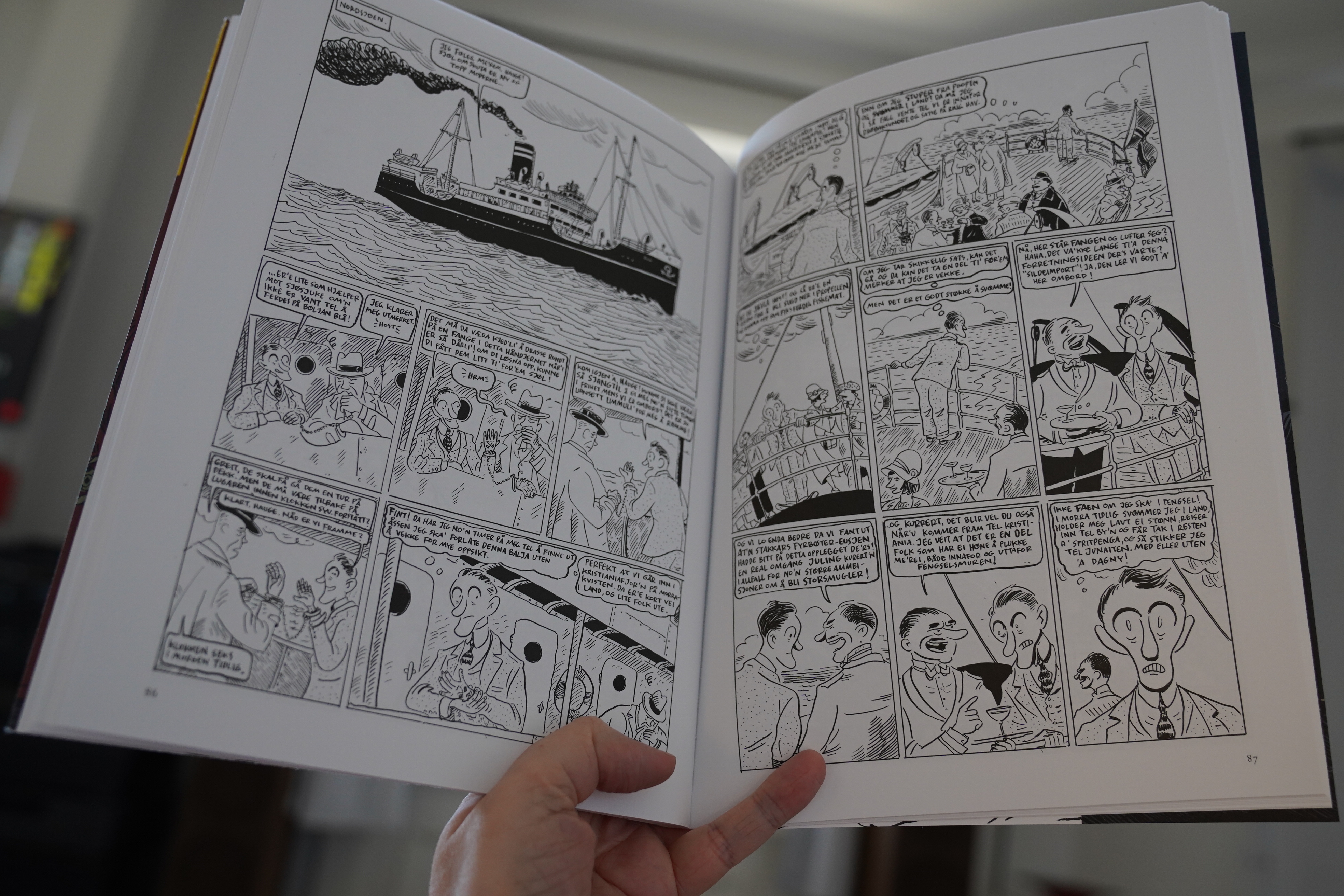
17:12: Gulosten: Gentlemansforbryteren by Kristian Krohg-Sørensen (No Comprendo)
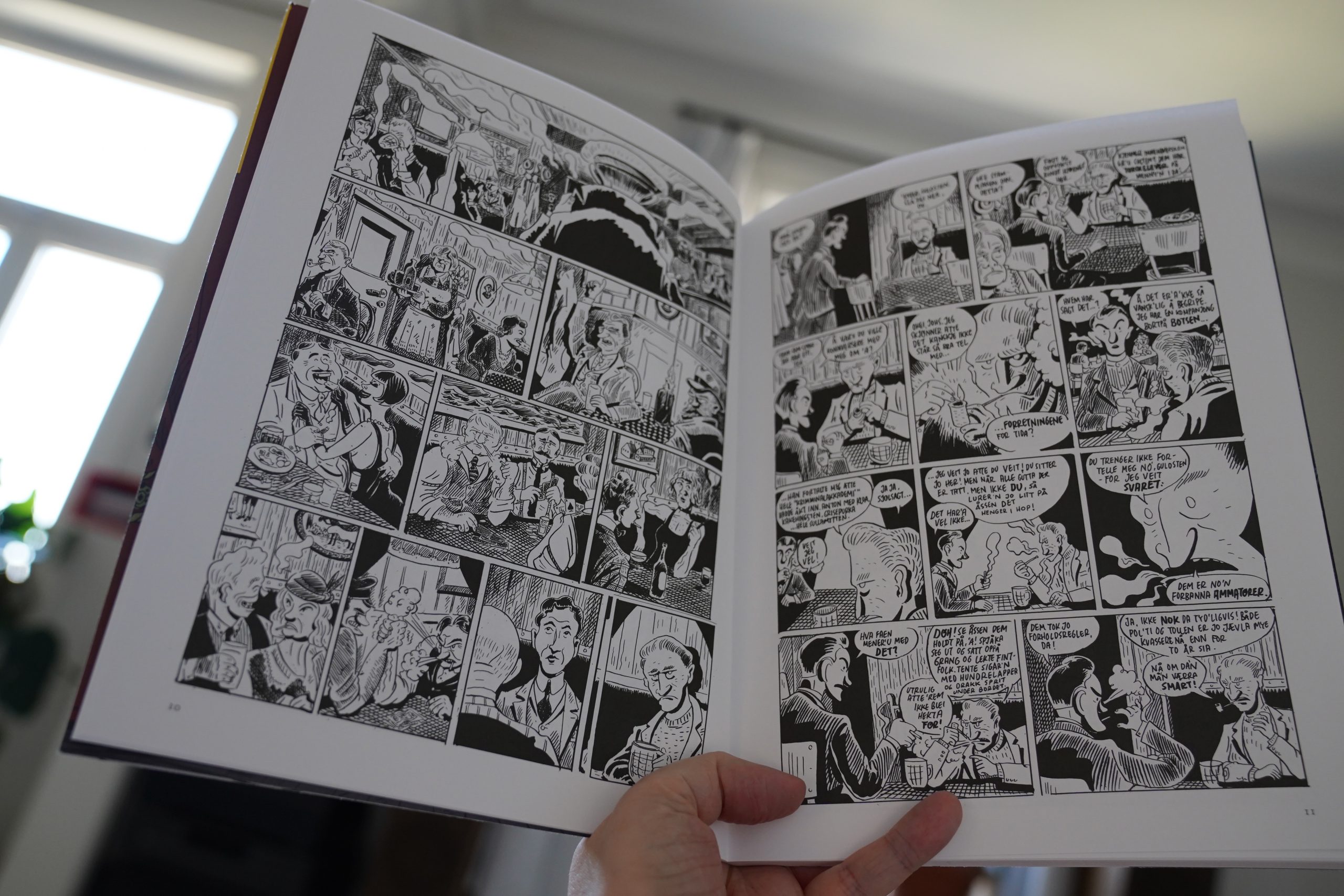
This is based on the life of a true-life Norwegian guy who was a gangster in the 20s. There’s a lot of to-and-fro-ing, but it doesn’t really have much of a shape? There’s so much going on that I was exhausted after a quarter of the book.
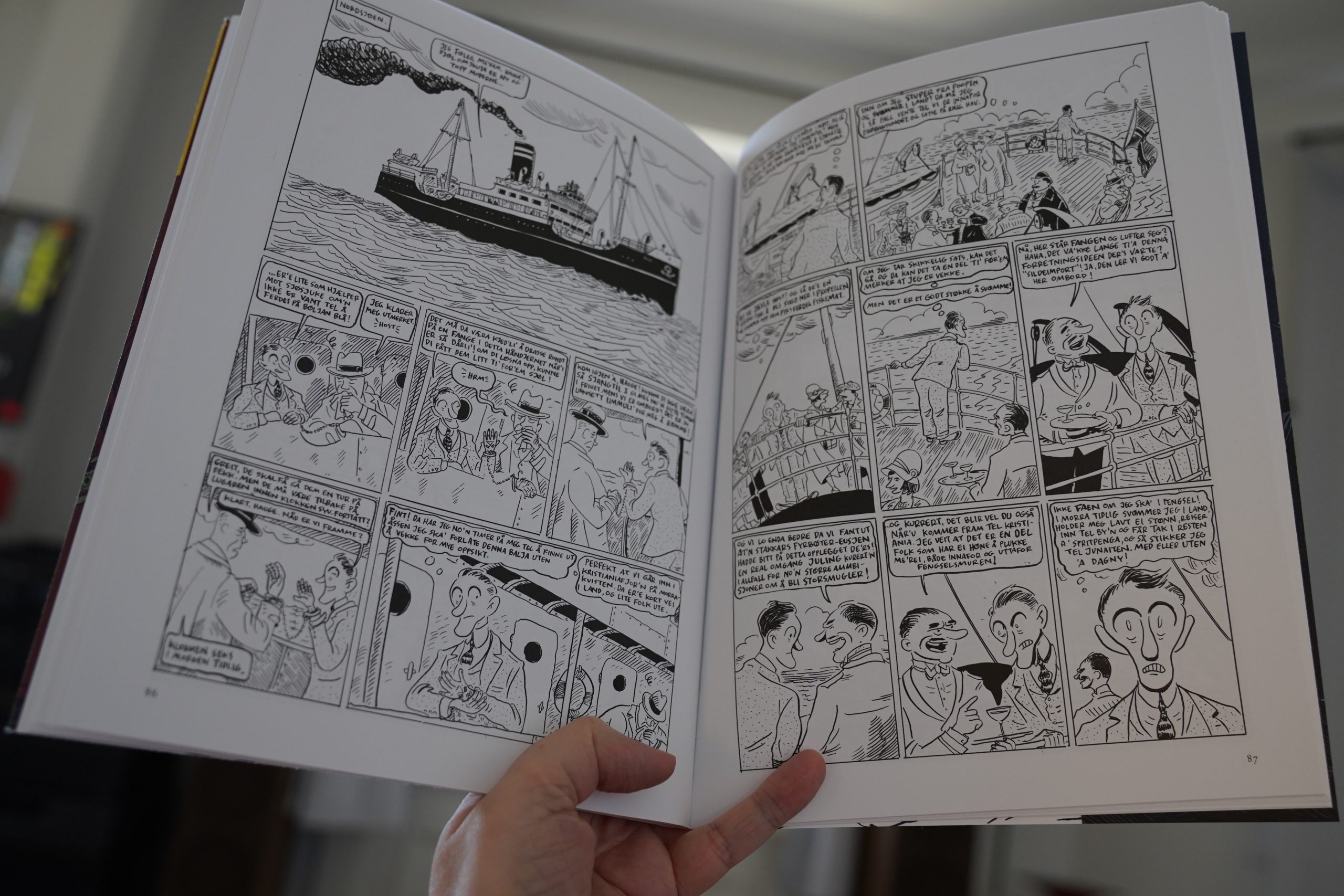
I get the feeling that the artist got pretty bored with the project at points, too — the level of detail varies wildly on a page-by-page basis.

It’s not a bad book, but…

Mark Beyer: Radiator Music

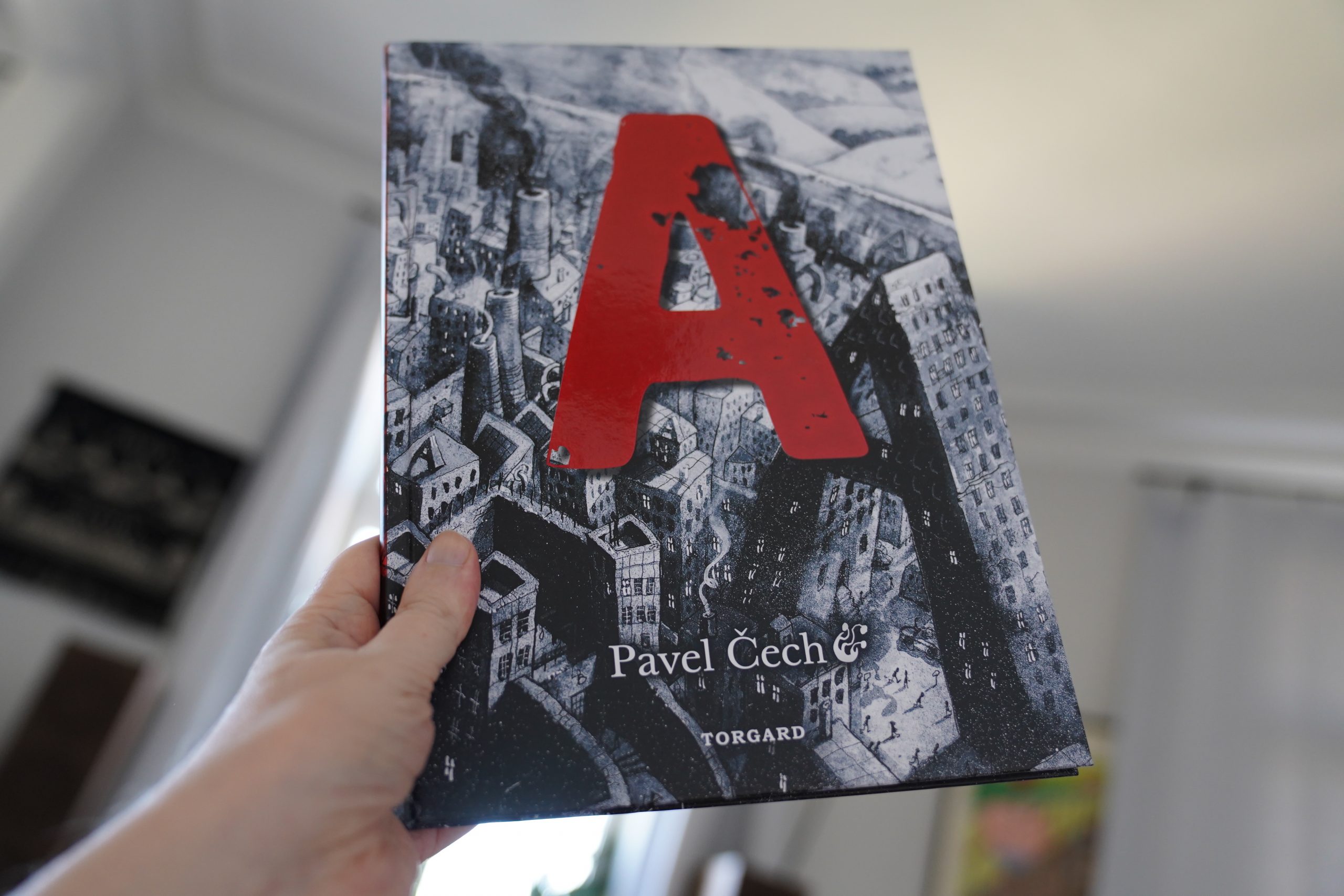
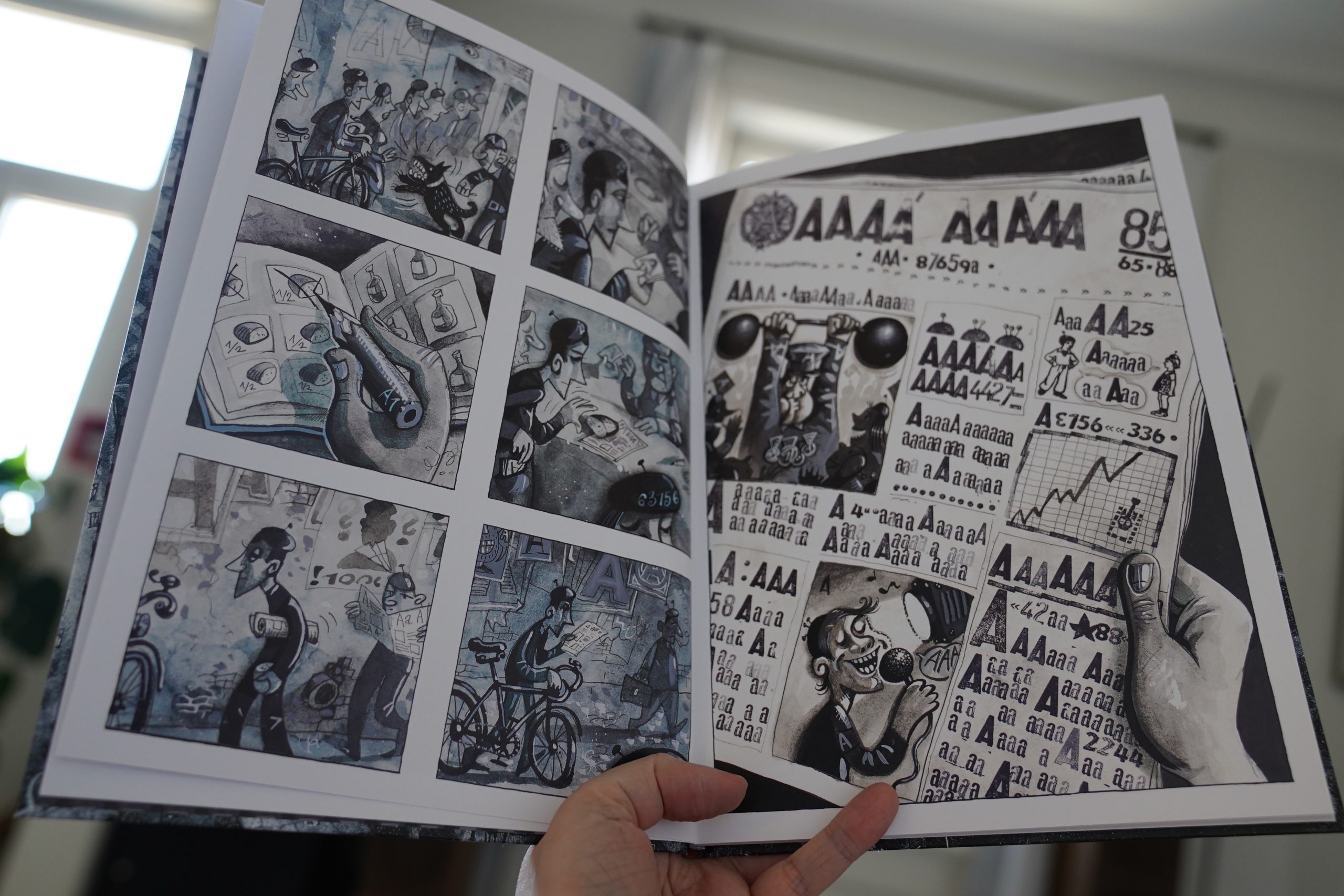
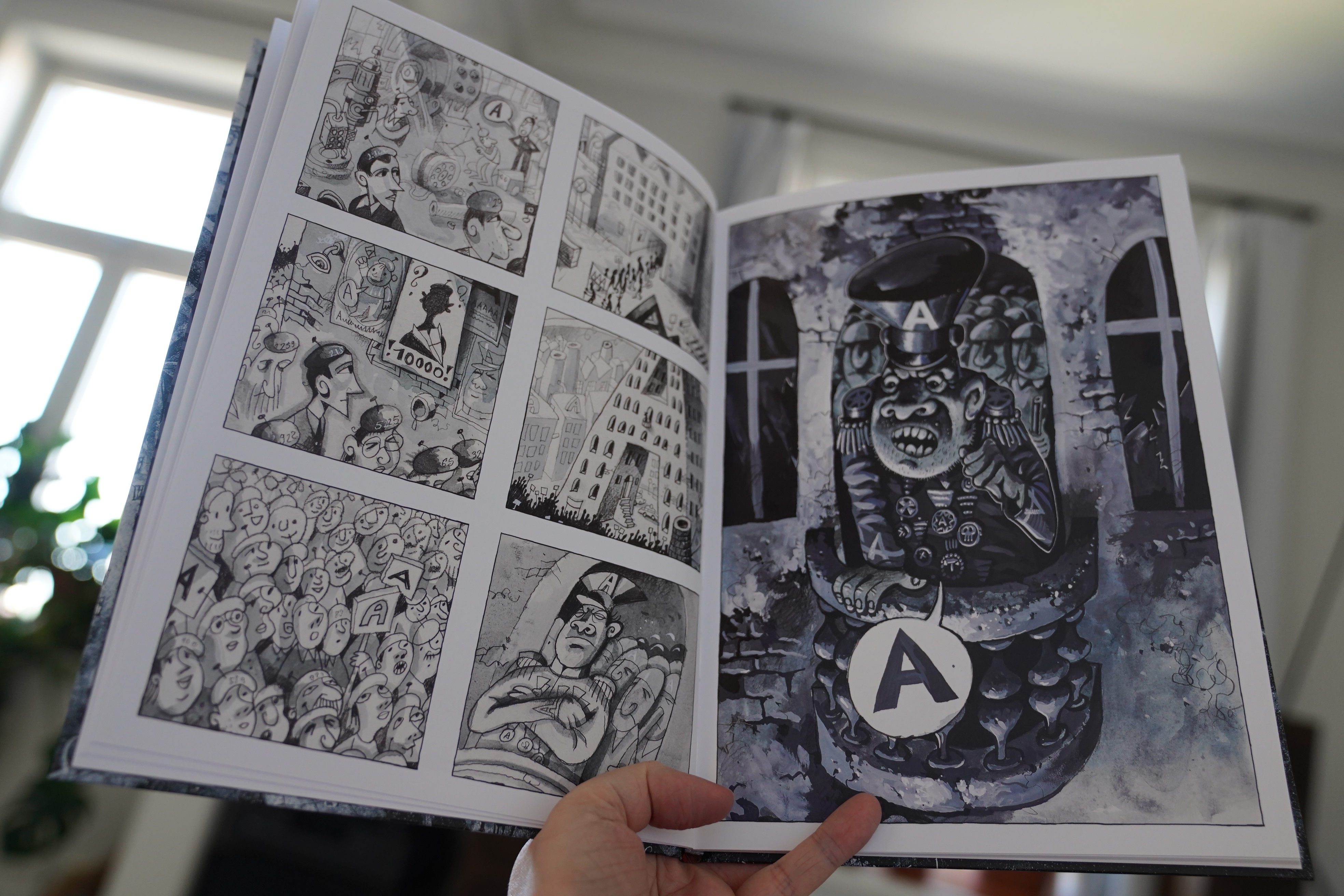
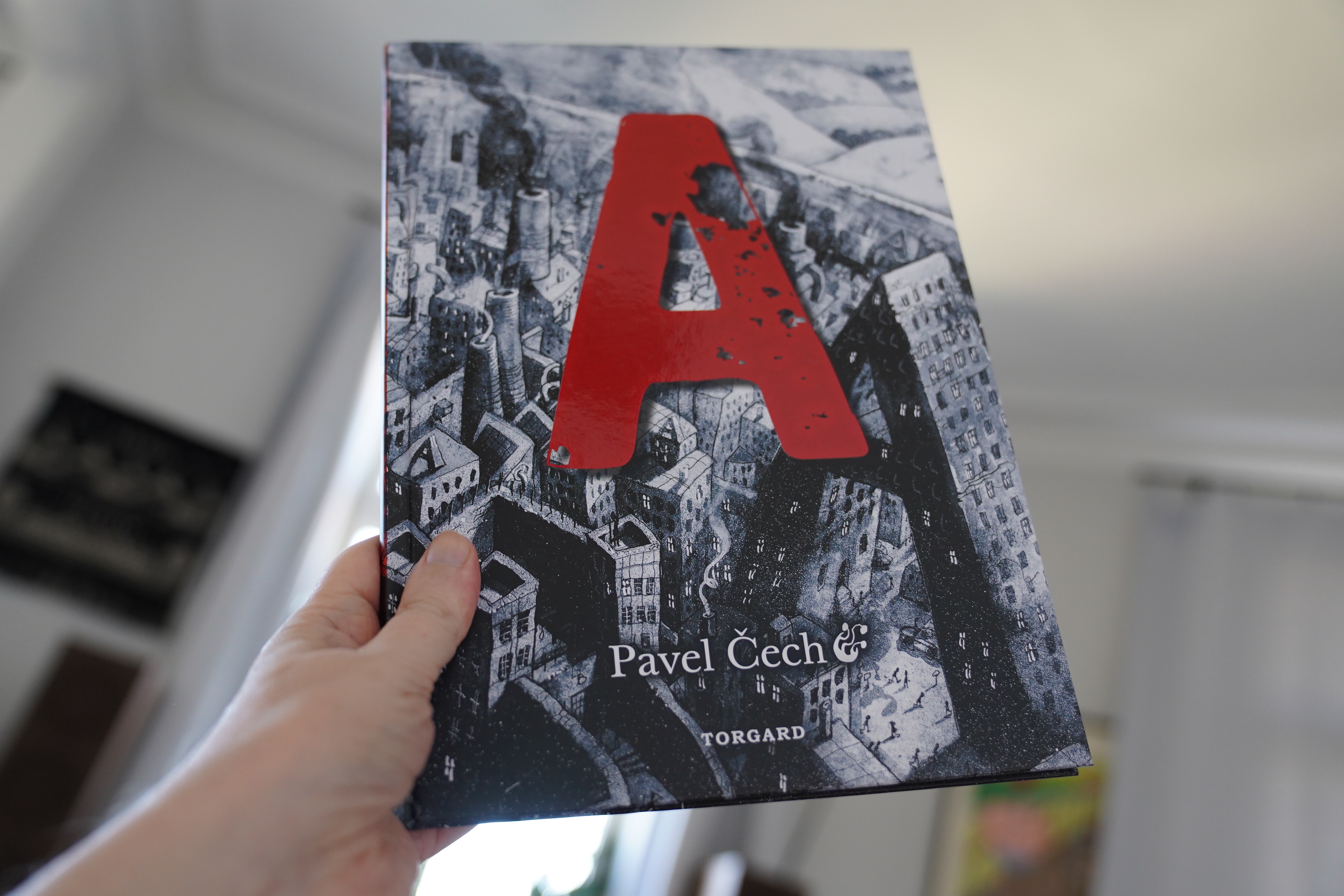
18:18: A by Pavel Čech (Torgard)

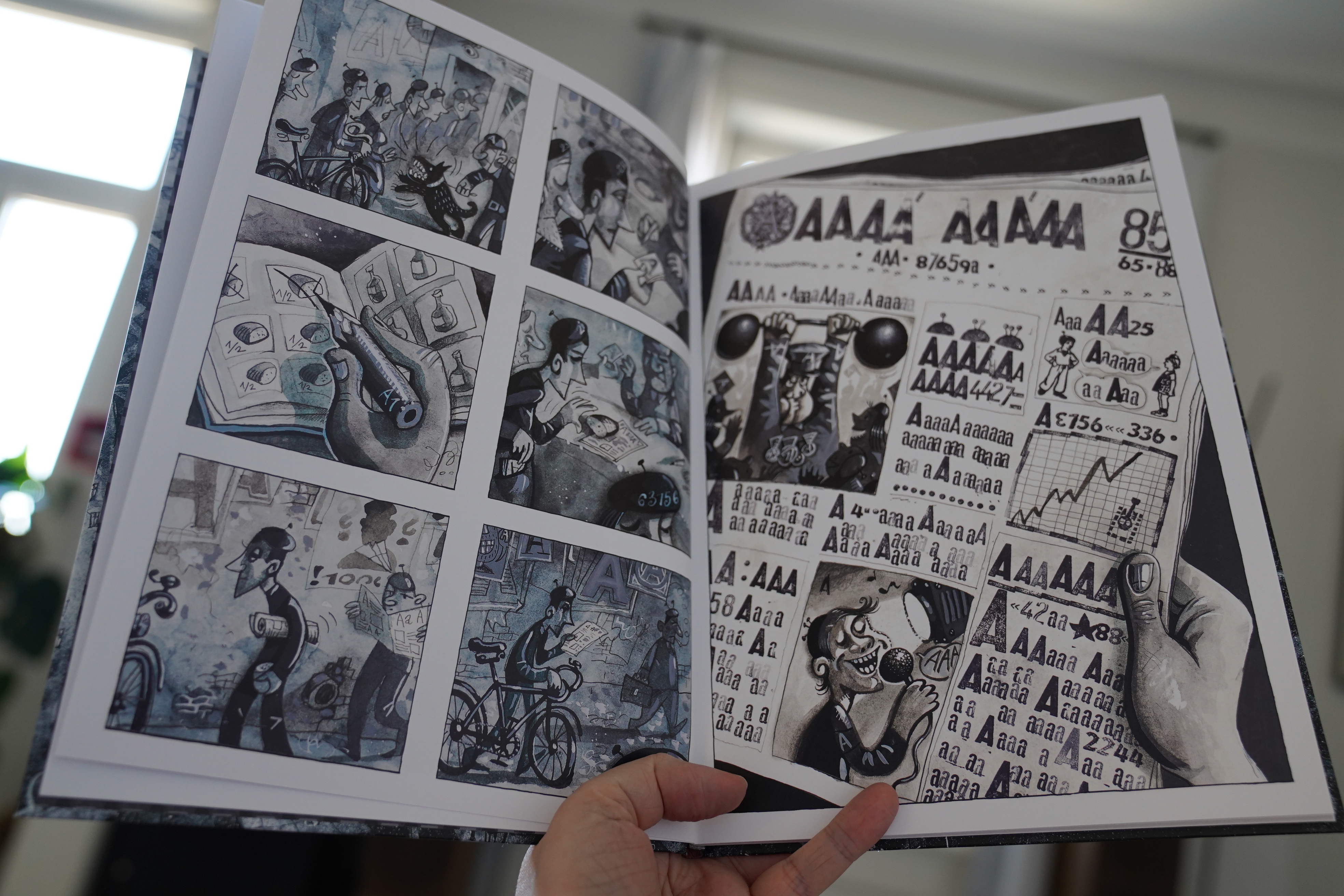
This is the most generic book I’ve read in my life. It’s like “what if we could make a book that’s, like, against oppression! But not mention any specifics! That’d be awesome!”
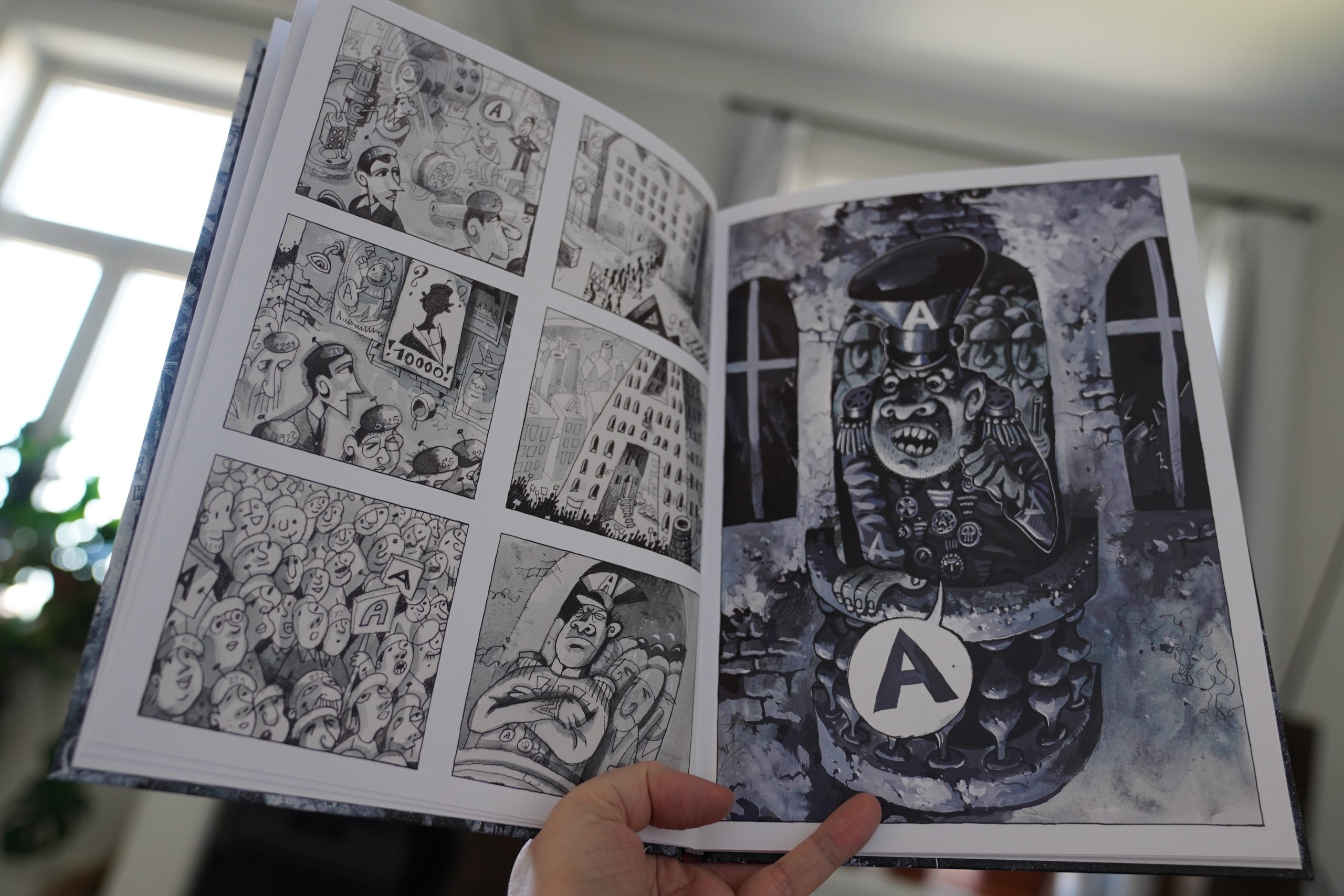
No, it’s not. It’s just tedious.

So I wondered why on earth anybody in Denmark would produce a Danish edition (well, there’s not much to translate here), and the colophon explains:

It was paid for by the Czech gummint (and the Danes, for some reason).

Hey, I’m all for supporting the art, but that sometimes leads to absolute (well-meaning) trash like this getting distributed.

Coldcut: What’s That Noise?

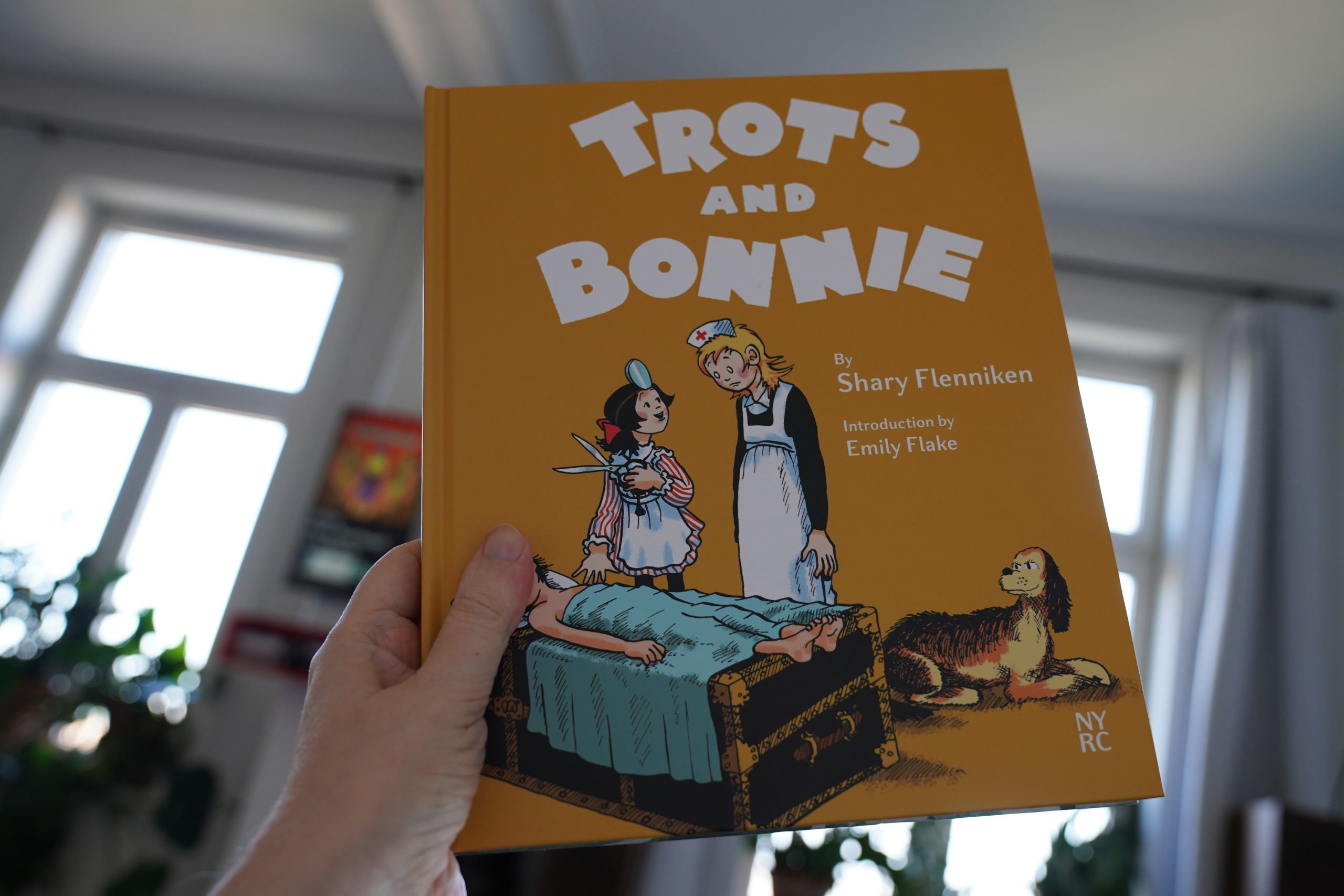
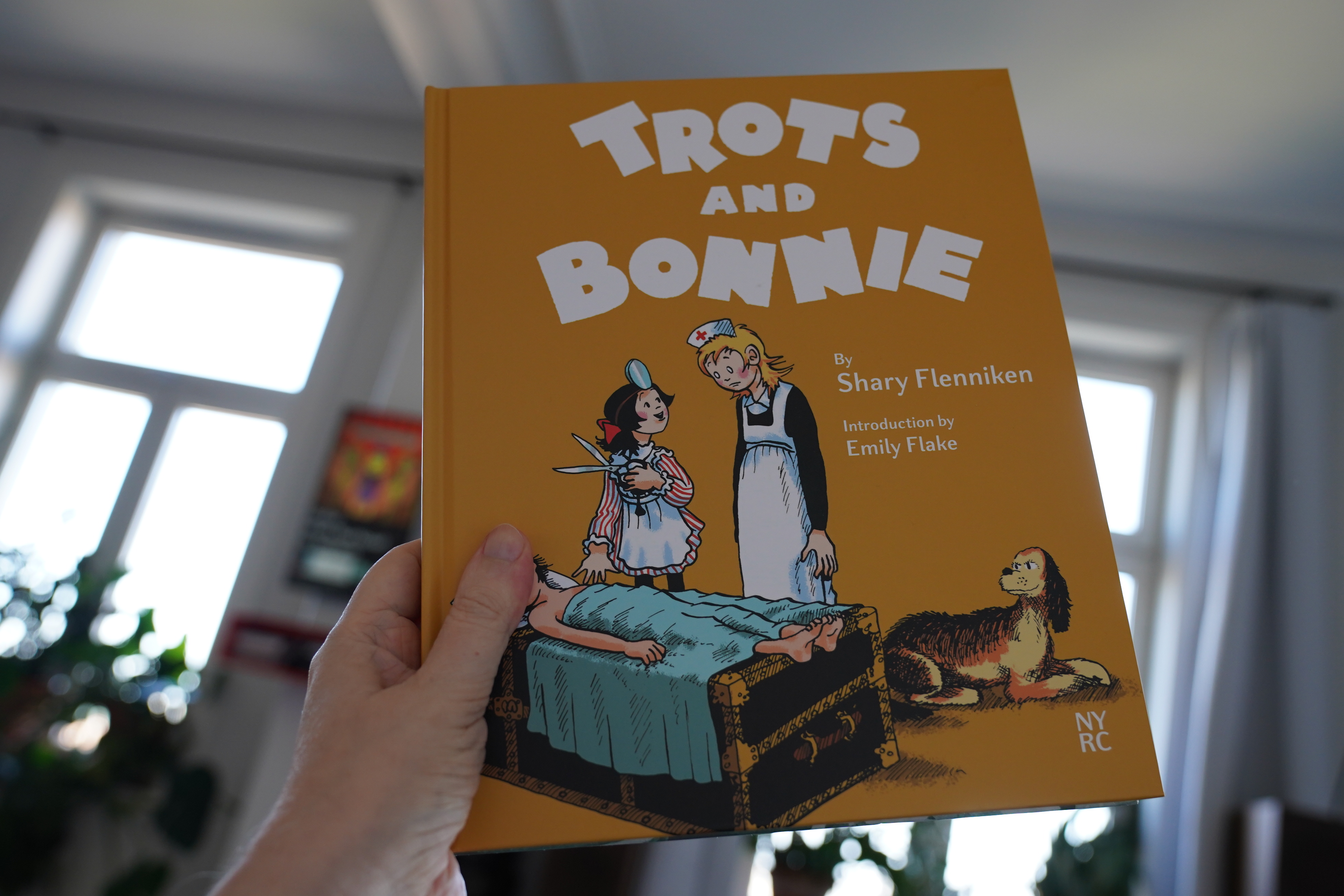
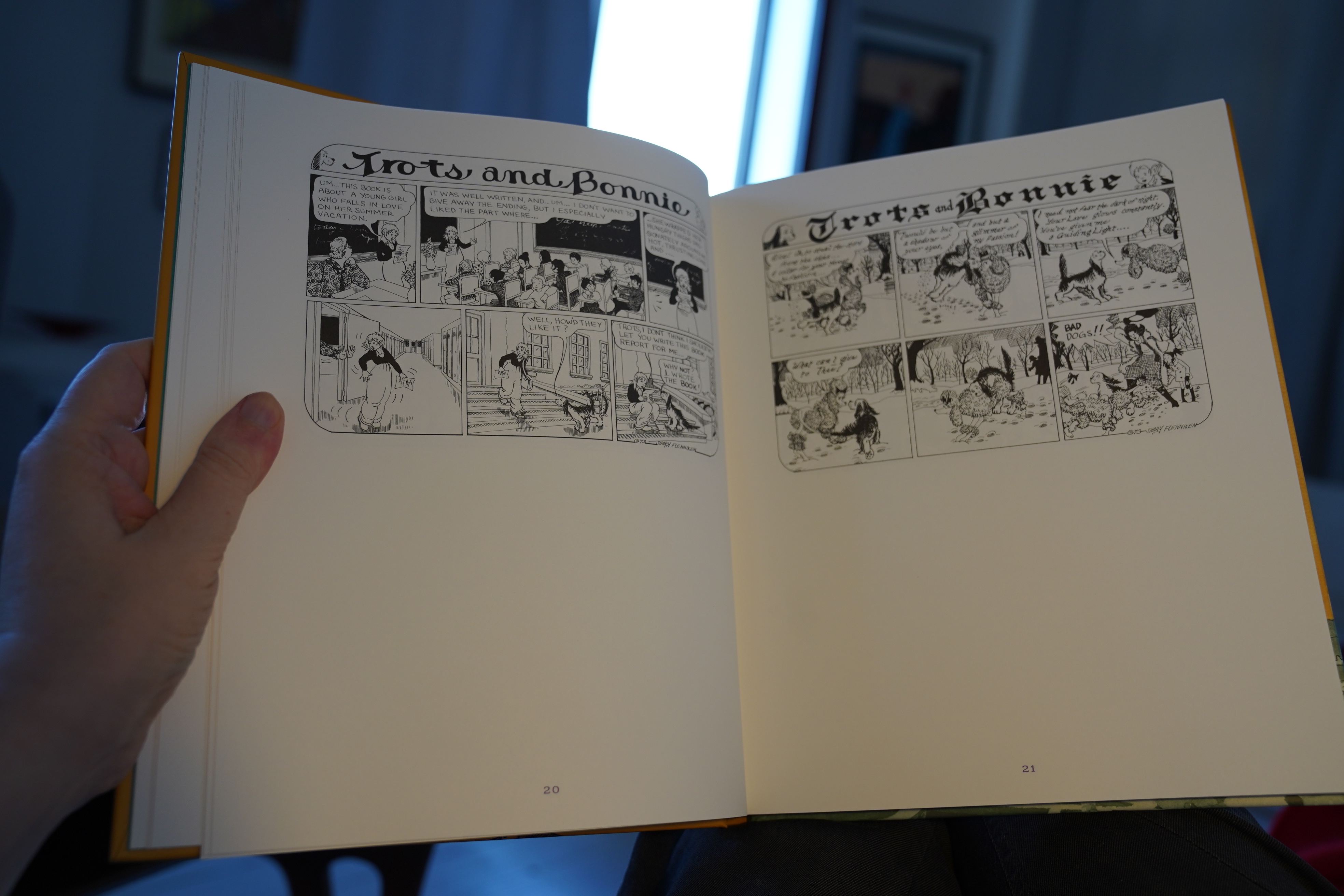
18:37: Trots and Bonnie by Shary Flenniken (New York Review Comics)

Oh, right — getting a Trots and Bonnie collection published is something I feel like I’ve read about for decades now, but I guess that Flenniken just didn’t want it to happen. I’ve never read the original strips myself, so I was a bit… er… apprehensive? I.e., when something’s this popular, it has to suck?
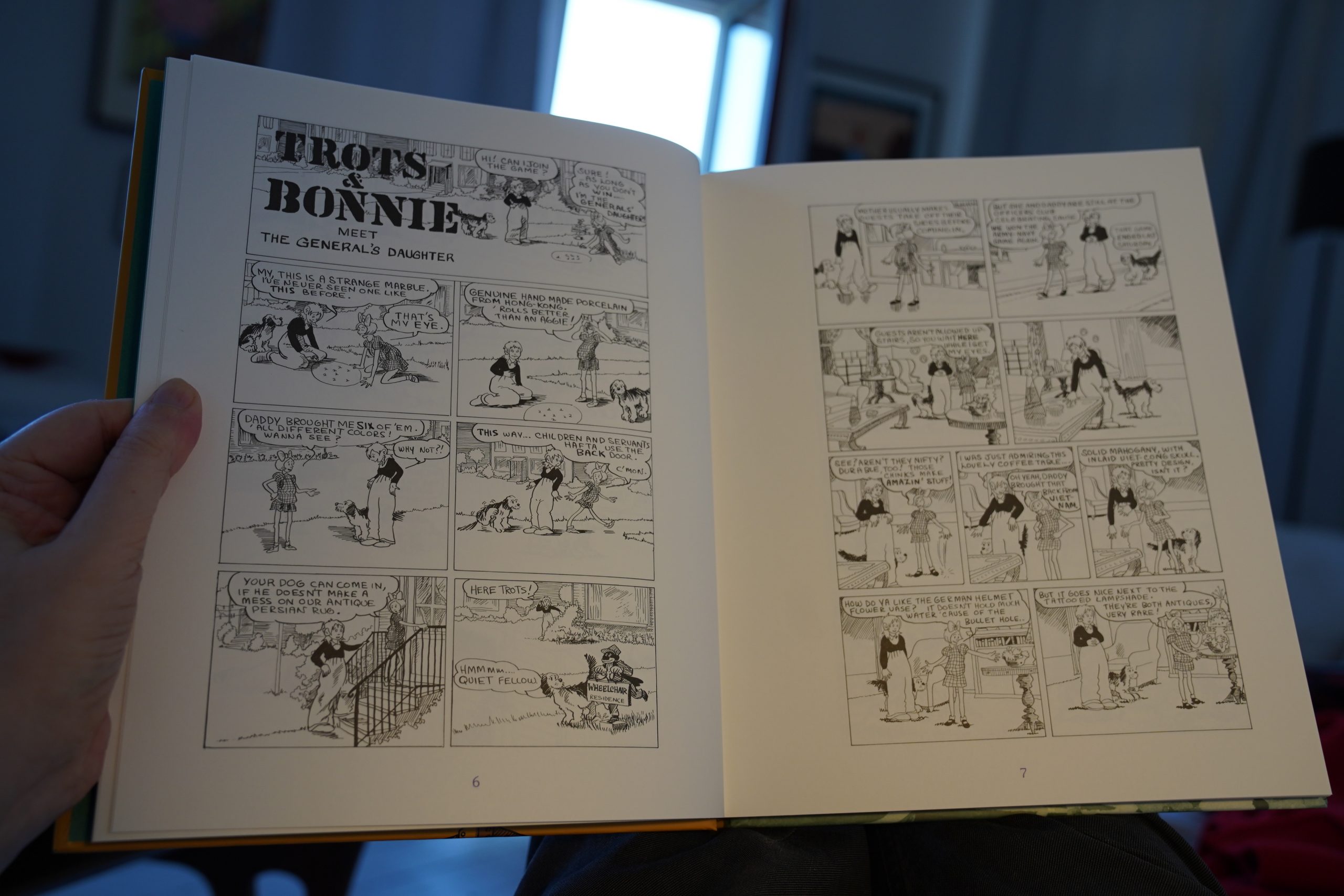
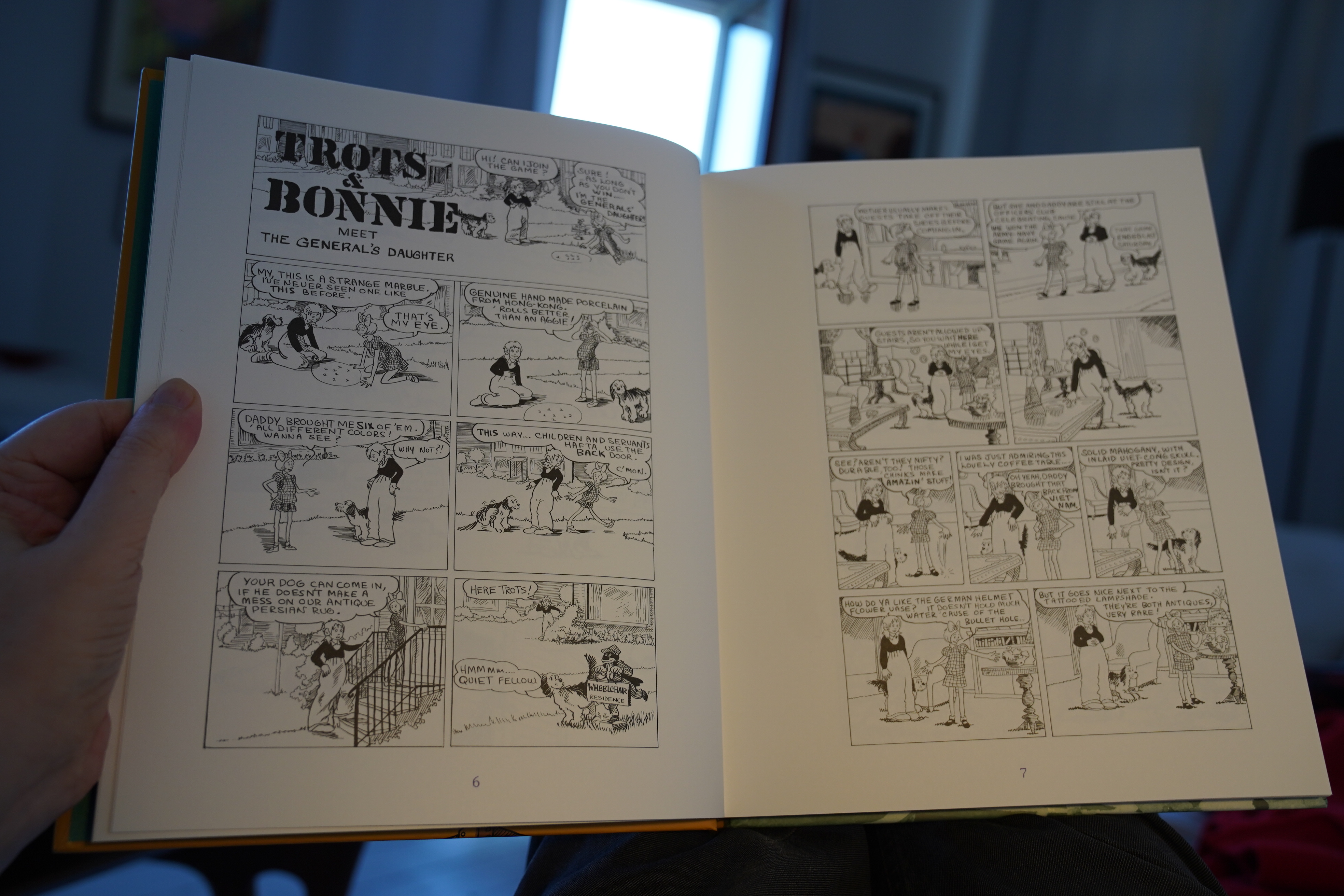
It doesn’t — it’s very good. The oldee tymey artwork is fantastic, and the strips have a wonderful, chatty flow: The strips have great pacing and are pretty funny.

But I find the book format to be kinda odd. It all seems so cramped? Most of the pages are like this, in a narrower form factor, and everything seems like it’s reproduced at a too-small size.
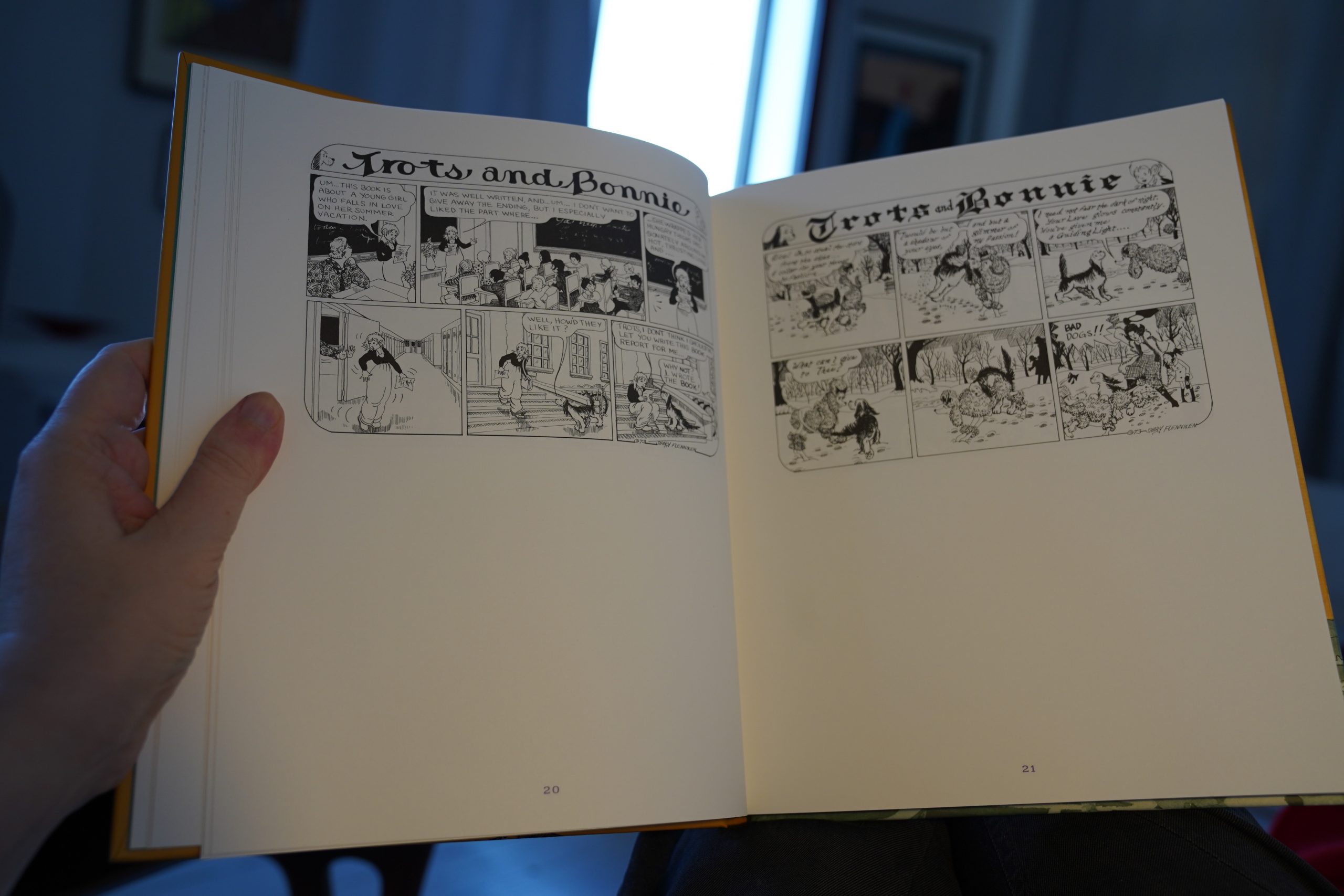
And then the half-page strips are even worse, because they seem like they should have been much wider?

I.e., it’s odd that they didn’t do a larger format book.

My Cat Is An Alien: Mort Aux Vaches

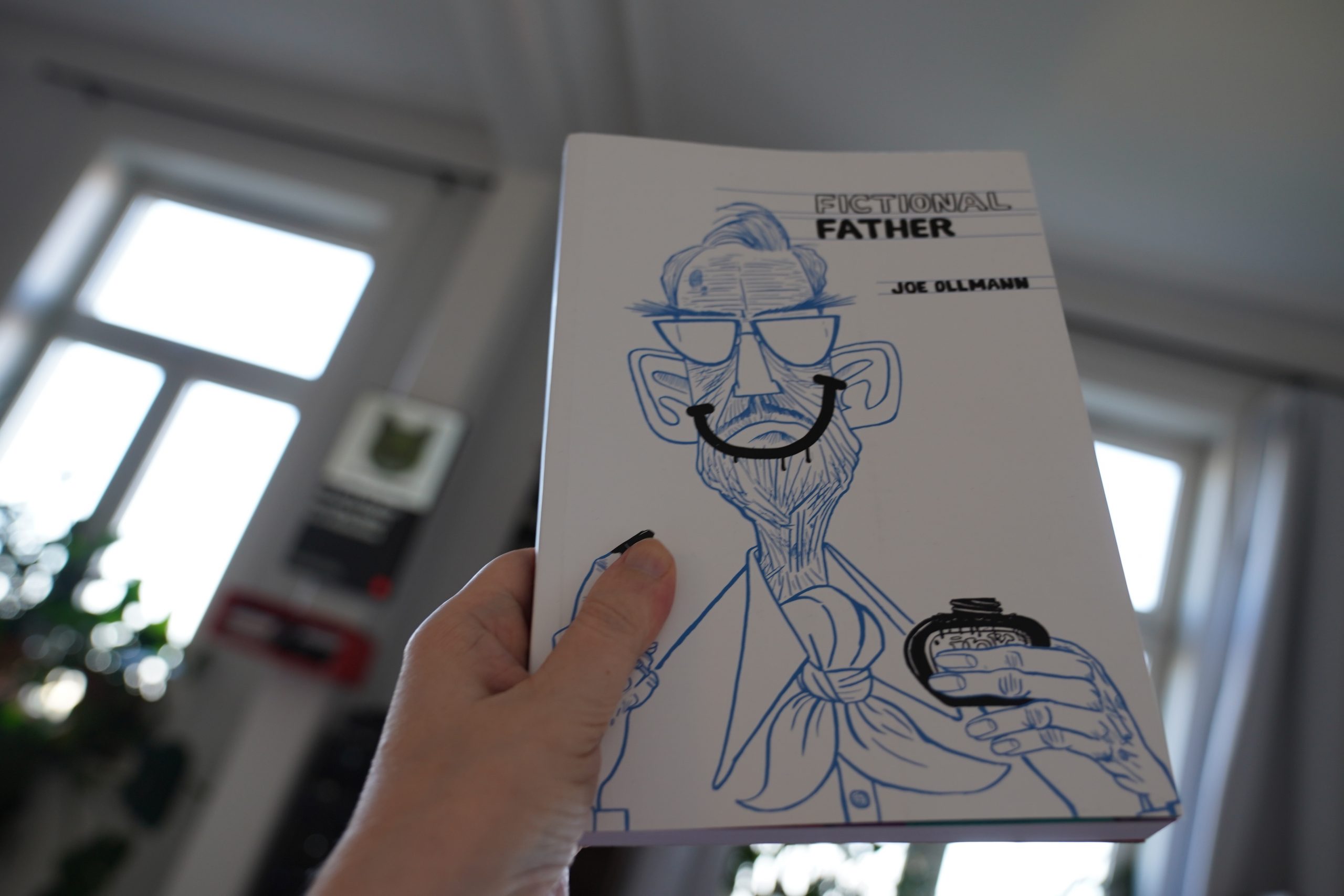
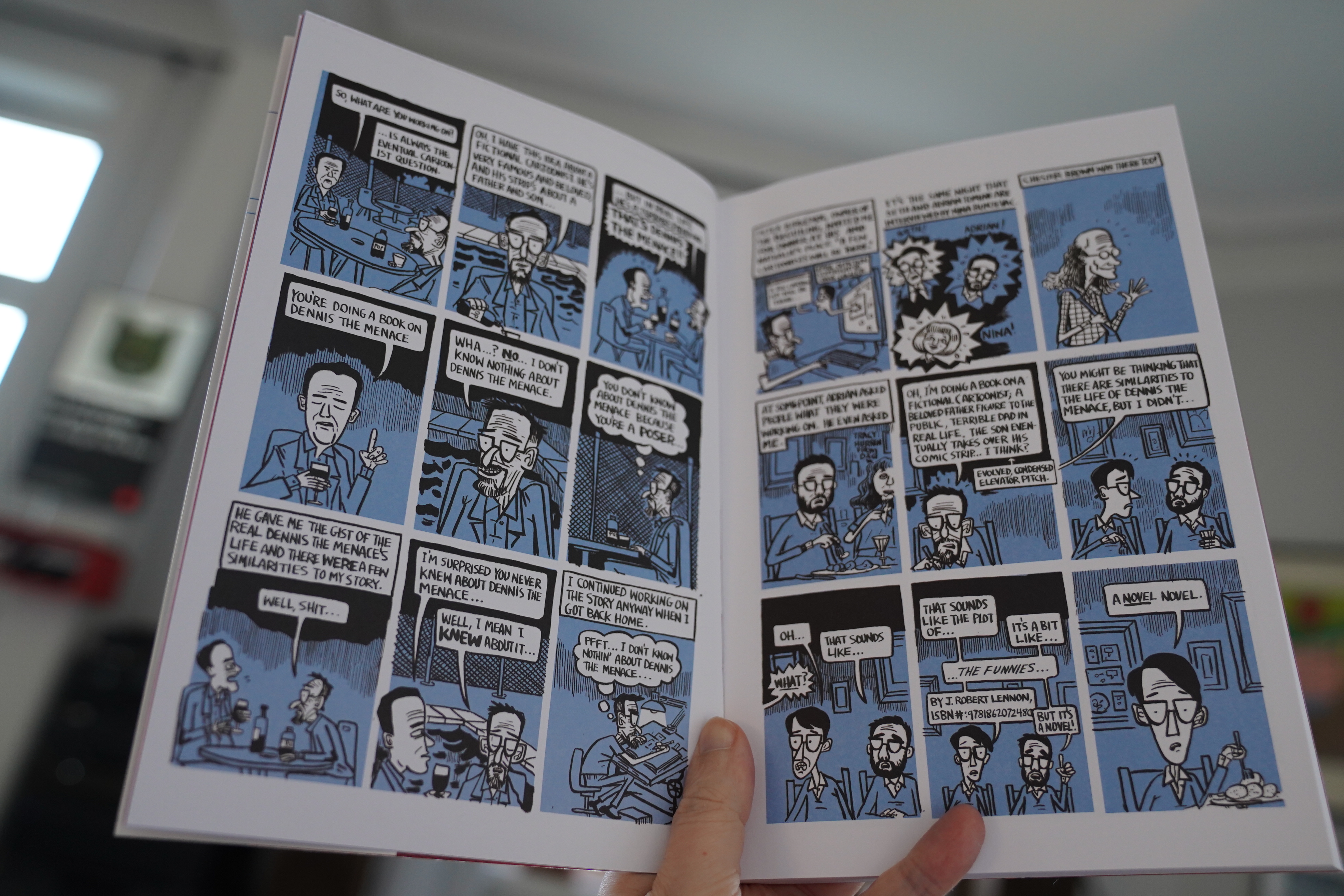
19:43: Fictional Father by Joe Ollmann (Drawn & Quarterly)

Hm… Oh! Ollmann! I totally ditched his previous book (the Seabrook thing) because it was just horrible! But I got this one? Uhm…
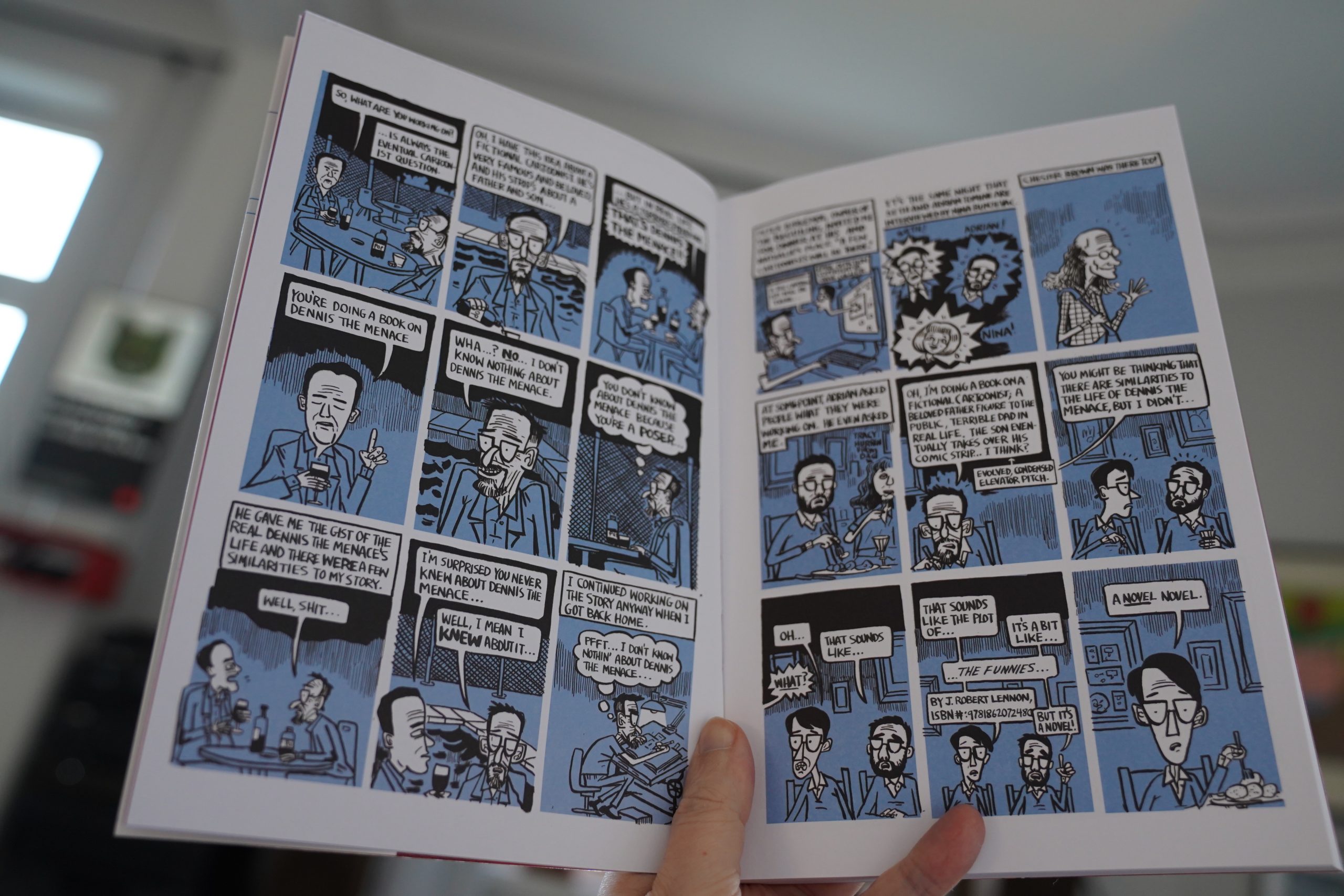
So we start off with in introduction that tells the reader that the plot of this book may seem totally derivative, but that Ollmann didn’t know. And… Dennis the Menace? What?
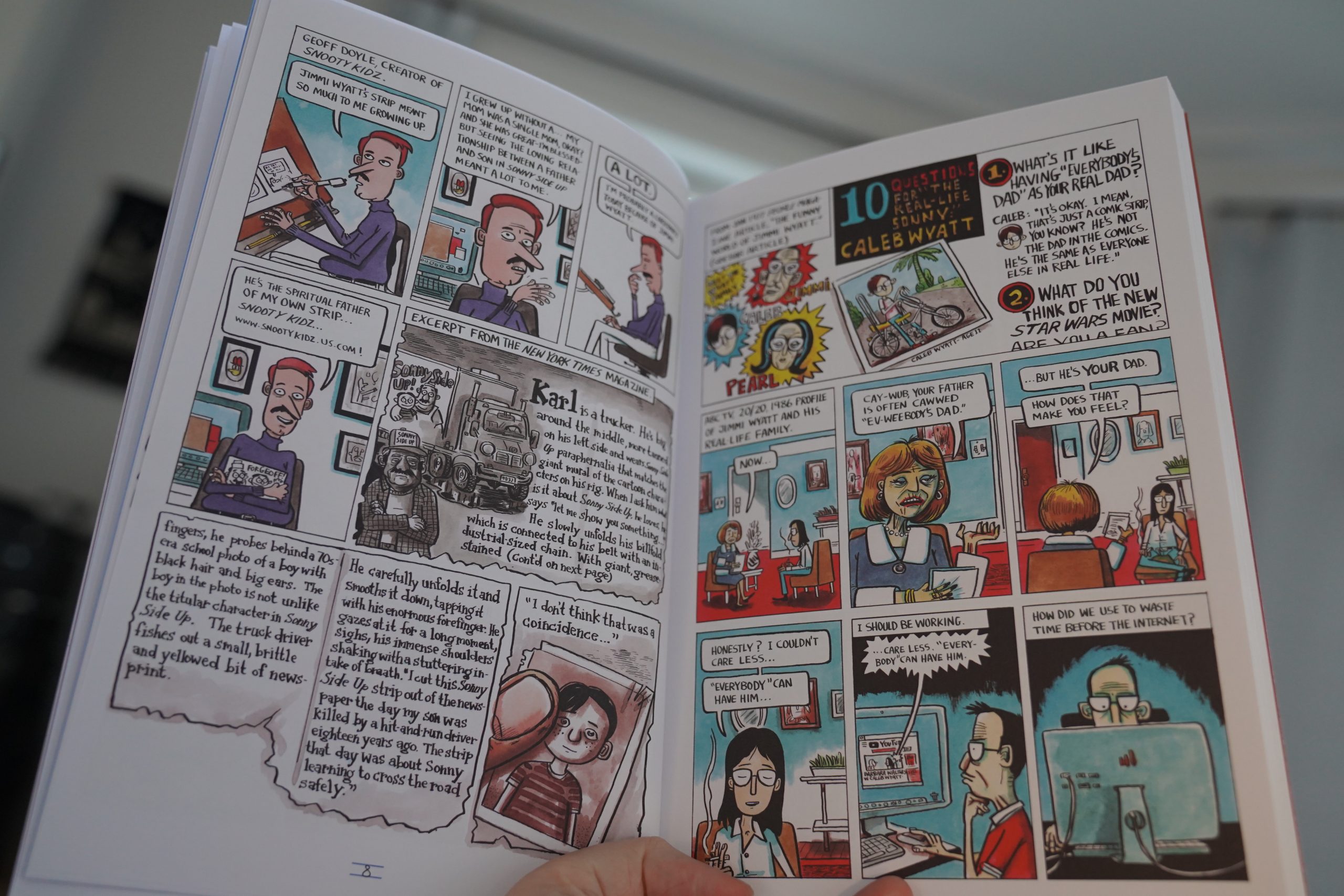
This starts of really horribly — it seems to be a retelling of a documentary or something? It’s very choppy.
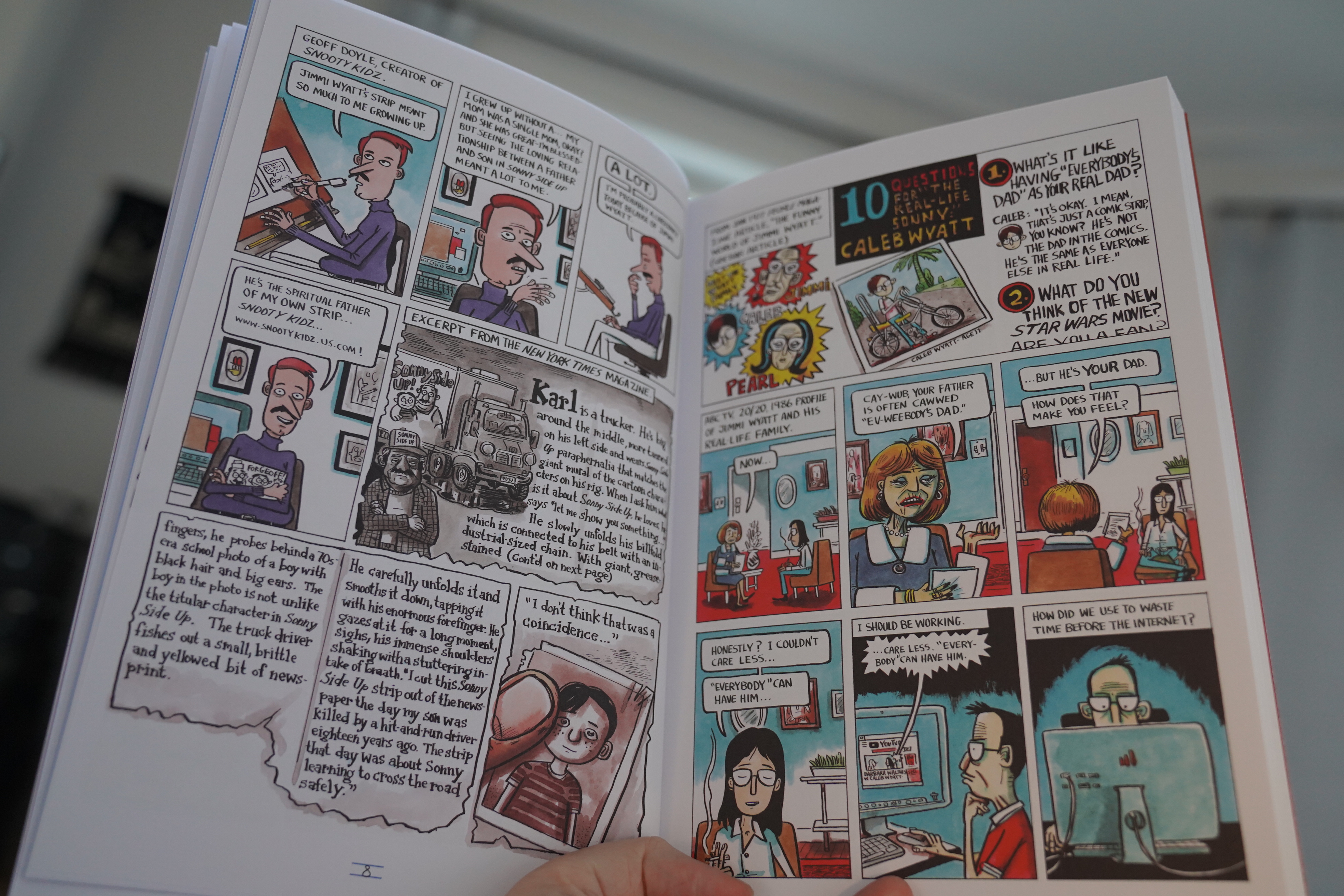
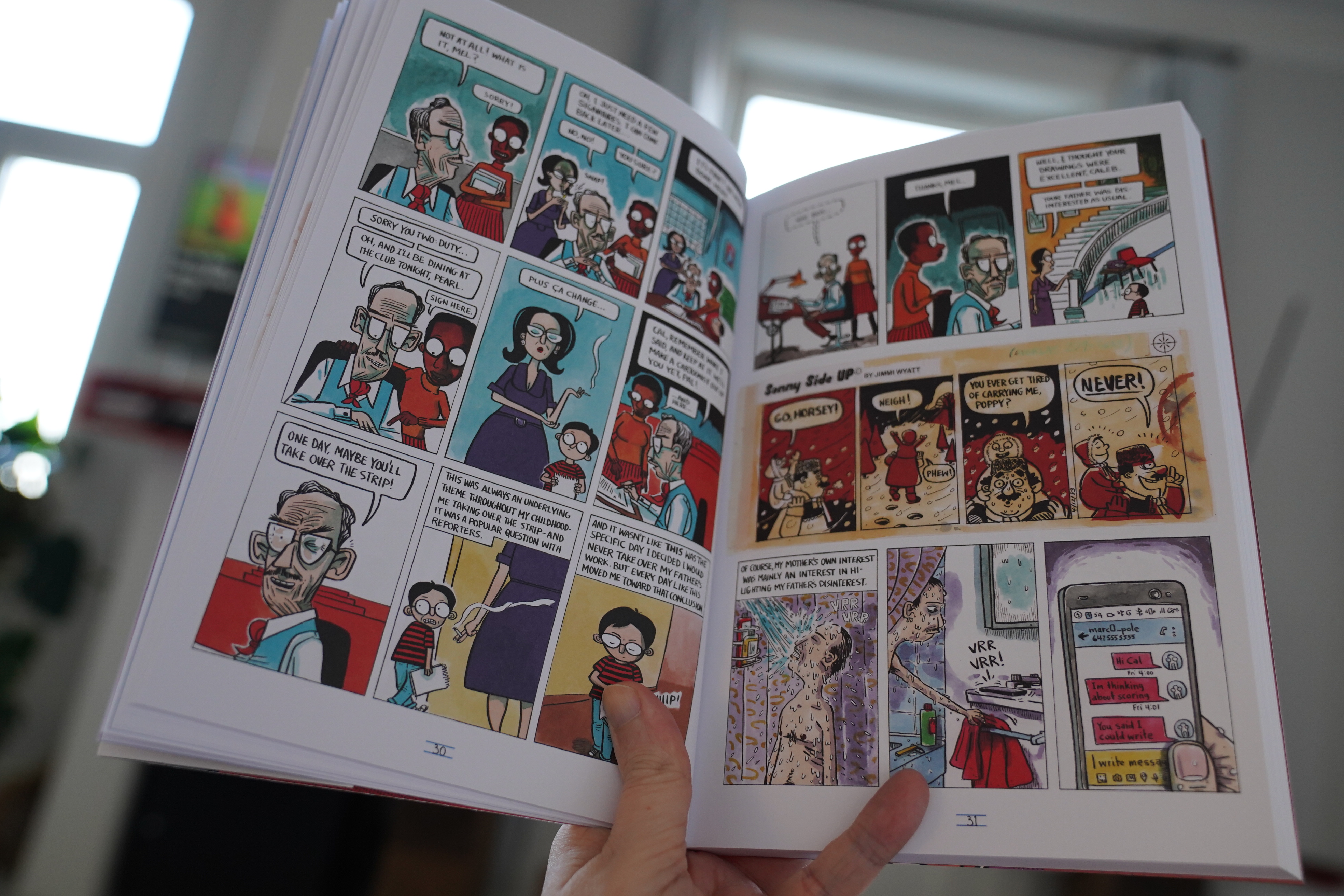
Ollmann drops in some strips from the “beloved cartoon”, and that doesn’t work at all, because they’re really bad — it’s hard to imagine anybody connecting to that, even on a Garfield level.

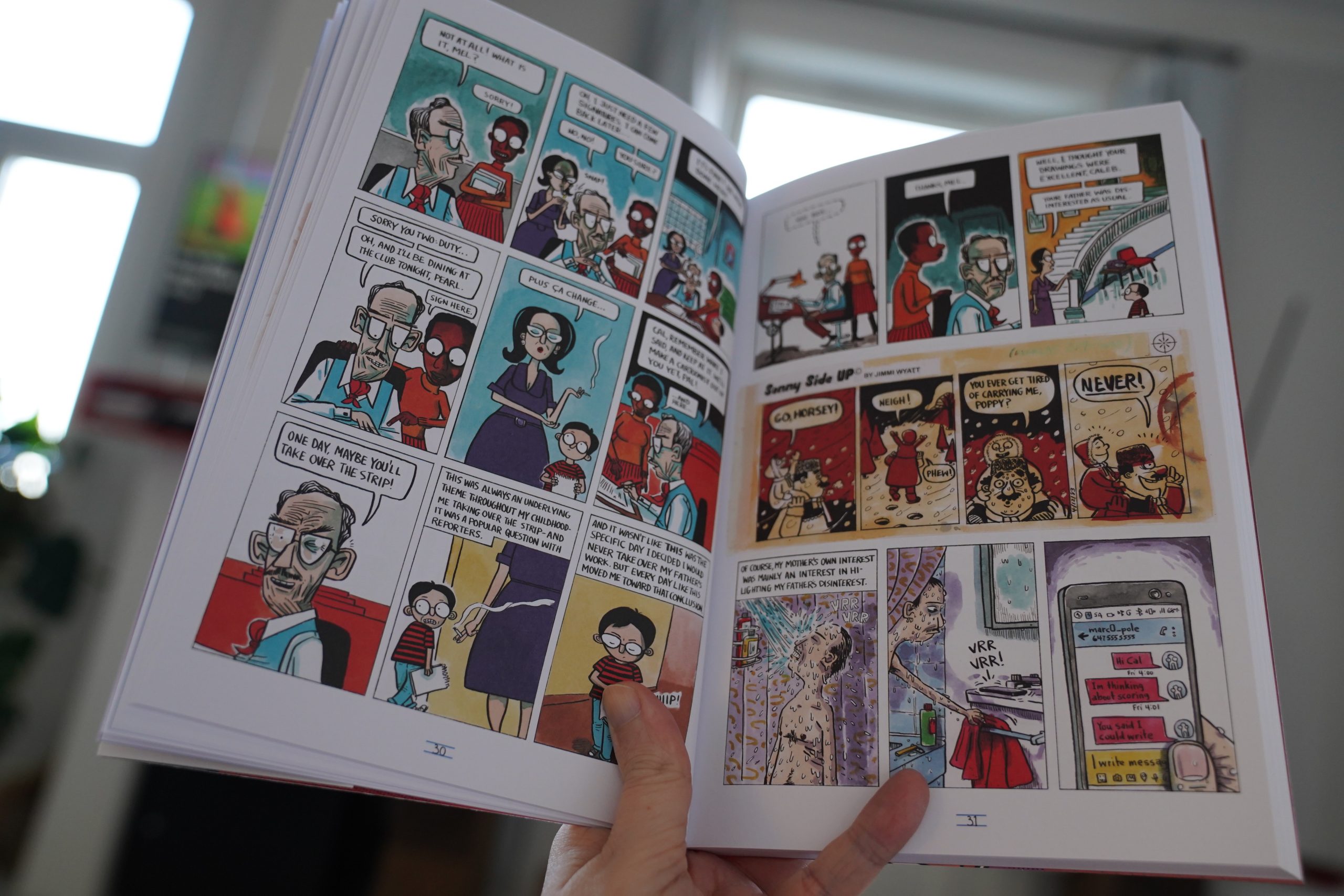
At about fifty pages in, I was totally ready to ditch this, because it just didn’t work for me. But I stuck with it, and … OK, it’s not really that interesting, but it gets better: The storytelling gets smoother and it feels like we’re going somewhere. It’s… it’s fine?
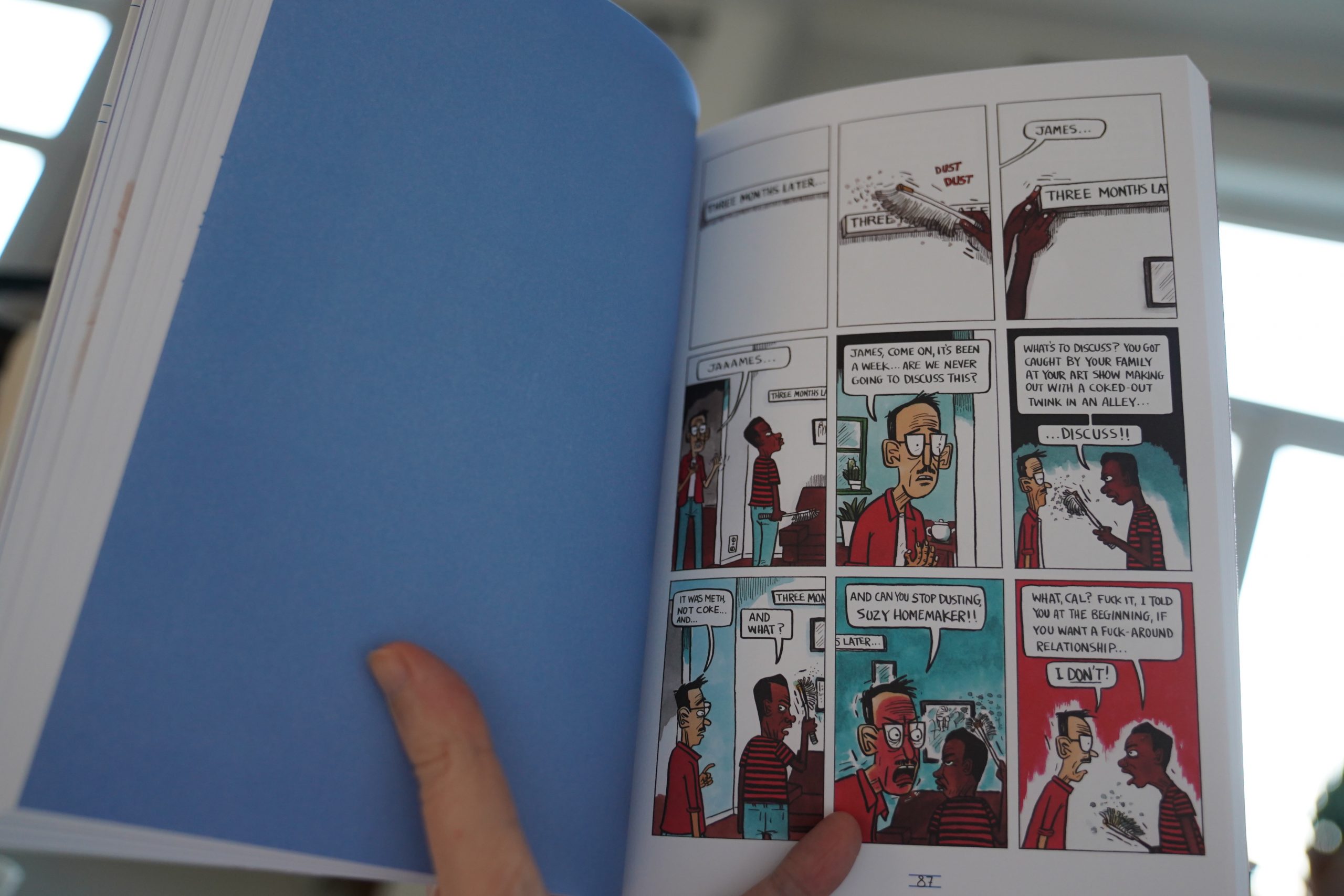
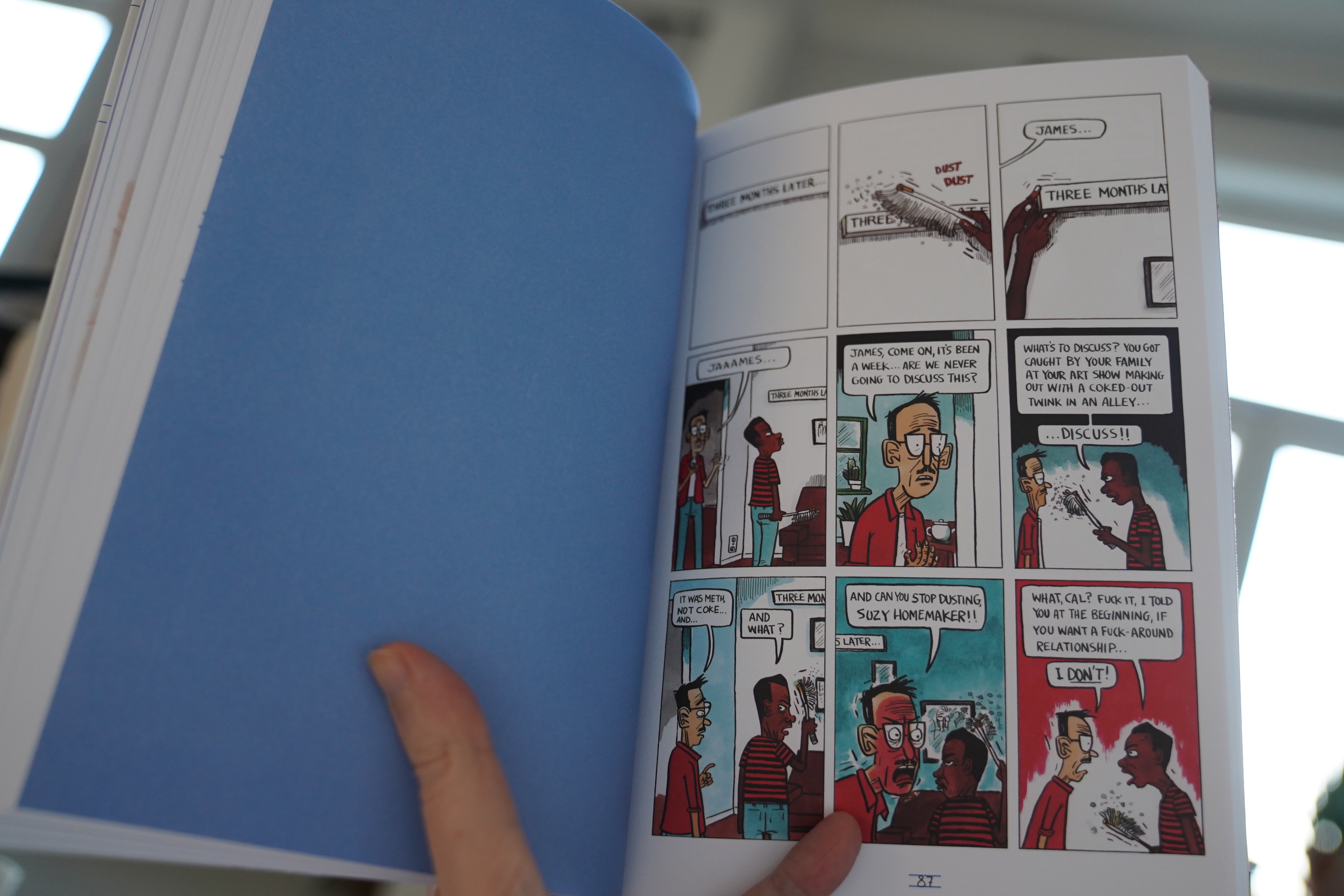
And I really enjoyed this page. Props for this page!

Fad Gadget: Incontinent

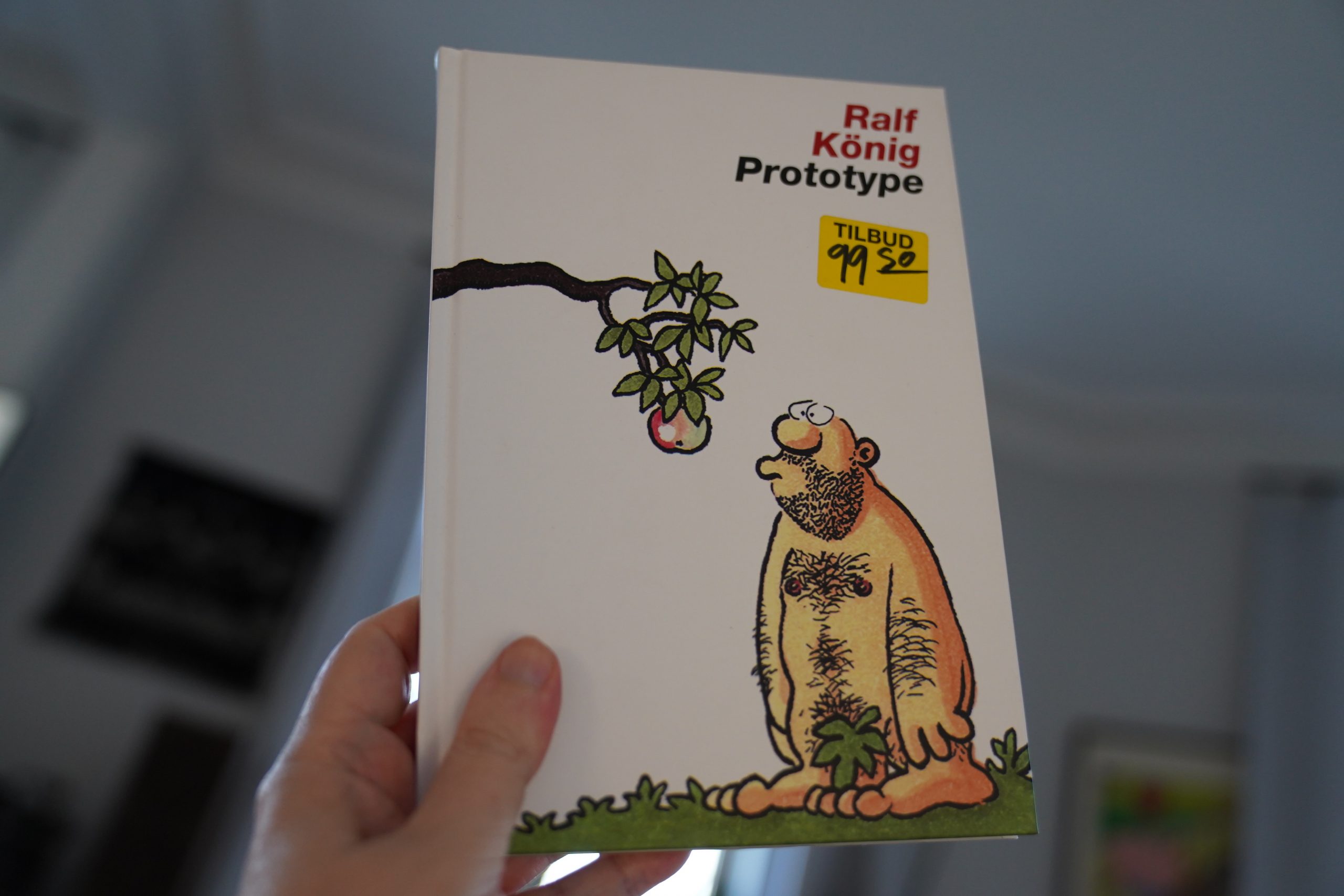
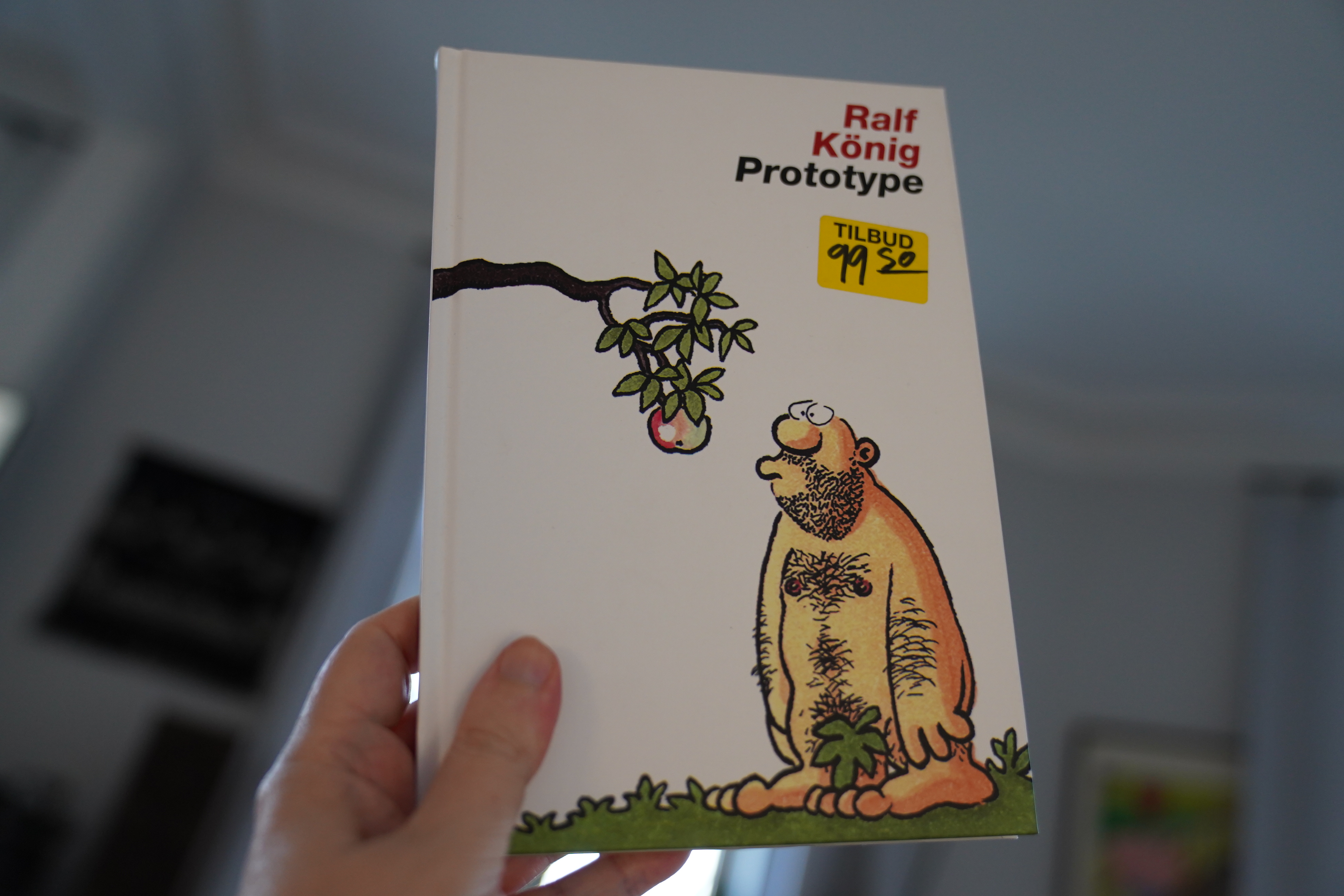
21:42: Prototyp by Ralf König (Fahrenheit)
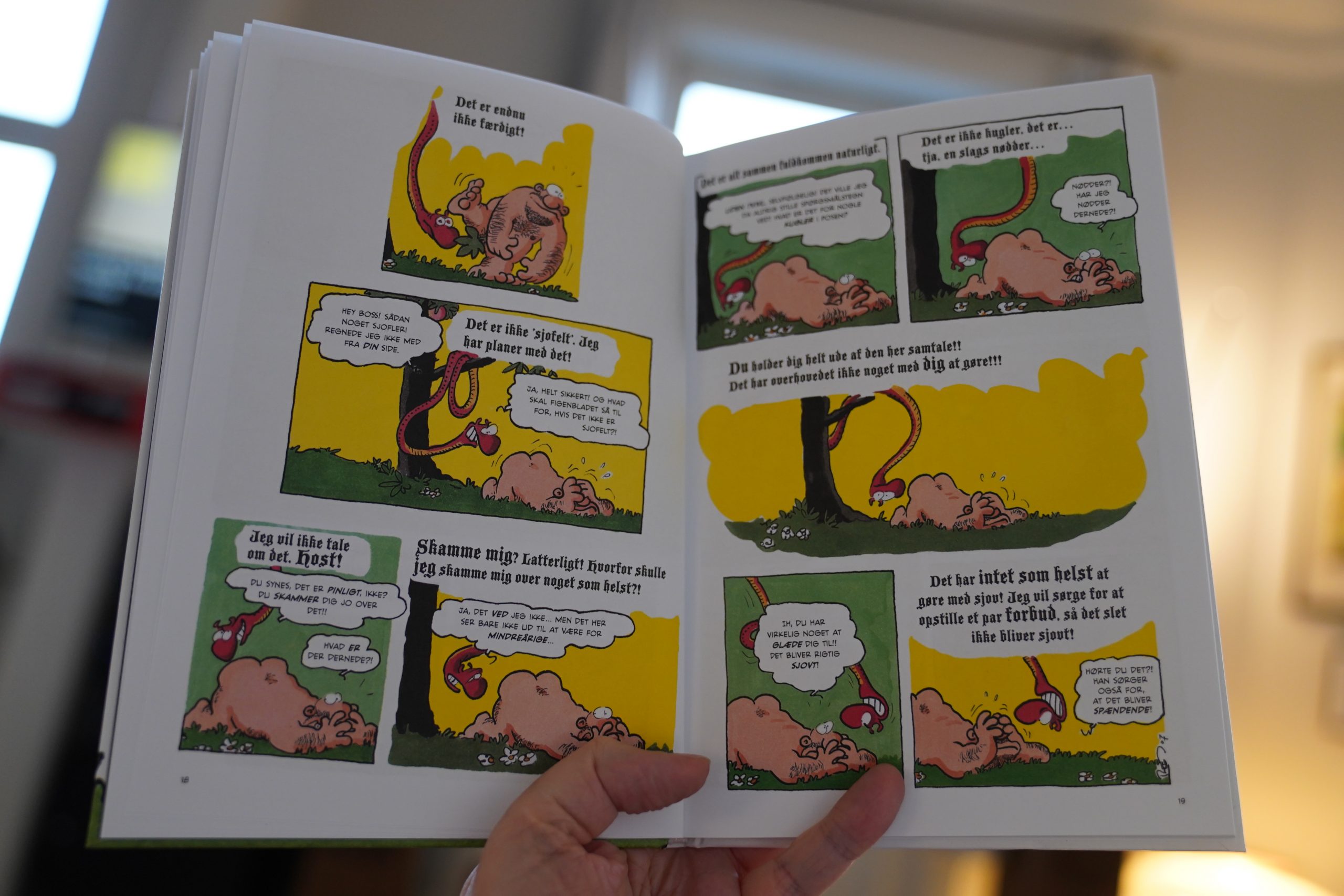
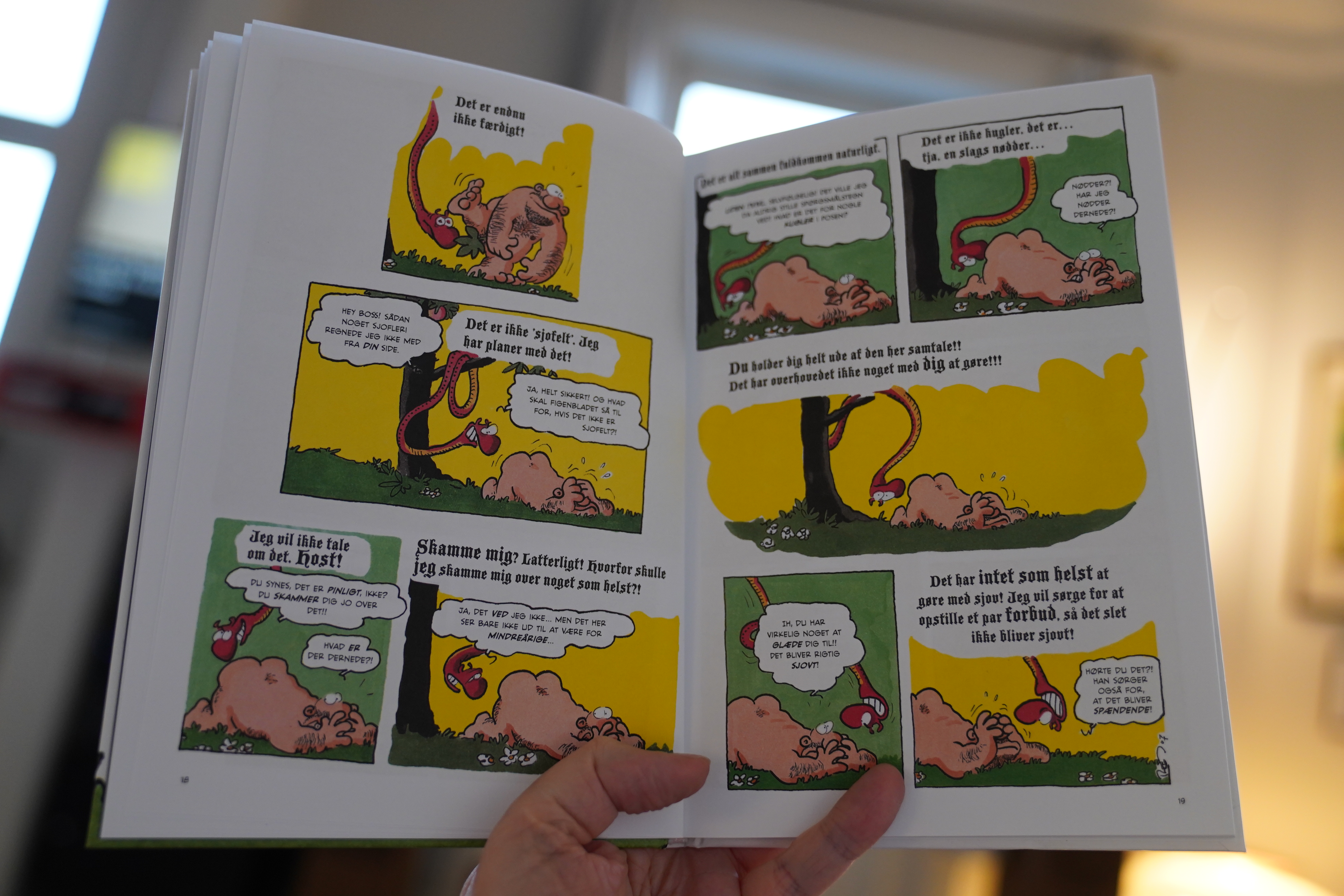
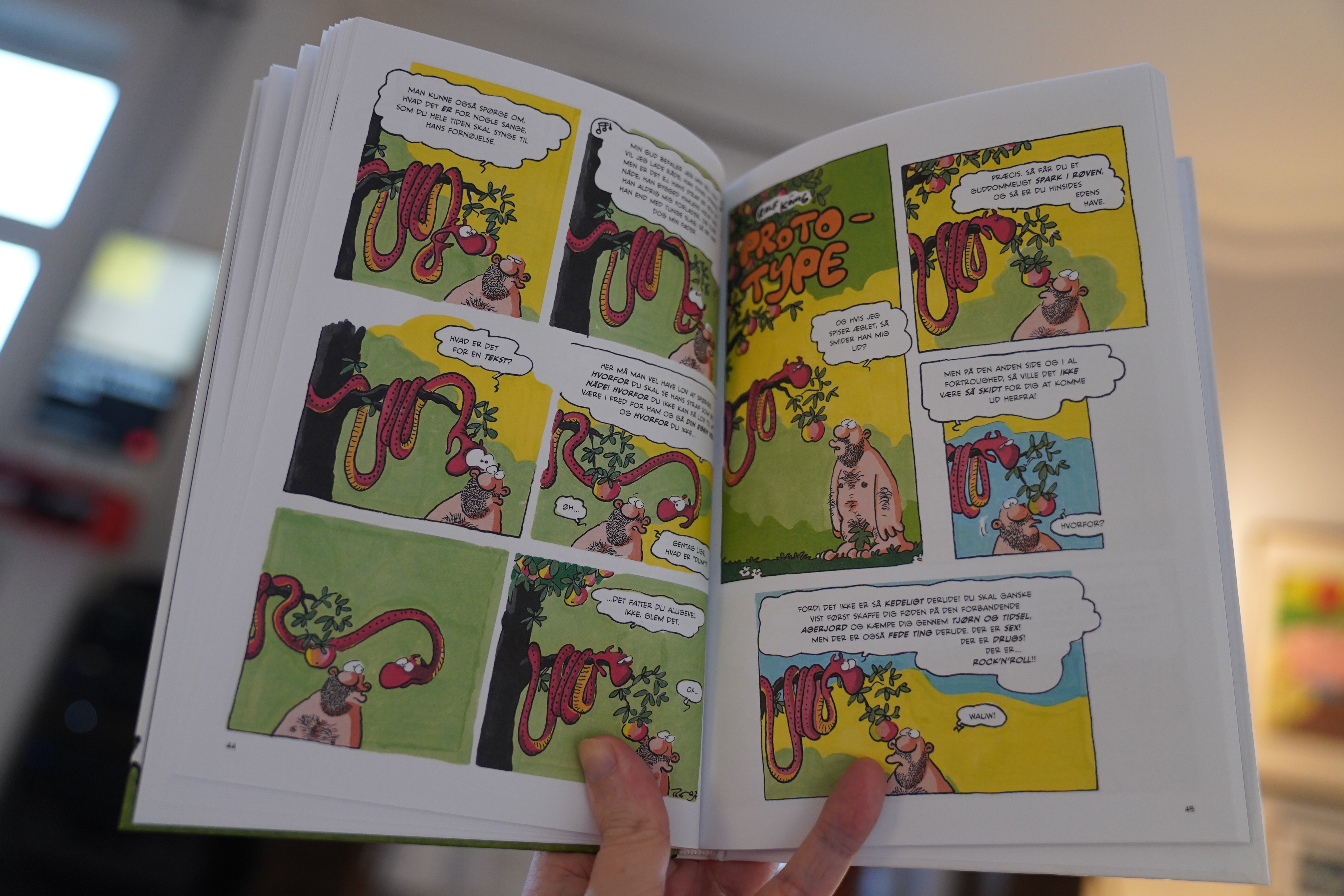
This looks like a collection of shorter pieces that were originally published in a different format?
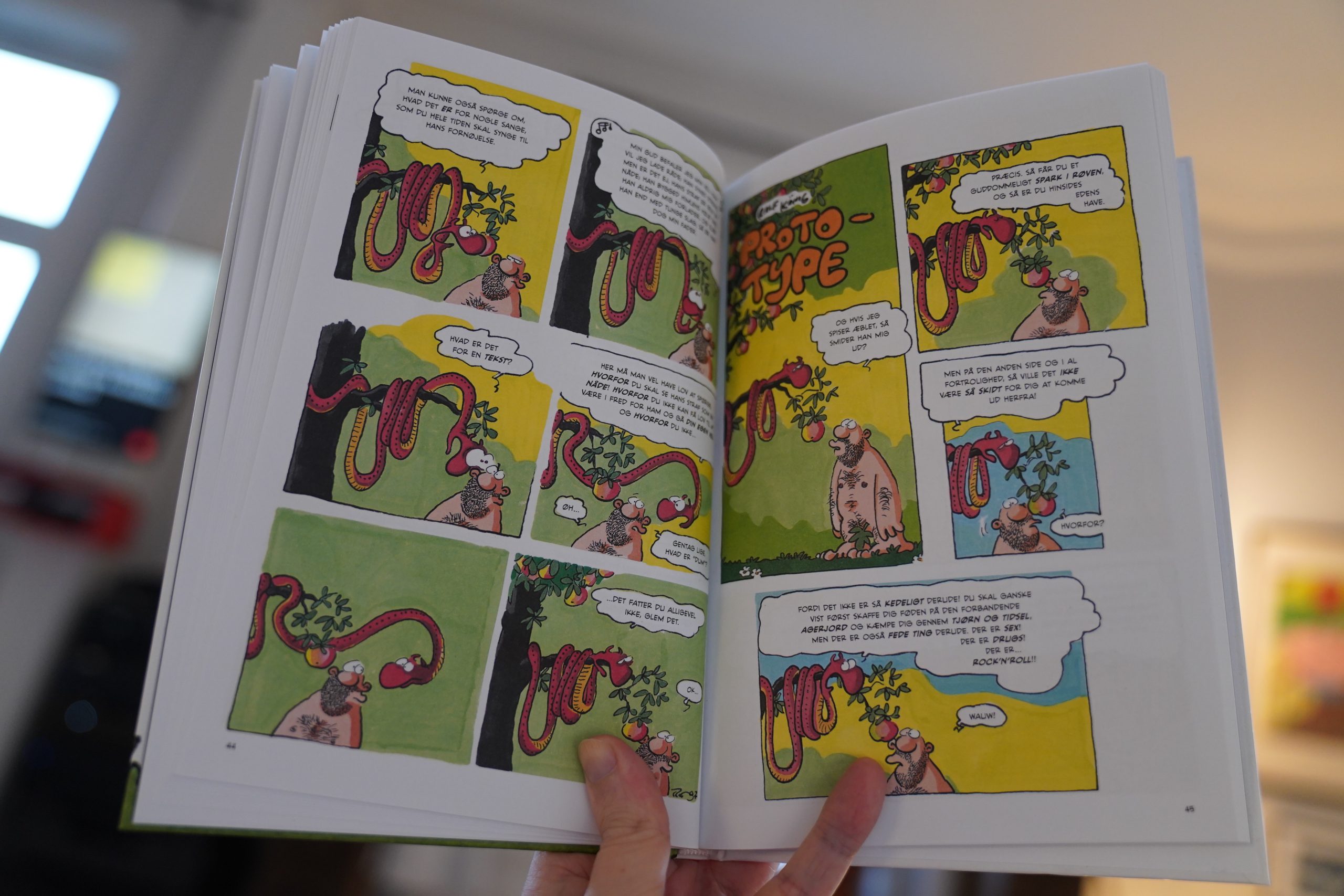
It’s all about philosophical questions about religion and stuff. I’m guessing religious people would find it deep and blasphemous, but I just mainly thought it was really kinda boring? Easily the worst thing I’ve read from König. (So it won a German award for “the best” something in 2009.)

Nobukazu Takamura: Music for the exhibition “Einheit”

22:33: Beatnik Buenos Aires by Diego Arandojo & Facundo Percio (Fantagraphics)
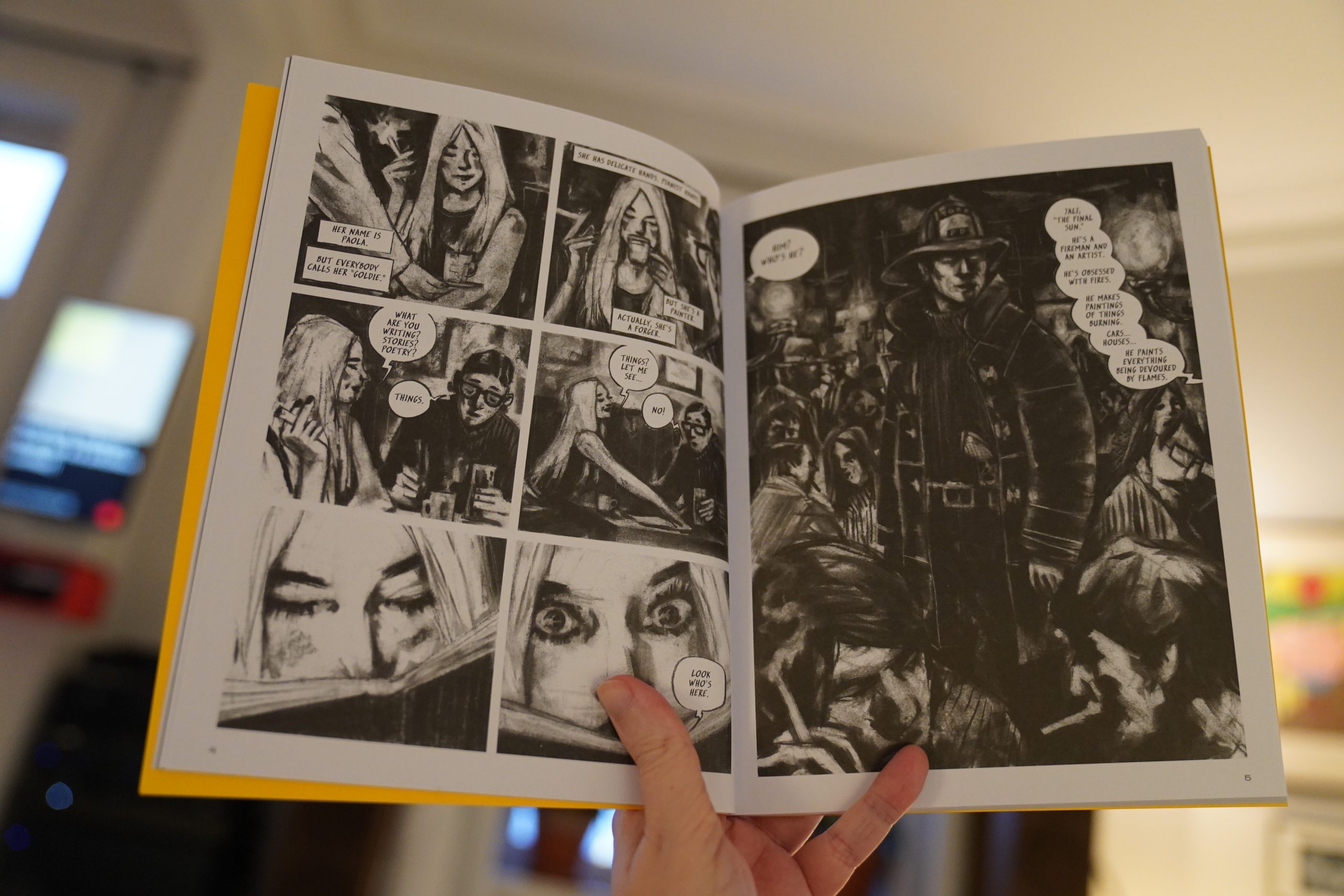
So this is a collection of moody… scenes? from Buenos Aires. With lots of poetry and stuff.

I do like the artwork… the figures sometimes seem overly posed, but it’s good stuff.
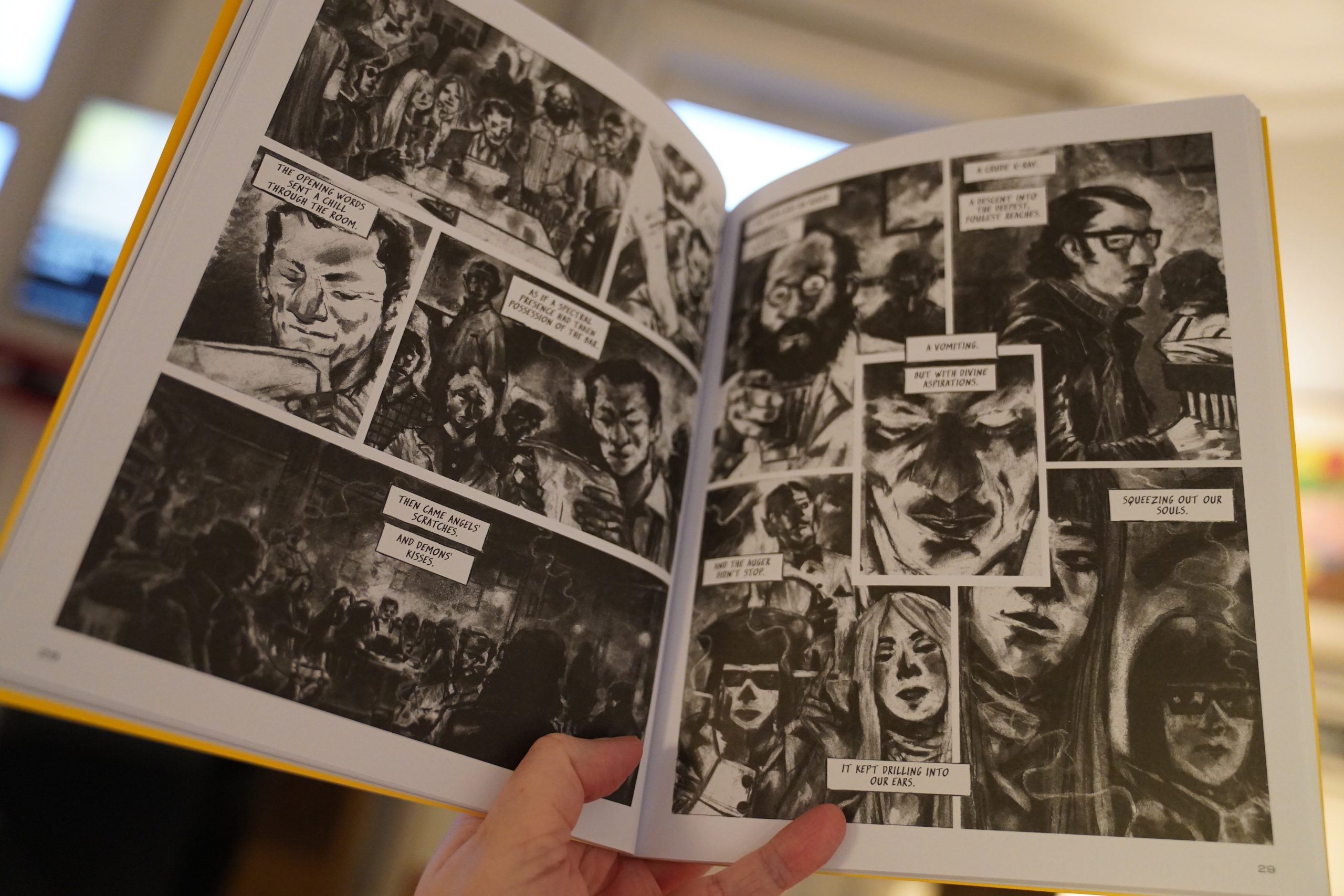
It doesn’t really build to anything, though, so that’s slightly disappointing.

(The font used for the computer lettering is really annoying. It’s so … strident.)

Various: Rocksteady Got Soul

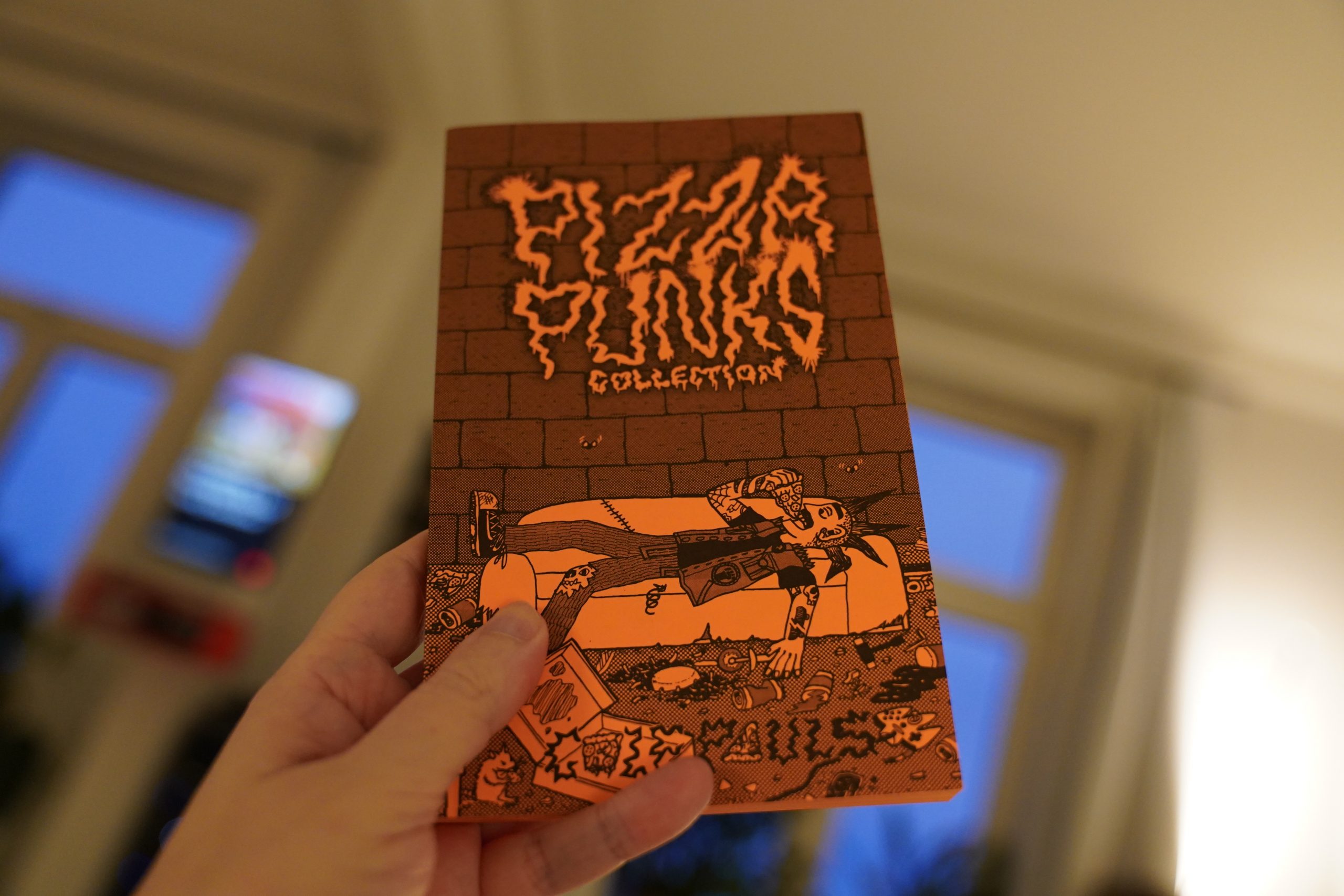
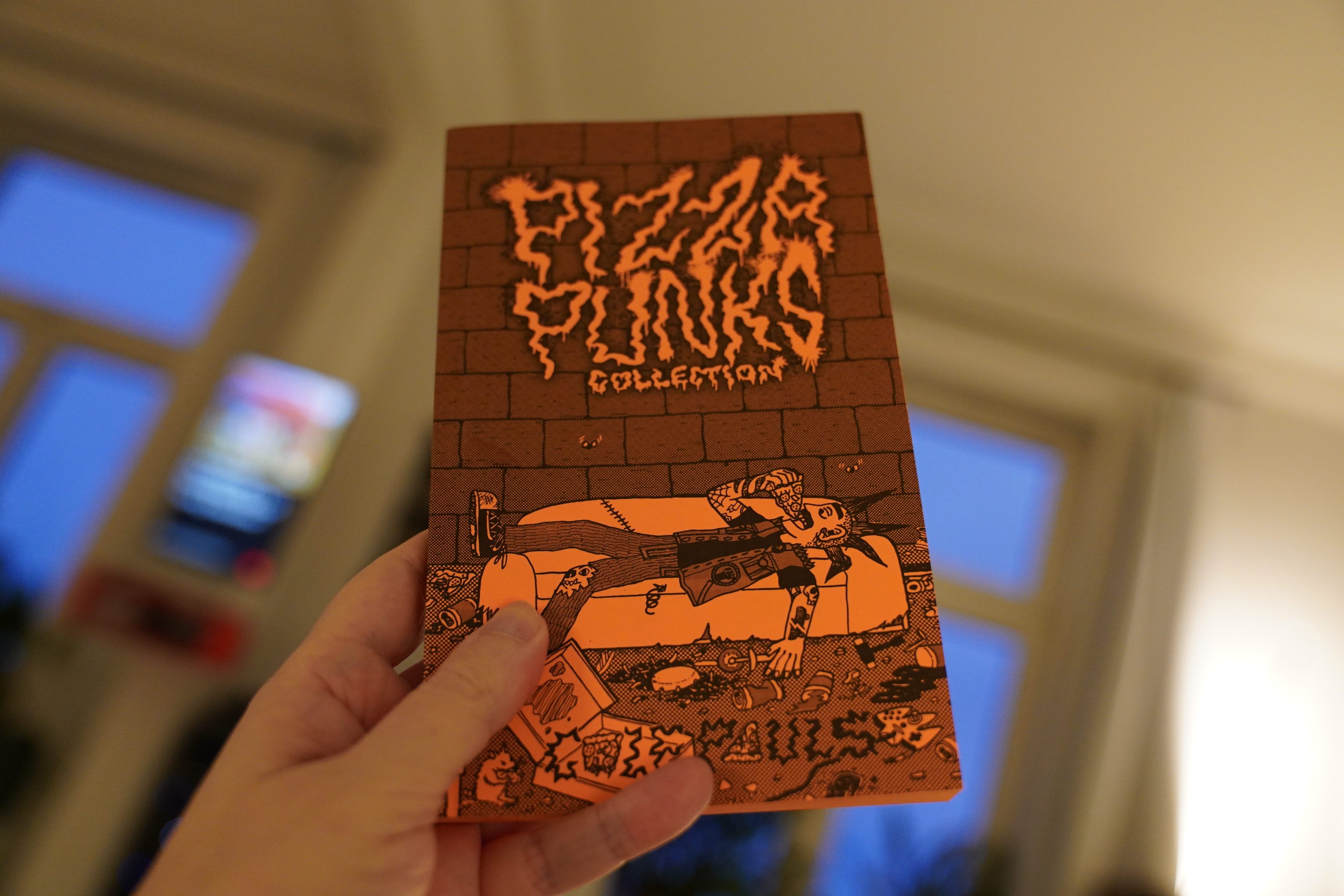
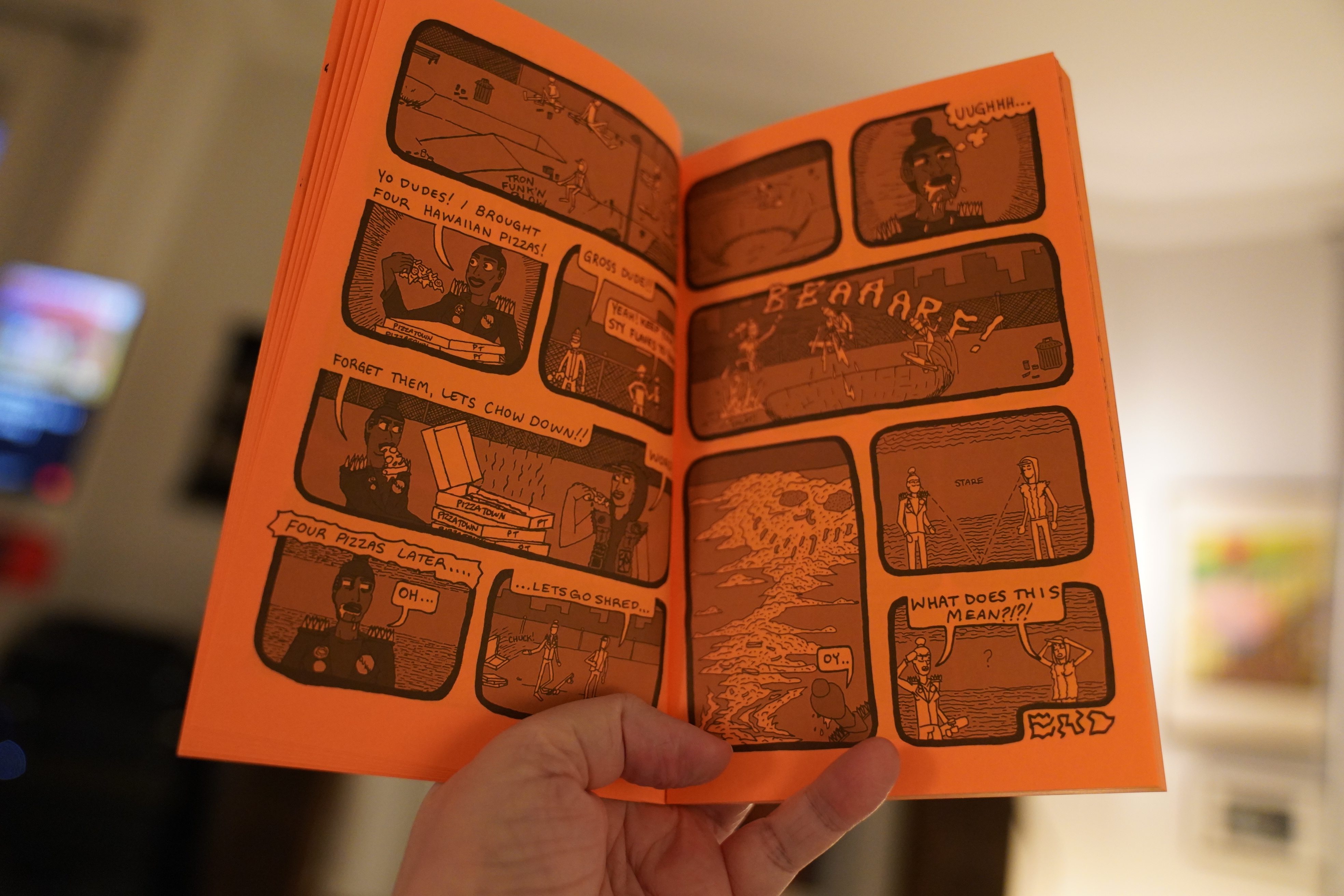
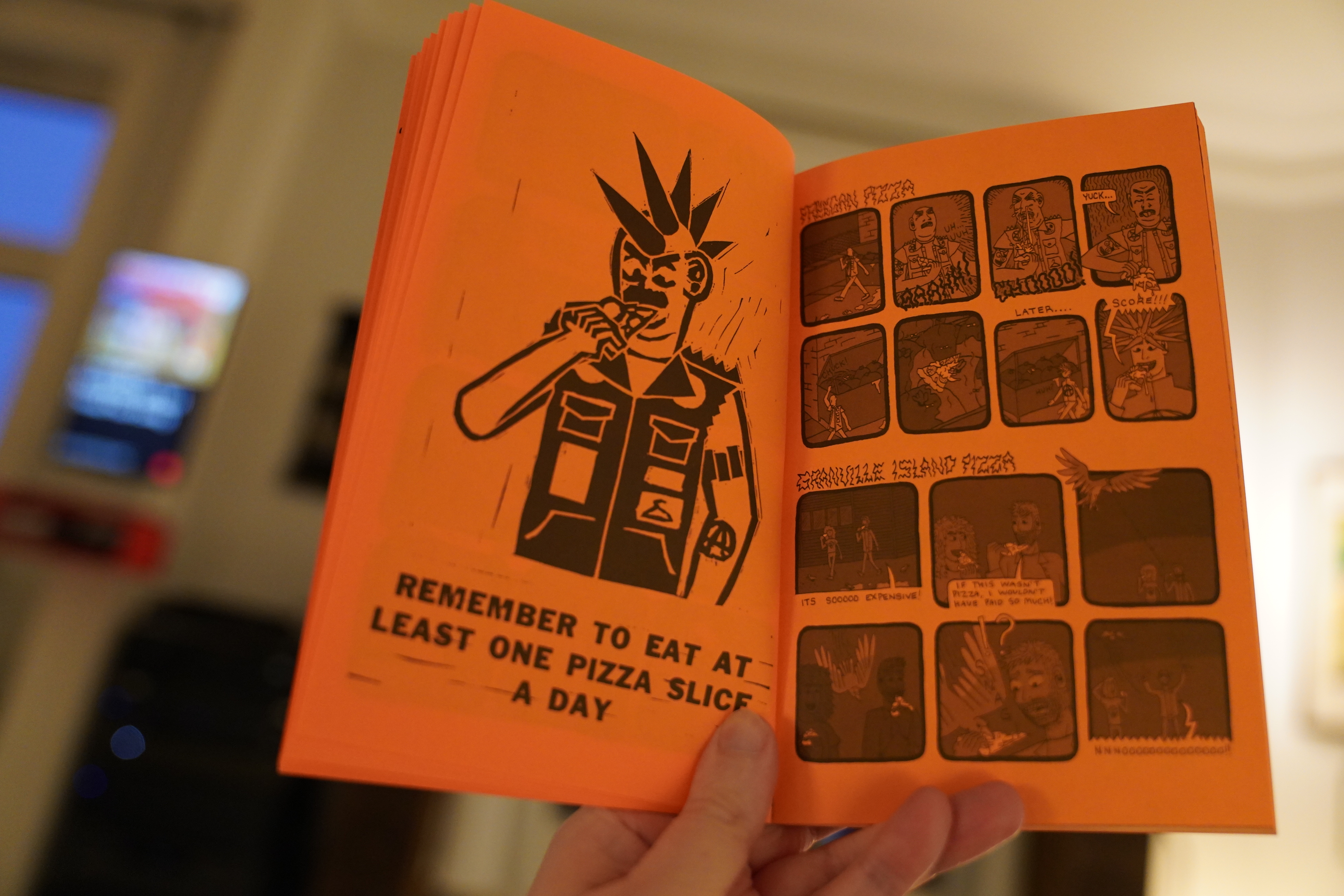
23:12: Pizza Punks Collection by Cole Pauls (Conundrum)
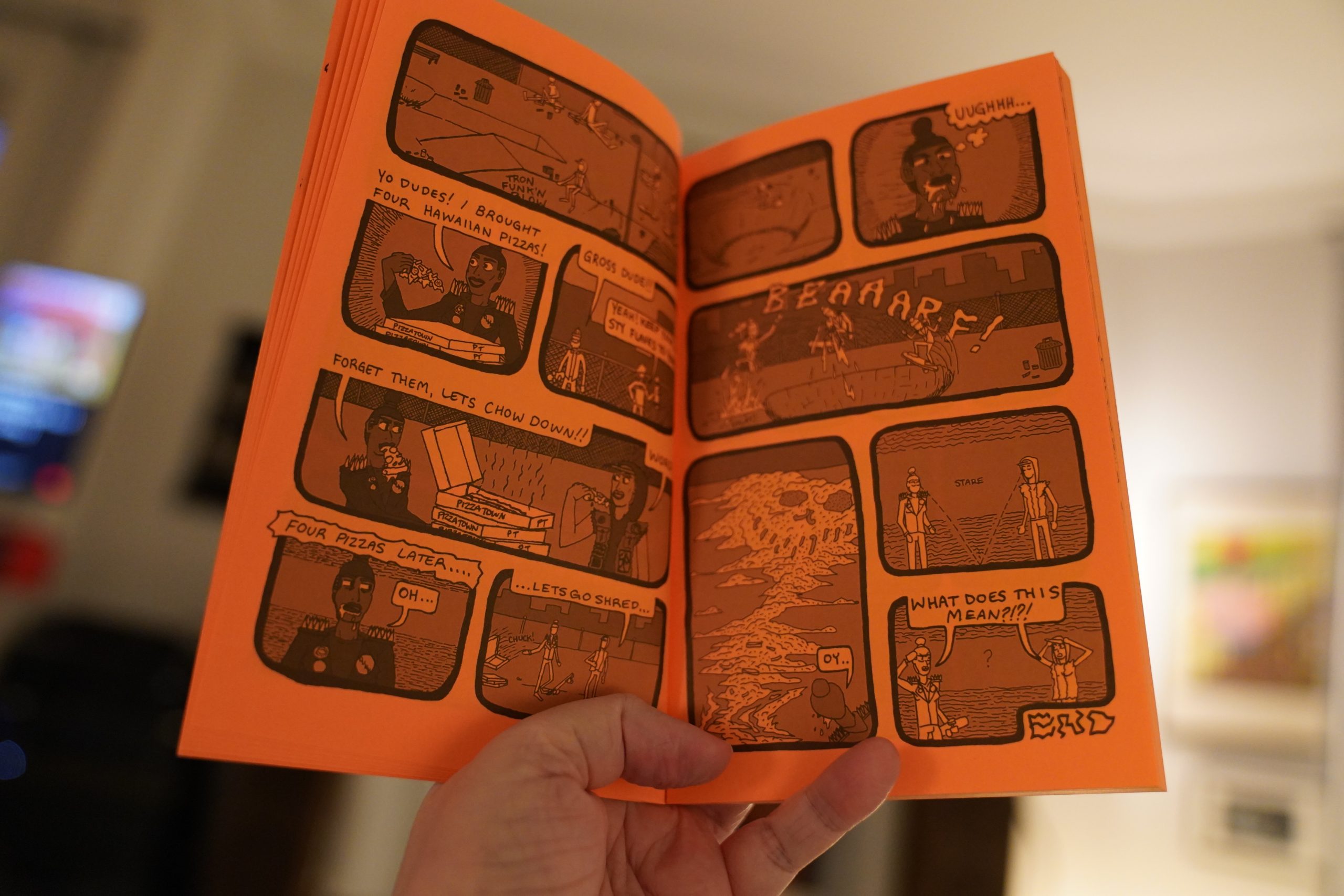
This is very goofy. I like it.
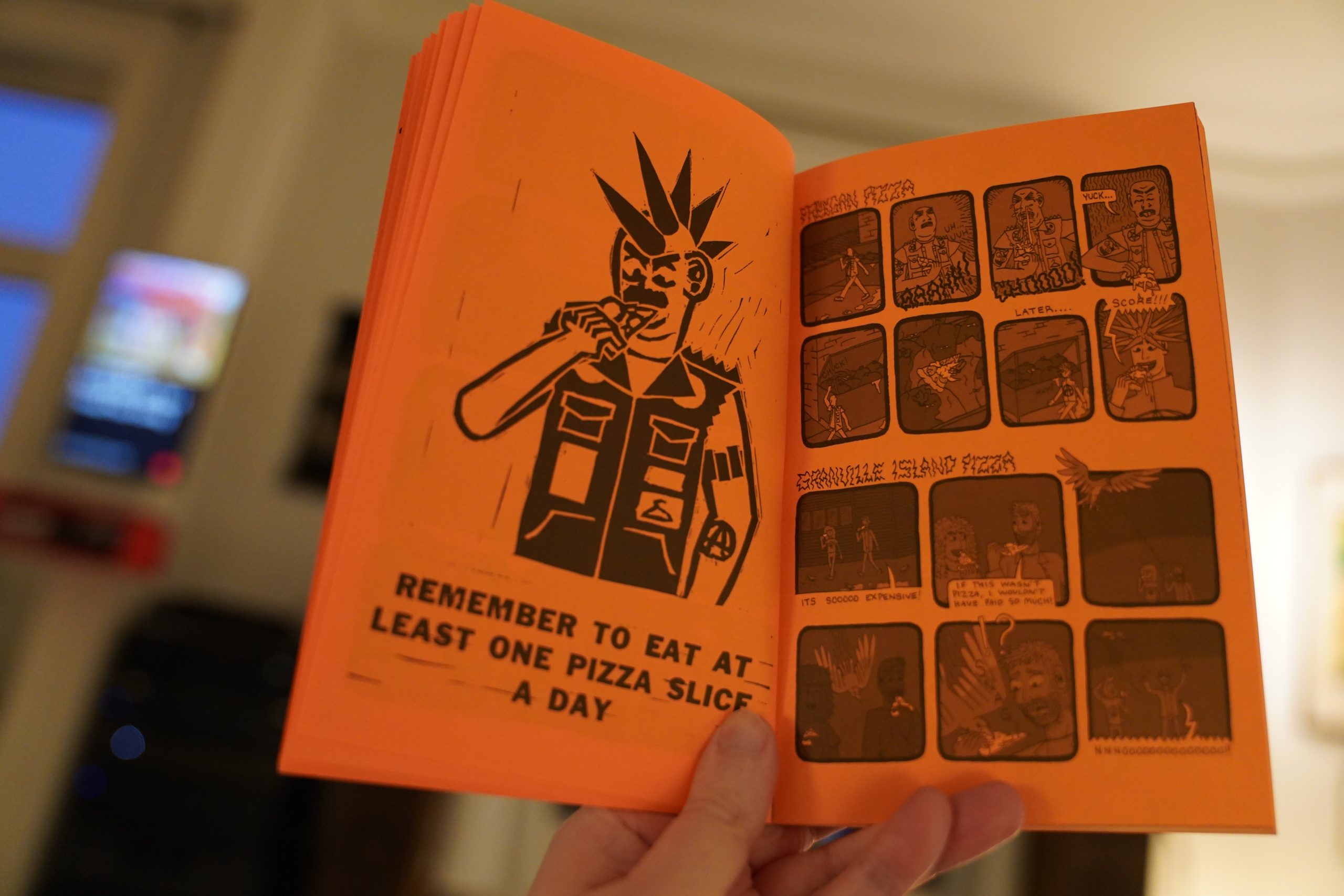
It’s basically the same thing from the first to (almost) the last page, but there’s also some fun different things in here.

The Au Pairs: Playing With A Different Sex

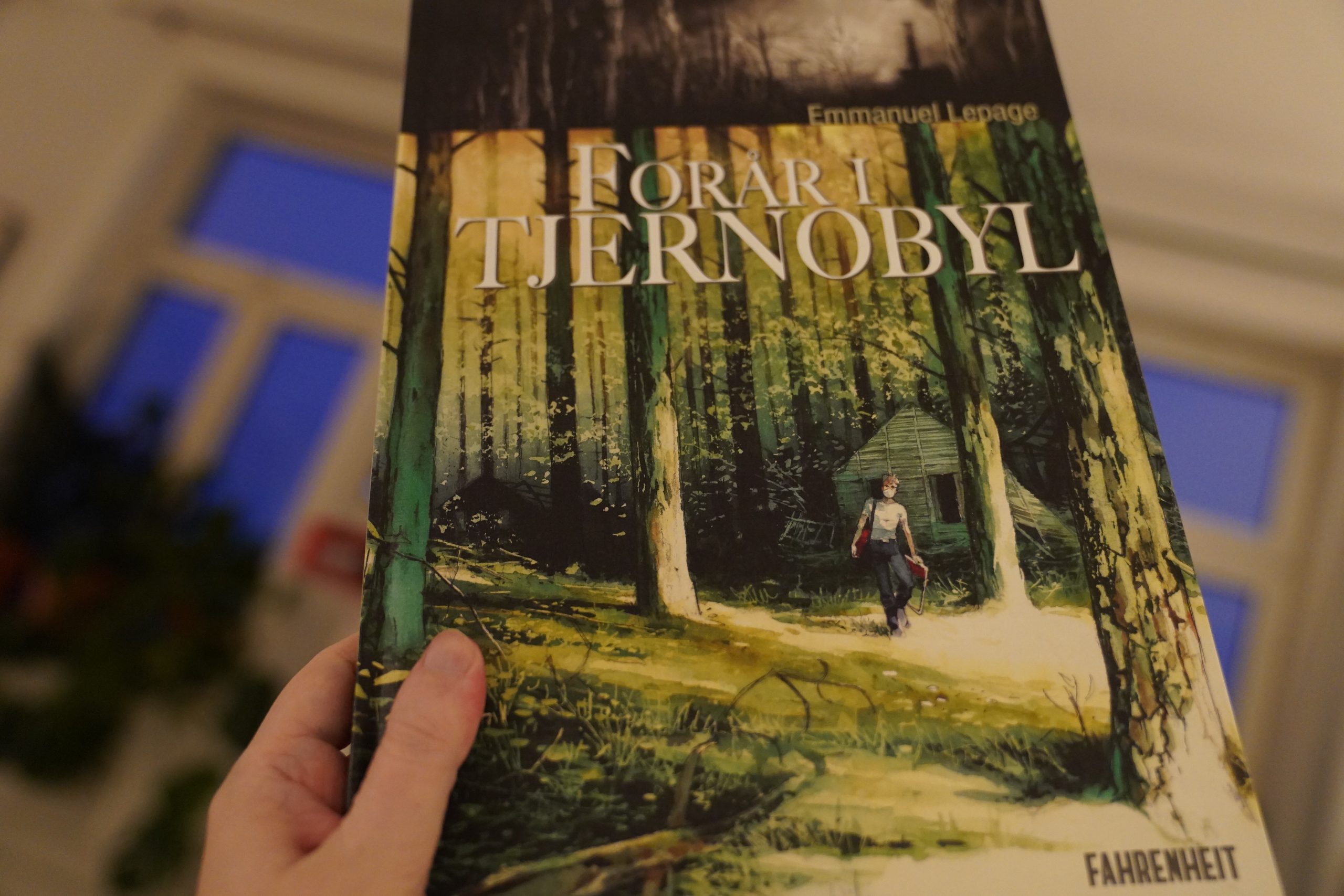
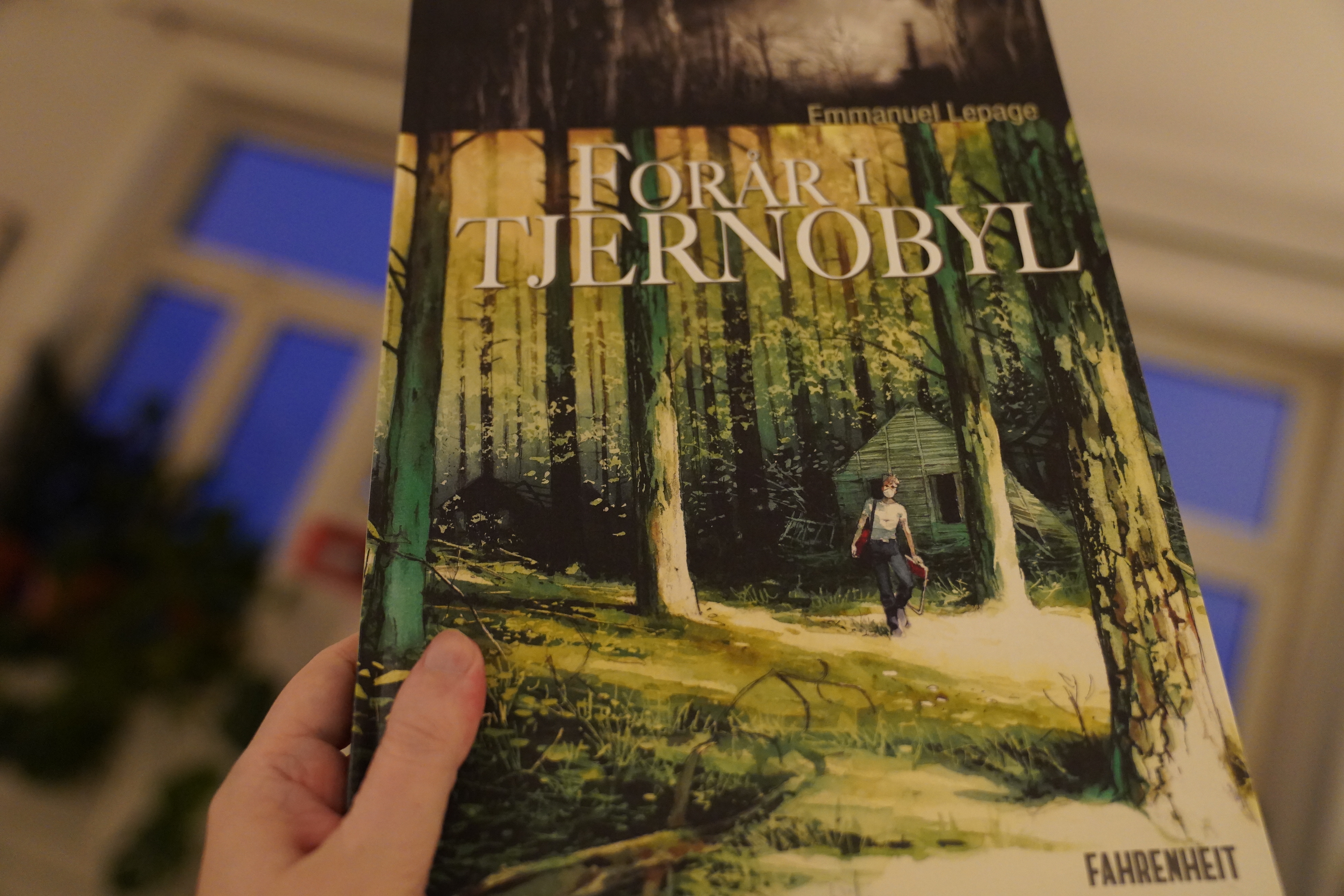
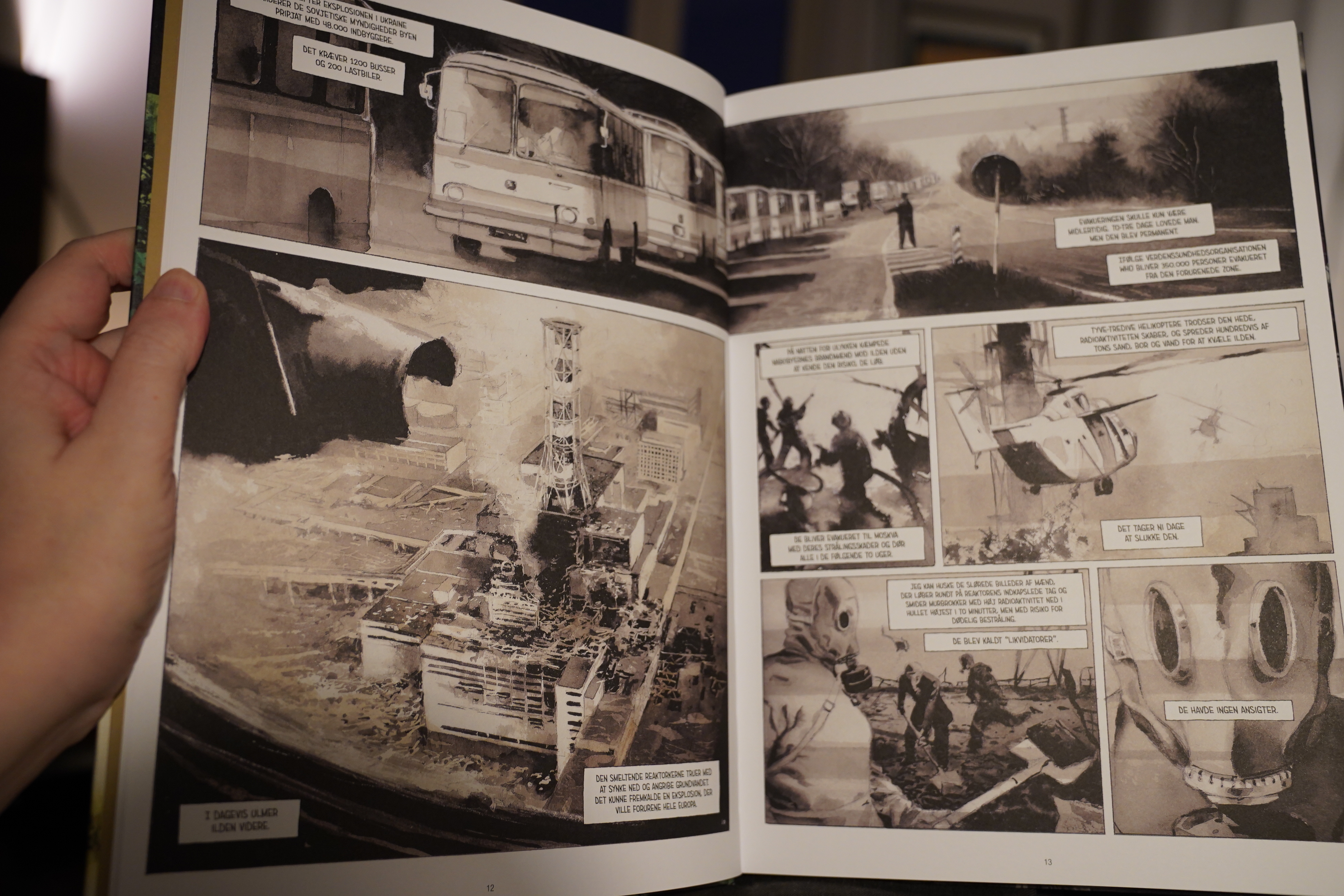
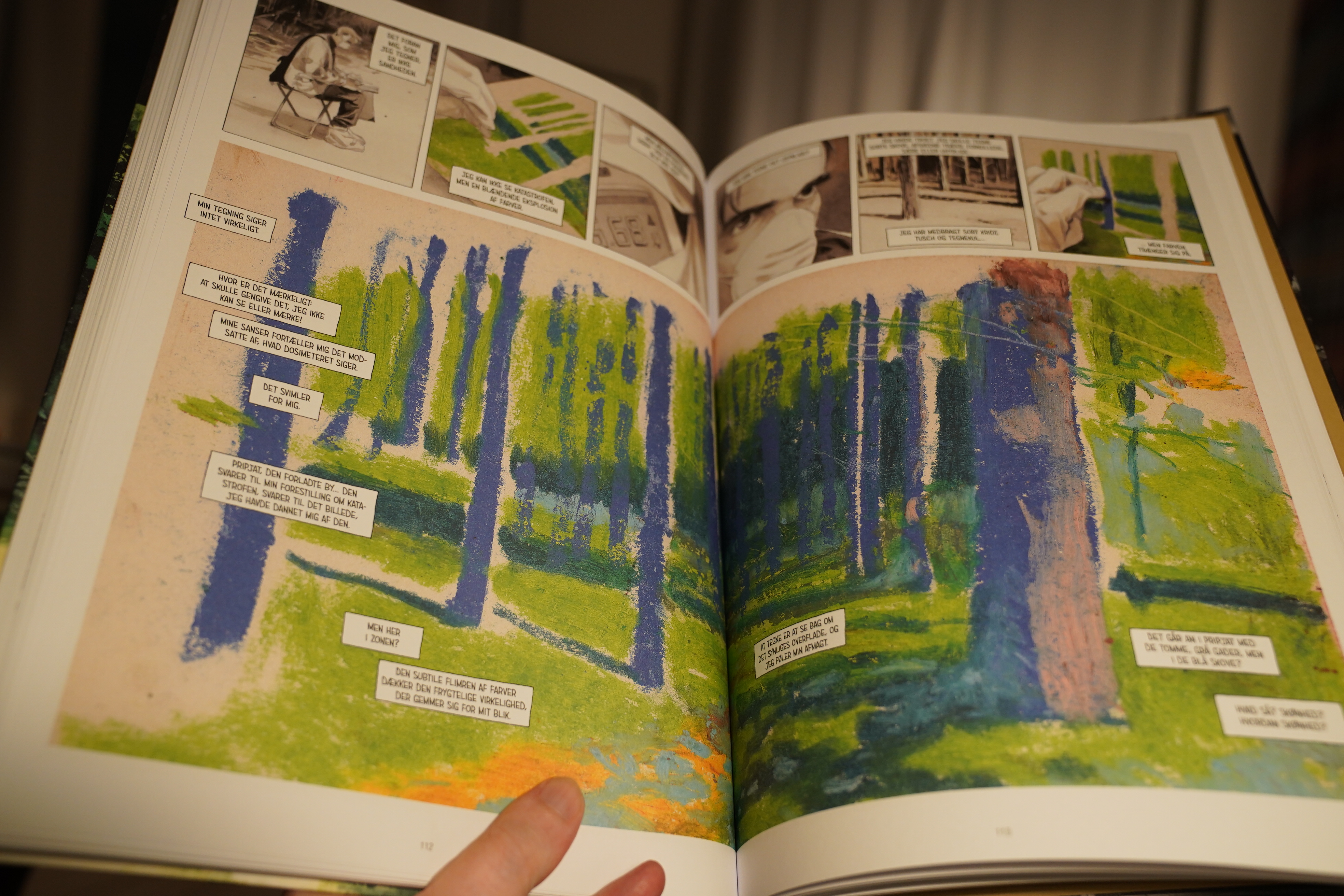
23:44: Forår i Tjernobyl by Emmanuel Lepage (Fahrenheit)
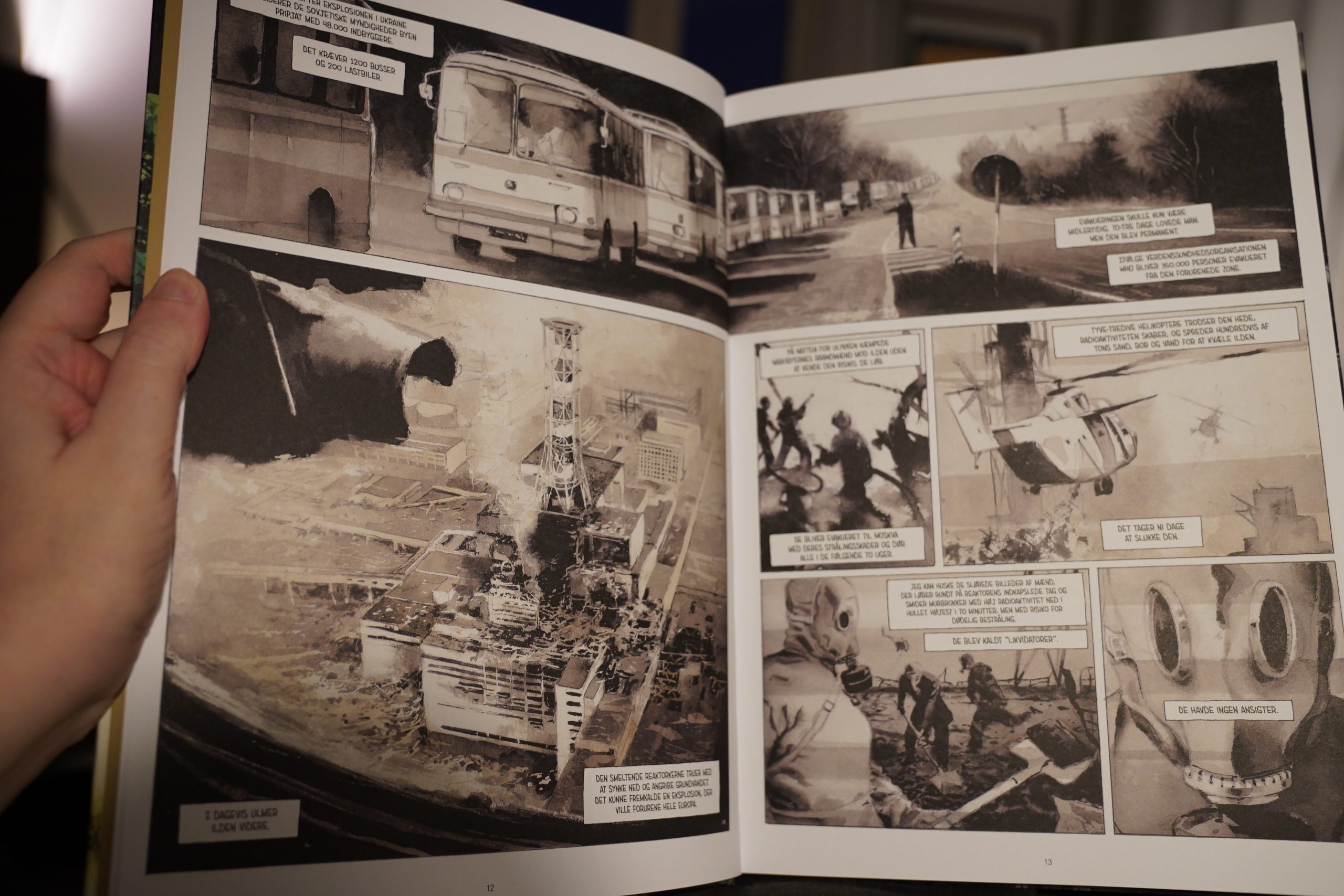
This book is about a trip Lepage’s took to Chernobyl along with some other French artists do document the experience.
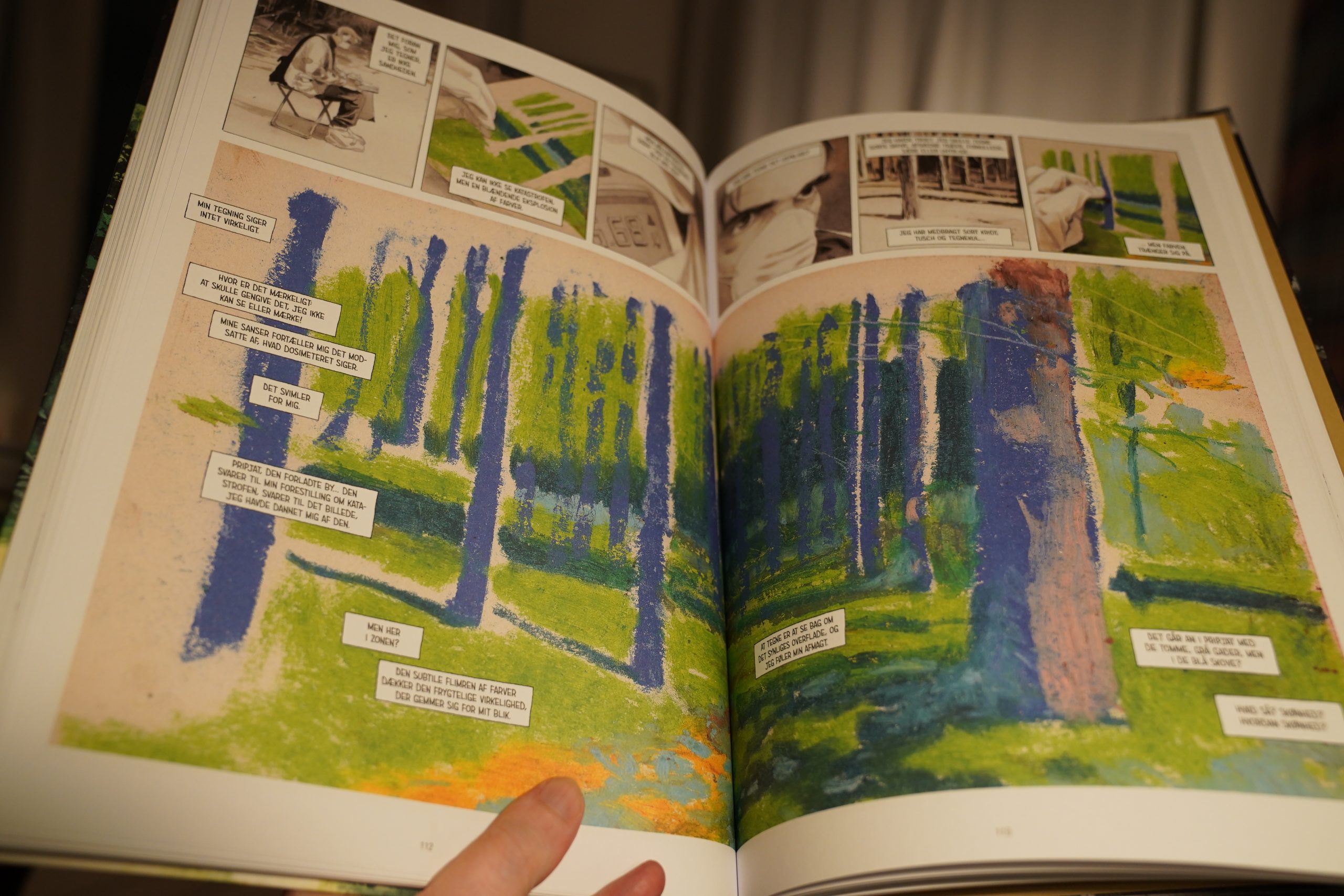
It’s a very personal book… Lepage mostly talks about how difficult it is to say anything of what he’d planned to book to be about, because everything just looks so… normal…

But it’s a string book. Lepage’s artwork’s very nice, of course, and it’s just got a good flow.

Various: Cold Wave

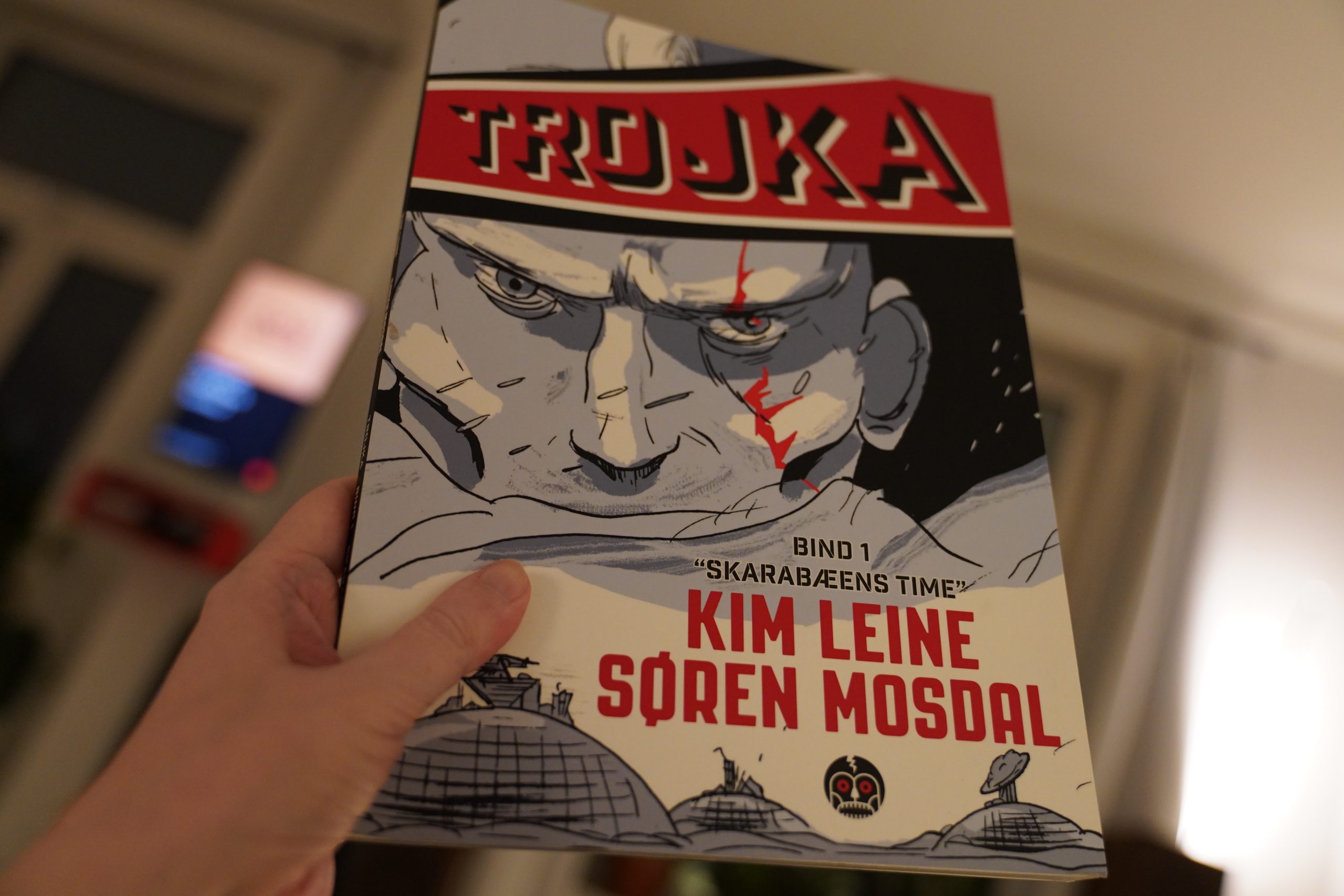
01:02: Trojka by Kim Leine & Søren Mosdal (Fahrenheit)
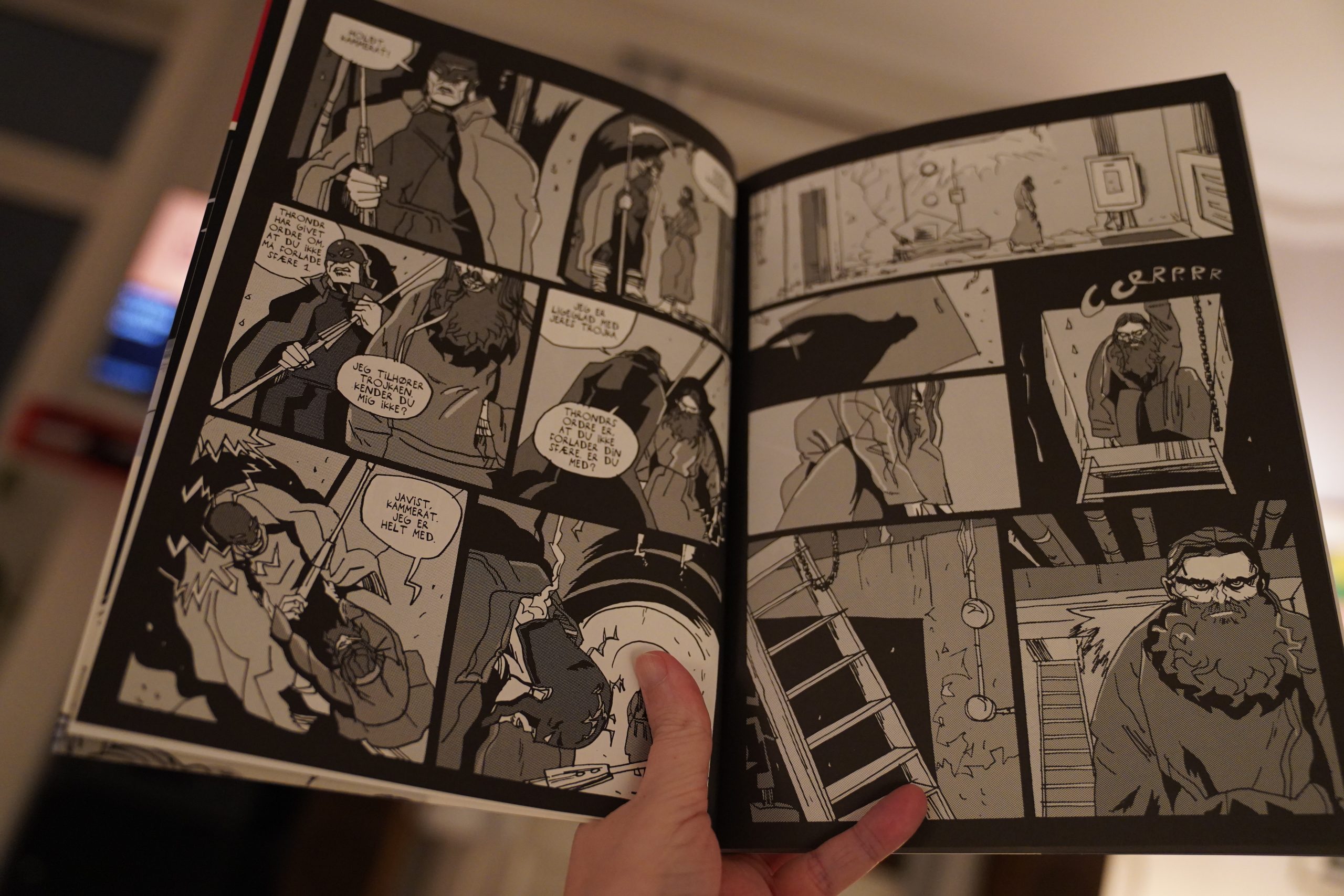
This is pretty interesting graphically…
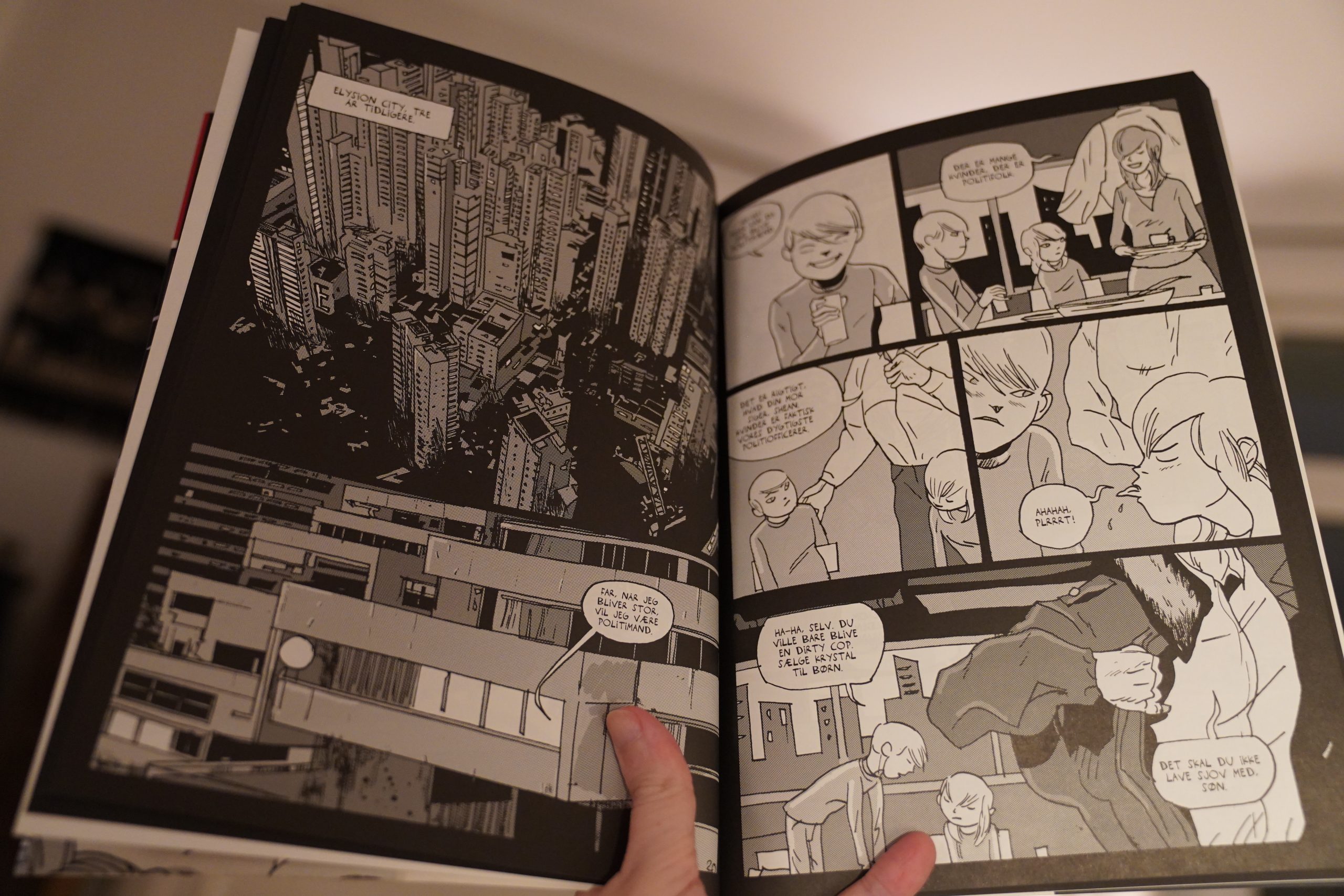
I see influences from Brandon Graham, Blaise Larmee… CF? I basically see 2015.

I’m not sure what to make of the story — it’s a post-apocalyptic thing involving a prison in an icy waste with a mad priest and lots of ultraviolence (so it’s not very original), but the storytelling with the sudden flashbacks is kinda neat and exciting?

So I’m not sure I would actually recommend it, but I think I’ll be picking up the next volume in this series when it’s published.

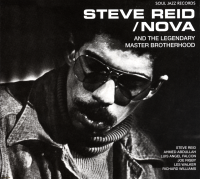
Steve Reid: Nova

01:26: Sleep

And now it’s time to sleep. I only got in a solid eleven hours worth of comics reading time, but thems the breaks.
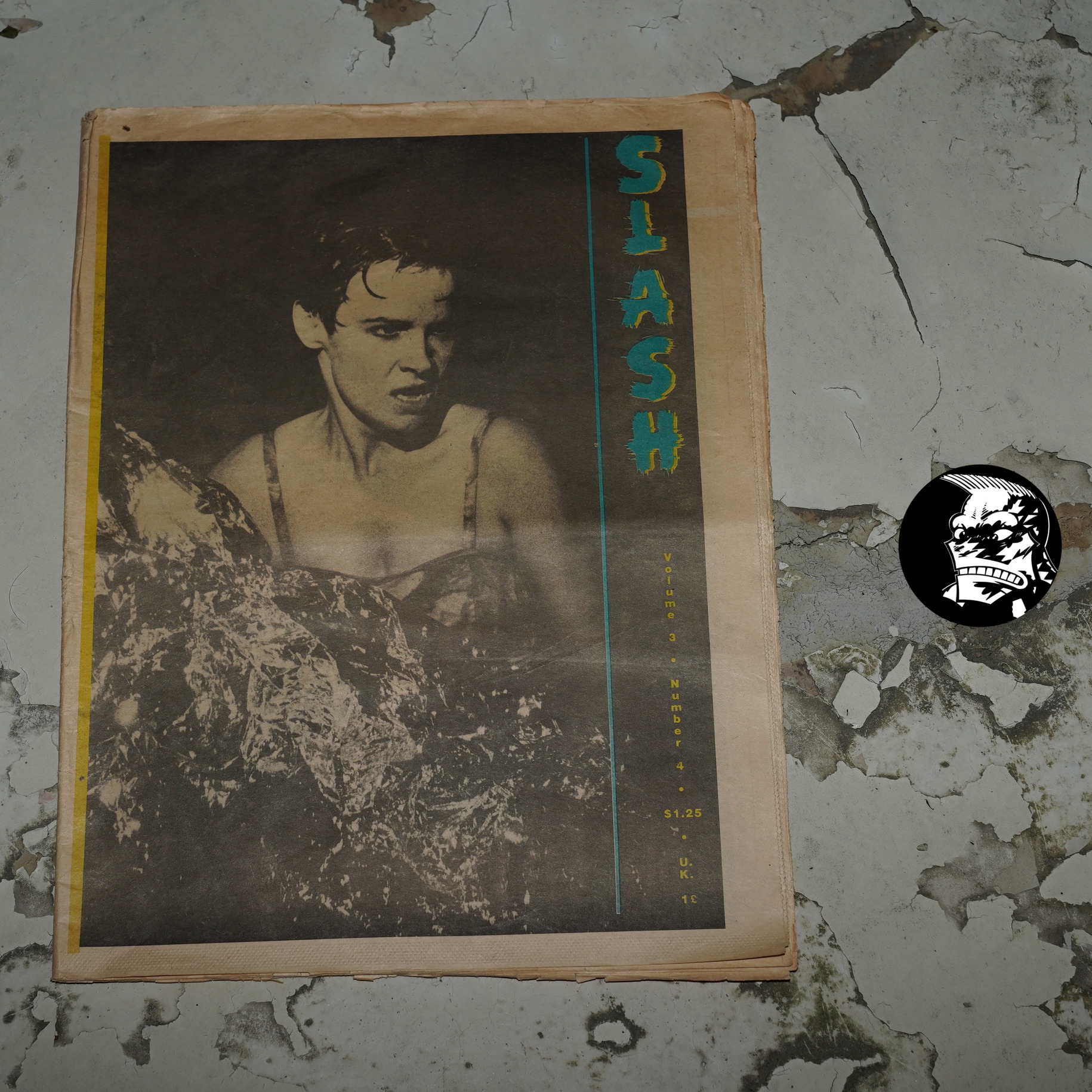
PX80: Slash volume 3 number 4

Slash volume 3 number 4 edited by Claude Bessy and others (290x380mm)

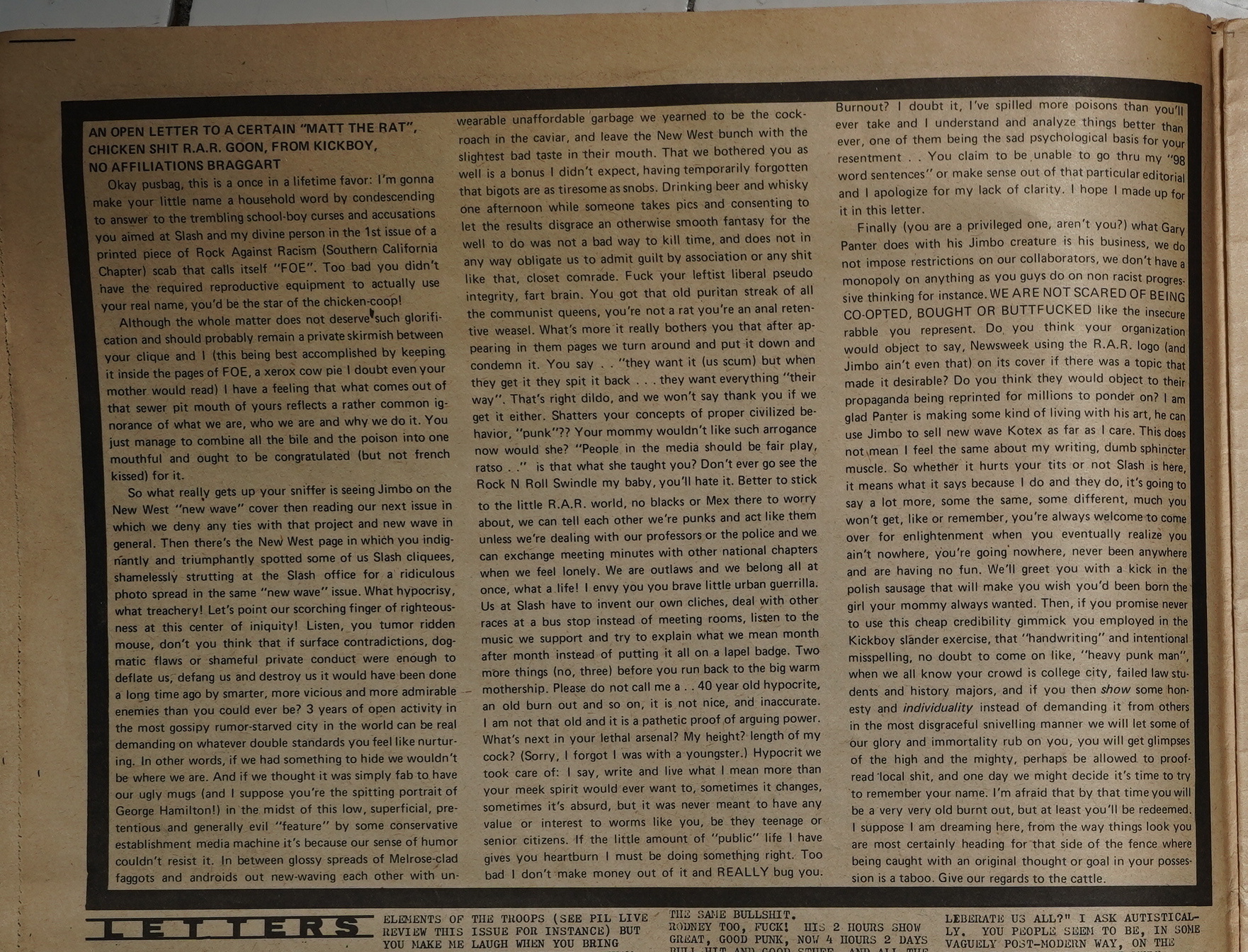
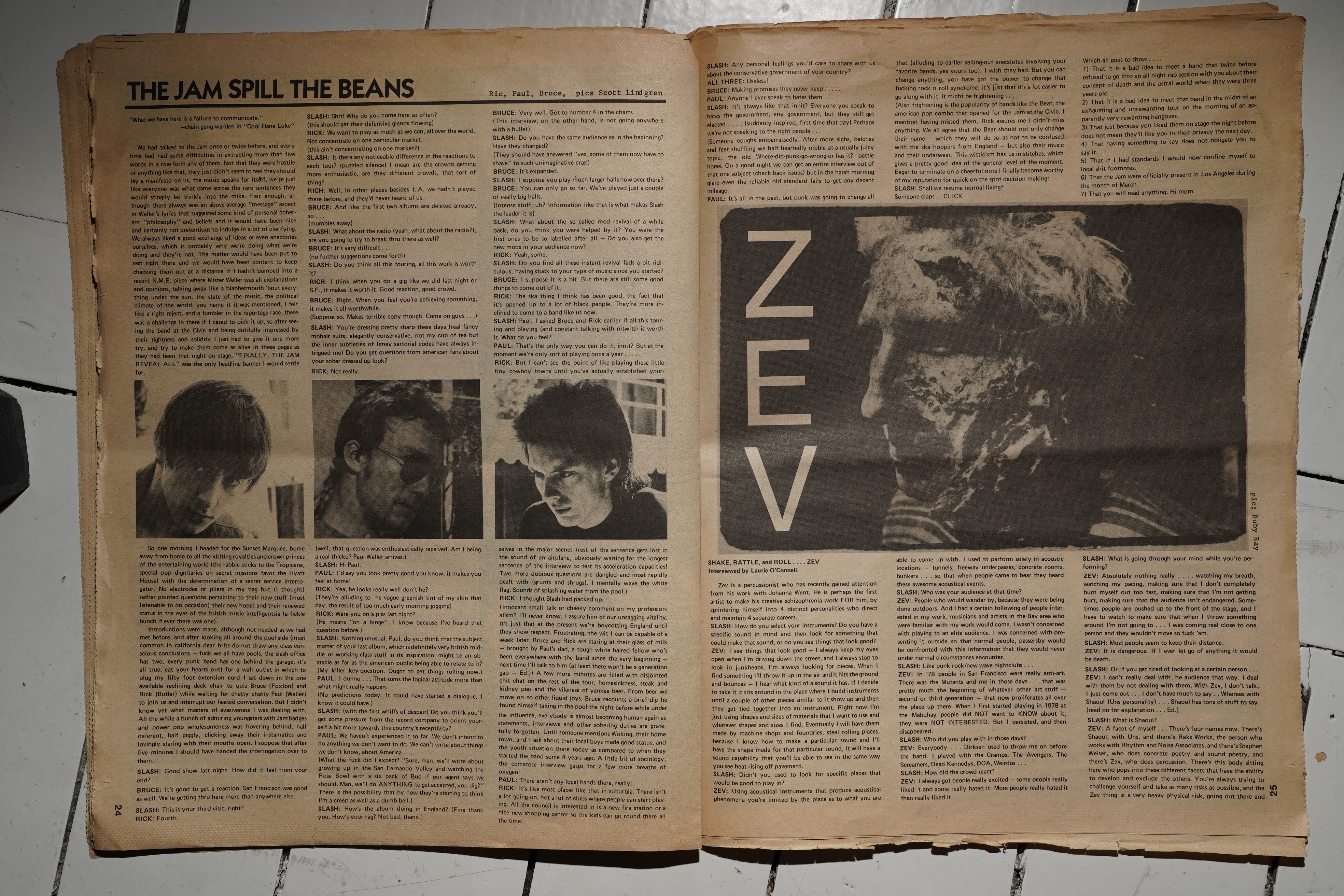
I thought it might be fun to have a look at a random issue of Slash — it is the birthplace of Gary Panter’s Jimbo, after all.

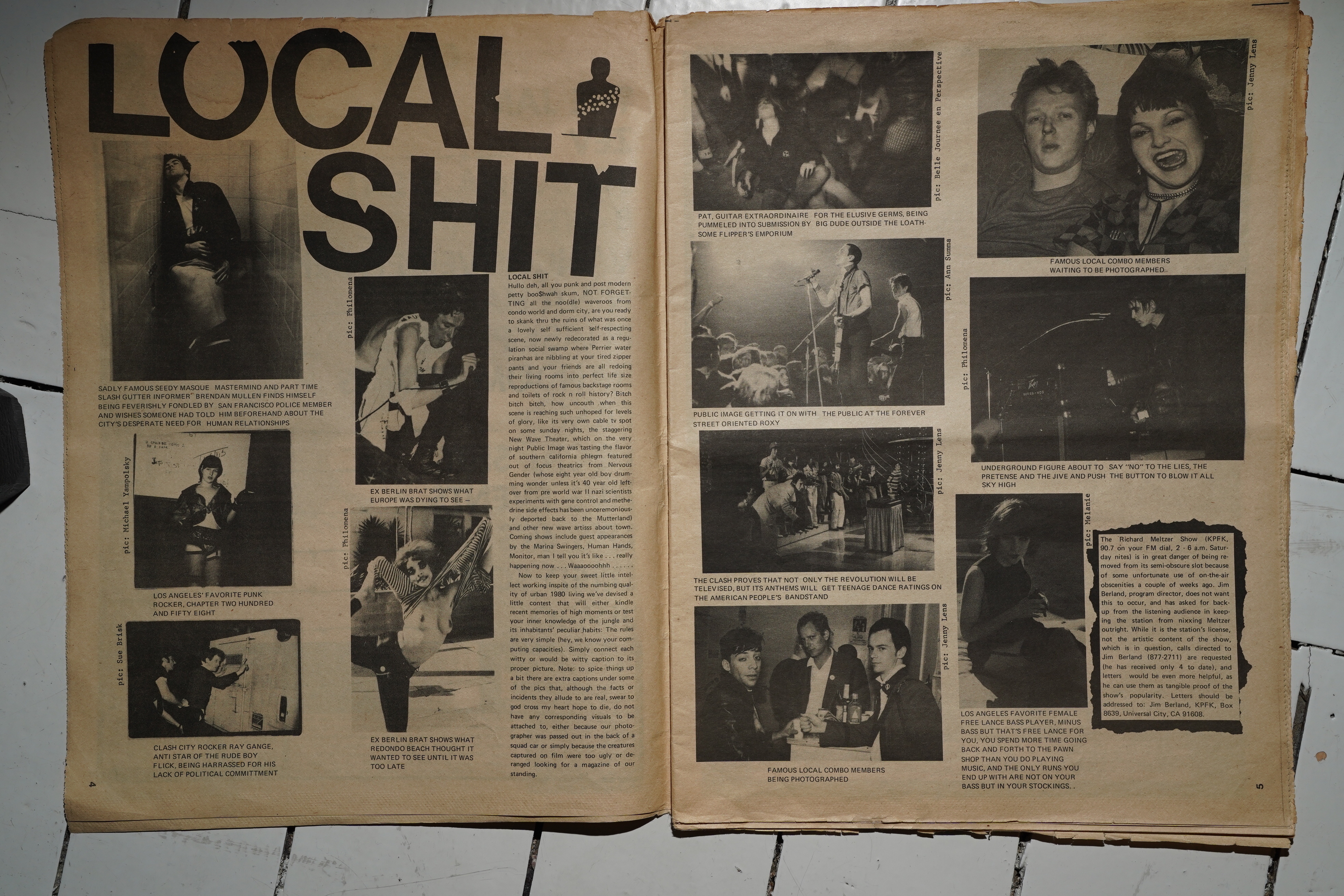
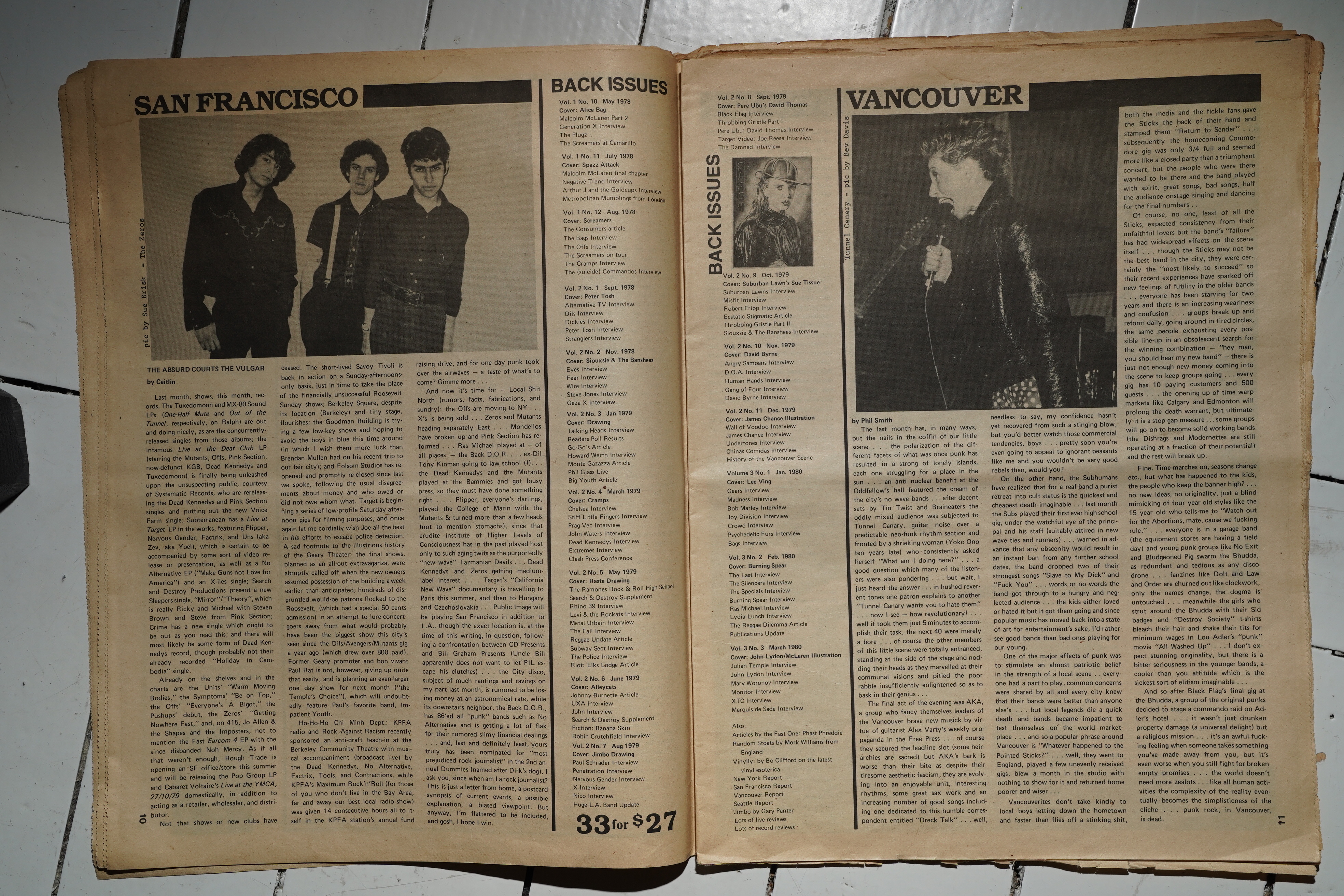
Slash was published in LA, so we get a bunch of local in-jokes, like labelling pics with “famous local combo members” and the guy up there to the left getting a blow job by SF police. (Not to mention mislabelling The Clash and Public Image Ltd.)

It’s fun.

It’s slightly on the insidery tip — here we have an editorial ranting about something that’s not quite clear, but I surmise that Gary Panter had been featured in New West magazine the previous month, and New West was totally un-punk and very establishment? So there’s a backlash, but the editor (Claude Bessy, perhaps?) responds basically with “WE ARE NOT SCARED OF BEING Co-OPTED, BOUGHT OR BUTTFUCKED like the insecure rabble you represent”. I.e., fuck “cred”, which is all very rozz tox.

While it’s a local LA magazine, we also get some stuff from other cities…

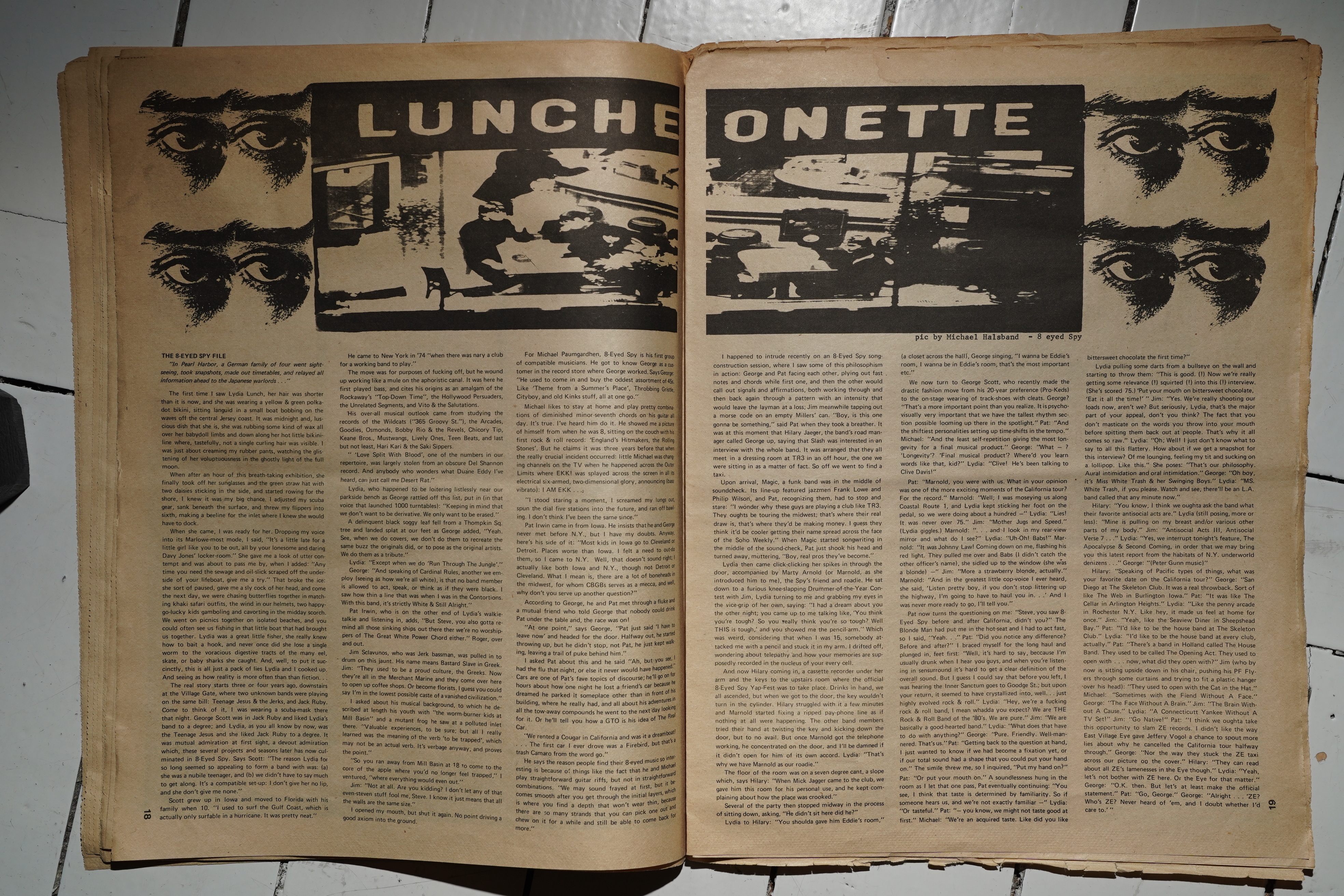
… but it’s mostly interviews with people who are visiting LA, naturally enough. Here we have 8 Eyed Spy, or “that other band Lydia Lunch was in” to most people.

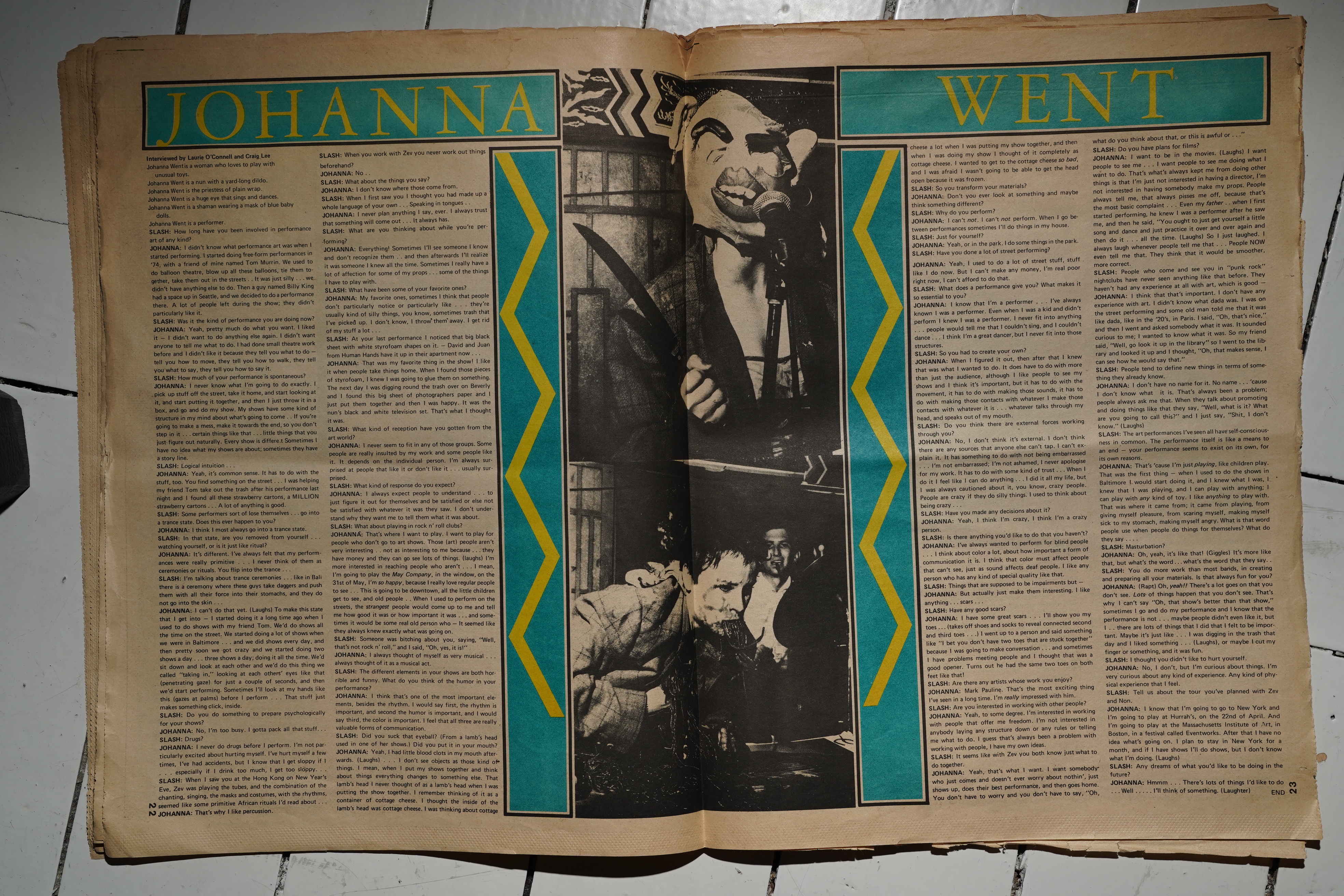
It’s a very open magazine — it’s got all kinds of stuff, like Johanna Went, who was more of a performance artist.

And an interview with The Jam, who didn’t have much cred at all at this point, I think? (And the interview doesn’t go well. It’s quite amusing.)

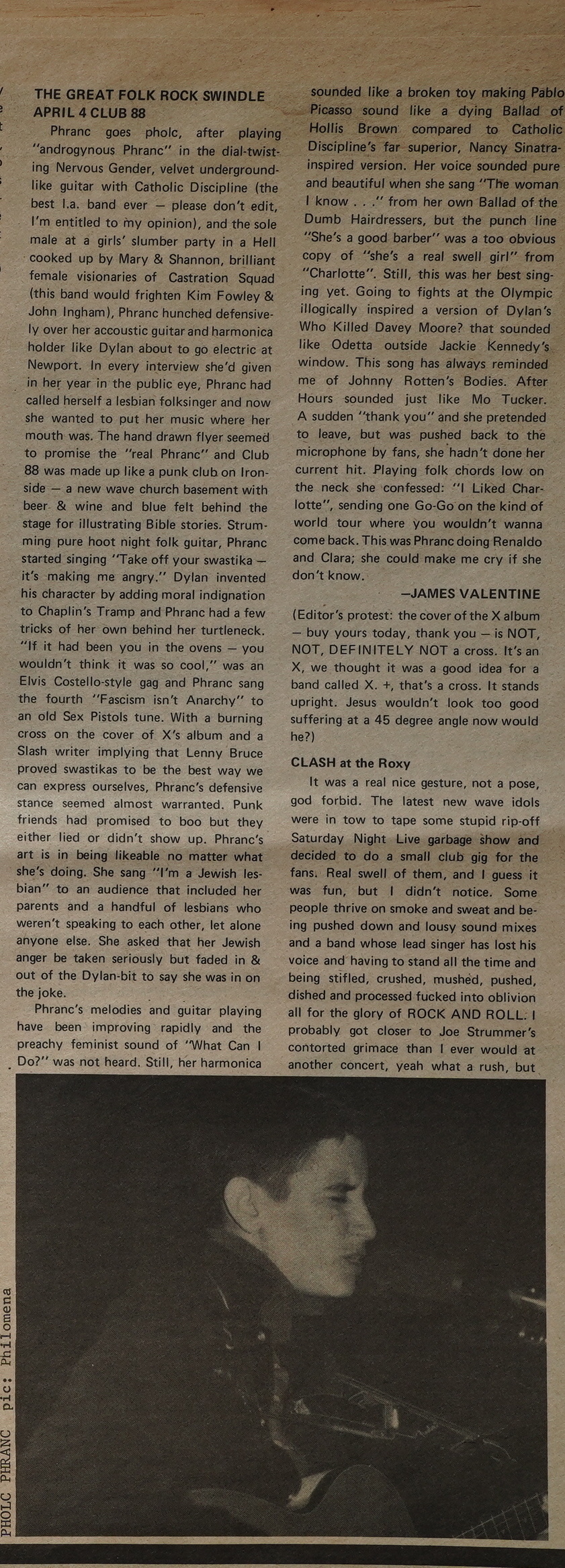
*gasp* A review of Phranc’s first singer/songwriter concert? Wow.

And then we get a whole bunch of album reviews, and again — it’s a surprisingly unorthodox mixture of things being talked about, from reggae to African music to avant garde stuff to (yes) a lot of punk stuff.

I think this is, like, the best music magazine ever? Basically all the featured artists are pretty interesting, the writing is lively (sometimes snide, but mostly not), the layouts are good…

It’s charming? I think that’s the word. And somebody has scanned all the issues, so that you can read them if you want to.

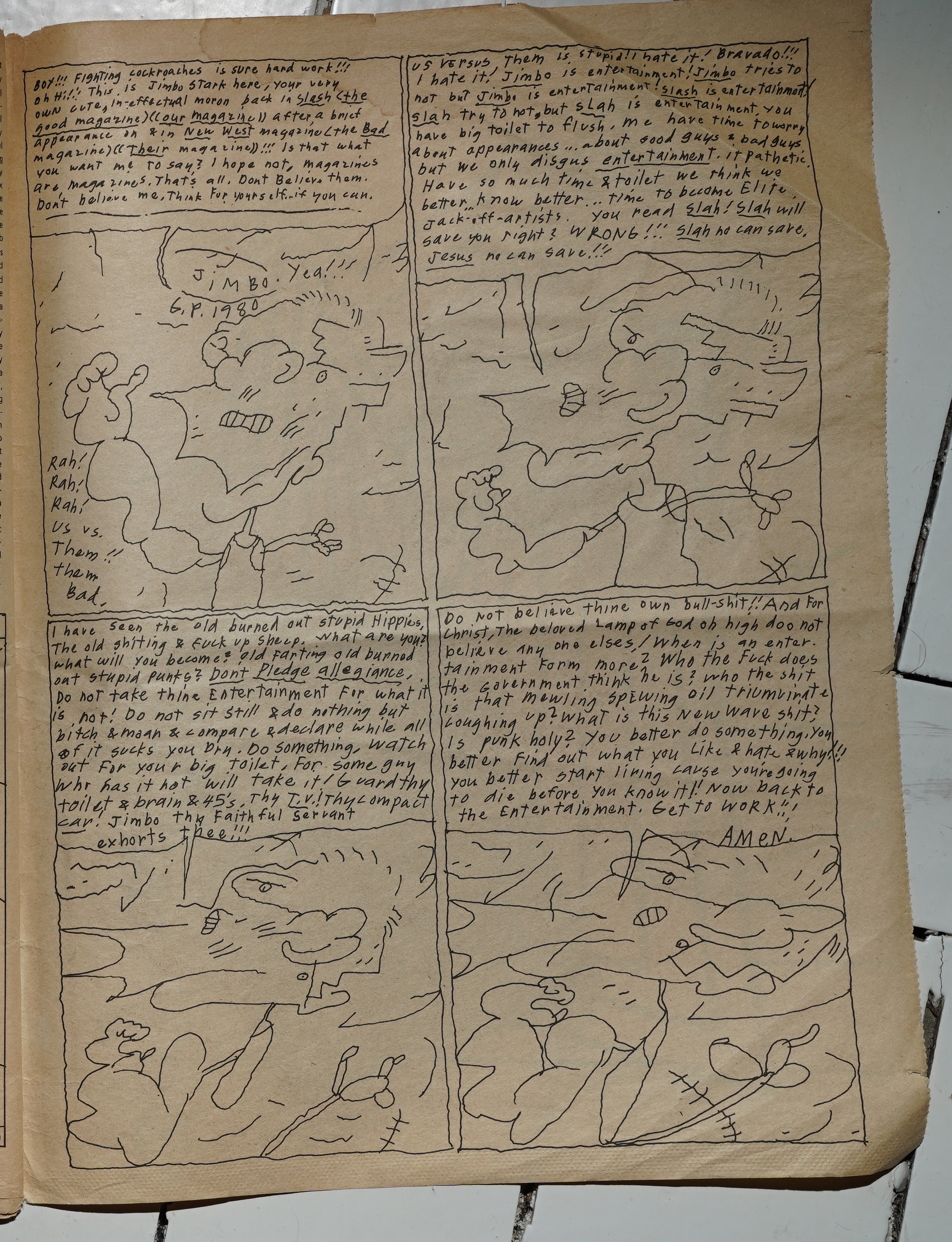
But what about Gary Panter?

Yes, he’s in here, too… but with a non-Jimbo page (not reprinted in any of the Jimbo books). Instead Panter takes the opportunity to talk directly to the reader, and yes, it’s about that New West magazine thing: “The enemy”. And Panter tells all the haters off.

This blog post is part of the Punk Comix series.
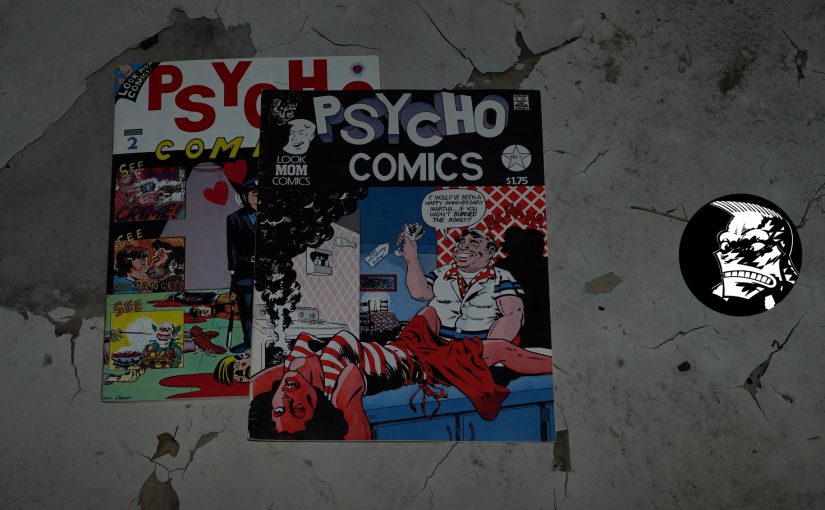
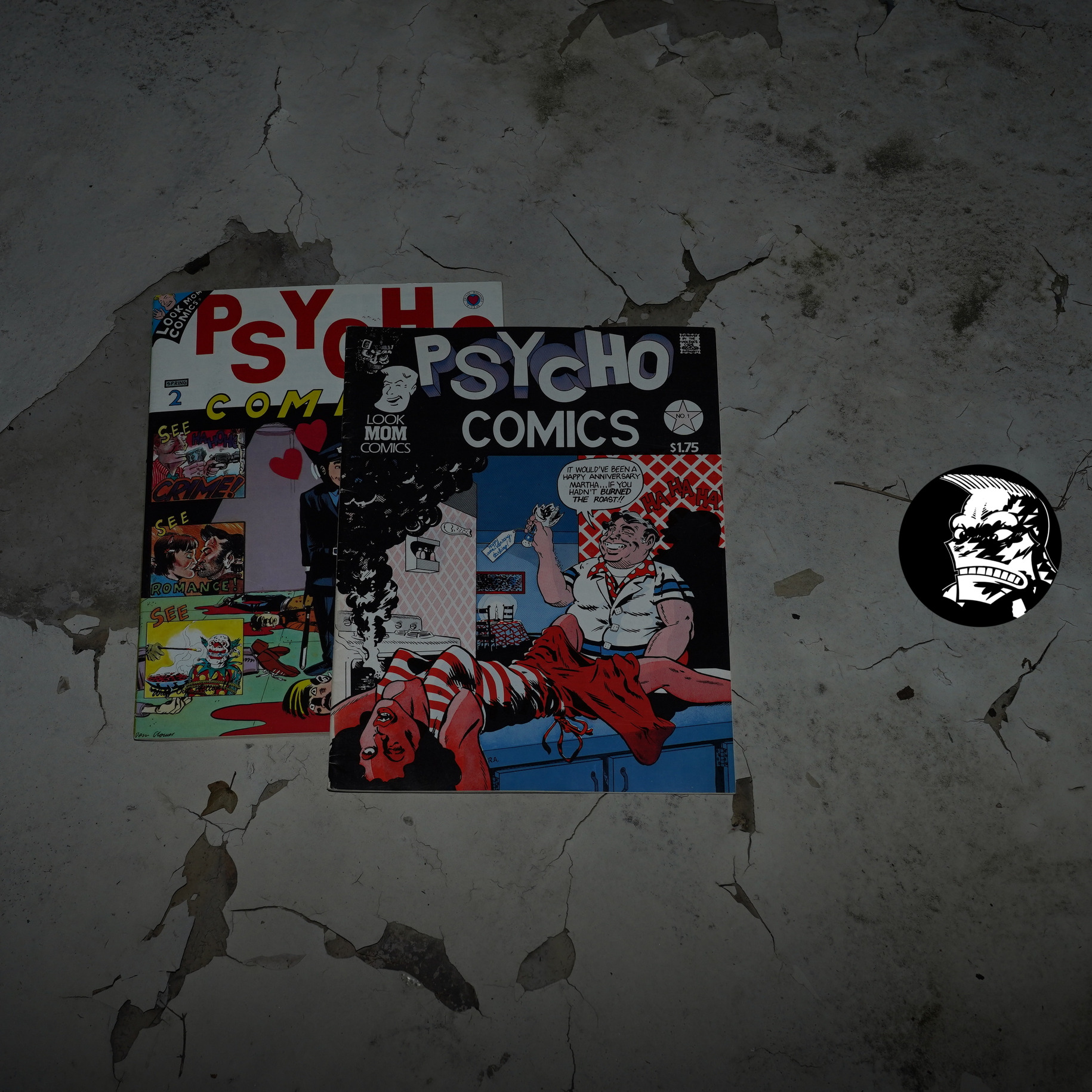
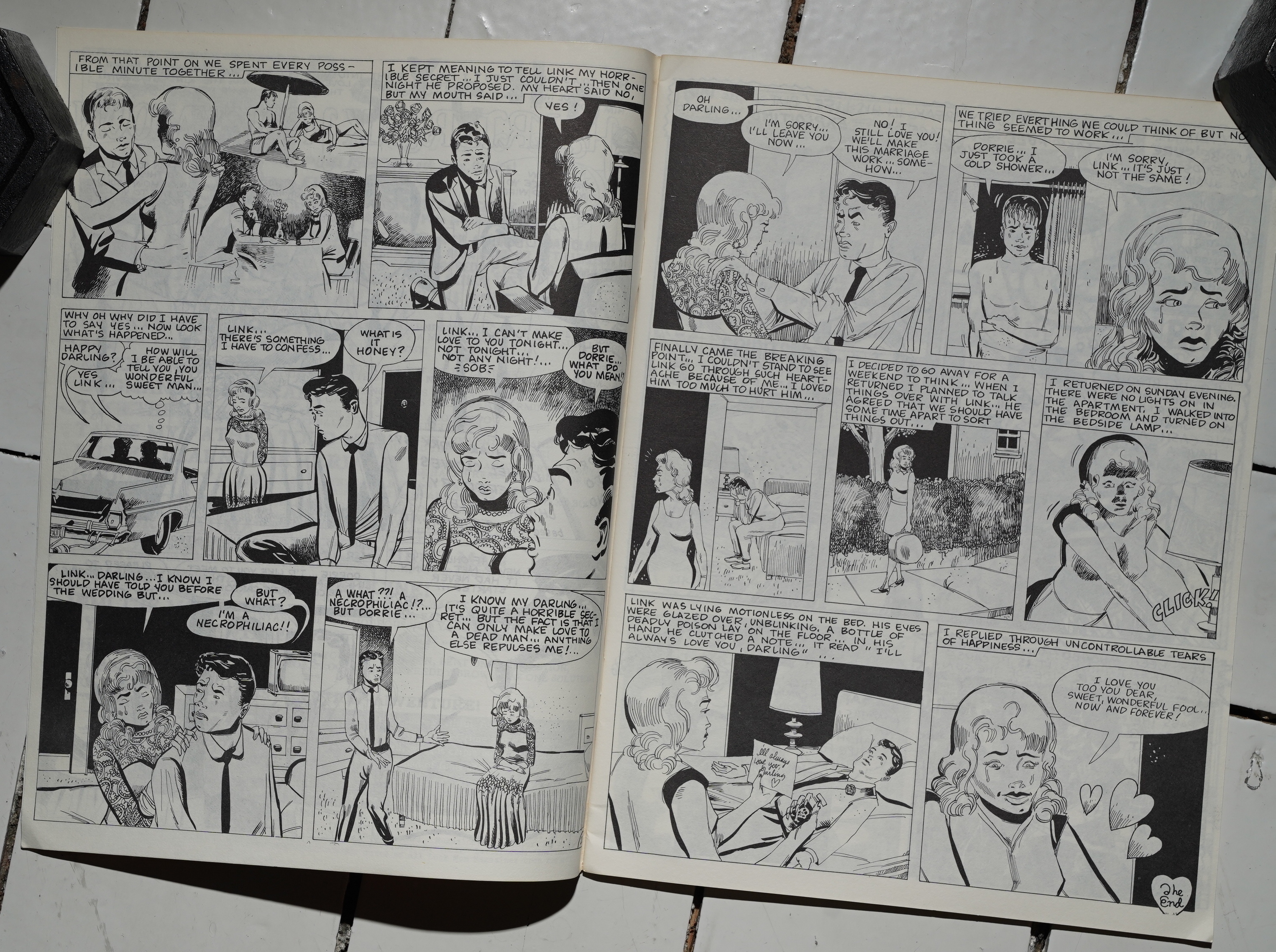
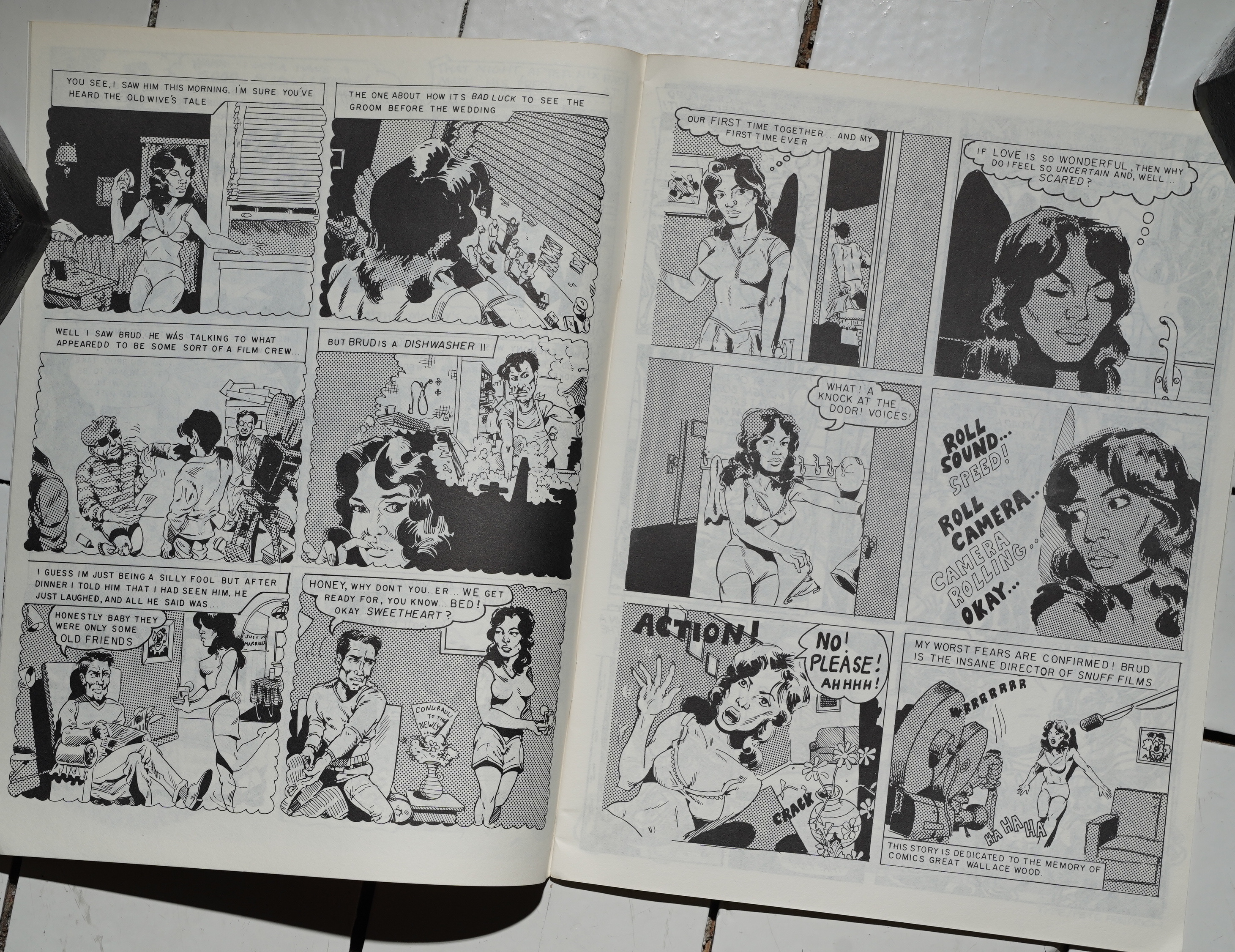
PX81: Psycho Comics #1-2

Psycho Comics #1-2 edited by Daniel Clowes (216x280mm)

What’s this then? Surely this book doesn’t fit the theme of this blog series?

No, it doesn’t, but I’m including it for two reasons: It’s from New York in 1981, and, er, I kinda bought these by mistake recently.
Both excellent reasons!

It’s also a contrast to the other books in the series? Does that make sense? No? Tough.

This is edited by Daniel Clowes, who was attending the Pratt Institute:

Pratt Institute in Brooklyn, New York, where he earned a BFA in 1984.

I’m assuming Pratt wasn’t as arty as the SVA.

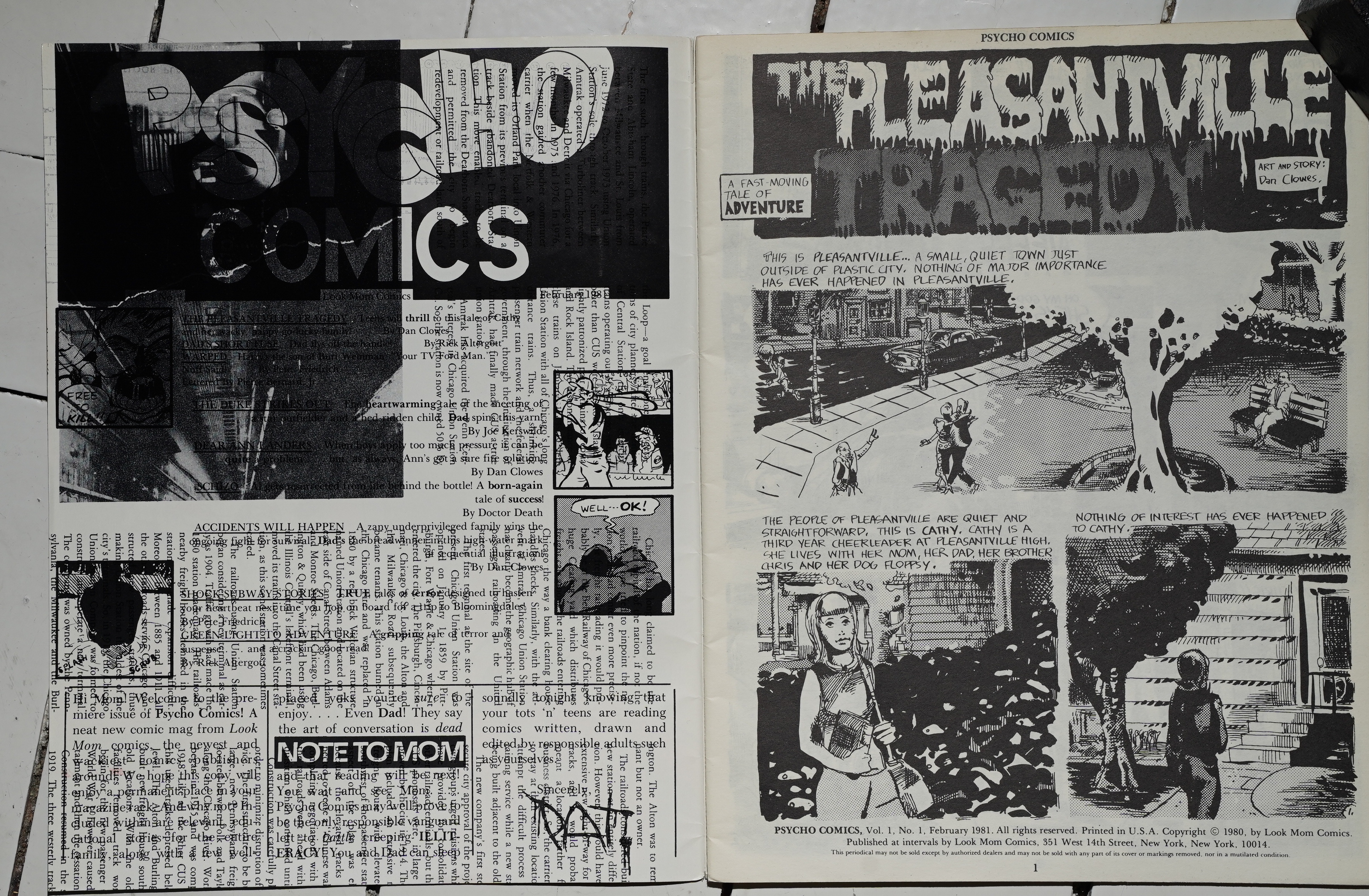
The inside front cover is kinda fun (it’s “psycho”), so I wondered whether this would have some sort of crossover appeal with the Raw crowd anyway…

… but, no, it’s just sophomoric (and I mean that almost literally) riffs on EC comics: We’re solidly in Underground Comix territory, only with “cool nihilist violence”.

This is by Daniel Clowes, and doesn’t really look anything like his later work — but he’s a teenager here, I guess?

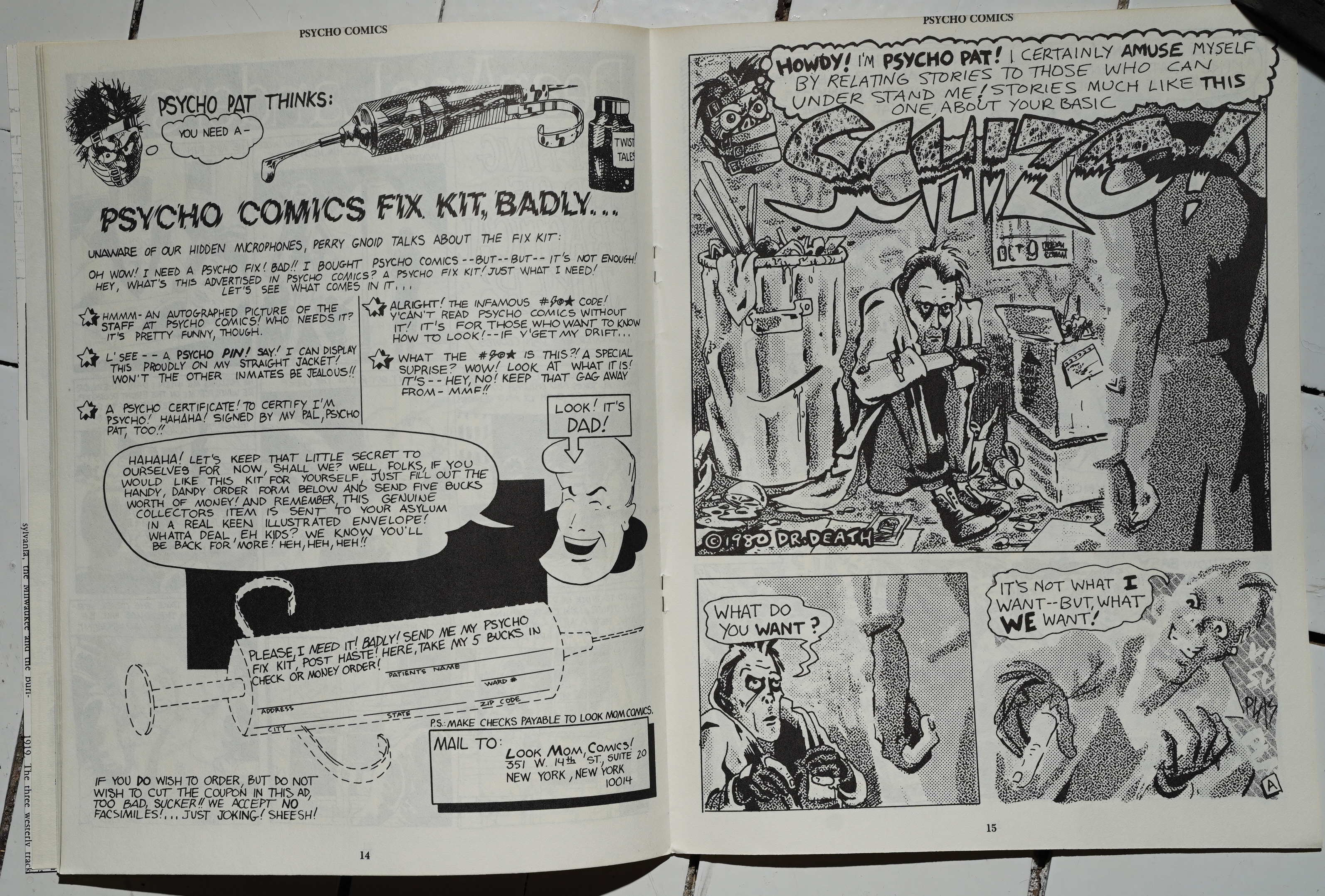
Some of these comics almost have something graphically interesting going on, like this one by “Dr. Death”, but it could also just be an accident.

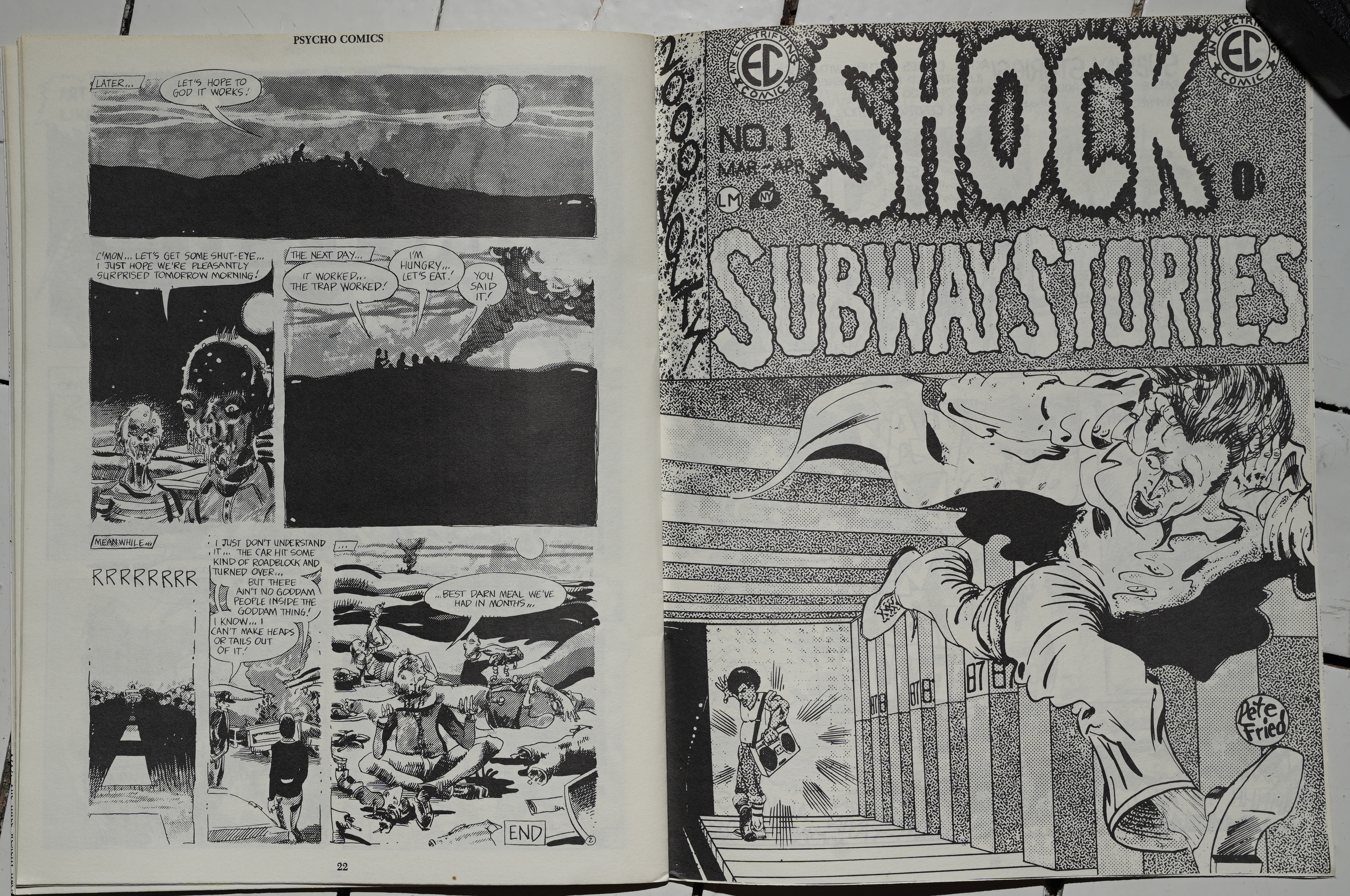
The EC references come swift and hard, like this thing by Pete Friedrich.

The first issue is 28 pages long, which is something I haven’t seen before. 24 and 32 are the usual sizes (based on 8 page signatures)… and it’s all unremitting dreck.

But, hey, it’s by teenagers who even self-published this thing — Rick Altergott and Clowes (and Friedrich?) set up Look Mom, Comics themselves, which you have to admire.

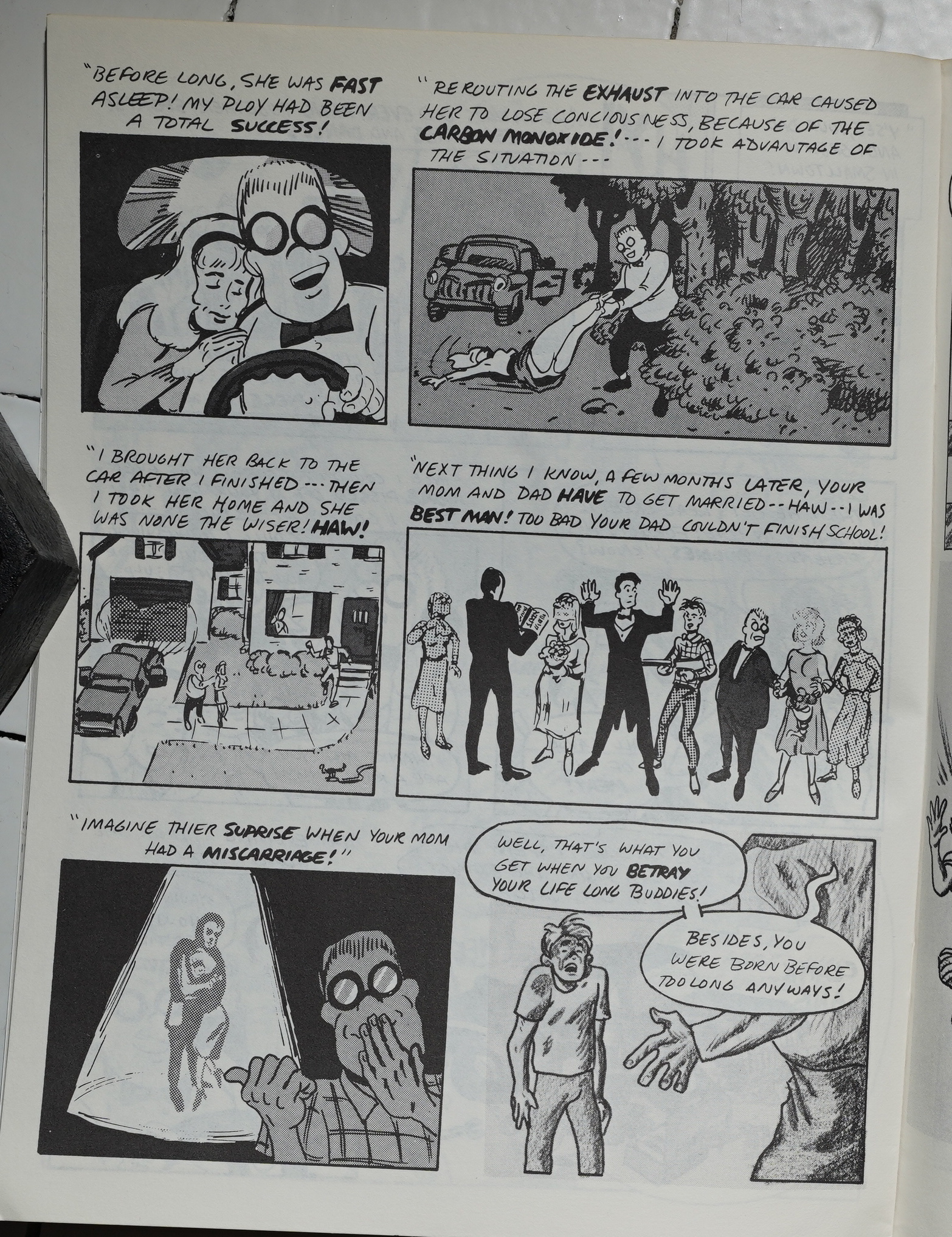
The second issue, published in 1982, is a lot more assured artistically (and is 48 pages long). Gone is the most “shocking” violence, and instead it’s a more good-natured silly riff on ECs. And Clowes, in particular, has grown enormously as an artist — it’s very Kriegstein-influenced, but you can pretty much see his mature style in here.

Altergott’s artwork is pretty wonky, but I guess that’s true to this day — all bobble heads and stuff.

And there’s one story here that’s actually readable!

Hey… er… “fun”…

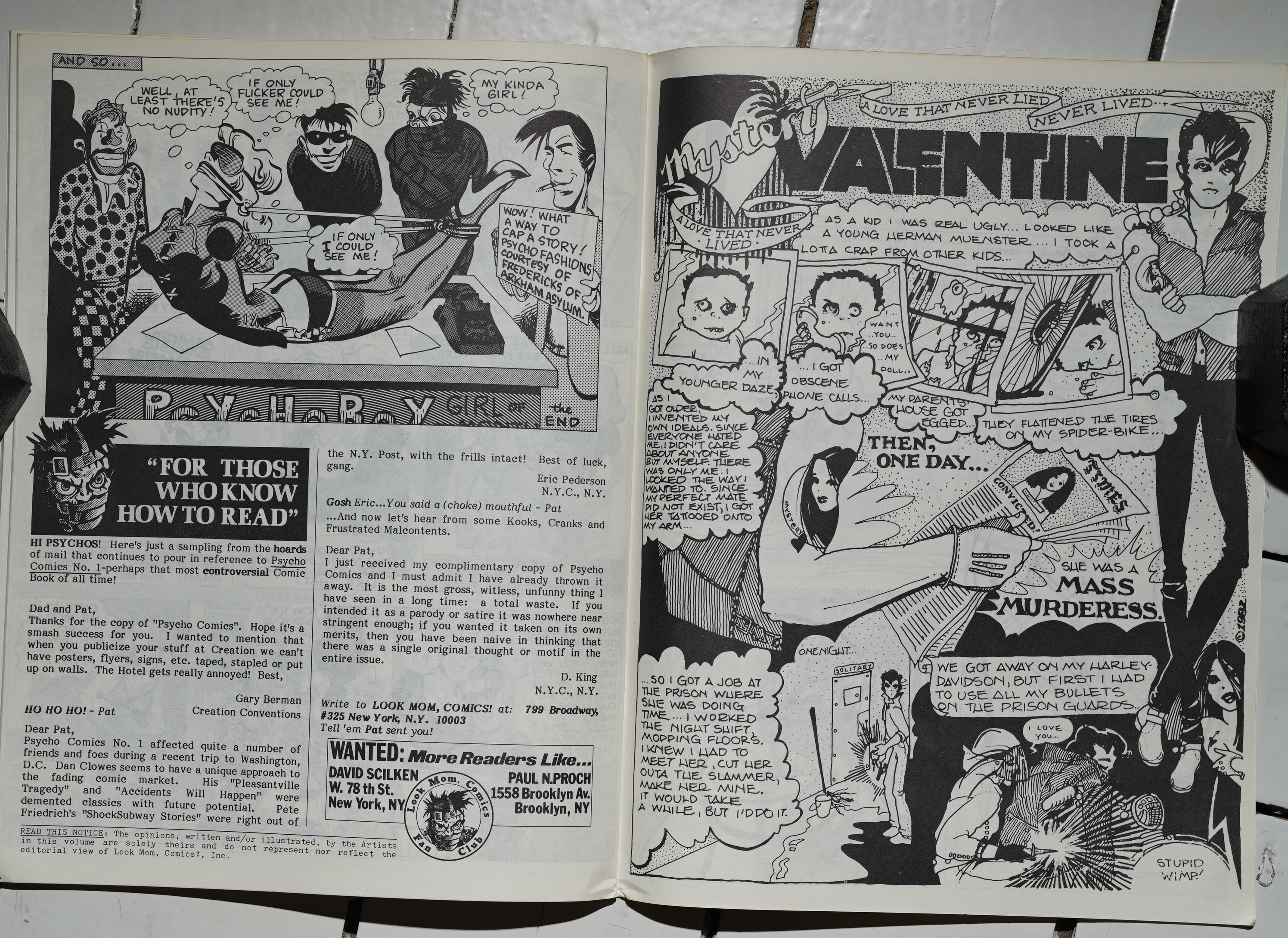
I have to agree with D. King from N. Y. C..

That page to the right, by P. Redding, kinda stands out here, in that it doesn’t use a traditional page layout.

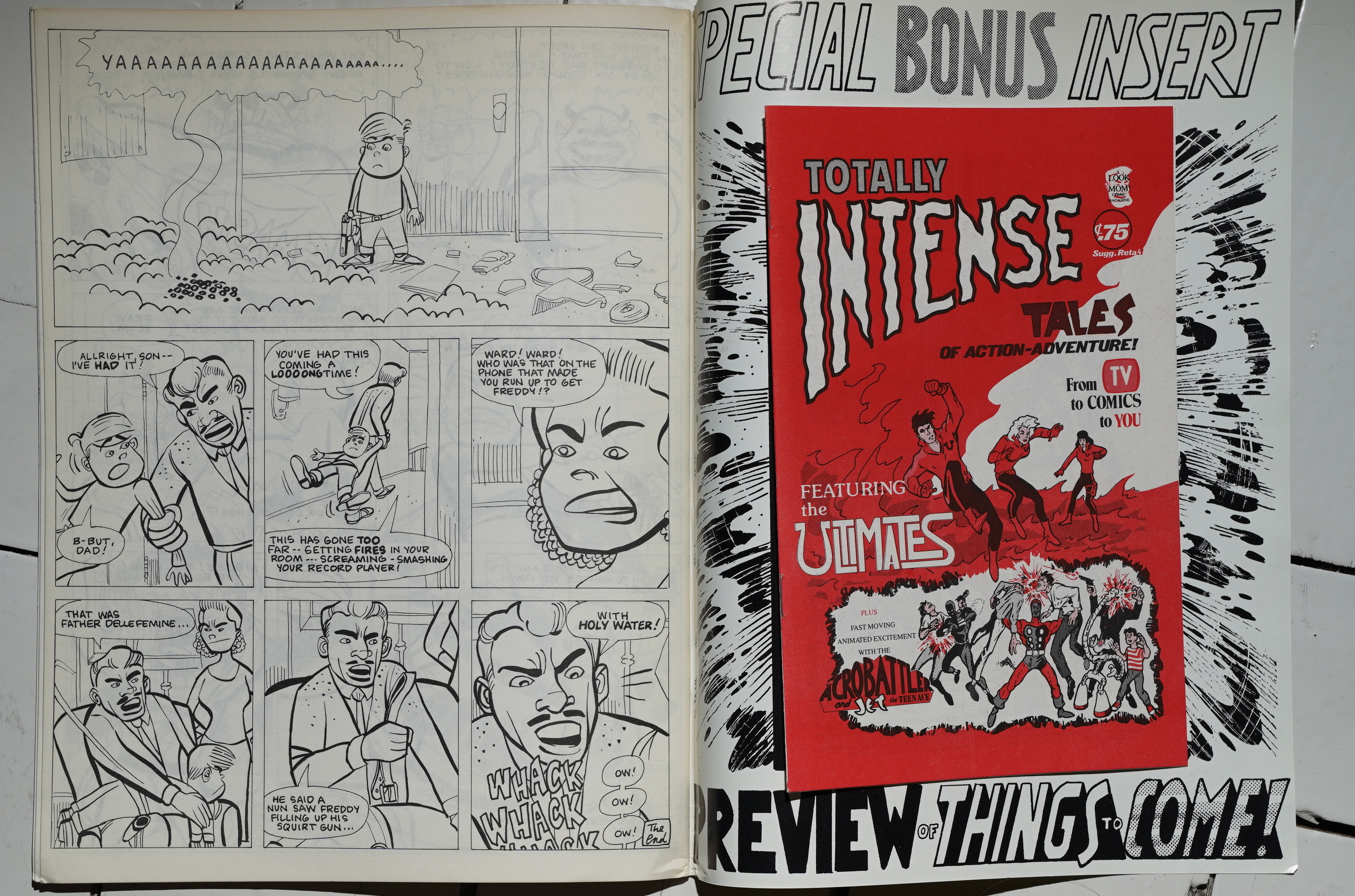
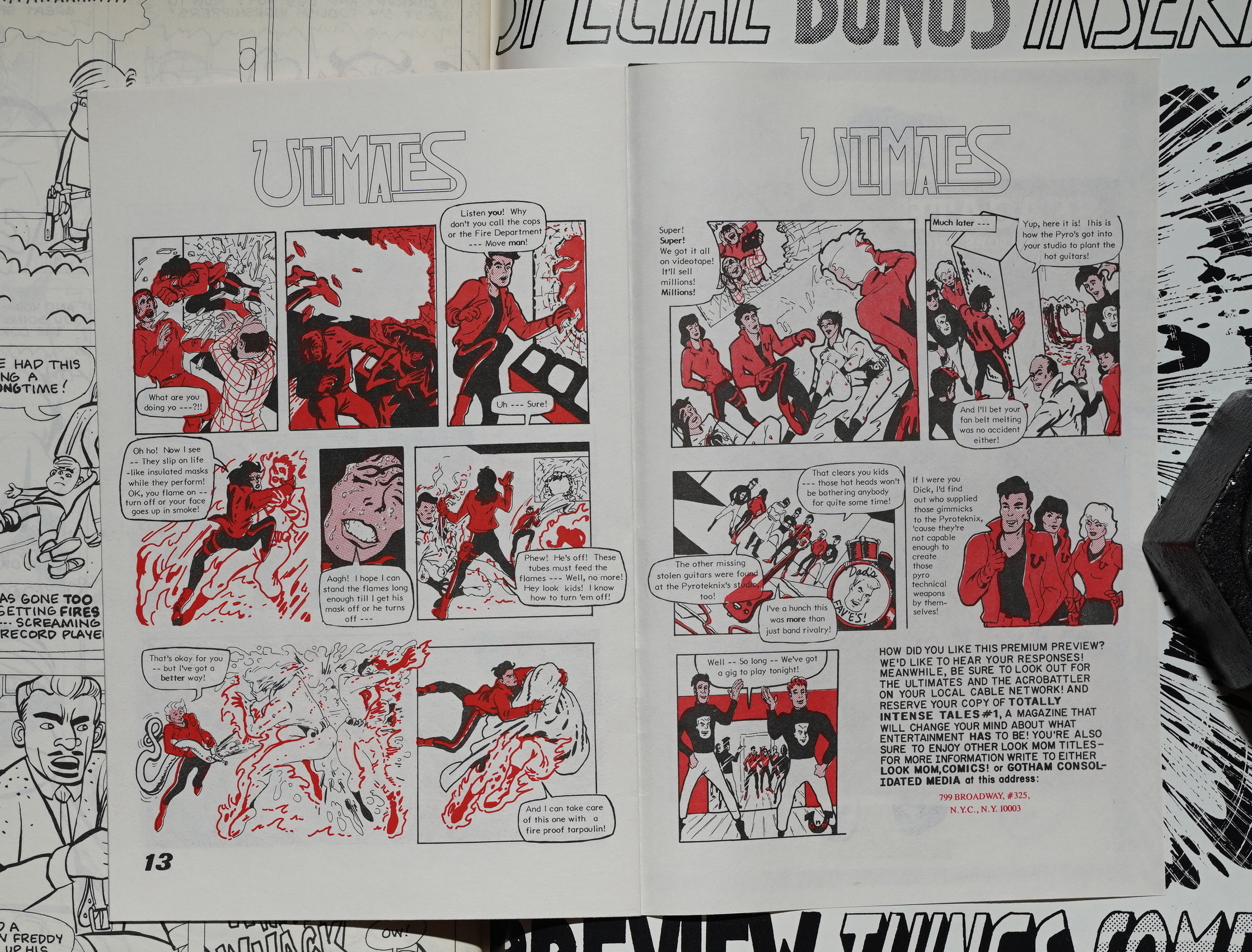
Apparently, all comics published around this time had to have a booklet insert. (See Raw, Bad News, and… er…) This one is about something called “The Ultimates”? It reads like it’s an ad or something? “Totally Intense Tales”? It’s a parody of something?

It’s pretty much unreadable, so… I don’t know…

Dale Luciano writes in The Comics Journal #66, page 37:

psycho Comics is a sort of left-handed
attempt at mordant satire of bourgeois val-
ues, stressing explicit, graphic horror as an
antidote to the sanitized, official optimism
Of American middle-class culture. It’s an
attempt, I think, to distill the essential
subversive message of ’50s EC horror
comics, that beneath the placid surface
of Eisenhower serenity lies a disturbing
horror. A case in point is the lead story,
“The Pleasantville Tragedy” (art and story
by Dan Clowes), in which Cathy, a prcv
totypically pleasant, well-scrubbed, small-
town girl (“a third-year cheerleader at
Pleasantville High”) returns to her pleas-
ant home one pleasant afternoon to find
her pleasant dog, Floppsy, hanging upside-
down and headless above the stairwell;
proceeding on into the remainder of the
house, Cathy discovers Mom lying dead on
the kitchen table, not to mention her
father and brother, Chris, both hacked to
pieces in the basement. The masked
murderer appears and proceeds to rape and
perform God-knows-what perversions
upon poor, pleasant Cathy. Not only is this
cheerful stuff, but the sardonic end panel
advises us that Cathy was later deemed
“criminally insane” and charged with the
family’s murder, “as well as one count of
severe animal negligence and mistreat-
ment” (page 3).
That’s it. There’s no subtext or plot,
simply a three-page delineation of Cathy’s
horrific discoveries (in grisly detail) and the
sour irony Of the ending. (We are spared
the actual rape.) Several elements highlight
the distanced point of view taken by
Clowes toward the subject matter: the
heerful banner that initially identifies the
story as “a fast-moving tale of adventure”;
the reiteration of the point that “nothing
of interest” has ever happened in Pleasant.
ville or to Cathy; the coda which indicates
Cathy’s insanity and incarceration in
“Plasticville State Penitentiary.” Along
with several others in Psycho Comics, this
feature leans heavily on a hard-core detail-
ing of the bloody remains of the victims,
yet smirks at the middle-class banality of
the victims. In this regard, Clowes pictures
certain details in a gruesomely tongue-in.
cheek way: Dad’s pipe is still in his mouth
(though his head is severed from his body),
and Mom had been stabbed to death with
What appears to be a curtain rod. A press
release from the publisher, Look Mom,
Comics! draws prideful attention to other
details of Americana in the story, in-
duding Mom’s steaming apple pie on the
stove and the “hotel style wallpaper”
adorning the house. Pretty punk, all this.
The peculiar effect is akin to watching
an episode of Happy Days transmogrify into
a blood-curdling episode from In Cold
Blood crossed with Halloween.

[…]

Frankly, I’m still not certain just What
to make of this book. A cheerful press
release from Look Mom, Comics! pro-
claims that Psycho Comics is aimed at the
collectors of 1950 Horror, Terror, and
Crime Comics, “especially EC fans,”
among others. I wonder. Executed with
remarkable skill, the EC horror books
belong to the era Of conformity and un-
questioning belief in the material progress
of the American future; they belie the of-
ficial optimism of that era. Psycho Comics
simply calls attention (in a rather artless
way, for the most part) to some of the hor-
rors so persistently in our midst. (One
piece, Pete Friedrich’s EC-inspired
“ShockSubway Stories,” has no other
point beyond documenting some pur-
portedly authentic subway horror stories;
similarly, Clowes’s “Dear Ann Landers”
documents in one page the evolution of a
high school senior from a practical joker to
a raving lunatic. ) The tone Of psycho Comics
is a revelling in squalid horror for squalor’S
sake, the kind of material designed to of-
fend cultural guardians, weak sisters and
well-meaning suburban hausfraus. Not my
cup of tea, I’m afraid.

The Comics Journal #83, page 53:

The cheerfully demented folks at Look
Mom, Comics! Have published a second
issue of Comics. Ostensibly aimed
at fans of EC-type horror stories, psycho
Comics is an anthology title featuring
stories that mix a sardonic, tongue-in-
cheek approach to storytelling with liberal
doses of gross-out humor. The book is
clearly the work , of energetic amateurs.
Most of the features are short sketches,
with writers quickly setting up a premise
and aiming for a pungent or surprise finish
in the EC mode. While not credible on
their own merit, one or two of the stories
work up to some marginally effective
moments Of EC-parody. Though his work
is a patently awful approximation of Wally
Wood’s style, for example, Rick Altergott
creates a few panels in “Terror Trauma
that are daffy-bizarre send-ups of EC
writing and pictorial styles. With the ex-
ception of a contribution by Gene Fama in
this issue, though, the writing and artwork
in psycho Comics are ineptly or crudely
managed, or both. None Of the writers
seeks to build up any sympathy for or iden-
tification With character. The attitudes
toward humanity in general are cheerfully
misanthropic, and the cynicism Of a piece
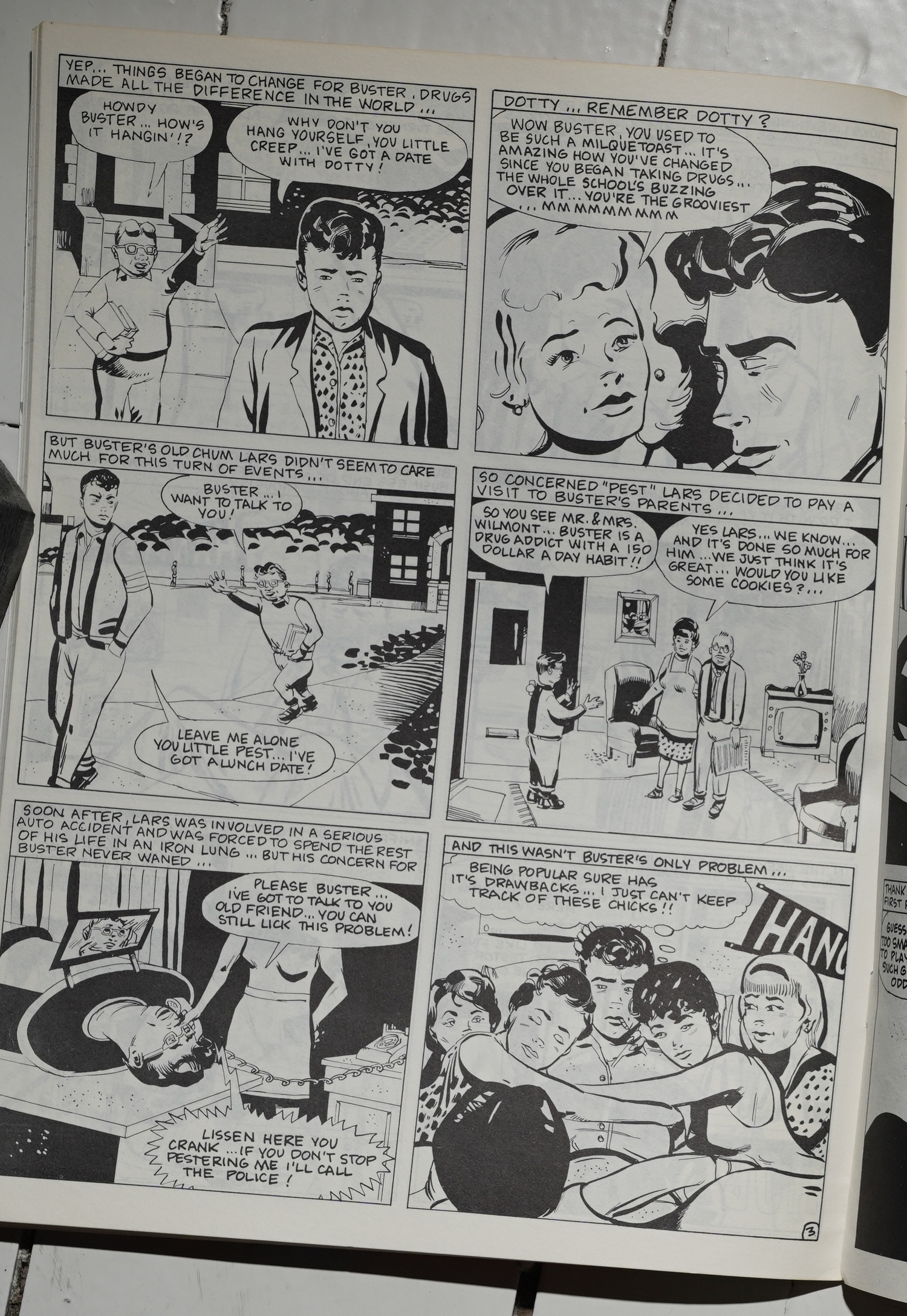
like “Buster Learns the Hard Way,” which
portrays one Of the book’s only sympa-
thetic characters as a shlemiel who dies
when the plug on his fron lung is acciden-
tally pulled, pervade most of the stories.

Well, OK, doing this book in this blog series was a bad idea. I know!

This blog post is part of the Punk Comix series.