OTB#22: Sunrise

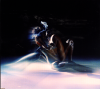
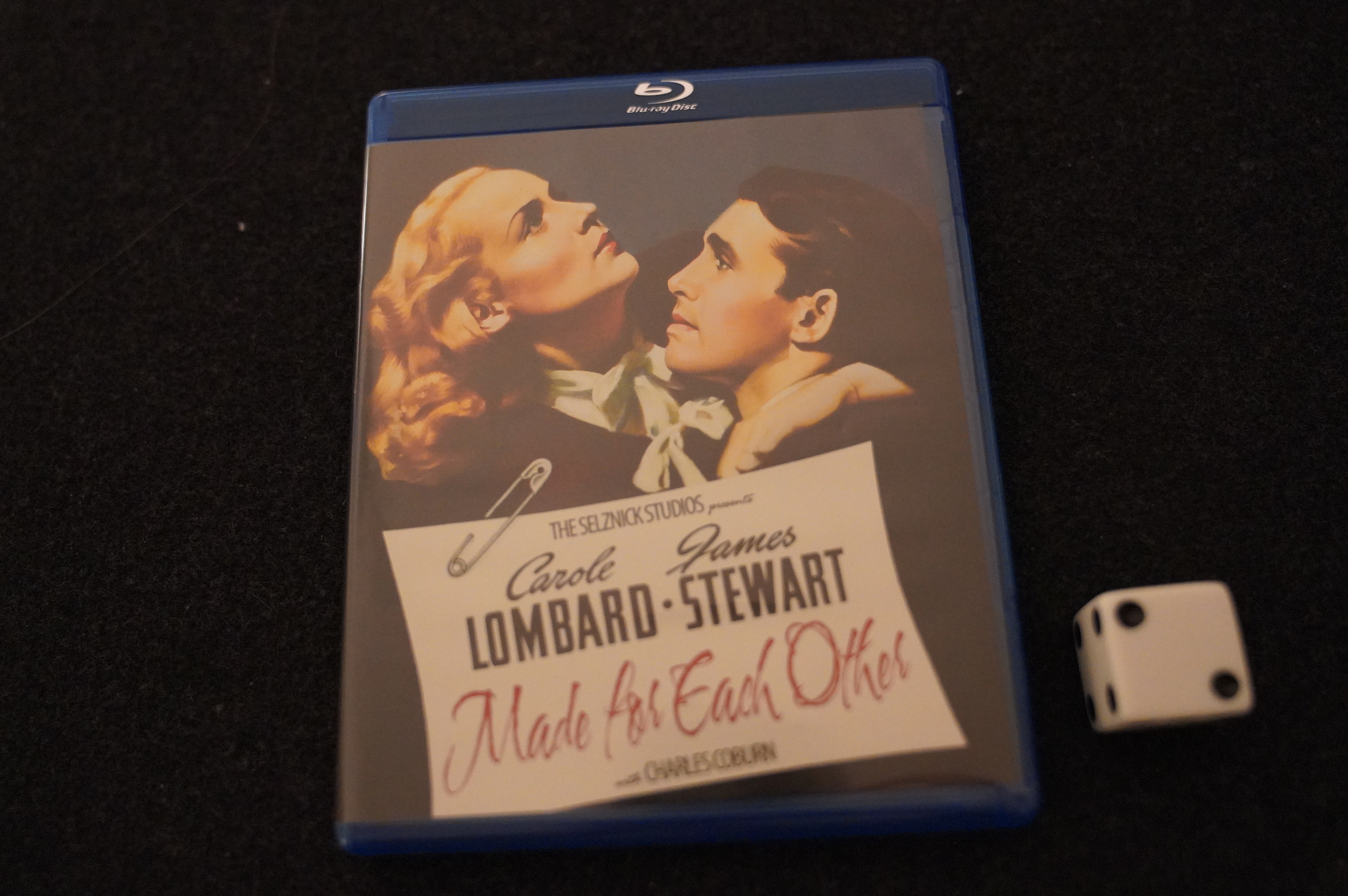
Sunrise. F.W. Murnau. 1927. ⚅

This is a 2K version (from Eureka (Masters of Cinema)), but it’s only been very lightly restored? That is, it’s got a lot of horizontal shudder going on, which is usually the first thing they fix (since it can be done pretty much automatically by computers these days)… but otherwise, this looks very good; few scratches and little noise…

This is the highest rated of the seven silent movies on the list of Officially The Best movies, so it’s all talkies from now on.

[fifteen minutes pass]

This is a spiffy movie, and unusually for silent movies, the soundtrack they’re using isn’t getting on my tits. That virtually never happens. Sure, it’s schmaltzy and stuff, but it’s not actively trying to Be All Dramatic All The Time, but has emotional ups and downs…

But, dude: this is some kind of masterpiece. I just love every scene, and every scene is a new kind of wonder. My only problem with this movie is a physical one: I’m watching this at eight in the morning, when the sun is shining straight at me (through the blinds), so I have to weave and dodge to watch the (OLED; not very bright) screen.
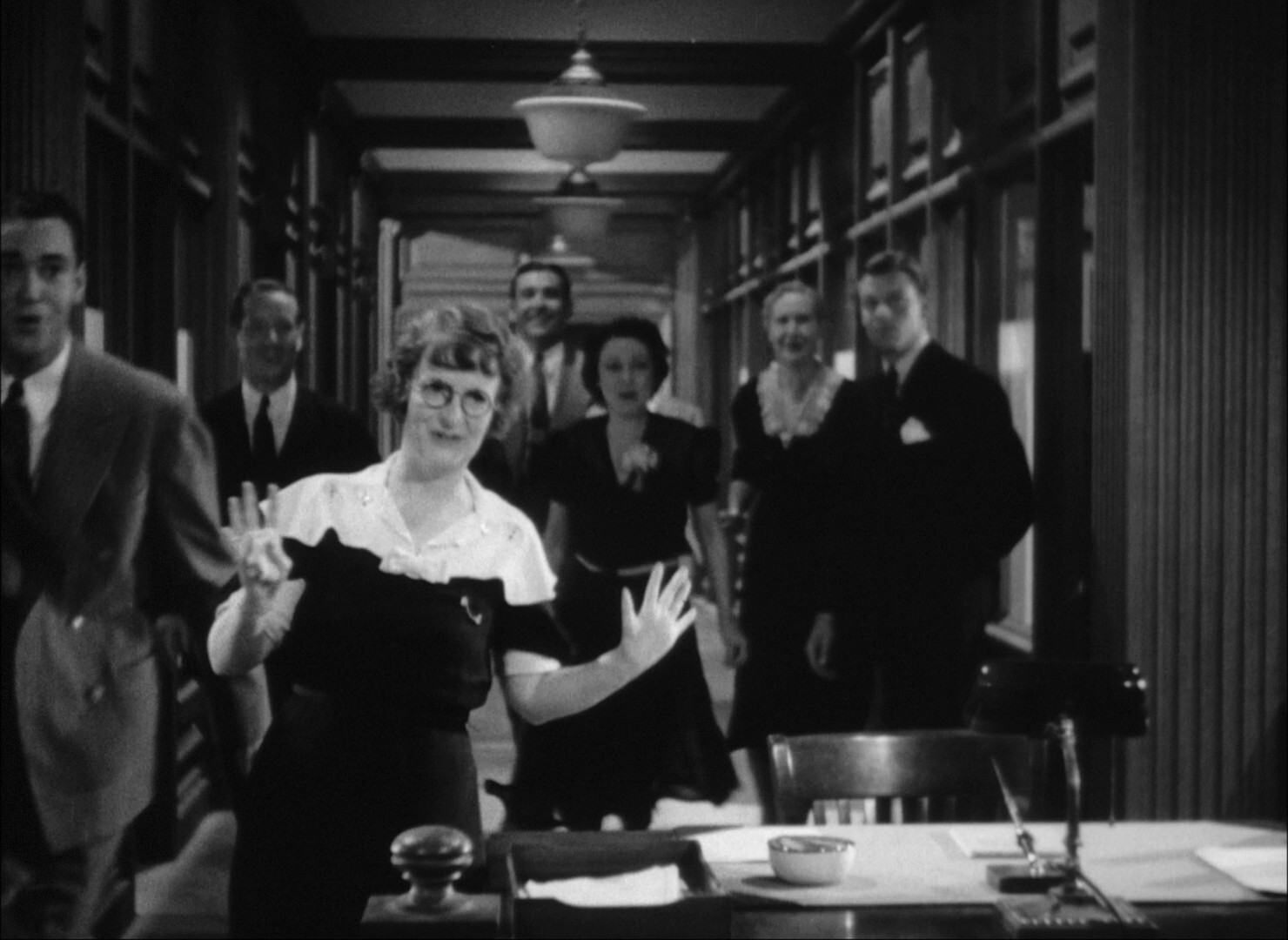
Perhaps I’m just making up in my mind what’s actually going on on the screen!

[an hour passes]

I’m fascinated by this movie. I’ve seen Nosferatu, of course, but that’s a very different type of film. I read a collection of Cahiers de Cinema articles around Xmas time, and (as opposed to movie snobs in the UK) they were very much positive to the concept of talkies; i.e., sound was an obvious lack in the silent era, not an artistic choice like colour or black and white. (Sight & Sound magazine in the UK, on the other hand, painted the advent of sound as the end of film being art.)

But this is perhaps the first silent movie where the lack of sound doesn’t seem like … something’s that missing. Even in absolute stone cold masterpieces like Potemkin, there’s sometimes some awkward scenes where they have to fit in a lot of titles to let us know what’s going on. Here there’s very few titles, and they only serve to heighten the drama, not explain to anything, because the imagery tells us everything.

That’s not to say that this is a perfect movie. The reason why everything is so clear is that, well, not a lot happens, plot-wise. It feels like some of the sections go on for a bit too long, perhaps?

But I’m just quibbling. This is a touching, scary, funny movie, filled with so much beauty and innovation. It’s high melodrama; I’m somehow strangely reminded of Douglas Sirk.

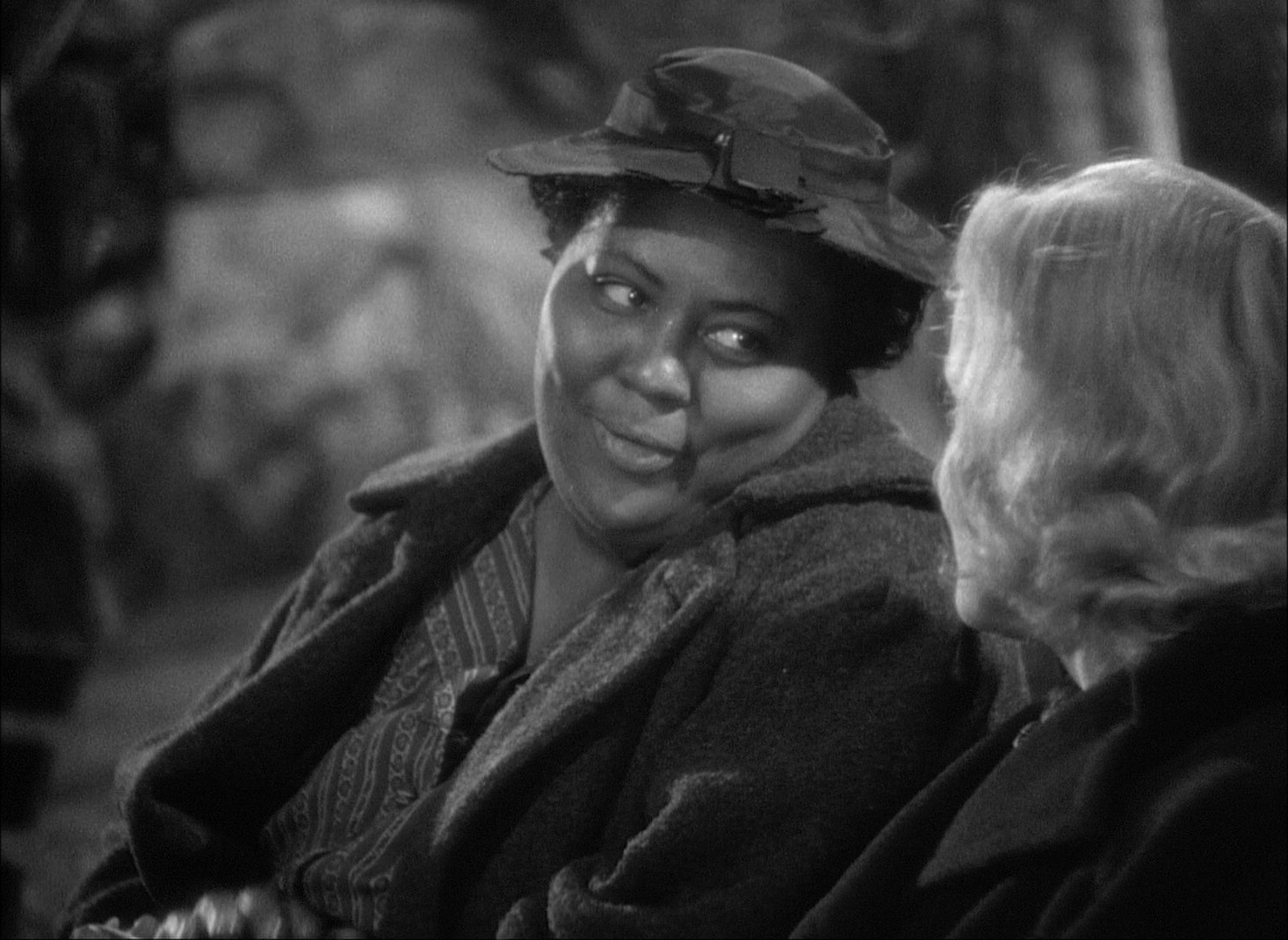
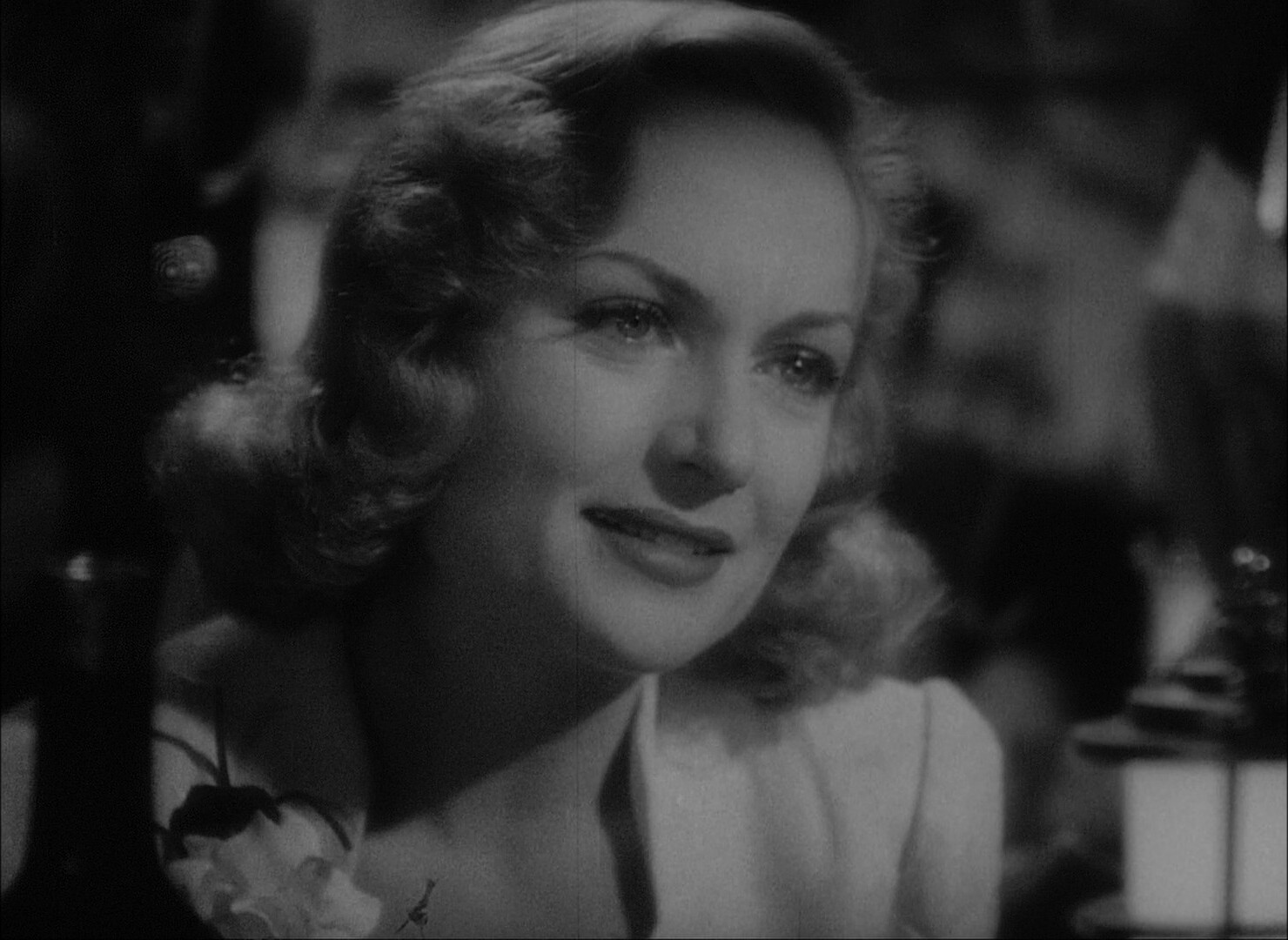
And I love Janet Gaynor as The Wife.

[the end]

Wow. OK, the last quarter of the movie is a lot to take, and is the weakest bit of the movie. Having any sympathy at all for The Man was already a hard sell (the movie starts off with him trying to kill The Wife), but the movie leans really hard into identifying with him in the last quarter, and it just… doesn’t work. Sure, The Woman From The City is evil and stuff, but…

Anyway, I laughed, I cried, and I was amazed. It’s not a movie without problems, but there’s so much here that is amazing, including some surprisingly hilarious scenes in the middle (the barber shop, going dancing, the piglets), so I can’t give it anything but top score. Oh, and the magical trolley shot…

This blog post is part of the Officially The Best series.

OTB#22: Modern Times

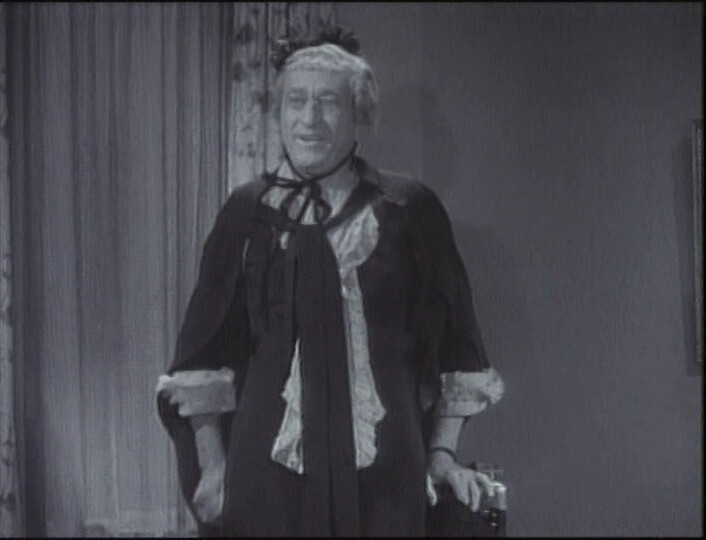
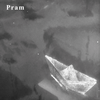
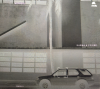
I think that guy might have nose powder.

Modern Times. Charles Chaplin. 1936. ⚄

Here’s the thing: Obviously Chaplin is a genius etc bla bla bla, but… they’re not movies that I would seek out to watch on my own, because… I just don’t enjoy them that much?

So I’ve never seen this one; perhaps this’ll be the one that’ll win me over.

[ten minutes pass]

Well! This is pretty funny, and super-duper stylish. The set designs here are exquisitely futuristic, and this 2K restoration (courtesy of Curzon/Artificial Eye) of the footage looks awesome. It’s a basically a silent movie? That is, it’s mostly played as if it’s a silent movie, but where you’d have titles, there’s instead a voice done after the fact. The scene where they have the inventor with his record that plays instead of him talking is a fun comment on the film itself.

And the comment on inhumane working conditions is er on the nose.

[a further twenty minutes pass]

OK, so this movie switches back and forth between being a classically silent movie to sections where there’s sound (albeit added after the fact).

Anyway, this is a very daring movie politically (and socially), and I like it a lot. I’ve only laughed out loud once so far (during the machine feeder bit)..

[more time passes]

I don’t quite get why it’s shown at such a frenetic pace. I mean, even if it was filmed at the silent movie frame rate, they could, like, have… Why did he film it at the silent movie frame rate, anyway? It’s exhausting to watch.

[the end]

I really liked this movie — more than any other Chaplin film I’ve seen. It’s smart, gorgeous, funny (I lol-ed out loud several times) and it’s got Paulette Goddard…

… she’s also wanted for Being Fabulous and Putting Her Head Shots Into The Arrest Sheet.

But. It’s still a collection of strung-together gags that don’t really build to something more. Sure, there’s a plot here (and it’s a good plot), but it feels too slight? That’s not what’s the focus here?

So I’m again a bit disappointed, even if I can totally understand why this is many people’s favourite movie ever. It’s got a lot going for it. It took almost a year to film, and you can tell: It’s so meticulous in making all the gags look effortless.

And this seems very apropos of today:

Cops, man.

This blog post is part of the Officially The Best series.

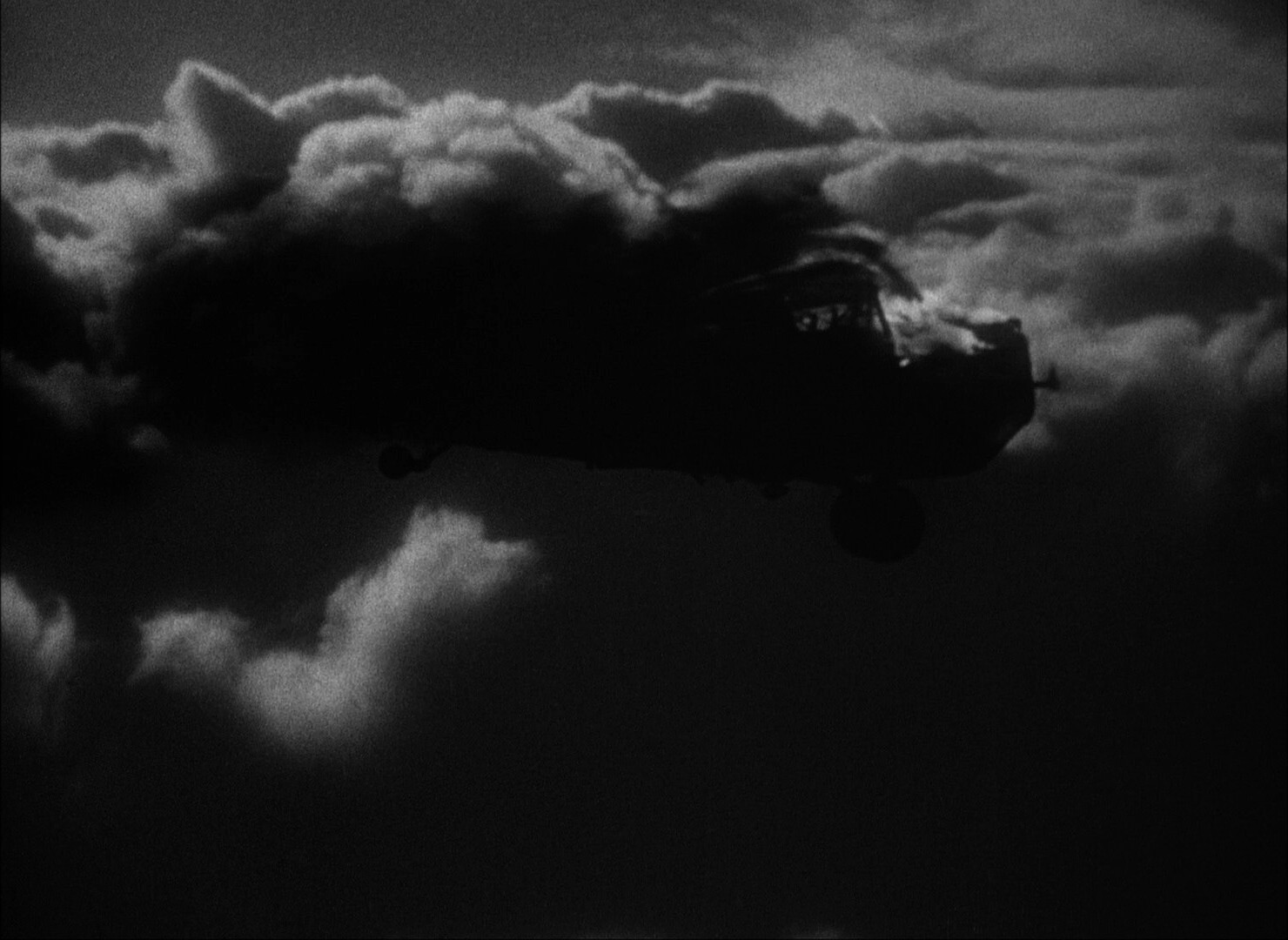
OTB#26: The Night of the Hunter

The Night of the Hunter. Charles Laughton. 1955. ⚅

Ooo. This is a good one, I think.

I may have seen this only once before? Or… I think I remember thinking the last time I saw this (in the 90s? at the Cinematheque?) that I must have seen it before, so I was probably scarred for life by this movie as a child.

Now John…

[ten minutes pass]

Man! Laughton is a very er efficient? storyteller. He sure packs a lot of exposition in these few minutes. Everything is telegraphed. But I think it calms down after he’s set things up…

And I love how utterly deranged and evil his preacher man is presented in such a short amount of time. And the floating Lillian Gish scene. Lillian Gish! I love it.

[half an hour passes]

How… just how did this ever get made? It’s got evil preachers and a bunch of frank sex talk. The performances are also just so weird. The kids do pretty straightforward stuff (and they’re great at it), but the adults are doing, like, 20s acting some of the time.

It’s amazing!

[another half hour passes]

Oh oh oh!

This song is so familiar:

No wonder Brokeback’s version (with vocals by Mary Hansen and Laetitia Sadier) had such resonance:

The only thing I remember remembering from this movie from my childhood are the scenes of the kids drifting down the river, and Lillian Gish’s Utopian commune. And somehow in my mind, it all connects to Wind in the Willows.

Those are such wonderful, powerful scenes of tranquillity after the horror of the Robert Mitchum scenes that it’s natural that those were the scenes I’d latch on to and retain. They’re still awesome. Literally.

[the end]

Man, that’s a roller-coaster of an ending. It’s… it’s a lot. No wonder people at the time were rather dubious towards the movie.

Laughton, of course, never made a movie again, and I can understand why the studios would be leery: It’s such an odd movie, and you may well suspect that it somehow come together as a fluke. Because it could have been a disaster, and instead it’s genius:

Like:

This start for Gregory as producer and Laughton as director is rich in promise but the completed product, bewitching at times, loses sustained drive via too many offbeat touches that have a misty effect.

This blog post is part of the Officially The Best series.