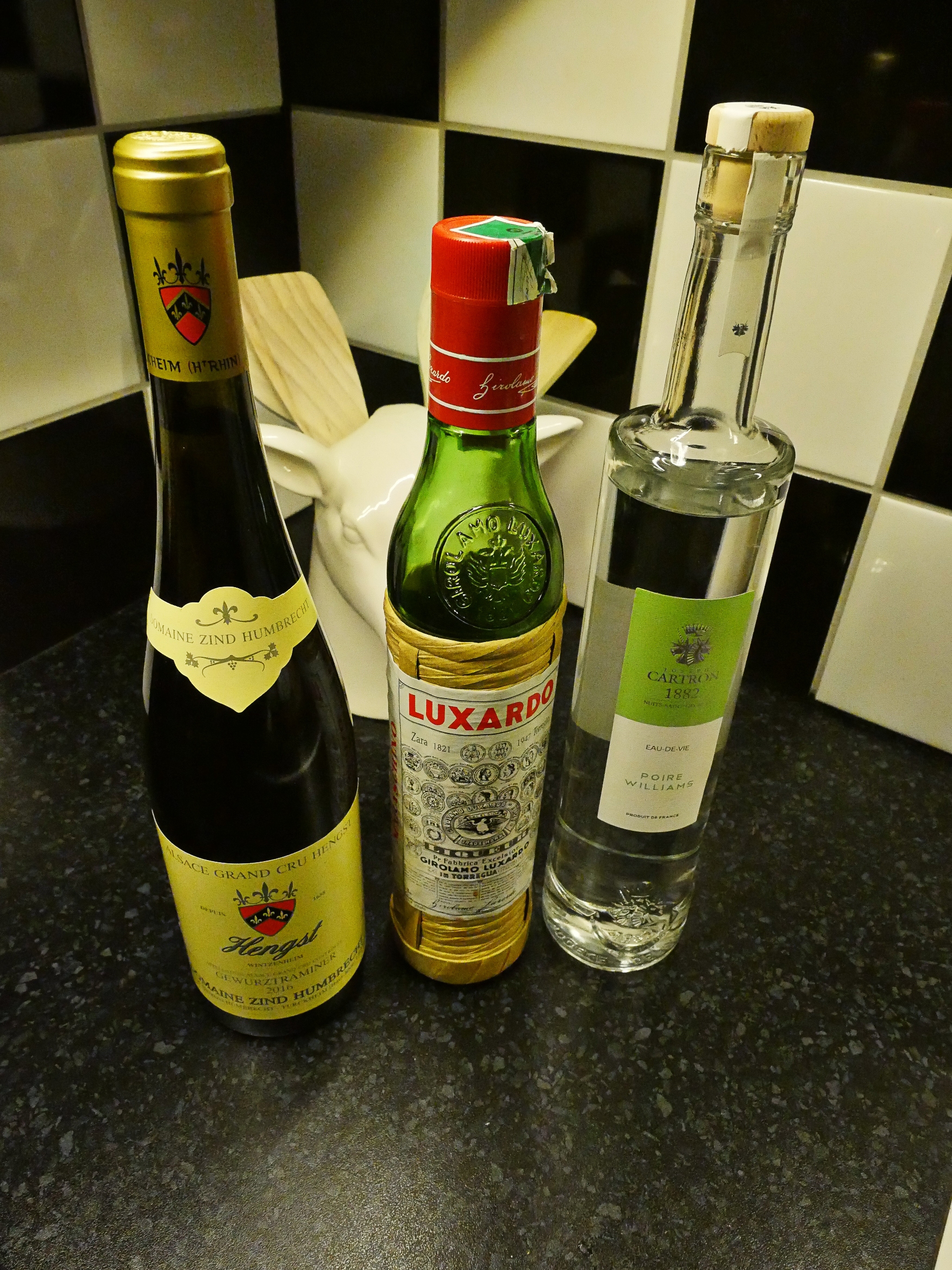




BC&B: Salade Frisée aux Lardons aux Lyonnais w/ Mon Gâteau au Chocolat

I think I’ll do a salad tonight, because… Salads.

As salads go, it’s not very saladey. I mean, the main ingredient is pork sausage. Those aren’t green. Or not supposed to be green. If you’re eating green pork sausage, you should probably reconsider.

I went to a couple of stores to get endive, but couldn’t find anything. So I finally thought “perhaps it’s called something completely different in Norwegian”, and indeed it is: “Sikory.” Which is very similar to “chicory”, which she mentions up there. Like duh. I should read recipes more thoroughly.

But… it mentions “frisée” in the name I see now. We do have frisee salads here. I mean, it’s nothing like an endive. And I got endives. I think. “Sikory.” But small.

Gah!!!

That’s a frisée! So I got the wrong salad!

Gah!

As if this were not baffling enough, what we in the U.S. (and France) refer to as frisée is in turn called endive in the U.K.

OK, I’m soldiering on with the wrong type of greens…

And Stargate: SG1 and beer to drown my sorrows.

The recipe says “fresh pork sausage”, so I got some raw salsiccia. Which is Italian… but it’s fresh and it’s pork, so…

Mm… looks so appetising simmering for half an hour.

The dressing (Dijon, peanut oil, vinegar) is kinda tasty. I don’t really go for super-vinegary salad dressings, but this one’s nice.

So that’s the sausage in the wrong kind of salad. It would have looked visually better with the frisée, I mean endives, I mean the curly green stuff. It’s so… pale…

She said to cut both the bacon and the bread in one-inch cubes. That’s oddly huge for crutons, isn’t it?

That’s a really unappetising-looking salad bowl, isn’t it? All the colours are somewhere between sickly green and sickly yellow.

But the flavour is kinda good. The sausage is excellent, the croutons could have been more baconey (needs more bacon), and the dressing goes well with it.

The salad should definitely have been endives instead of endives, though.

Since I’m just making a salad (and a cake), it’s fitting that the book I’m reading tonight is a very small one. I picked up The Red Tenda of Bologna by John Berger on a whim at a bookstore the other month because I watched The Seasons in Quincy the other er year. I don’t think I’ve read anything of him before.

So let’s read the first three pages of this slim booklet:

Hey, it’s nice. It’s a reminisce told in these short sections.

And there’s even a recipe in here. Nothing could be more apposite.

Goes well with a salad.

So let’s make a cake, too:

That’s the easiest chocolate cake recipe ever. And I’m already slightly sceptical: I like cakes with lots of flour. I mean, I love chocolate, but I really prefer to eat chocolate as chocolate, and not dissolved into butter and named “cake”.

But let’s see. Perhaps this one will be fab.

So the most important bit: Melting the chocolate with some unsalted butter.

I used the pot-in-pot thing. I think it’s less work than the newfangled microwave method.

Mmm… deli… OK, it looks horrible. But then!

Smoooth chocolate.

And then you whisk some egg whites and beat the yolks into the butter and then add the way-too-little flour and then carefully fold the egg white into the batter and:

Presto! Wrinkly-looking cake!

I may have slightly overcooked it. I tested it (with the wooden stick trick) and it was too underdone and then a second later it was overdone.

But not too bad.

To drink with this cake, she suggests a fortified wine called Banyuls, which I have never had before, I think. It’s basically a French Port.

Mmm… They really do go well together. I had like three slices and er six glasses. Nice.

This blog post is part of the Bistro
Cooking & Books
series.
TSP2019: Letters from Baghdad

Letters from Baghdad. Sabine Krayenbühl. 2016.

This is not my favourite genre: It’s a docudrama with the footage “aged” to simulate oldee tymee stock; everything played back slightly too fast to make it look like an old silent movie. But with fake sounds inserted… incessantly… it’s never silent; always a bed of foley or music.

OK, I was inaccutate: It’s my least favourite genre of movie ever.

I’m just… why!?! It makes every single shot into a lie. Even the real ones. “Is this photo real? This shot can’t be real. Is this actual footage? Is this letter they’re reading from real? Did they have photos back then? Did these people ever exist? Do I exist? Why am I watching this? I could be in bed!”

My own comfortable bed!

It’s 4AM and I think I’m going to find my bed instead of watching the rest of this… thing…

But if you’re the kind of person that likes this style of documentary, you may indeed like this; it seems well-made and quite interesting. I find it unwatchable, but that’s just me.

This post is part of The Tilda Swinton Project.

TSP2019: Suspiria

Suspiria. Luca Guadagnino. 2018.

I have not seen the original Suspiria movie, but I’ve seen quite a few movies by Luca Guadagnino, and I’ve liked almost all of them.

There’s so many references here… “Dr. Klemperer”… Arthur Koestler… “Berger”… Baader-Meinhof… Surely these can’t all have been in the original horror movie? Or perhaps they were? I have no idea. Are they just in-jokes or do they make sense?

Swinton is brilliant in the roles. She does an aging doctor perfectly as she does the choreograph.

I knew this was a horror movie, but when the er horrific bits started, I was still kinda nonplussed. And then it dawned on me that this was going to be the movie, and I got a couple of pillow to hold in front of my face for the rest of the movie. (And there were bits I had to cover my ears as well.)

This isn’t a scary movie, but it’s grisly. Is this torture porn or New Extreme European Cinema?

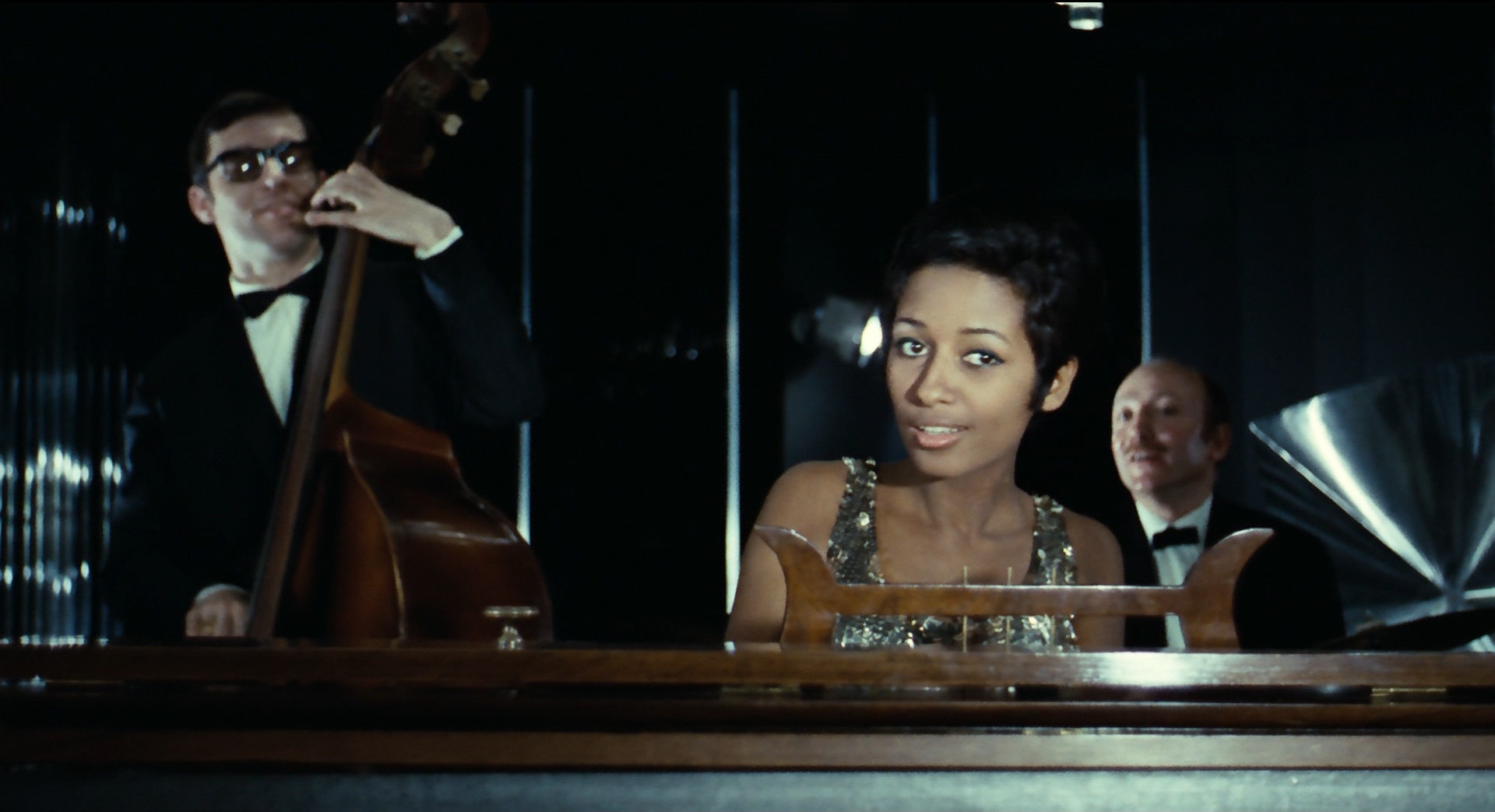
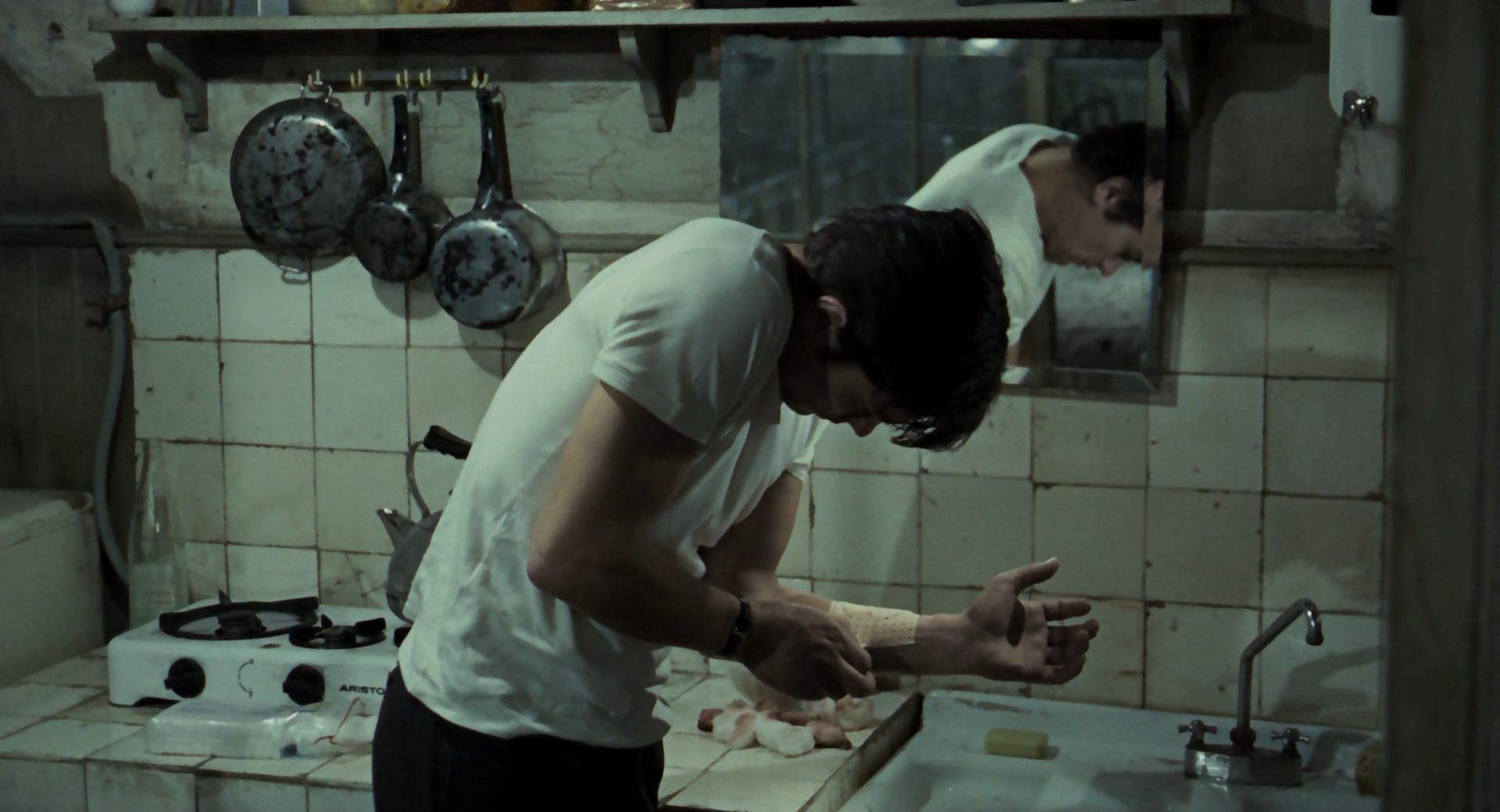
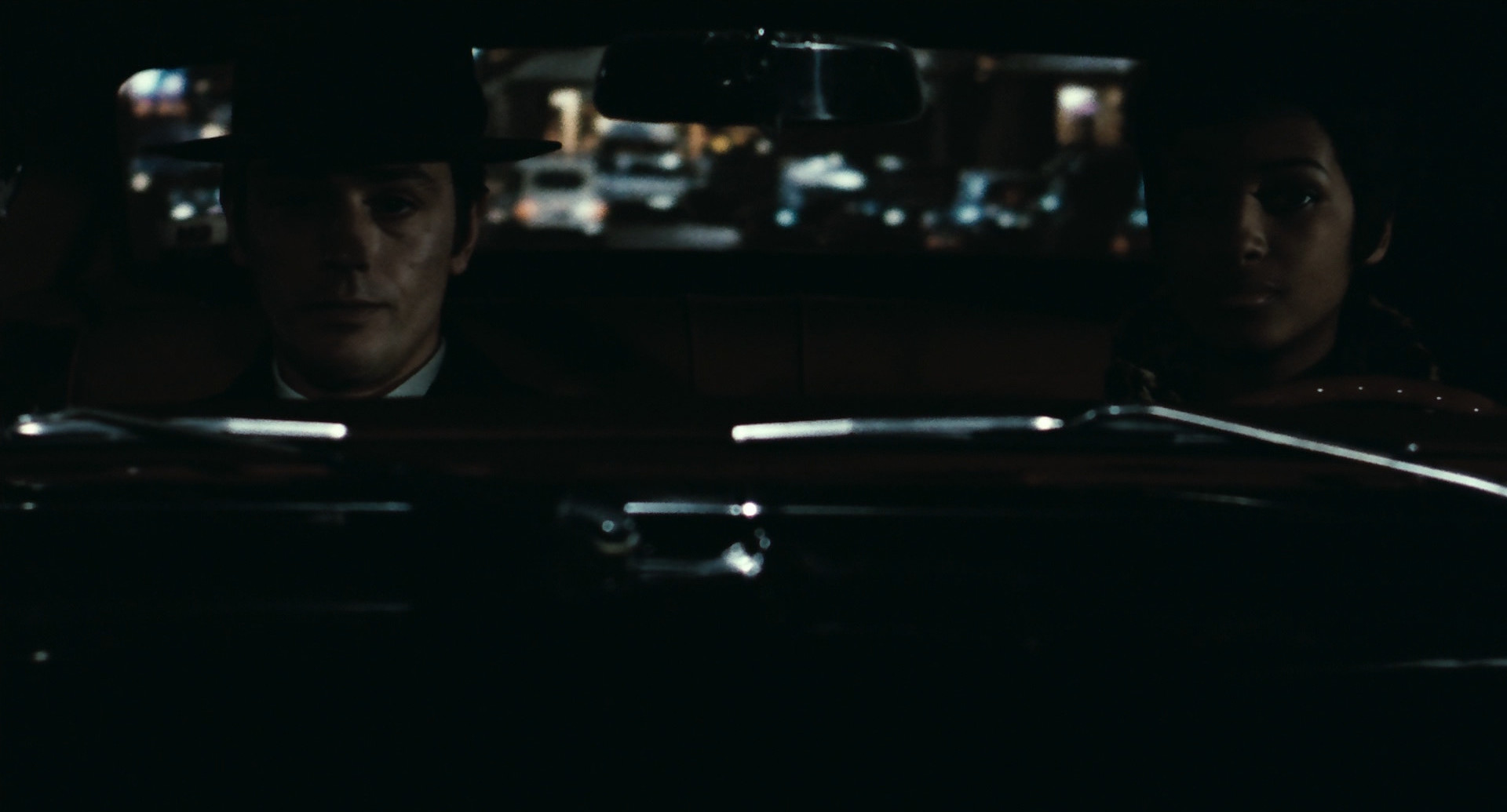
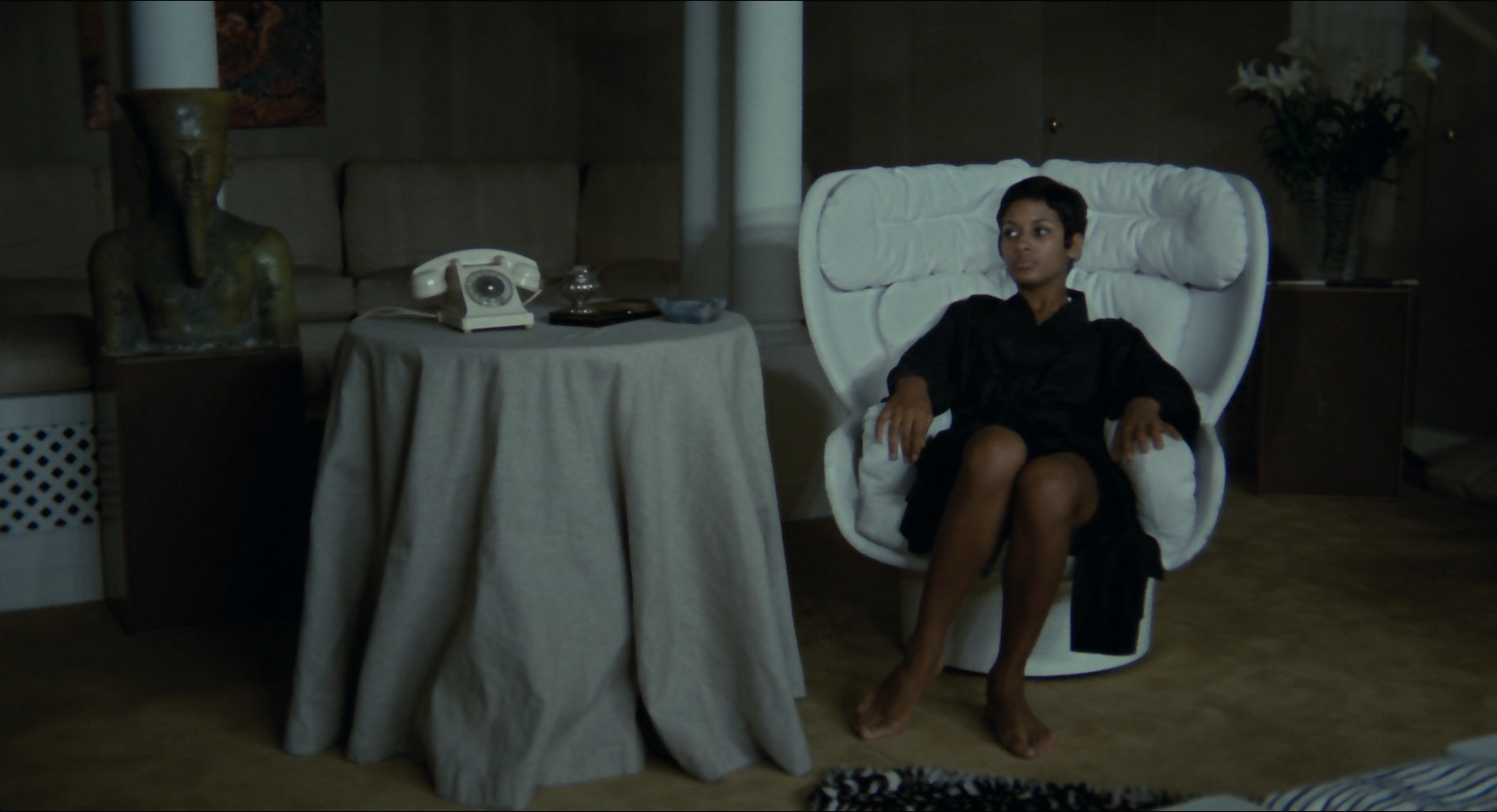
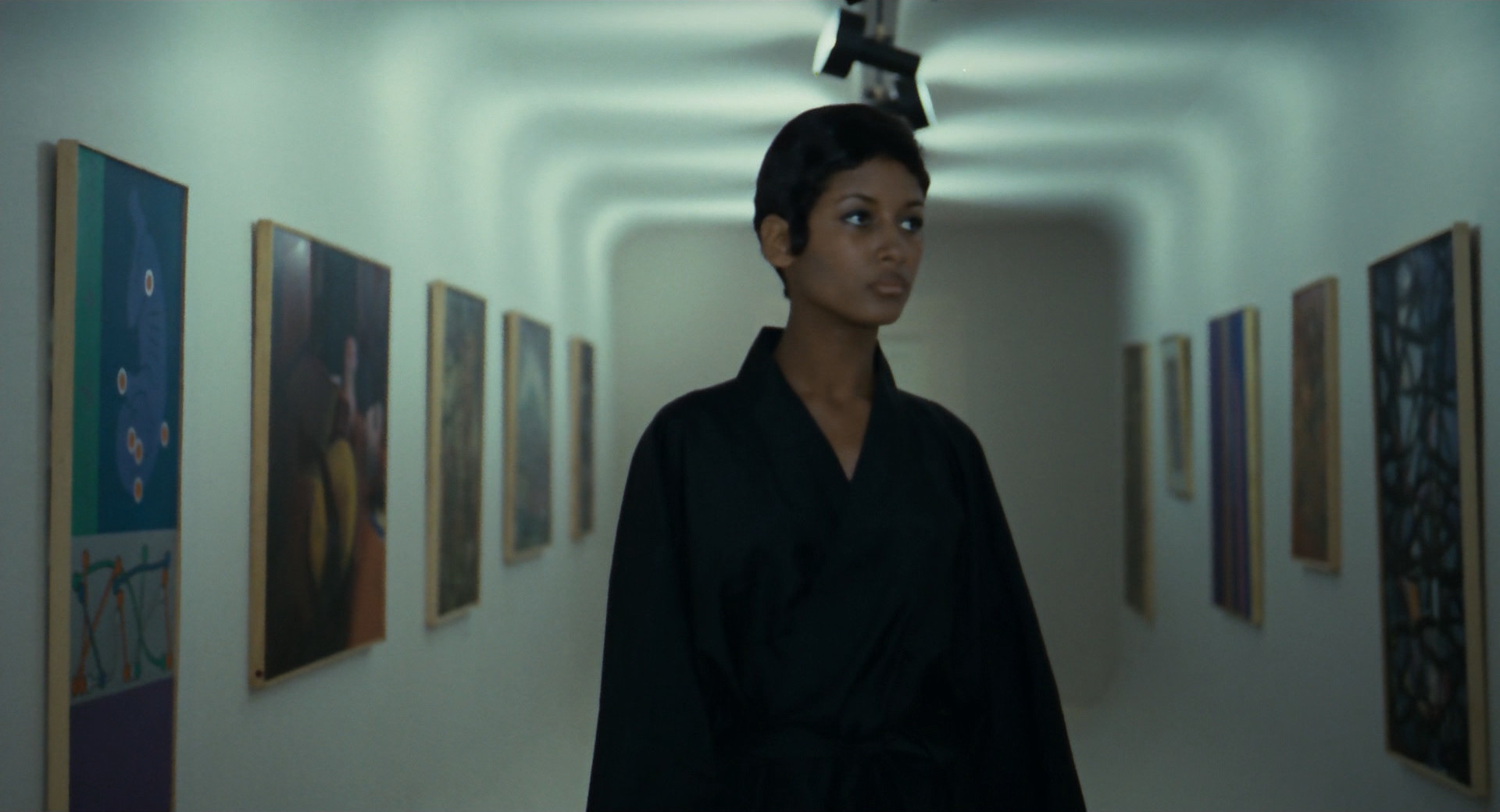
The cinematography is interesting: They’ve kept everything in 70s beige and greys. One thing this doesn’t help with are the black actors, whose faces are basically just #000000. It reminds me of that Mad TV (or was it SNL?) sketch about the couples photographer?

One thing this entire movies reminds be of is Out 1, and that’s also what makes this movie frustrating: Just when I’m thinking “OK, finally we’re going to see some dancing” then there’s all these gruesome images interspersed with it. They should have added another 30 minute just with the dancers dancing.

This post is part of The Tilda Swinton Project.

TSP2019: Avengers: Endgame

Avengers: Endgame. Anthony & Joe Russo. 2019.

Hey! It’s time to catch up with Tilda Swinton again.

I really enjoyed the previous Avengers movie (by the same directors as this one). The Marvel Studios movies have really gotten a whole lot better the past few years, embracing humour and sci-fi more than the first few iterations (which were mostly about some dudes standing on top of buildings punching other dudes).

So I’m hopeful about this one. That usually leads to me hating whatever I’m going to watch, but let’s see.

[time passes]

I’m one hour into this movie now, and I’m going to take a break to bake a cake, and I’ll just jot down my impressions so far:

It’s sad and it’s funny, and that’s what they’re going for. I guess you could say that they’re leaning in on TV storytelling (most movies wouldn’t spend this much time on just… setting things up; structurally (so far) it’s like one of those TV episodes between when things are happening), but there’s so many little fun details in every scene. While it’s pretty leisurely in terms of plot, it’s dense as fuck in the way of world-building details and teensy little background jokes. I’ve laughed, I’ve cried, and now I’m going to bake a chocolate cake.

[time passes]

OK, I’m back, and I’m finding it distinctly difficult to get back into this now that the cake’s in the oven. But let’s concentrate!

Tilda Swinton only has (basically) once scene in this movie, so it’s not the most TSP movie ever. It’s kinda fascinating how much time they spend on scenes that are basically callbacks to earlier movies… I think! Because, while I’ve probably seen all of them, I’ve also forgotten most of them.

The fights scenes here are pretty mind-boggling. It’s not 100% CGI, which makes anything uninteresting, but they’re so huge. It’s like the ultimate super-hero comic book movie. It’s going to be hard to top this for sheer spectacle.

This post is part of The Tilda Swinton Project.

BC&B: Pot-au-Feu aux Deux Viandes Chez Adrienne w/ Gratin Dauphinois Madame Laracine

OK, time for more bistro cooking and more books.

Today I’m doing this meaty meat recipe, which looks pretty fun. It’s the most complicated recipe so far, with about seven things that have to be timed to be finished at the same time.

And it’s got marrow bones, which I’ve never cooked ever, so that’s even more fun. And, yes, I’m watching Stargate SG1 while cooking.

So the marrows are swapped in leeks.

And there’s two meats being boiled.

Skim skim skim.

And a pot of cabbage…

And a pot of other veggies.
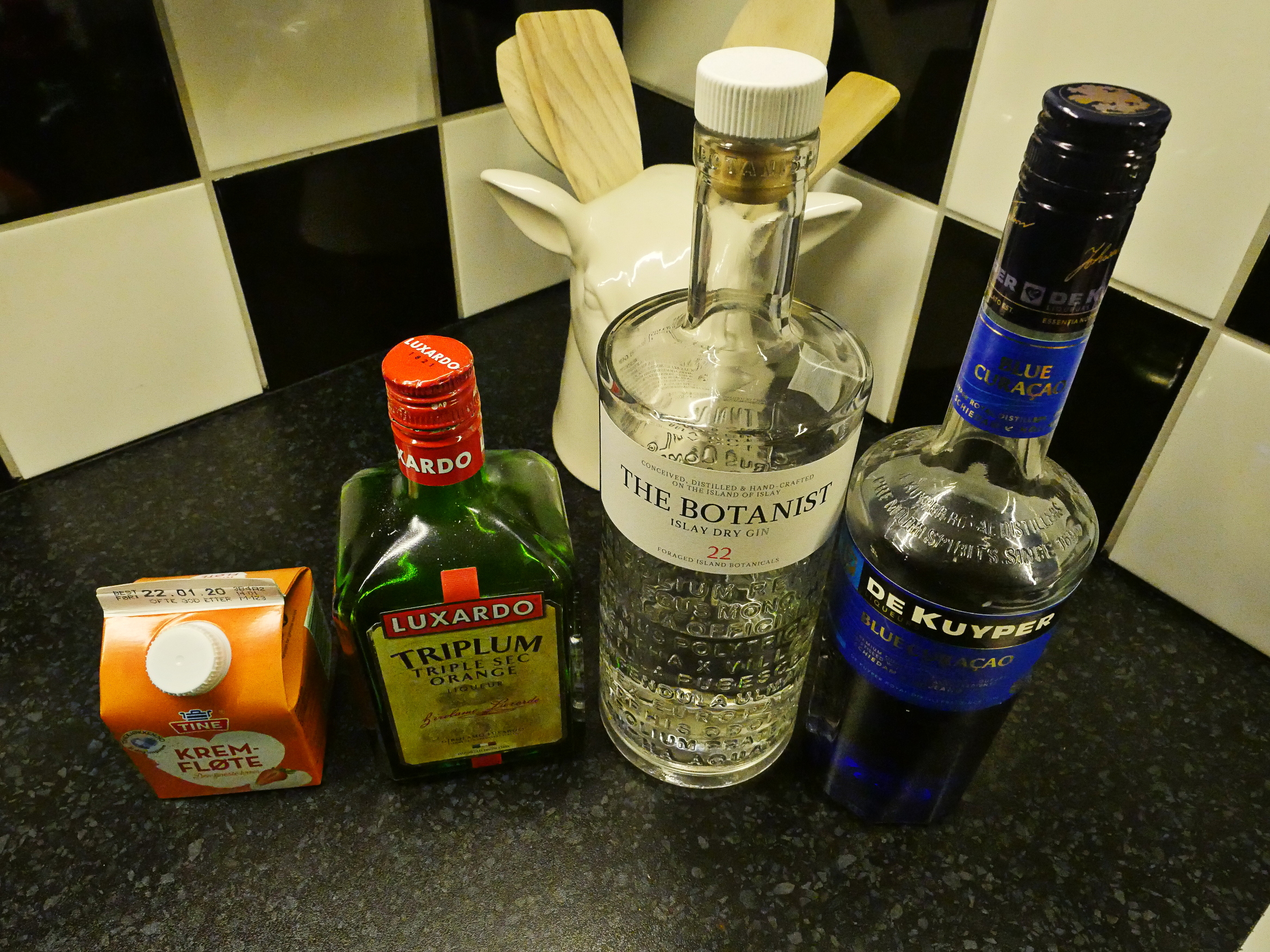

But I gotta have more starches, so I’m doing a gratin again, even if I hate cheeses in dishes like this. But this time I’m going to cheat and just put the cheeses on top, and perhaps it’ll be edible then.

Wine for the cook…

Ingredients for the potatoes.

Weirdly enough, we boil the potatoes in a milk/water mixture first before putting into the oven.

There you go. Looks absolutely horrible.

And then the meats have cooked (along with veggies) for ninety minutes, so in with the marrow bones.
Which cook for half an hour…

… and come out looking like this. Man, it’s like some Japanese horror.
Quick, find the next book to read while eating!

*gasp* What I’m reading for this dish isn’t a novel! It’s… *shiver* non-fiction!

But it’s about comics, so it’s OK, I guess. SEO: Breaking the Frames by Marc Singer.

And I cleverly timed the potatoes to be ready at the same time! I did it!

Din din.

Well, OK, the gratin gambit didn’t pay off: It was still inedible (for me), which I take to mean that it was delicious.

The marrow bones were interesting. I mean, delicious, but interesting because I don’t think I’ve ever had cooked marrow bones before, just grilled. I was afraid that all the marvellous flavour would leech out of the marrow, but the leek did its job: The marrow was still there and so good.

The rest was fine. The meat was super-tender, but a bit on the dry side for some reason. Perhaps I should have gotten fattier pieces? I just took what the butcher handed me.

The broth was very nice indeed.

It’s a really fun book to read while eating.

I mean, it’s impossible not to feel a giddy glee while reading it, because Singer does smart, savage takedowns of a large number of people involved with comics criticism (and more than a few creators). His main point is basically that there are currently two main approaches to writing about comics, and both of them suck. There’s the fandom-generated codswallop that refuses to actually criticise anything, and there’s the stuff written by academics that often seem to not have actually read the comics in question, but write about the form/medium/genre (they’re usually confused about that too) in the abstract.

Zing!

The general rah rah atmosphere surrounding comics is tiring, and Singer skewers writer after writer in terms like the above.

However, I haven’t actually read any of the stuff he’s giving sick burns to, so it’s difficult to say whether Singer’s full of shit, too. I mean, he does quote some people saying abjectly moronic stuff, but sections like the above makes me go “hmm”. I like a number of works written by Alan Moore, but he’s done some problematic stuff for sure. So I’m not “HOW DARE HE SAY ANYTHING NEGATIVE”-ing what Singer’s doing here, but I just don’t understand Singer’s point here. He seems to be willfully misreading Moore: The From Hell graphic novel was, if I remember correctly, dedicated to the five women who were murdered, so Moore isn’t saying what’s being refuted up there. Moore is making the perfectly uncontroversial statement about how we relate to “Jack the Ripper”, which is by now best modelled as a fictional character.

This seeming bad faith reading here makes me distrust Singer’s reading of people I’m not familiar with.

I think the entirety of Chapter 2 is pretty confused and often unconvincing, even if it’s really fun to see somebody take a chainsaw to Planetary and Kingdom Come.

Singer quotes Leslie Fielder from the mid-50s:

The middlebrow reacts with equal fury to an art that baffles his understanding and to one which refuses to aspire to his level. The first reminds him that he has not yet, after all, arrived (and, indeed, may never make it); the second suggests to him a condition to which he might easily relapse, […] even suggests what his state might appear like to those a notch above.

At first I thought that this perhaps didn’t apply that much any more since nobody dares call anything out for being low-brow any more. But then I thought a bit more: Perhaps it’s still accurate? I mean, you have people endlessly obsessing about middle-of-the-road things like Sopranos or Breaking Bad (and all of the rest of the New Age Of Quality TV crap) and how it’s the New Novel and various absurdeties. It’s a hegemonic position that’s full of angst, because they have to sharply delineate against the “bad” TV (i.e., the things that refuses to aspire to being Serious TV), while also having to defend themselves against snobby art world people.

So I think it’s probably pretty much accurate?

Myself, I love trash and I love art and I hate The Sopranos.

Much of the rest of the book is less about skewering other critics than doing analyses of various comics books. This is ostensibly to uncover how badly other critics are reading these works, but it doesn’t read like that’s the reason these chapters were written. Singer gives solid readings of works by Chris Ware, Alan More and Marjane Satrapi, three creators I like, and points out a bunch of problematic things about some of their central works.

But far too often, his complaints seem to come down to, well, that they aren’t, like, nice. Or good. Or something.

For instance, he points out that the central character in Persepolis is rather insufferable (which is true), but then somehow wants that to be a flaw. Reading Singer, he seems upset that that character is full of it, and doesn’t learn anything in particular. I always assumed that that was what Satrapi wanted to do, but it’s possible that she’s as oblivious as to that as some of the critics Singer quotes that valourises the character.

It’s the same with his reading of Ware and Moore: Their works are as ideologically iffy as Satrapi’s, but… so?

The final chapter I couldn’t make it all the way through, because it’s all about Kyle Baker’s Nat Turner, which is Baker’s least interesting book, and one I probably didn’t make it all the way through. It’s b-a-a-a-d, but not even interesting enough to make me want to read a take-down of it. I mean, it was fun to see Singer do that with works I have an interest in, but Nat Turner?

Nah.

This blog post is part of the Bistro Cooking & Books series.