
Is This The Kind Of Thing You Should Be Worried About Finding On The Back Stairs?
This blog has been going for a while, and more and more of the very, very useful external links (ahem) now point to sites that have disappeared, or that have rearranged all their internal links.
This is sad.
I wondered whether there was a tool that’d just point all the broken links to archive.org, and there doesn’t seem to be. But the support over at the Broken Link Checker WordPress plugin seem to be on the ball, so perhaps there will be?
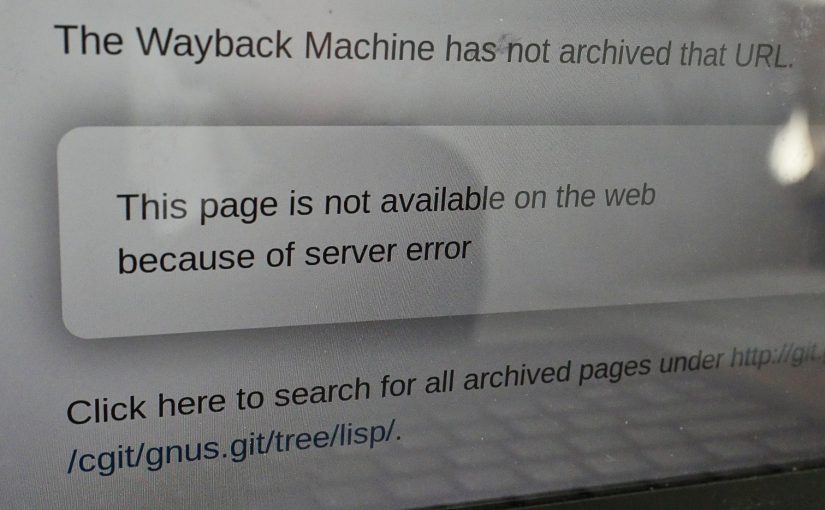
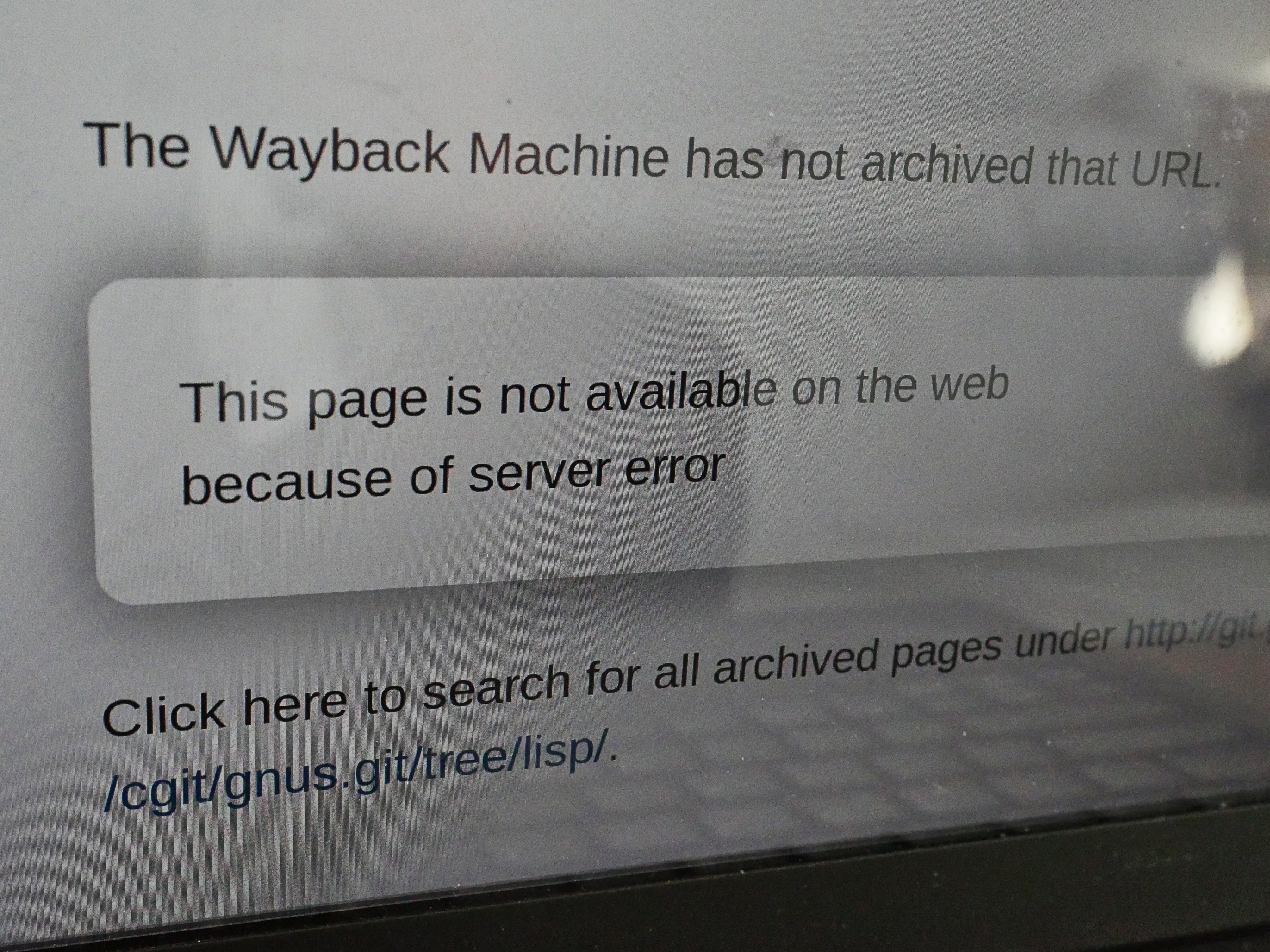
However, based on my extensive research (i.e., pointing about fifty broken links at the Wayback Machine and seeing what happened, about one third had results like):
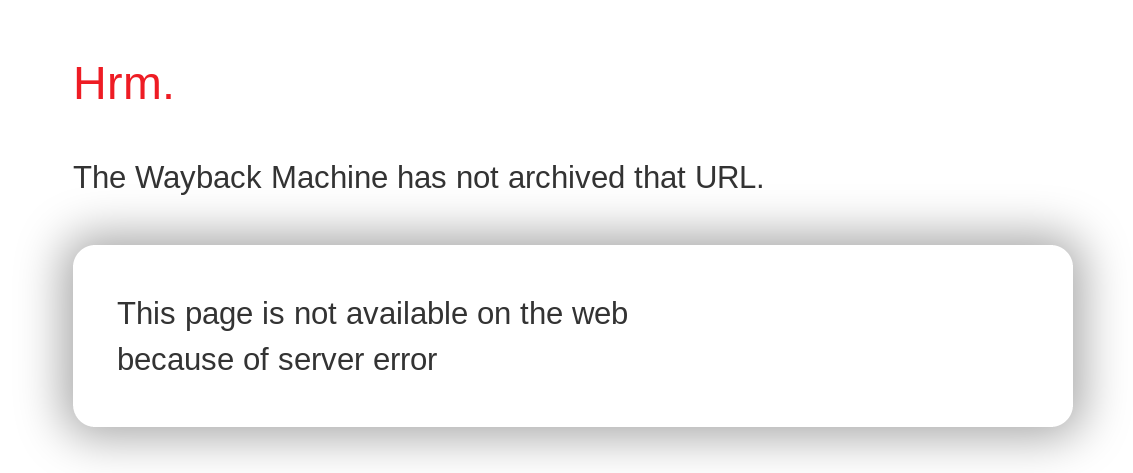
And other things, like being blocked by robots.txt or… whatever.
So I was idly wondering… would it be possible to just… cache? Whatever we’re linking to? In WordPress?
And the answer is “no”, of course, because creating a mirror of a web page is Trey Difficult. Not to mention a security nightmare. But then it occurred to me that we’d get almost there by just grabbing a screenshot of the page at the time a blog article is written, and then just stash that in the media library! It’s not as good as having the actual text and stuff, but it’s something. You can at least read it. It’s a low-cost, 85% solution to an annoying problem.
But what UX to use to display these captures? Footnotes? A side bar? And then a smart suggestion from irc: What about a hover thing?
So now, 90 minutes later: Tada! Here’s a link to the FSF that should be cached at the time of posting, and stored in my WordPress library. You should be able to get a hovering popup that you can click on to see the (very long) PNG.
I have not implemented this as a WordPress plugin, but in ewp instead, and with some added JS and CSS on the blog. It should be a plugin instead, of course, but I don’t have the stamina to write PHP any more. I tried googling for such a plugin, but I couldn’t find anything.
So: If anybody thinks this is a good idea, please do go ahead and write a WordPress plugin that does this thing.
It basically calls cutycapt (or any other headless web “screen capture” application), and then adds some JS on the “mouseenter” event of the link.
Does this seem useful? Annoying? Confusing?
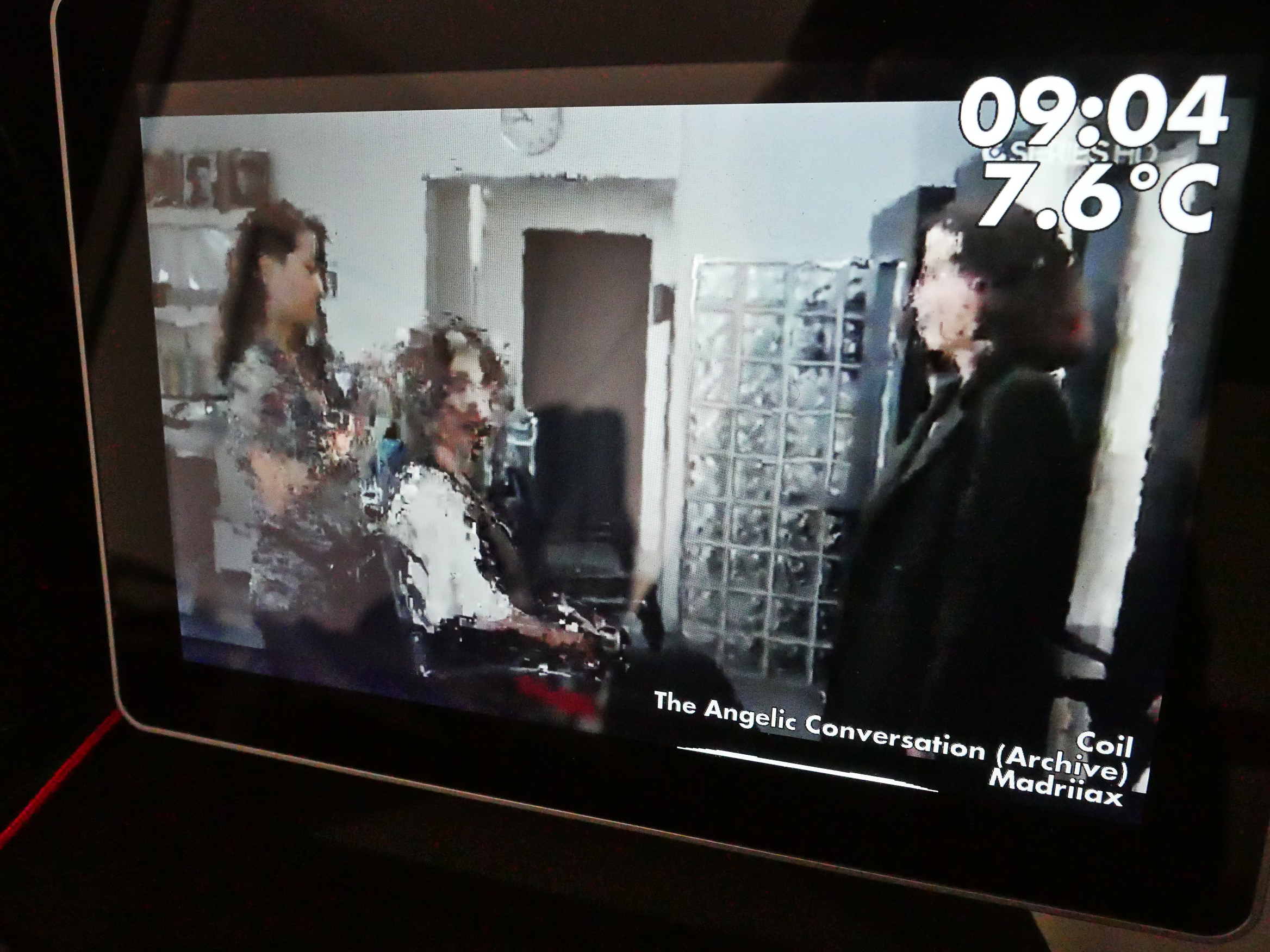
As I’m sure you remember perfectly, in 2012 (!) I did something silly (no really): I scripted a teensy thing that would check what was playing on the stereo, and then search Youtube for a video that matched that as best it could (based on artist name, track title and the length of the track), and then just play the video (without sound).
To use as the background for the tiny USB monitor in the hallway that displays the weather forecast.
YES I KNOW.
It’s stupid, it’s frivolous, and it consumes Youtube resources without Google earning any of them sweet, sweet ad dollars, so I was expecting it to be shut down, or I’d just grow tired of it, or…
I mean, it’s… all kinds of stupid? Right? I agree completely. No argument there.
Over the years, there’s been some restrictions: Rate limiting on the API, and rate limiting for the website itself, and I had to fill out some forms about what I’m using it for, and… But basically, it’s been doing its stupid little thing.
Cut to August 2019:
Dear YouTube API Developer,
We are currently conducting a mandatory compliance review of your YouTube Data API Project. The review is to assess your compliance to our YouTube API Services Developer Policies (link) and to learn about how our service is being used.
At your convenience in the next seven (7) business days, please complete and submit the following information :
1 A fully functional demo account, including a username and password with which we may access your API Client. The demo account you provide will be used only for compliance inspection and the credentials will not be shared.
2 A fully completed Youtube API Audit Form
3 Screenshots of how your API Client and its users access and use the YouTube API Services
4 Documents relating to your implementation, access and use of YouTube API Services
I got the lovely email above, and I assumed that this was a very clumsy phishing attack. I mean… a demo account? With a password? Could it be more obvious?
So I ignored it, and then got further emails, and after the third “third and final notice” (I think?) I looked closer at the emails and confirmed that the address was really from @youtube.com, without any Unicode homographs, and it’s DKIM signed, and…
IT”S A REAL EMAIL FROM GOOGLE! I couldn’t believe it.
But I finally answered, and got a response from:

Which was also real! And not a phishing attack. It asked:
Regarding project key usage:
The given alphanumeric text [1 only] cannot be deciphered. Please provide us with a list of valid project keys associated with your API Client.
In order to check the project key for your API Client please login to Google API Console. After logging in go to IAM & admin -> settings -> project key.
OK, so I did that, and:
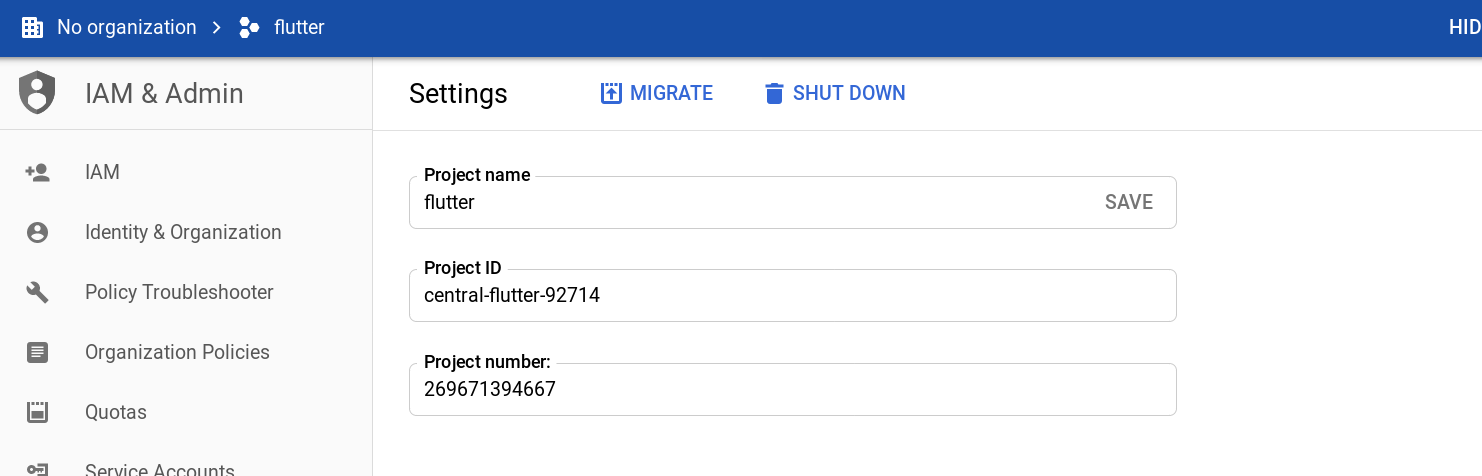
So there’s no project key? I wondered why they couldn’t just, like, look up this stuff themselves. And particularly since there’s no “project key” (whatever that is)… They should know already? Is this phishing after all? Are all those characters in @google.com really ASCII? They are.
After a few attempts at making it understood that I’m not running a web site; there’s no login; there’s no users: There’s just a stupid script running on my hallway computer, they asked to see a screencast of how it works.
Meanwhile, in the middle of all this, they stopped my access to the API, so I had to substitute a hard-coded video to play:
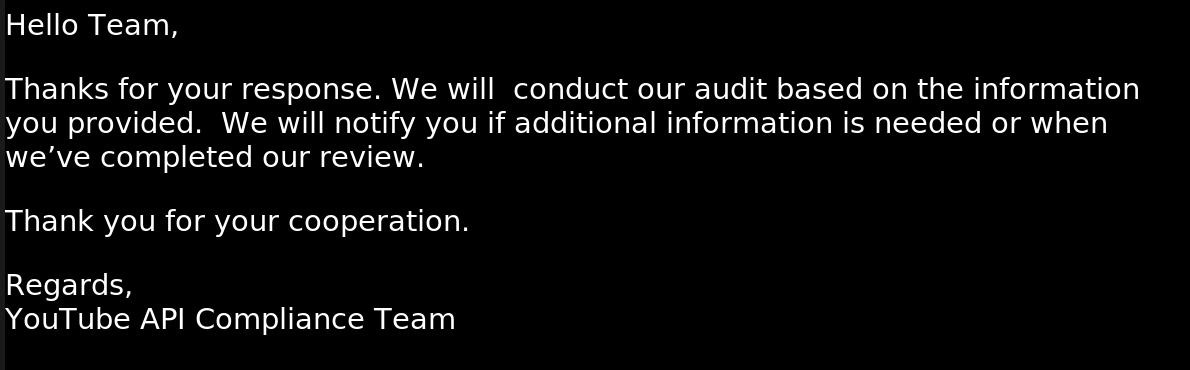
So… I guess… I’ll just wait…
Misunderstand me correctly: I’m not complaining or anything. I’m just… bemused. I mean, it’s just a stupid, fun little thing, and if Google says “er, perhaps don’t do that with the API?” then that’s fine. It’s their API. And I don’t envy those poor people working on the “dispute resolution” team. They probably have a script they’re running through to see whether the next Cambridge Analytica is doing something nefarious with the Youtube data (or at least have a way of saying, during the next Senate hearings, that they are doing something about that), and dealing with pissant hobbyists just using their APIs for fun is… probably not that fun?
It’s just… There’s a sort of disconnect. Whoever came up with this audit thing obviously didn’t have an option for “4c) Not using the API for anything that can even be audited because it’s just stupid”, which I think is probably 70% of the use cases. Because people do stupid shit.
So I’m amused. Bemused?
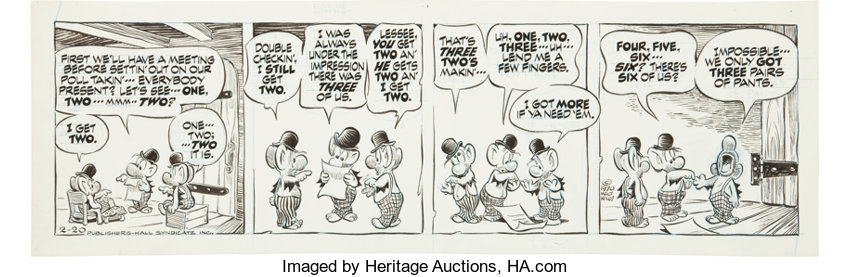
Am I Bemildred? I think I may be Bemildred. (He’s the one on the right.)
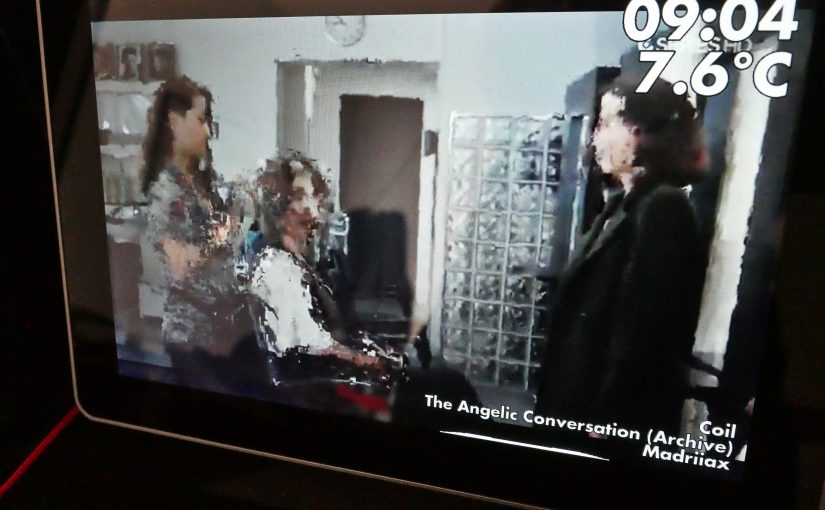
Meanwhile, I can’t have the background of the monitor all blank and stuff. So I’ve substituted it with this wonderfully glitched broken torrent download:
Uses less bandwidth, too.
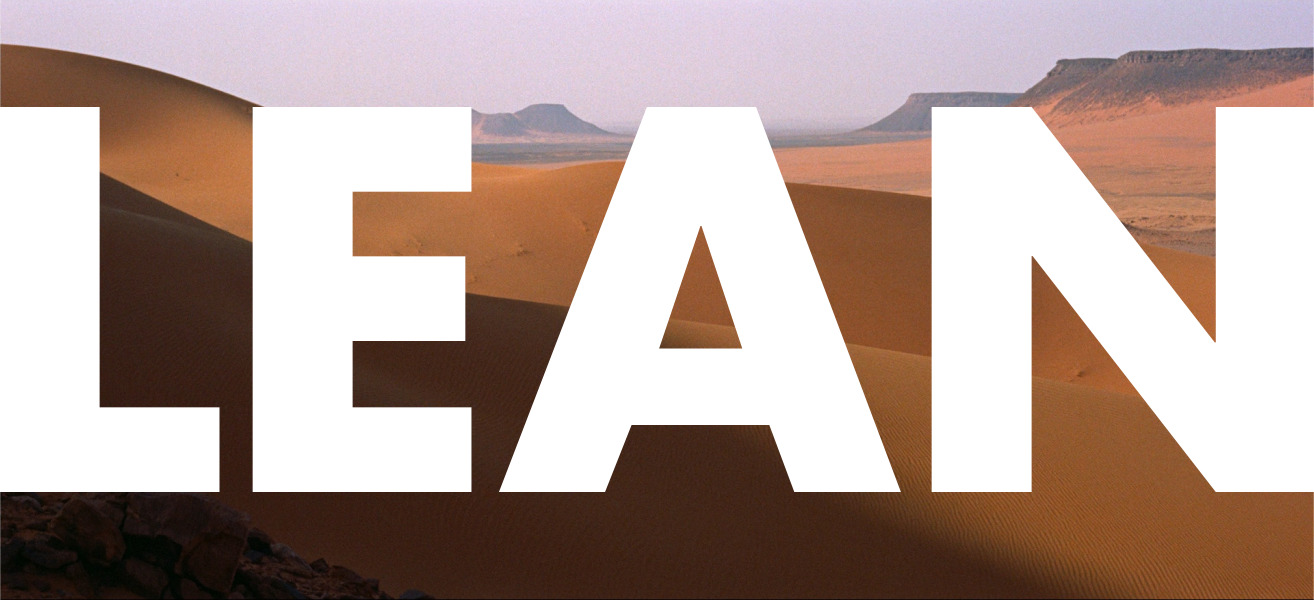
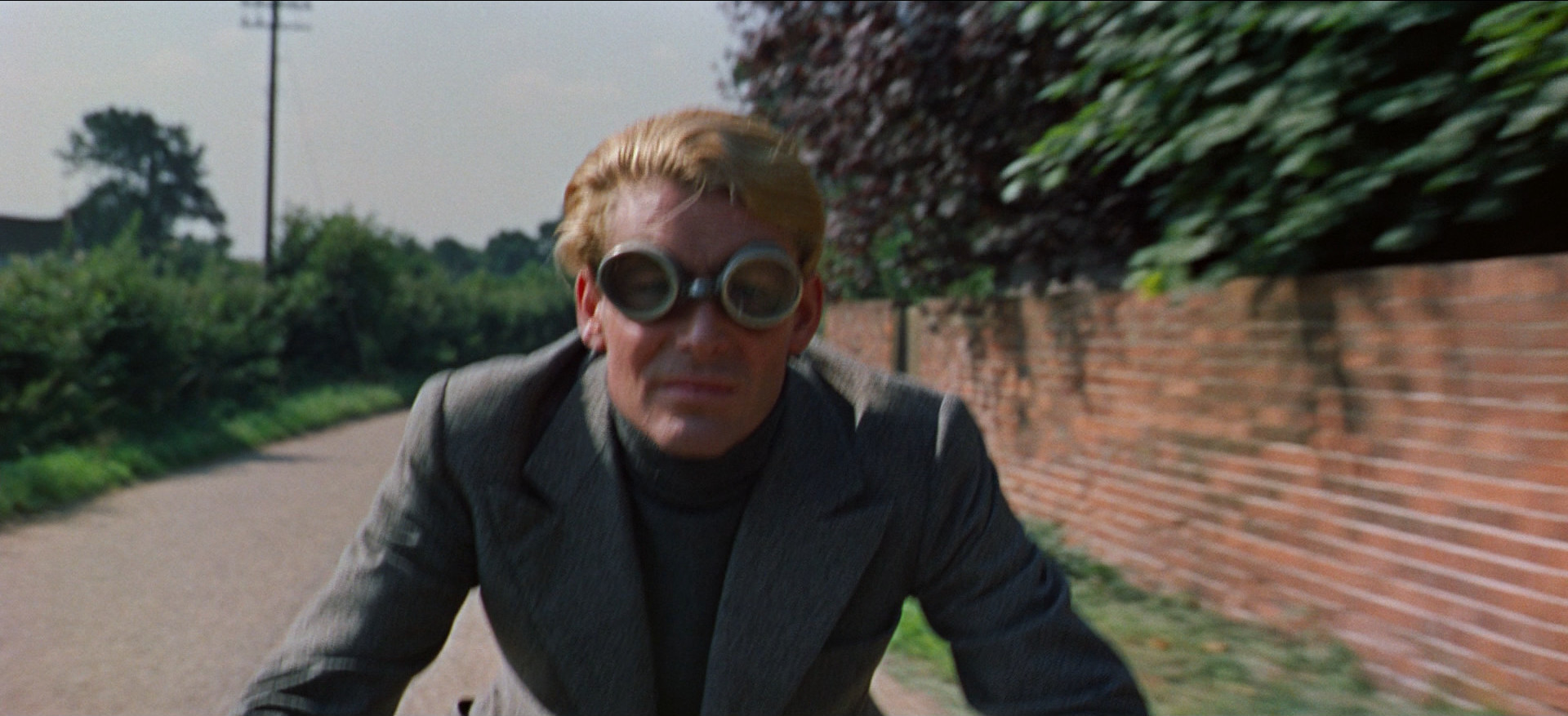
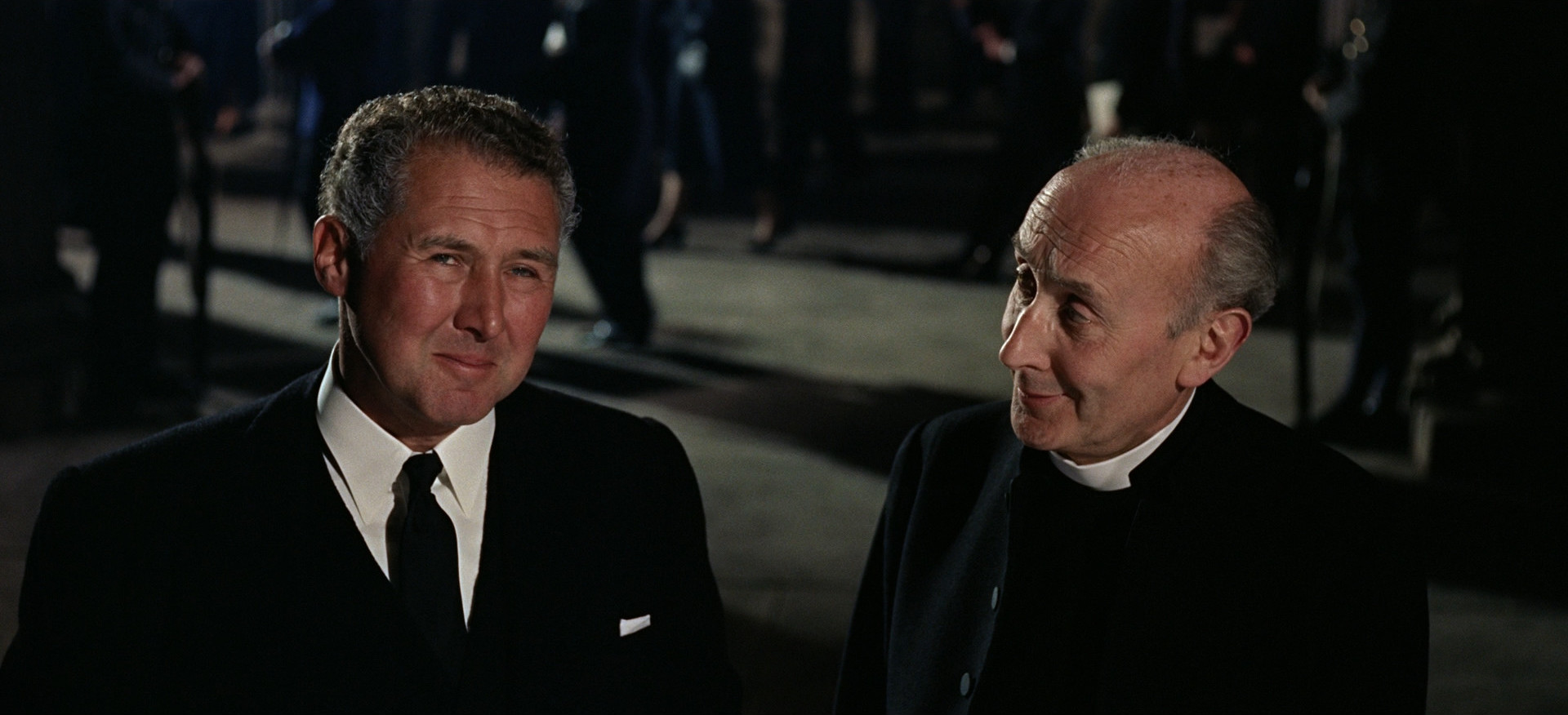




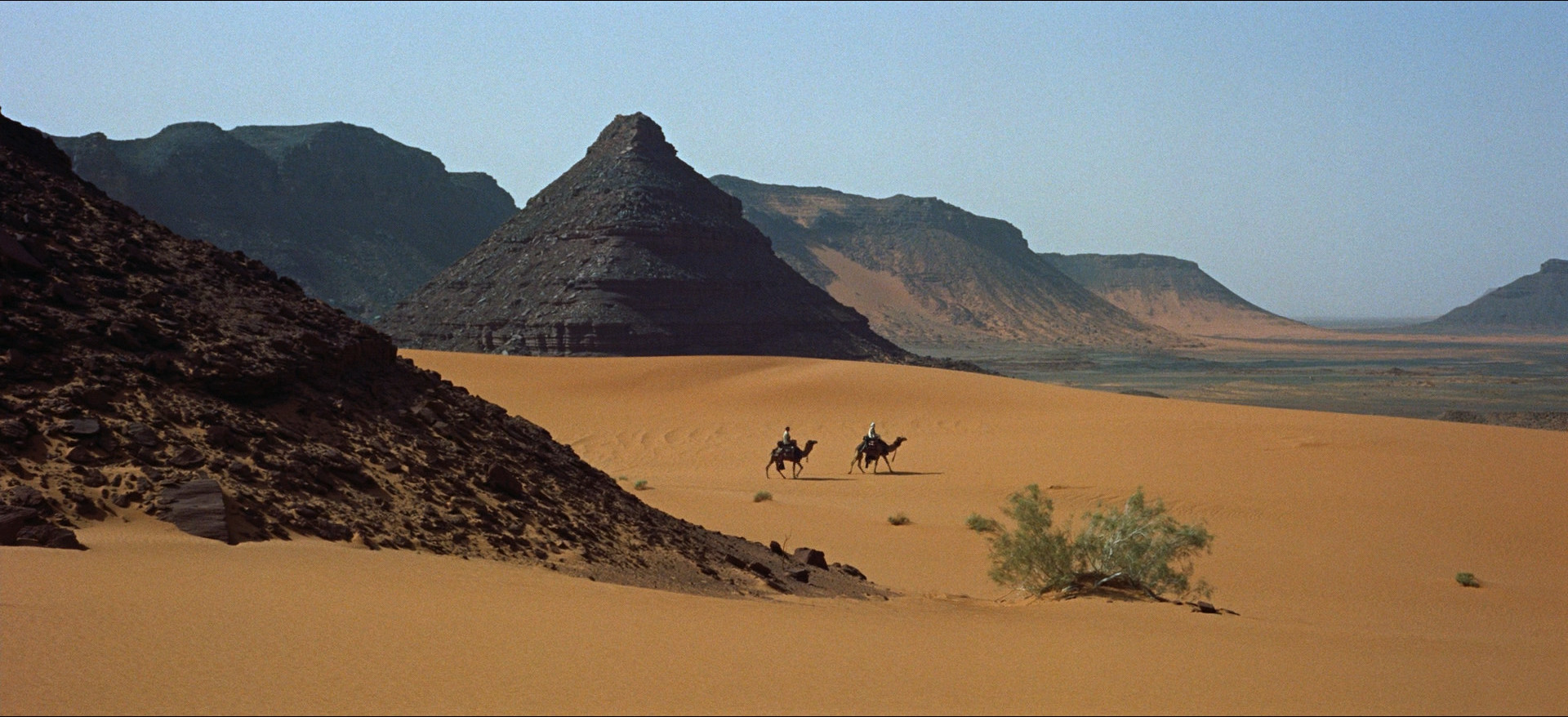

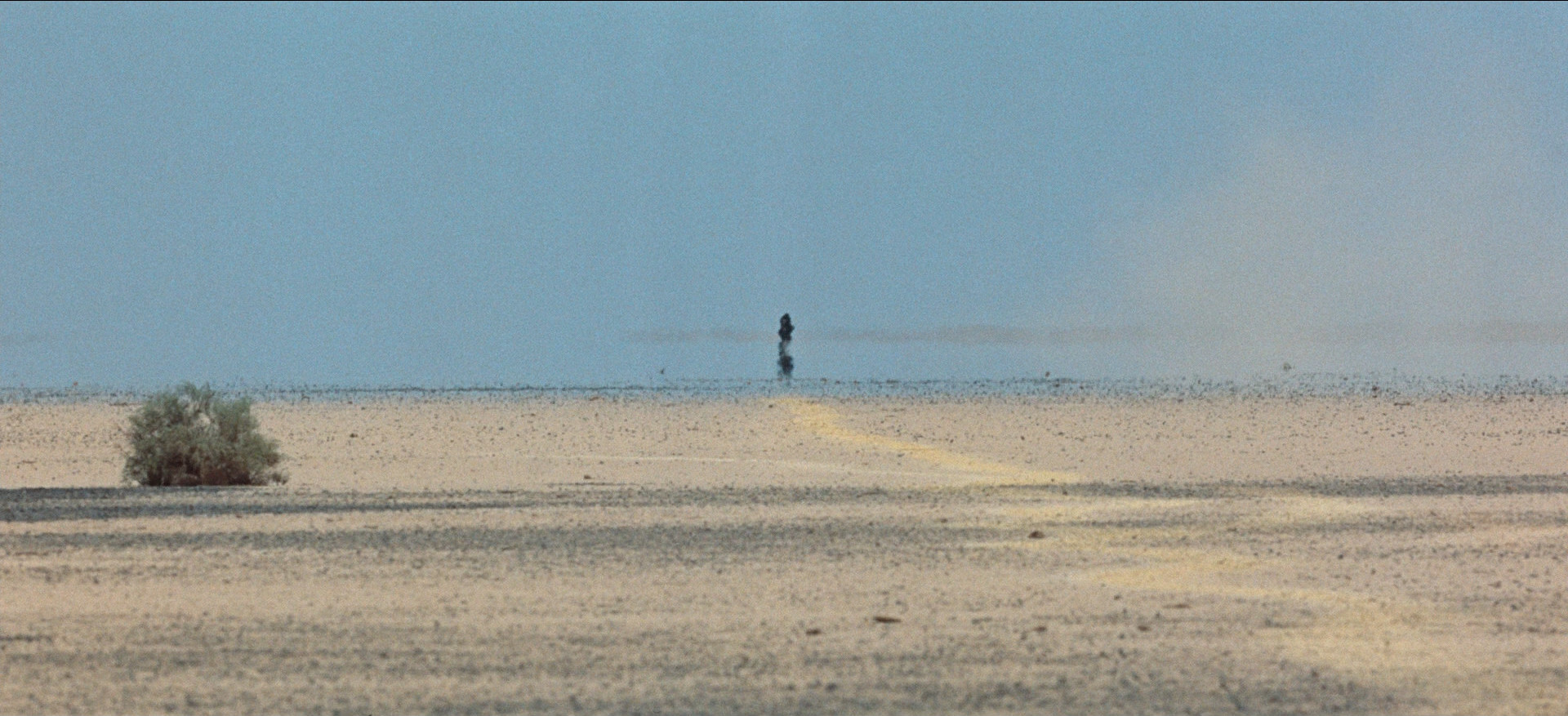

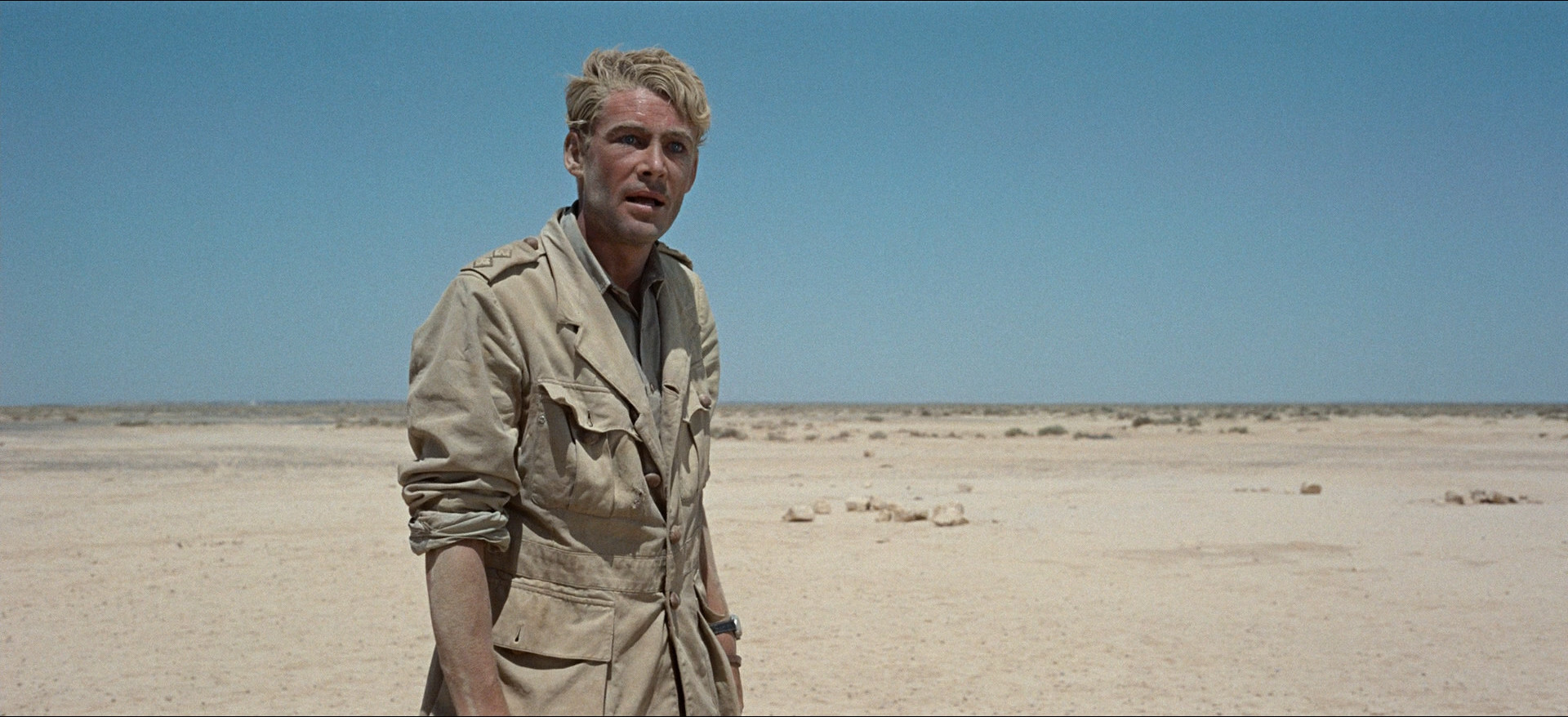
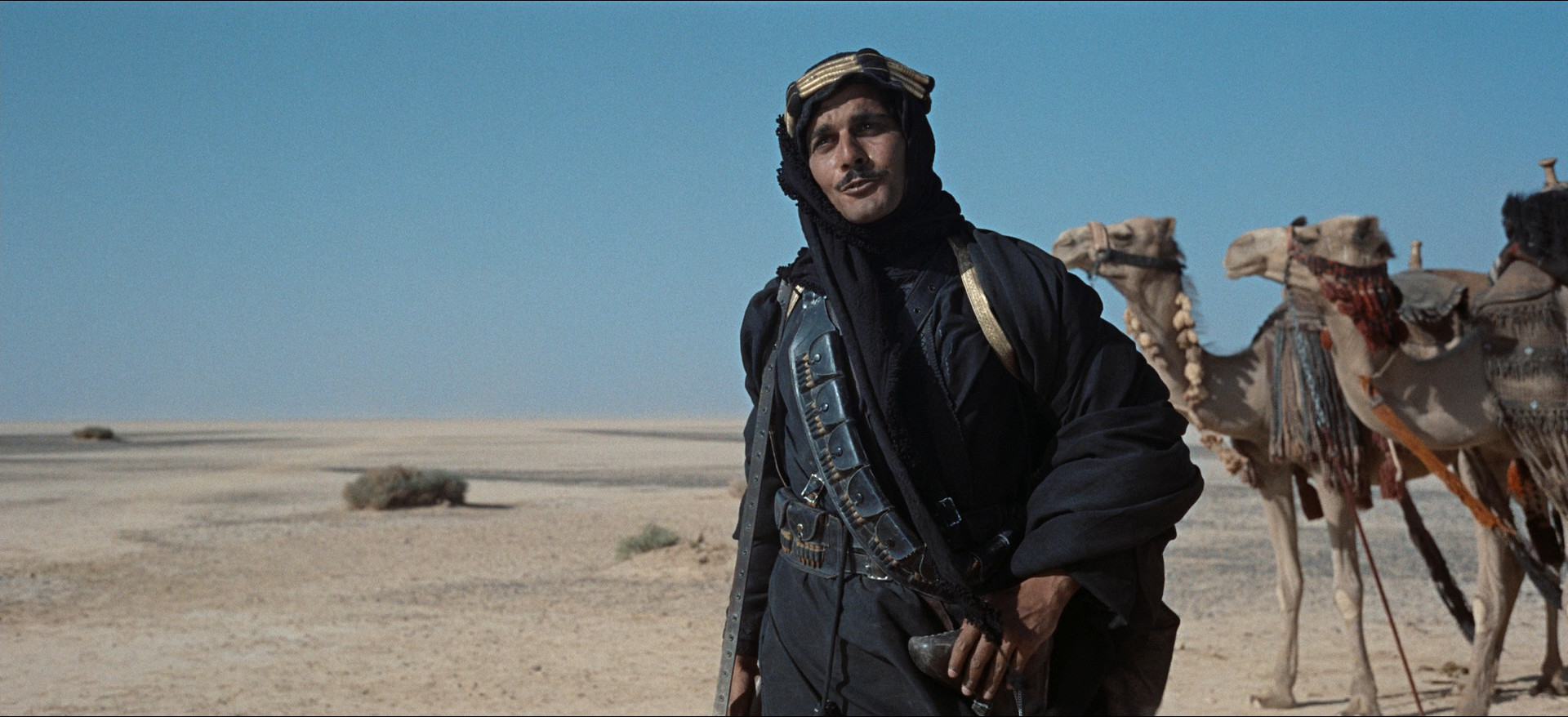
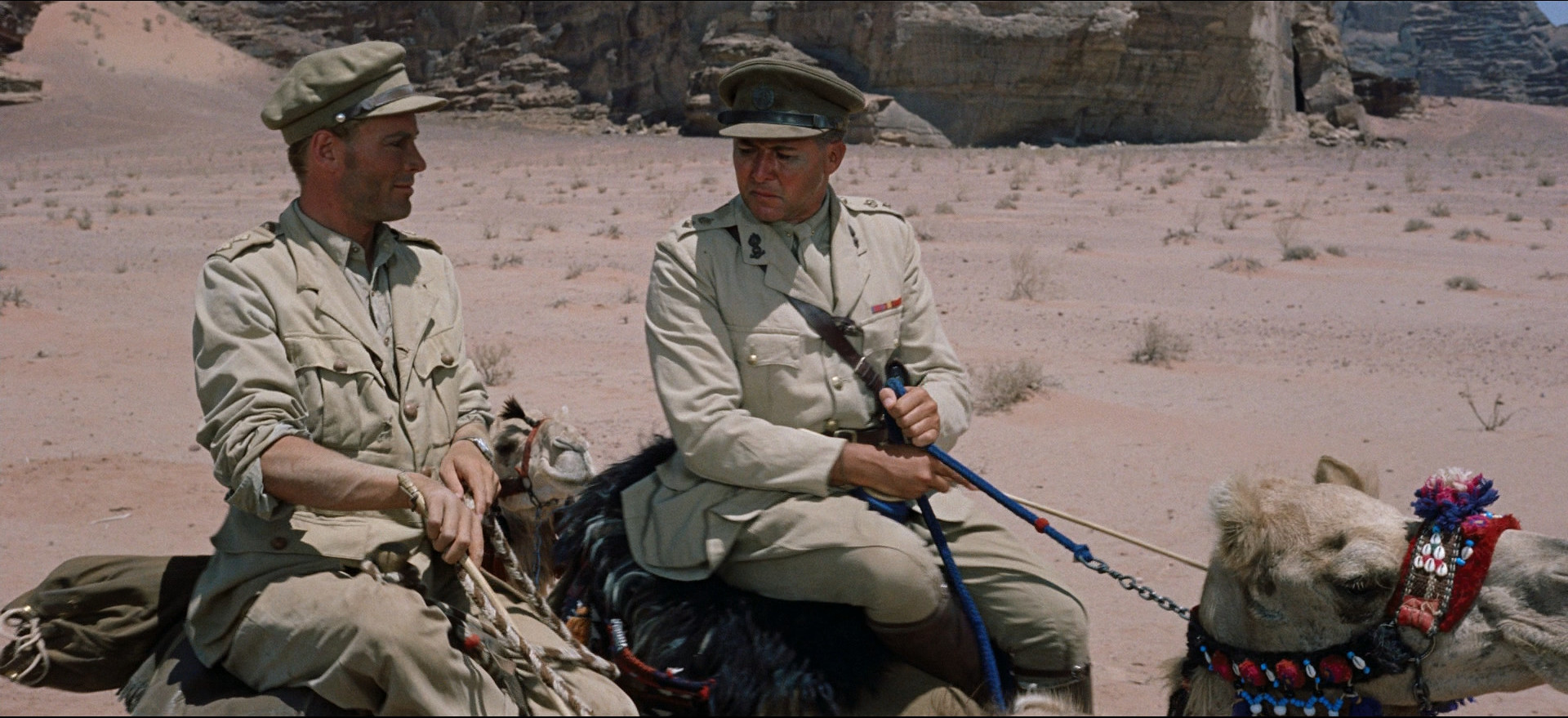
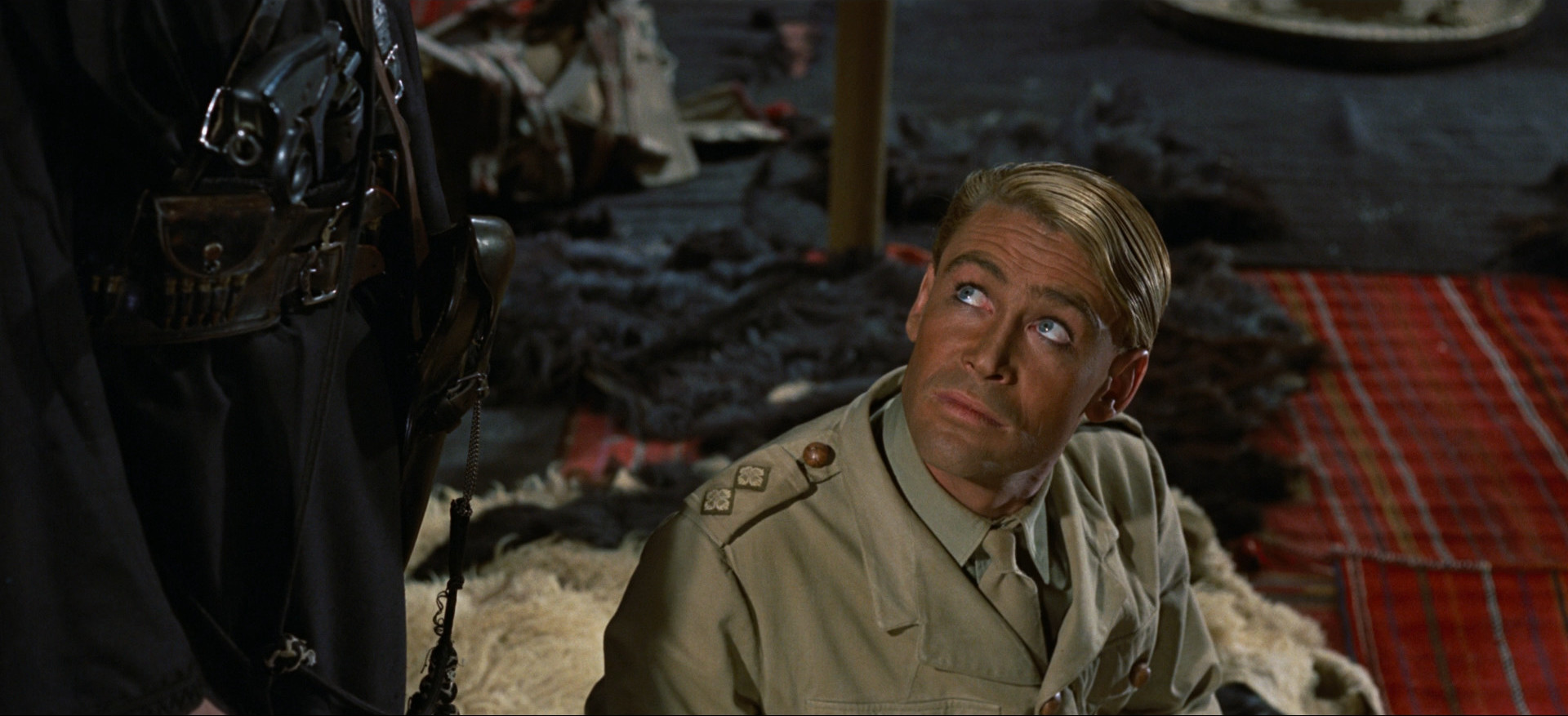
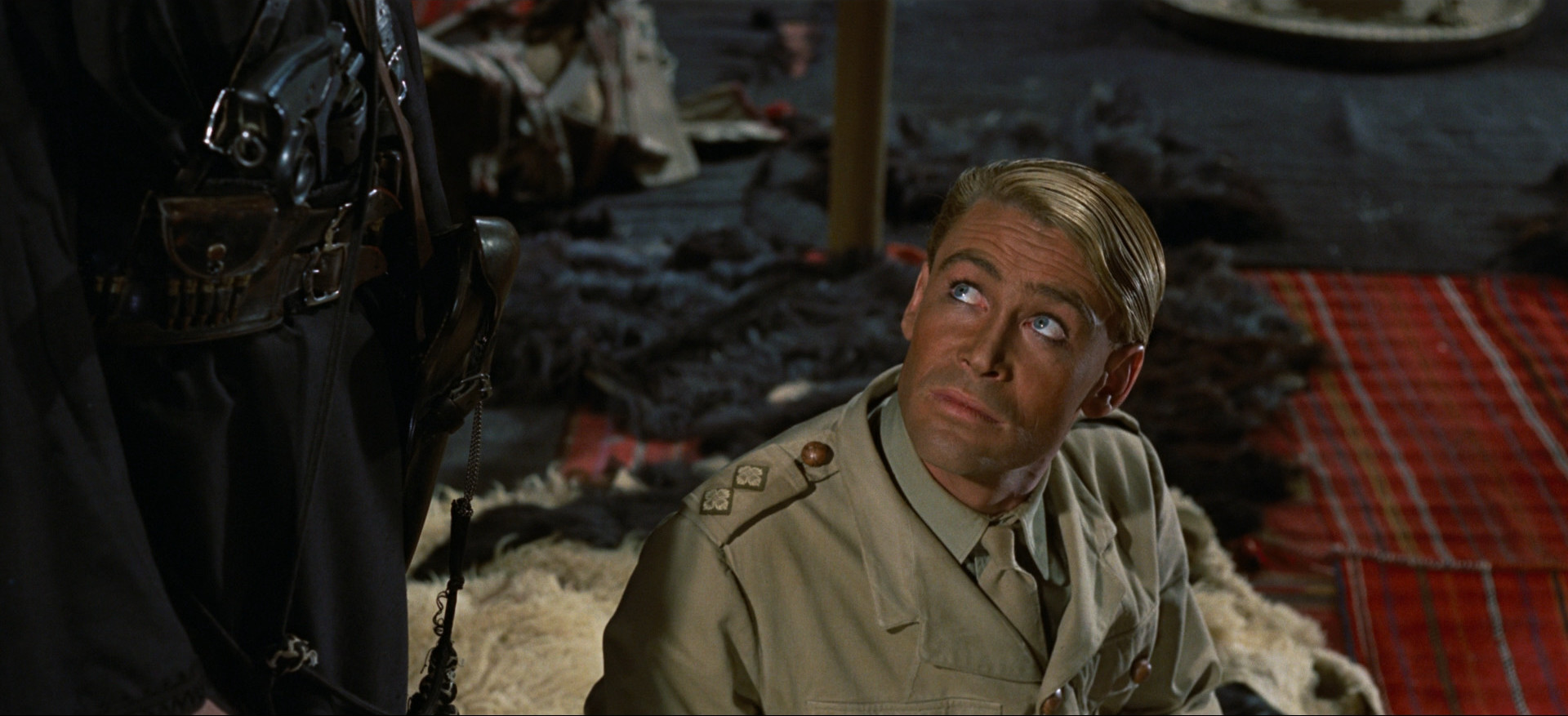
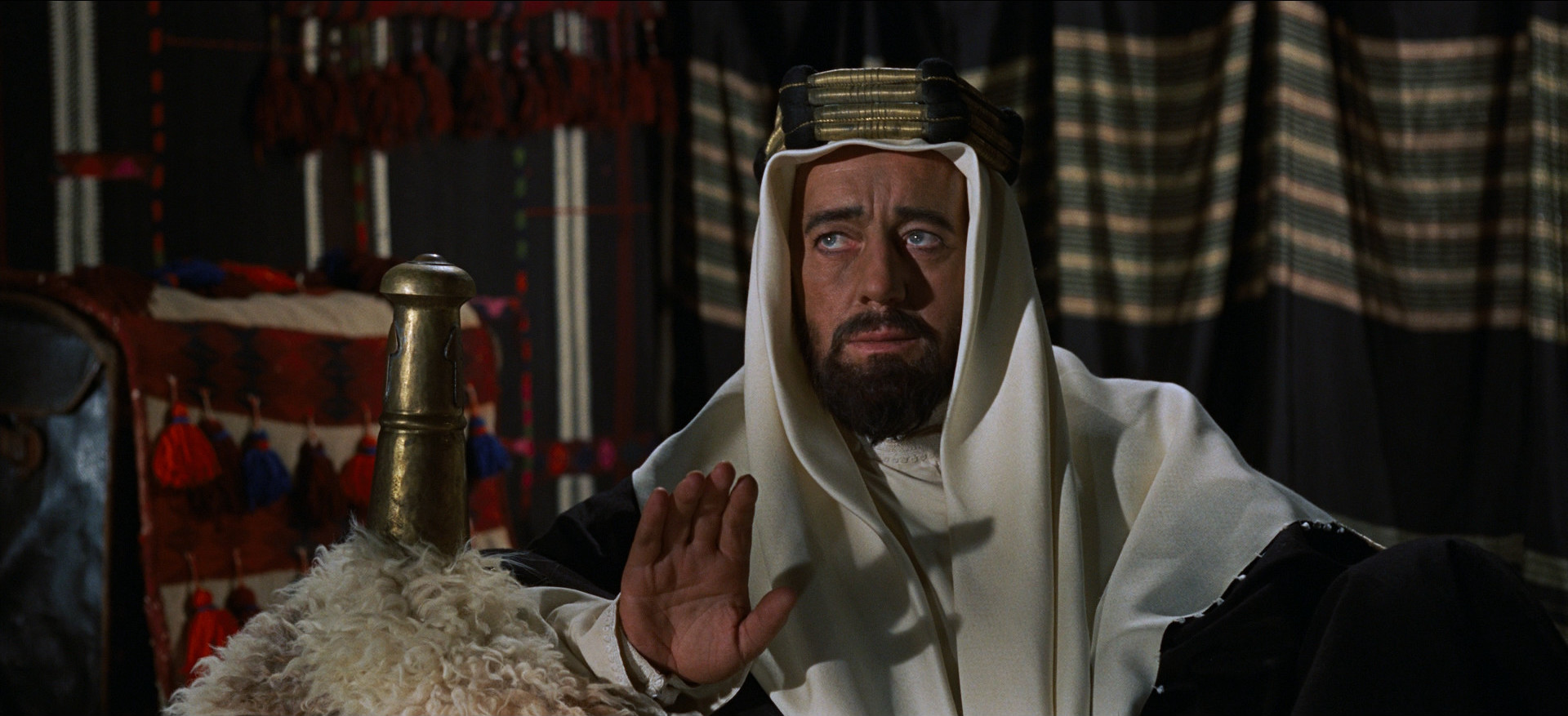
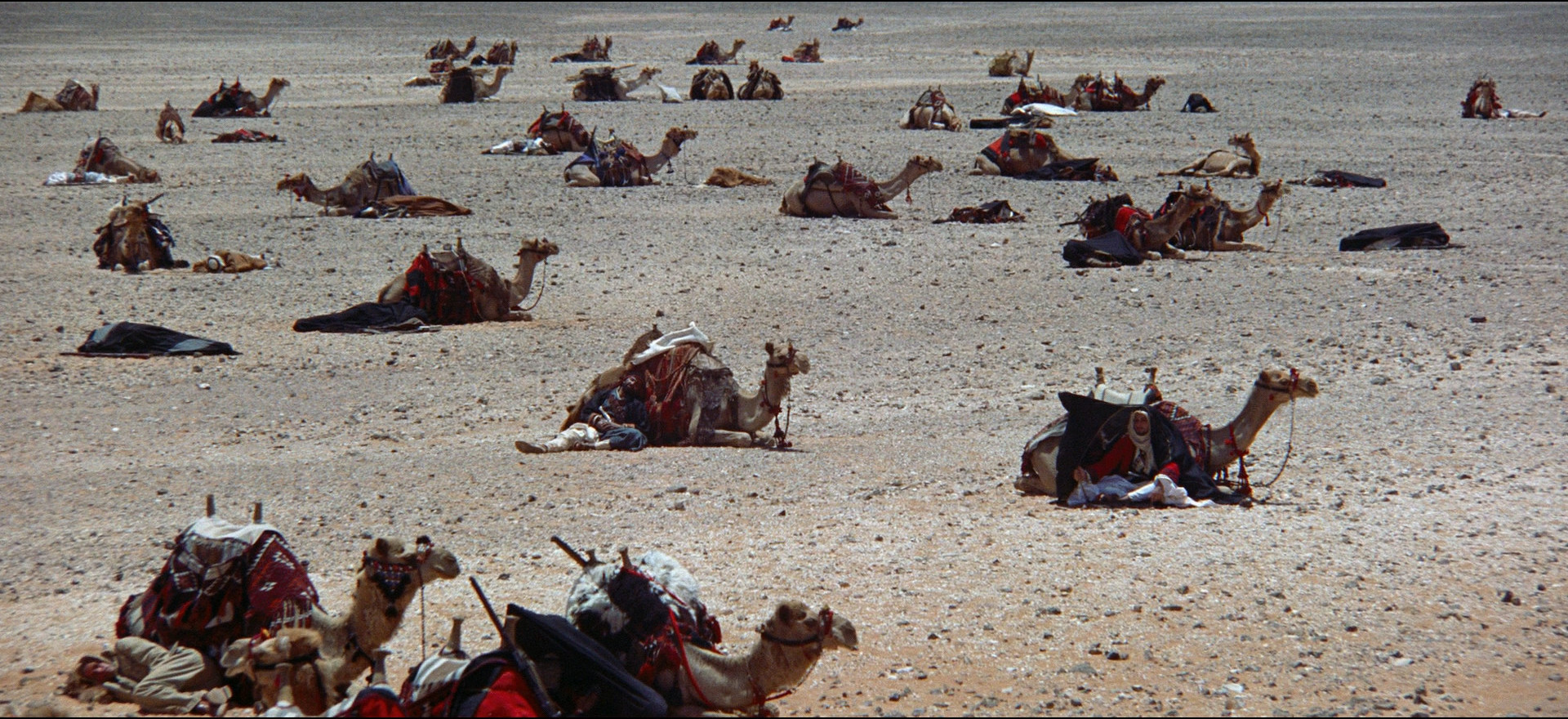


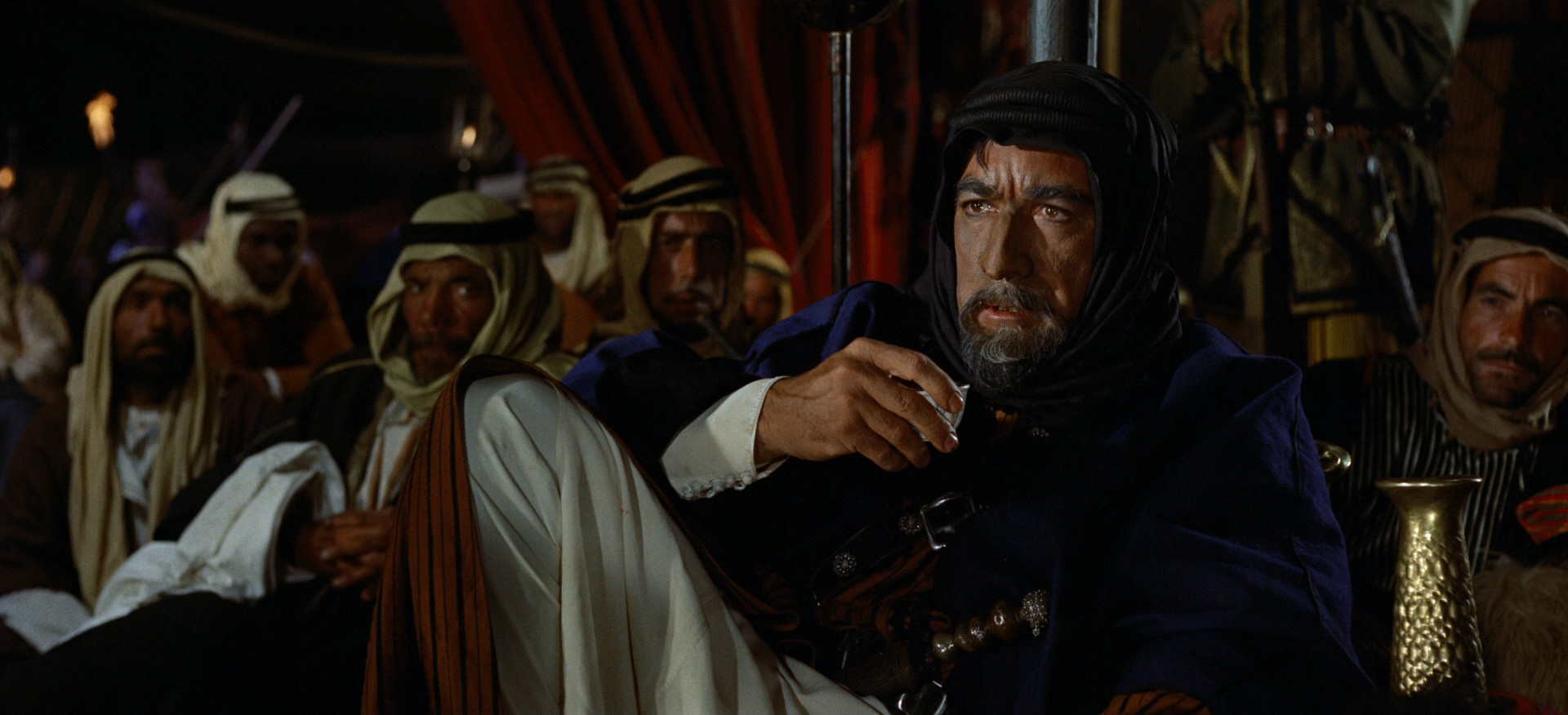
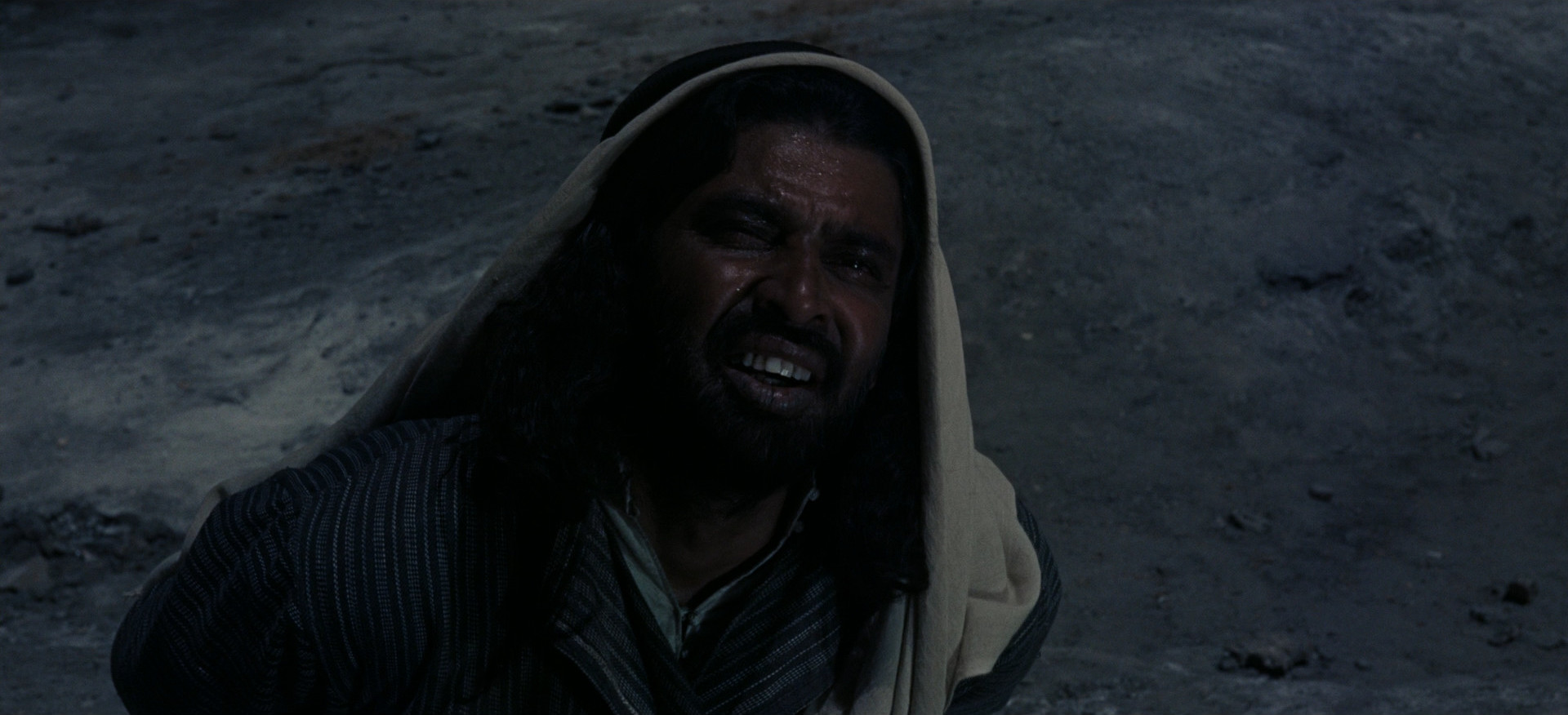
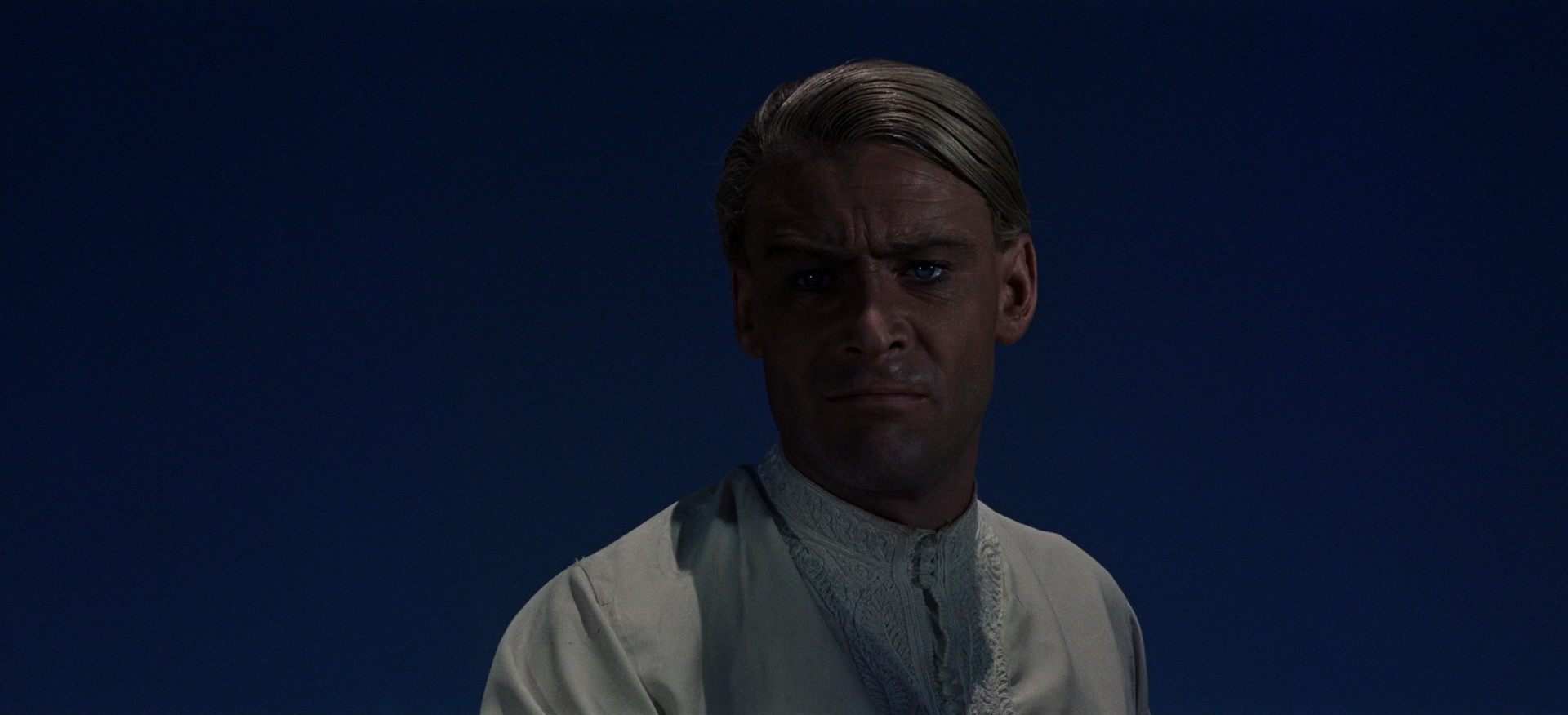
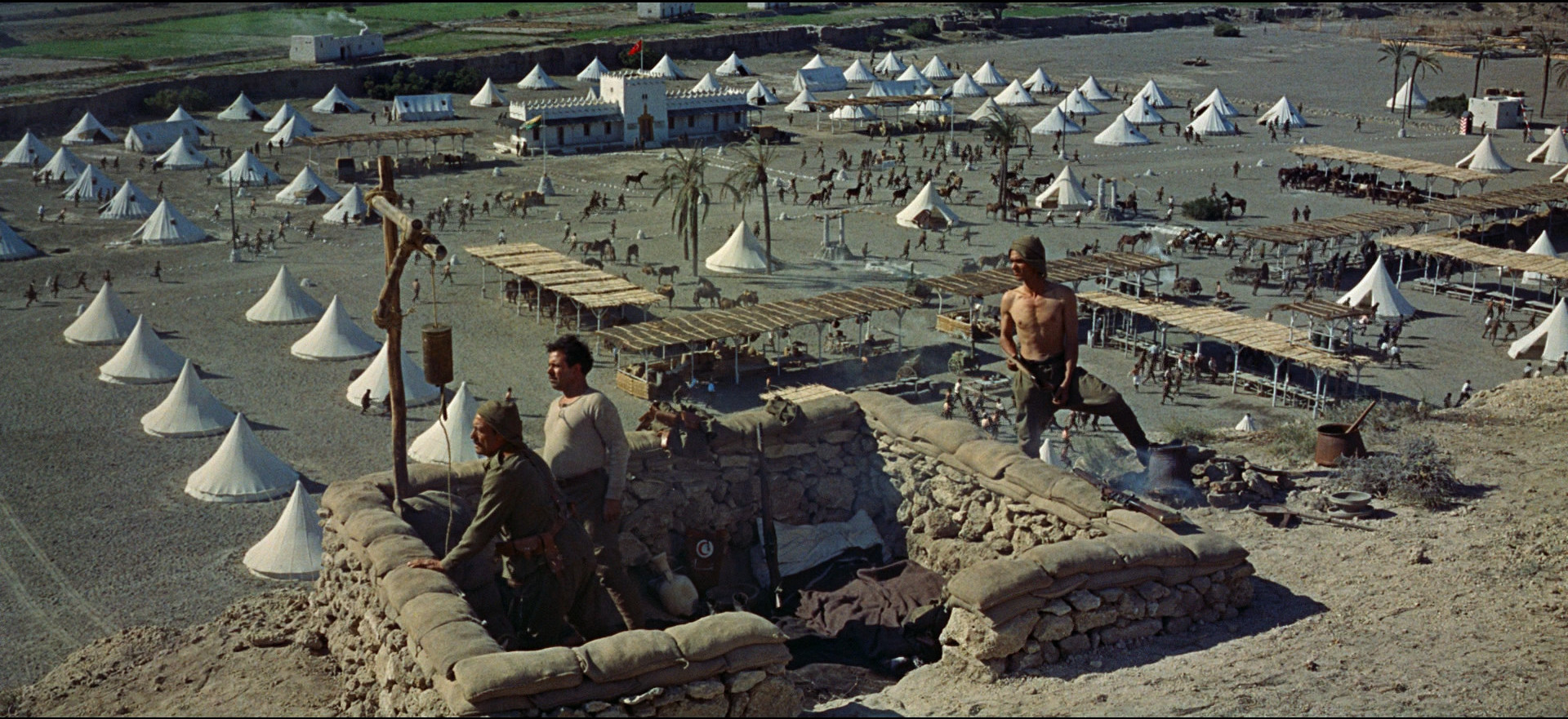
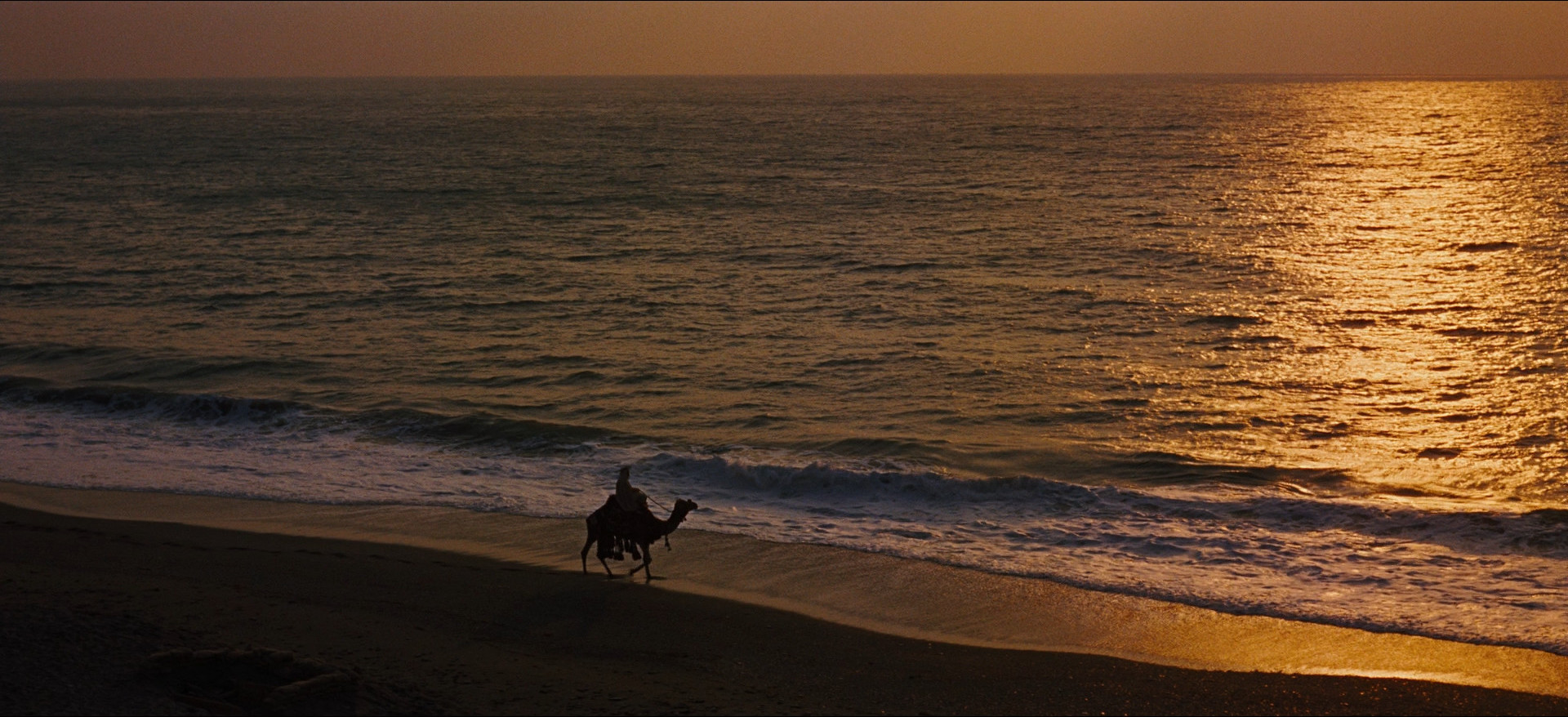

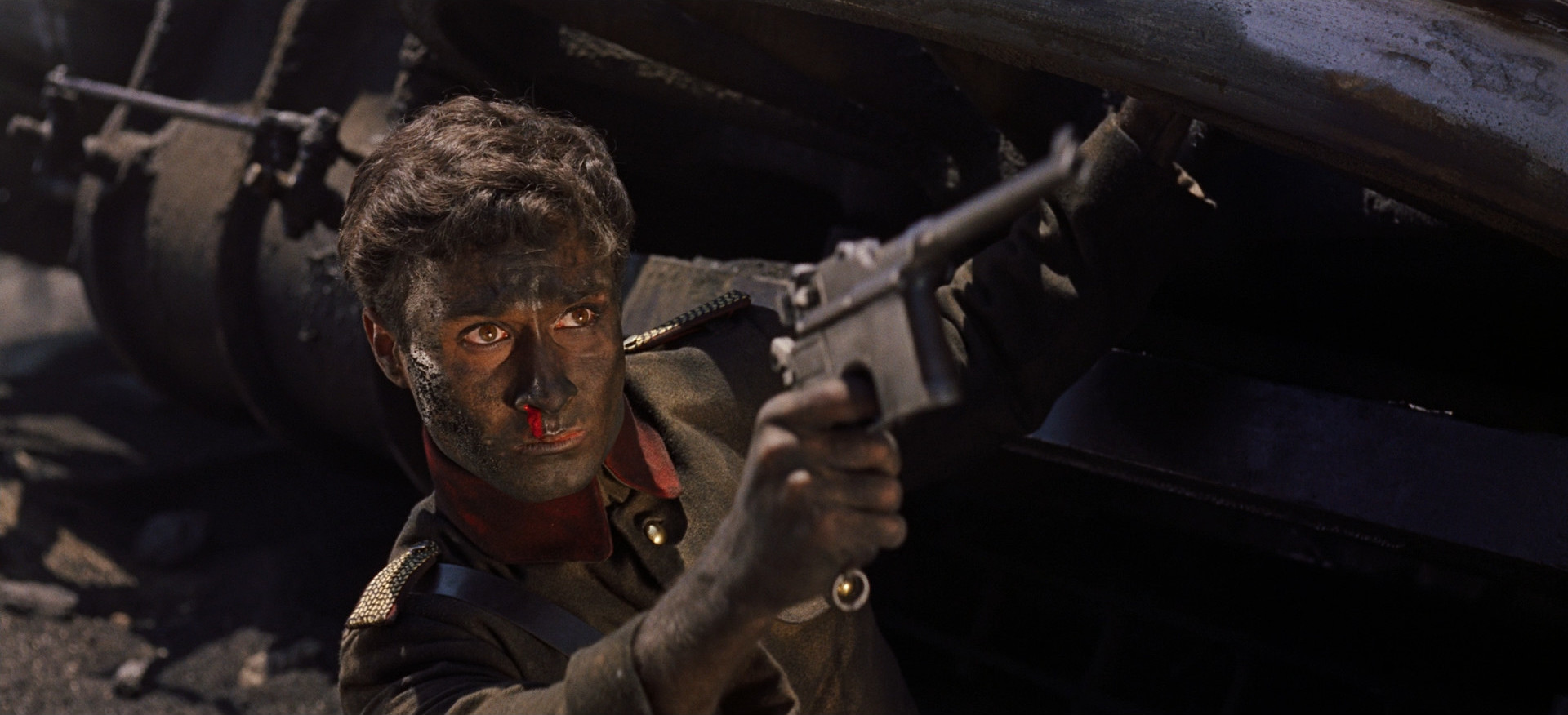
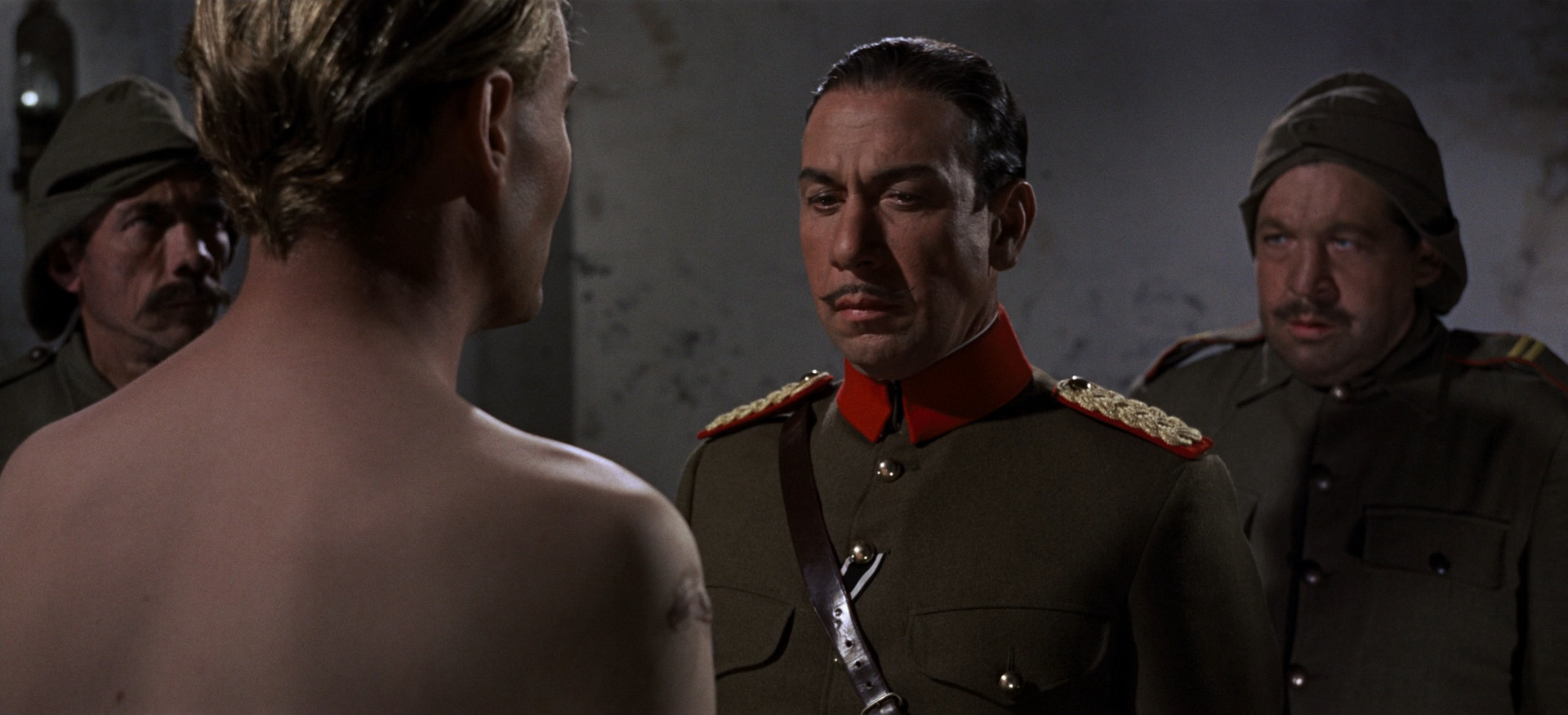
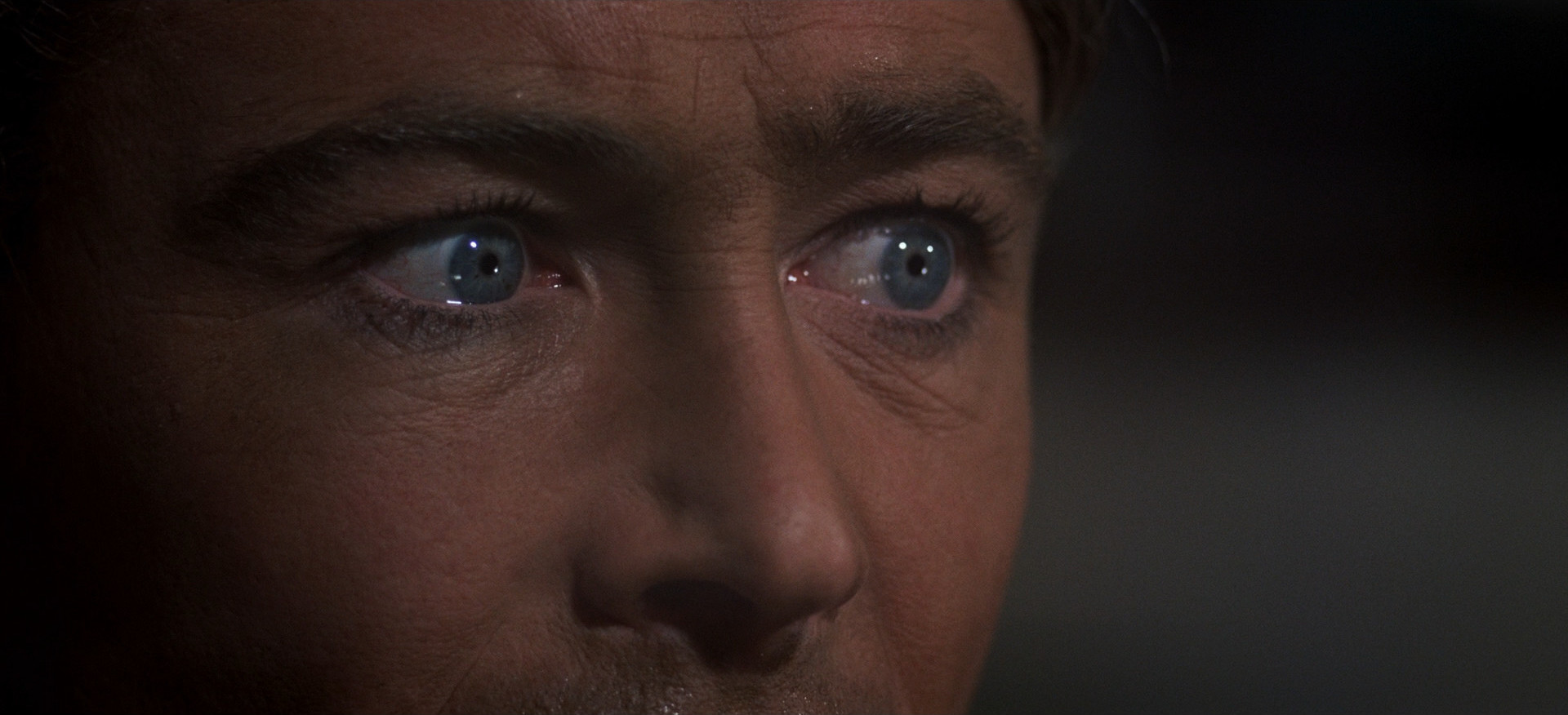
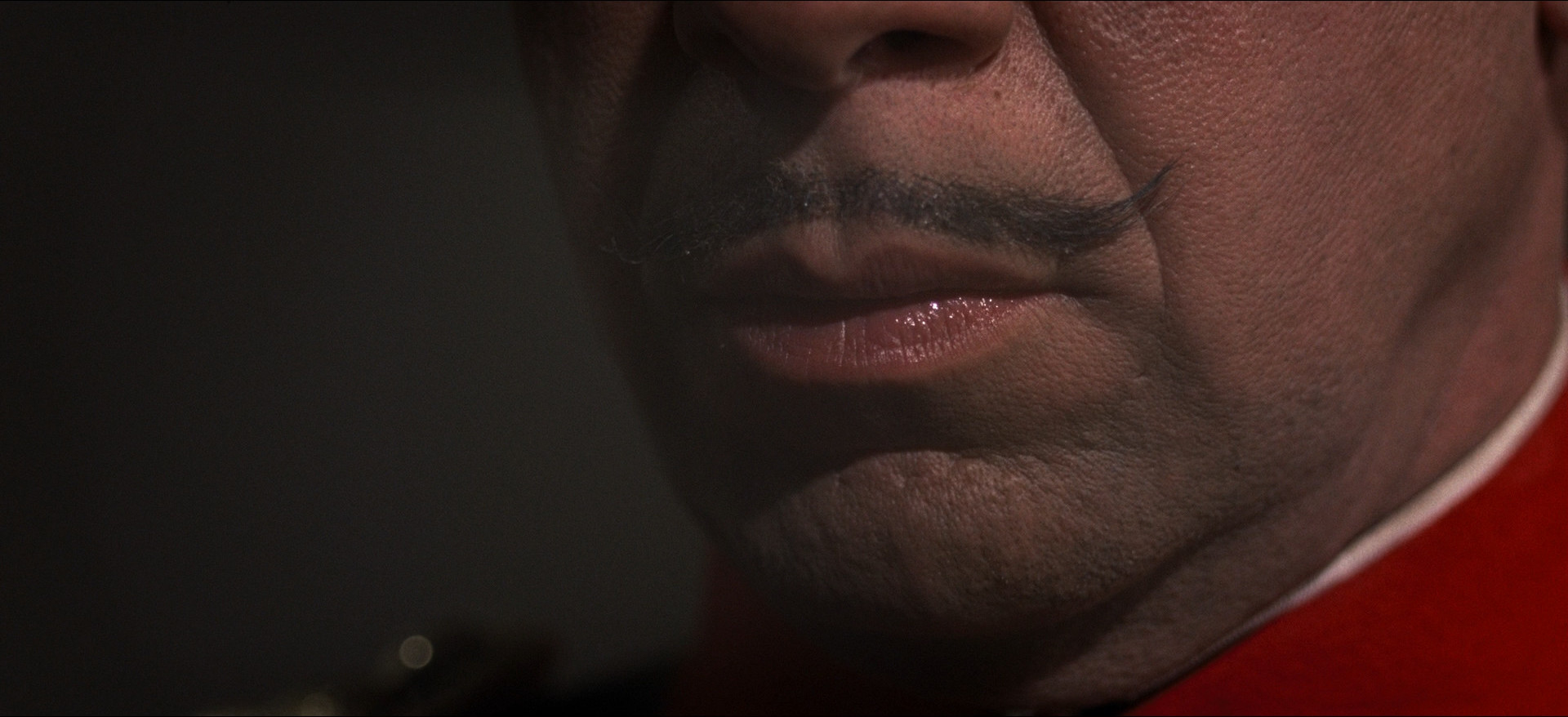
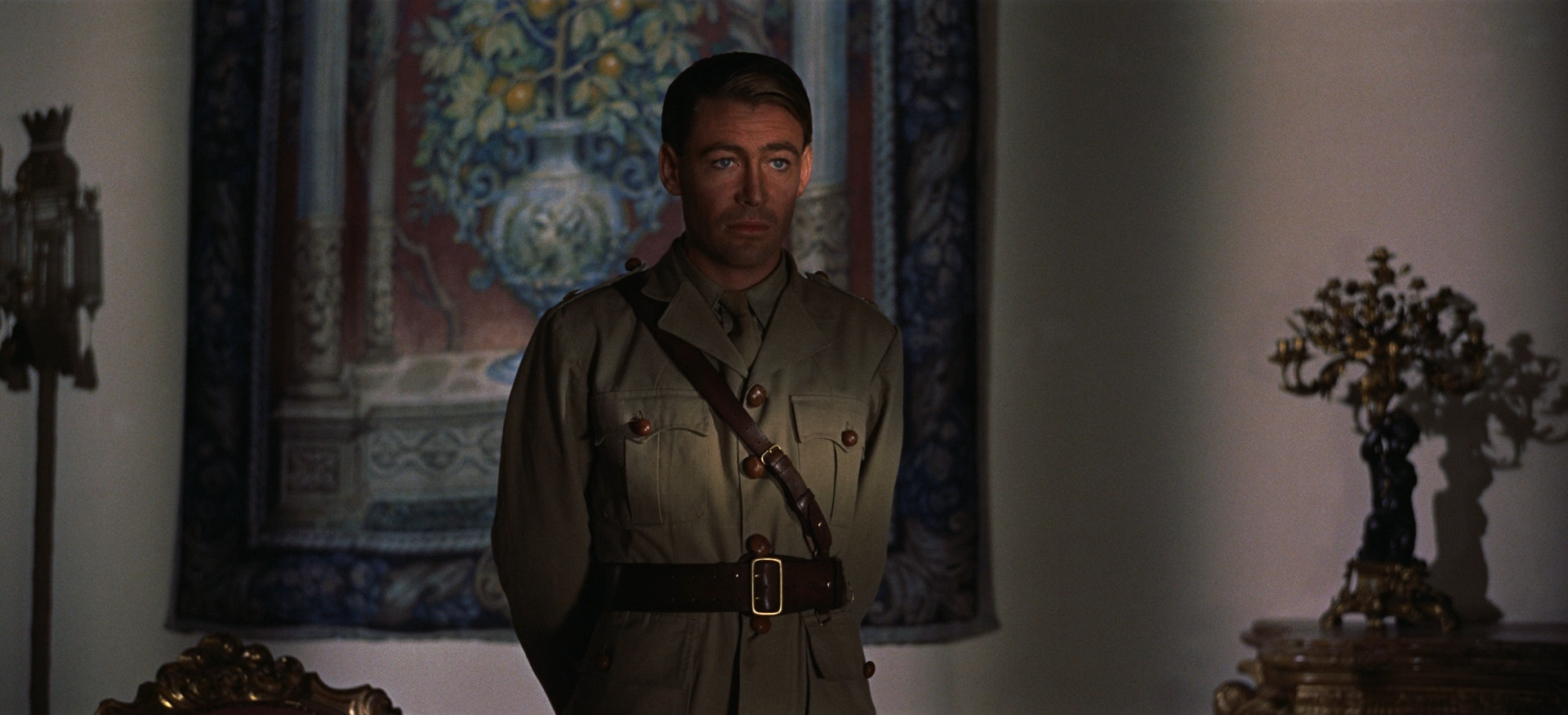
Lawrence of Arabia. David Lean. 1962. ⚁
This isn’t a movie I’ve looked forwards to watching. I think I’ve seen it… a couple of times? Back in the 80s? I seem to remember it being one of those double VHS box things?
And all I remember about the movie is that it’s one portentous desert scene after another. I mean, I love deserts and stuff, but it was all so… British. One shot of a sweaty, badly bleached Peter O’Toole after another.
I mean, that’s what I remember! It’s been *counts on fingers* over thirty years.
Perhaps I misremember! Let’s find out.
[some time passes]
Oh deer.
Everybody’s acting as if they’re in a panto. I’ve never seen anything more British in my life. I mean, I like that in general, but here it’s really rubbing me the wrong way. It’s like… It’s like it’s Extruded Quality Film. It’s really well shot in that … professional way where everything is nicely balanced and everybody’s the right position for maximum bathos and… here comes the desert scenes; exquisitely filmed.
Yeah, this is just what I remembered from when I was a teenager, and it’s still annoying: The cloying, swelling music and the pointlessly beautiful desert scenes.
But what does people think of this movie?
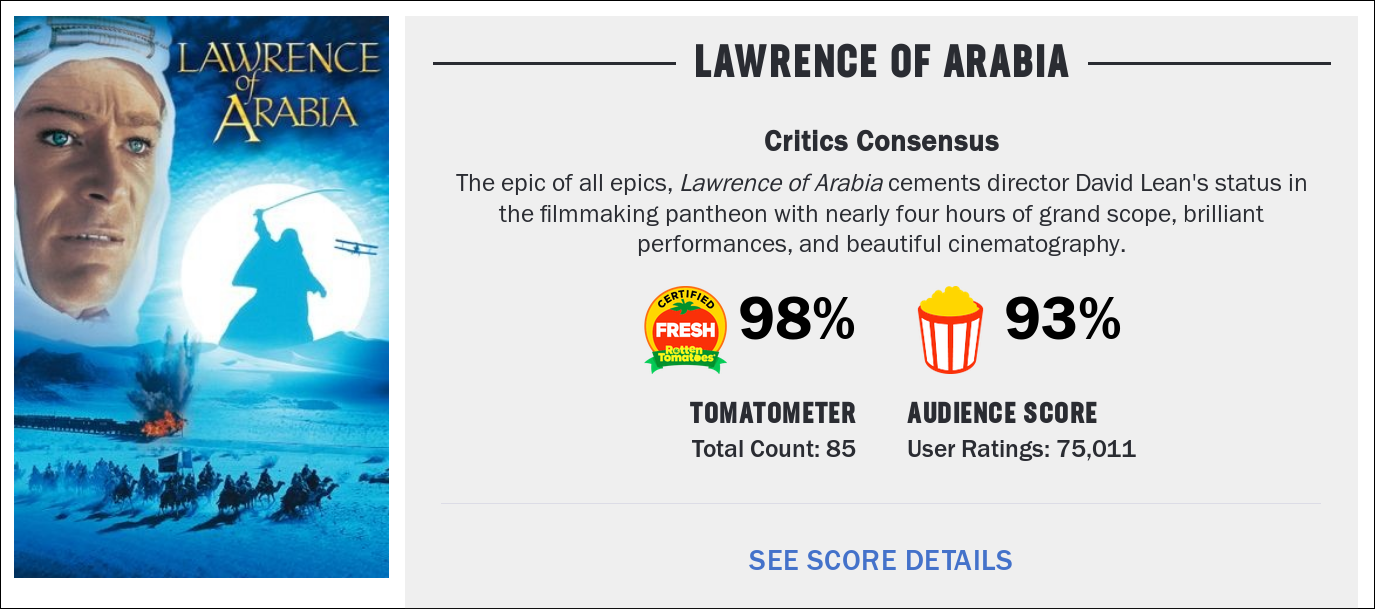
Well, that’s what I expected. Kinda interesting: There’s only two negative reviews, and they’re both from when the movie was released. One from the New York Times, and one from Sight & Sound magazine. Now I wonder what Cahiers de Cinema had to say about it, but my Google-foo fails me.

OK, I’ve only got it on 2K.
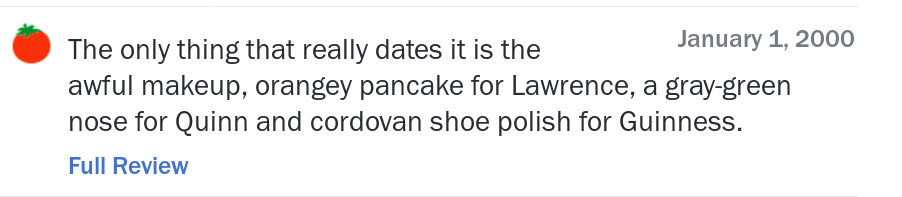
… the only thing?
These people are mad. There’s nothing, not one iota of this movie, that doesn’t place it in 1962 (late autumn, around 3pm). That’s not a negative thing? Previous times have existed, you know.
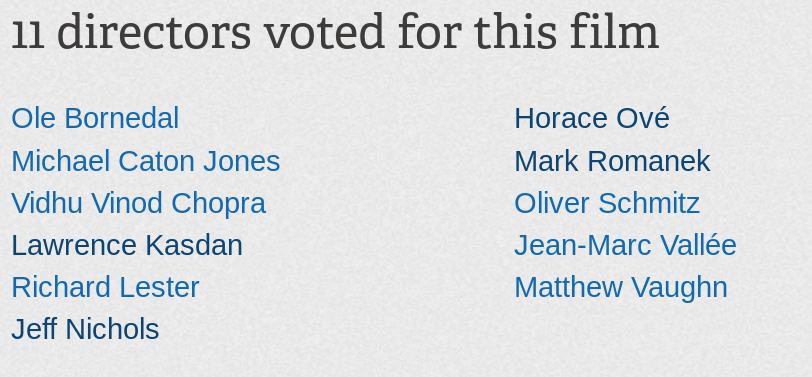
As you may surmise from this number of screenshots: This movie bores me. And I’ve watched Noli me tangere; boring me is some kind of achievement. So I’ve been ruminating: Just what is it about this movie that bores me so? I wonder whether it’s how basically all the characters are ciphers… even Lawrence himself. We don’t get a feeling, at all, just what’s motivating him to go to these extreme lengths to help these Arabs. Beyond him liking these gorgeously shot deserts, and them happening to live there.
I mean… what are their view on transsexual rights? Are they for or against Warren? What does Faisal think of Zoom’s inclusion of the Facebook SDK?
What I’m saying is: Is Lawrence aiding the literal IS here? There’s no room here (in all the hours the movie keeps on keeping on) to even try to hand-wave at us why we should be on Lawrence’s side (which the movie obviously seems to want us to be). It’s sort of… because the British are racist scum, then Lawrence is the hero?
I don’t quite get it.
And:

Anyway.
Hm… is there a single woman in this movie?
This blog post is part of the Officially The Best series.
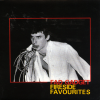
Music I’ve bought in March.

After a very slow February, I pulled myself together and got buyin’. And not just new old music:
But mostly. And, hey, a new single from Team Dresch!
) |  |  |  |  |
 |  |  |  |  |
 |  | ) |  |  |
) |  |  | +The+Road+(7)%3A+Absent+Lovers+1) |  |
) | ) | ) |  | %3A+The+Singles+1979-1987) |
 | ) | ) | %3A+Live+at+the+BBC) |  |
) | ) | ) |  |  |