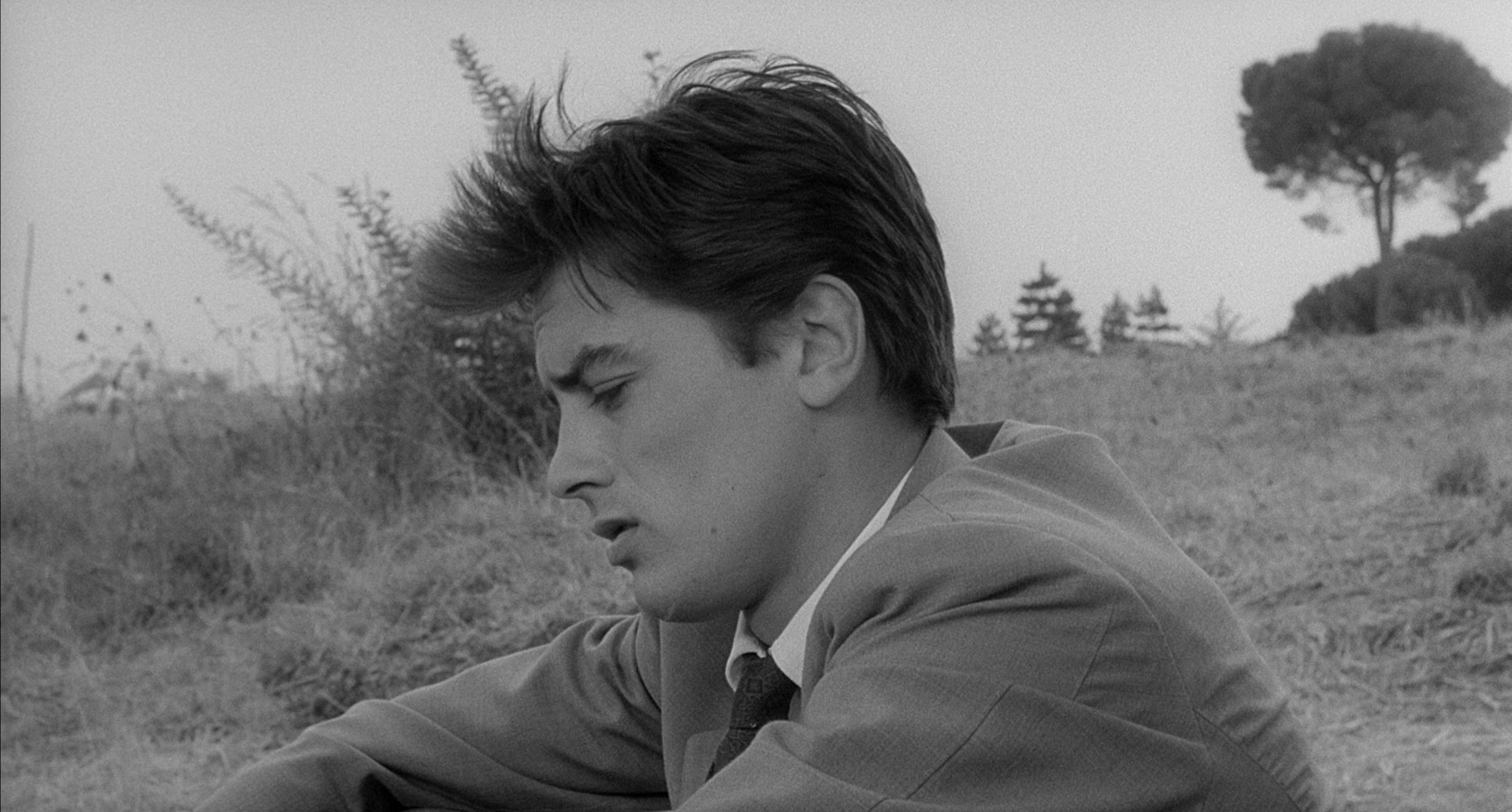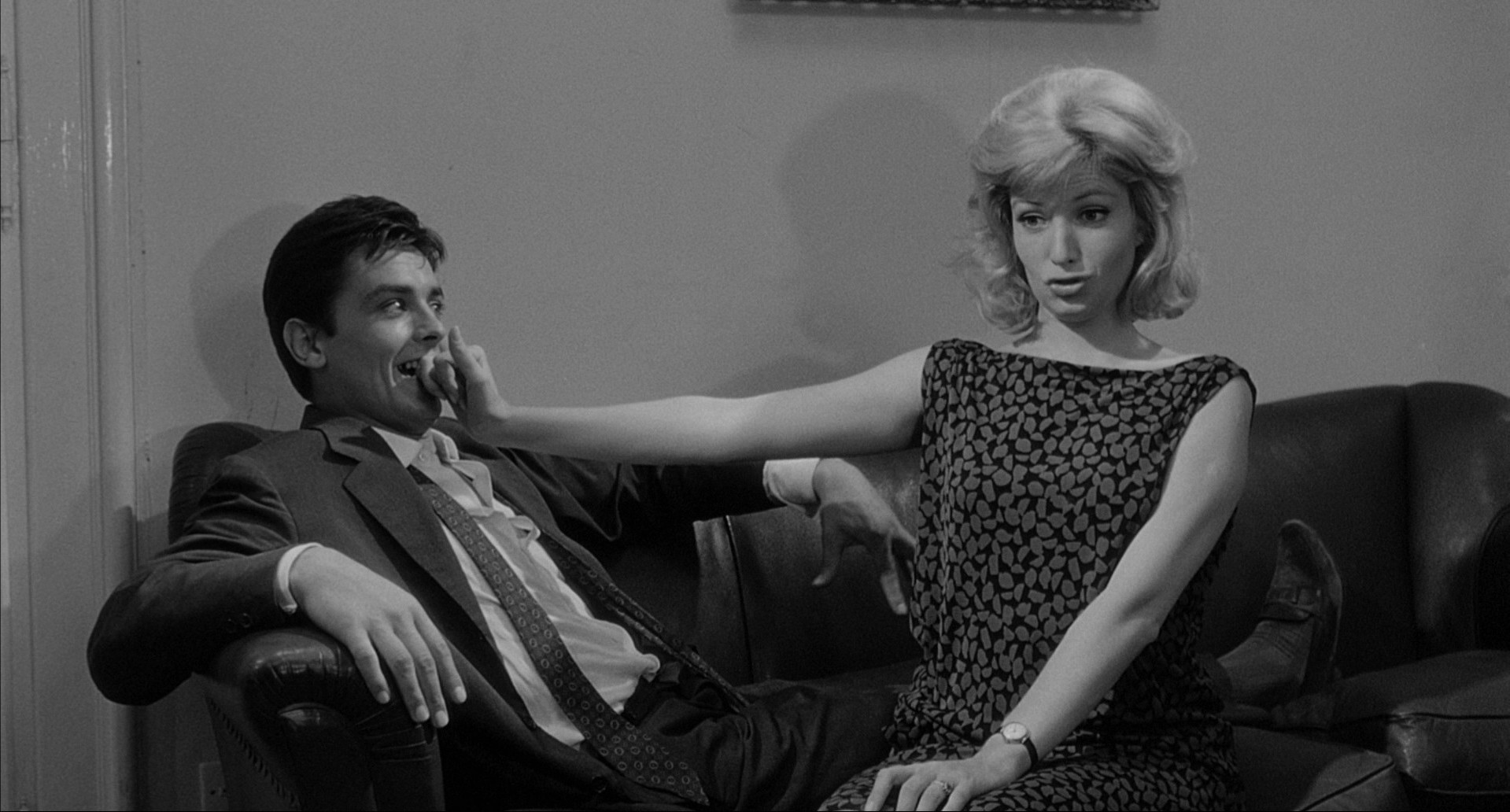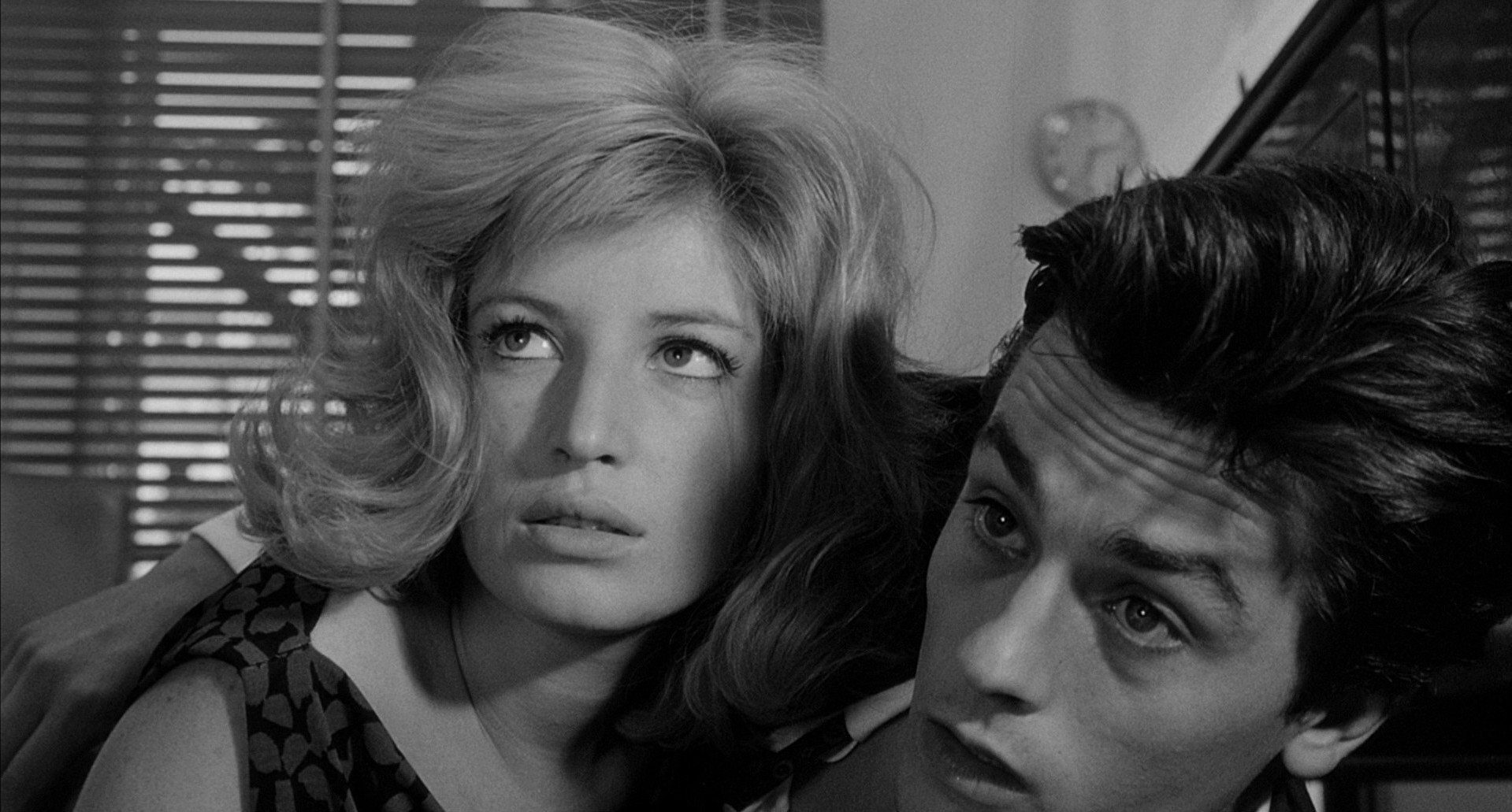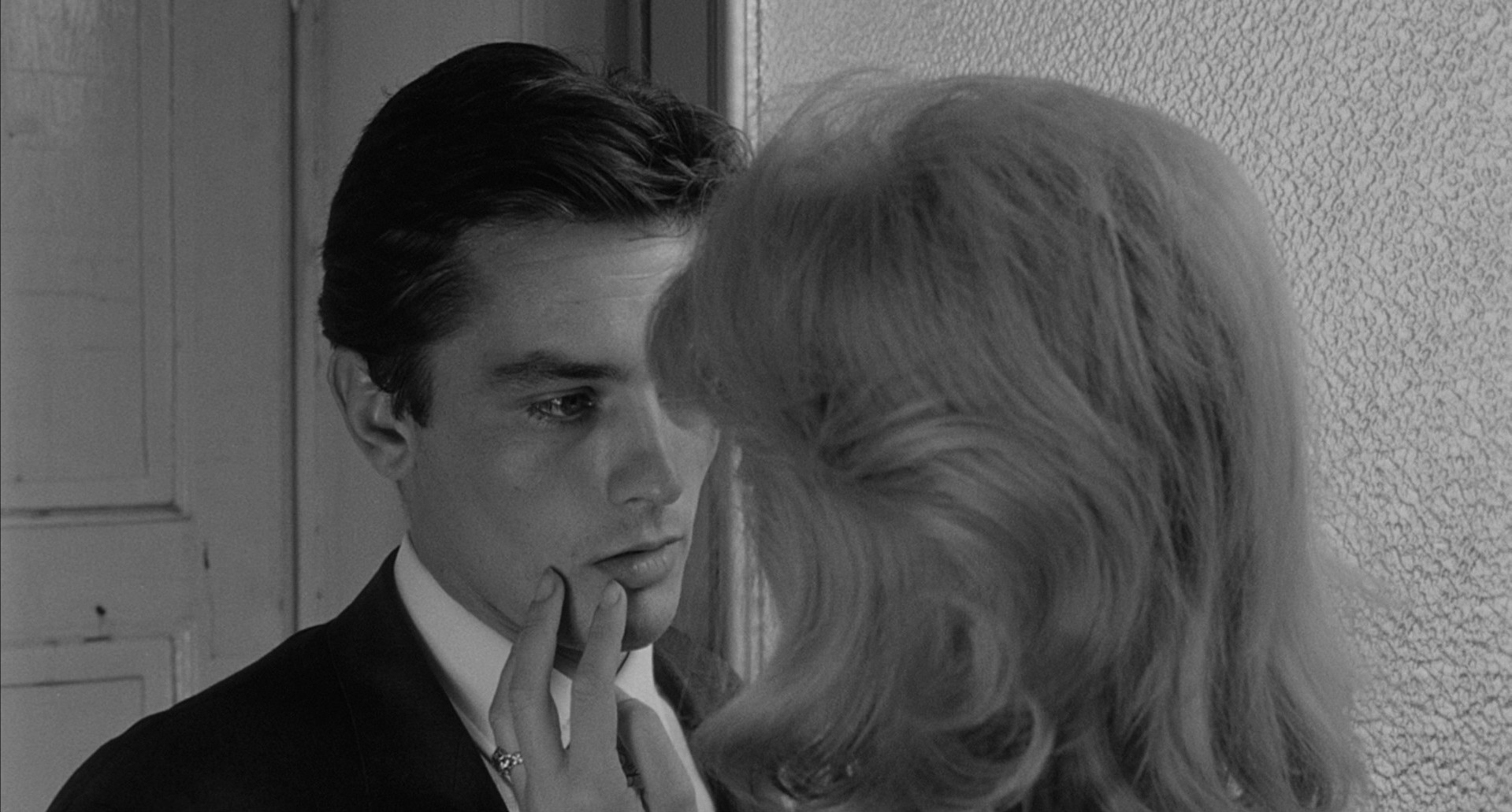

OTB#75: M

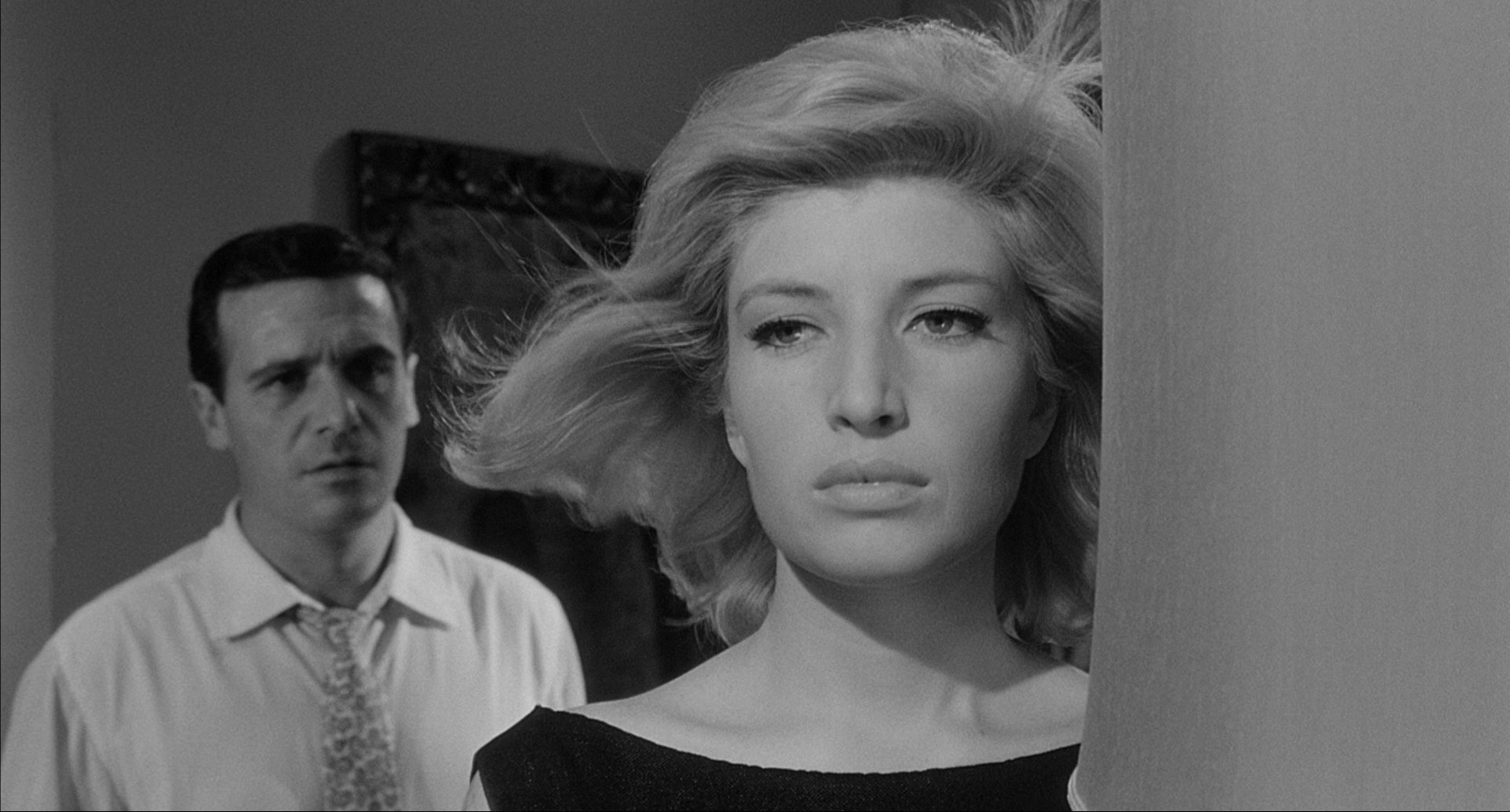
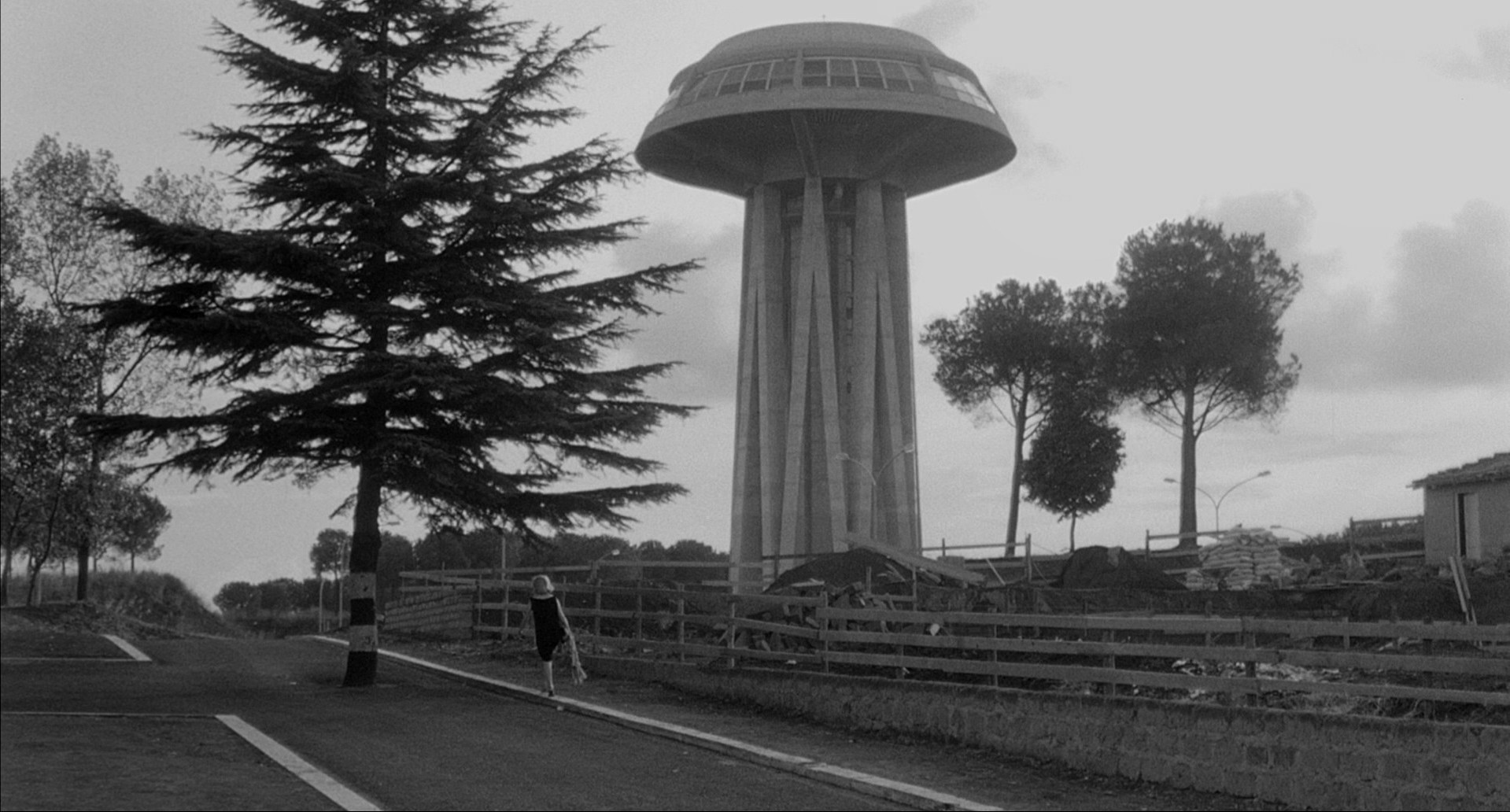
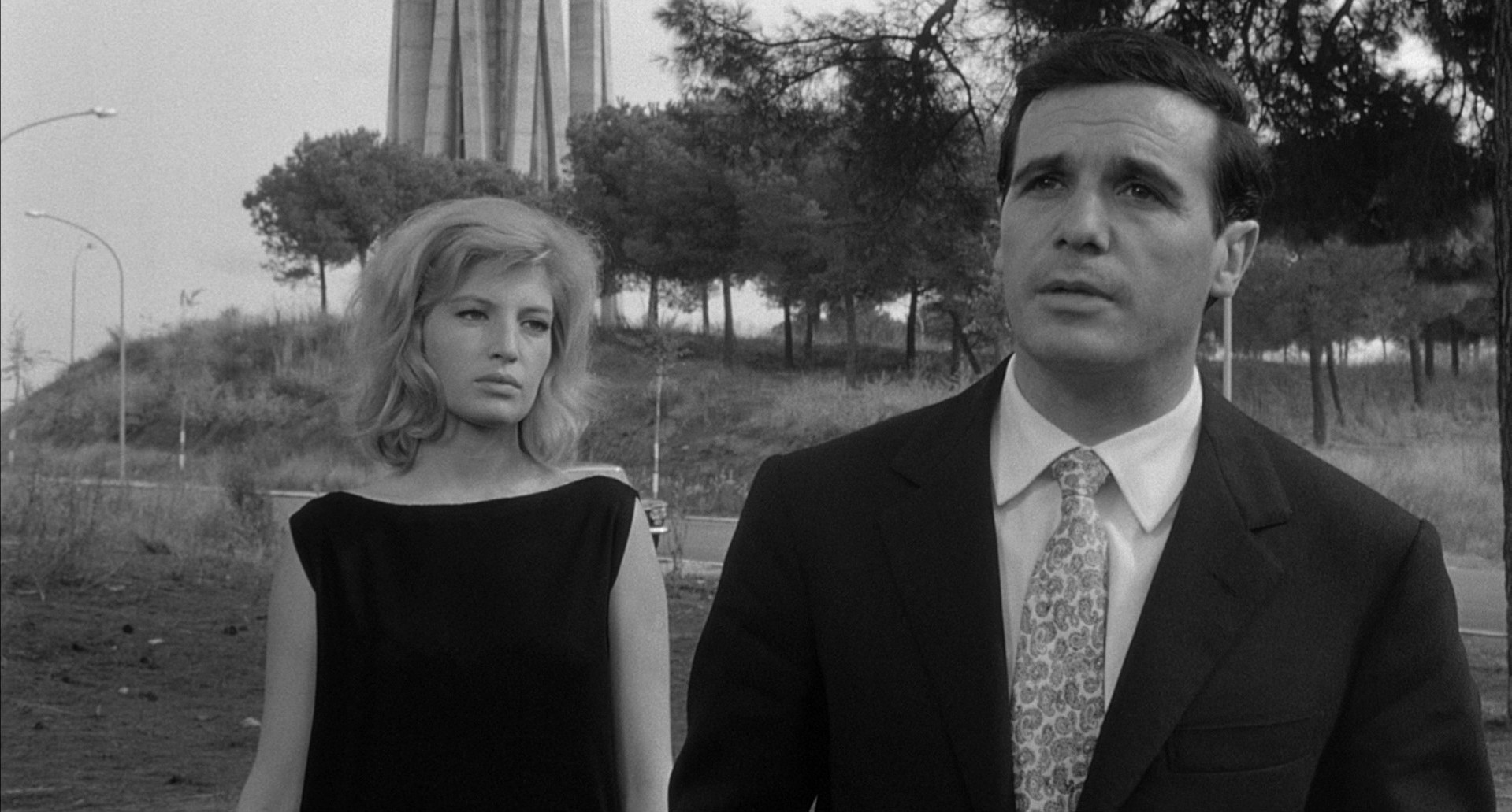
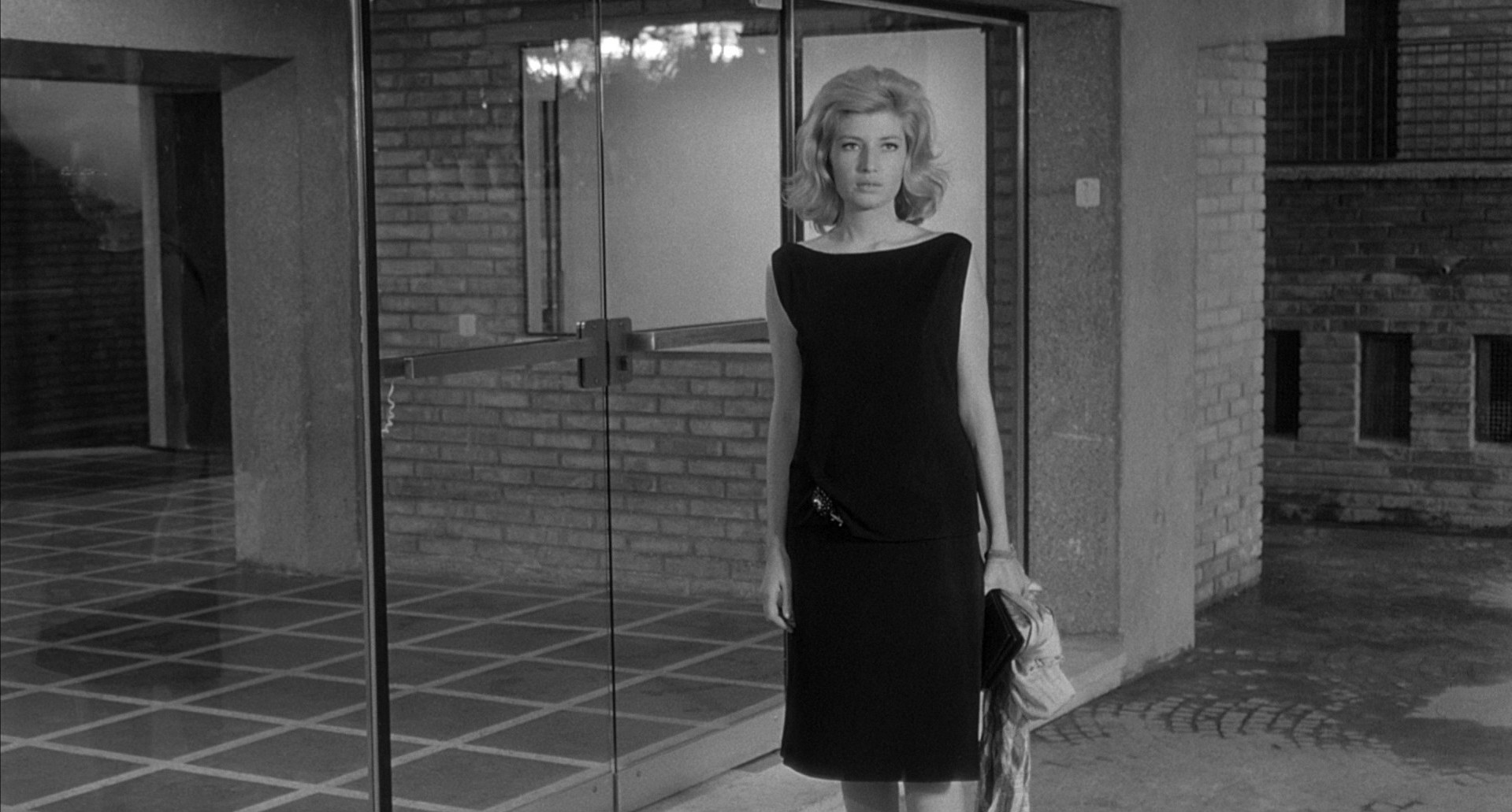
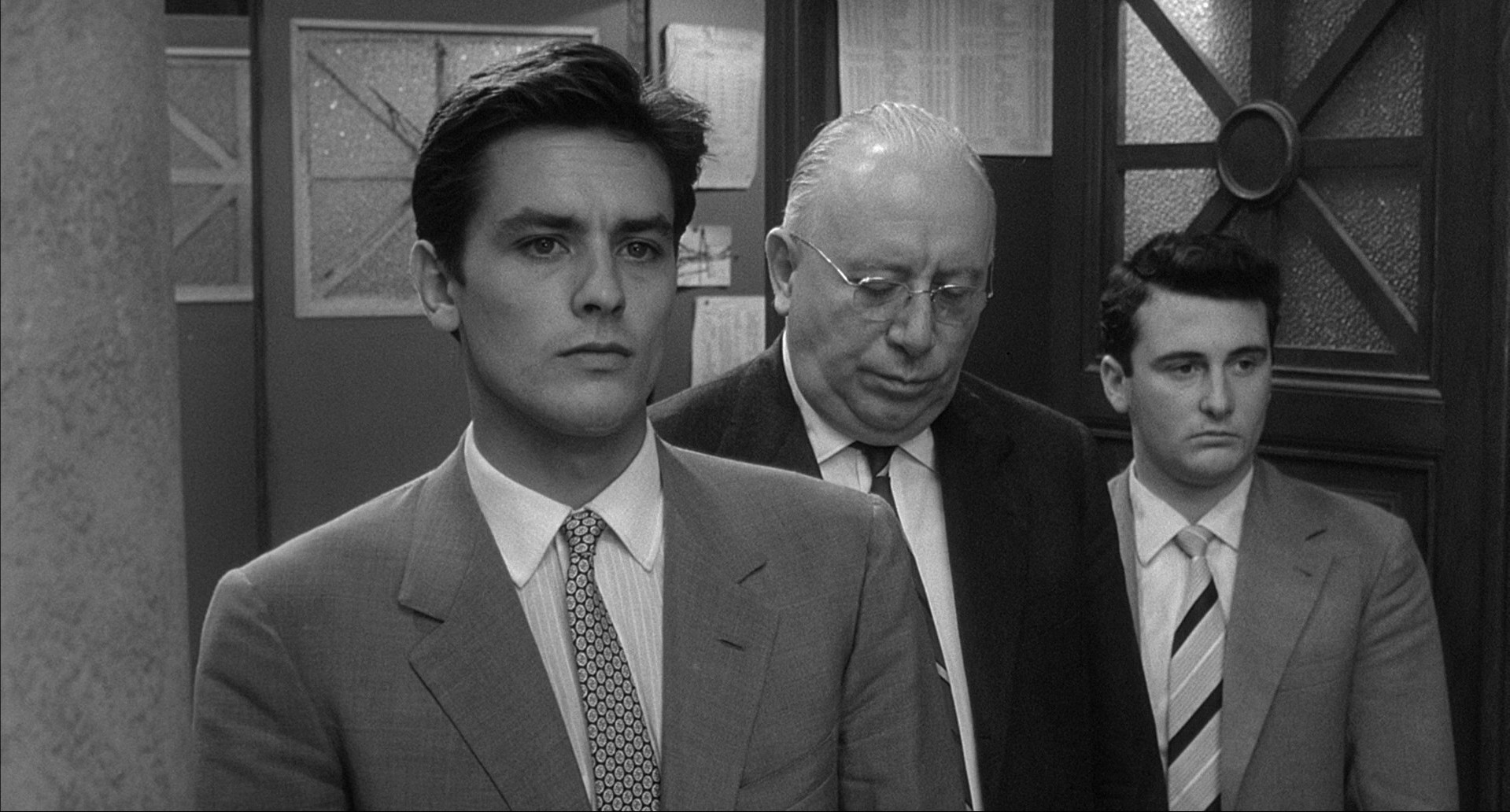
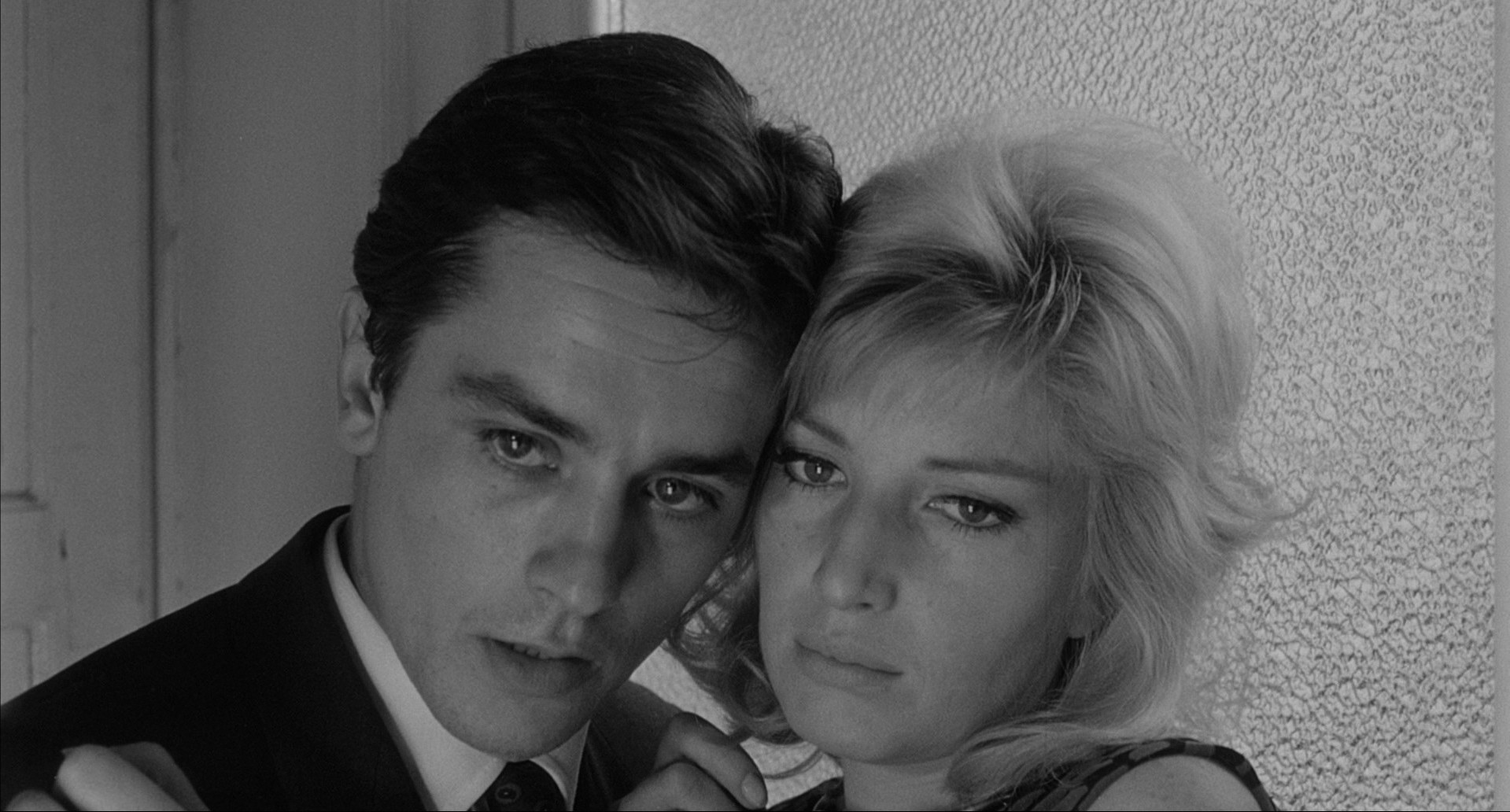
M. Fritz Lang. 1931. ⚃

Oh! It’s German? I really thought I’d seen this before and that it was an American movie? Perhaps I was thinking of the 1951 Losey movie… but… I do remember Peter Lorre being in it?

I’m all kinds of confused.

Anyway, this is a very narrow movie. I mean, format wise. This 2K restoration is 1.19:1… and the interwebs says that it’s 1.2:1, so perhaps they’ve shaved off some pixels to stabilise the movie horizontally? In any case, 1.2:1 is pretty narrow, too — most movies around this era were 1.3:1, weren’t they? (That is, 4:3.)

[time passes]

The opening scene is really horrifyingly strong, but then there’s a lot of scenes that follow that seem… kinda… sloppy? Hm…

Right:

A Variety review said that the film was “a little too long. Without spoiling the effect—even bettering it—cutting could be done. There are a few repetitions and a few slow scenes.”

It was originally 117 minutes long, but then cut down to various lengths, and the 98 minute version was the one that was commercially available, and I guess that’s the version that’s landed it on this Officially The Best list. I’m watching the restored, 110 minute version, though, so perhaps that explains the flabbiness.

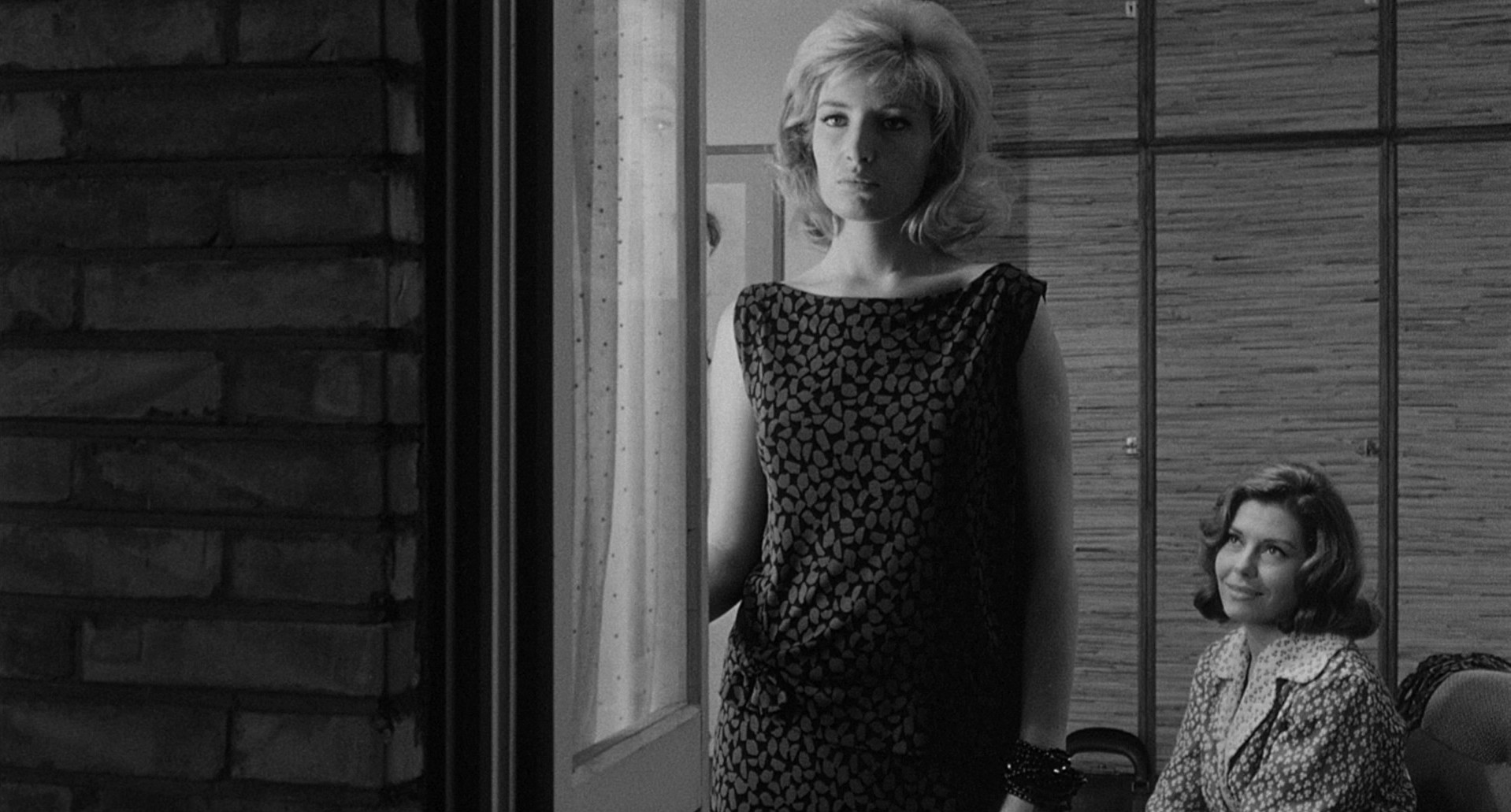
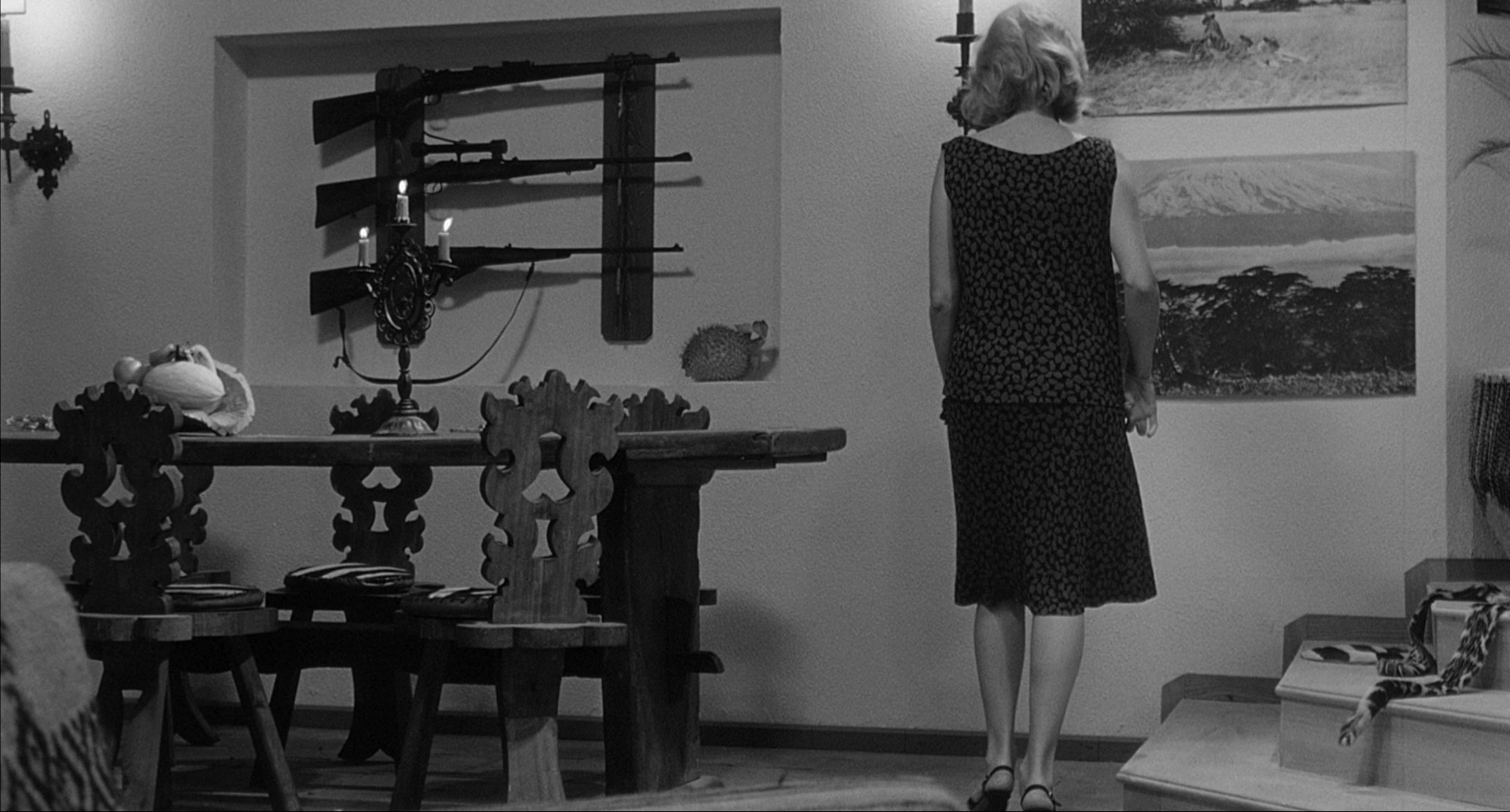
Every scene looks great, though, and especially in this restoration. The framing and the busy sets are wonderful.

It’s funnier than I’d expected: The smoke-filled rooms where serious men are discussing things slowly get ever more smoke-filled until it’s all a fog.

Lang may be a genius, but I think the pacing here is way off.

Can’t fault Peter Lorre.

Today’s leftover liqueur coctail is Old Friend, where, once again, I’m trying to make a dent in the St. Germain. But this recipe only calls for .7cl of it, so it’ll take… a bunch of these to make a dent in it.

It’s OK. It mostly tastes like Aperol.

This blog post is part of the Officially The Best series.

BC&B: Poulet Basquaise w/ Céleri Rémoulade

Food time.

The next starter in the Bistro Cooking book is another rémoulade. And… it does look like a nice slaw, doesn’t it? Celery root and Dijon mustard. But… that’s like the entire dish? Just a slaw as a dish? That’s… kinda… Perhaps this is the the best slaw ever.

Anyway, it’s just those ingredients.

First mix the non-celery ingredients together…

Then I grated the celery root in the FUD professor.

And then just mix them together.

Yes, that’s all.

Well, it’s… a celery root slaw with a Dijon kinda thing going on. It’s very nice. But… as a dish by itself?

I still don’t get it. I added some bread and ate a whole bunch. It’s nice, so I had to find something to read while munching.

Today’s book is by Agatha Christie. A gasp is heard. “Agatha Christie? Surely you’ve read them before?” Yes, but not this one, because it’s a Mary Westmacott book: Christie wrote a handful of books under that name, and I’ve somehow never gotten around to it.

I think they’re… romances? But that’s all I know. Well, I don’t even know that. Let’s read the first three pages together:

Oh, well. Hm. Perhaps there are other reasons these books usually aren’t seen these days? It seems to start off in a very anti-Semitic mode, doesn’t it? The railing against modern music seems par for the course, but I didn’t quite recall that Christie was this conservative this early in her life. I mean, this book is from 1930.

Well, we’ll see… perhaps she’s really making fun of the fuddie-duddies and this “dirty foreign Jew” Levinne will turn out to be the romantic hero of the book, even if he has a “yellow” face and “beady and black” eyes and “enormous” ears.

I’m not holding my breath, though.

Well, time to make the mains.

After yet another not particularly good beef dish from the Bistro Cooking last week, I’m turning to the next chicken dish in the book. The chicken dishes have been somewhat hit or miss, but the hits have been pretty tasty.

Now, this one has the proper number of ingredients. It’s more fun when there’s more to chop.

Patricia Wells is usually very light on the spices. She’ll do salt and pepper, and if very adventurous, add some thyme. But this is a Basque(ish) dish, so it has peppers. She specifies four mild or two not-so-mild peppers, so I did three mild and three not-so-mild peppers.

You can see from the directions in the book that it’s really from another era: She suggests using rubber gloves while cutting the chillies. I didn’t. Hah! And I remembered not to poke myself in the eye with a finger while cutting.

Speaking of cutting: After the previous chicken I butchered, I thought I needed something more sturdy, because my kitchen knife just wasn’t well-suited for the task. Too light. So I got this axe! Hah hah!

Poor little chicken.

Chop chop. Cutting up the chicken was so much easier and almost (dare I say it) fun with the axe. It slices the meat like magic and hacking off the joints was so so easy with it. It’s my new favourite kitchen thing.

And then the chicken bits are browned on each side. I did it in several batches.

This dish has a weird amount of paprika: One kilo. I thought I misread the recipe the first time, but nope. I wonder how that’s going to turn out…

Lots of garlic in this thing, too.

And Parma ham! It’s got everything.

So when the chicken was done browning I had chopped everything in sight, and then it all goes into the same pan.

Behold! The paprika!

So while that’s cooking, there a sauce to make, which is very simple. It’s just onions, braised a bit..

And then a bunch of tinned tomatoes. Add some salt and pepper and that’s puttering away for half an hour…

Until very saucy.

Meanwhile, the paprika kinda… got reduced. A lot! There were no fluids added to the chicken pot: All that liquid is just from the paprika. Which is very tender now.

It’s…

Delicious!

There’s so many flavours going on here, with the peppers and the paprika, and it’s the perfect amount of paprika. It’s really quite special; easily the best dish I’ve made from the Bistro Cooking book. Hm. Except that salted cod one; that was also fantastic.

And the recipe claims that the leftovers are even better the next day. I guess I’ll find out.

I was all kinds of wrong about the book. First of all, it’s not a romance. Second of all, I was sarcastically suggesting that Levinne might turn out to be the romantic hero of the book… and… he isn’t, but he’s best friends with the main protagonist, and has been absolutely 100% decent and swell up till now.

So what kind of book is this? Is this Christie’s attempt at “straight” literature? Because if it is, it kinda doesn’t quite work.

With mystery books, there’s a built-in reason to read the book: Find out who the murderer is. With non-prefixed literature, it can be any number of things, but just telling us the life’s story of somebody we have no reason to be interested in… it’s usually not that. It doesn’t really seem like Christie is trying to say anything much about upper-class English people, either. It reads like she’s writing a mystery book, but forgot to put the mystery in.

That’s not to say that it’s an annoying read. Christie has written some awful, awful books, but when she’s on form, the books are fun to read, and so is this. I guess part of the attraction is just figuring out if she’s going anywhere with all this, because the plot itself (as it is) is preposterous: It’s about a guy who envisions music as a 4D space and is going to revolutionise music. So, Schoenberg, basically. I didn’t really peg Christie for a fan of serial music, but… then again, I know nothing about her.

It’s a slightly odd reading experience. Whenever I sit down to read it, I feel my mind going “*gah* I don’t wanna; I have no interest in this”. But then fifty pages fly past without me being annoyed in any way.

I guess what I’m saying is that it’s superficially well-written; the scenes have a flow and everything seems to just happen nicely without there being any snags. But the problem remains in that there’s no reason to be interested in reading about these non-entities.

It is slightly interesting that Christie is so sympathetic to these somewhat bohemian artistic people. As the grew older, she’d get more conservative, I think?

But I wonder what people thought of the book at the time. Here’s the Observer being very snippy:

Giant’s Bread is an ambitious and surprisingly sentimental story about a young man with musical genius, mixed love-affairs, a lost memory, a family tradition, and other commodities out of the bag of novelist’s tricks. Miss Westmacott shows narrative talent; but would presumably be more original if she strained less after originality. I should expect her book to be very popular.

I won’t be reading any further Westmacott books, I think.

This blog post is part of the Bistro
Cooking & Books
series.

OTB#75: Battleship Potemkin

Potemkin. Sergei M. Eisenstein. 1925. ⚅

I’ve been looking for the Pet Shop Boys version of this movie, but that’s apparently never been released, so I watched this movie while playing the CD and things probably didn’t line up perfectly… I mean, it can’t because silent movies have a kinda vague connection to timing anyway…

The 2K restoration of the movie looks pretty awesome.

[time passes]

What a fucking amazeballs movie! I basically cried all the time. It’s just fantastic, and not in a “well, it’s good for a movie made back then”, but it’s just totally flabbergastingly amazing.

It’s so unusual, too. There’s no character development or anything like that. It’s like from a different continuum of movie making, where everything was better.

I did try listening to the original Edmund Meisel score, but it’s… horrible. It’s horrible. The Pet Shop Boys score is magnificent. This movie landed at #75 on the Officially The Best list, but that’s probably because people hadn’t seen this movie with he Pet Shop Boys score. If they had, it’s would have been #1.

This blog post is part of the Officially The Best series.

OTB#75: The General

The General. Clyde Bruckman / Buster Keaton. 1926. ⚃

Lobster? Who are they, then? Over the years, the companies doing releases and restoration of classic (and not-so-classic) movies has been ever-changing. Let’s see… there’s Criterion, of course, who’s been going all along. And BFI, doing more and more stuff, presumably gummint-funded. But I was thinking of… Arrow… and Tartan… and Carlotta… And… oh, yeah, Artificial Eye! They were awesome. Hm… Eureka? All these companies doing releases I would just snap up if I saw them somewhere, and most of them gone now.

Anyways, this has been restored pretty nicely… there’s some juddering and brightness differences between frames, but it looks pretty good. Hm…. Are they doing mostly public-domain stuff?

Hm:

At the time of its initial release, The General, an action-adventure-comedy made toward the end of the silent era, was not well received by critics and audiences, resulting in mediocre box office returns (about half a million dollars domestically, and approximately one million worldwide). Because of its then-huge budget ($750,000 supplied by Metro chief Joseph Schenck) and failure to turn a significant profit, Keaton lost his independence as a filmmaker and was forced into a restrictive deal with MGM.

But it’s more well-liked now:

In the decennial Sight & Sound poll of the greatest films ever made, international critics ranked it #8 in 1972 and #10 in 1982. It ranked #34 in 2012.

But what about 1992 and 2002!? Shame on you Wikipedia!

I’m not quite sure why it’s so highly rated. I’m not expert in 20s movies, but I’ve seen my share, and if it weren’t for it not having sound, I would have guessed it was a later movie: It’s incredibly technically accomplished. If you sit there thinking “but how did they do that with those huge cameras they had in the 20s” then it’s very impressive indeed.

I guess I agree somewhat with the contemporaneous reviews:

The Los Angeles Times reported that the picture is “neither straight comedy nor is it altogether thrilling drama” and goes on to state that the picture “drags terribly with a long and tiresome chase of one engine by another”.

There are bits here that are funny, and I laughed out loud at two scenes, but it does suffer from just going over similar scenes, again and again. Still, it’s thrilling to see the amazing scenes on the trains: They look so dangerous and out-of-control. It’s an achievement for sure, but I think the reviewers in 1926 were basically correct.

OK, this get-rid-of-liqueurs cocktail has more St. Germain. But Love On Sale also has dry vermouth…

… and I think I just don’t like dry vermouth?

OK, I tasted the stuff separately, and it’s just not very pleasant.

There. Gone.

This blog post is part of the Officially The Best series.