

That’s what I say, jokingly, every time I discover that English doesn’t have that particular word I’m looking for to distinguish between two natural concepts.
And it’s a joke, because of course English is a huge language, what with it swallowing up several other languages wholesale and then just misspelling all the words a lot. (It’s something Norwegians seriously say about Norwegian, though.)
But, like, for instance — many languages have words to distinguish between “a 24 hour period” and “a day”, and English doesn’t, so that’s awkward. And Norwegian has different words for “acting suspicious” and “being suspicious of others”.
English is such an impoverished language, man!
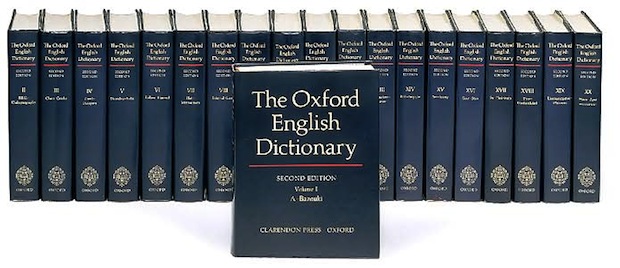
(Here’s where you pull out your OED and say “but see? here’s one!” and point to a word that has three hits on Google as evidence that English really does have that word.)
Joking aside, I there’s one area where English really does seem to have a lack of words/concepts that do make a difference — where you can see people are trying to say something about an issue, but the words to describe the issue just aren’t there. Not to go all Whorfian on you, but the other week I read an article that just made me go *GNGNGNG* because I was agreeing with everything it was trying to say, but it seemed to lack the concepts of what it was describing.
It was this article about Sally Rooney’s novel Normal People, and it describes the book as “romantasy”:
‘Right,’ you say. ‘So that’s surely not Normal People, which is set in 2010s Ireland. Not a dragon or a well-endowed faerie prince in sight.’
Which, I mean. I don’t know about that last part. Normal People certainly gives us to suspect Connell is more blessed than the rest, no? But yes, broadly speaking you are correct. While contemporary romantasy titles do seem to use Irish and Gaelic names and mythological creatures a fair bit, Ireland itself is not a mythical country. I have friends who claim to have been born there, and others who say they’ve been there. I’ve seen photos and everything.
However! I draw your attention to Connell’s career. While barely out of university, this working-class, unconnected youth wins literary prizes and is entertaining a career as a literary novelist. What is that if not fantasy?

So all the comments (correctly) went “well, that’s stupid. That book is not Romantasy. What are they even talking about?”
What they’re talking about is something that Norwegian has several words for, but that English has an odd lack of: Widely understood class based put downs for literature.
When I read Normal People some years back, my brain went “well, this is kiosklitteratur“. Which means, directly translated, “kiosk literature”. (Now you understand Norwegian!) I.e., a book that’s commonly sold in kiosks, bodegas and grocery stores. Not one of those Real Proper Books that’s sold in bookstores, right?
And reading oldee tymey literature critiques, English had a sorta equivalent term 80 years ago — “paperback literature” as a putdown. But as a term, it obviously had a time limit for being useful, because soon all books, even “proper” ones, were published in paperback, too. And there’s terms connected to various genres that can be used — “pulp novels” or “bodice rippers” — but since they’re tied to specific genres they aren’t useful as a general category.
Norwegians trying to be slightly less snooty about the category call it triviallitteratur, which means (yes, you guessed it “trivial literature”; you totally know Norwegian now), and that’s what I was thinking while reading the book: “Literary people are saying that this book is some kind of masterpiece — could it be that they’ve just never read triviallitteratur before and don’t know what it’s like?” Because I have, and the category has delights not found in “proper literature” that might very well appeal to literary people who don’t realise what they’re reading.
(“Romantasy” obviously belongs in the kiosklitteratur category, by the way.)
But for want of a term, that post about Normal People failed. (I agreed with everything it said otherwise, mind you.)
It’s so weird that English hasn’t grown terms in this area, because the UK certainly doesn’t lack class consciousness? But they also have to reach for French even to describe Booker prize candidates (“petit bourgeois literature”, and who can even remember how to spell booshwah?), and there’s no good word to express disdain for people who do things that Just Aren’t Done (harry in Norwegian). There’s the US “white trash”, but as many American things, it’s ickily racialised.
English is such an impoverished language, man.