Whenever I look up a book on Goodreads, it feels like I see the same number every time. No matter whether the book was awful or awesome, the Goodreads rating apparently remains stubbornly the same.
Or is that just my memory playing tricks on me?
I read a lot of books this year, and I had Emacs record the Goodreads rating for every book. So now I have data! Behold:
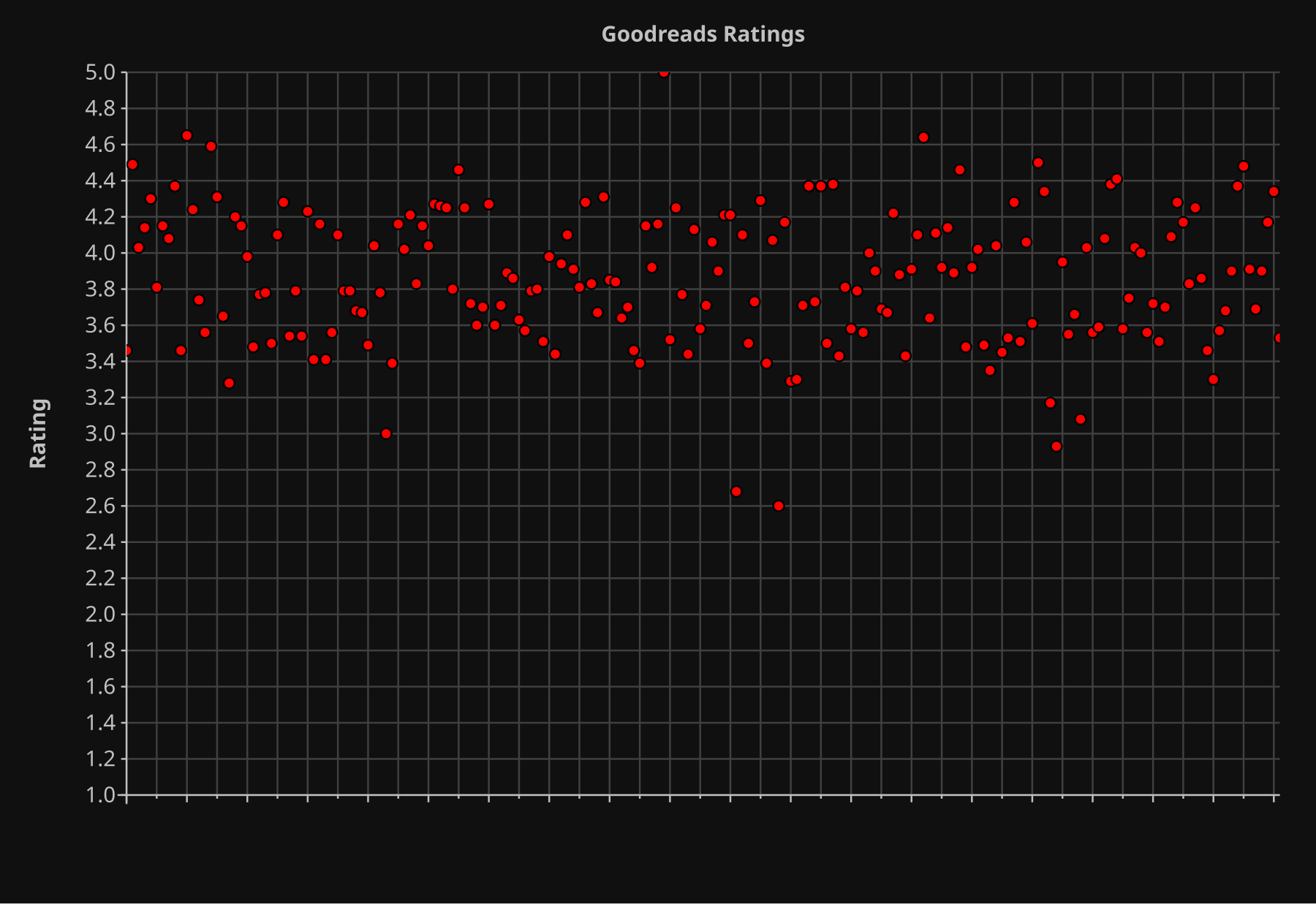
OK, my memory shouldn’t be relied on, but it wasn’t that far off — the mean rating of the books I read was 3.86, but the spread is pretty small — 90% of the books are between 3.4 and 4.5.
It seems like this is a smaller range than on imdb, but perhaps that’s more to do with the range on imdb being 9 and it being 4 on Goodreads.
Let’s math it… If you have a 90% spread of 1.1 on Goodreads, you’d expect a 90% spread on imdb to be 2.5, while it’s… 3, according to Google. Well, that’s not really a huge difference.
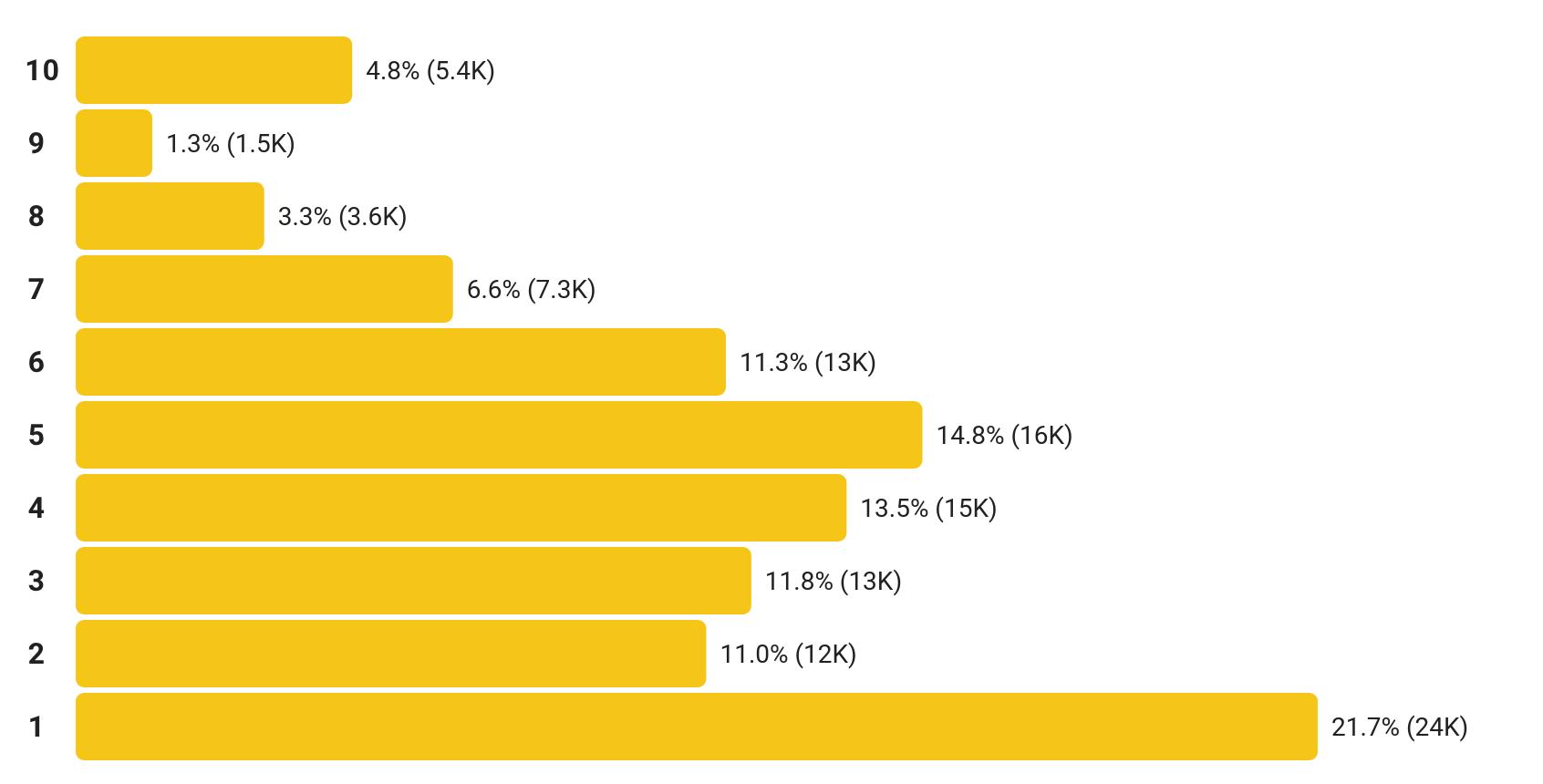
But you almost never see ratings charts like this on Goodreads. Because you rarely have brigading going on there, while on imdb it’s pretty common — whenever a movie goes viral for being soooo bad (in one forum or another), you have all these morons going on imdb and rating pretty mid movies “1”. (Or “10” in the opposite case.)
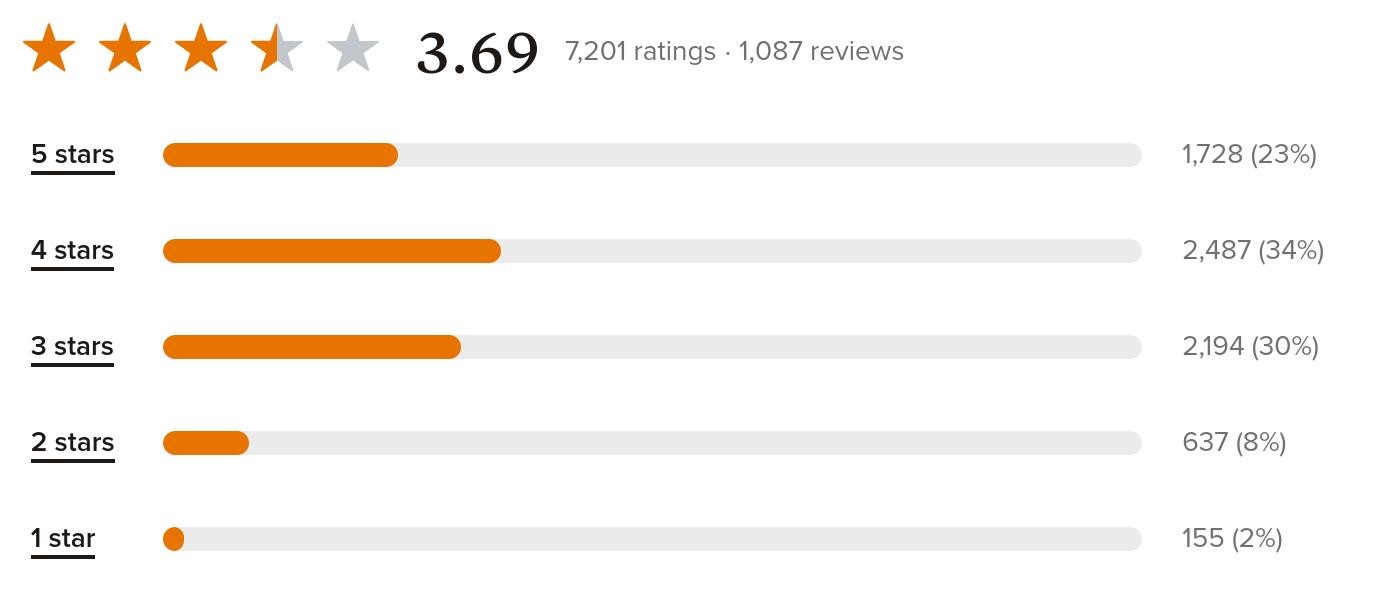
You almost never see a book on Goodreads that has a different shape than this: More than 60% of the votes are going to be 3 or 4 stars.
But do ratings matter? Well, I’ve found that an imdb rating of 6 or less is a pretty solid indication of the movie probably being naff. But so is a rating of 7.5 and up — then it’s either been brigaded, or it’s some mid movie that nerds are totally into. So an imdb rating of around 6.3 is usually a good indicator of the movie being spiffy.
Before I started the book blogging project last year, I assumed that the same would be the case for Goodreads ratings, but… not really? Yes, you have the same nerdiness effect:
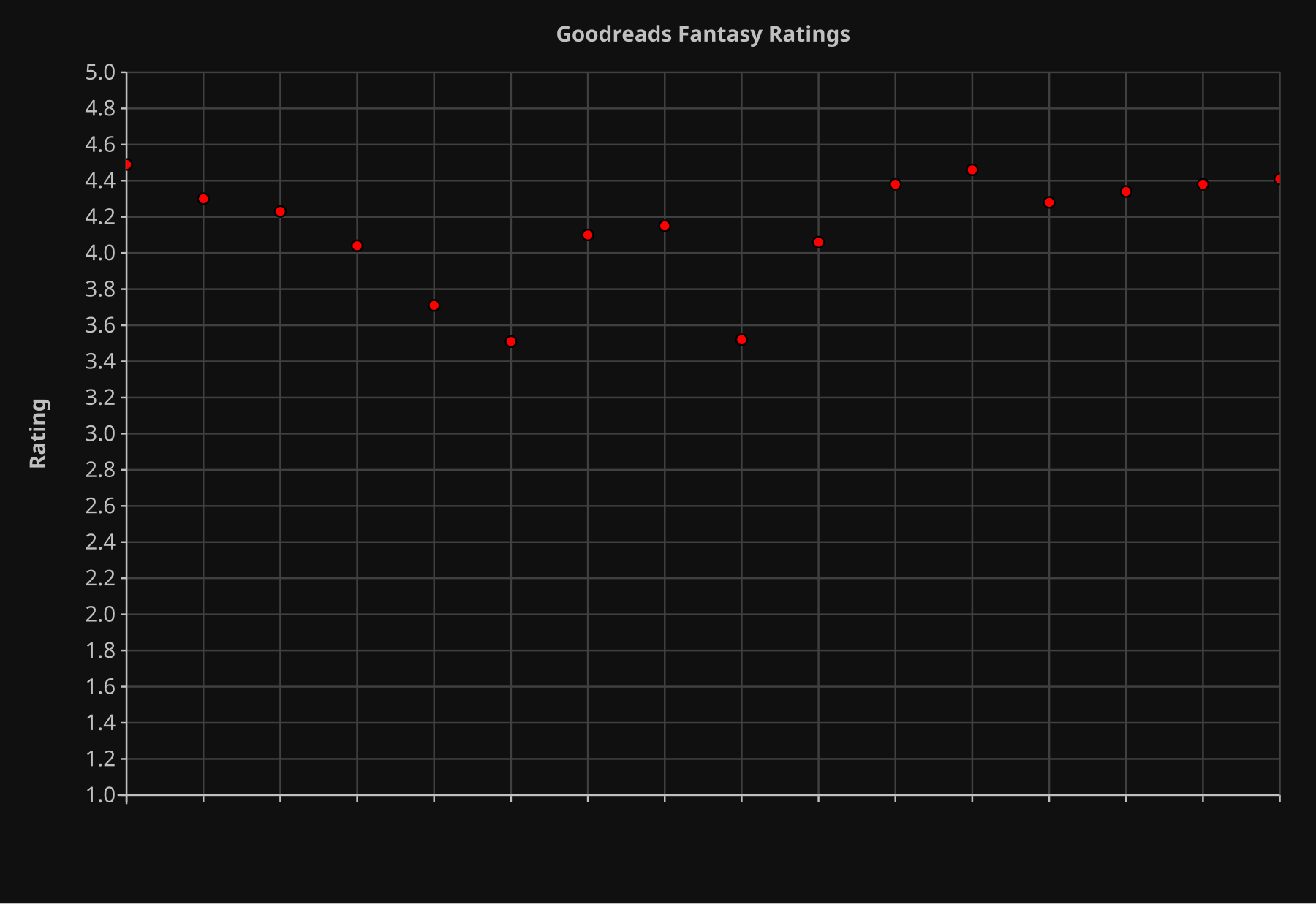
Fantasy books, for instance, have a way too high rating. Most of these books were totally mid, but almost all of them have a rating above 4. I.e., fantasy readers have pretty bad taste.
I mean, they’re really enthusiastic about their hobby.
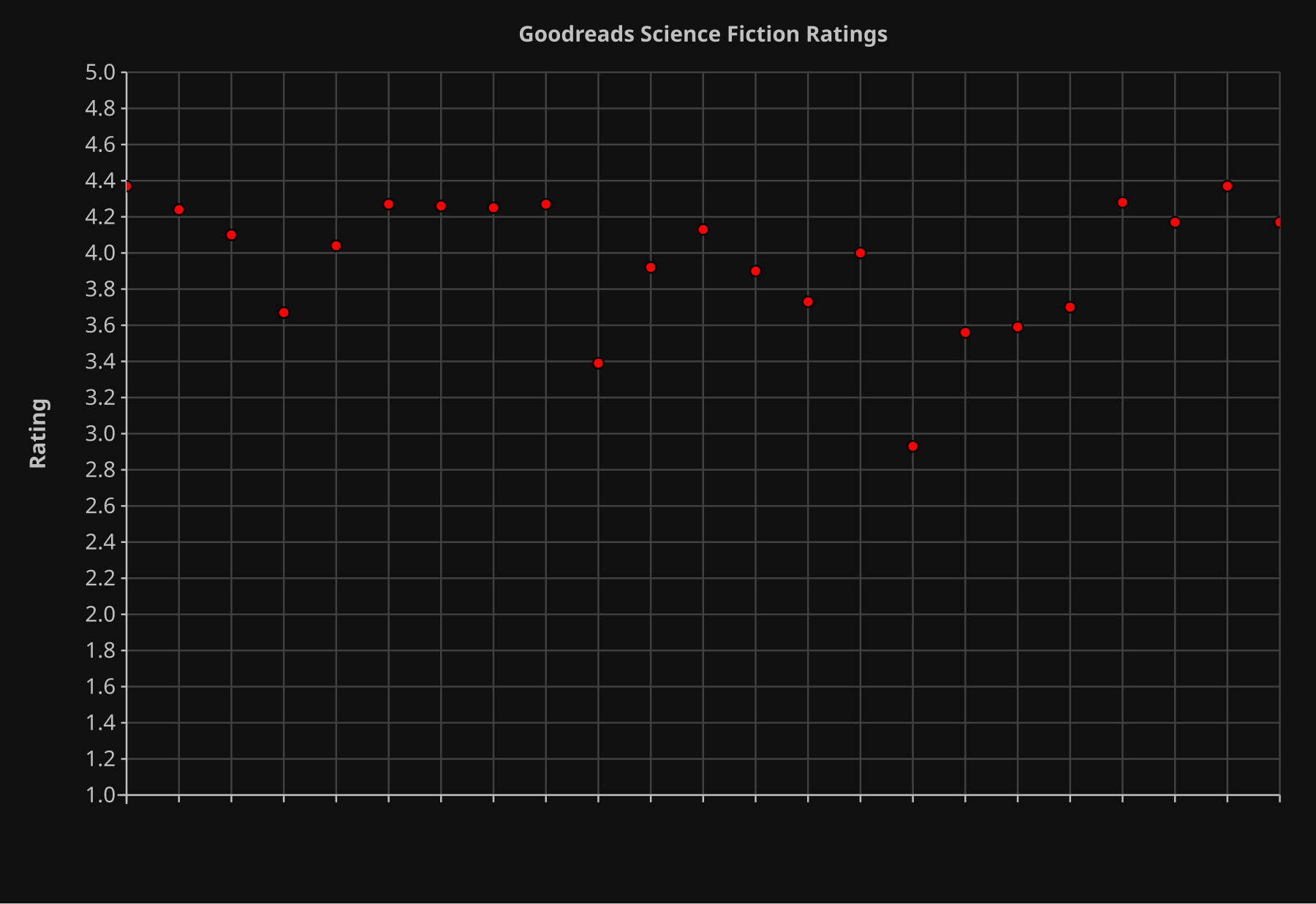
Science fiction readers are similarly enthusiastic, but not to the same degree.
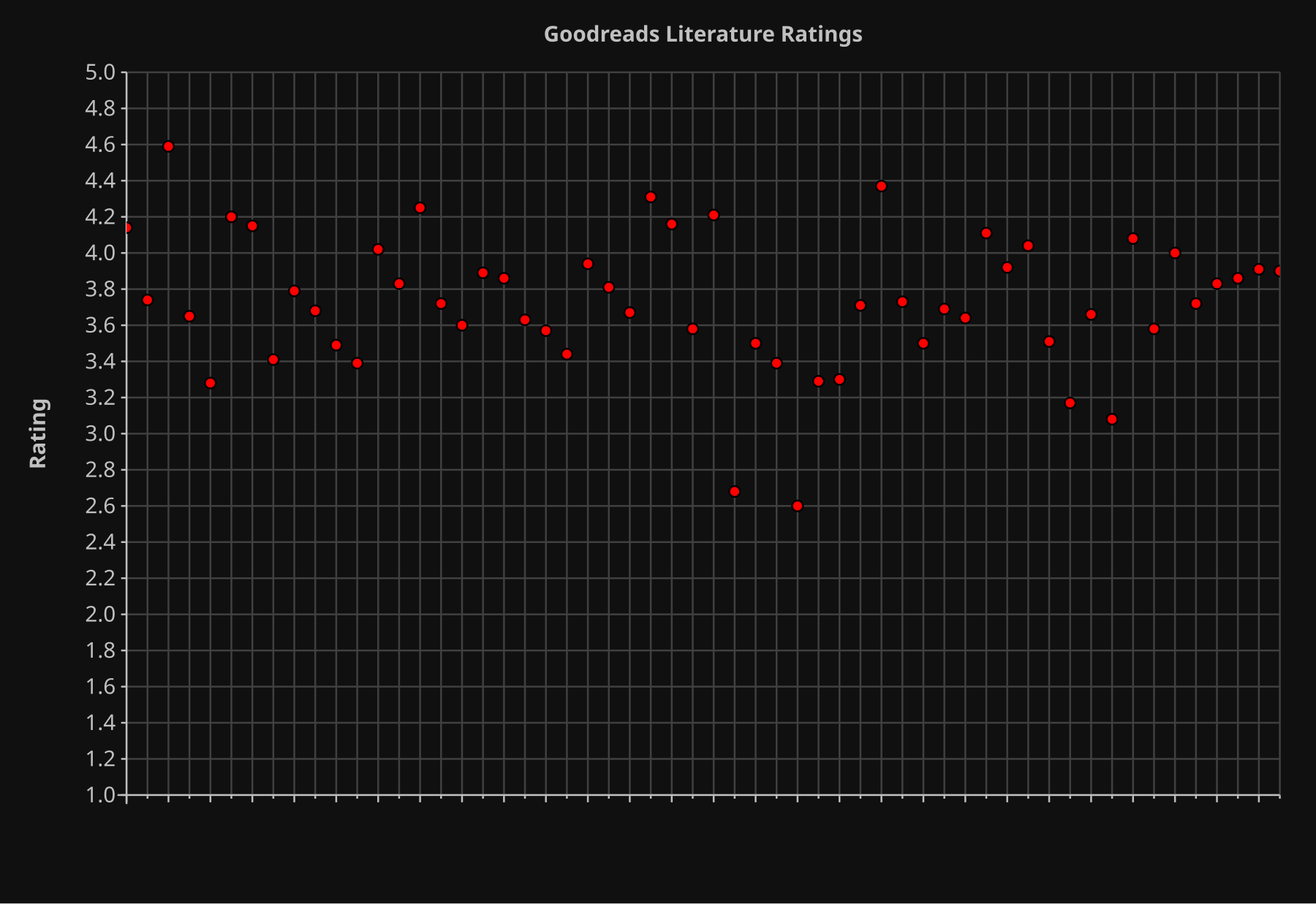
Literature readers, on the other hand, are more realistic — most books are kinda mid.
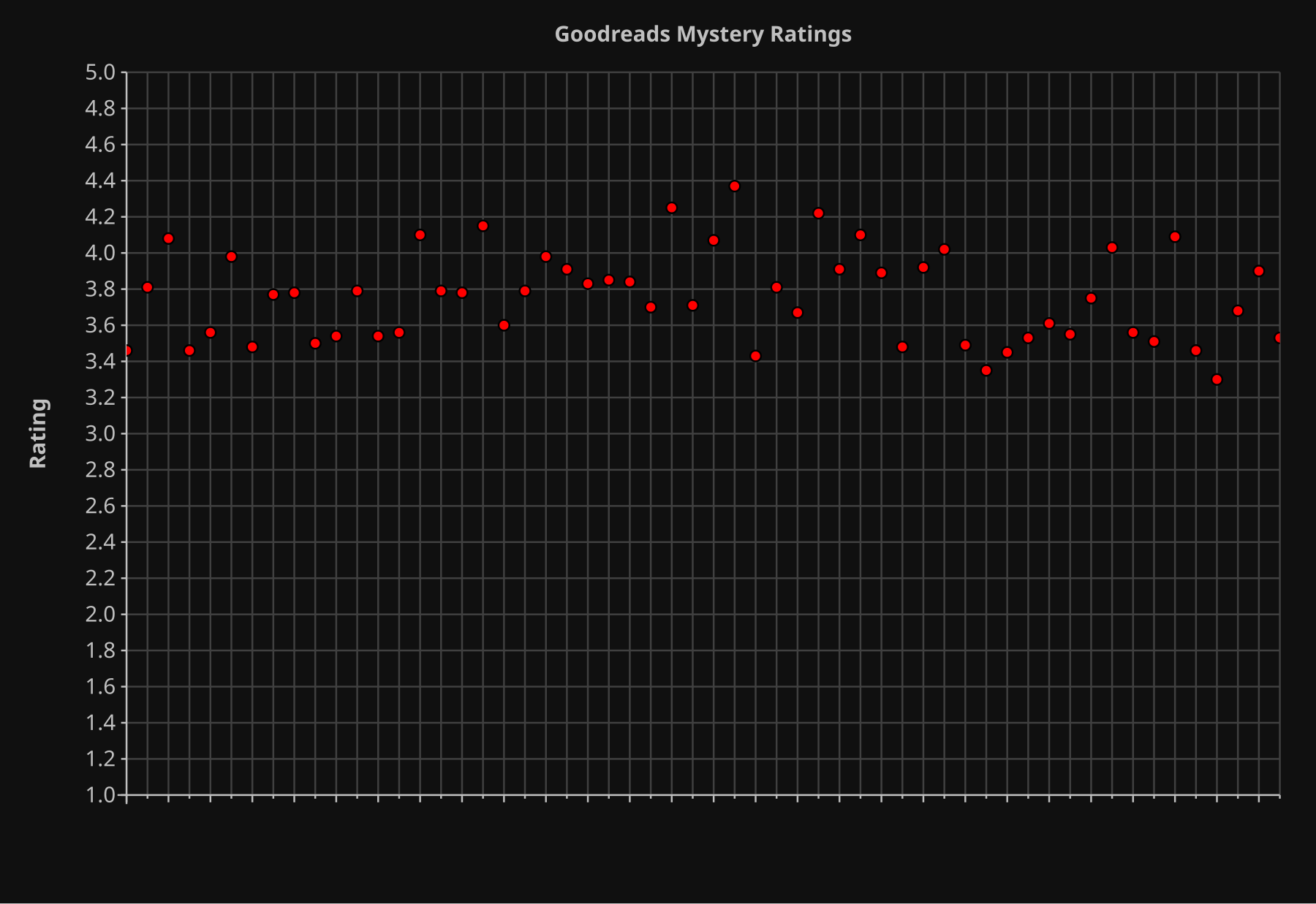
And perhaps a bit surprisingly — mystery readers are also pretty realistic in their assessments.
OK, these data sets are pretty small, of course, so perhaps I’ve just chosen Totally Fantastic fantasy books to read, and Pretty Mid mystery books? It’s possible, of course. But my conclusion from this is that you should subtract one point from fantasy book ratings, and half a point from science fiction books. If you want a more realistic score.
But overall, I found myself agreeing with the Goodreads score more often than I thought I would. I guess I’m not as contrarian when it comes to books as I thought I am.
Let’s see… can I torture this insignificant data set some more?
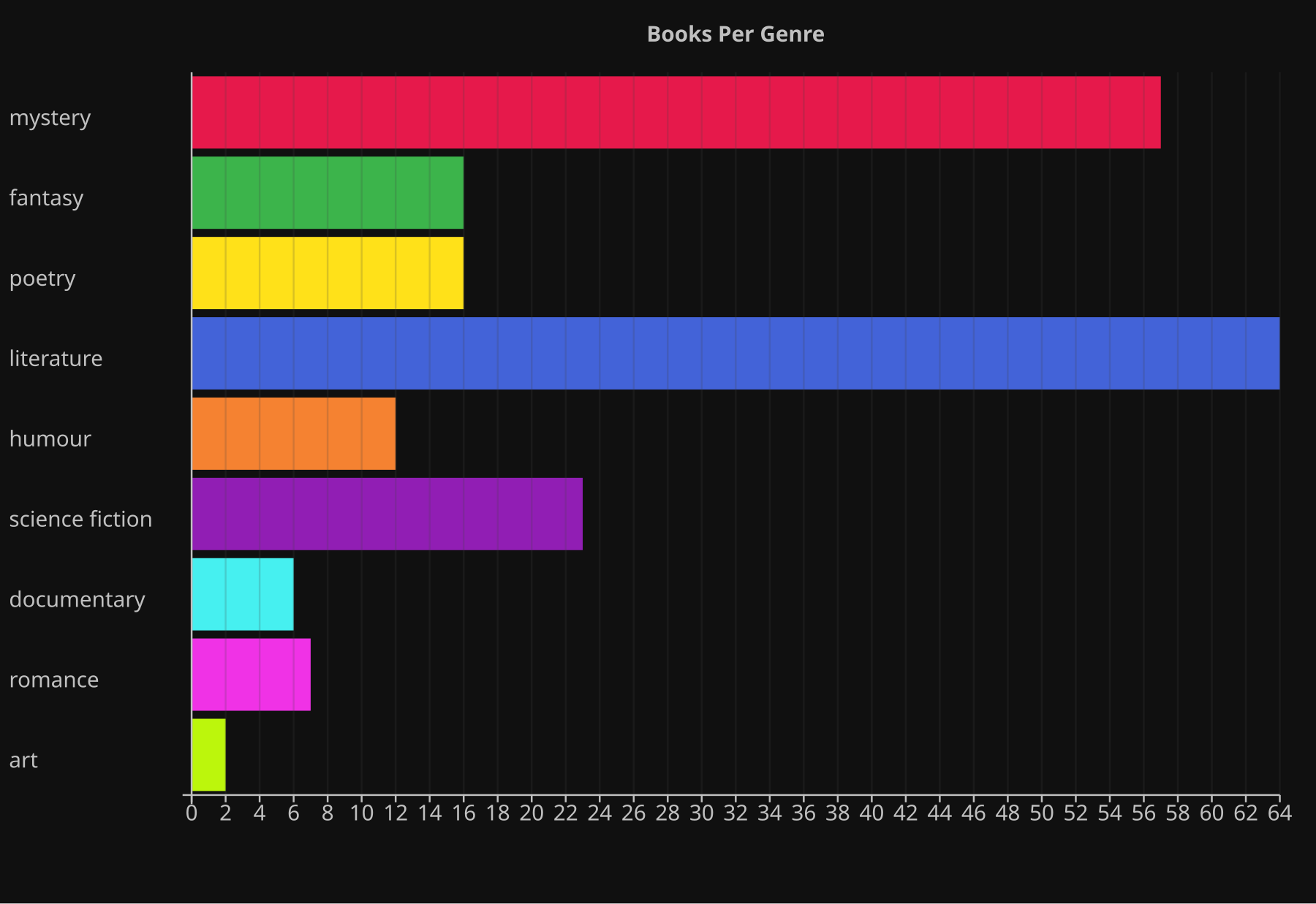
That’s how many books per genre I read (or skipped; I dropped 15 of these books mid-reading). I thought the literature/junk ration would be lower…
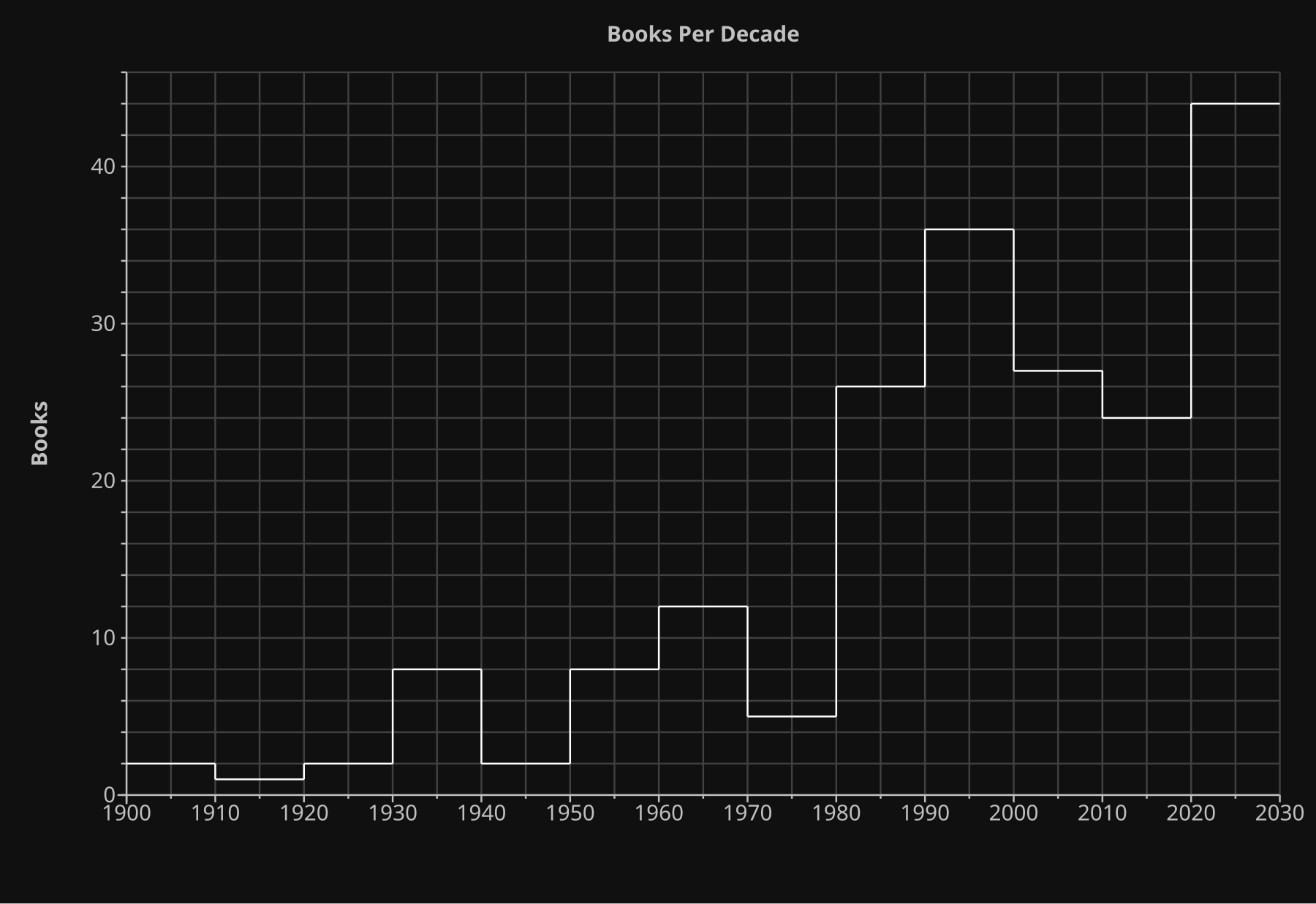
And I didn’t think my recency bias (heh heh) was that bad, but there you go.