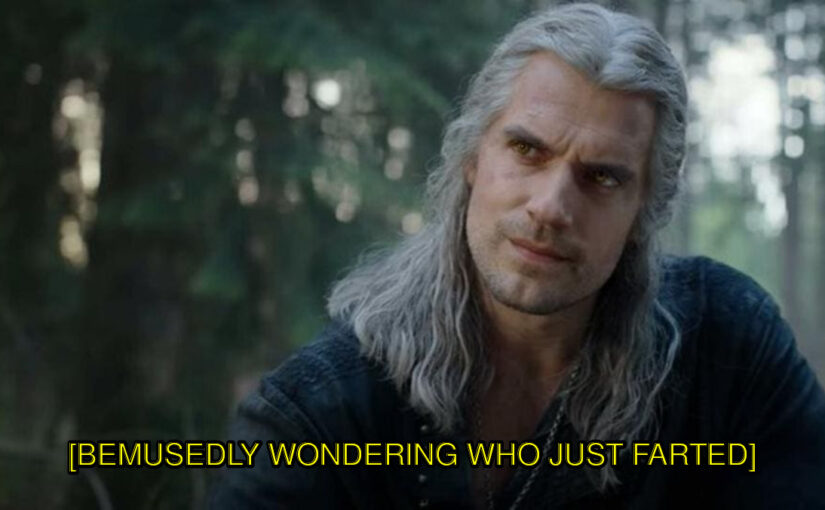
My first subtitling job for autists who can’t read facial expressions was a really easy series

I promise! I bought this back in 1998! Before Renberg got famous!
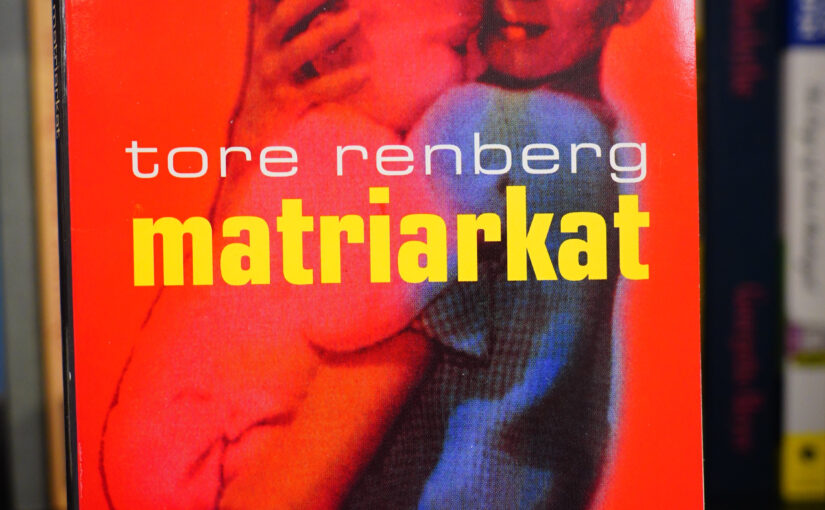
OK, I have to explain: I started reading this book, and I looked at the back cover, and I thought: “That guy looks really familiar.” So I googled him, and went “DOH!”
These days, Renberg is one of the best-selling authors in Norway. I’ve never read any of his books, but from what I’ve gleaned from seeing him featured in one gazillion feature interviews over the years (I’ve never actually read any) is that he writes, you know, books that would be featured on Oprah’s Book Club if he were American.
That’s a totally and utterly unfounded prejudice of mine, of course. I was a hipster before being a hipster was cool!
(In my own head.)
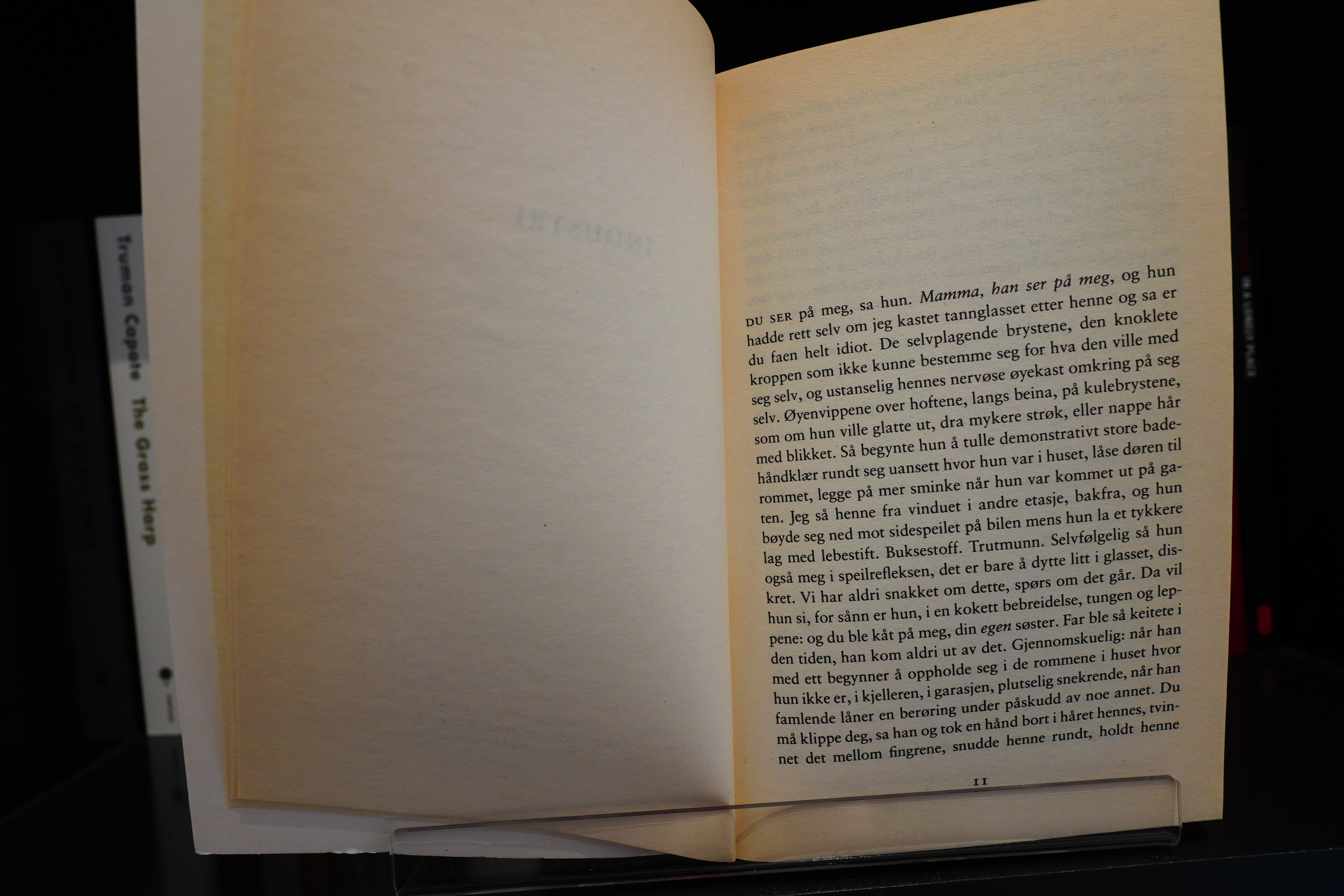
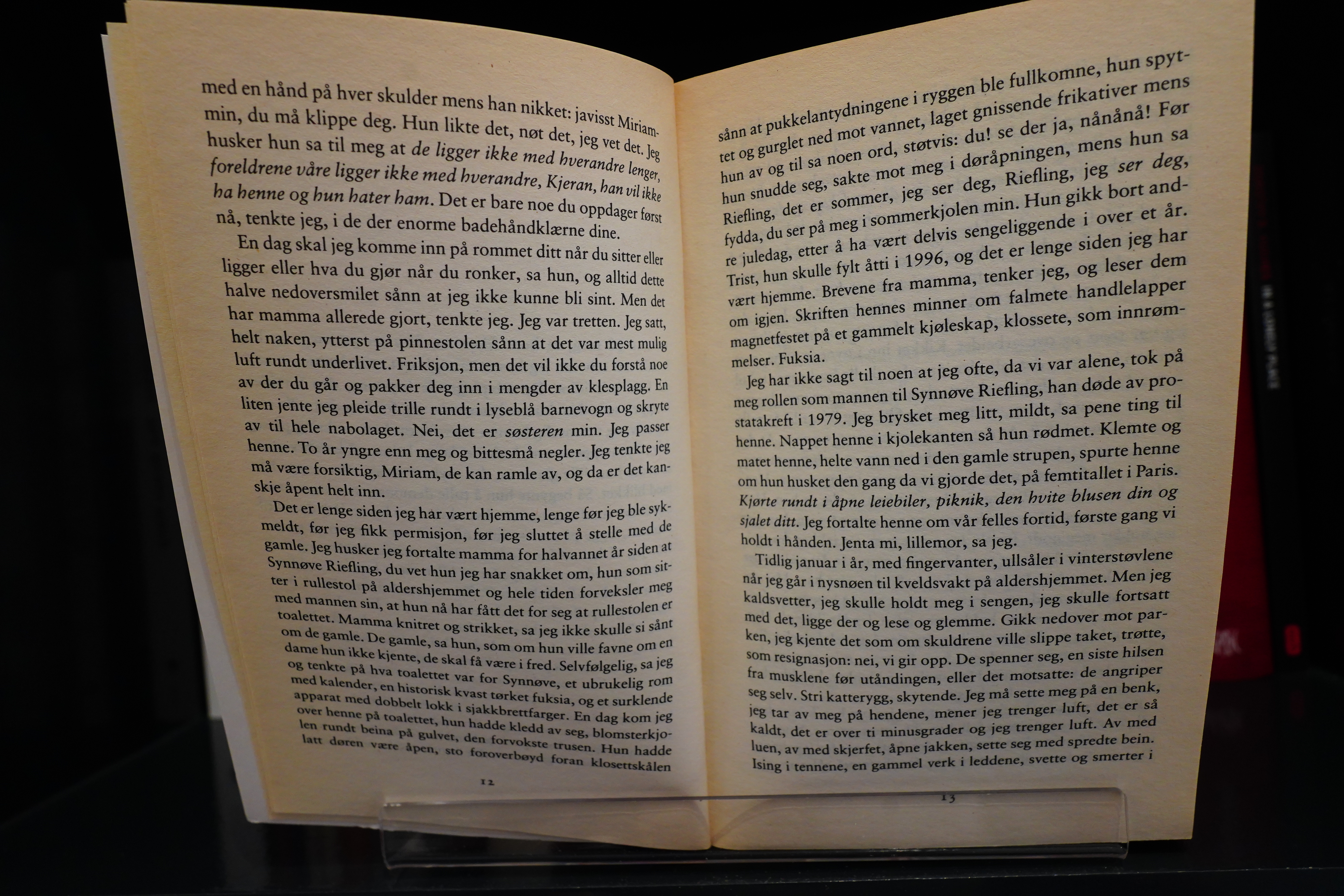
But this is his first novel, written years before his popular bricks, and it’s… the most embarrassing thing I’ve read in years. I mean, it’s that way on purpose. I had to read this while hiding behind a pillow, because I couldn’t stand how embarrassing it was. That’s some feat!
I kinda liked it? It’s not bad, but it’s pretty sophomoric in its desire to shock. If you look at Goodreads, it’s got a 2.68, which is extremely low, so I’m guessing the people who picked this up was expecting the kitch (I’m assuming) he’s gotten famous for — and they were disappointed. His wikipedia (which reads like it was written by himself) classifies this book as part of his “experimental phase”, but we’re not talking Lucy Church Amiably or L’innommable — this is a straightforwardly narrative work.
Just very embarrassing. And not with any readily likeable characters, and other stuff people like.
Matriarkat (1996) by Tore Renberg (2.68 on Goodreads)
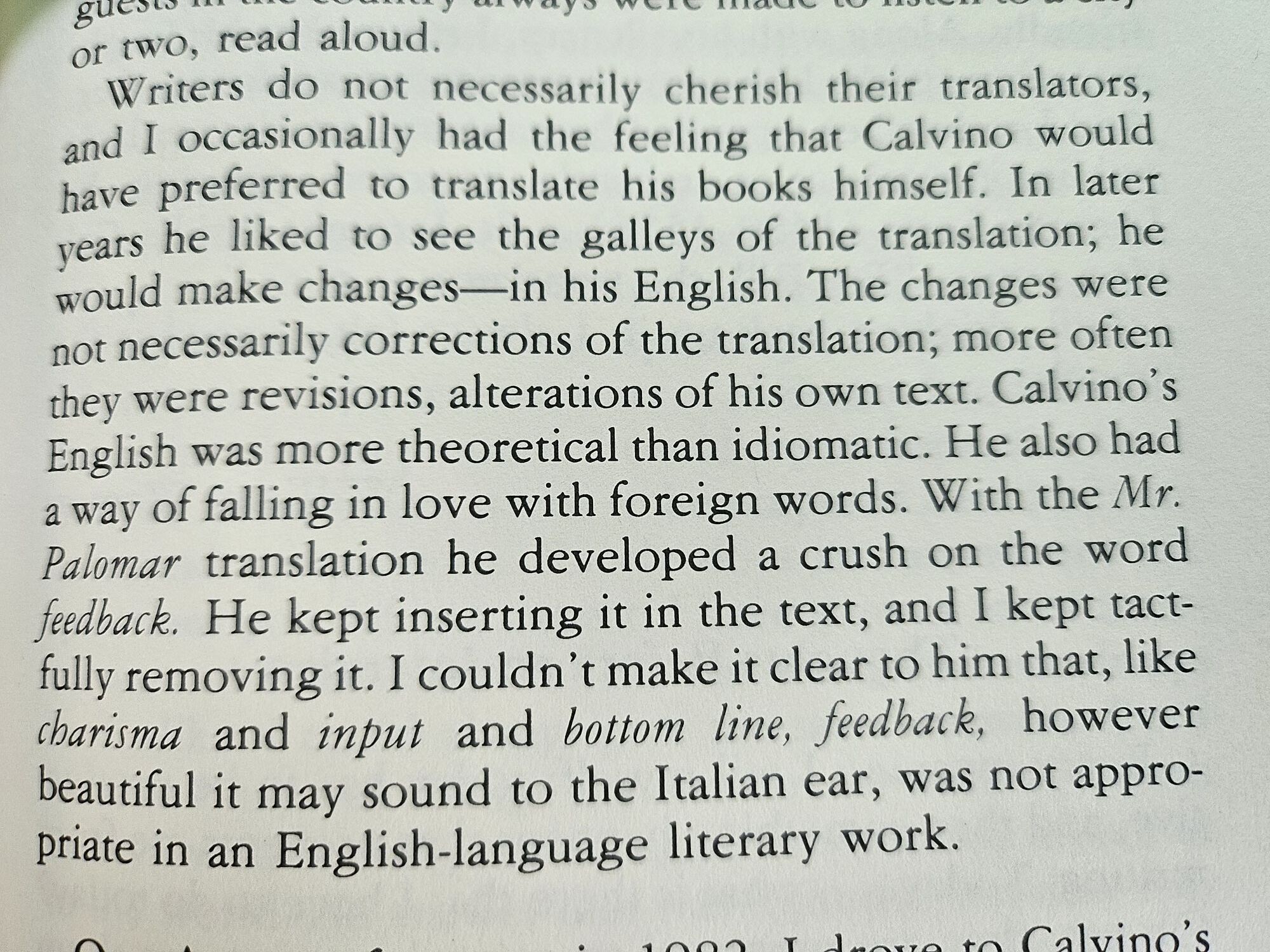
This one is a bit of a dud. Yes, I’m being super controversial!
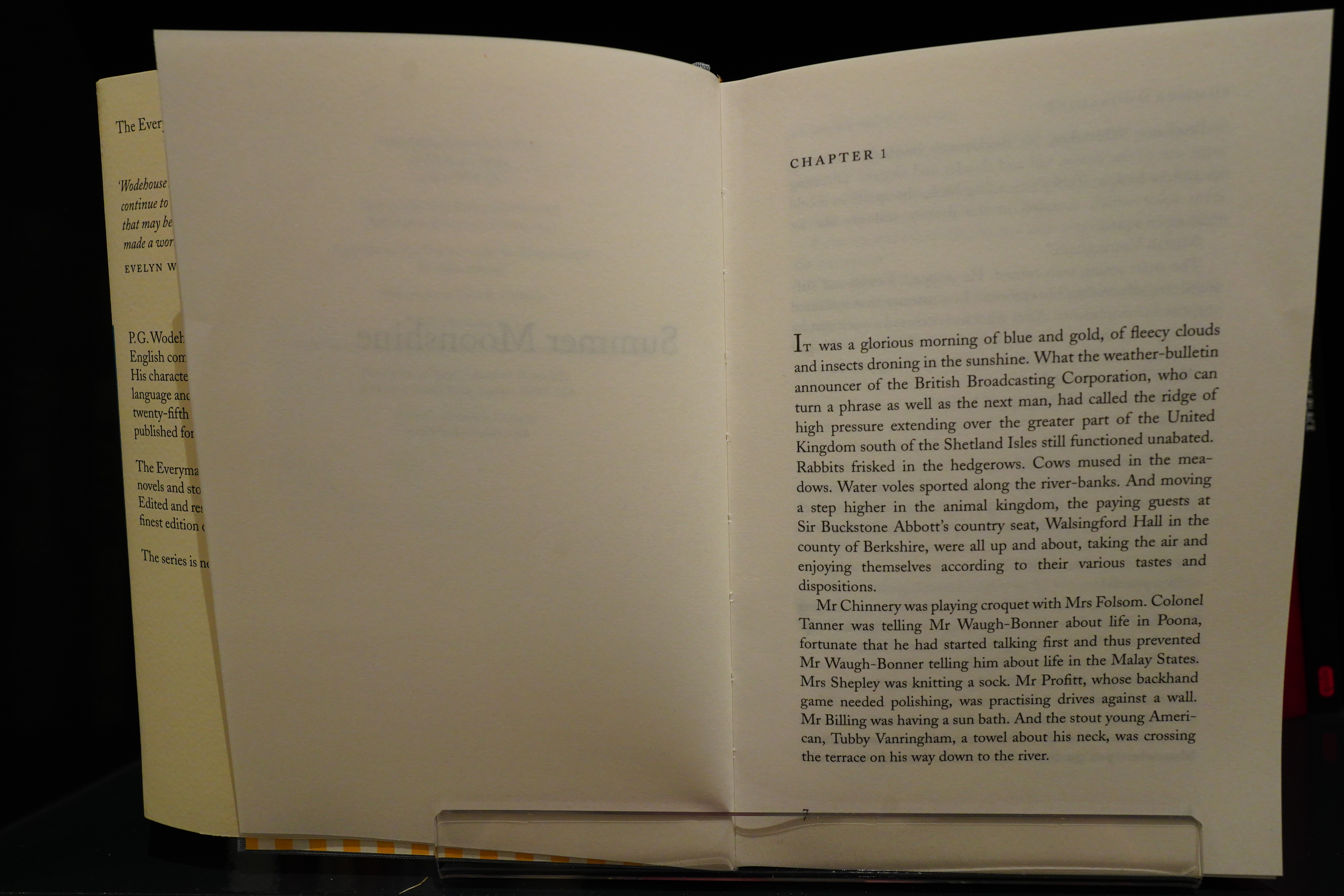
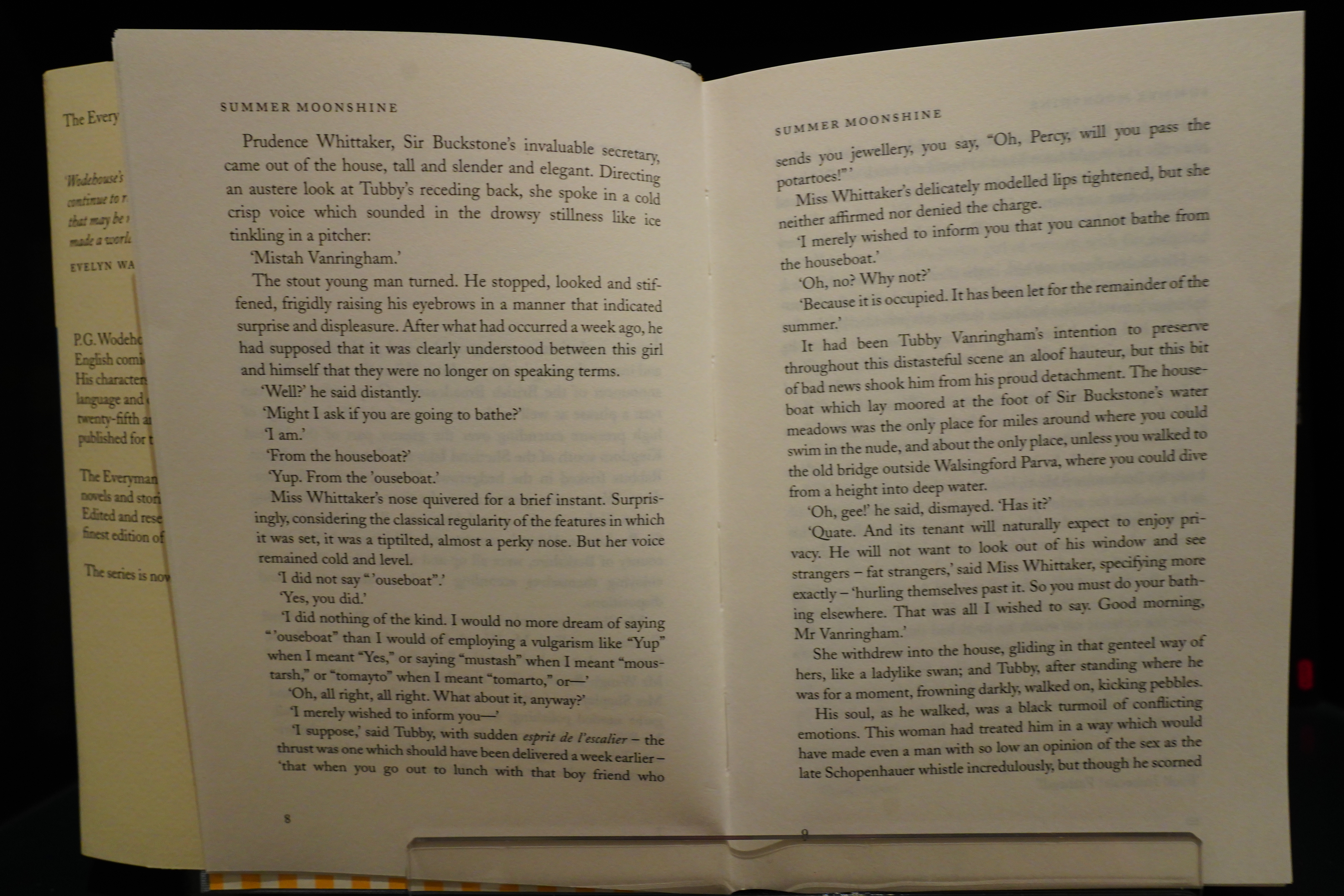
This book has so many problems, but the chief issue is really its length. At 320 pages, this might be Wodehouse’s longest book? And he has neither the plot not the characters to pull that off.
Wodehouse’s formula is to have an amiable doofus who is hopefully in love with a woman, and then there’s somebody slightly smarter (an uncle perhaps) or a lot smarter (a butler, perhaps) that helps getting them together. This one, however, combines the two into one character, so you end up with a pretty smart schemer who hounds a poor woman, and it starts feeling abusive very quickly. (Which is also acknowledged in the text.) Perhaps he’s trying to make a more Hollywood-like protagonist — one with agency and repartee?
There’s some other sub-plots, but nothing seems to actually develop: A hundred pages pass and you think “er… what’s up with Tubby now then?” and absolutely zilch has changed. It feels like Wodehouse is spinning his wheels, not knowing how to proceed with anything.
So there’s no charming characters to root for, and nothing happens. For 320 pages. For the first time ever, I started thinking about tapping out, but I persevered, and… it wasn’t really worth it.
(The final chapter is fun, though.)
I was really surprised — this was written shortly after some of Wodehouse’s best books.
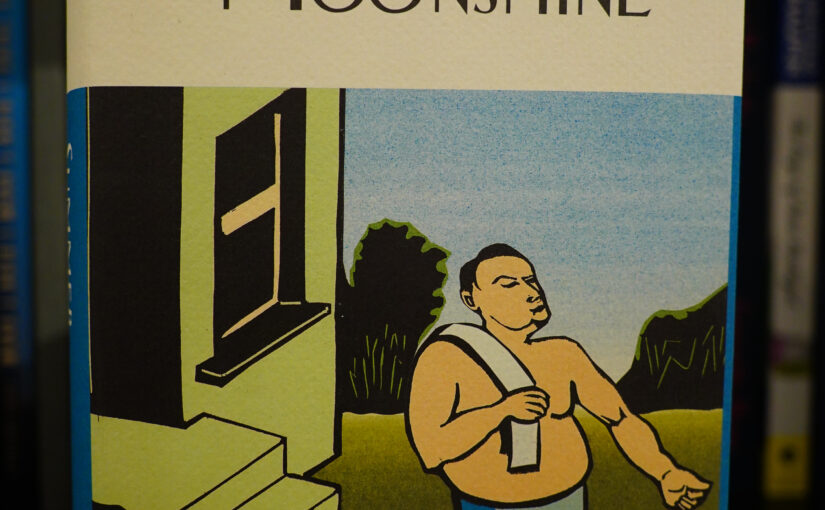
Summer Moonshine (1937) by P. G. Wodehouse (buy used, 4.1 on Goodreads)
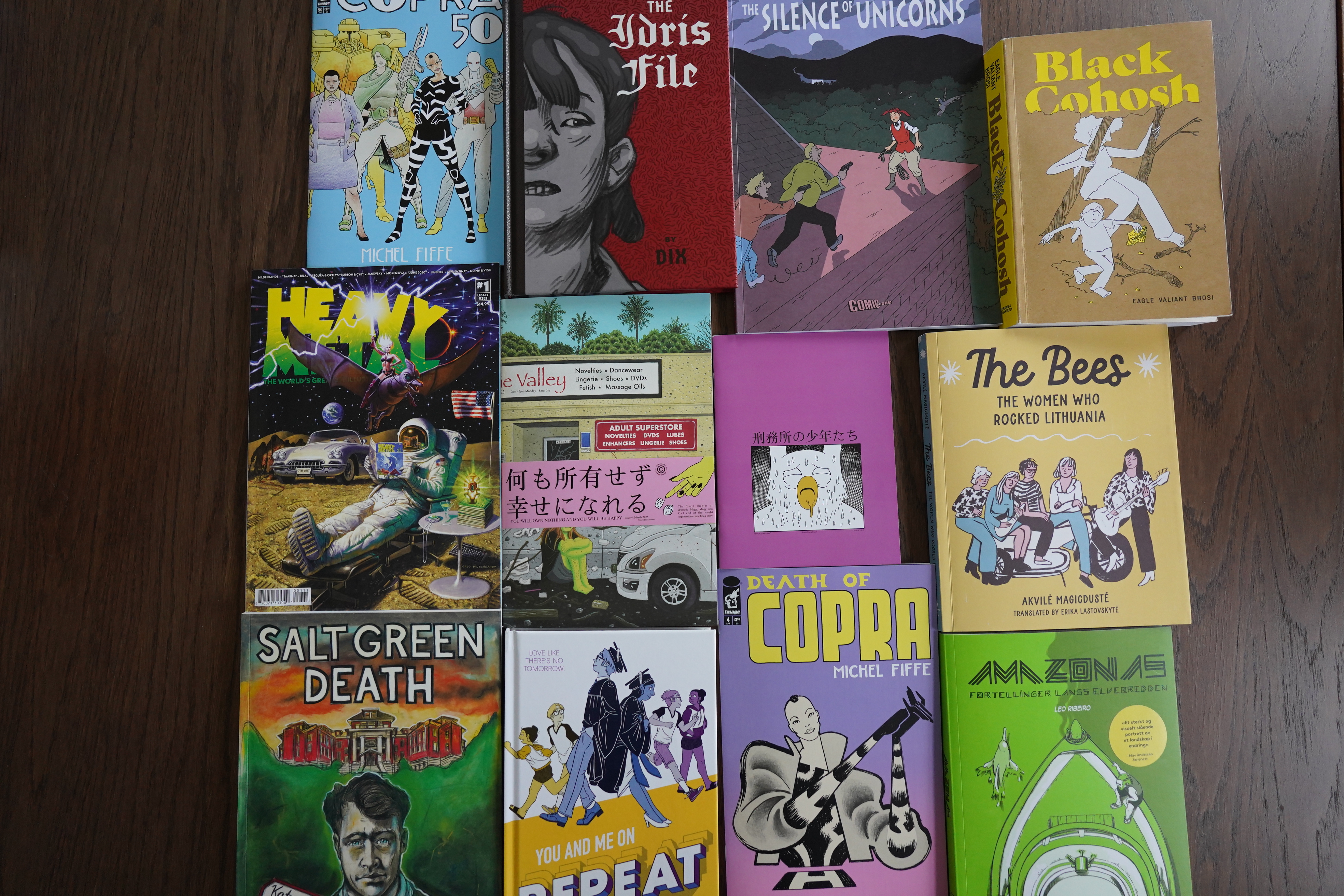
It’s gonna be a rainy day today, so how about reading some comics, while listening to a bunch of David Bowie albums I don’t usually listen to? I mean, remixes and remasters and 90s stuff? Let’s give it a go.
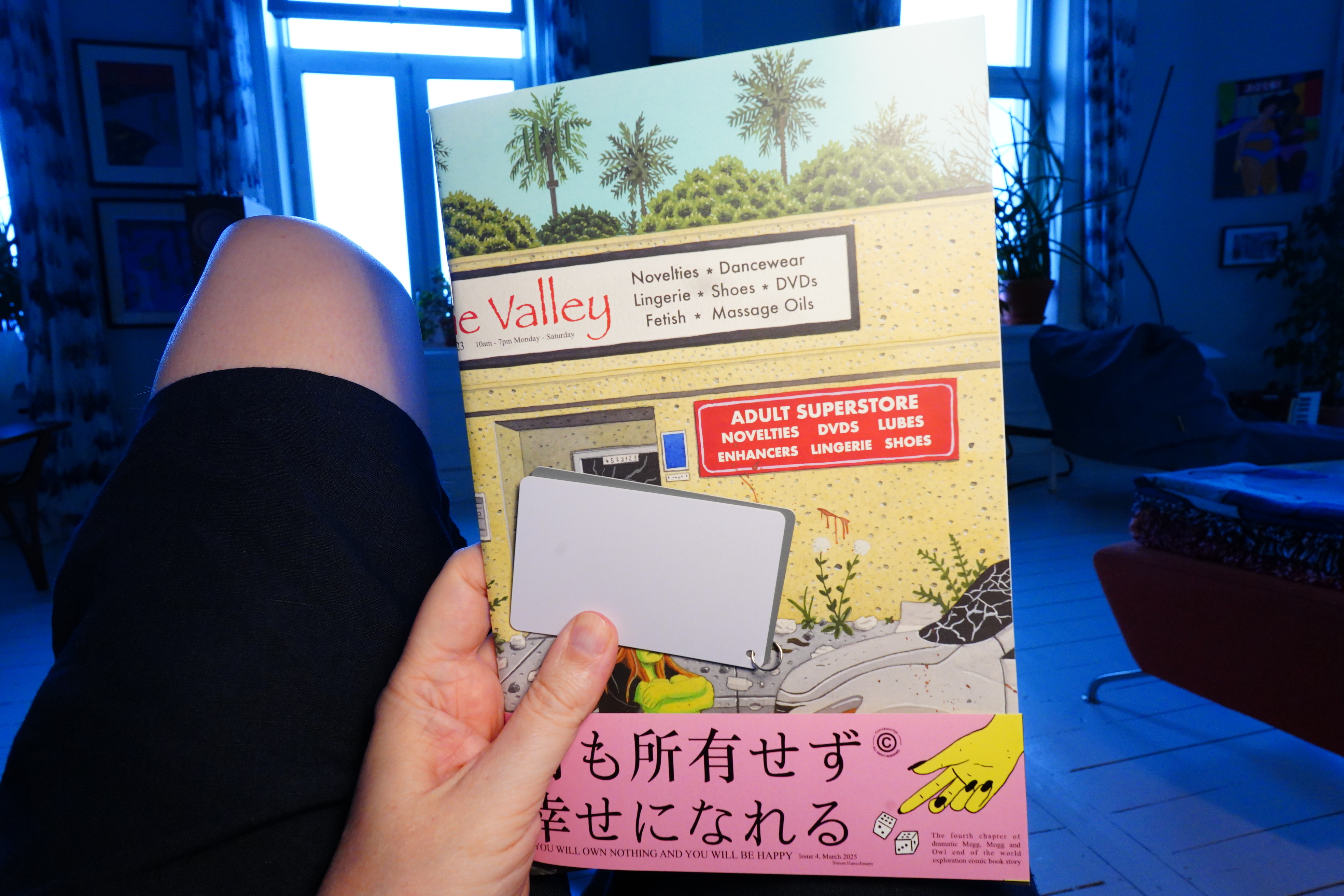
Oh, and yesterday I got a light bulb for my reading chair lamp that lets me adjust the colour temperature. Let’s see… here it’s the normal 2700K, which means that if I adjust what I’m reading to white, the background goes all blue (because of the natural light from the windows).
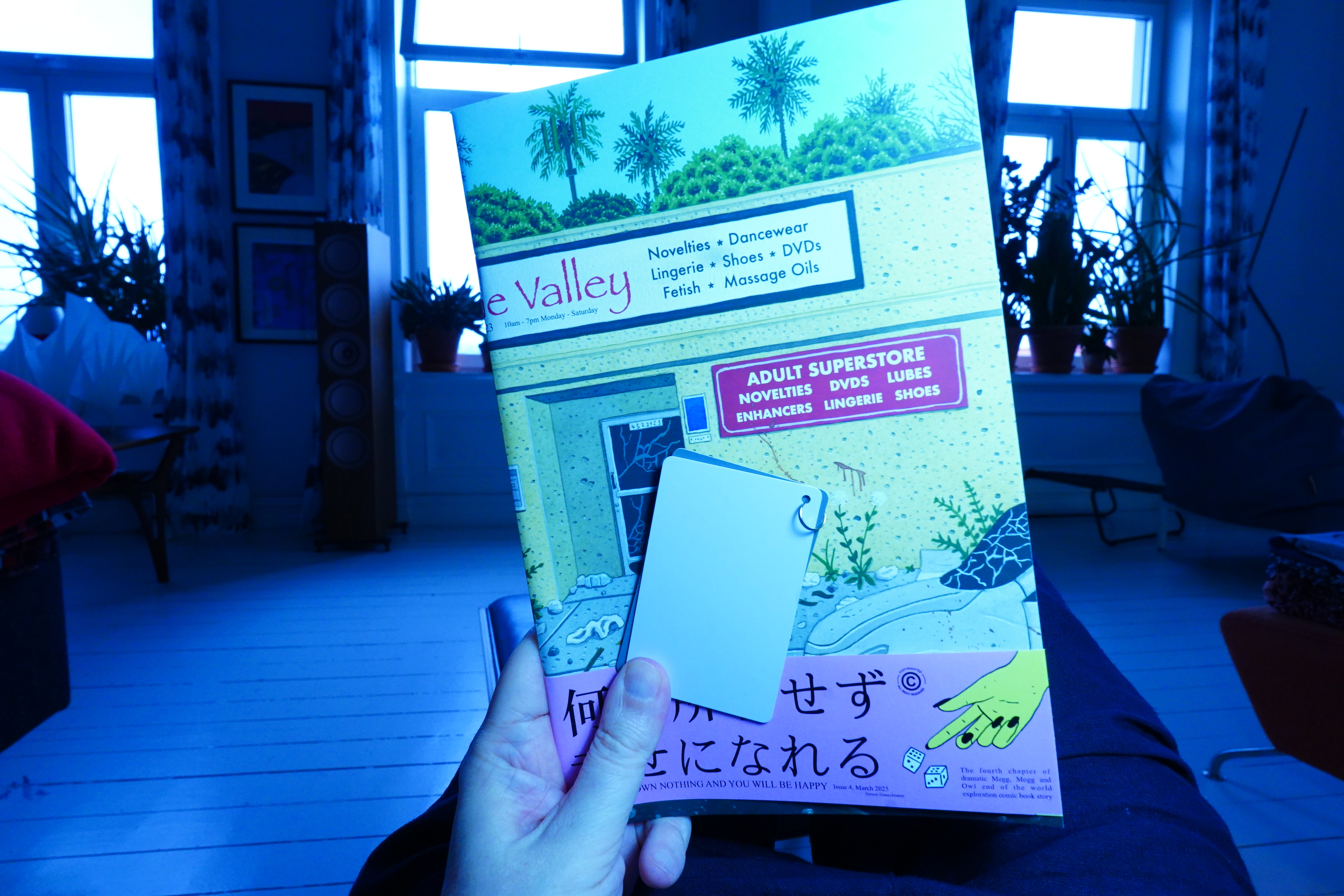
And then I take out the app and pump the Ks up to 6500, so that everything is blue…

… and then adjust the camera to that colour temperature, and presto!!! The system works! I’m a genius!
So why not just use that colour temperature always? Well, the other lamps are all 2700K, so it’s disturbing when shifting my eyes from 6500K reading to the rest of the room — at night, at least, when it looks like everything is all yellow… but not if all the lamps are 2700K, because then it all looks white.
Brains, eh? The eyes cheat so much.
Anyway! Comics!
| David Bowie: Space Oddity (2019 Mix by Tony Visconti) |  |
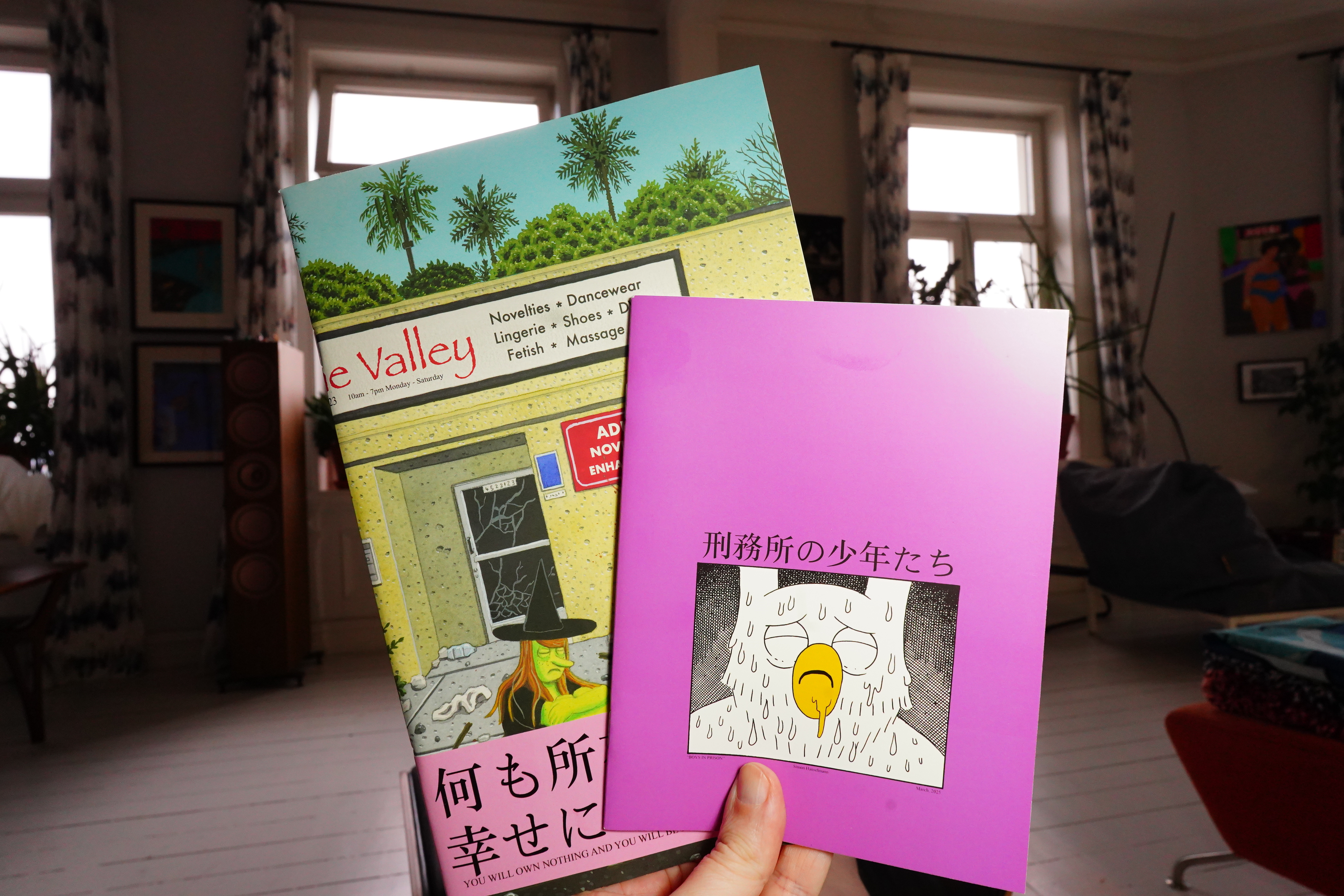
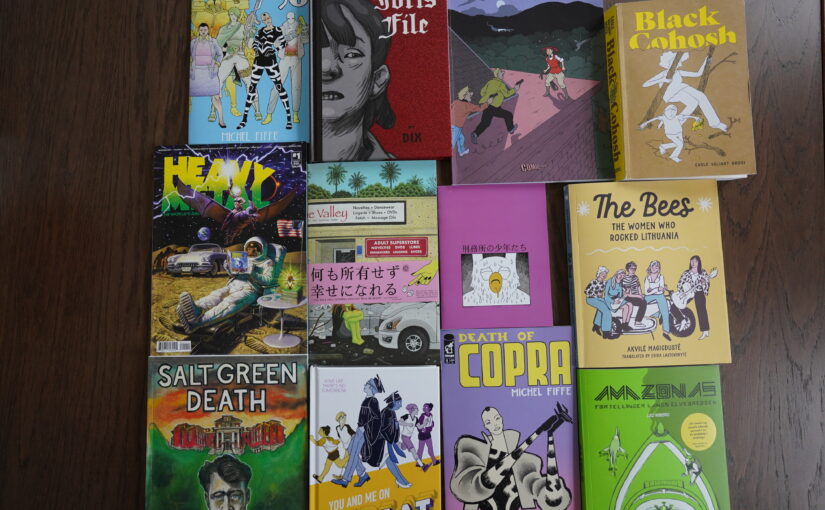
07:27: You Will Own Nothing And You Will Be Happy #4/Boys in Prison by Simon Hanselmann
I got these from here.
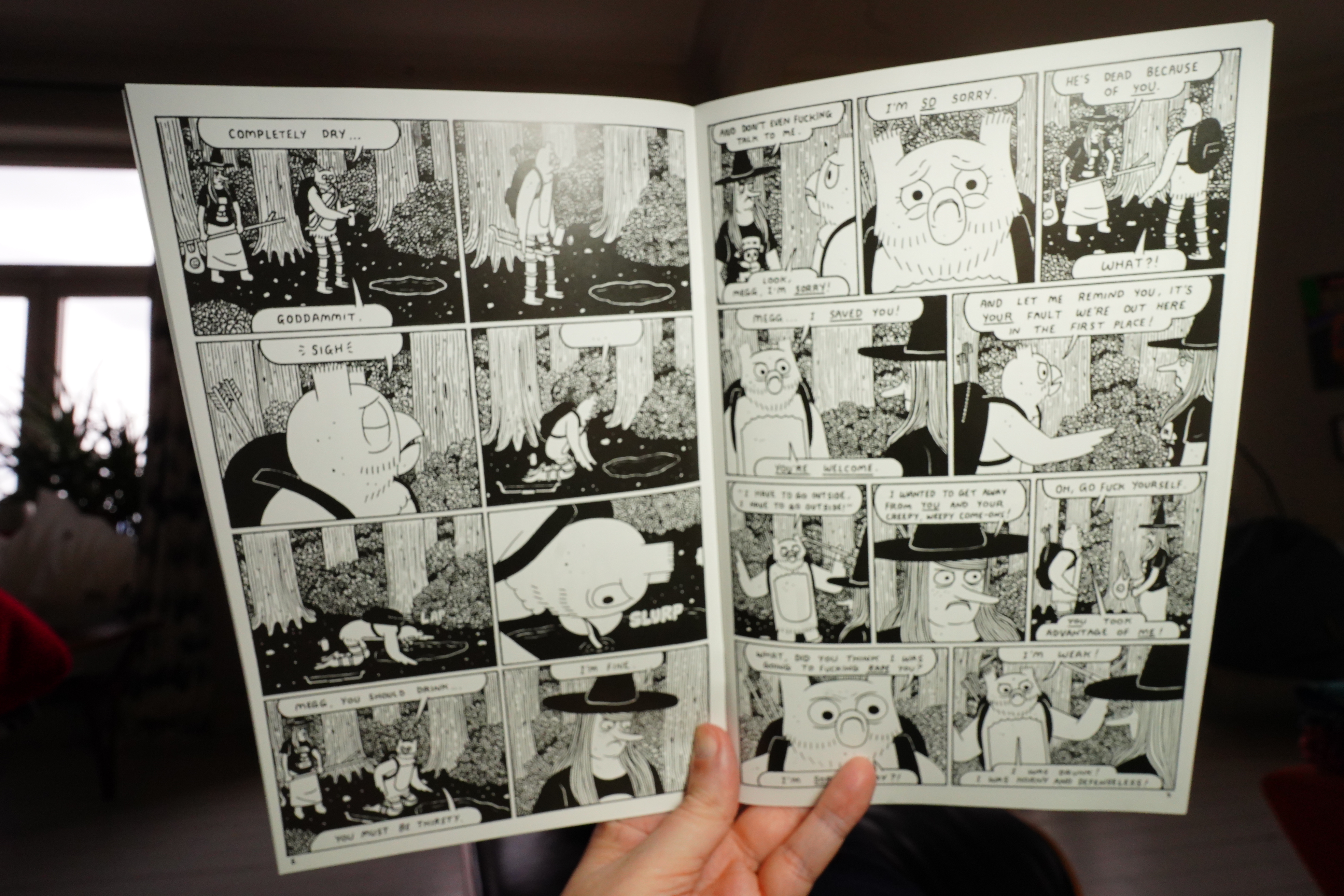
For those who haven’t been paying attention, this is Hanselmann’s zombie series that he self-published. Yes I know! But it’s good.
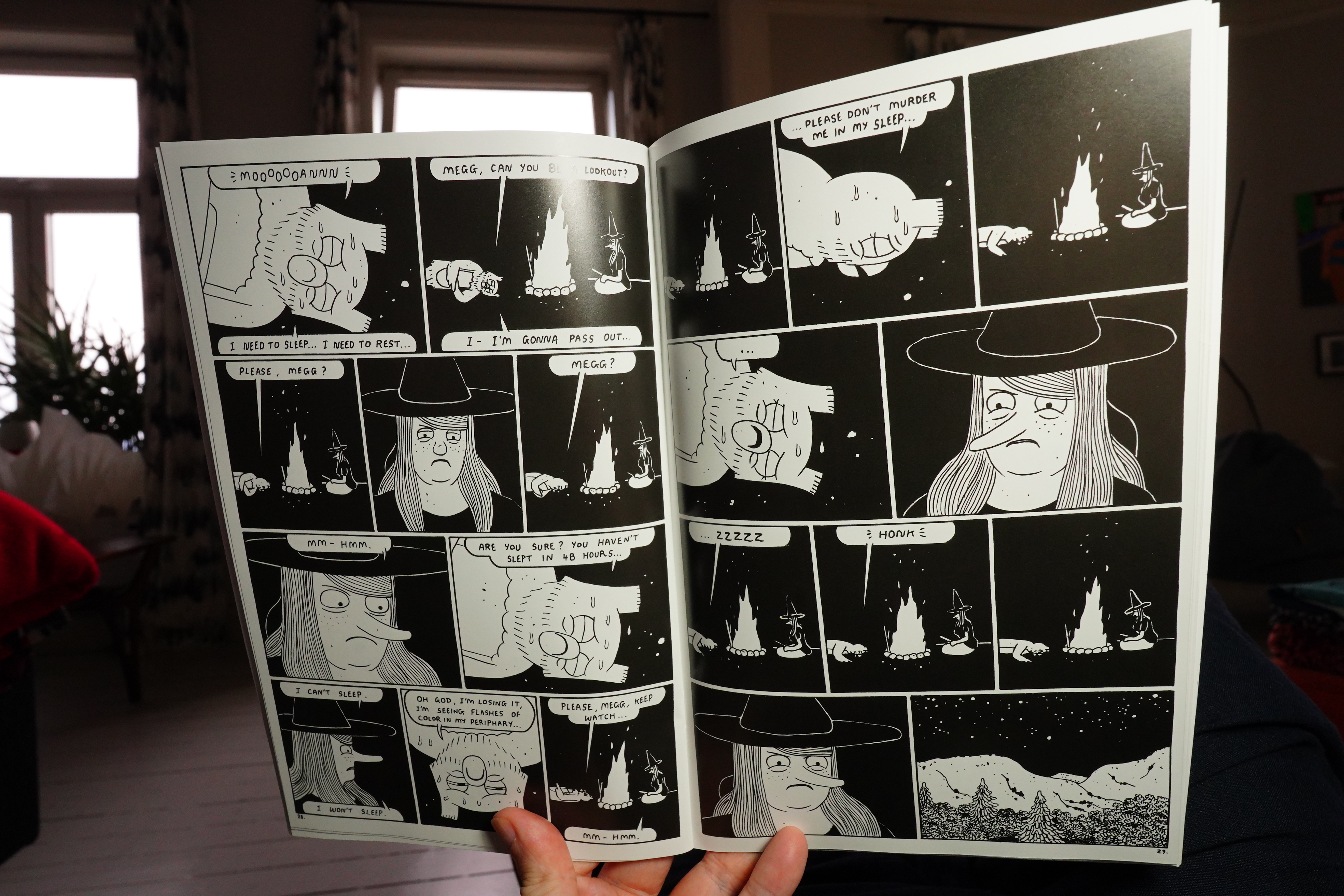
This is a really harsh issue, though. It’s intense and depressing.
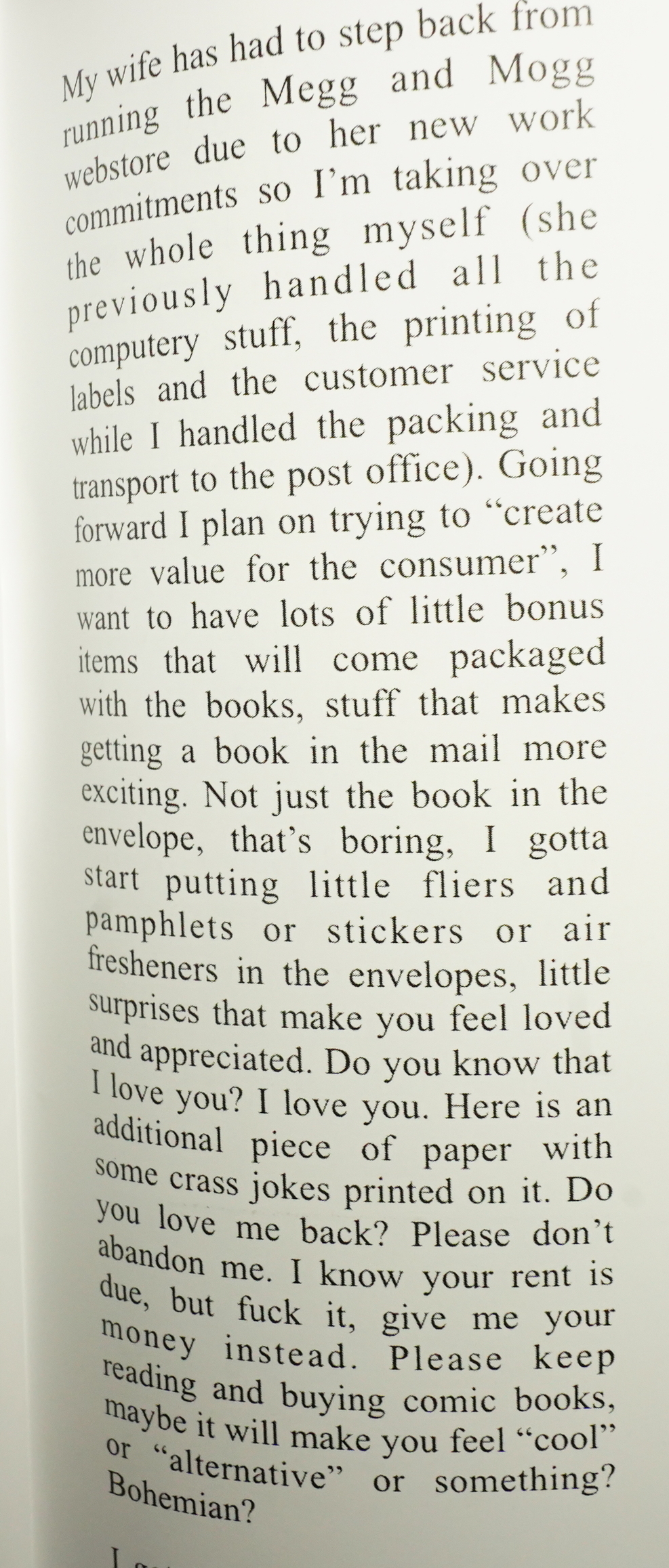
Value add!
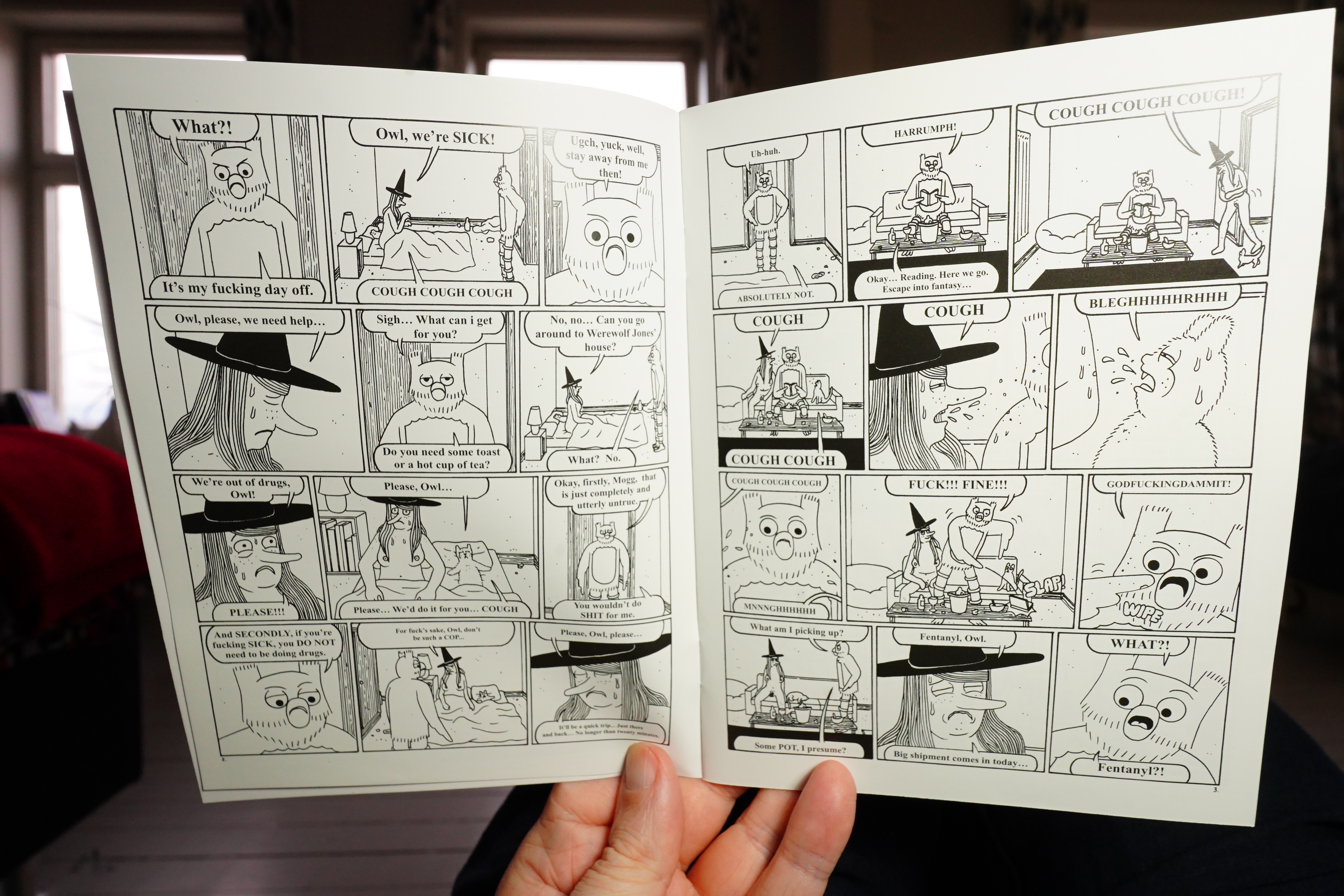
The Boys in Prison mini: “There’s no fucking way we can sell this, this is horrible” was a reaction Hanselmann got on this one, according to the backmatter. And it is indeed a lot (none of it shown above). But also funny (as shown above)!
| David Bowie: Pinups |  |
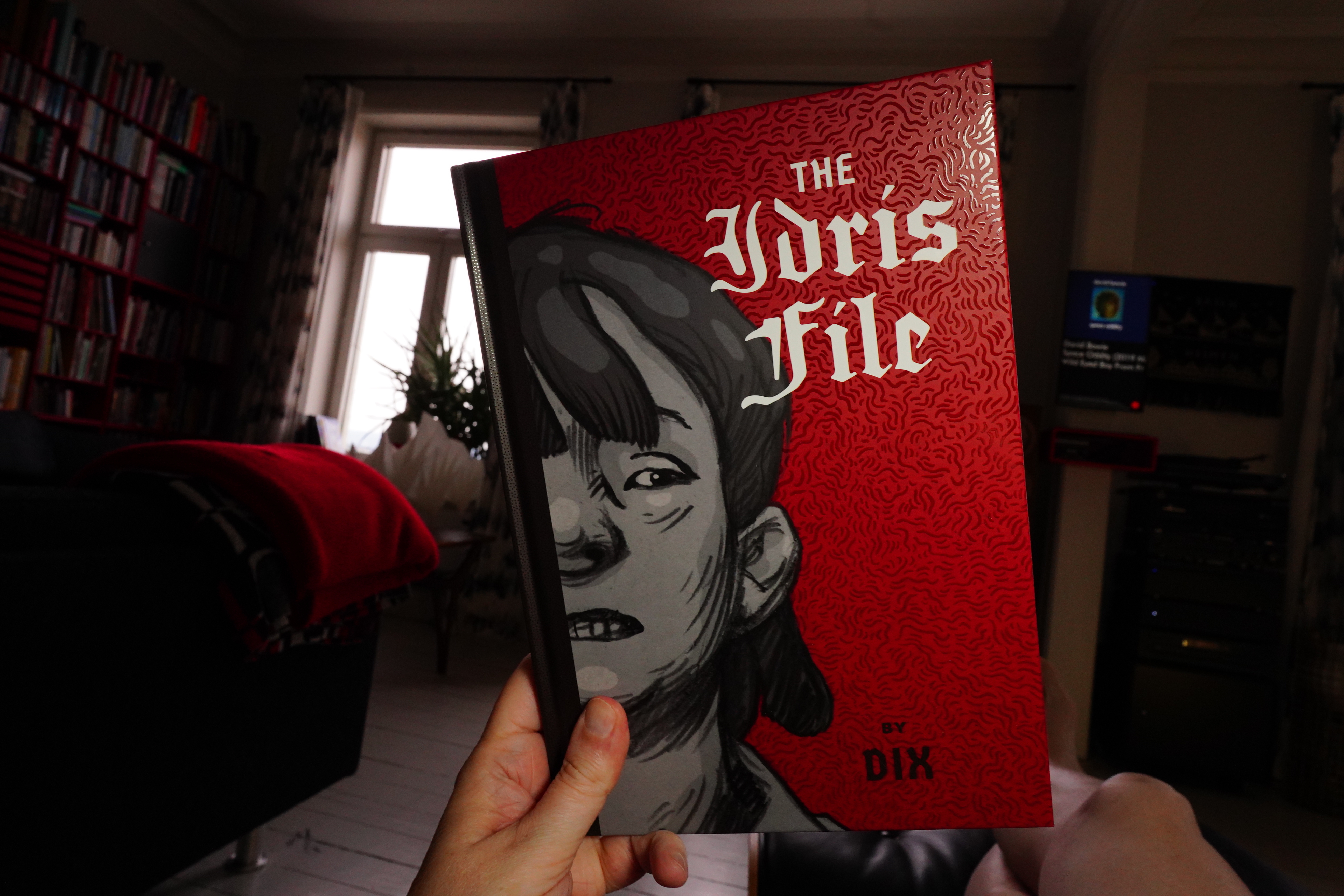
08:06: The Idris File by Dix (Fantagraphics)
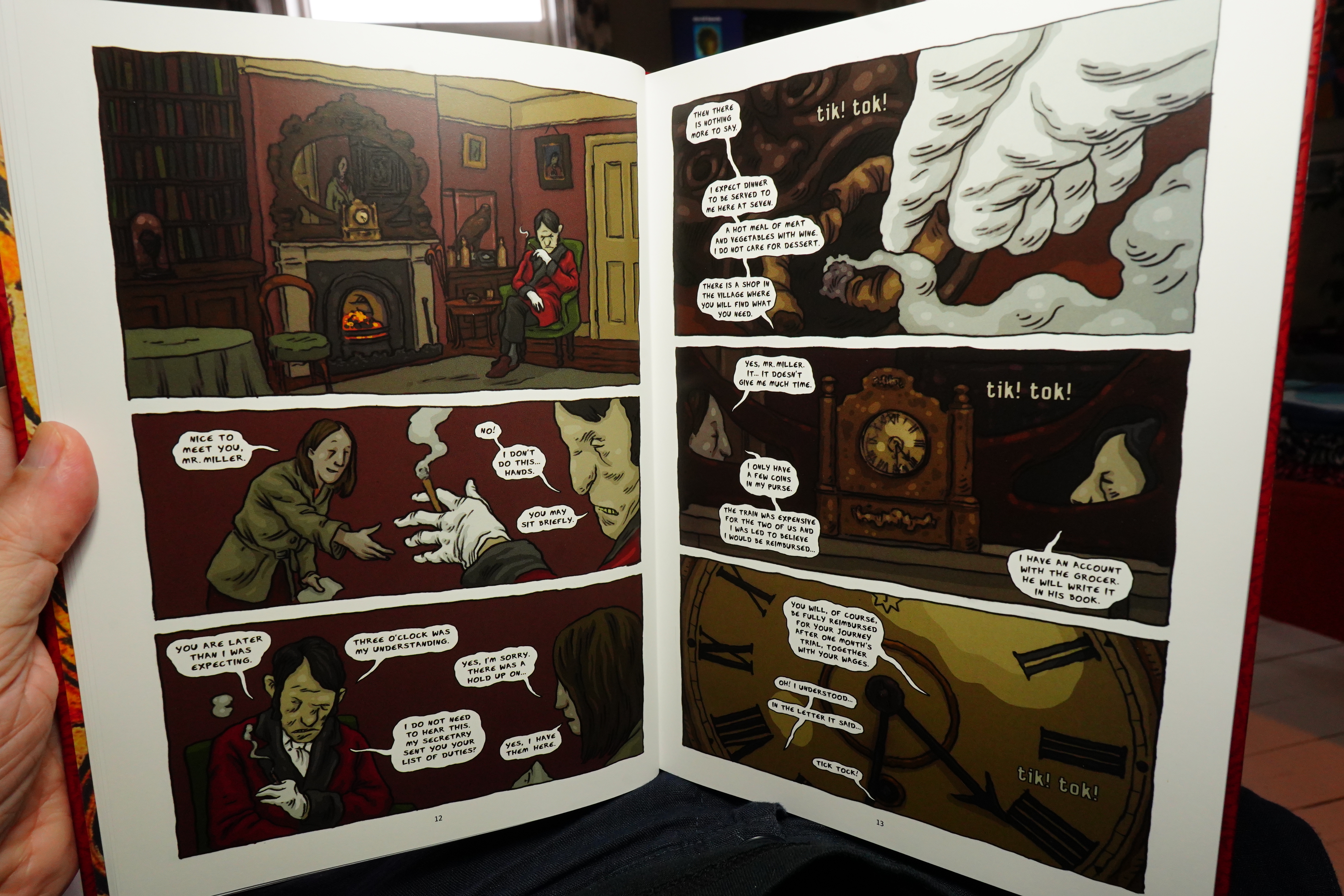
Hanselmann talked a bit about one-upmanship and being accused of being an edgelord in his backmatter, but man. It’s more appropriate for this one, really.
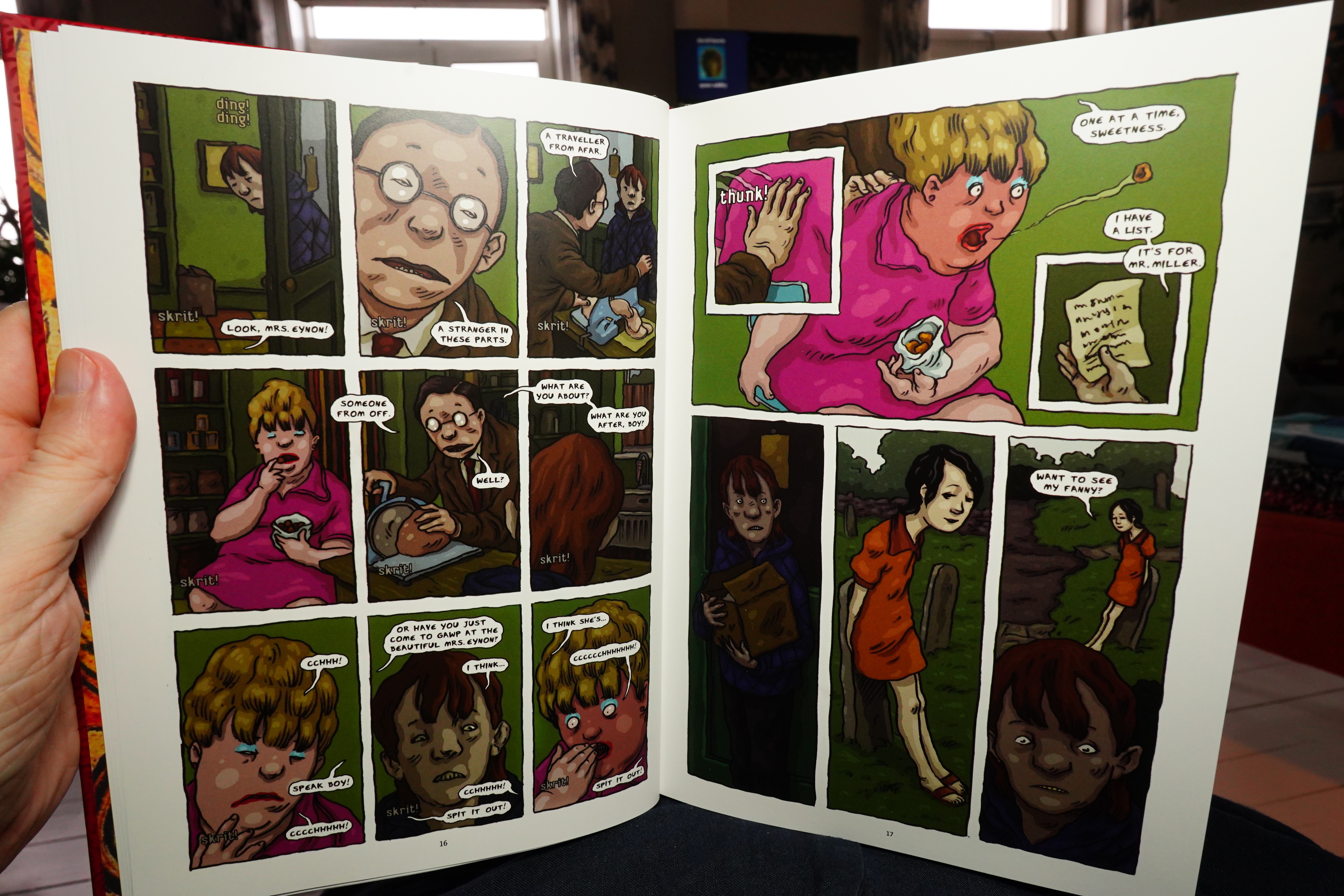
It’s a totally disgusting book on all levels — repulsive artwork, horrible characters and a vile plot.
I think it’s supposed to be funny?
| David Bowie: Station To Station (3) |  |
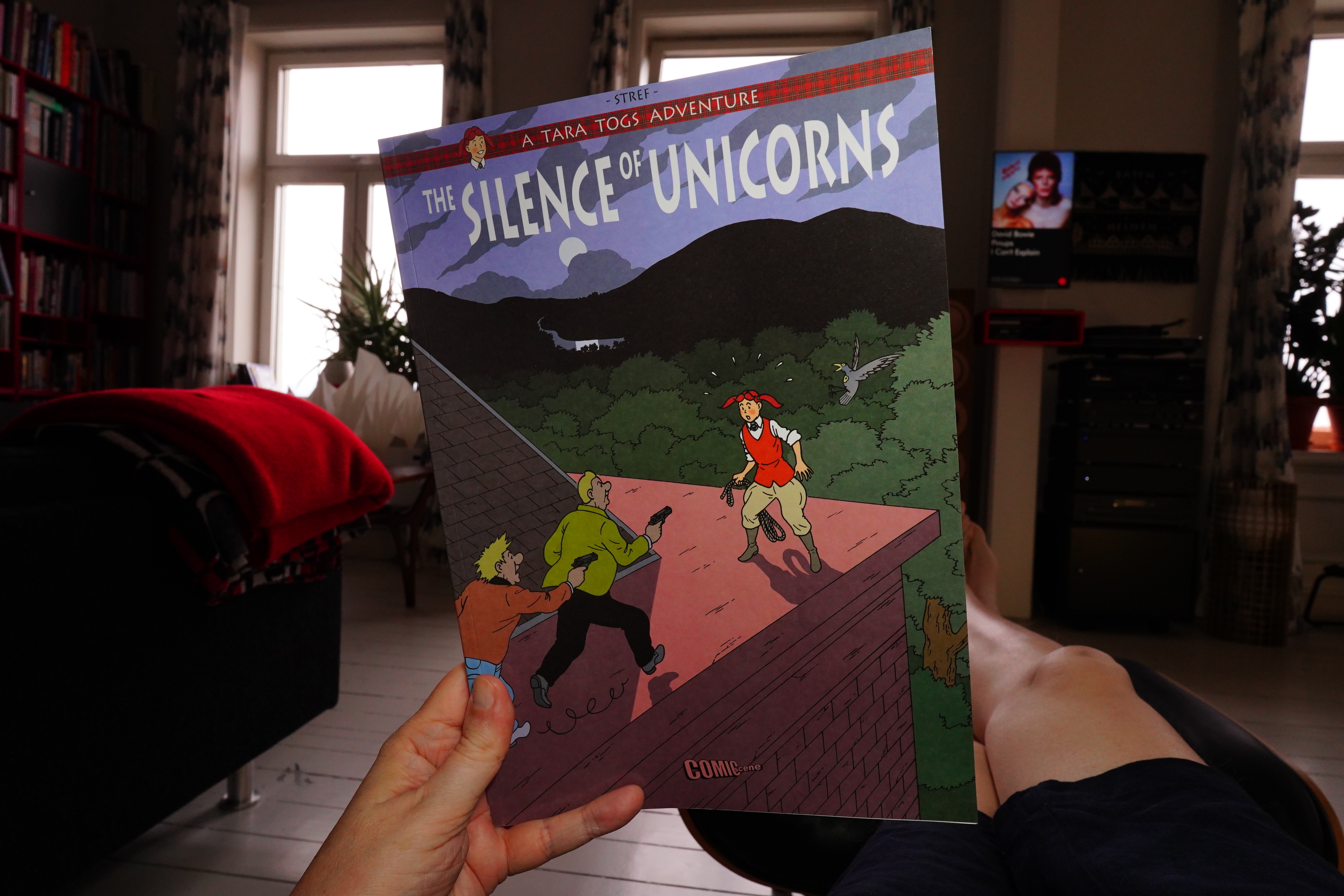
08:36: The Silence of Unicorns by Stref (ComicScene)
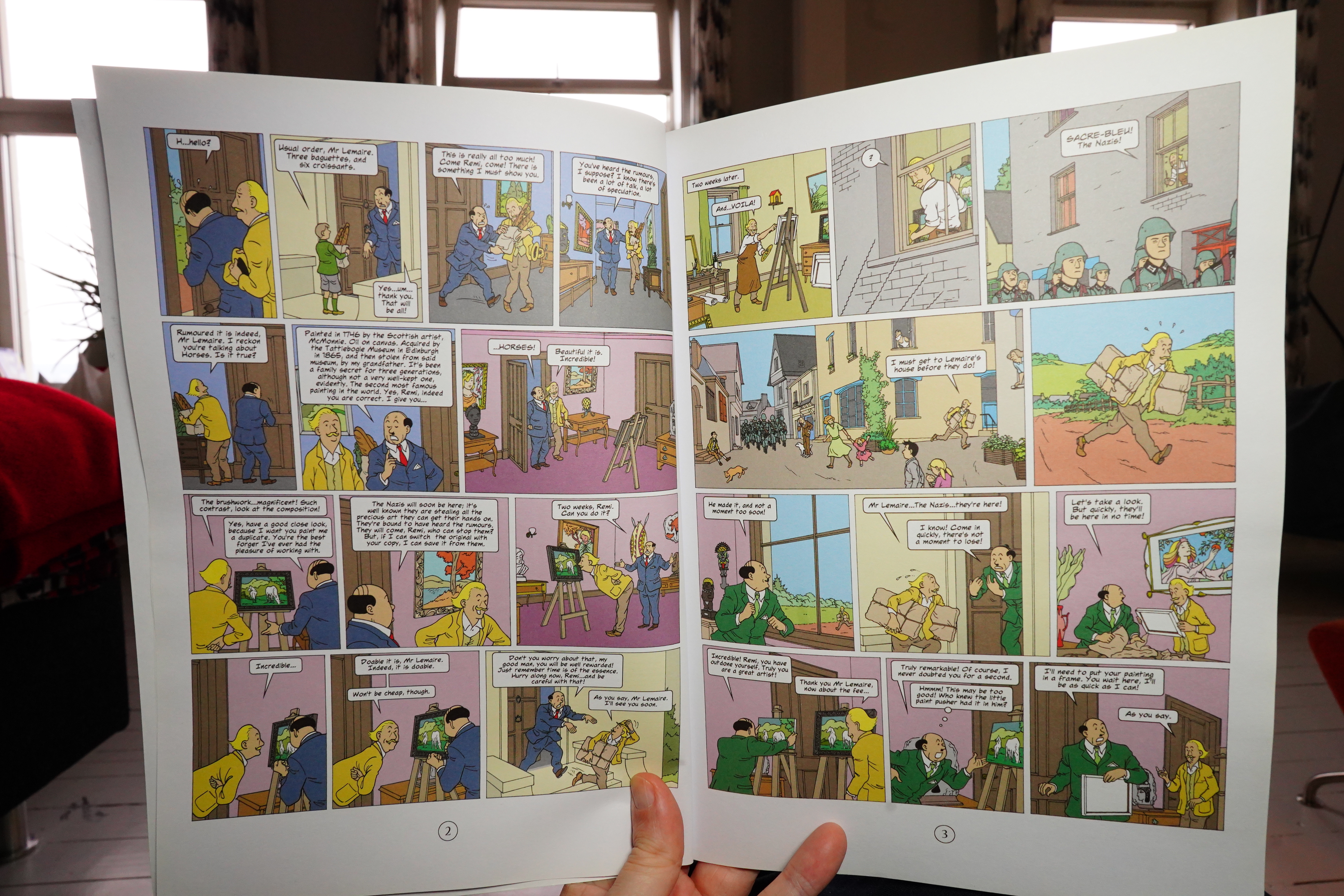
Wow, this is a very thorough Hergé pastiche. It’s a bit wonky, though? I guess it’s drawn on a tablet, so the line is even clearer than ligne claire. And the proportions of things are sometimes ever so slightly wonky? And the colours are less saturated than in Tintin — but only slightly (compared to the 50s editions). Perhaps it looked right on the screen, but then it got more washed out when printing (as colours usually do)?
| David Bowie: Changesonebowie |  |
| David Bowie: Be My Wife |  |
But I mean, I’m nitpicking — it’s fun to look at these pages.
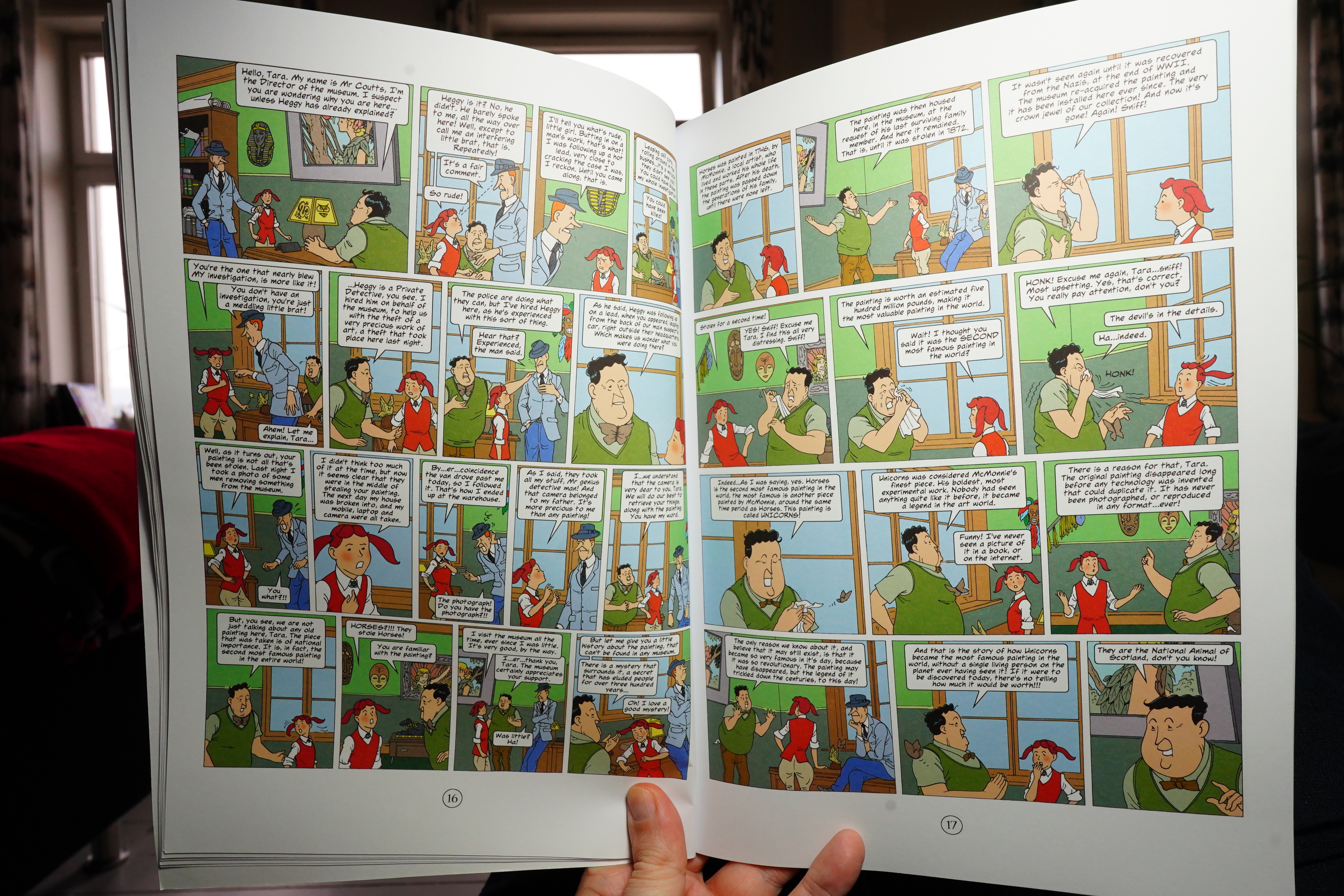
It’s quite wordy, but and it’s not as funny as Tintin, but it’s pretty entertaining anyway. It’s a fun project.
(Quite confusing mystery.)
And now I have to take a nap, because I only slept a couple hours tonight. Because of reasons.
| David Bowie: Welcome to the Blackout (Live London ’78) (1) |  |
I’m awake! I’m awake!
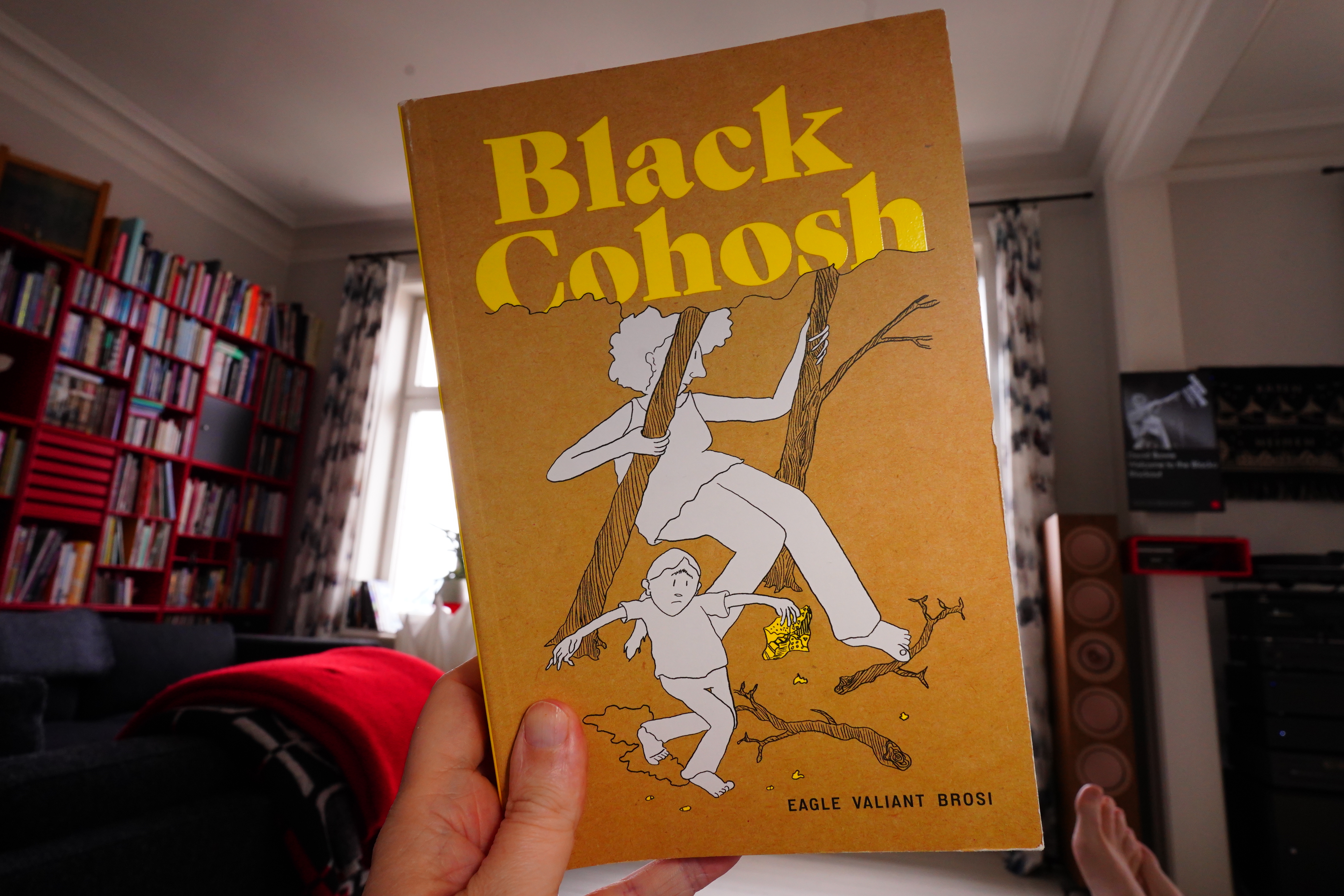
14:39: Black Cohosh by Eagle Valiant Brosi (Drawn & Quarterly)
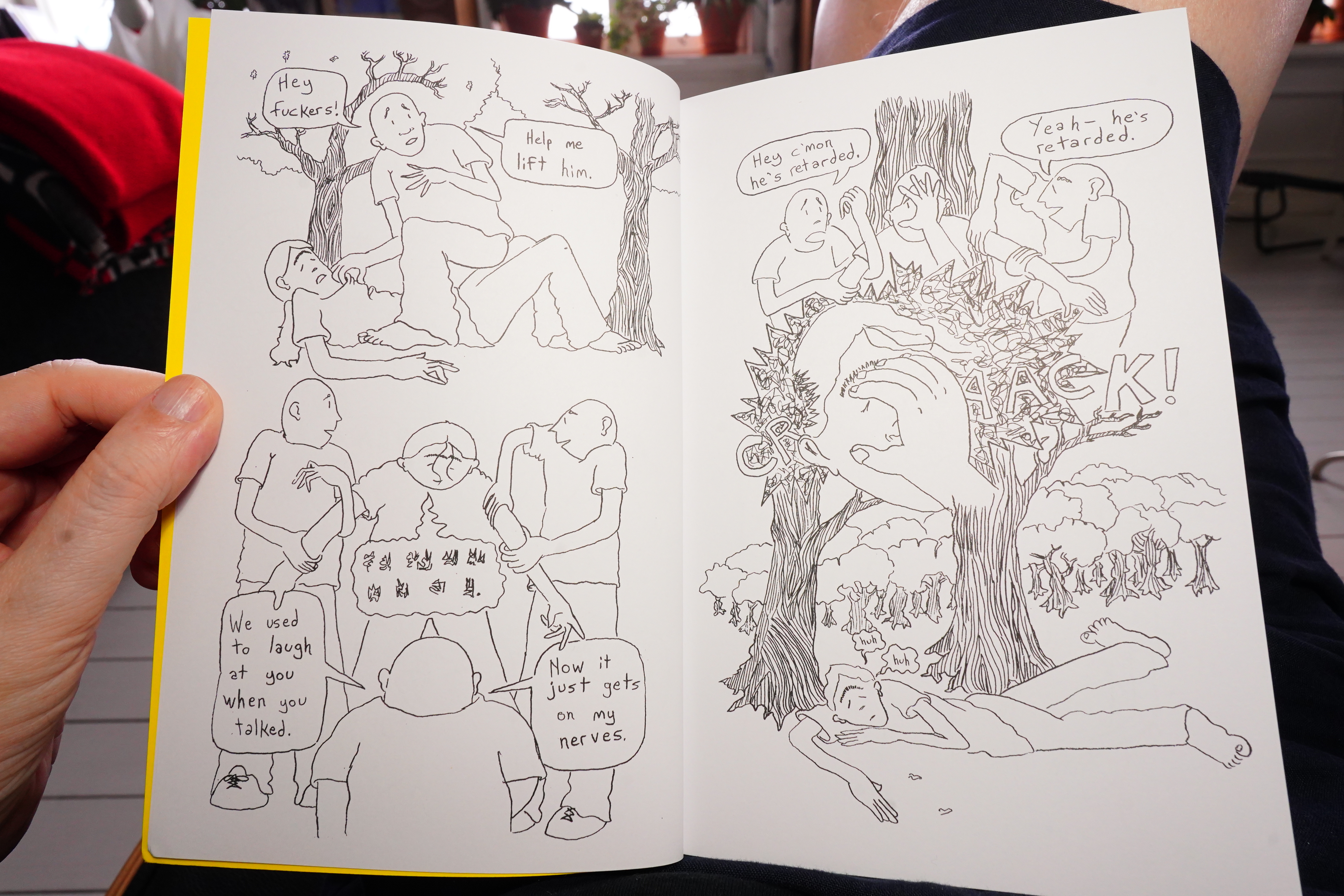
This is presented as an autobiography (i.e., the protagonist has the same name as the author)… The artwork is in the American 50s satiric cartoon tradition, I guess? (New Yorkerish, that is.)
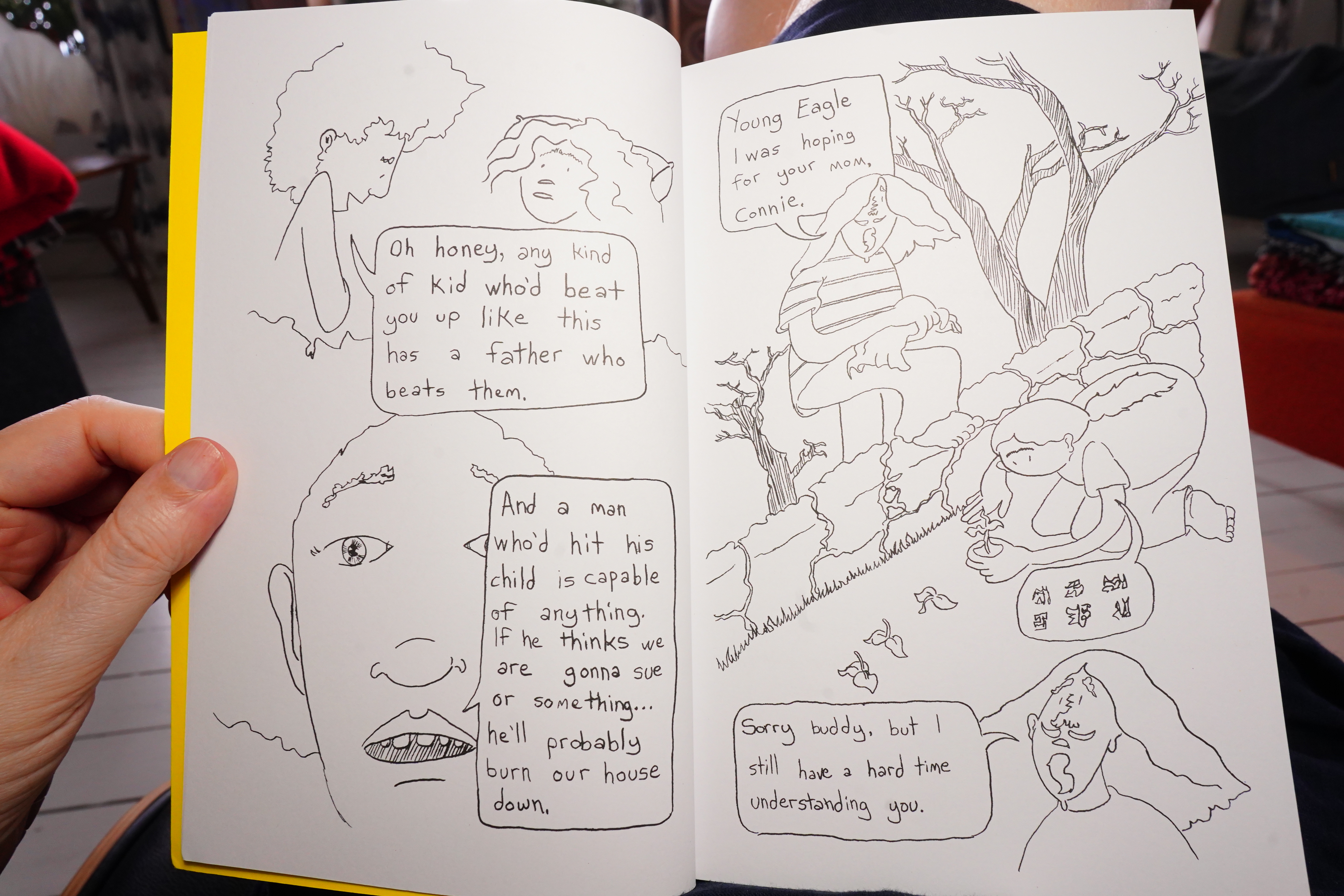
It’s quite confusing — it’s hard to tell all the characters apart. Not just because of the art style, but because there’s a lot of them, and the family situation is unclear. I first thought they were at a foster home or something, and it didn’t become clear until quite a while that they were at a hippie faux commune, or what you’d call it.
| David Bowie: Welcome to the Blackout (Live London ’78) (2) |  |
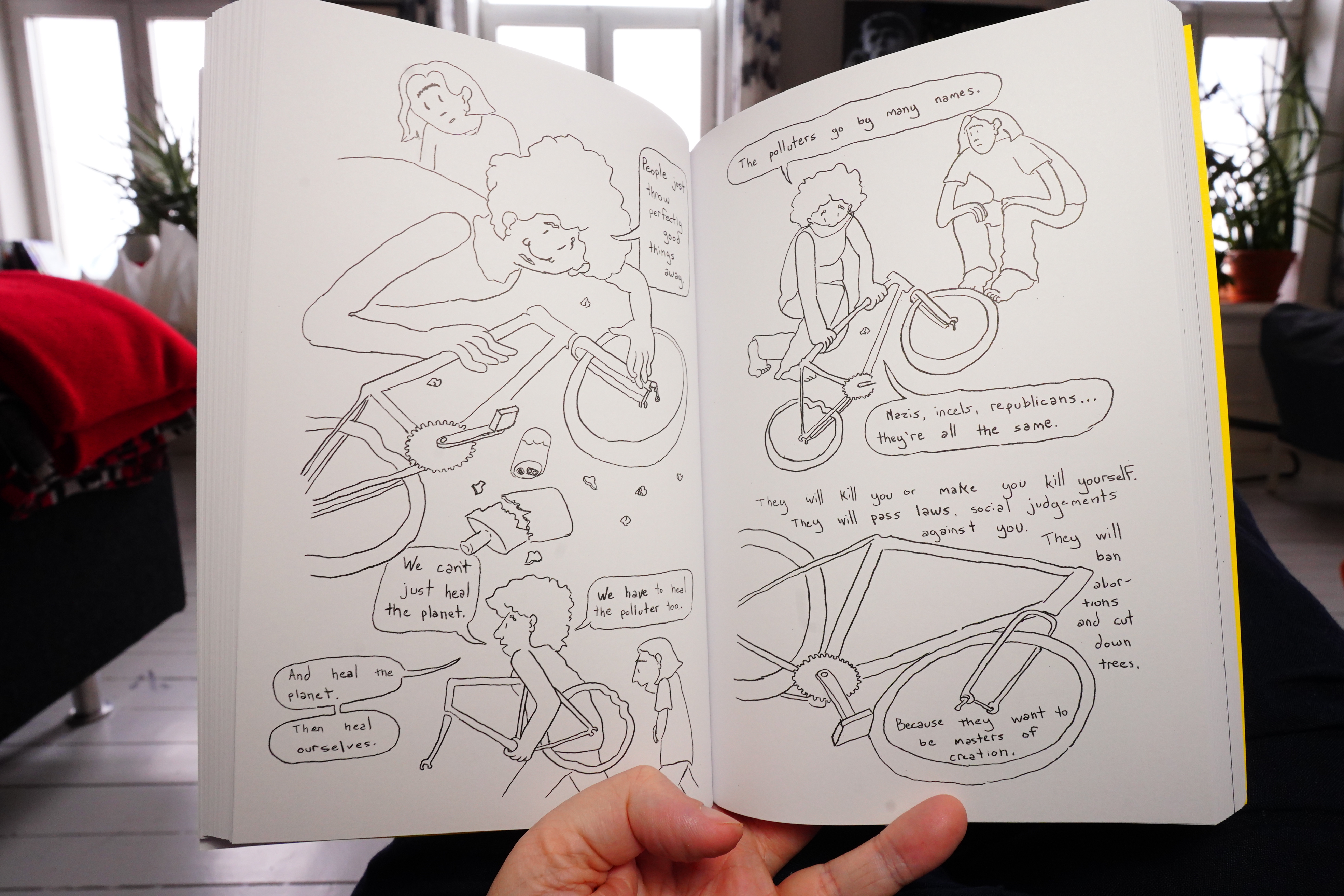
It’s a difficult book to say much about because it feels so… private? It’s more private than personal, if that makes any sense.
| David Bowie: Breaking Glass (Live E.P.) |  |

15:36: The Bees by Akvilé Magicdusté (Fantagraphics)

Uh-oh.
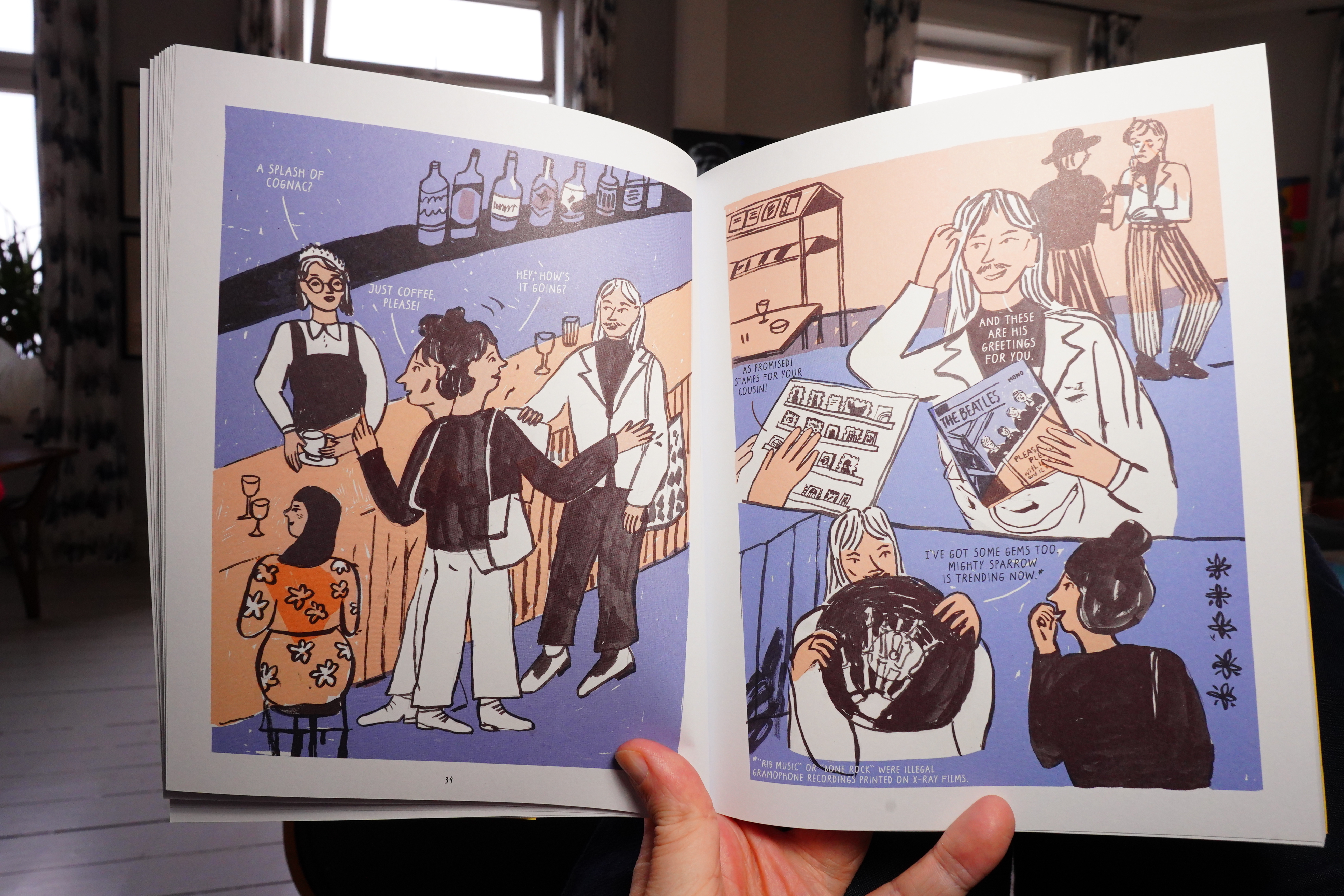
Well, I like the art style, and it’s interesting — it’s about a pop band in 60s and 70s Lithuania. So that’s new.
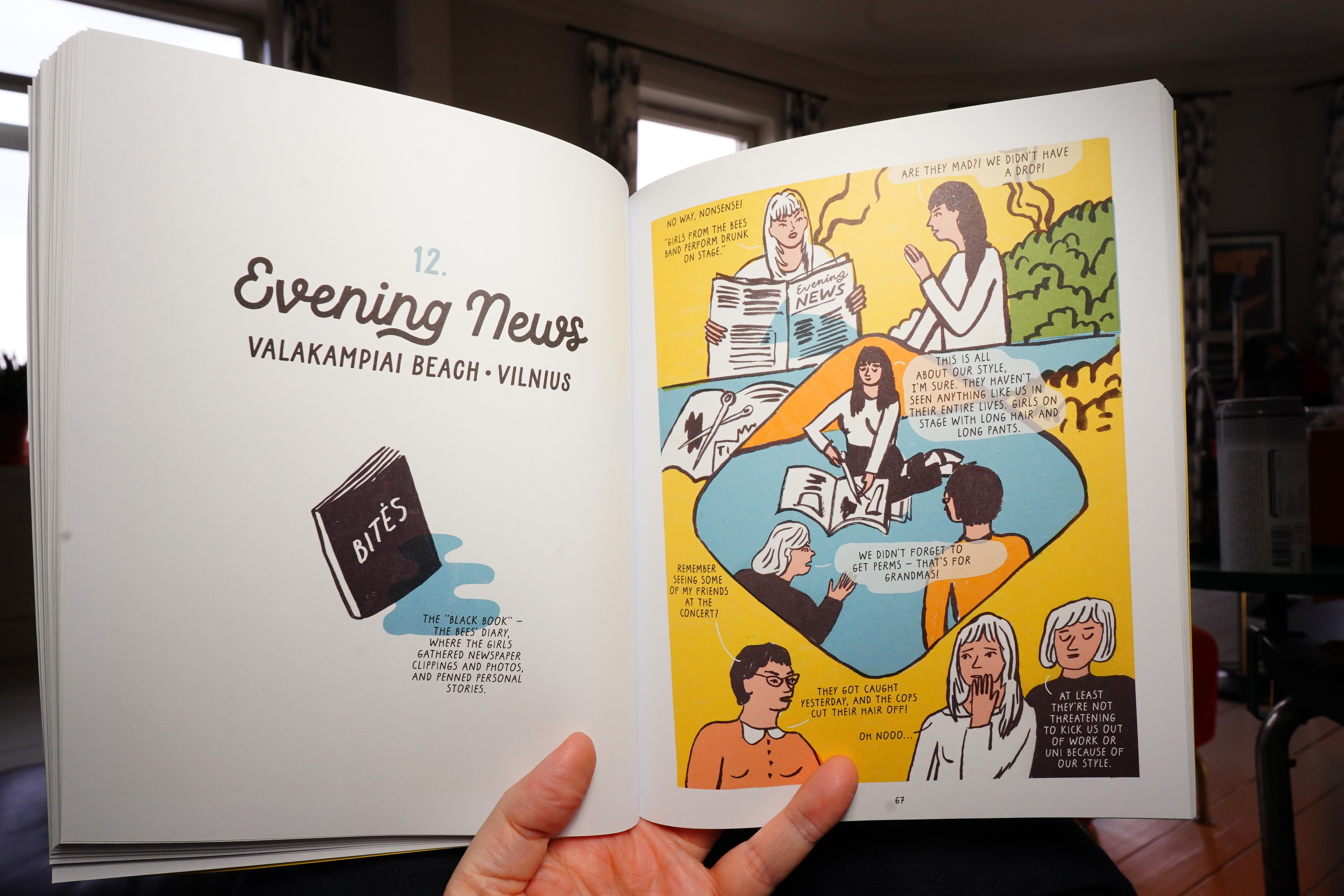
But it’s told in such a choppy way… there’s 30 chapters over 150 pages, so nothing really develops. It’s like she did a couple of interviews, and then spent a handful of pages on each anecdote.
It really doesn’t work at all, and the more I’m reading, the more impatient I’m getting with it all. Which is a shame! Like I said, the topic is interesting, and I think there’s a good story in here somewhere.
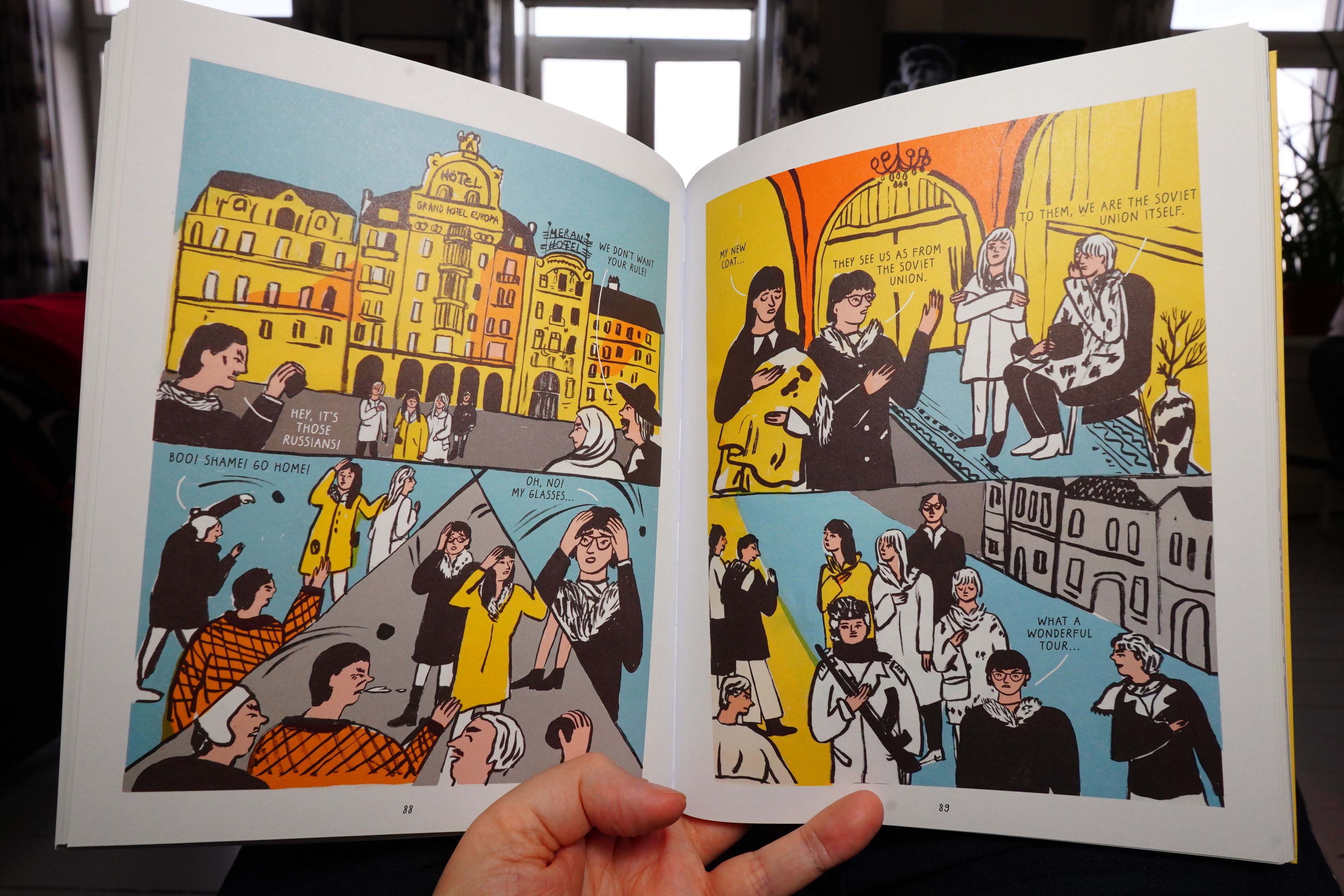
The book picks up substantially after the band really gets going, though.
| David Bowie: DJ |  |

16:05: Amazonas by Leo Ribeiro (Trykksak)
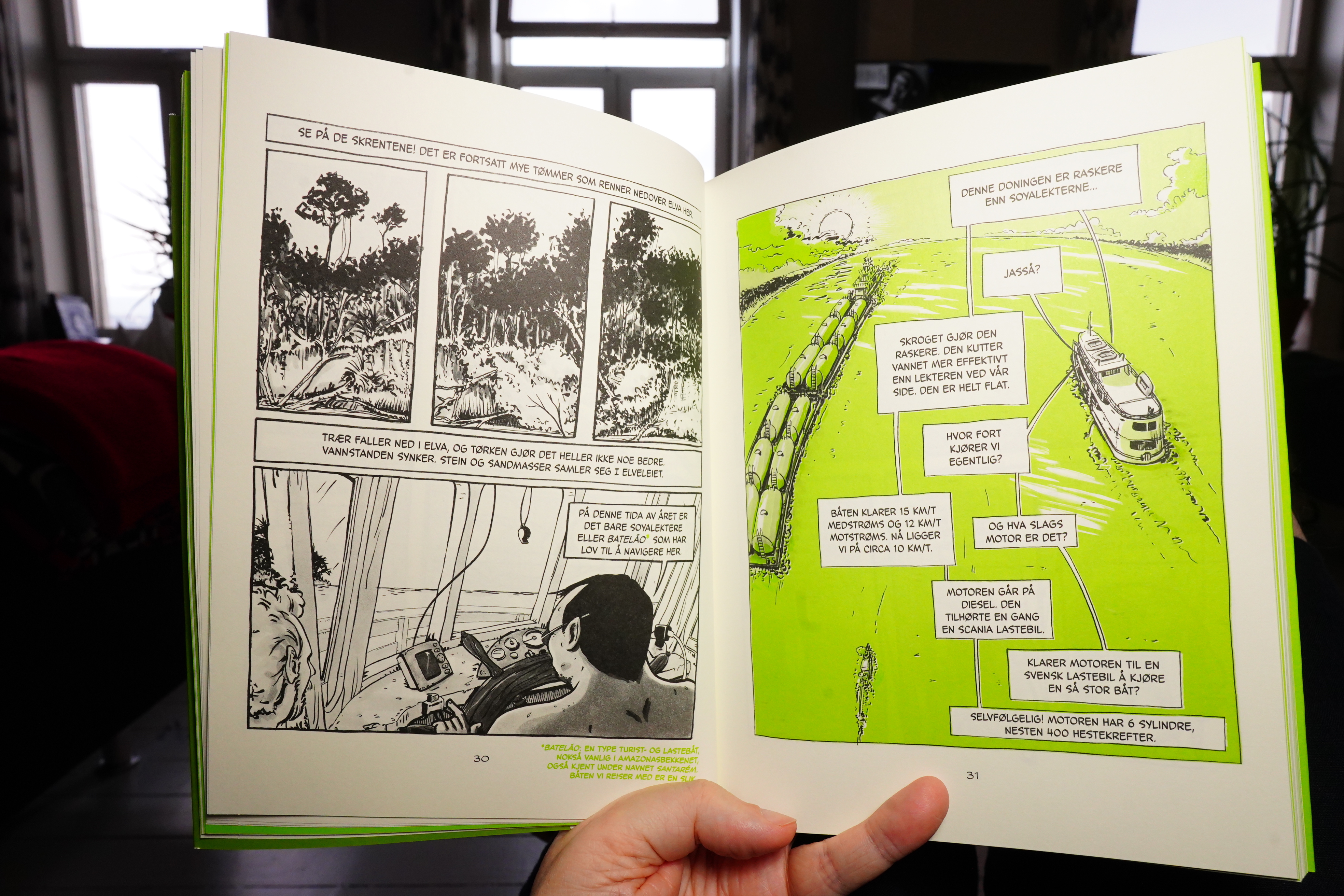
This is a sort of travel diary kind of book — the author lives in Brazil, but after Bolsonaro won, he decides to move to Norway. But the month before he moves, he’s invited to take a trip up the Amazon on a boat, and do classes for people living in the jungle in animation and cartooning.
| David Bowie: Boys Keep Swinging |  |
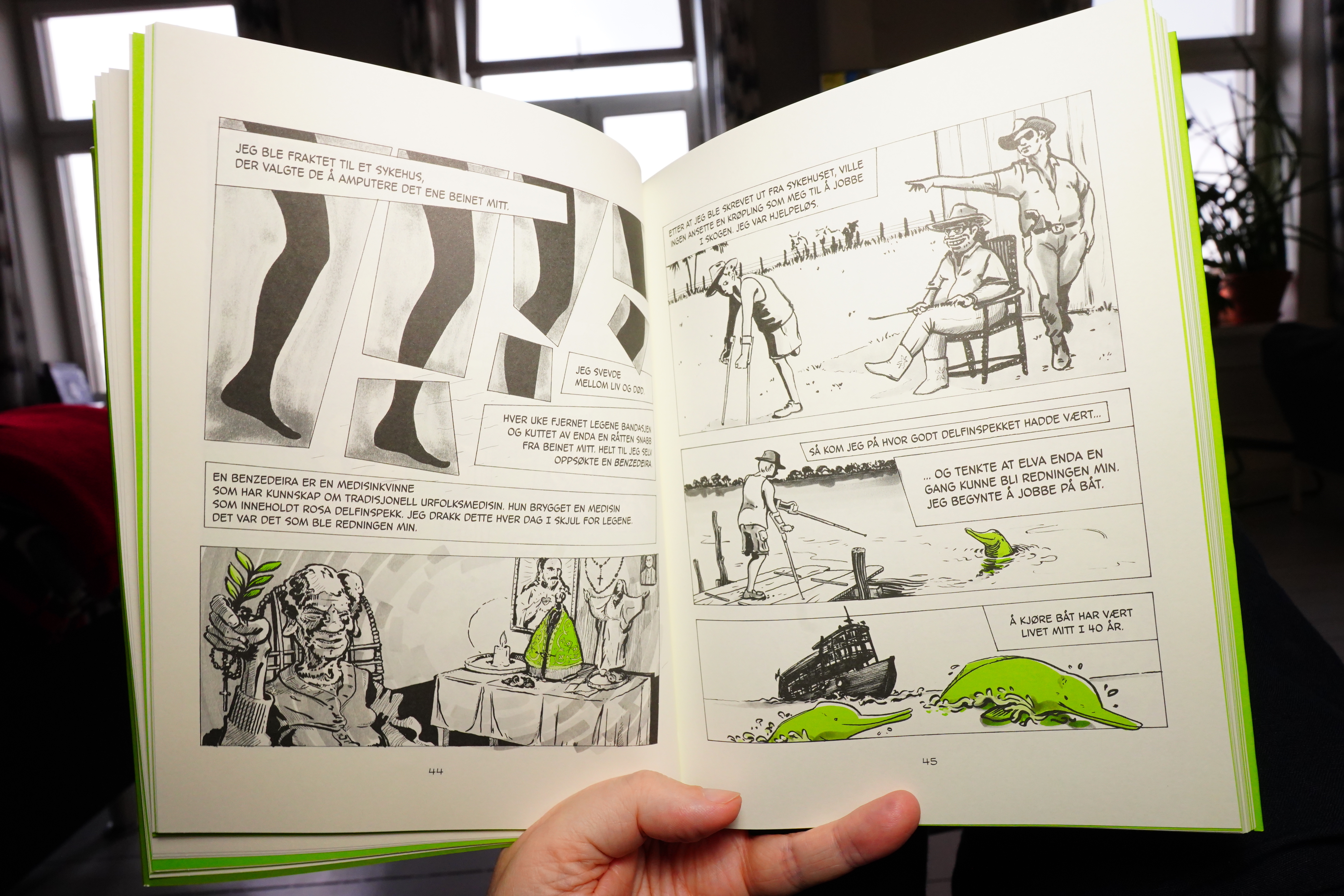
It’s interesting and told well — we learn a lot, but it doesn’t feel like we’re being infodumped at, either. There’s some amusing anecdotes, some dramatic ones — it’s very amiable.
| David Bowie: Alabama Song |  |
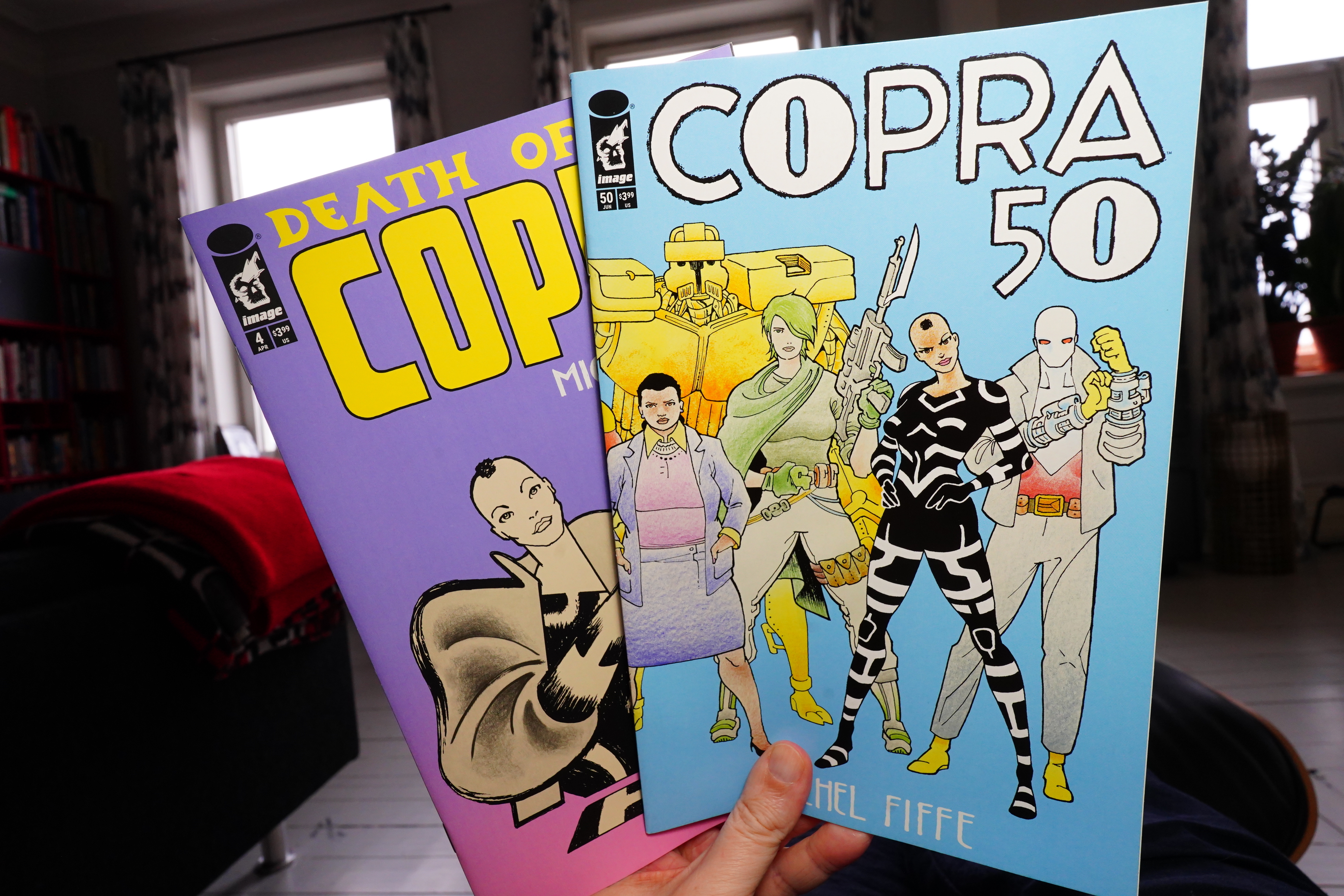
16:32: Death of Copra #4, Copra #50 by Michel Fiffe (Image Comics)
| David Bowie: ChangesTwoBowie |  |
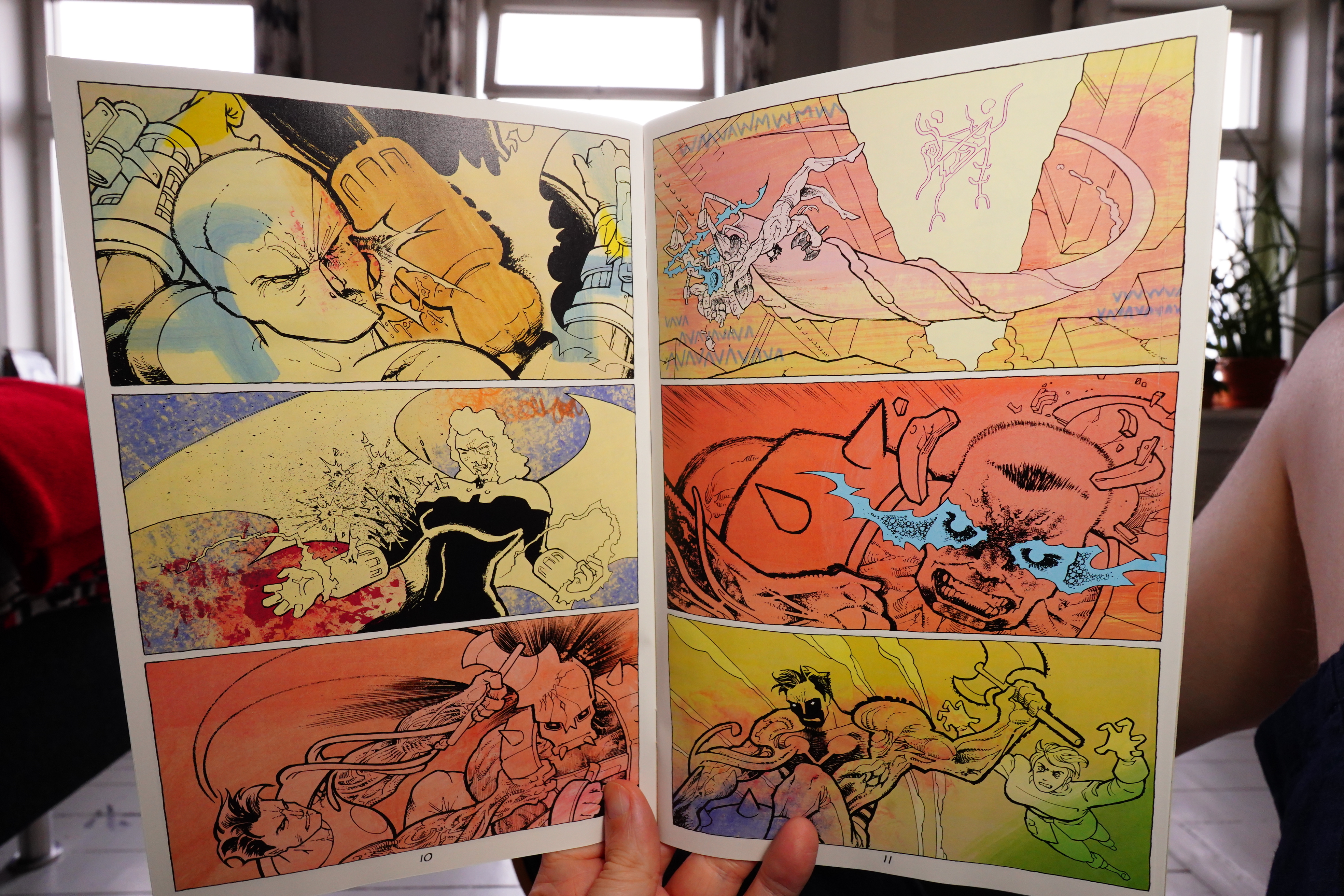
Yes, this is the end of Copra (after about a decade, I guess)?
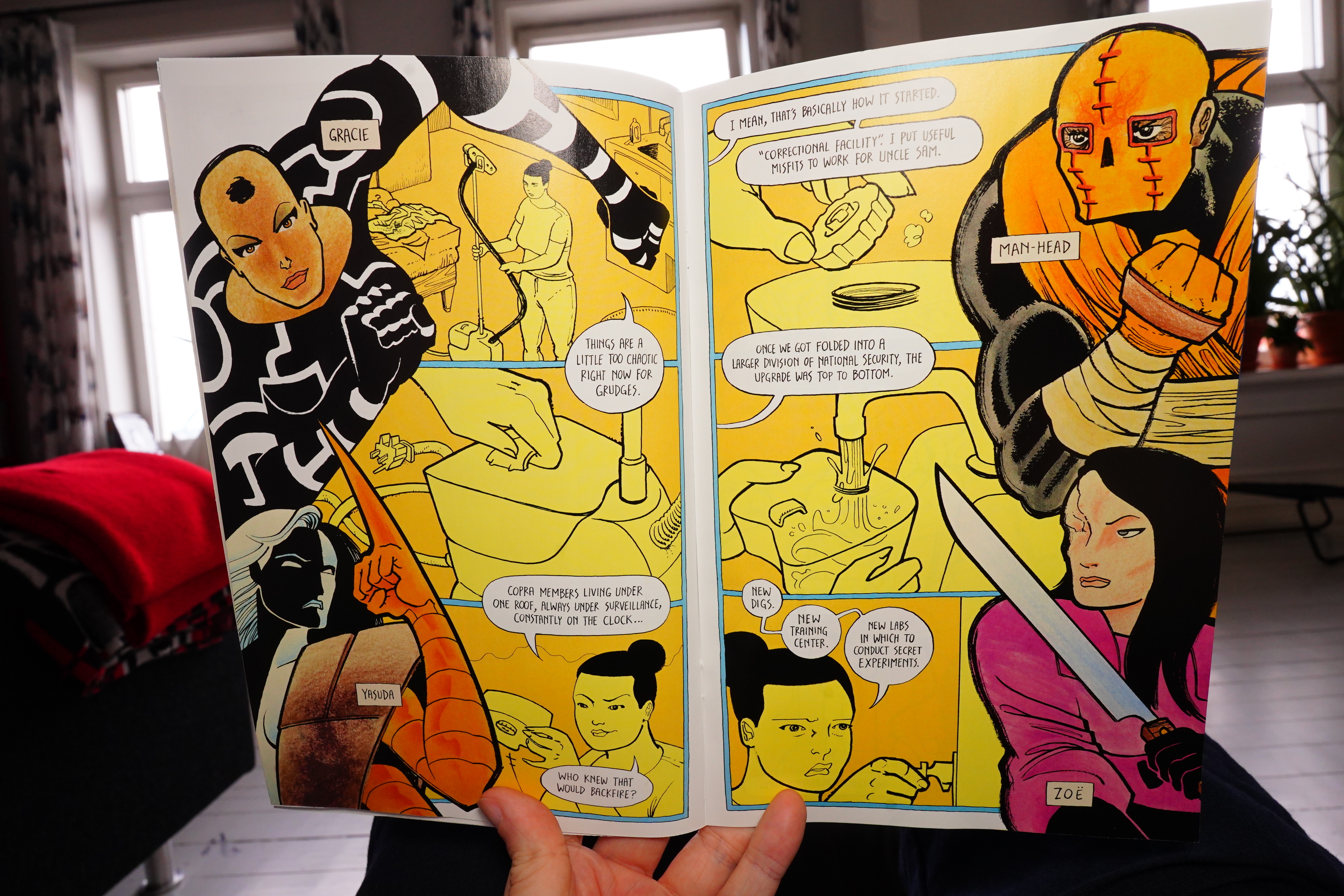
And it’s really cool. As usual when reading single issues of Copra, I’m totally confused, but I don’t mind. I’m looking forward to reading the entire epic now — I think I basically have 80% of the issues, but I’m not sure whether to wait for the remaining three “big” collections that are supposed to collect the entire thing. Because I’m lazy.
| David Bowie: A New Career in a New Town (9): Lodger (2017 Remix) |  |
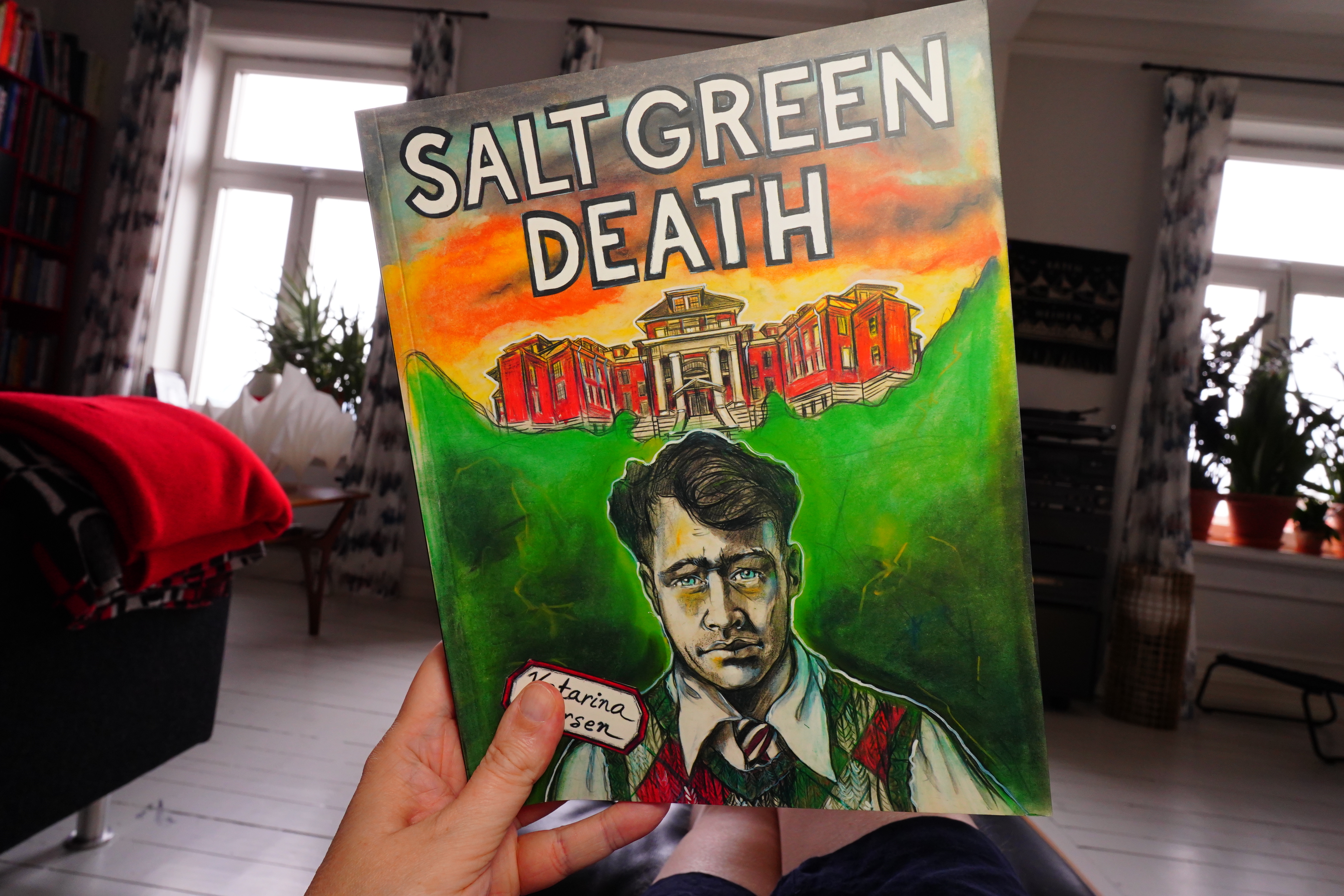
16:50: Salt Green Death by Katarina Thorsen (Conundrum Press)
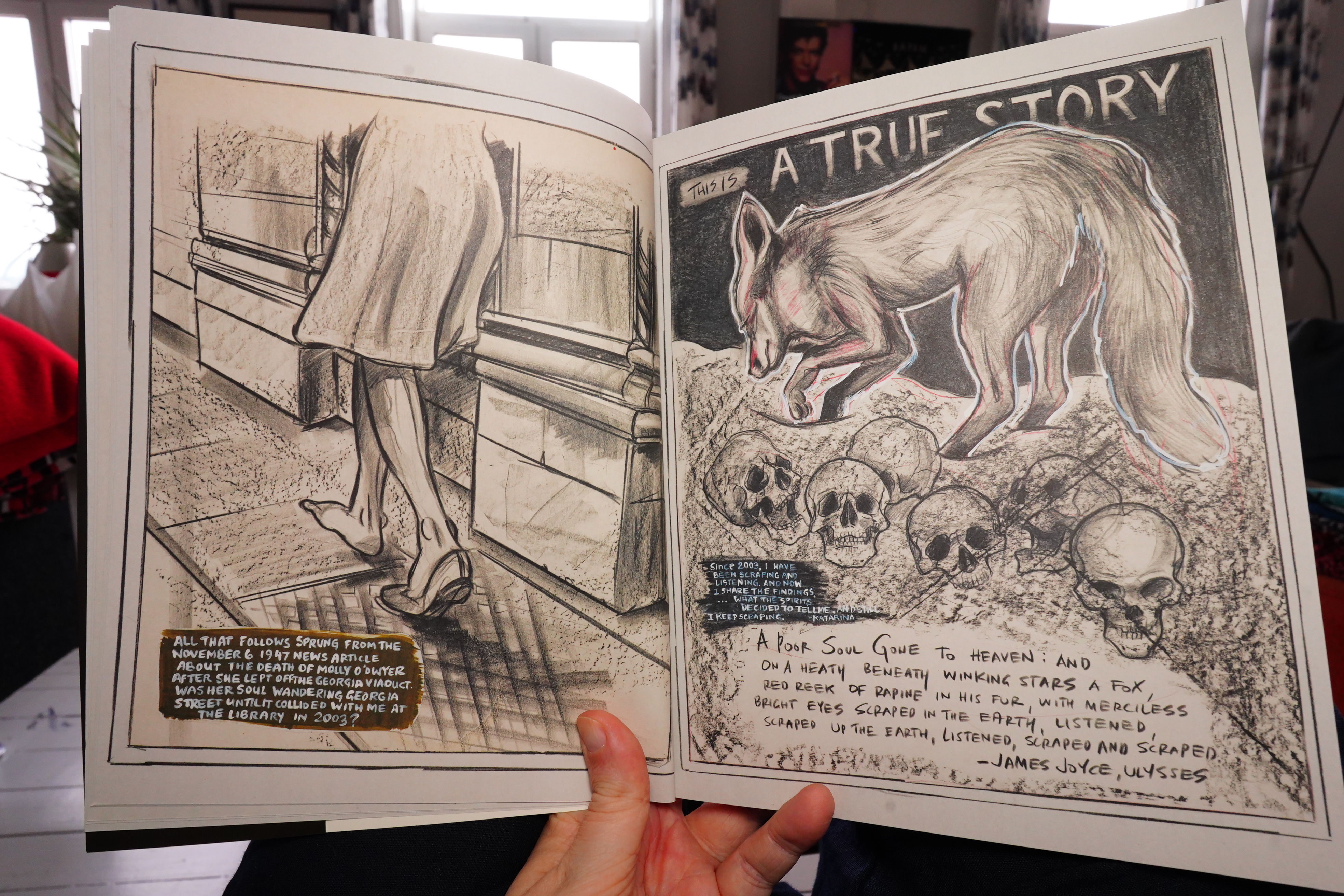
Thorsen calls this “creative non-fiction”, and it’s a truly unique work. It has, perhaps, echoes of Sue Coe?
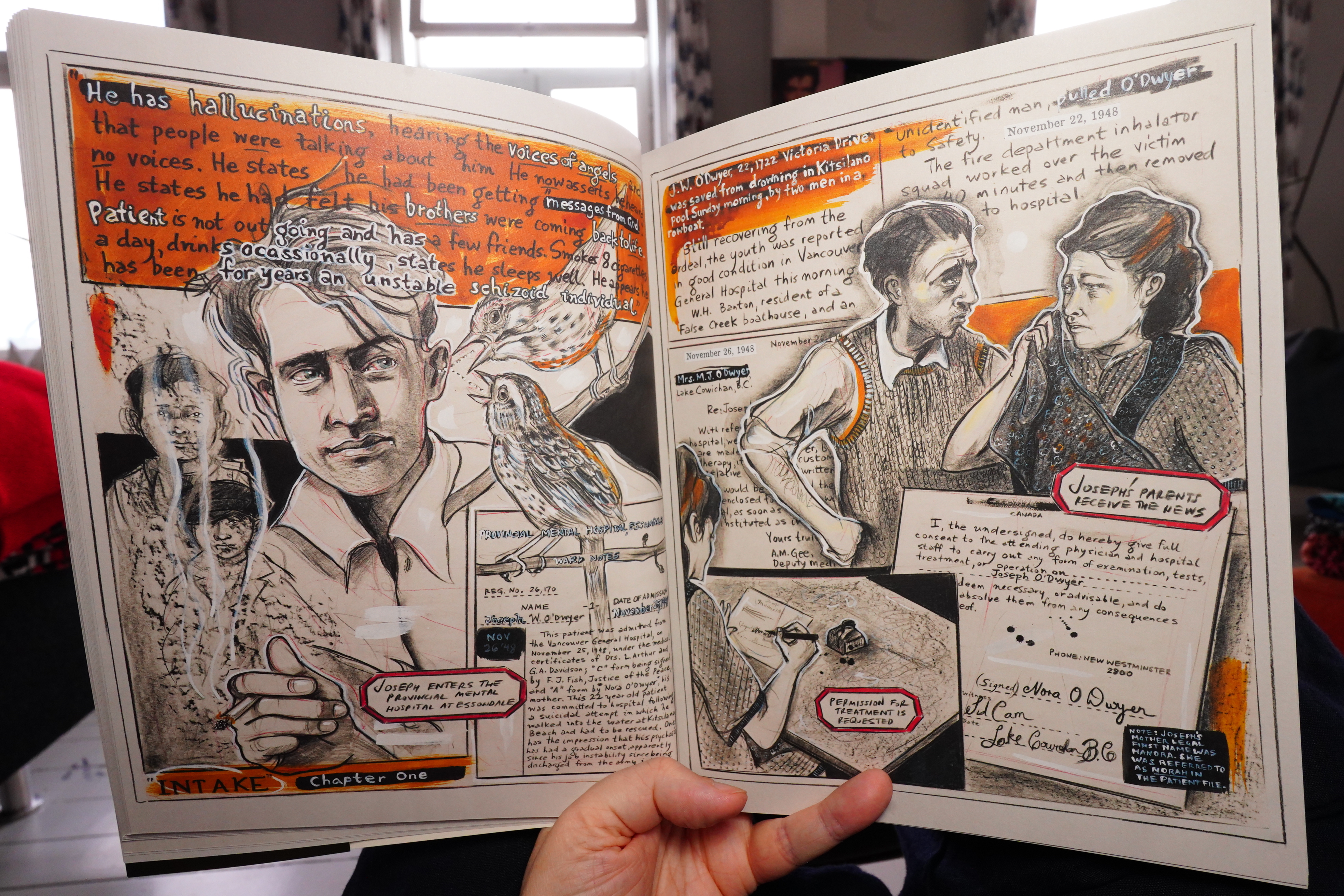
Anyway, we follow Joe O’Dwyer and his family through documents left behind. The literature list is pages and pages — this project must have taken multiple years. Thorsen tries to figure out what happened to this guy, and what happened to his family, and it’s engrossing and moving.
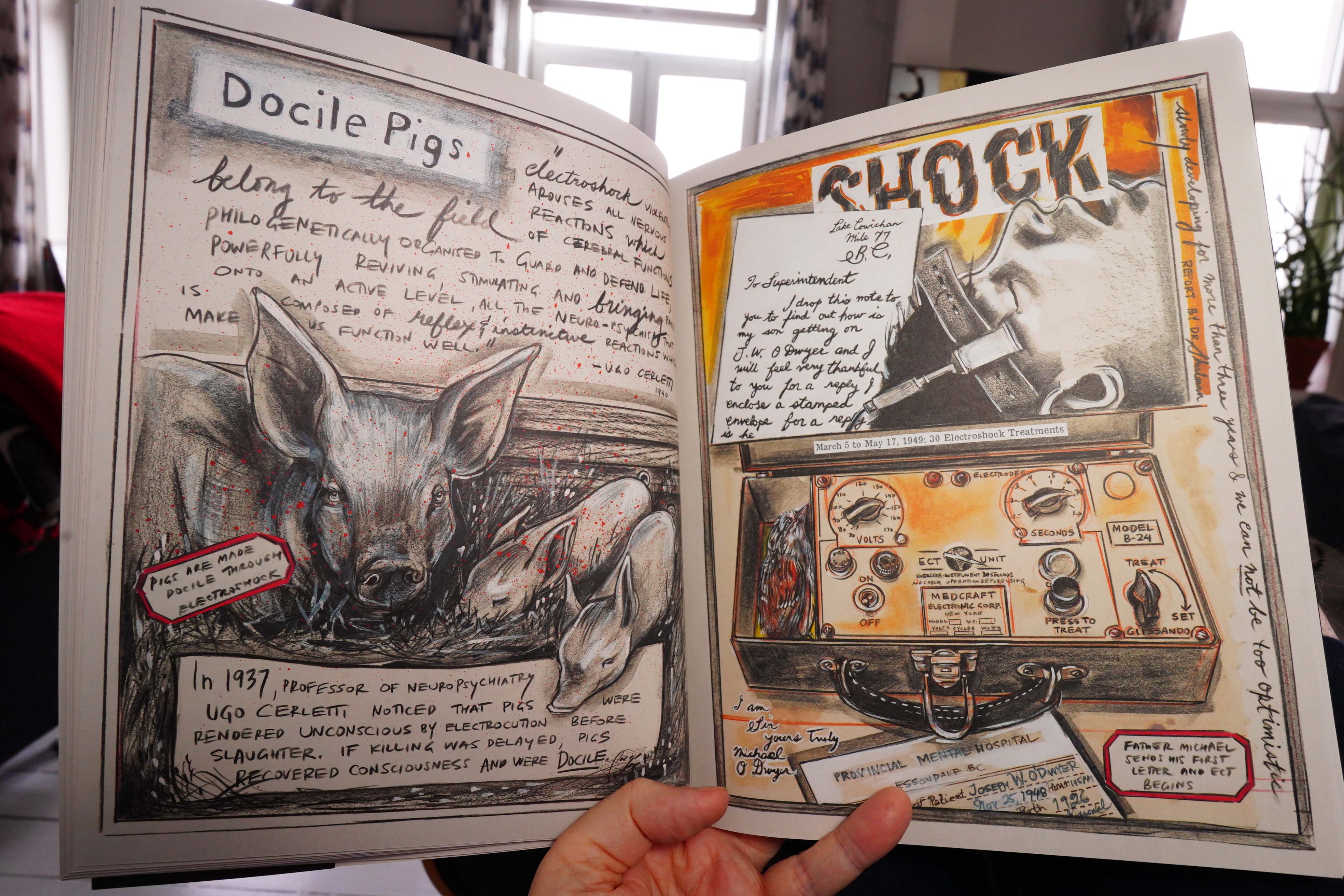
Most of the book is taken up with Joe’s stay at various mental institutions (he was schizophrenic).
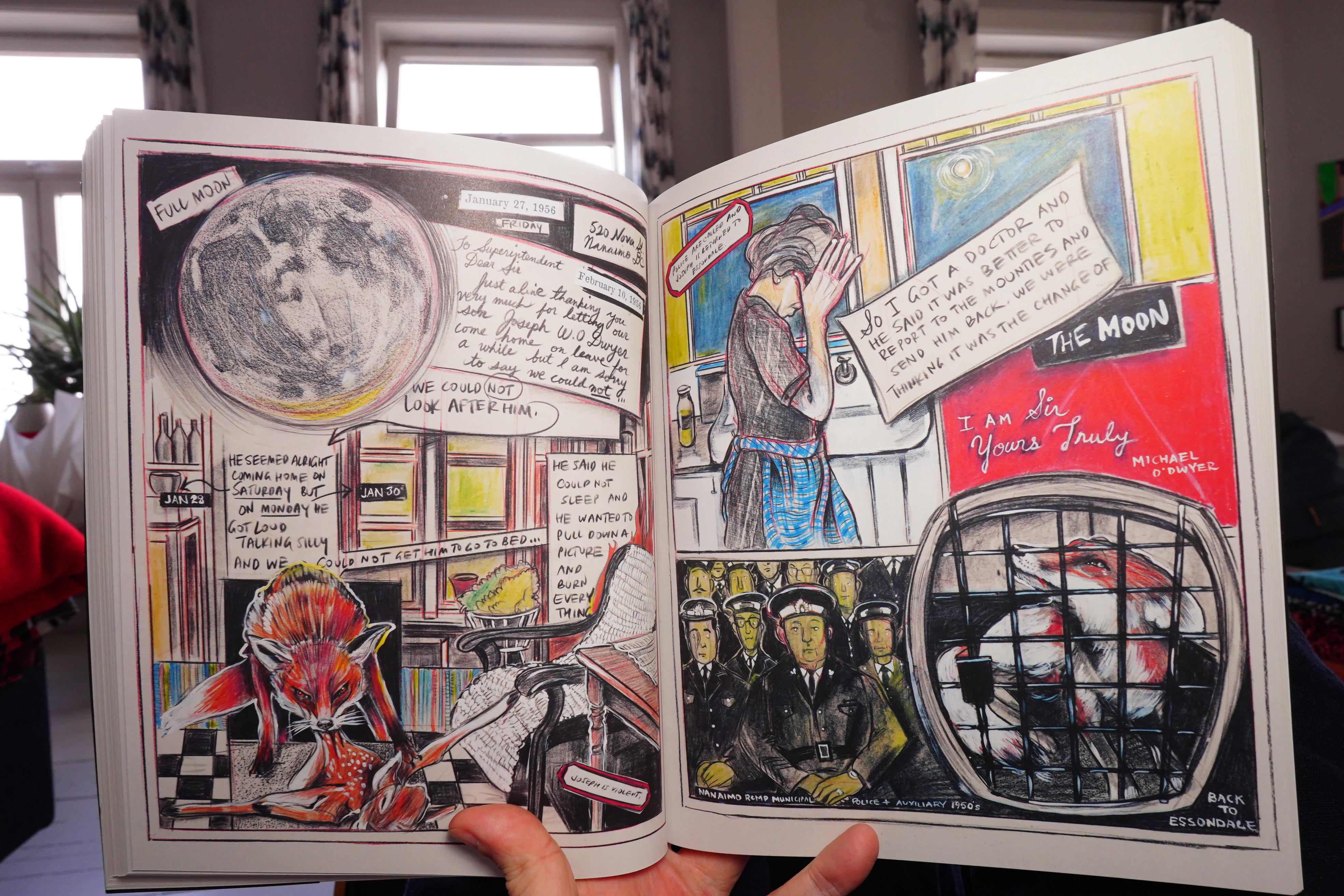
This sounds like it could be a dry exercise, but this is anything but an infodump. The artwork is so powerful, and the storytelling is so on point that you can’t help being sucked into this maelstrom of a story. It’s so well done, and it’s so original.
This one goes on my “comic book of the year” list.
| David Bowie: A New Career in a New Town (6): Stage (2017 Edition) (1) |  |
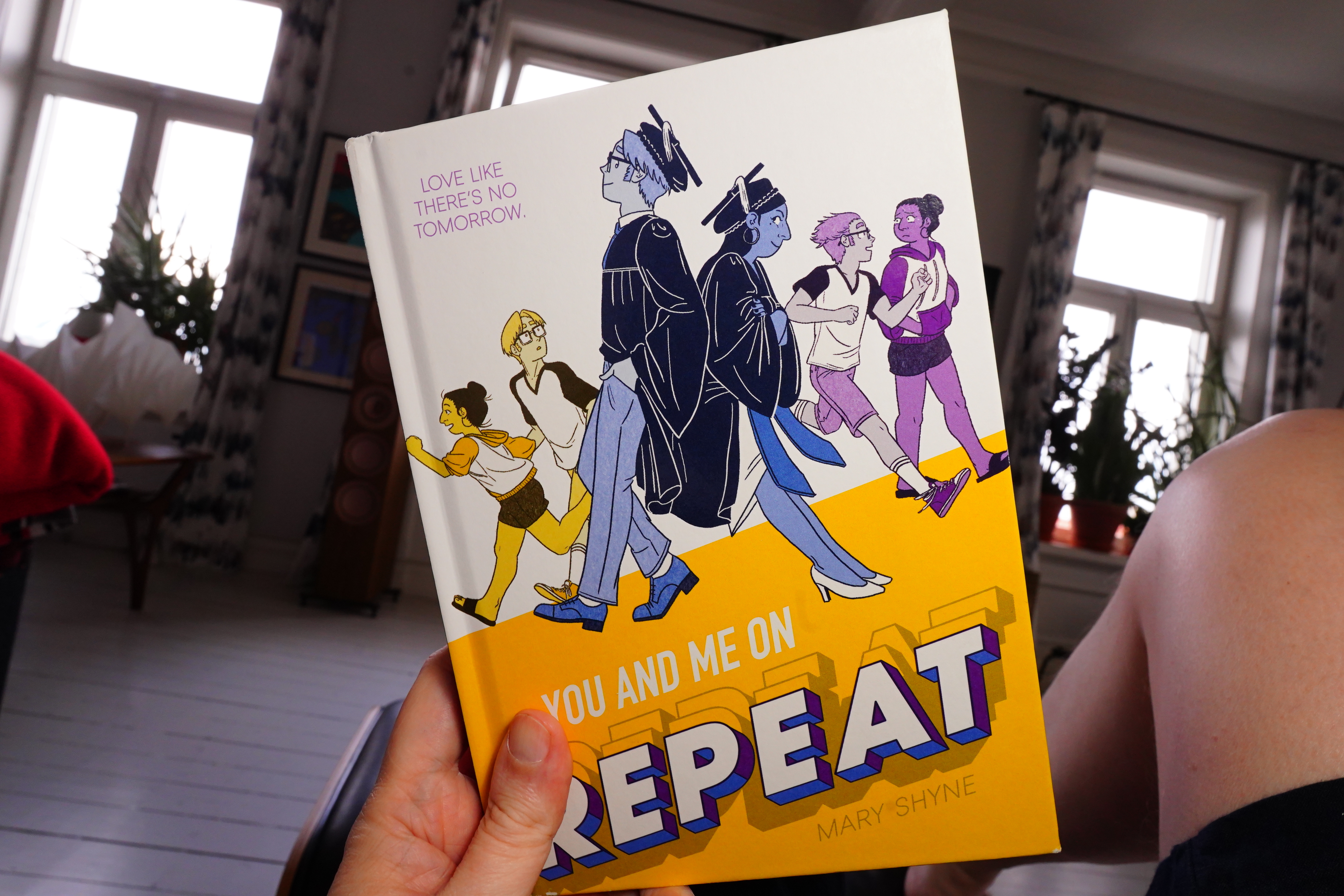
17:53: You and Me On Repeat by Mary Shyne (Henry Holt)
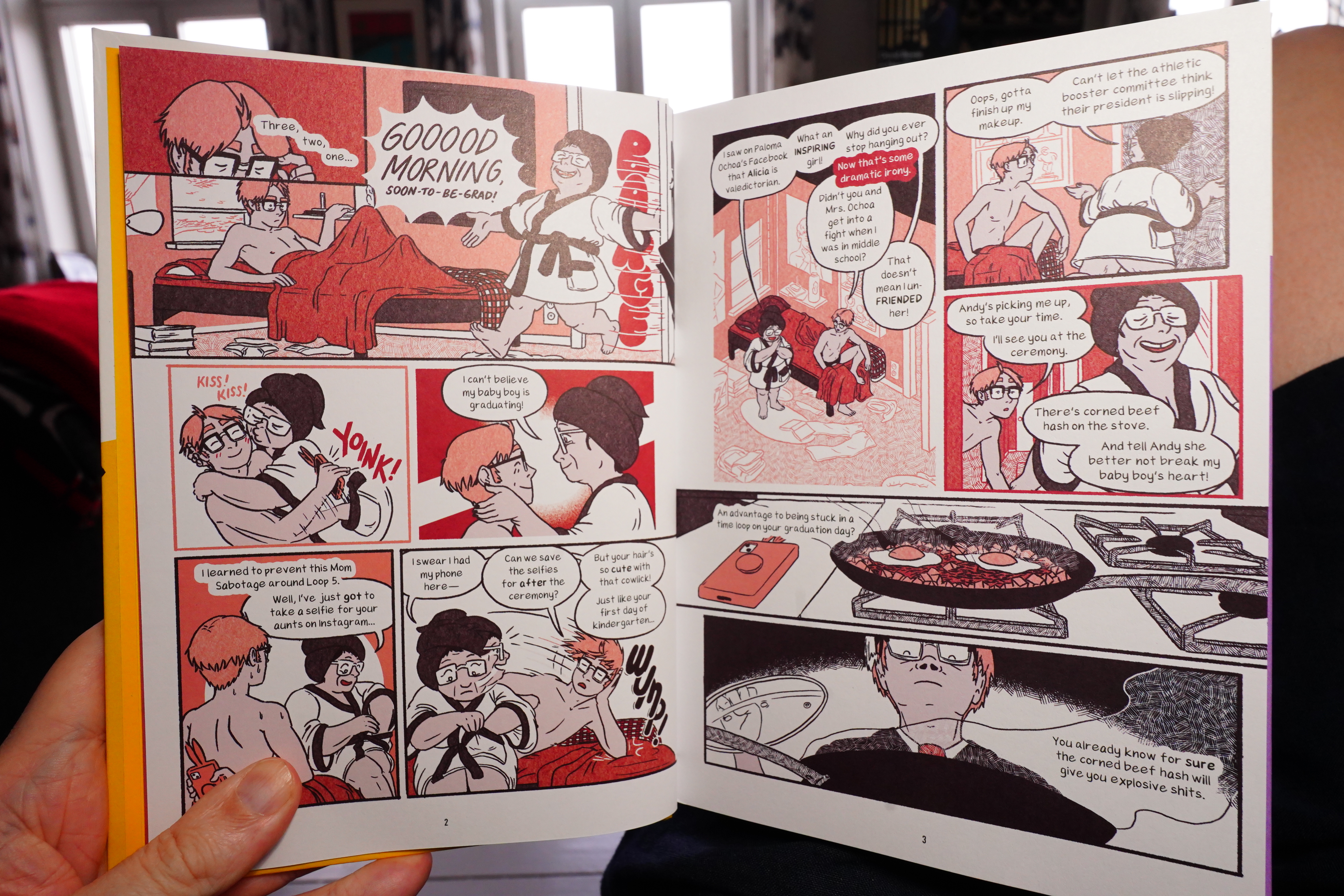
Huh, this is very Japanese-looking, ain’t it? Down to replicating the badly printed single red colour typical of Japanese comics in the 50s.
| David Bowie: A New Career in a New Town (7): Stage (2017 Edition) (2) |  |
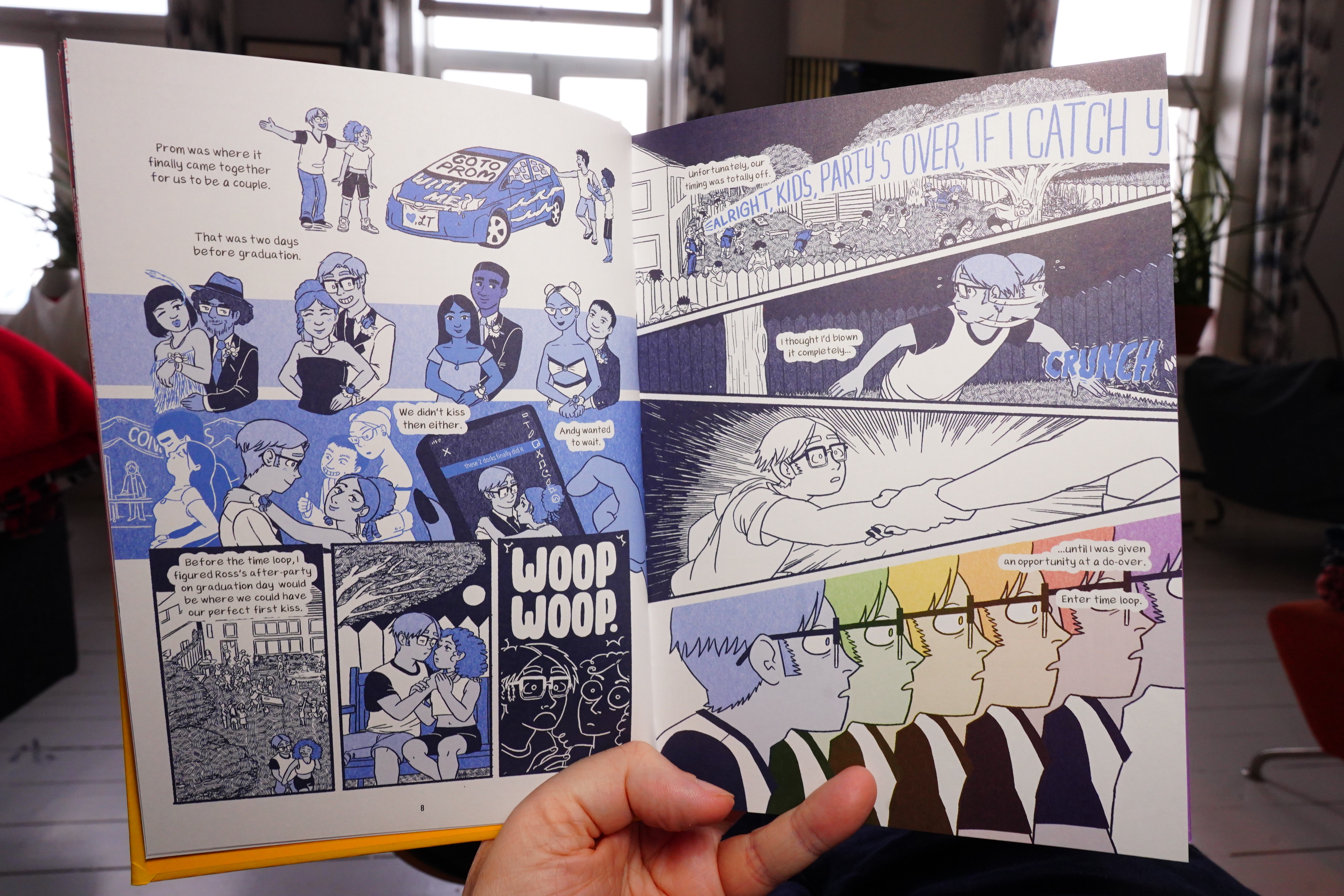
But that’s just a fake-out — there’s all the colours, but a limited amount at any one time.
Anyway, this is a Groundhog Day book, and if you’re wondering whether anybody can do something new within that framework — sure. Just look at On The Calculation Of Volume by Solvej Balle. This isn’t that original — it’s a straightforward, traditional Groundhog Day, but we get some laughs along the way, and the kids reading this will learn An Important Moral Lesson.
| David Bowie: Blackstar |  |
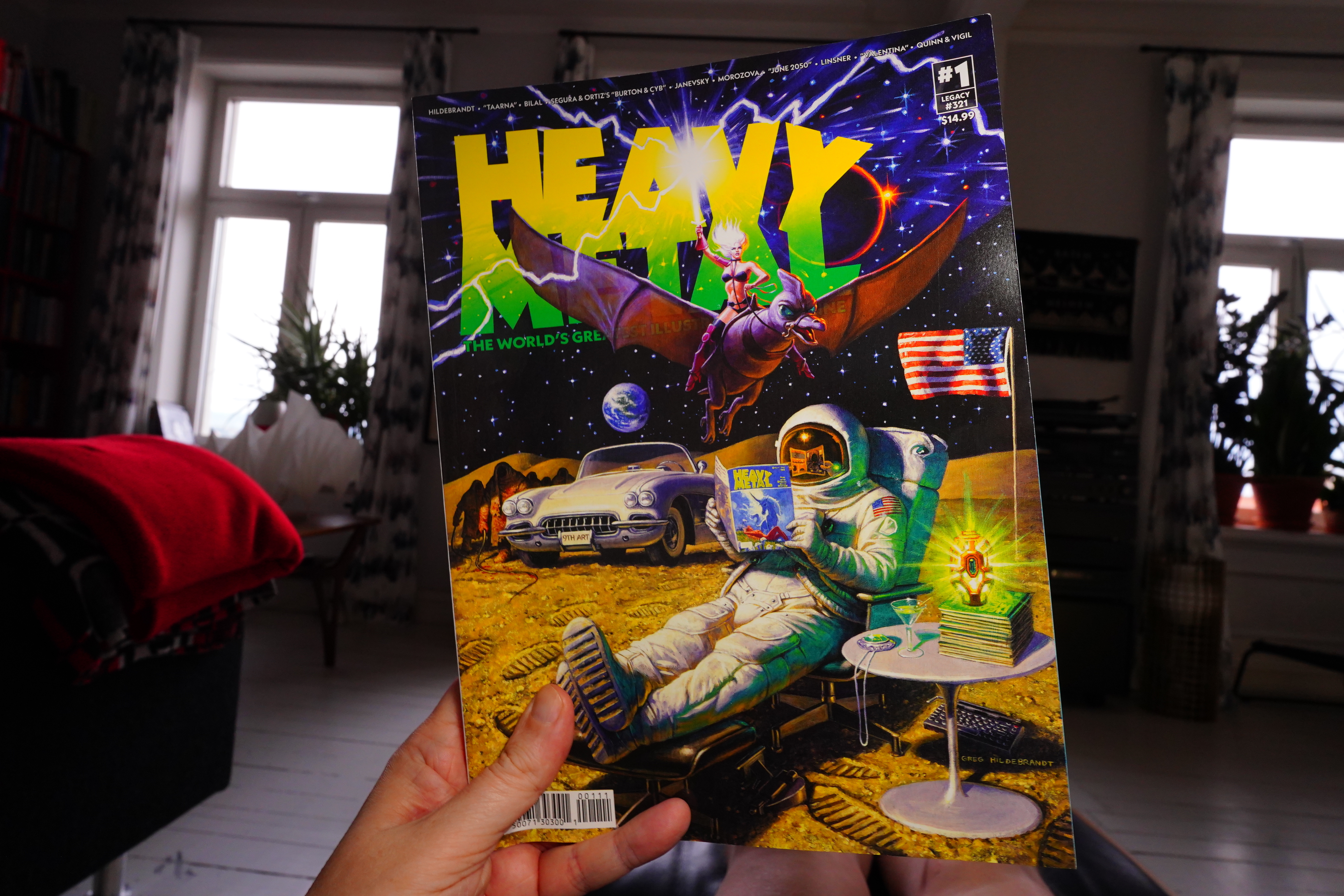
18:44: Heavy Metal #1 edited by Frank Forte
Yes! It’s a new #1. I’ve been a Heavy Metal reader for yonks, on and off — mostly off. That is, I did a few years as a teenager, and then several years about a decade ago.
This is a pretty hefty issue — 220 pages. But have they changed much from the old recipe?
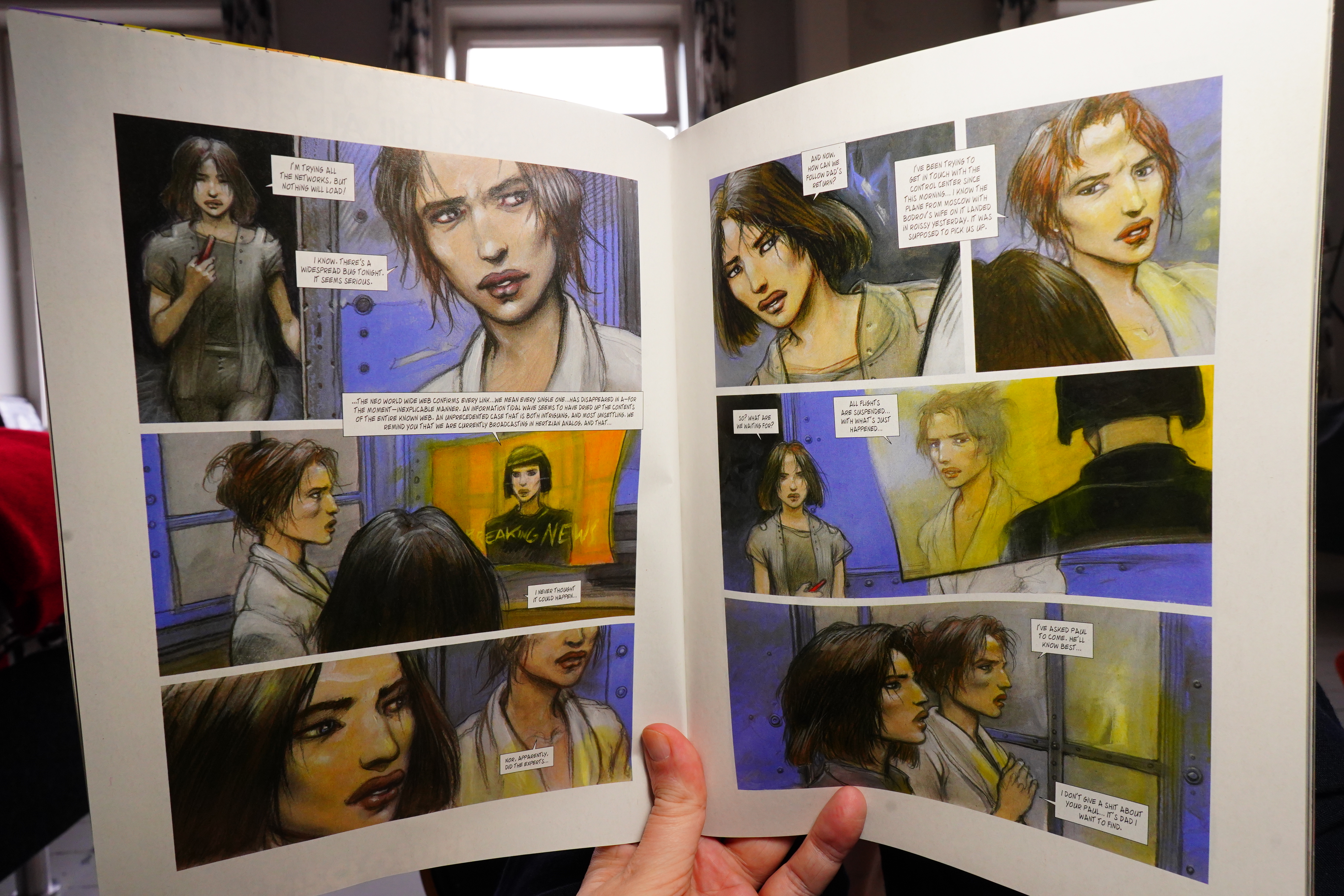
I like anthologies that have hefty page counts — that way you can run more than 20 pages of Enki Bilal…
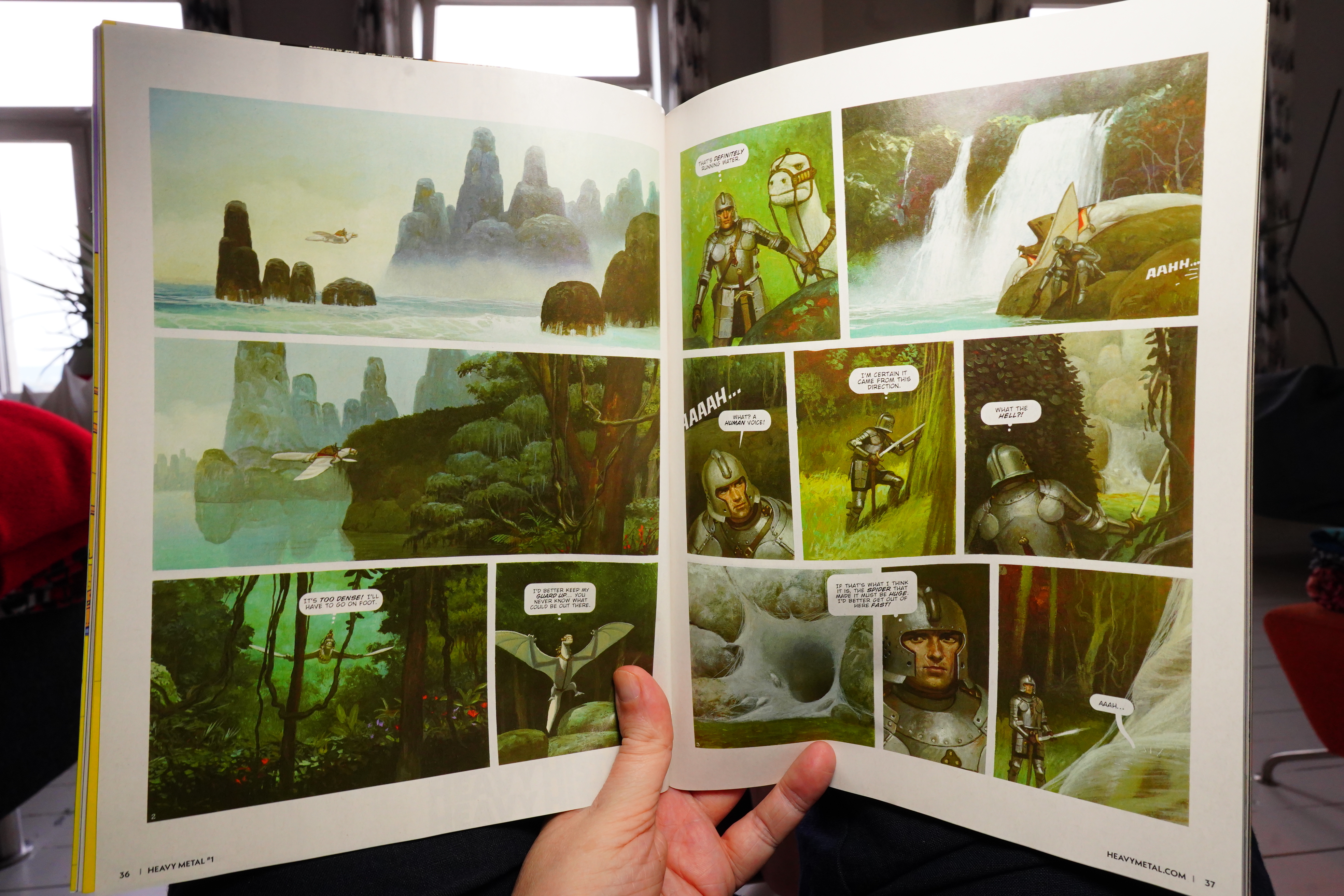
… and the same with Segrelles. Unfortunately, these are both old things that I’ve read many times before.
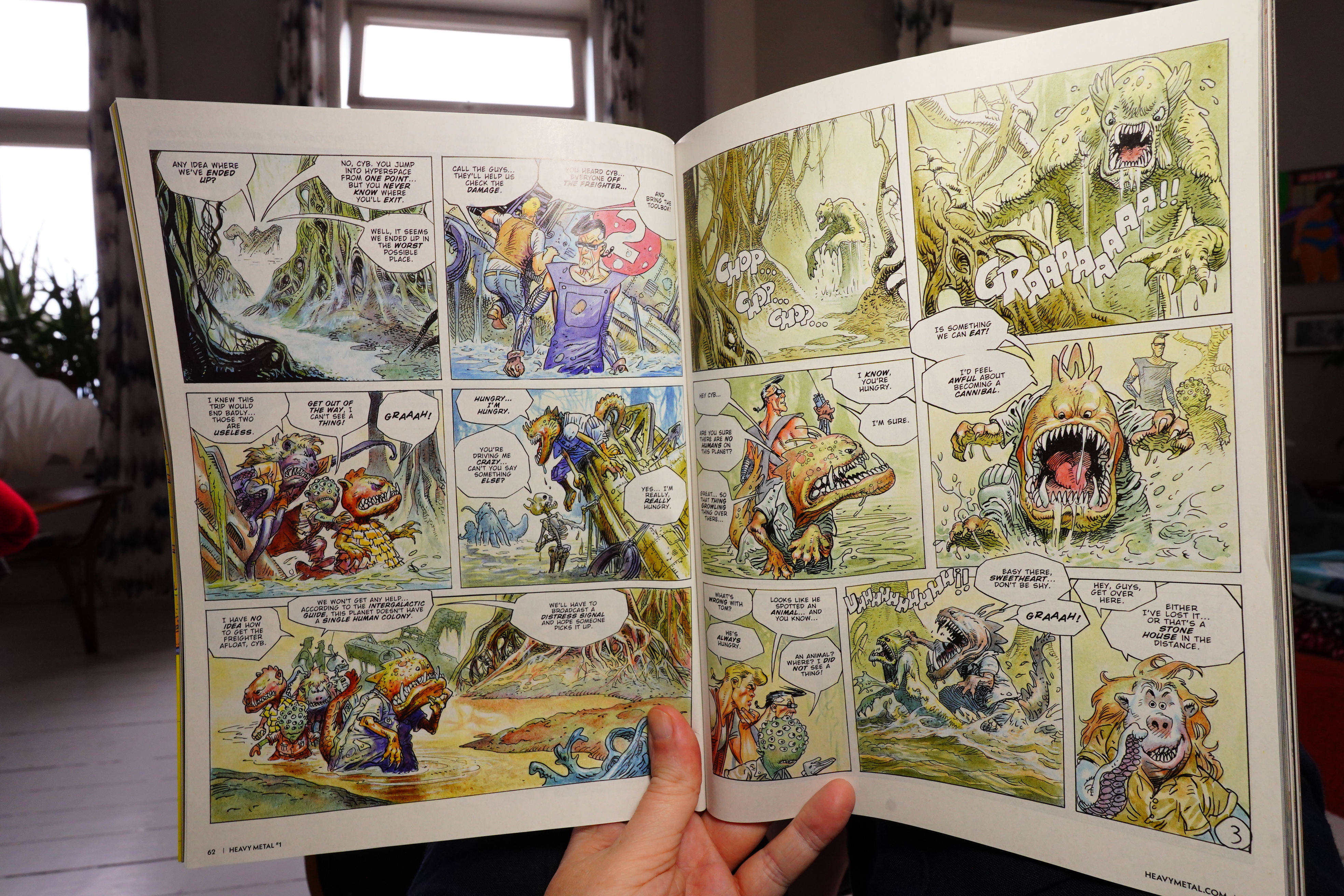
But I’m surprised by how little I’ve read before — it was basically just those two. I’m guessing the vast majority of things here are pretty old, like this Ortiz/Segura fun little story.
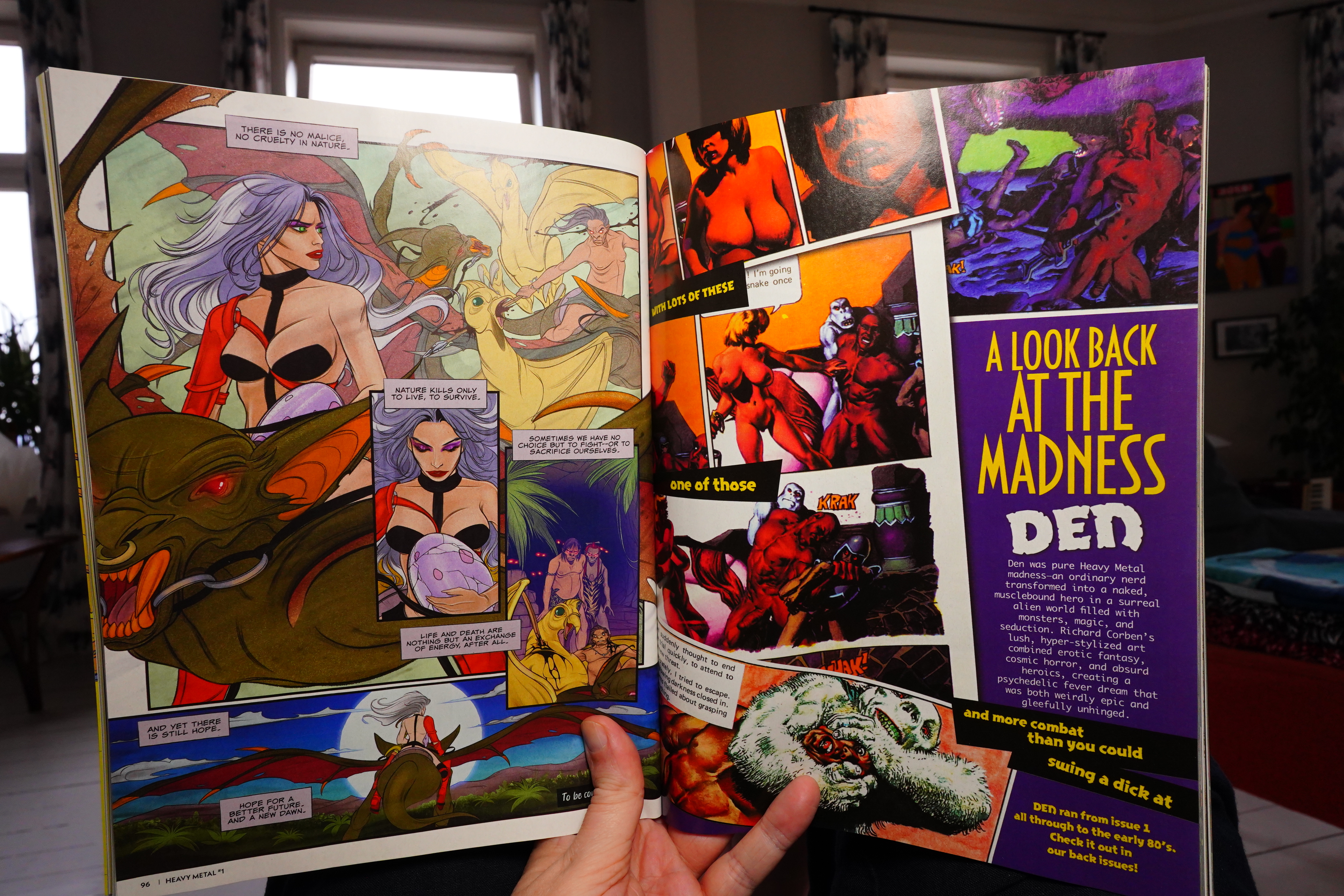
There’s a number of smaller text pieces, and there’s also a lot of pages (like the one to the right there) that’s about Heavy Metal history. I think that works well — it creates an atmosphere.
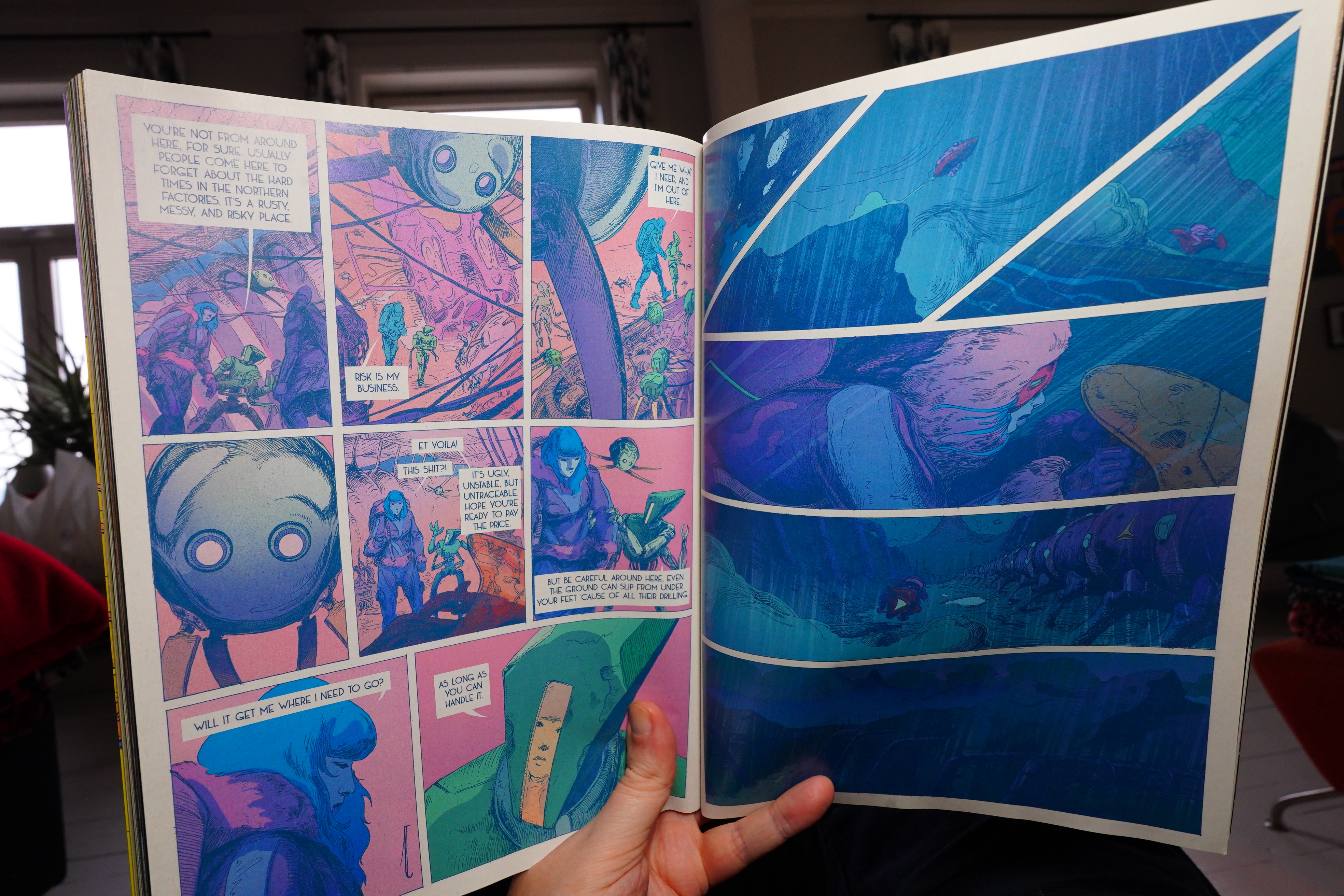
The magazine very consistent in tone and look, but you have people like Janevsky that does something else graphically, at least.
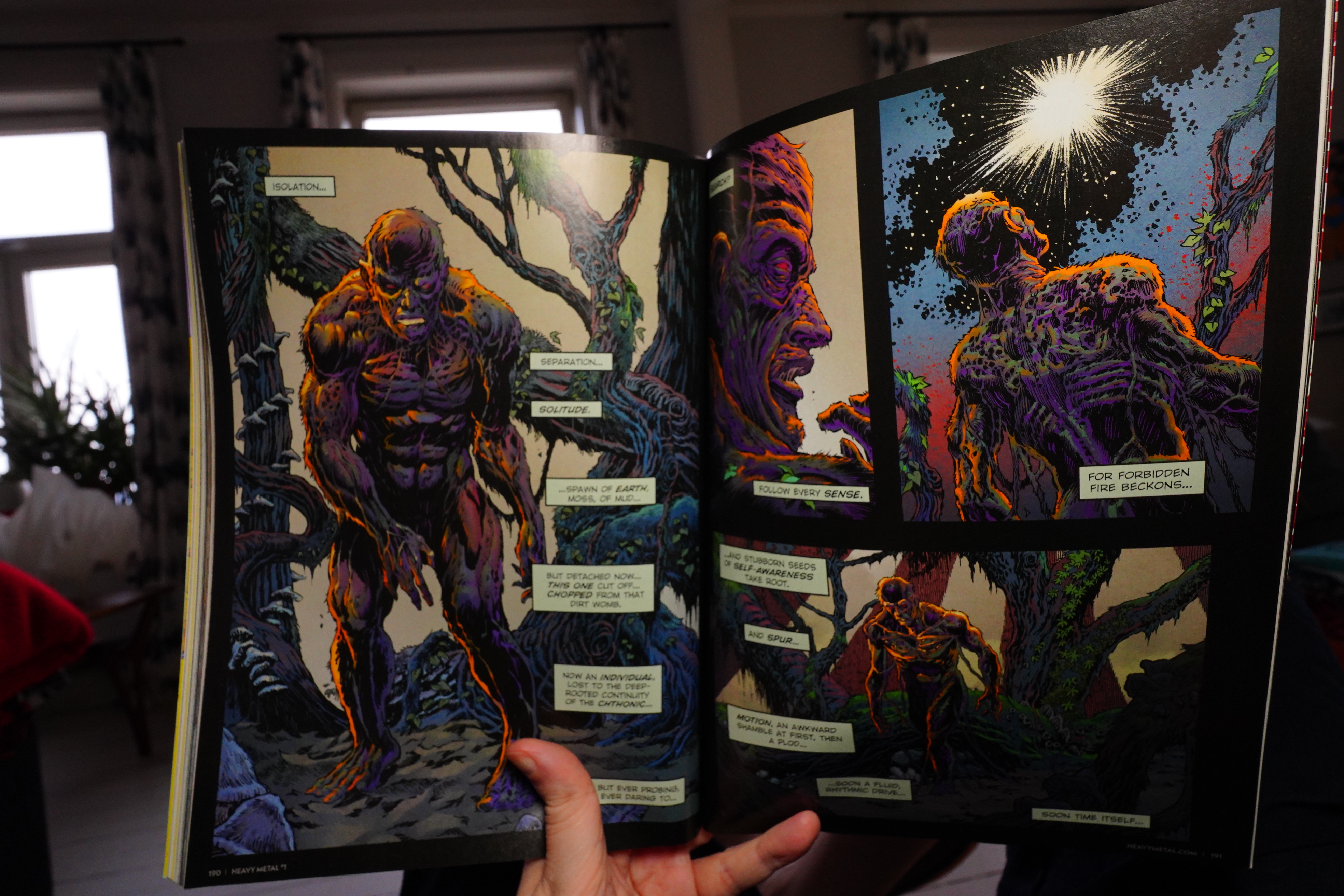
What!? Quinn/Vigil? Well, that’s different, and I don’t remember Tim Vigil’s artwork looking like that. (But I haven’t really followed his career.)
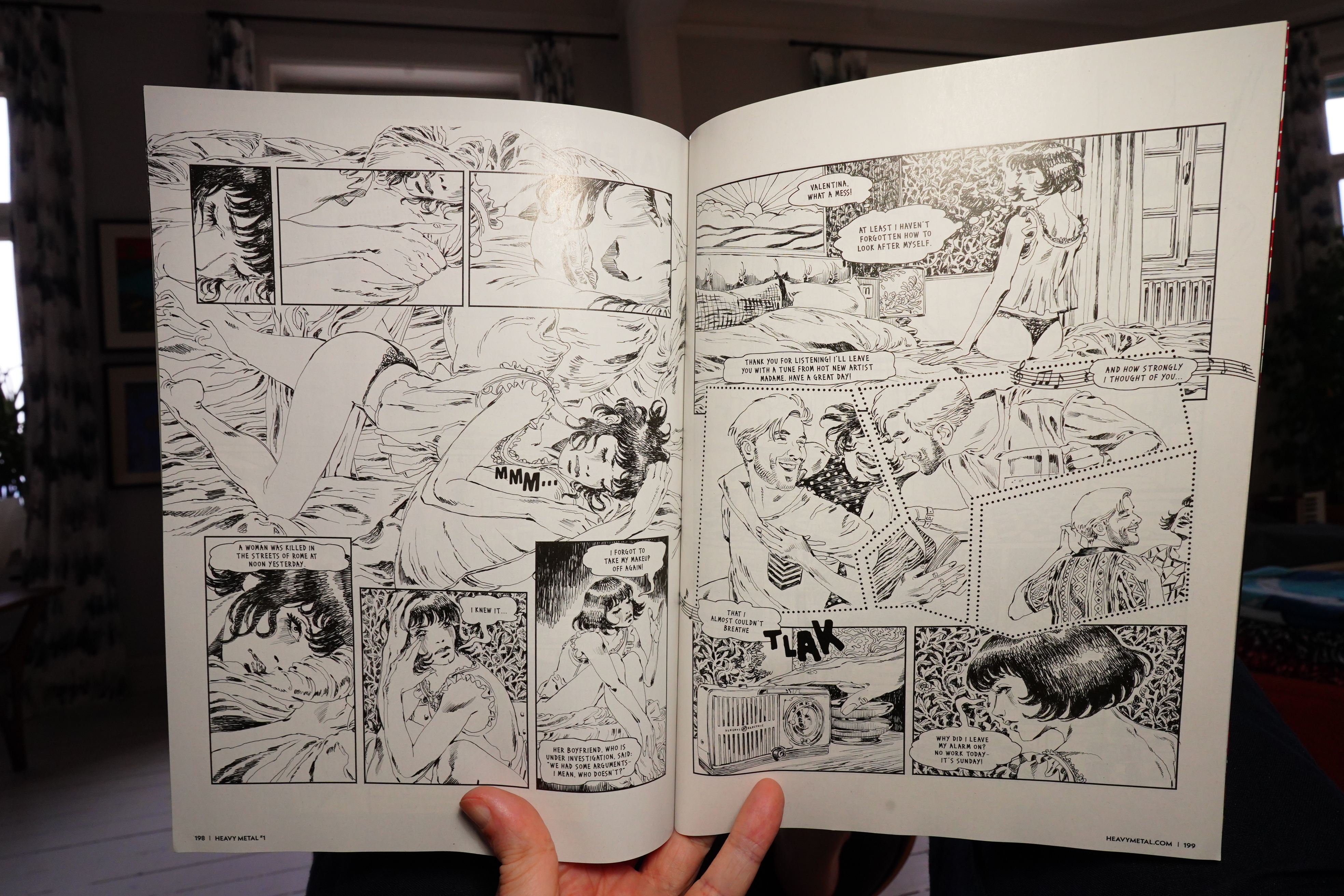
Uhm… Valentina by Sergio Gerasi? So they’re continuing Crepax’s er I guess you could call it a “series”. Unfortunately, Gerasi is no Crepax.
But I’m impressed by the issue. It feels classic, but slightly refreshed. I think I’m going to continue buying this iteration and see how it goes.
One other surprising thing here was how many continuing stories there are. I know, that’s always been a traditional Heavy Metal thing, but since this is a quarterly (I think?), I imagined they’d dial that back, but nope.
19:32: The End
Anyway, I think that’s enough comics for a day. Besides, I have to make dinner.