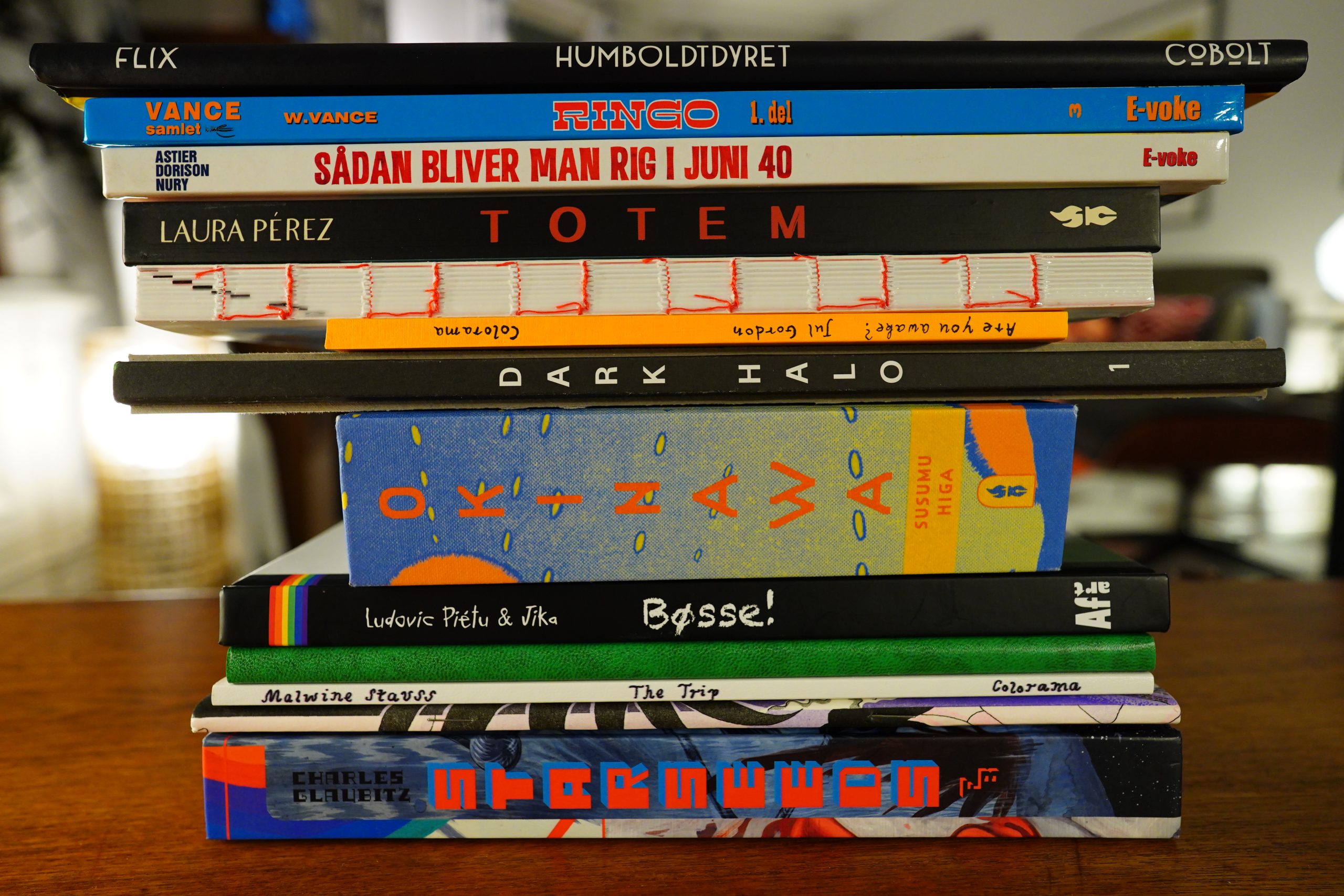
Hey! Where did this day go? It’s almost four already… OK, so this is going to be a shorter Daze because I think I’ll be falling asleep by midnight. But let’s see.
And for music today: Only albums on the Crammed and Crepuscule labels.
| Aksak Maboul: Onze danses pour combattre la migraine | 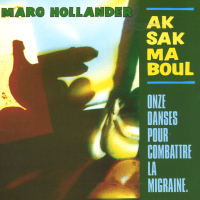 |
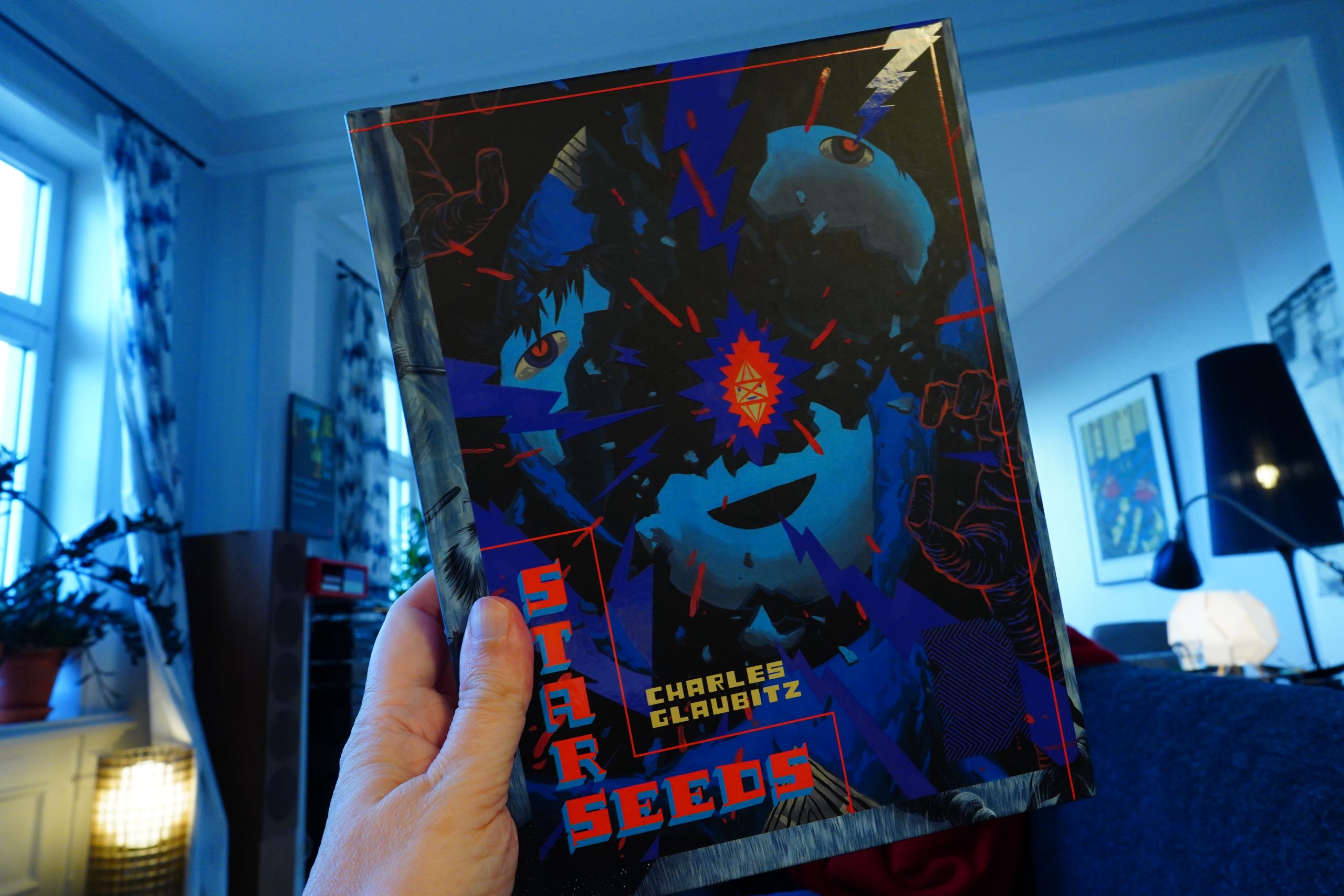
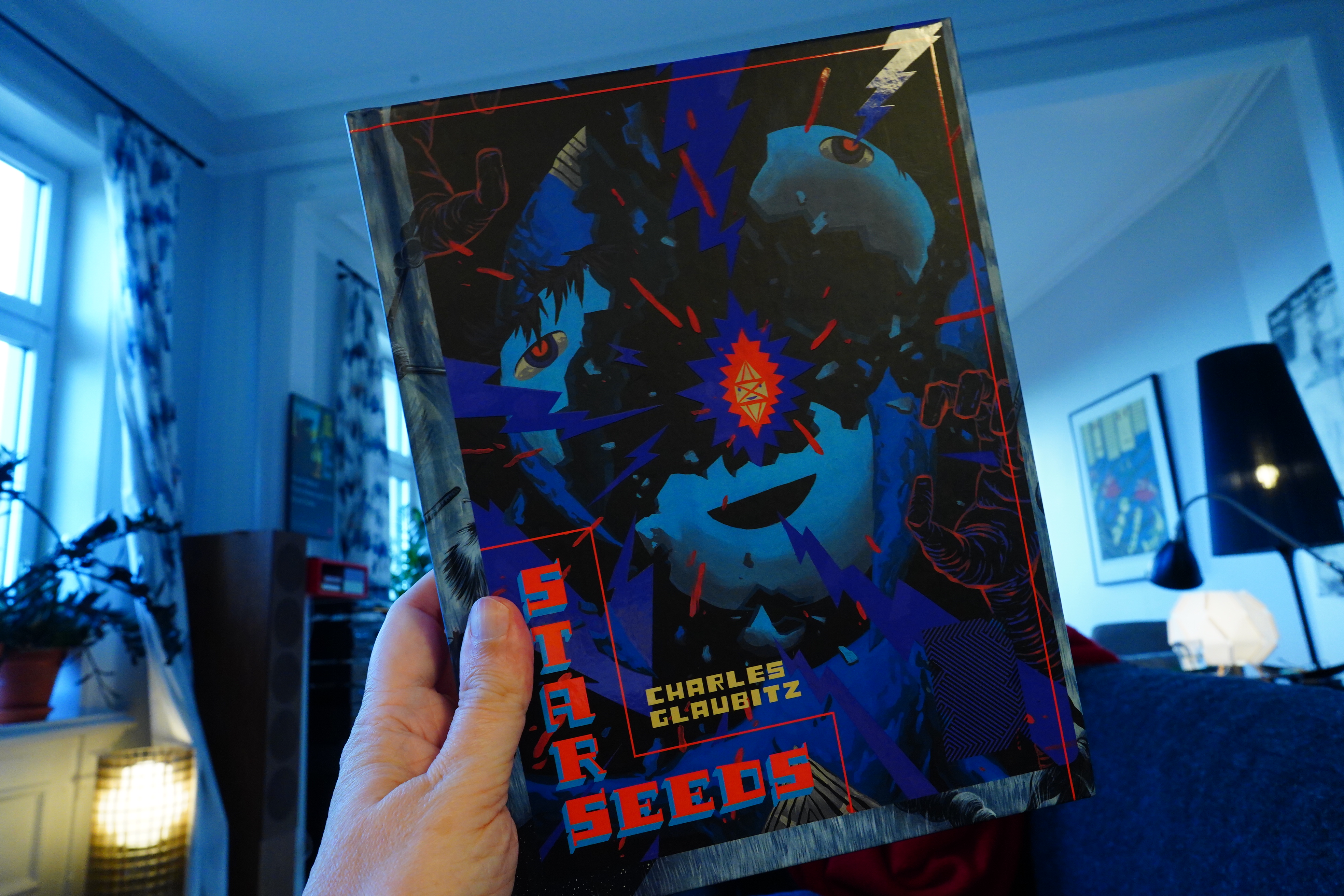
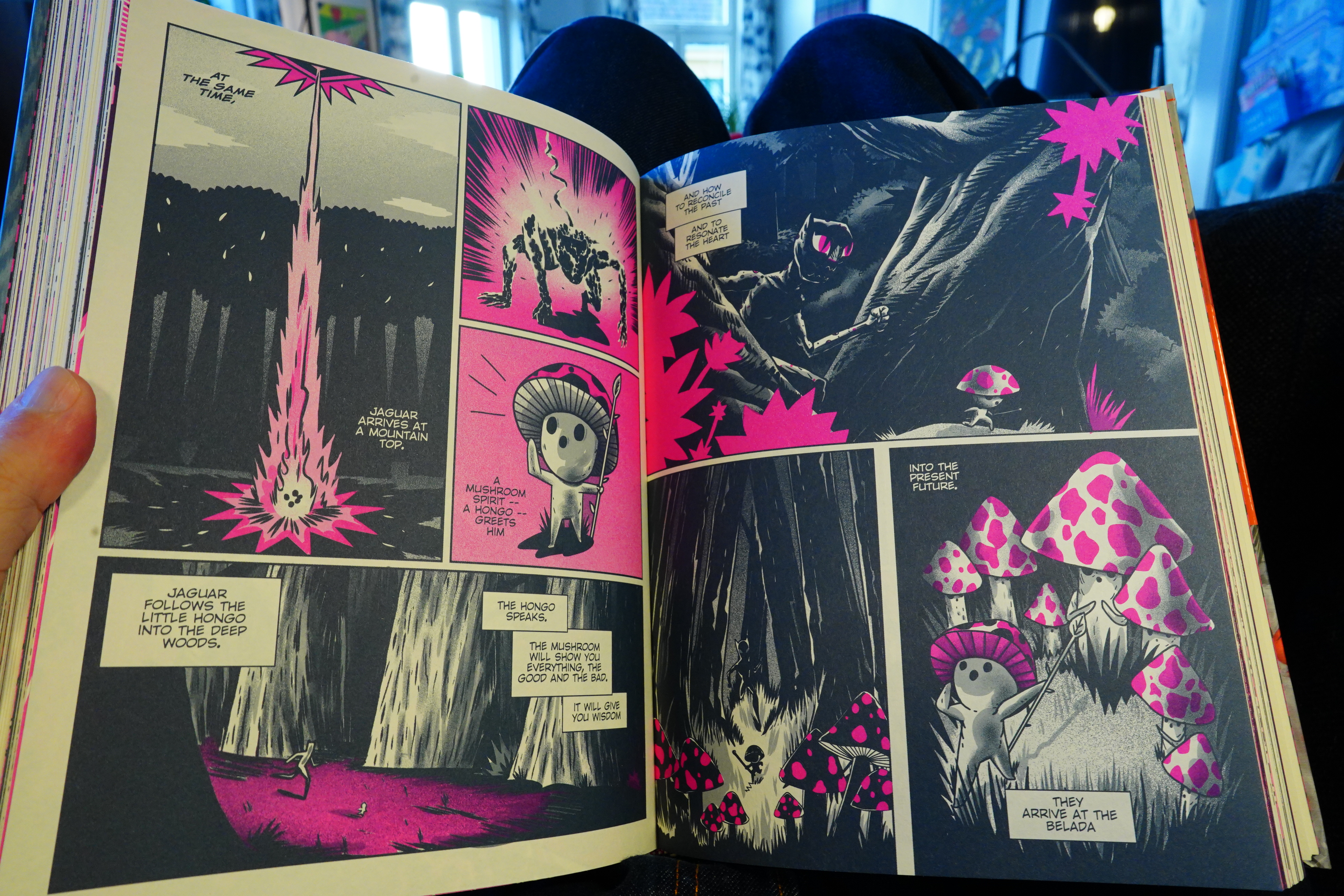
15:36: Starseeds 3 by Charles Glaubitz (Fantagraphics)
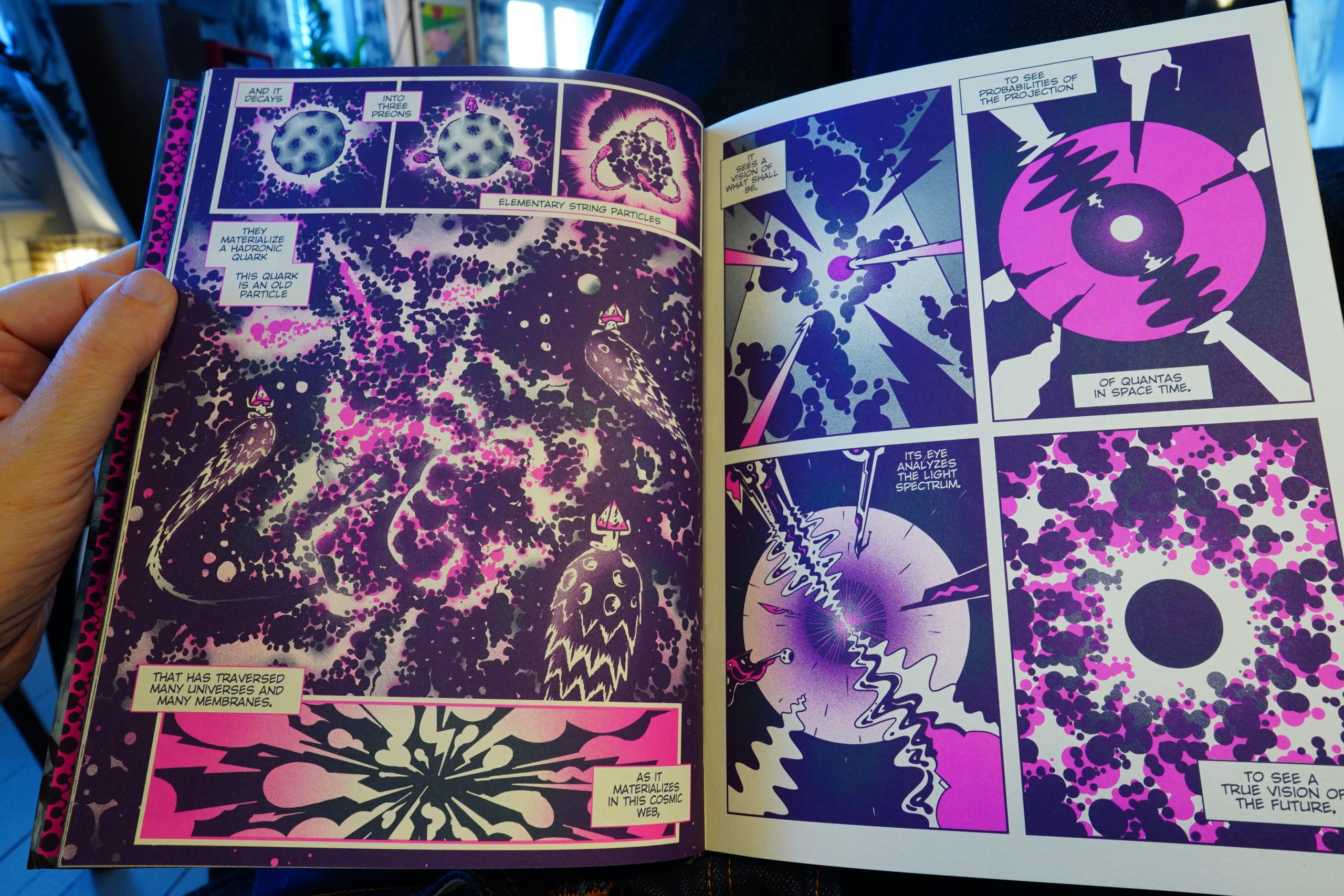
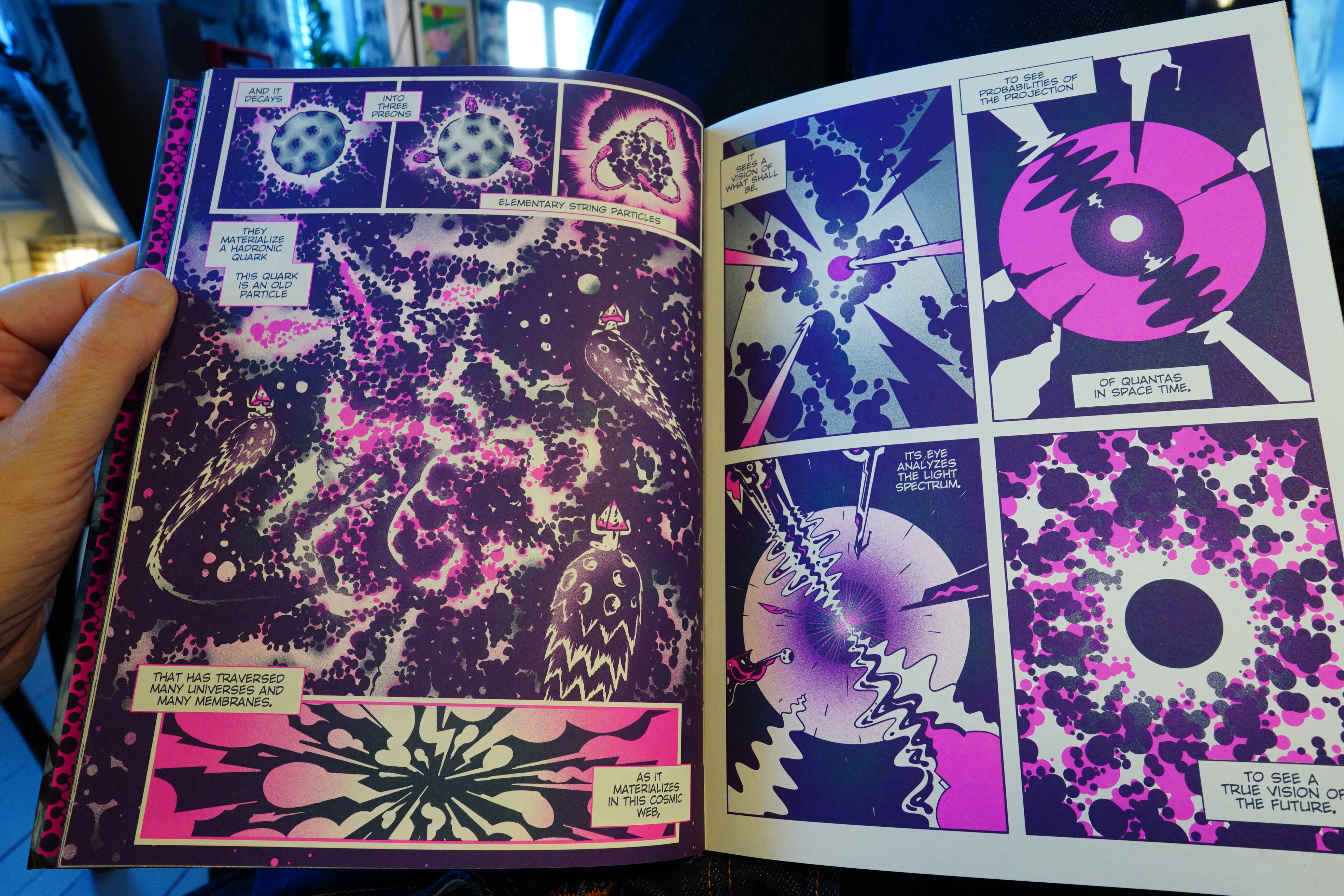
As someone who was a summer student at CERN just a couple decades ago, I think I can safely say that all the particle physics stuff in this comic book is codswallop. It has the unfortunate reek of Youtube.
I guess that’s besides the point, because this is one of those “spiritual” books, and you could pretty much just replace the text with “yabber yabber” and get to the same end this book has: “The Soul”, etc.
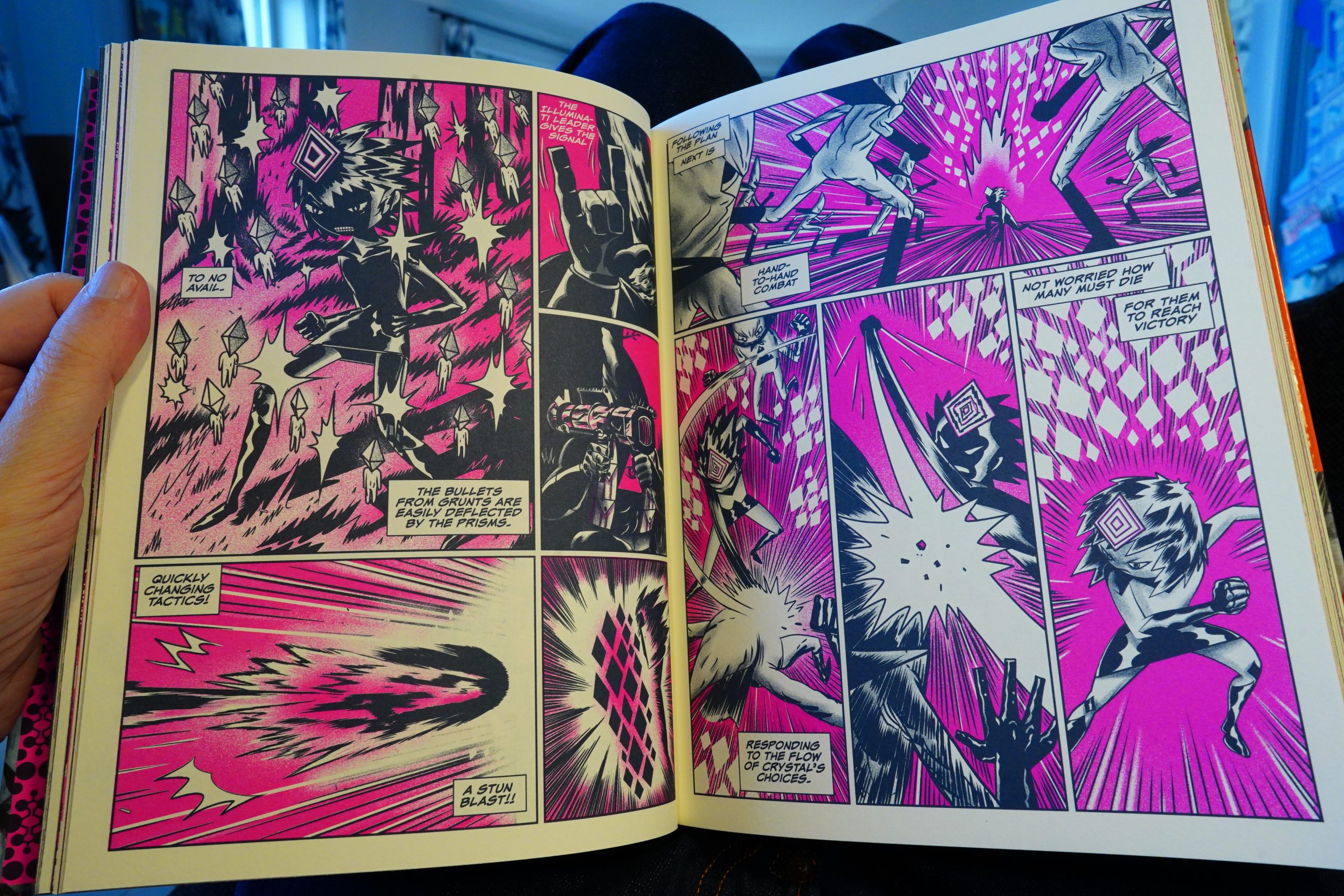
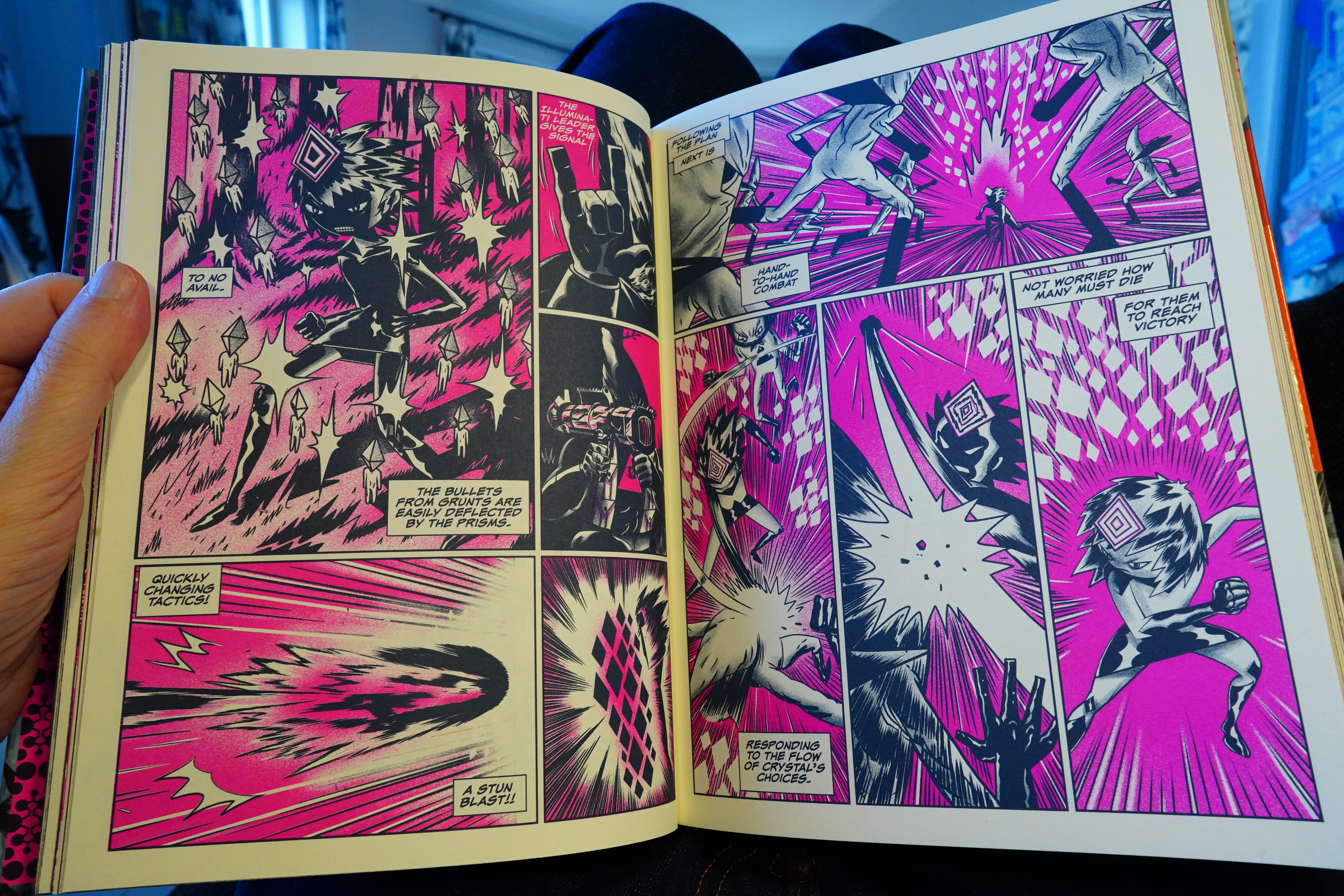
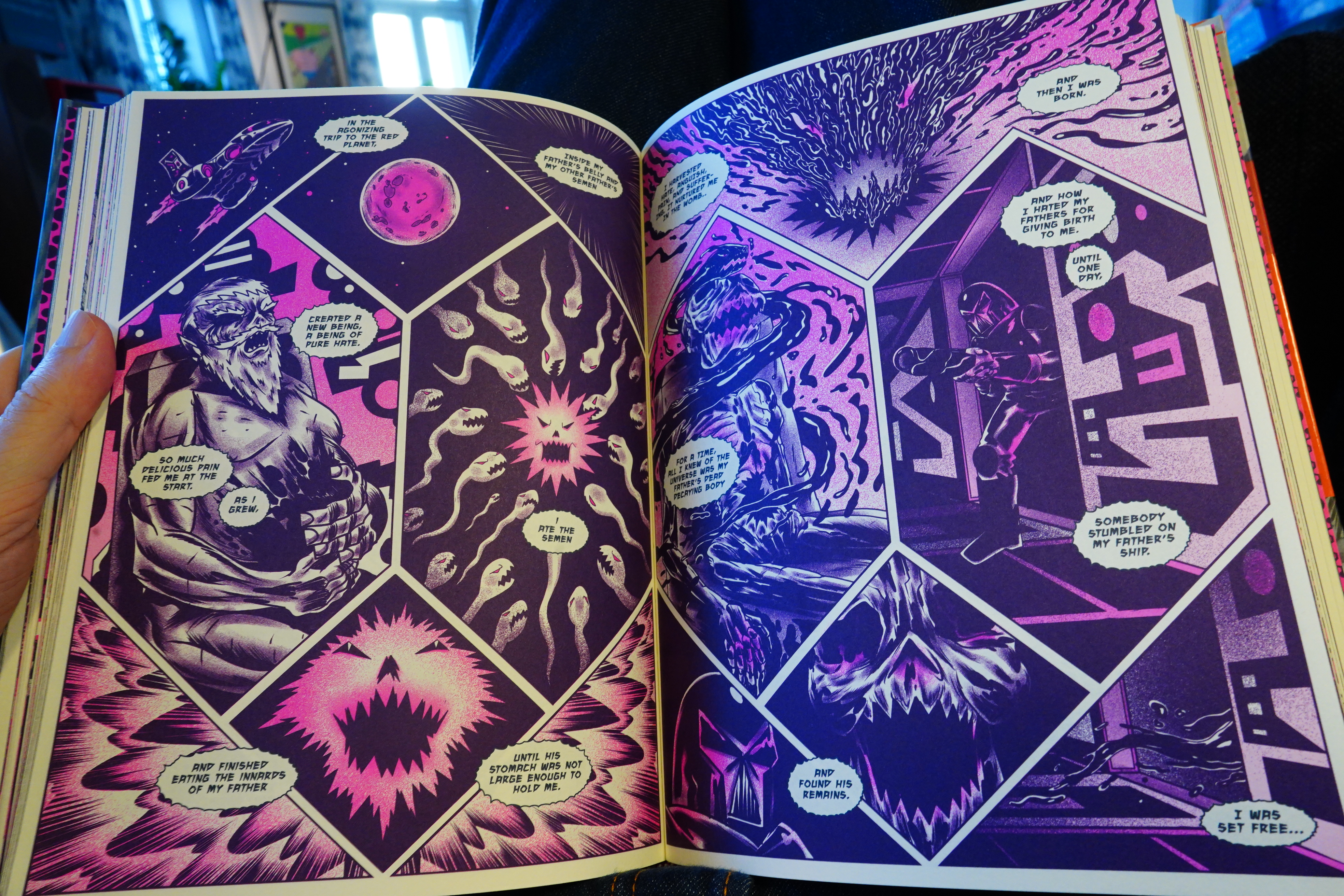
Anyway, the artwork is pretty attractive — but mostly in the rendering, and not in the actual figures. It’s faux riso — I guess there’s a Photoshop plugin for “faux riso colours” there days?
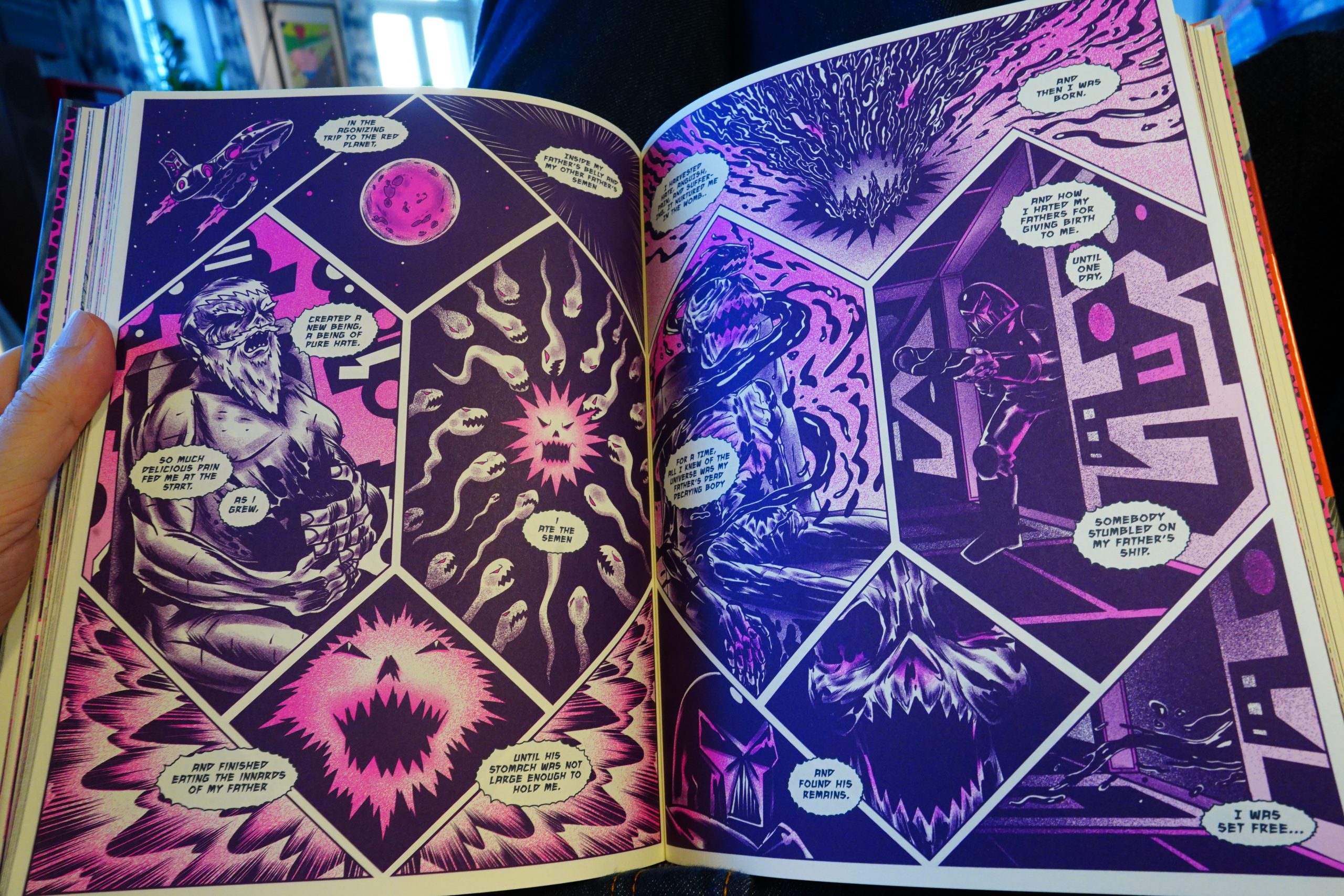
Er… uhm… OK…
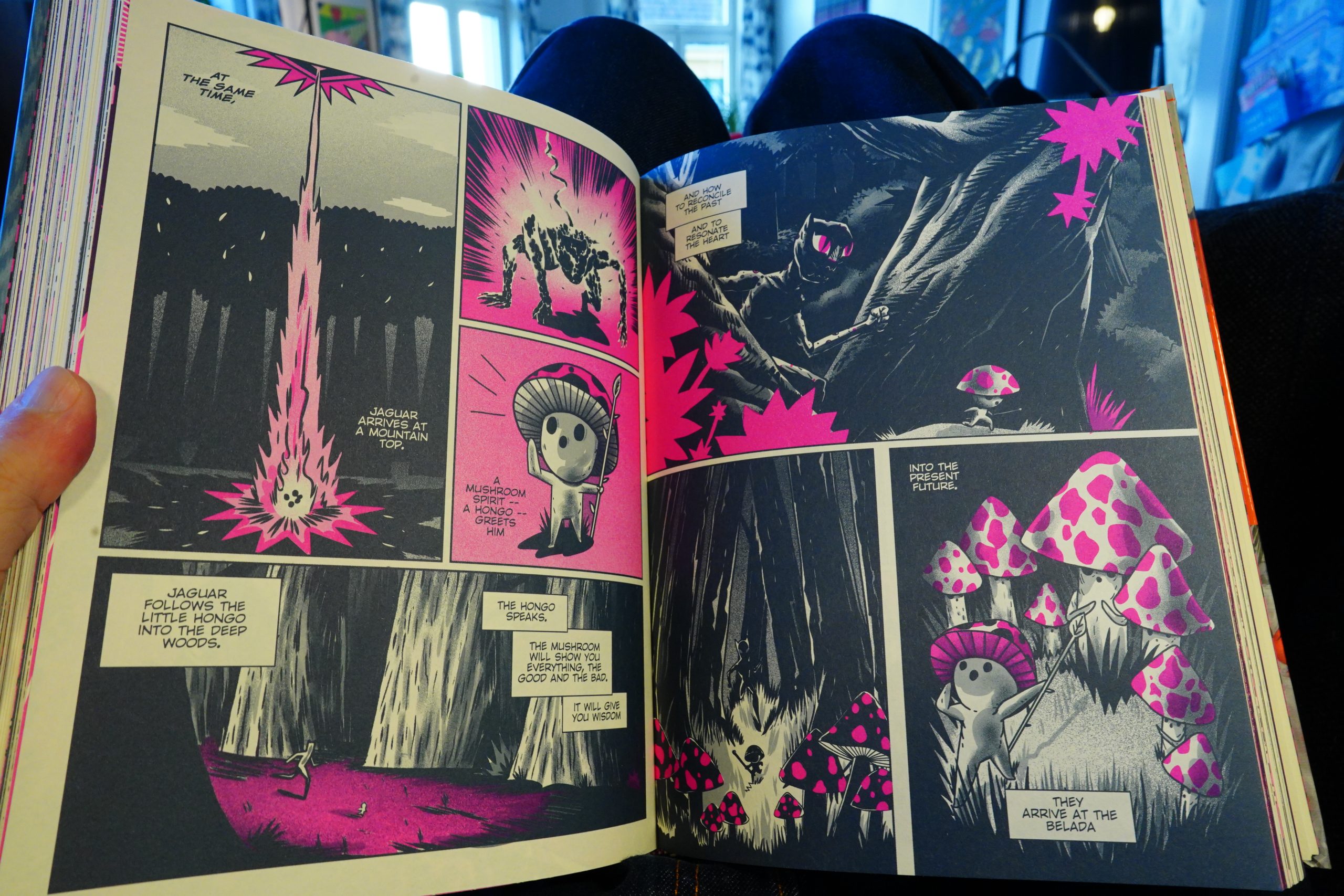
The most annoying thing about this book is the way the narrator keeps declaiming at us, making the illustrations often superfluous. It might be a stylistic choice to go all Kirby on us, but I just found it tedious.
OK, this book really isn’t for me: It’s a druggy, “spiritual” book that’s inspired by video game logic (“Collect All The Seeds”), and I find all those things tedious, so there you are: A perfect trifecta.
Oh, and it’s apparently the third book in a series? Even though it doesn’t seem to say so on the cover.
| Various: From Brussels With Love (1) |  |
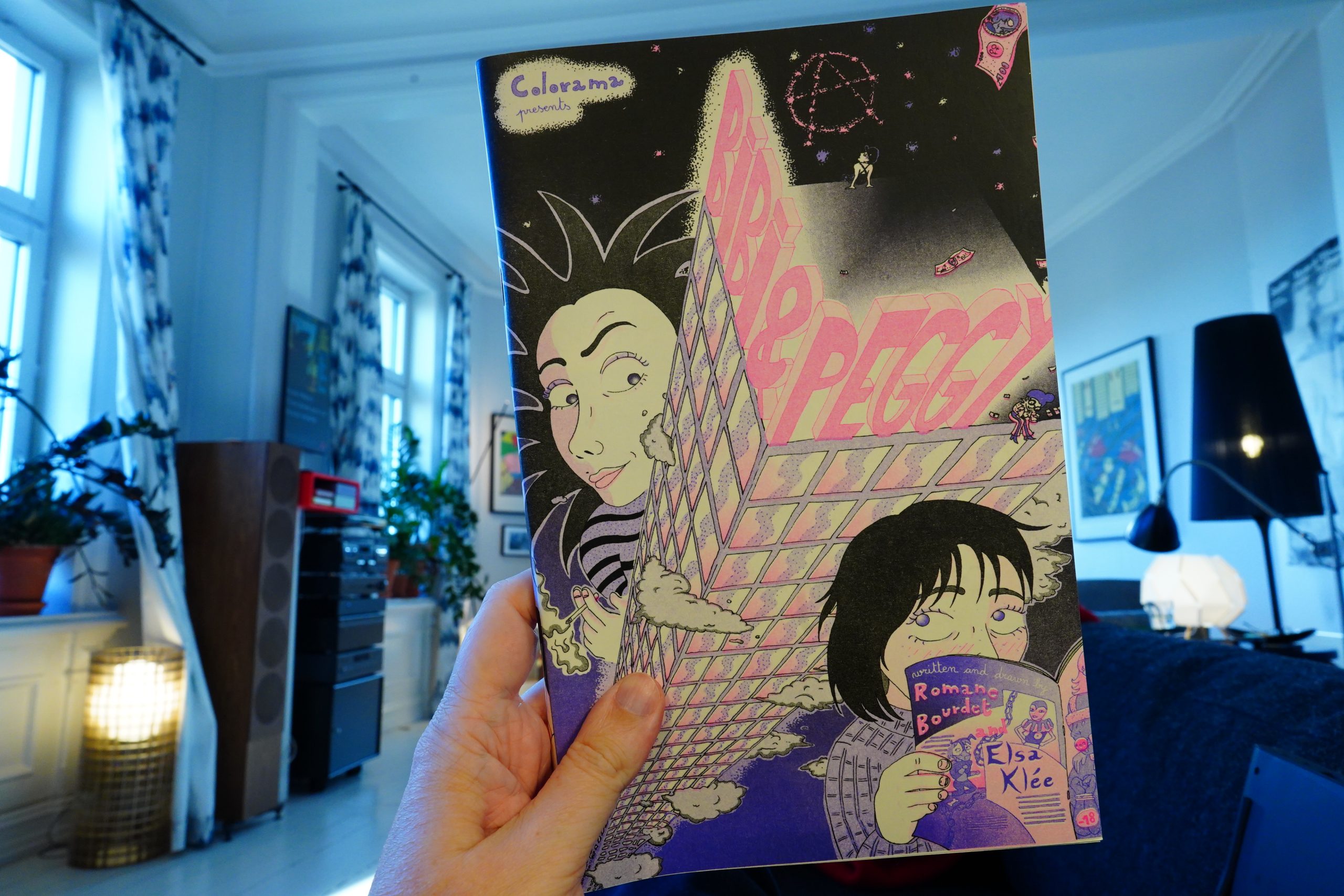
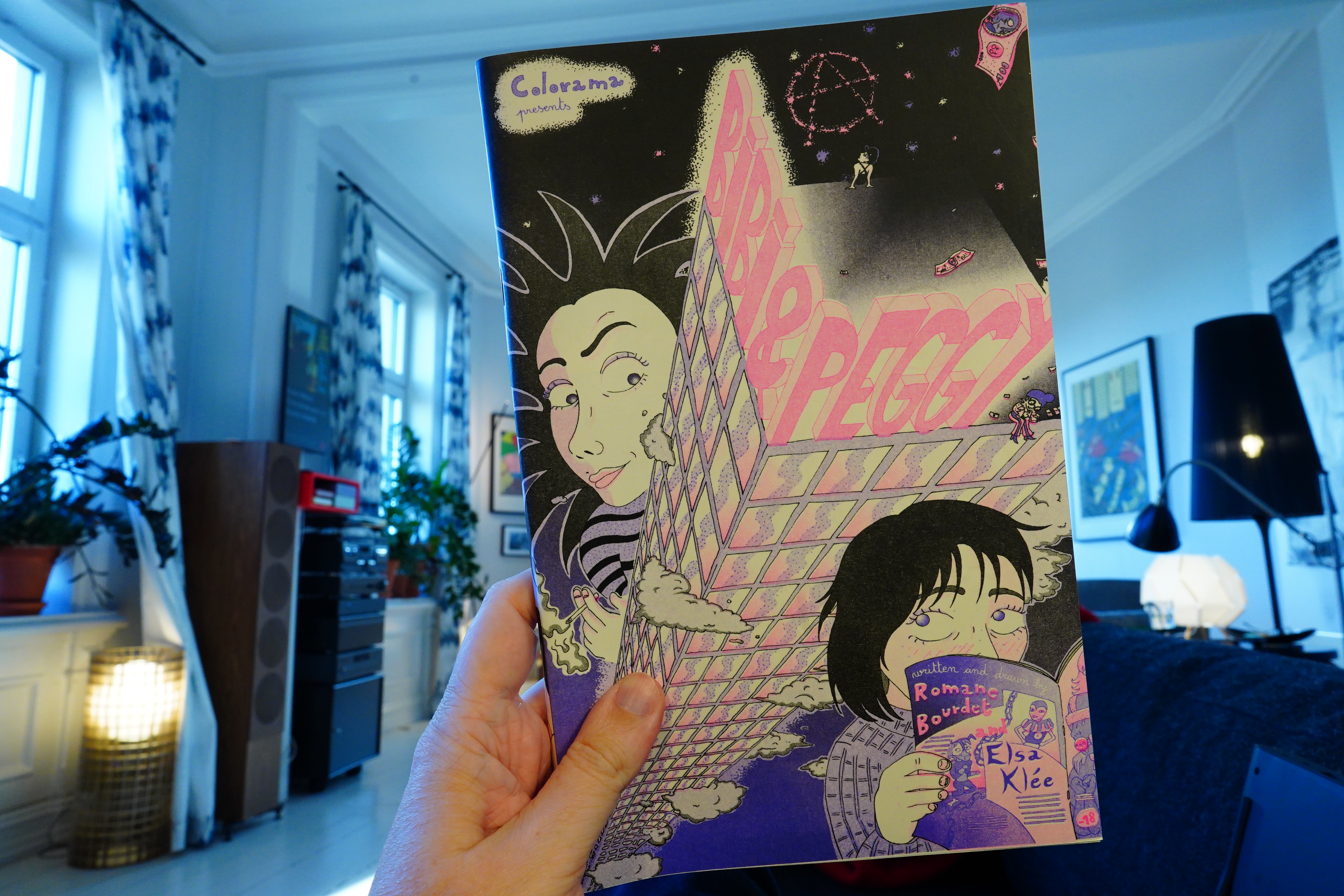
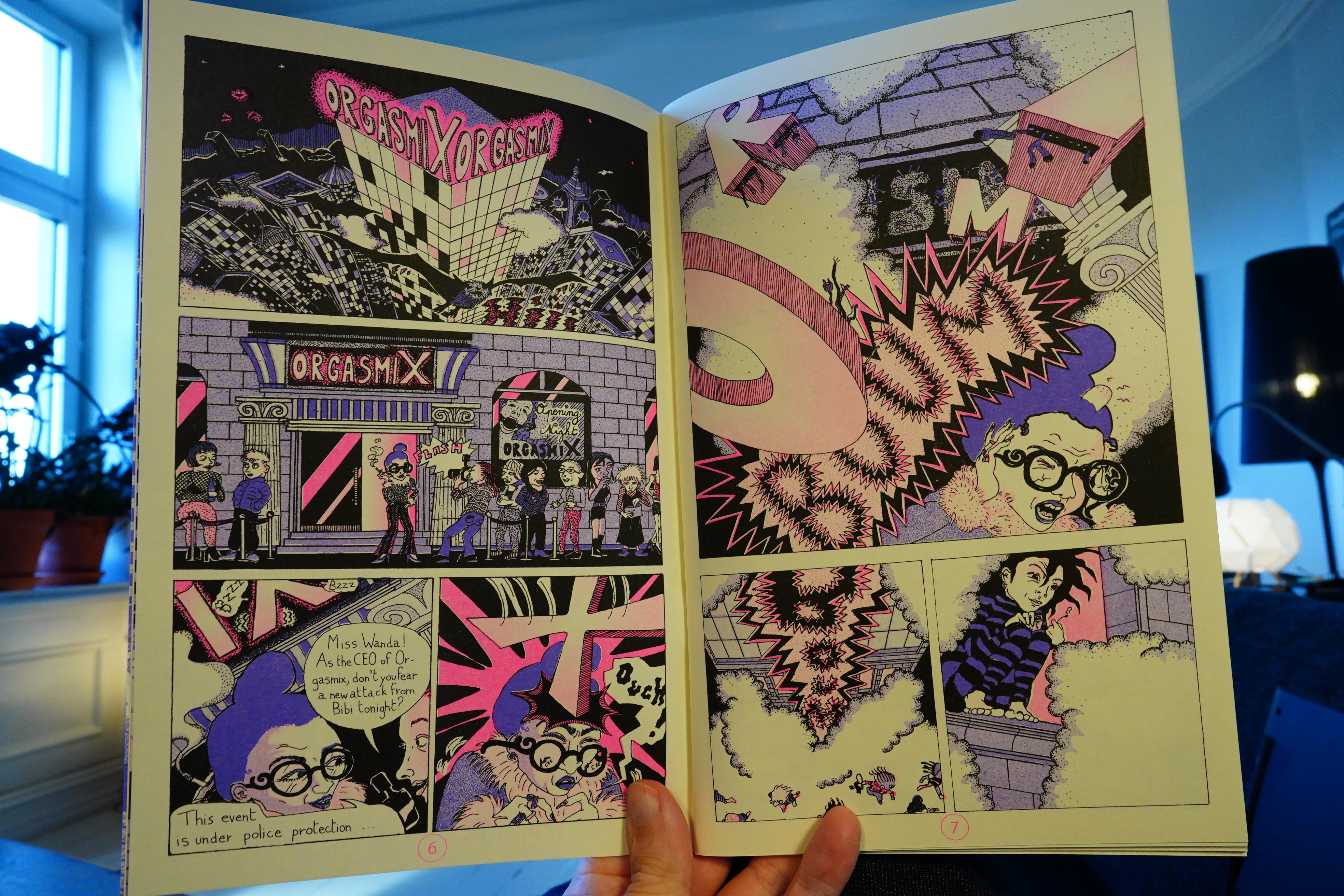
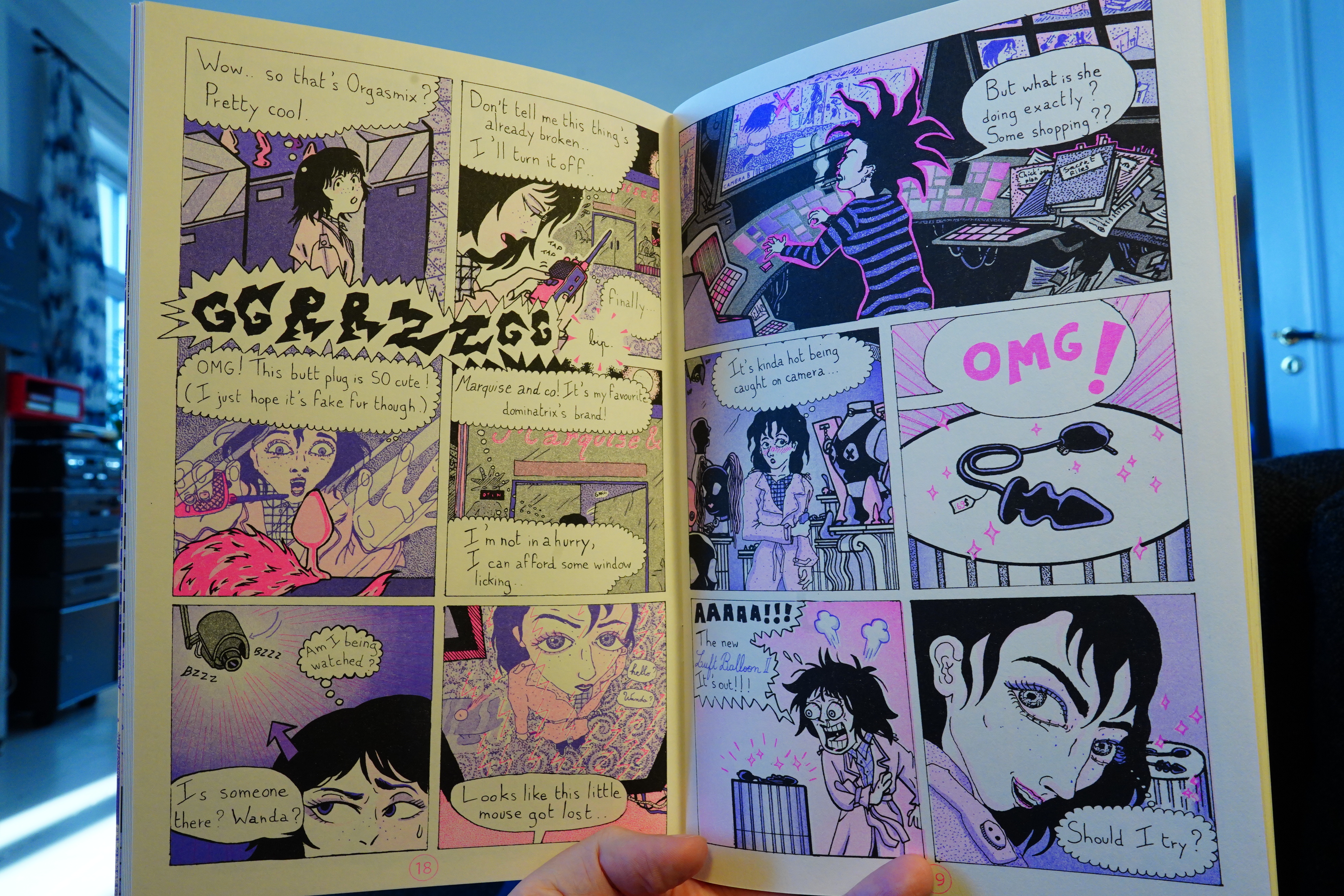
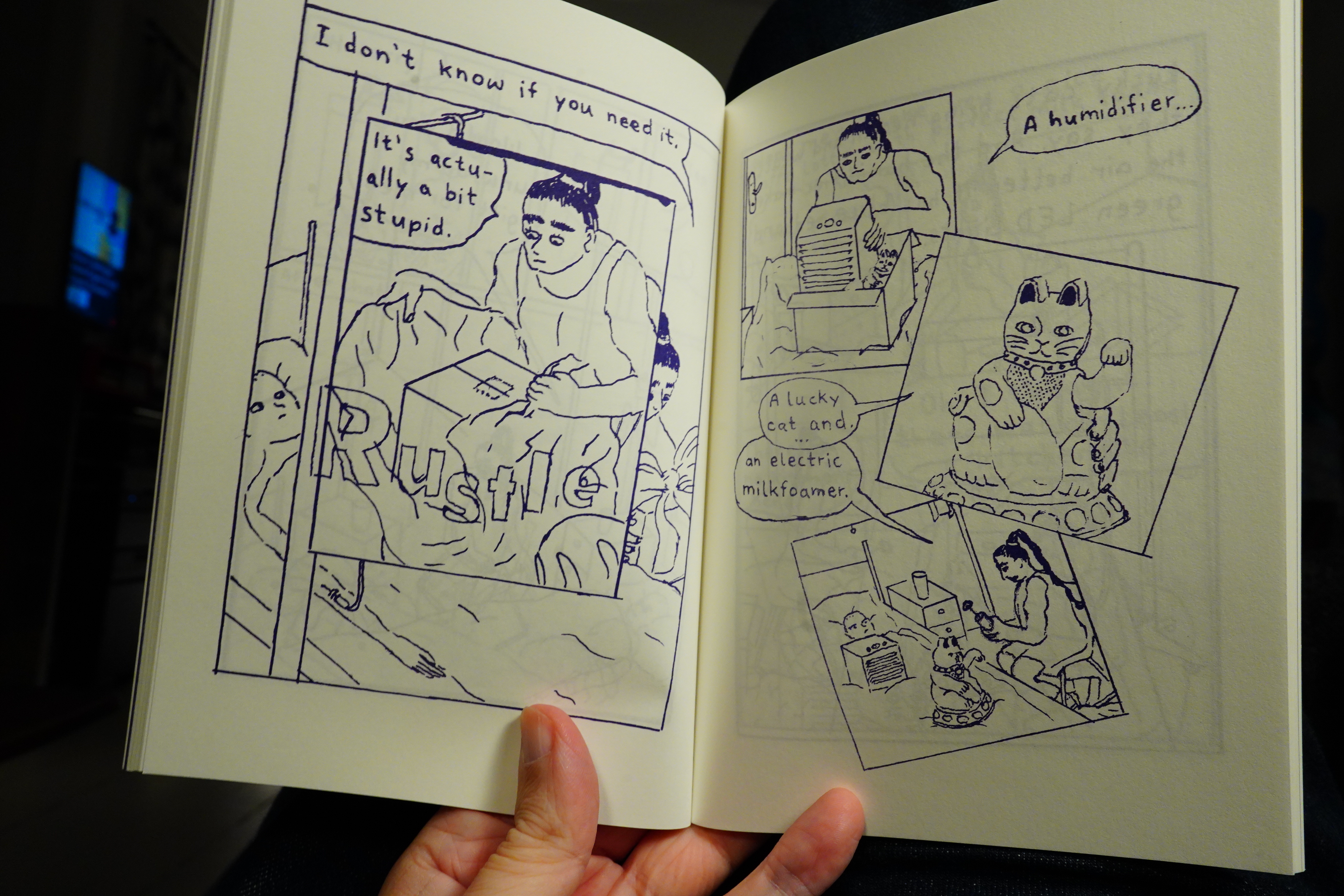
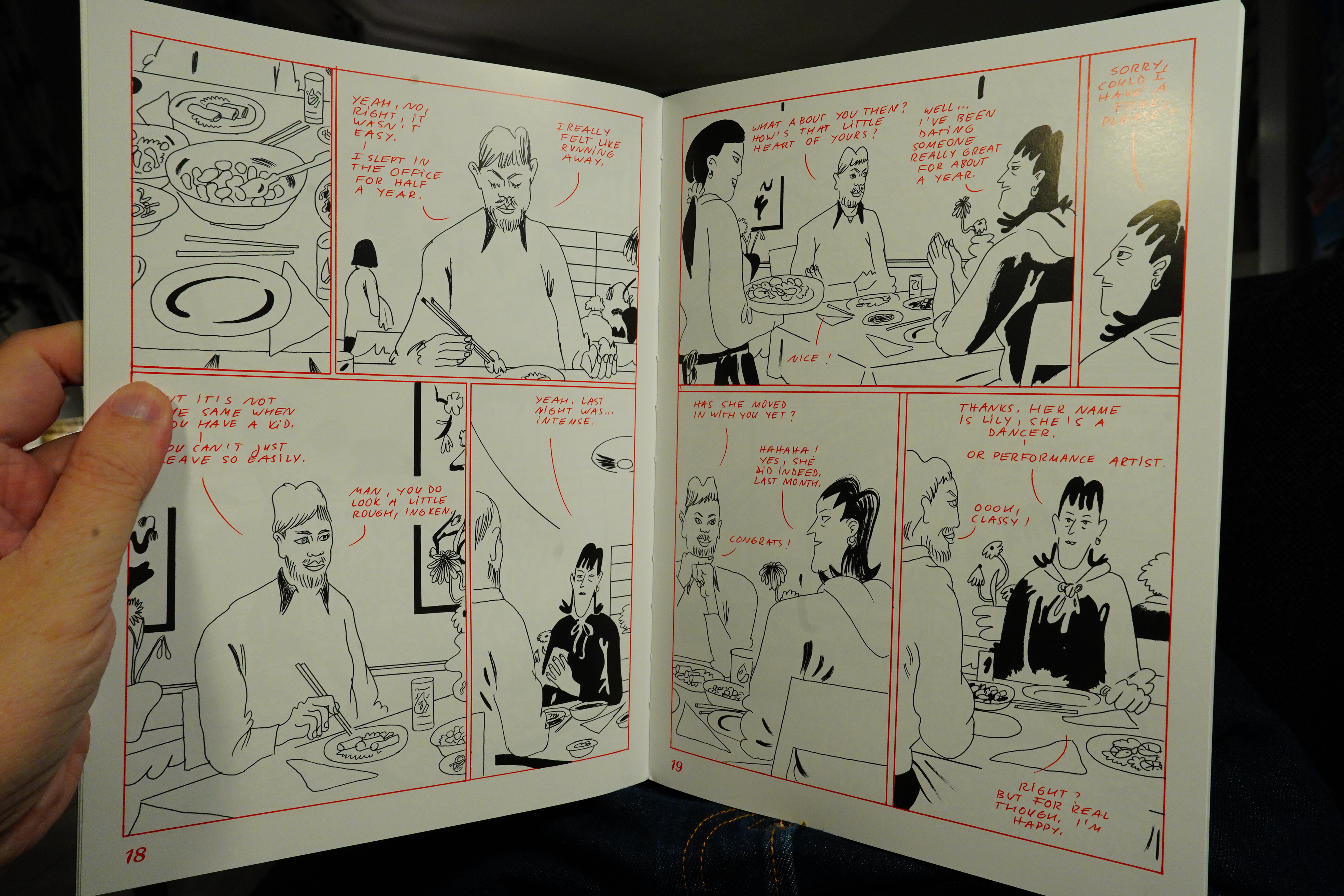
16:21: Bibi & Peggy by Romane Bourdet & Elsa Klée (Colorama)
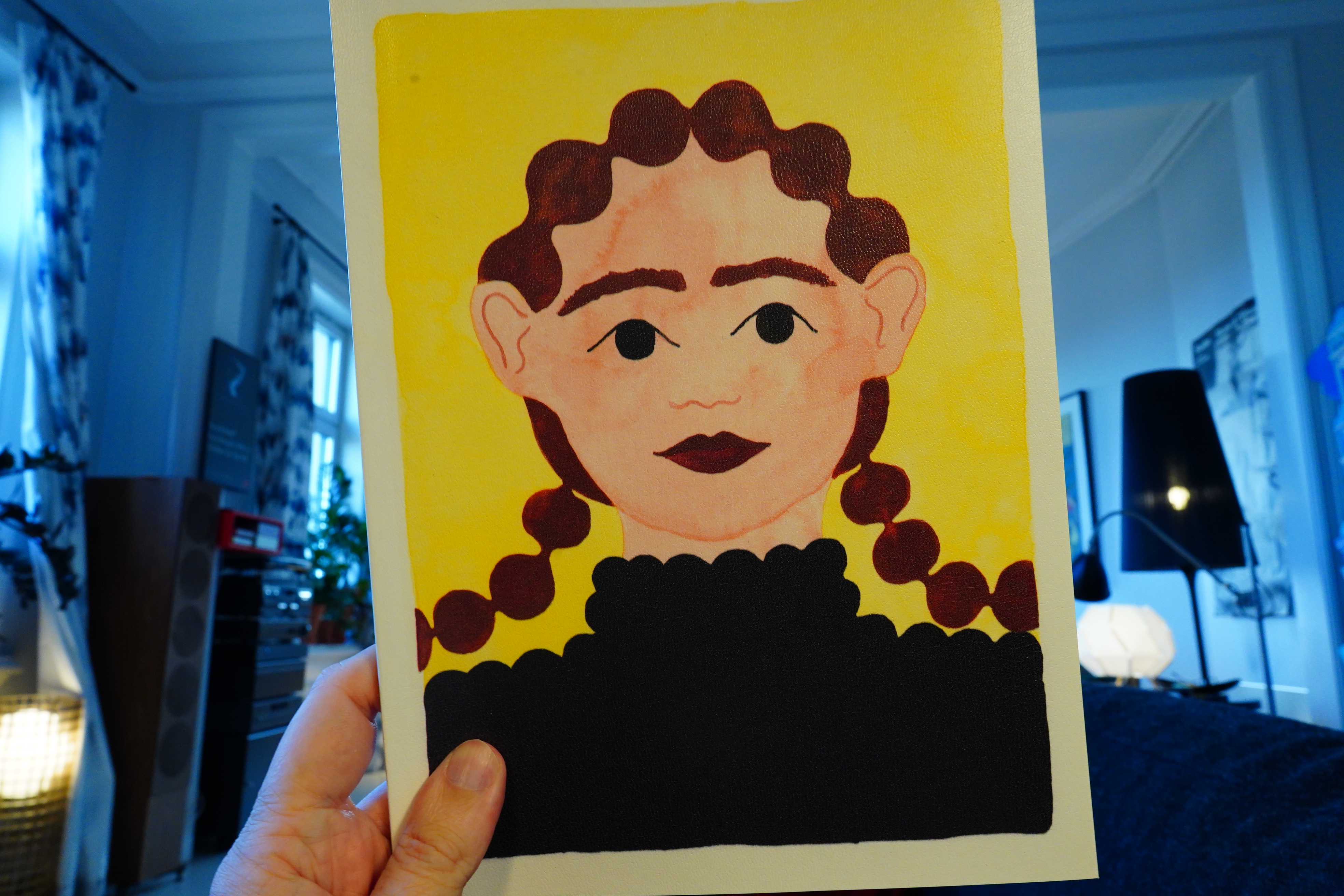
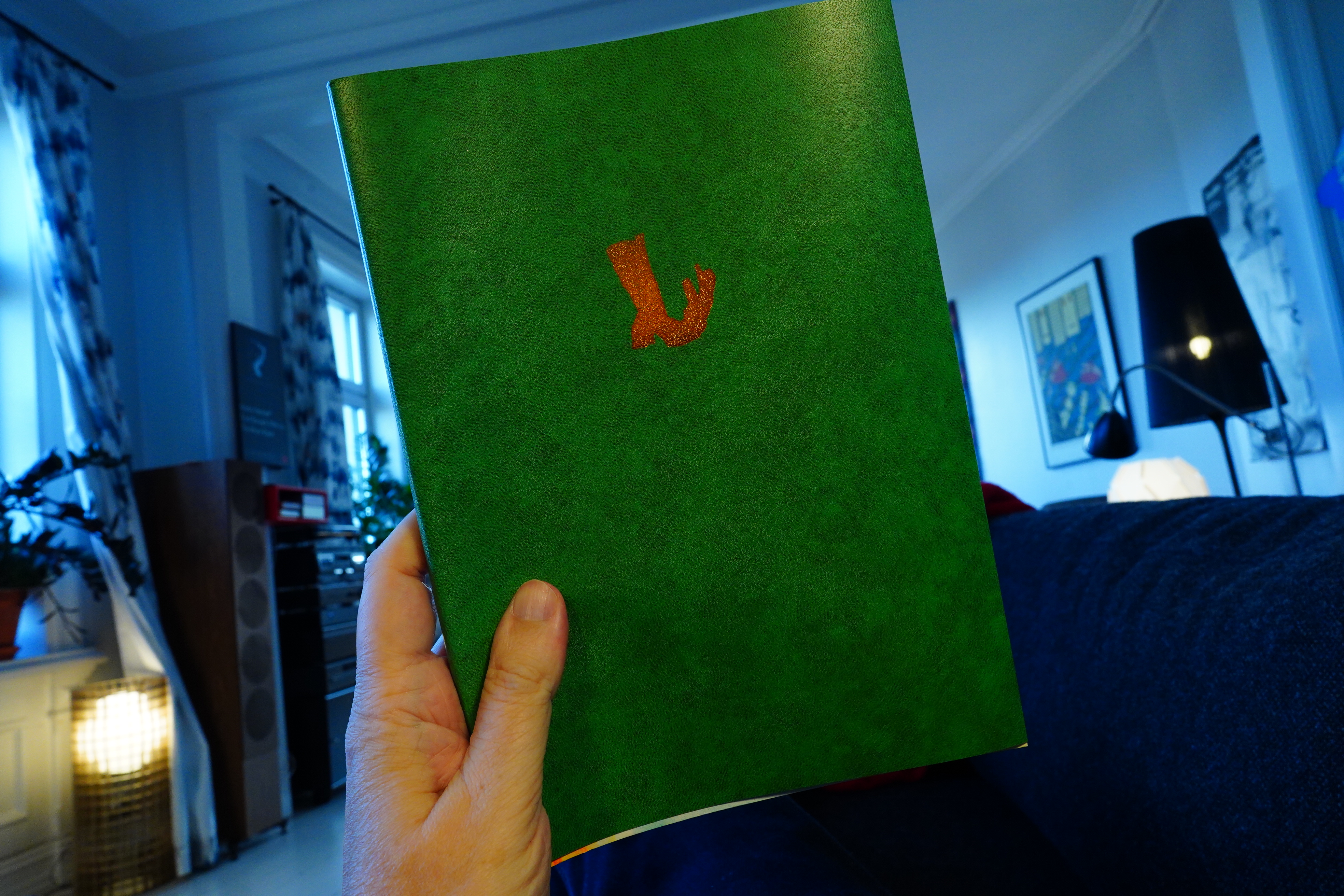
From fake riso to real riso — I got a bunch of books from Colorama (a Berlin-based publisher that mostly does riso) in the mail this week.
Getcher riso books here.
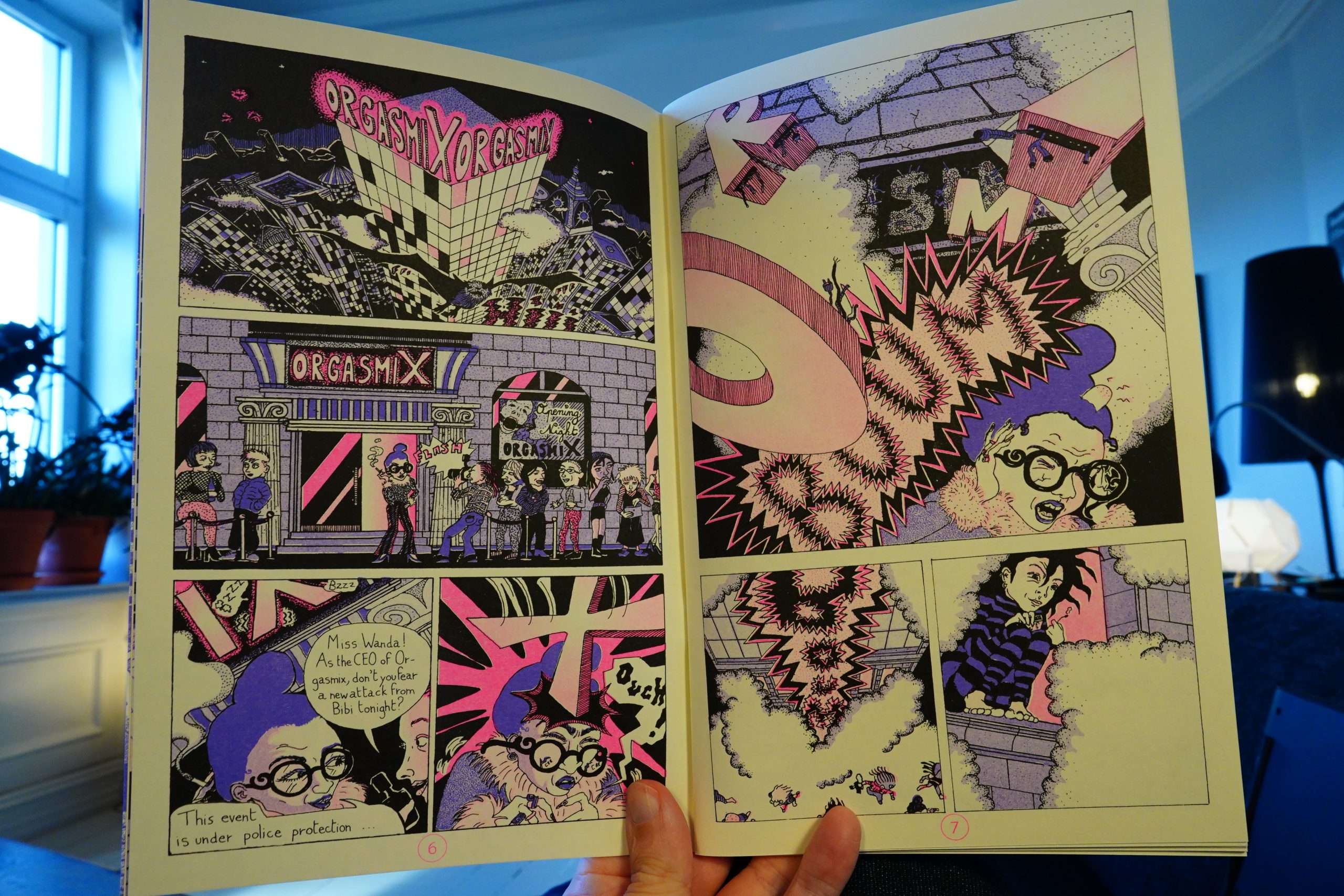
I like this book — it’s got a very retro thing going on. It’s like finding a lost comic book from 1973 done by somebody from Wimmen’s Comix? But more ambitious.
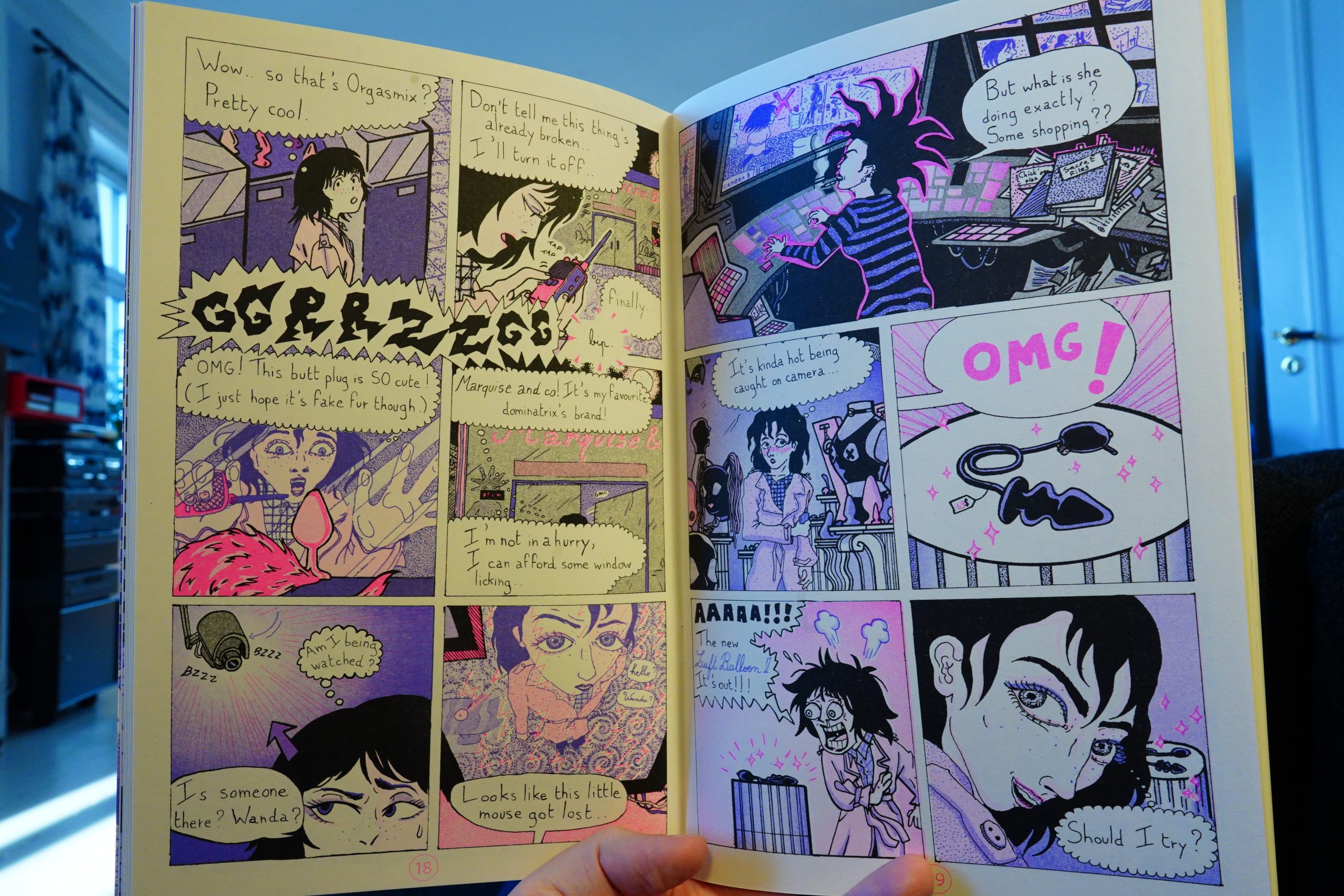
It’s funny, it’s a good read and it looks kinda great.
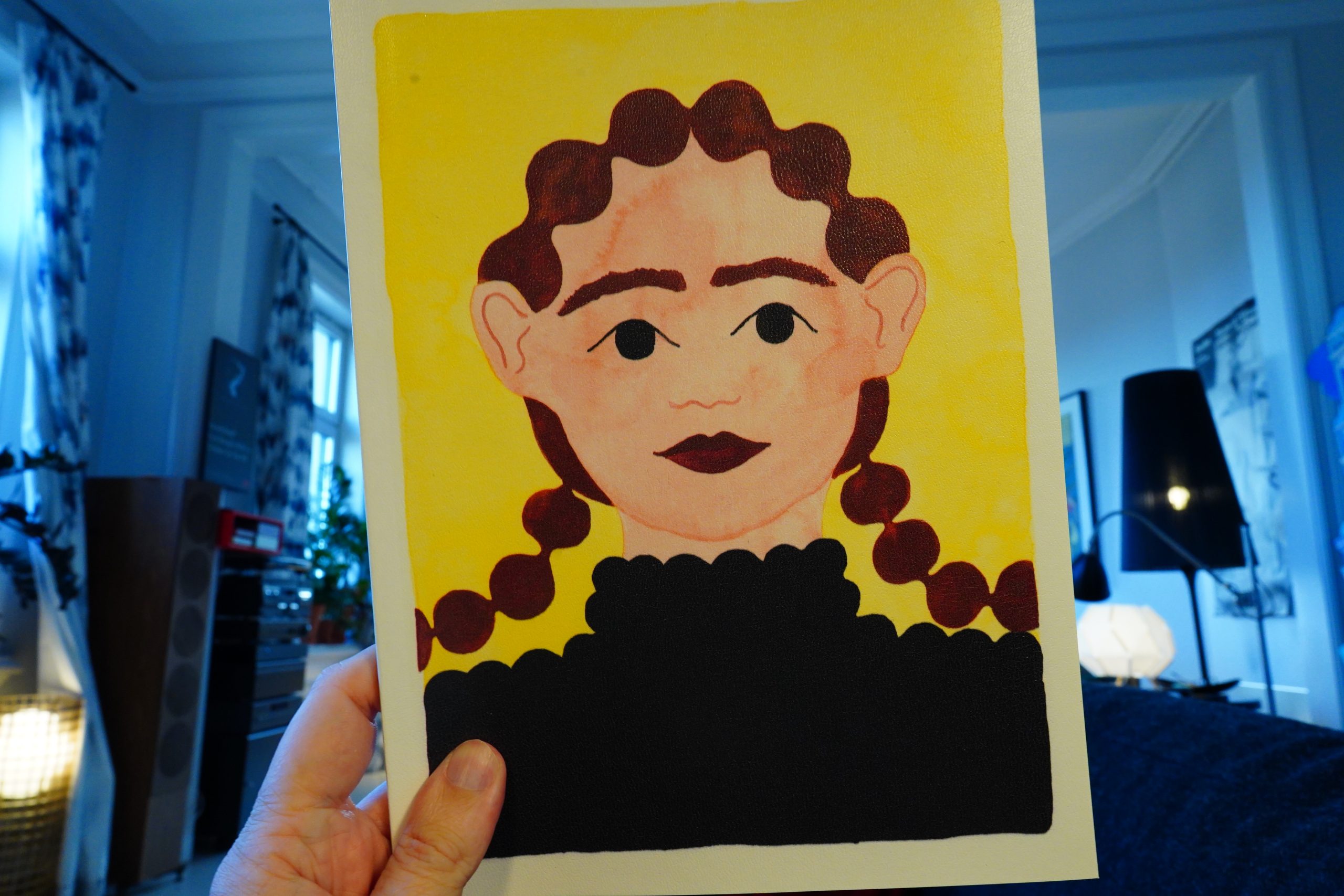
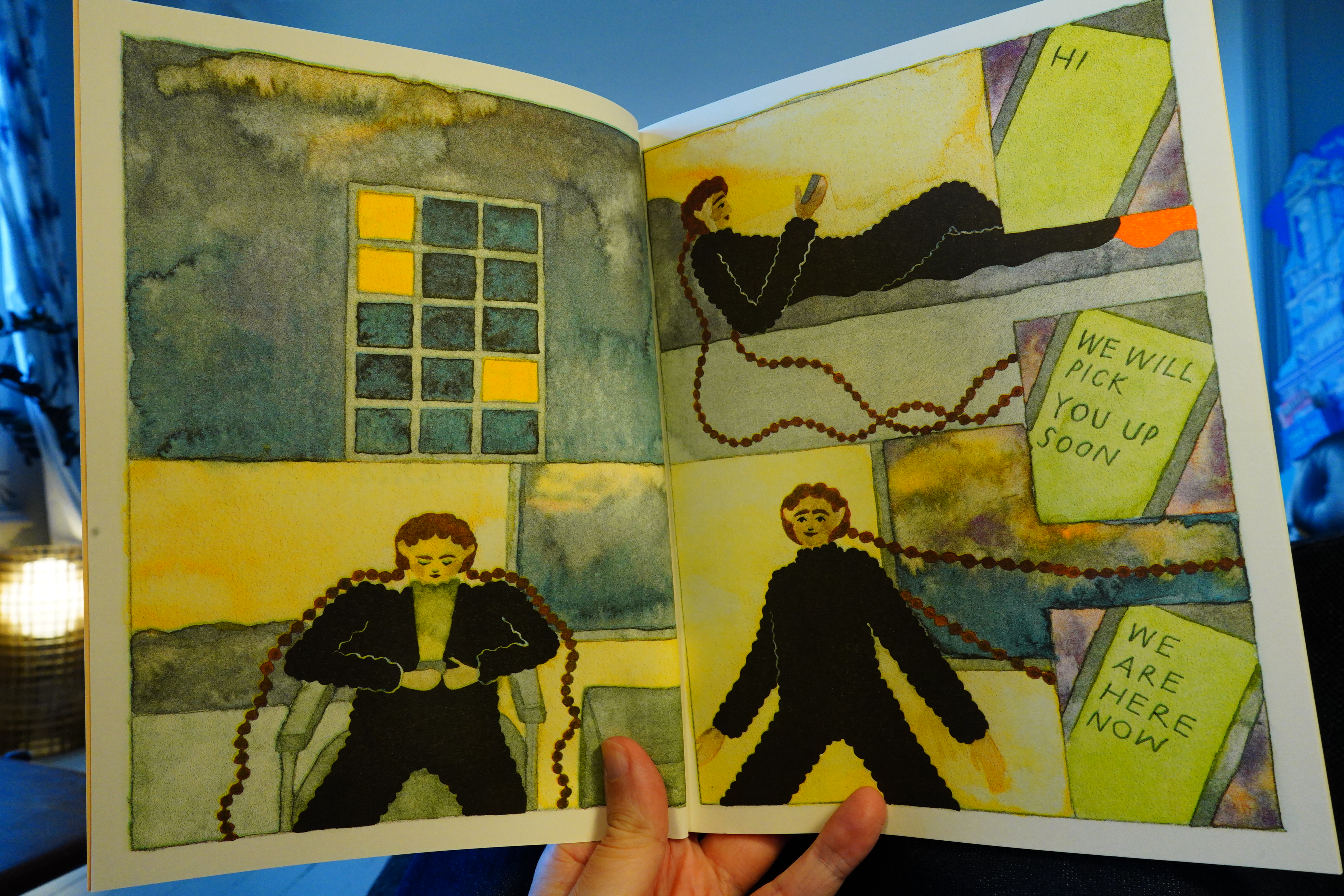
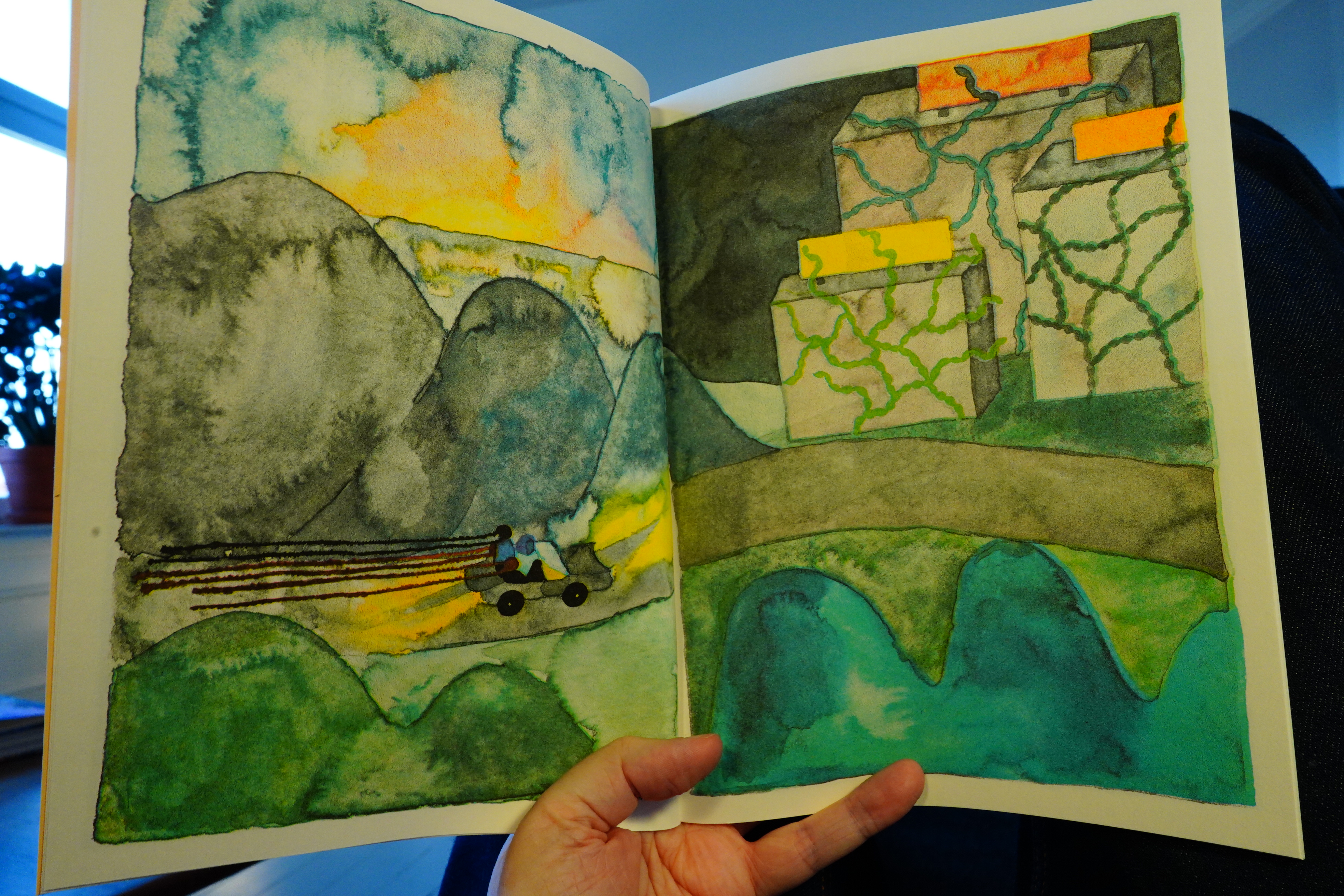
16:37: The Trip by Malwine Stauss (Colorama)
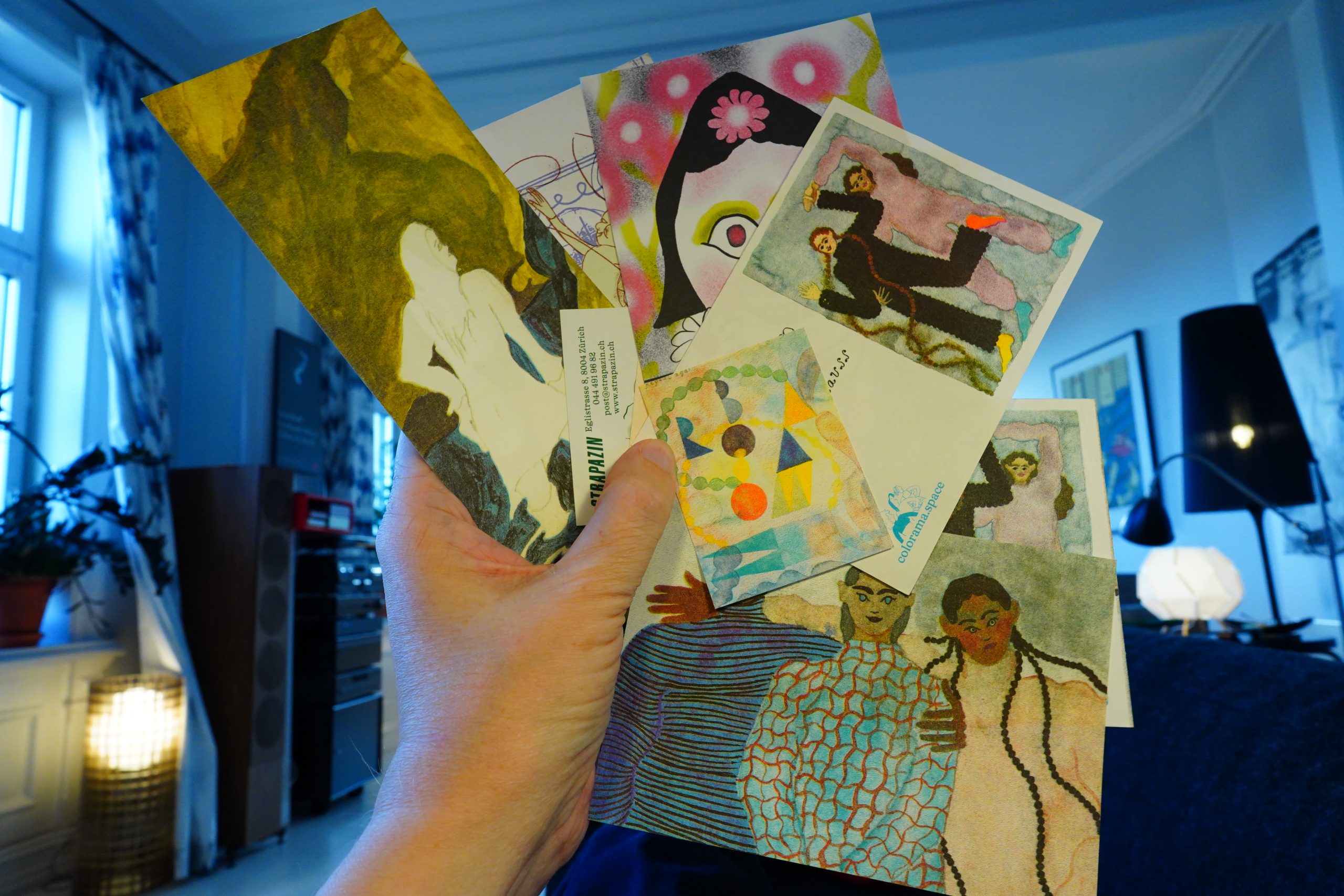
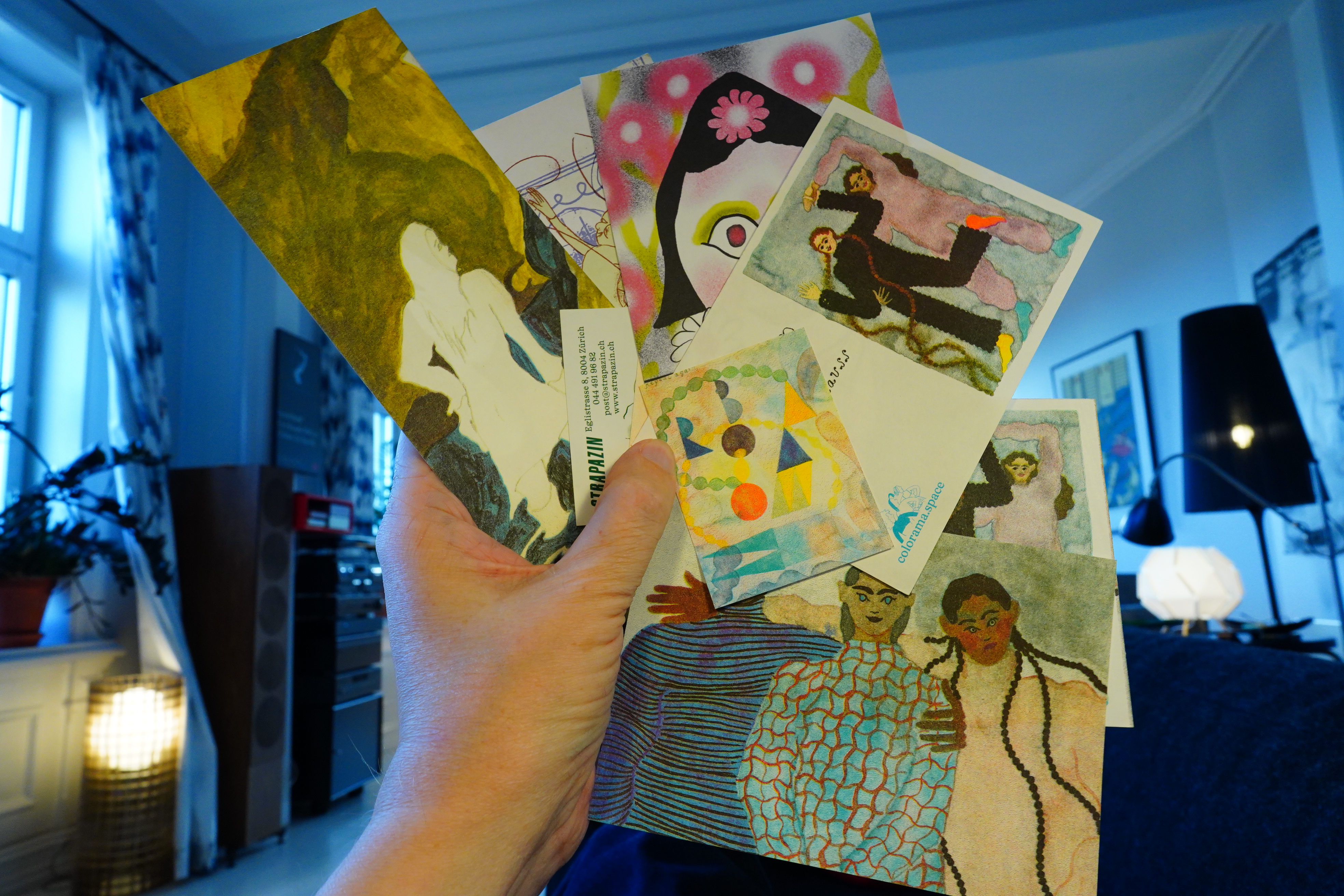
Oh; there were all these postcards and things included…
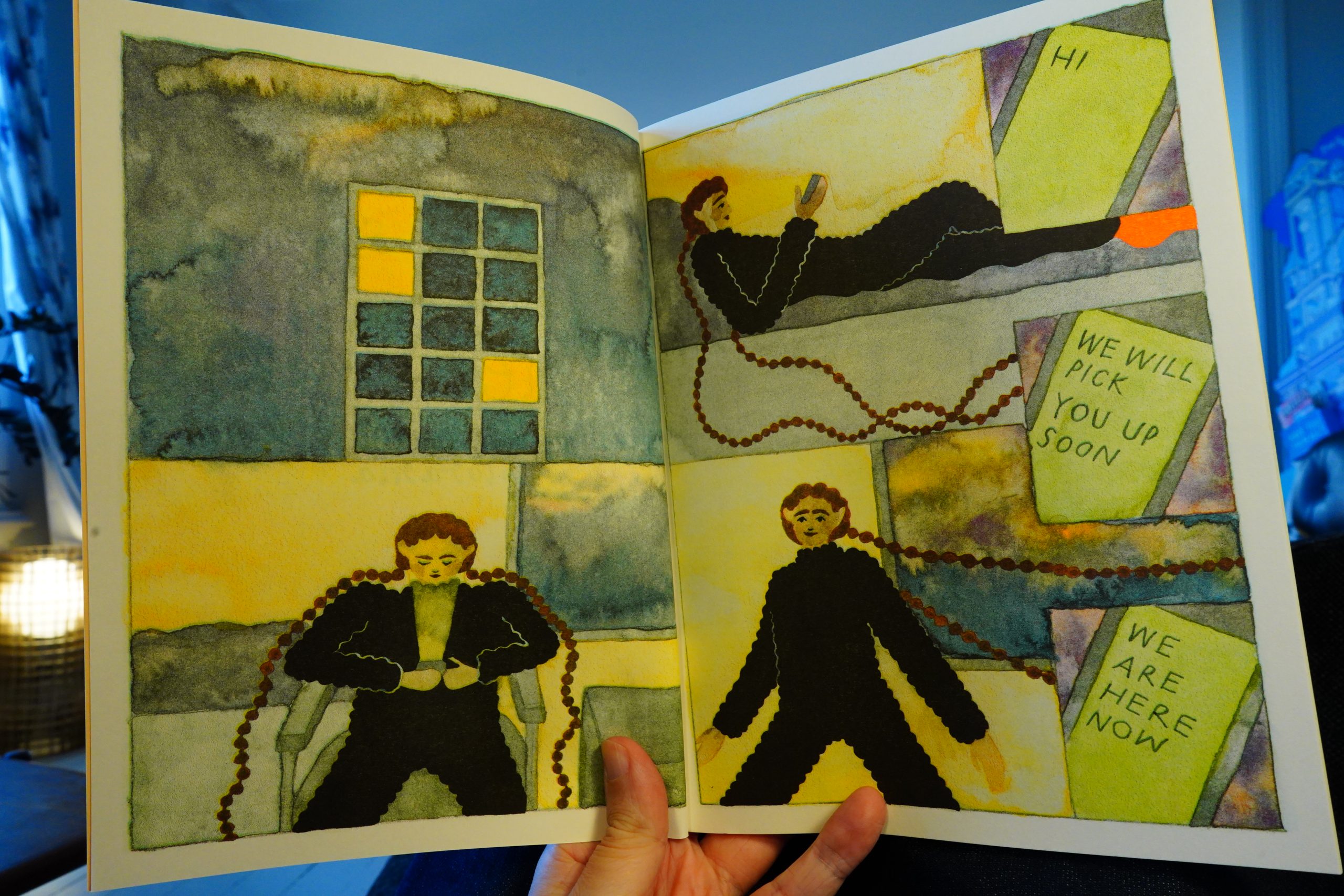
This is a very brief story about going on a trip to a strange place.
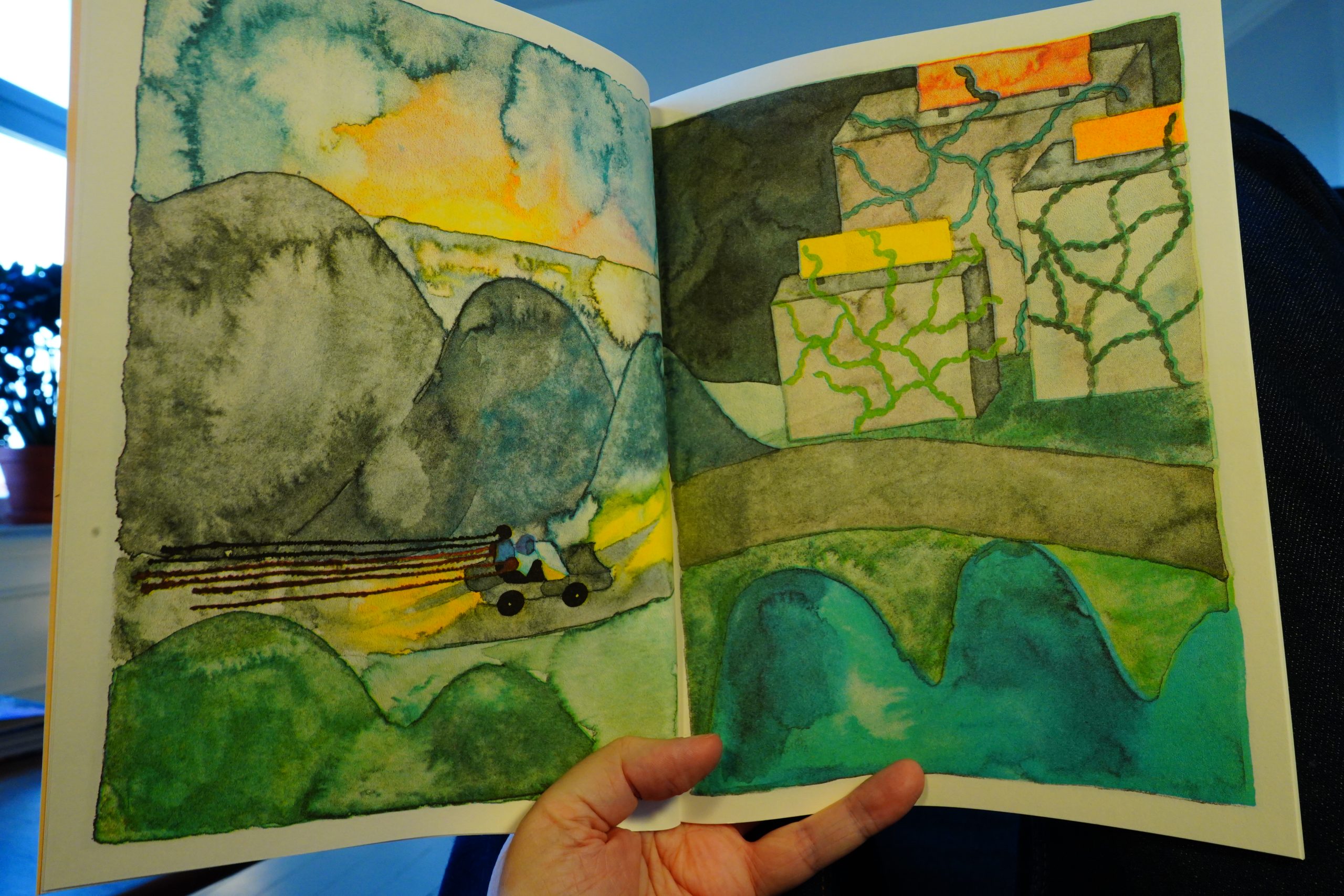
I love the artwork, and the story is charming.
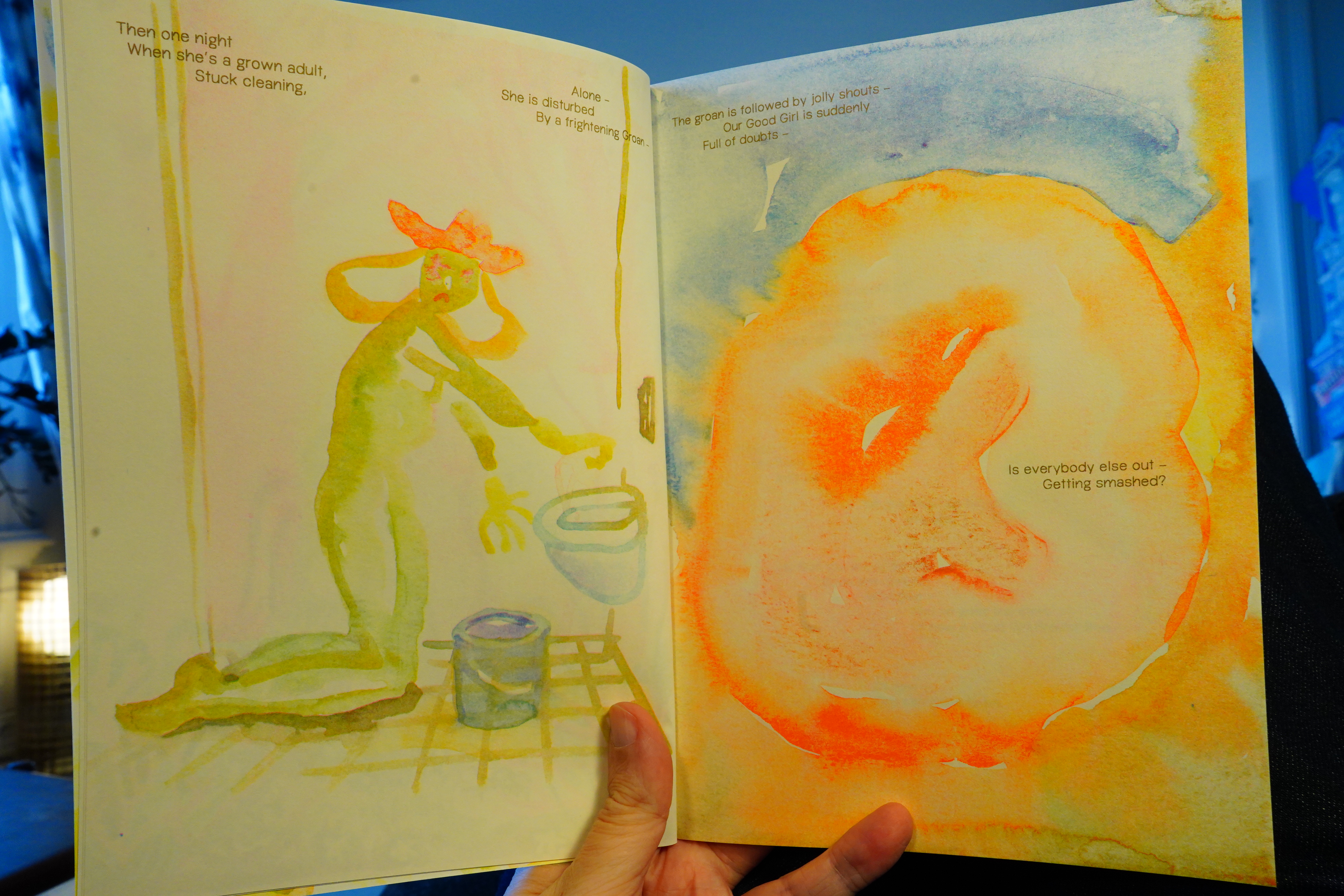
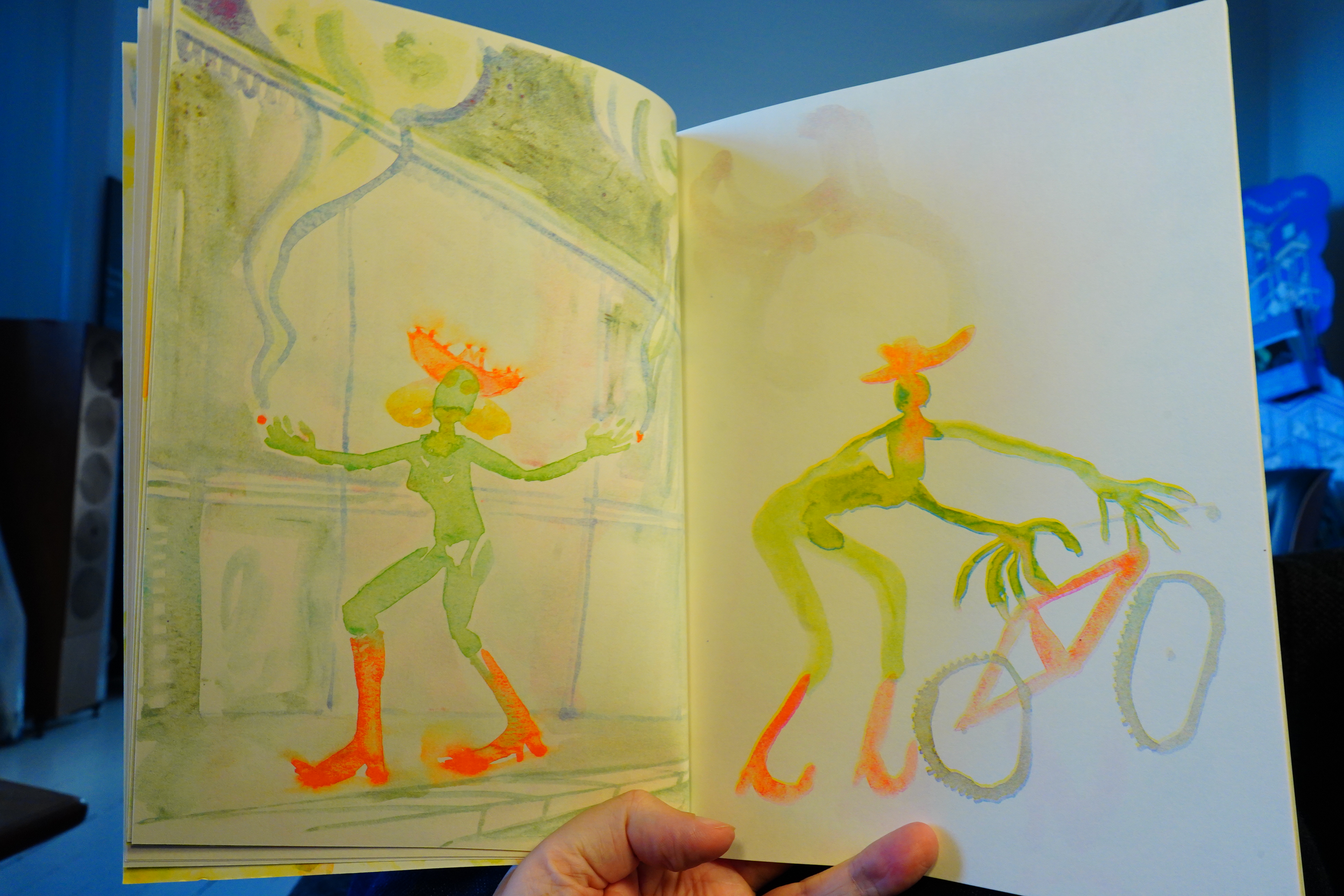
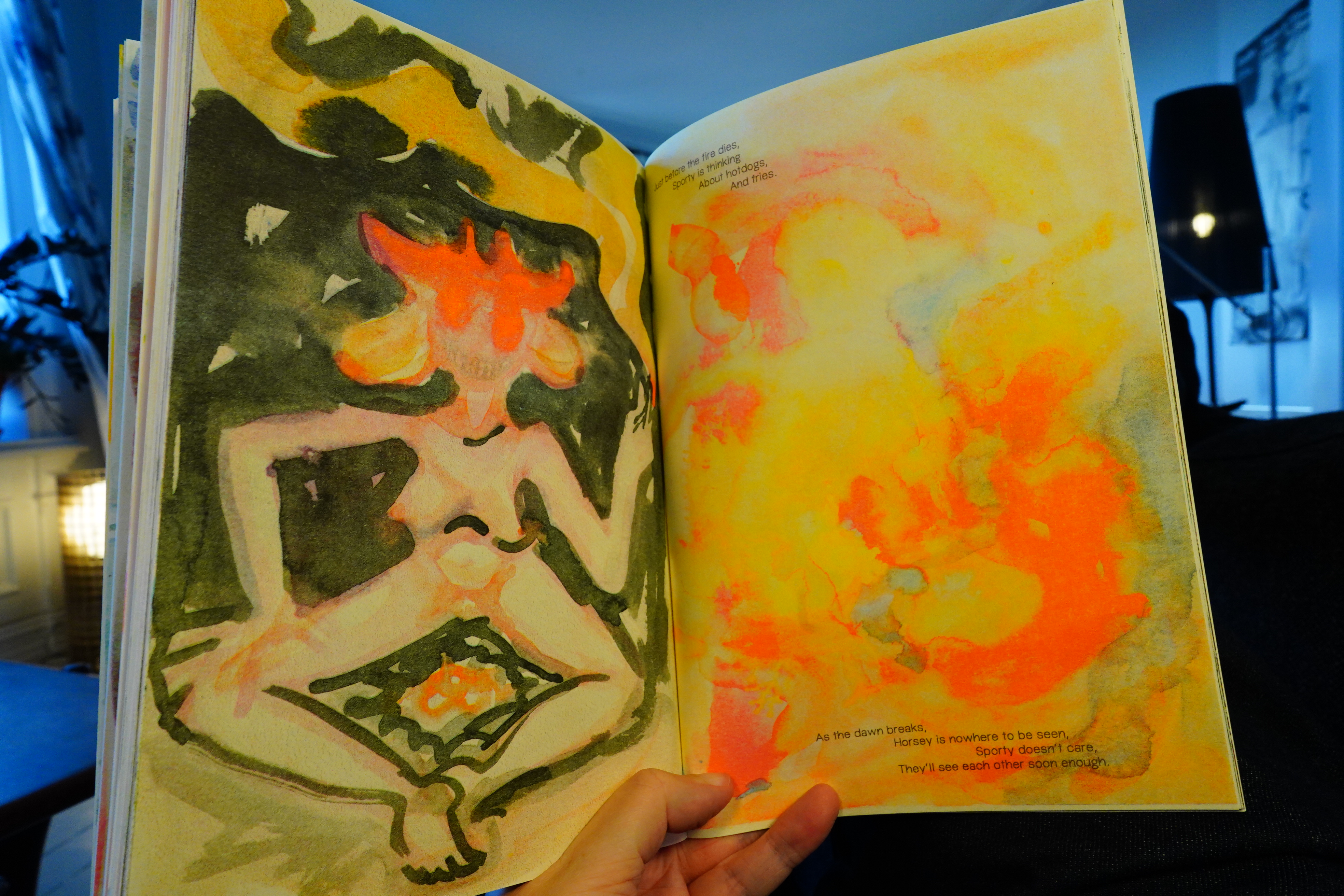
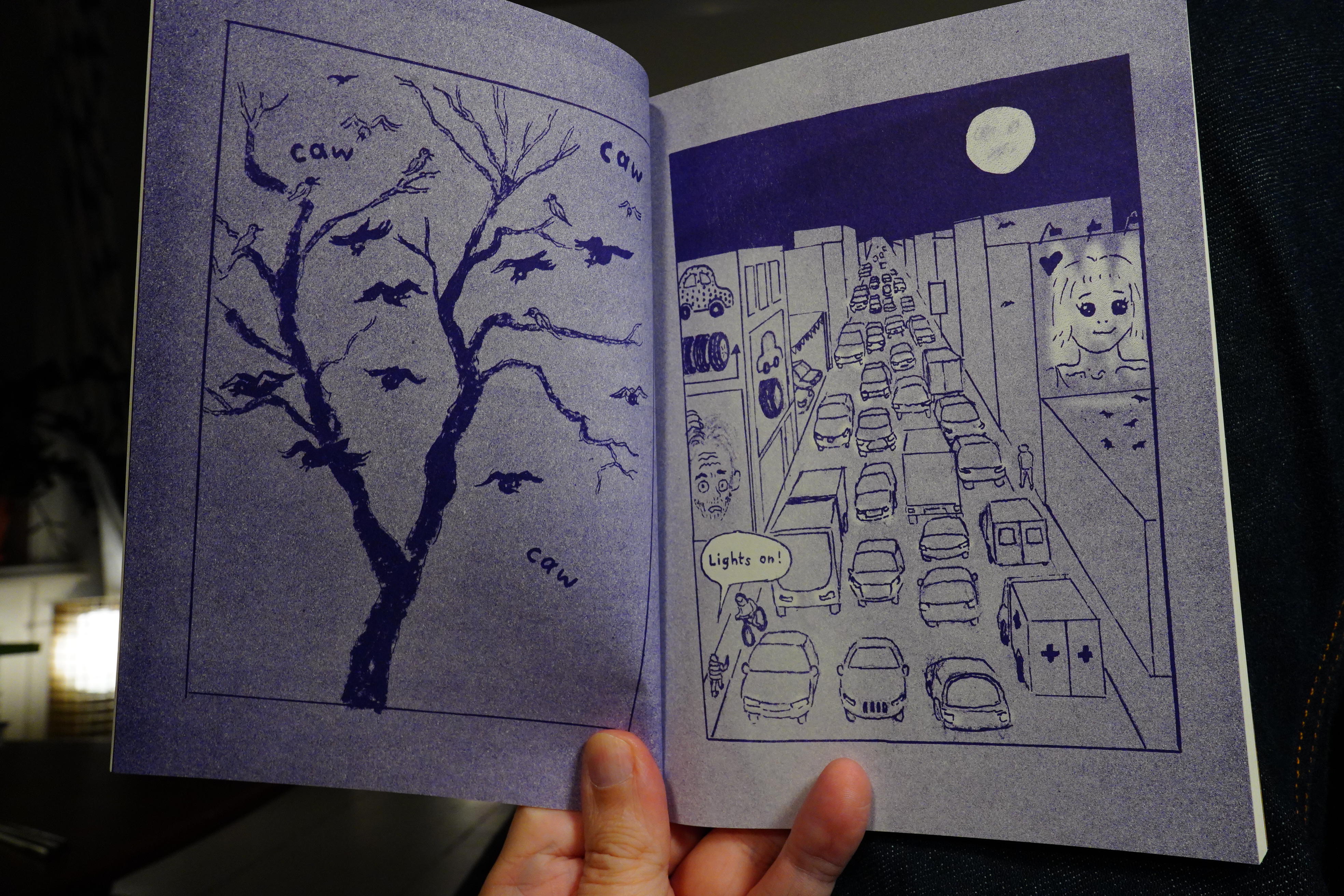
16:43: Sporty Ponni by Ane Barstad Solvang (Colorama)
Hey! This is by a Norwegian.
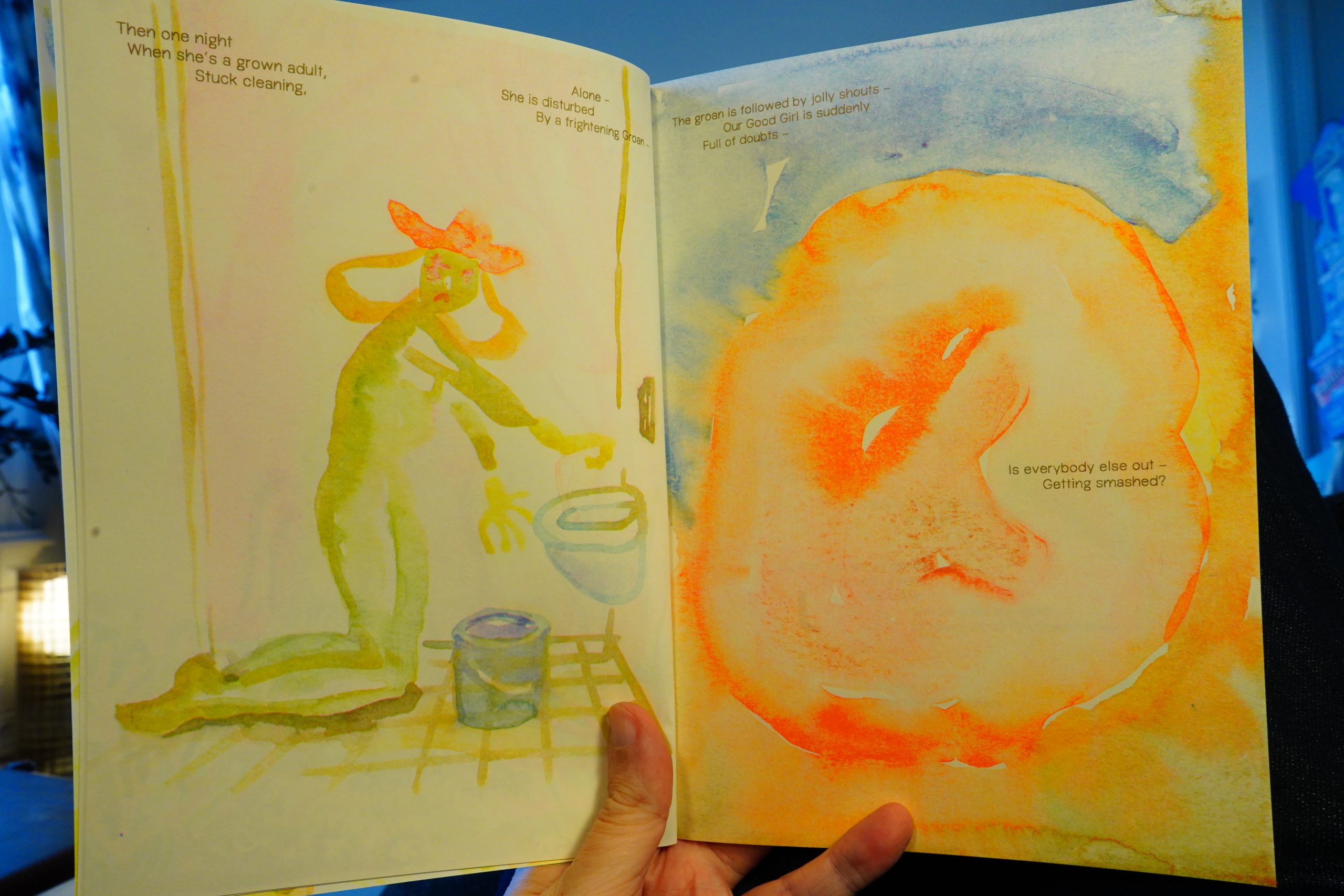
It’s a kind of poetry/fairy tale/comics hybrid, and it works really well, with some pages that have text accompaniment…
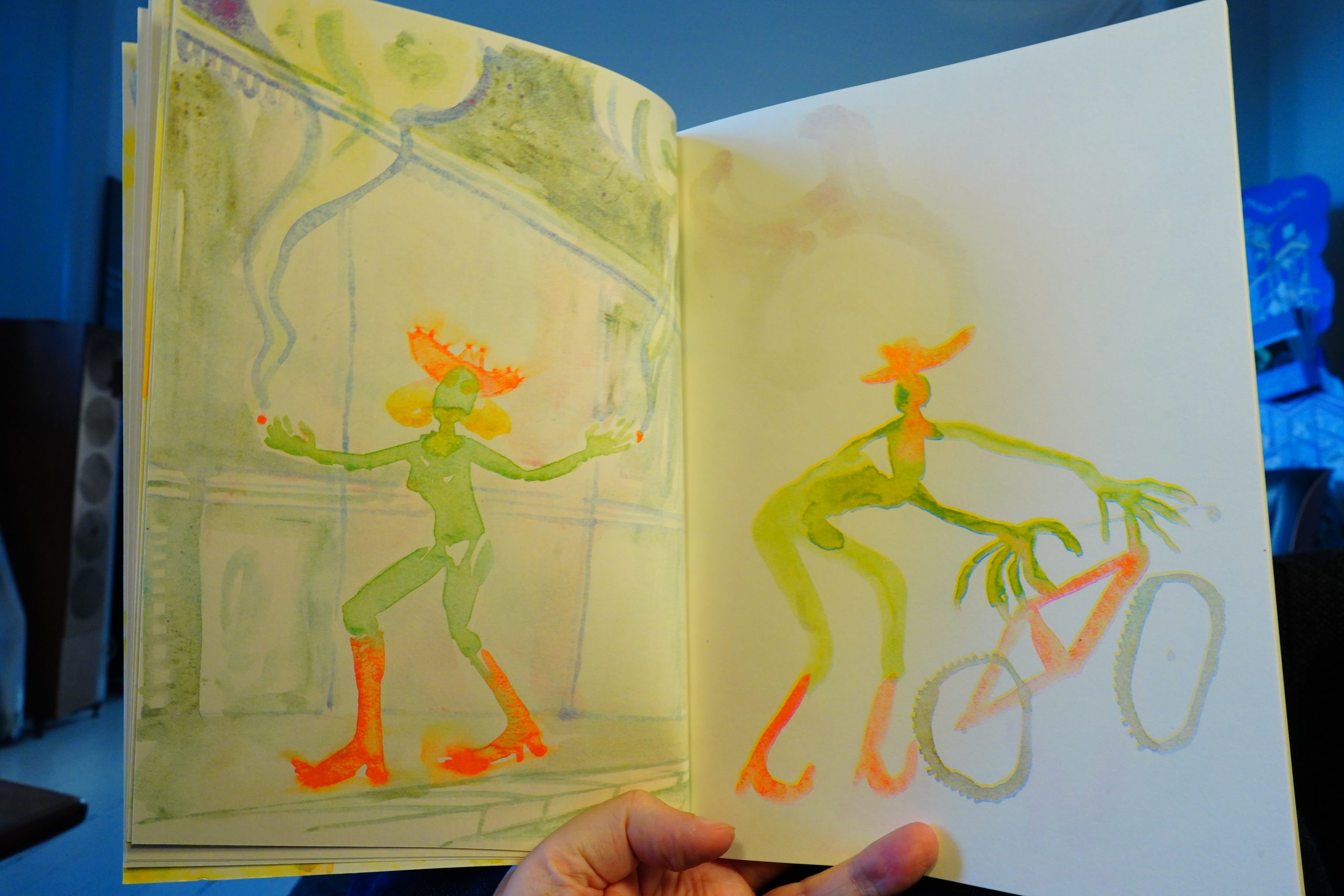
… but most are wordless. It’s a story about going out and having adventures…
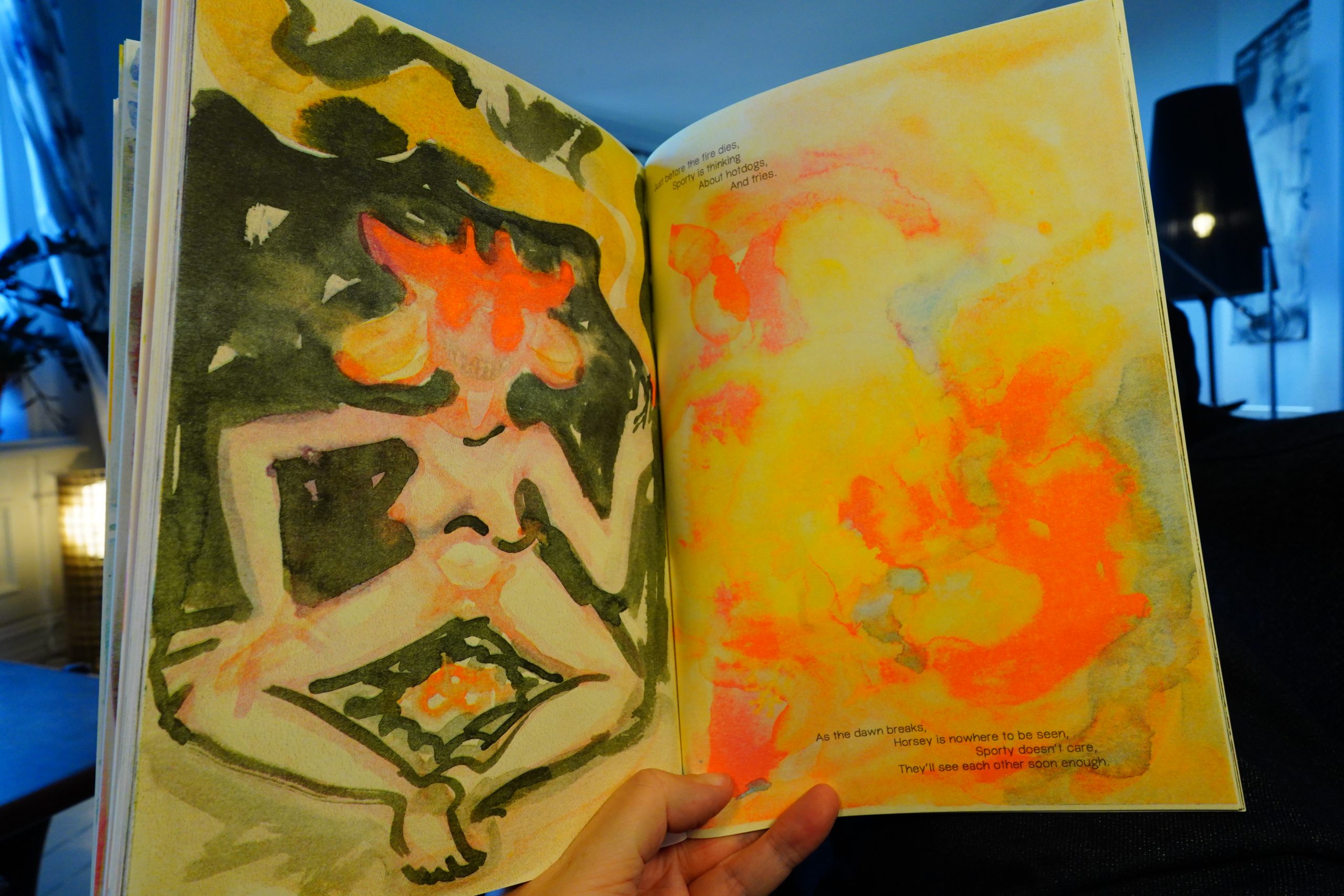
… and I love it: It’s such a free-flowing and gleeful book.
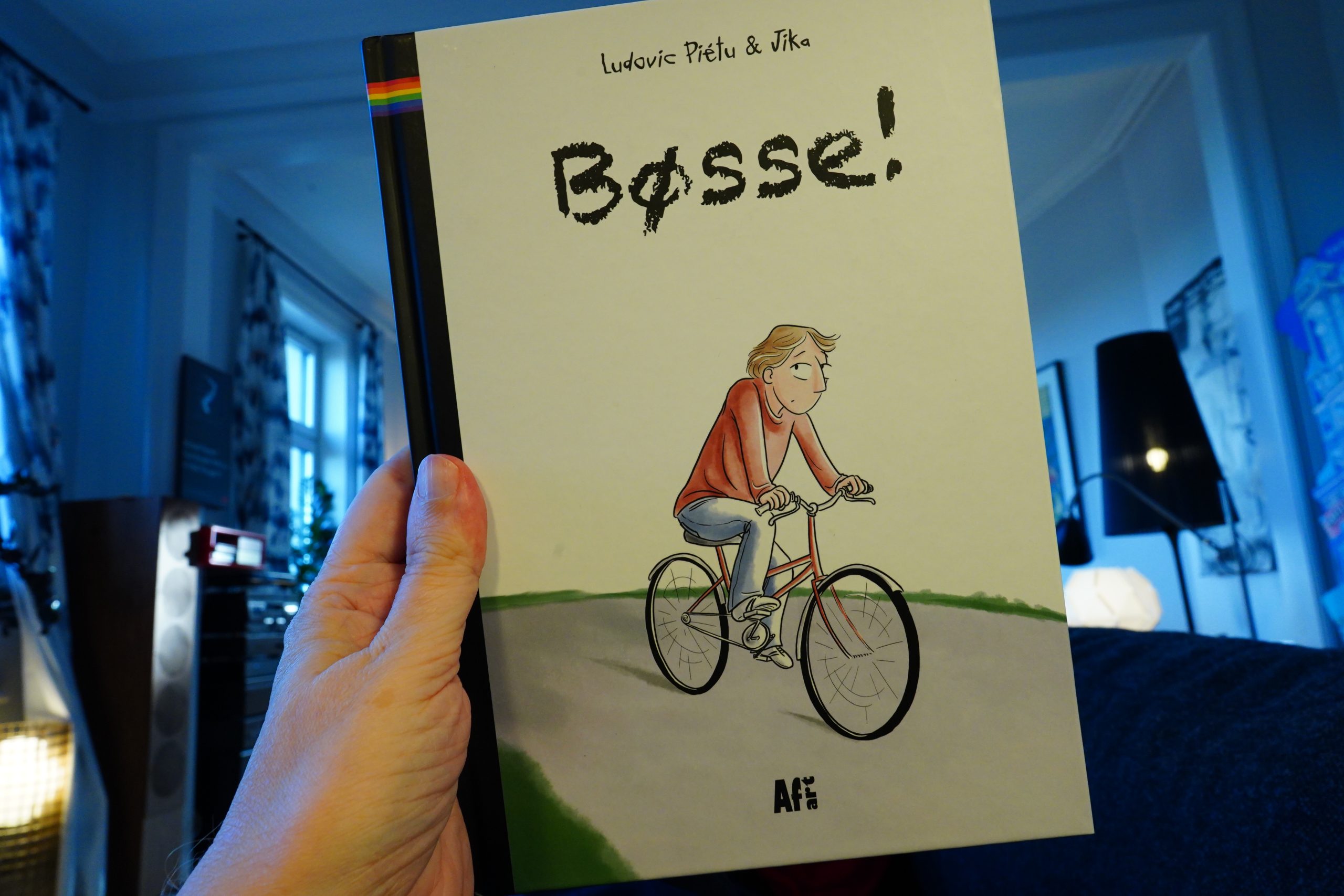
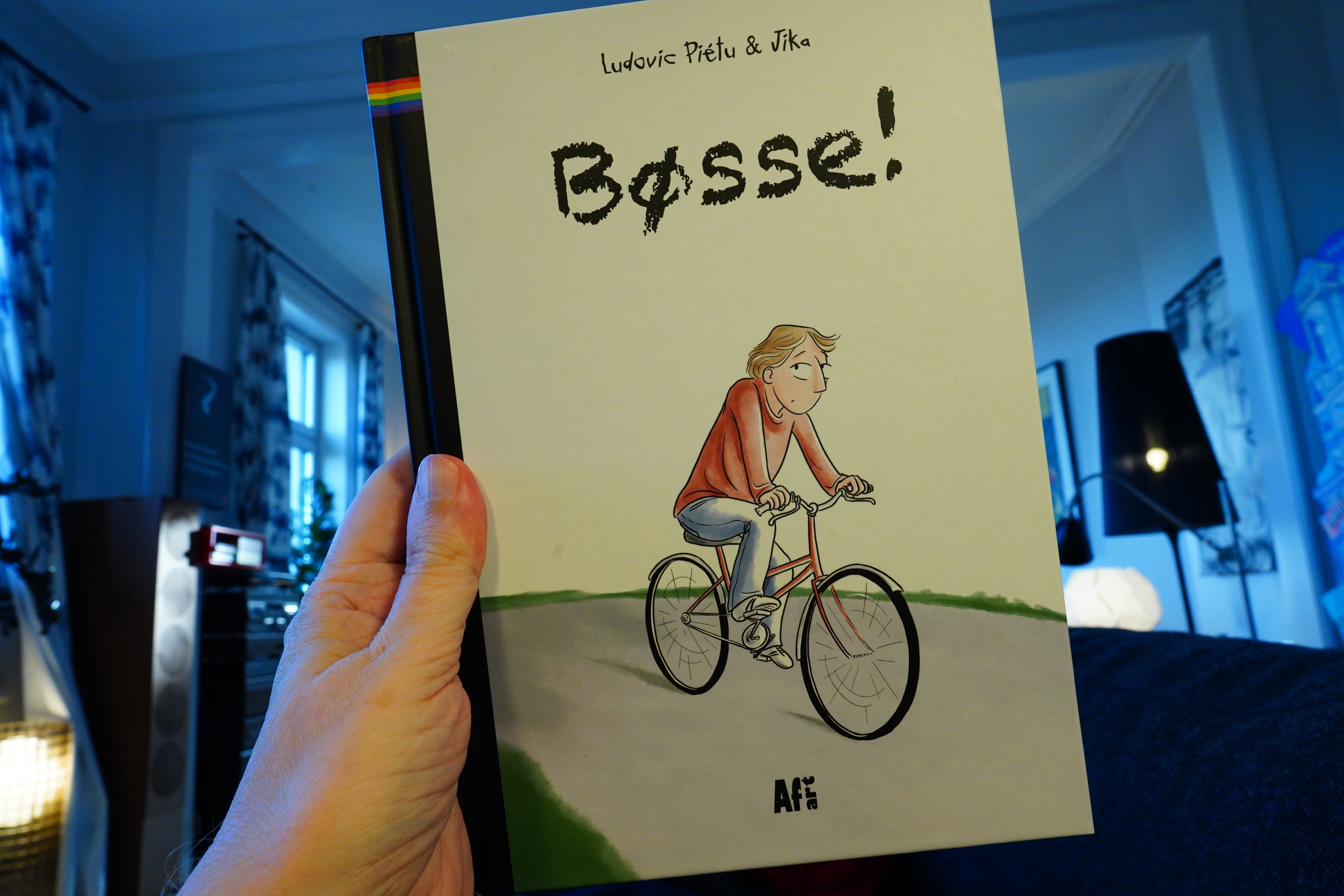
17:04: Pédale! by Judovic Prétu & Jika (Afart)
I also got a bunch of comics from Denmark this week, so I guess this is going to be a more European Daze than usual.
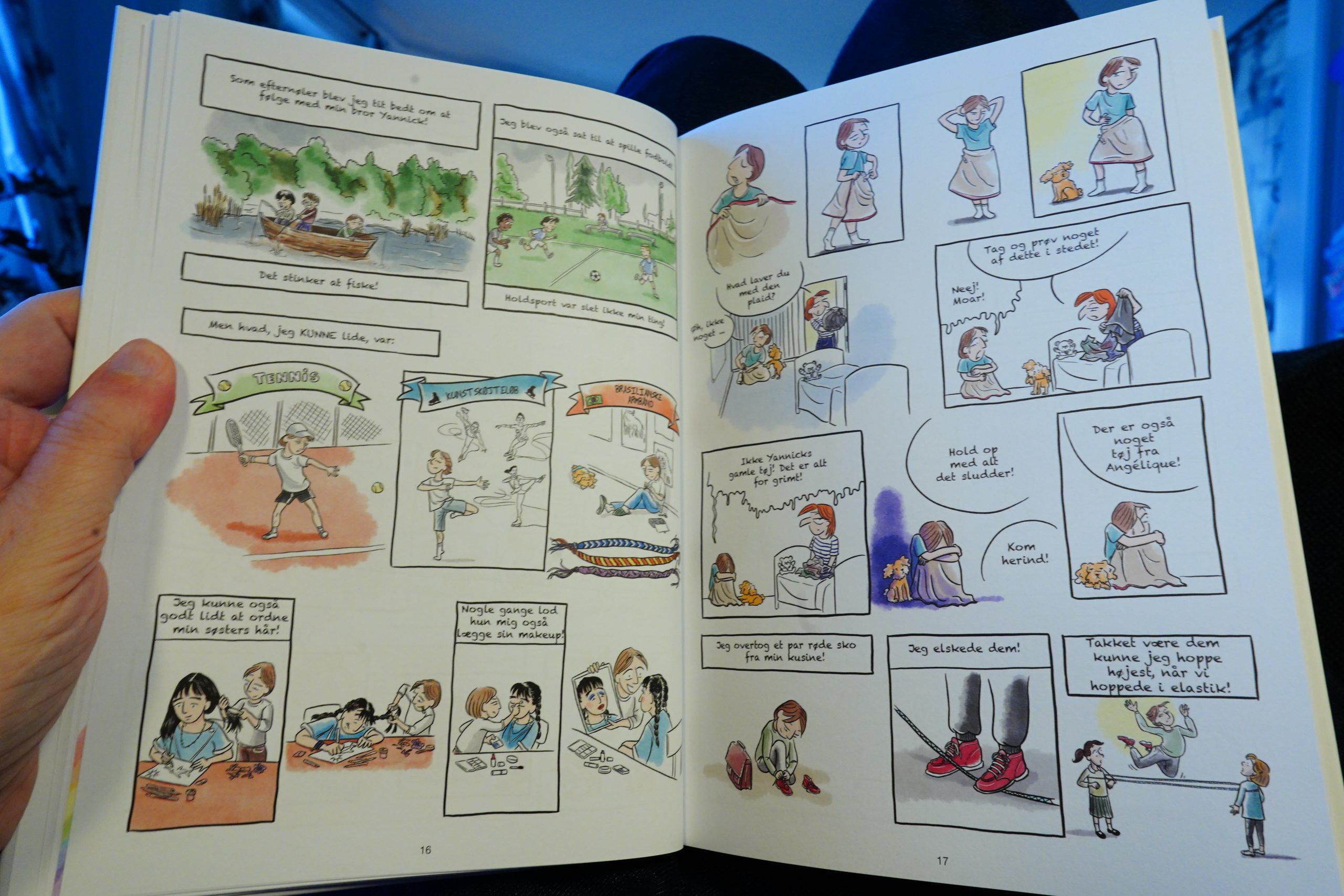
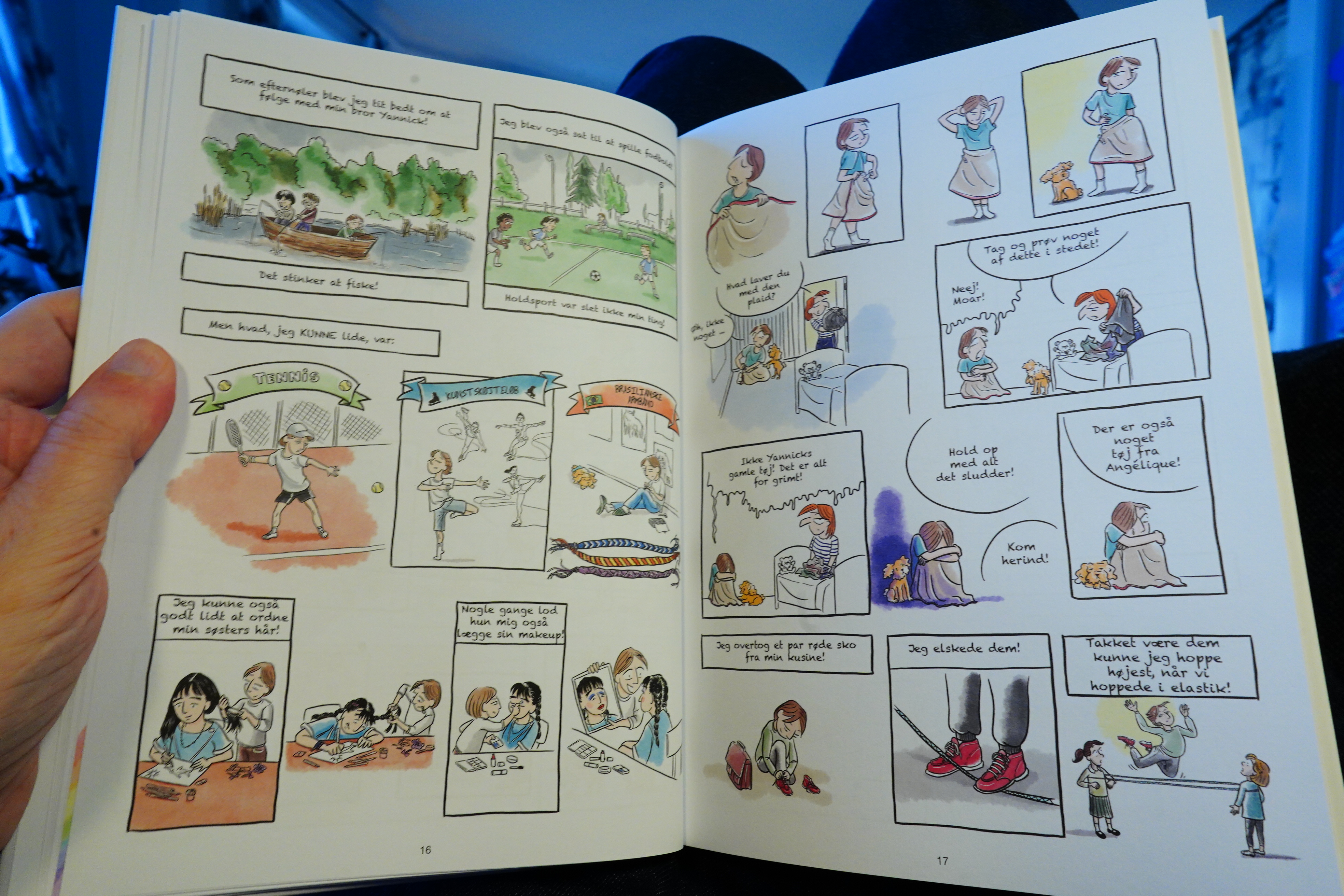
This is a strangely old-fashioned book, and I’m not quite sure who the intended audience for this is?
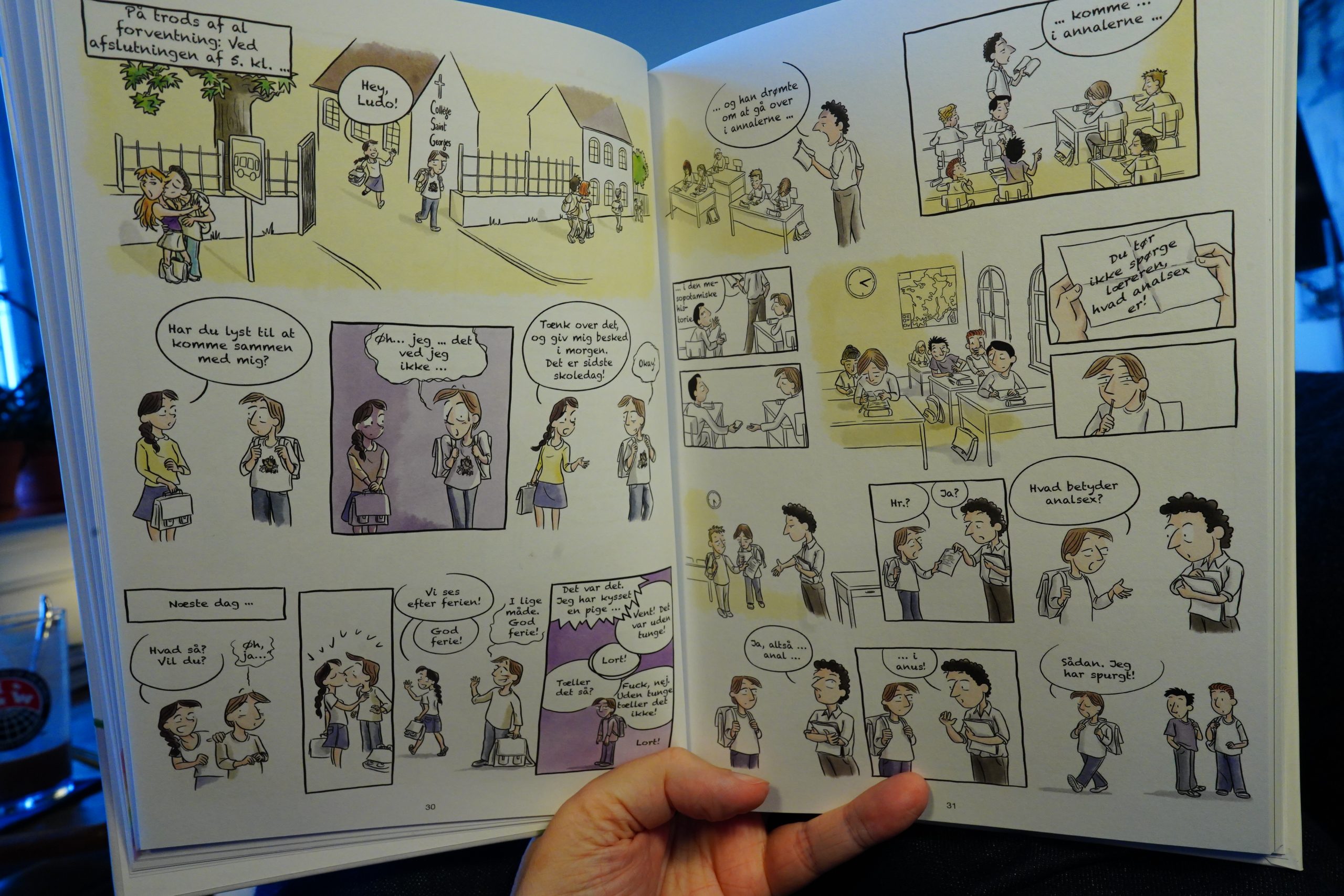
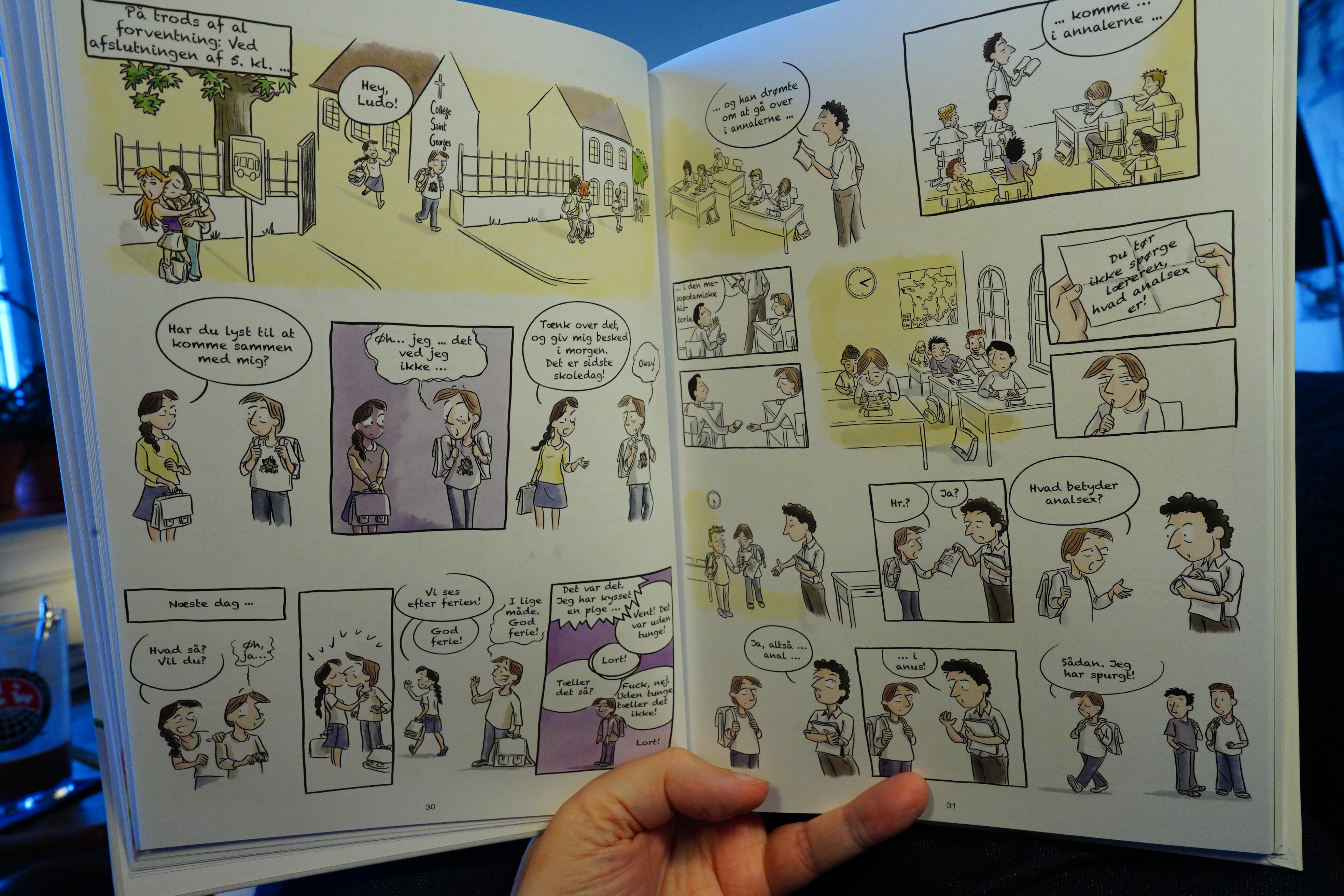
It’s got some really cringe moments — it’s like a collection of all the embarrassing things from growing up, but told without much verve: Just an enumeration, really. So I was thinking this was for children, but..
| Various: From Brussels With Love (2) |  |
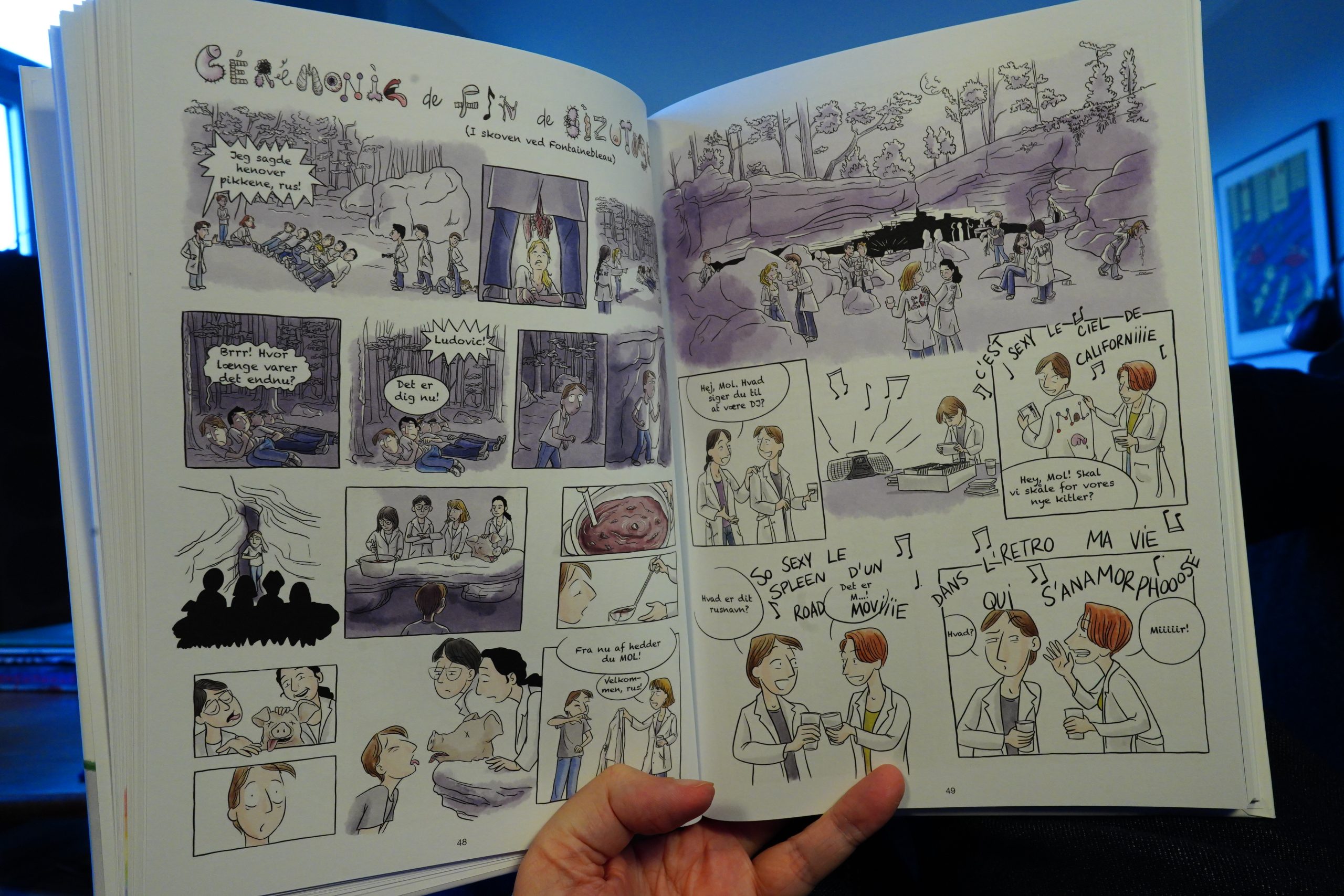
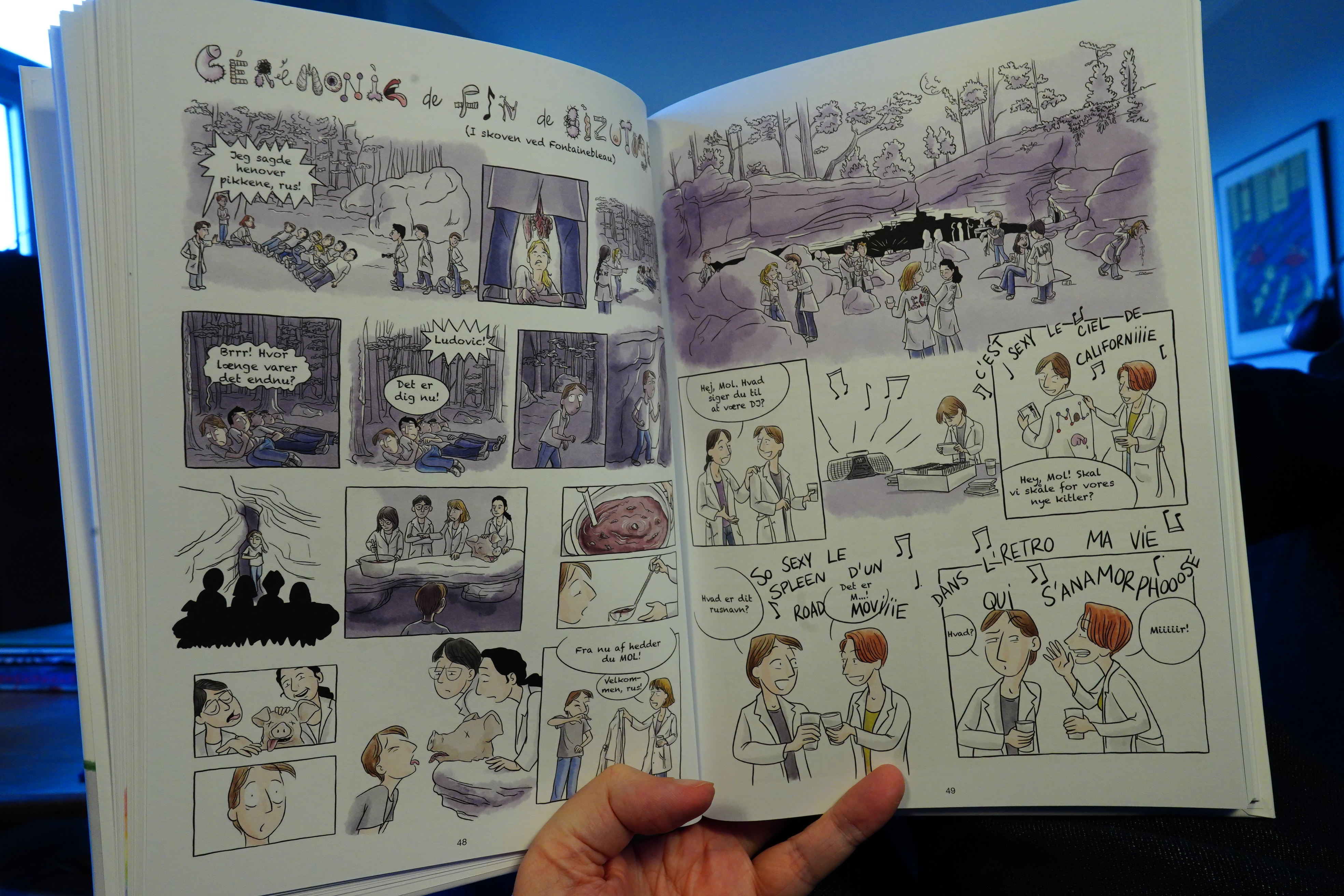
… things get more grown-up (without the storytelling changing much) later.
And I had no idea that they did hazing rituals in France? I thought they were more cultured, but it’s apparently a thing.
I guess the book is pretty OK, but it’s not very exciting.
| Various: The Fruit of the Original Sin |  |
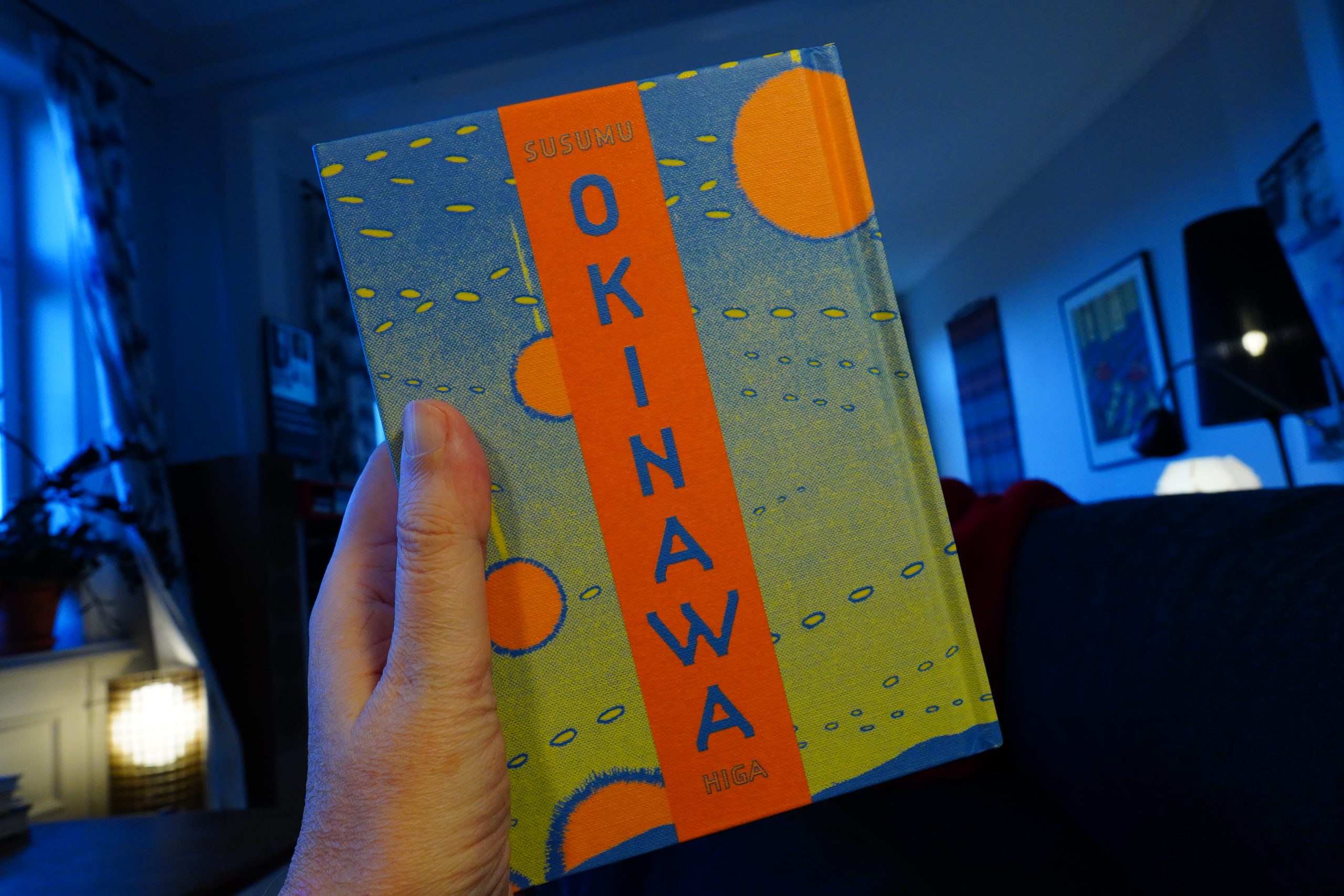
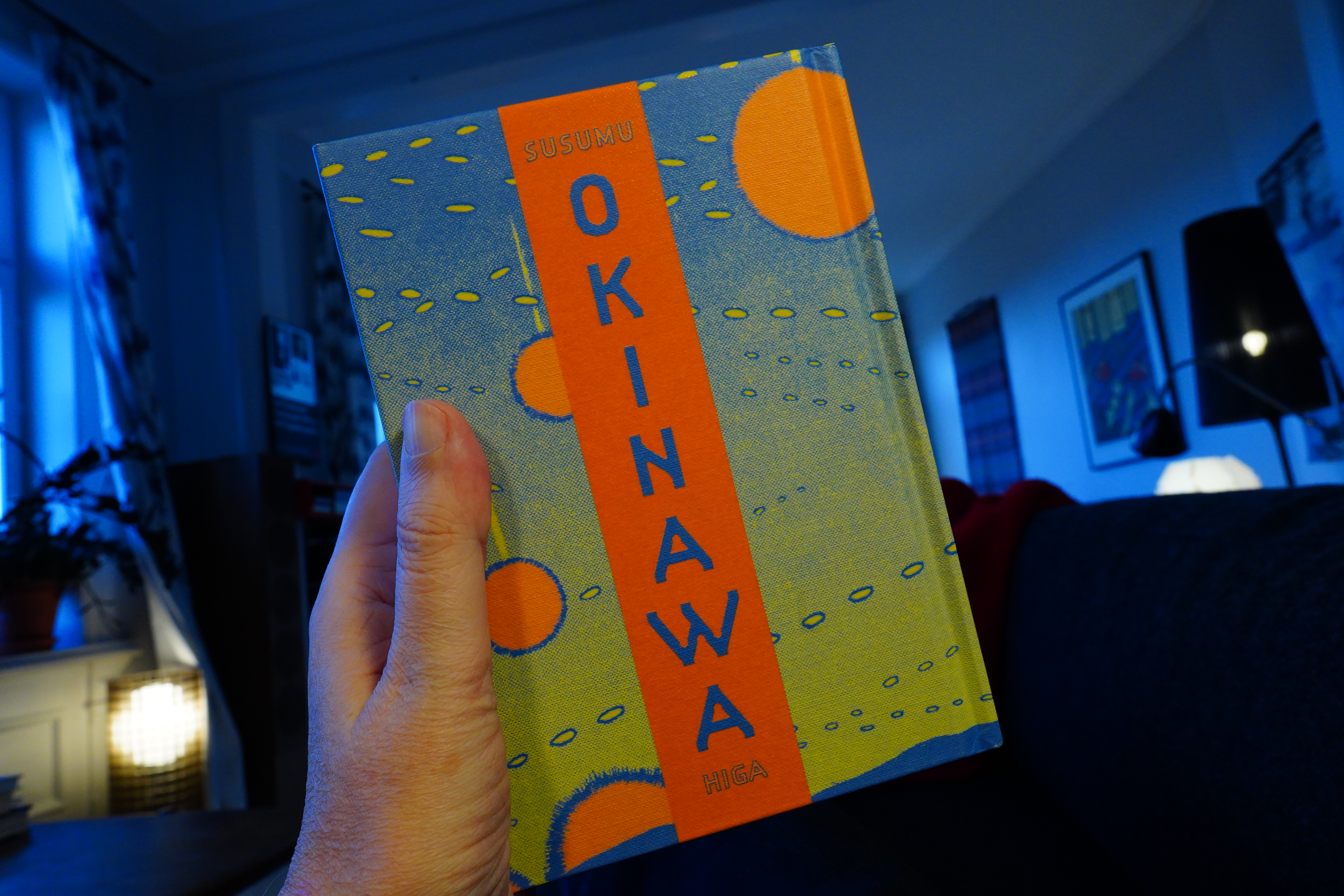
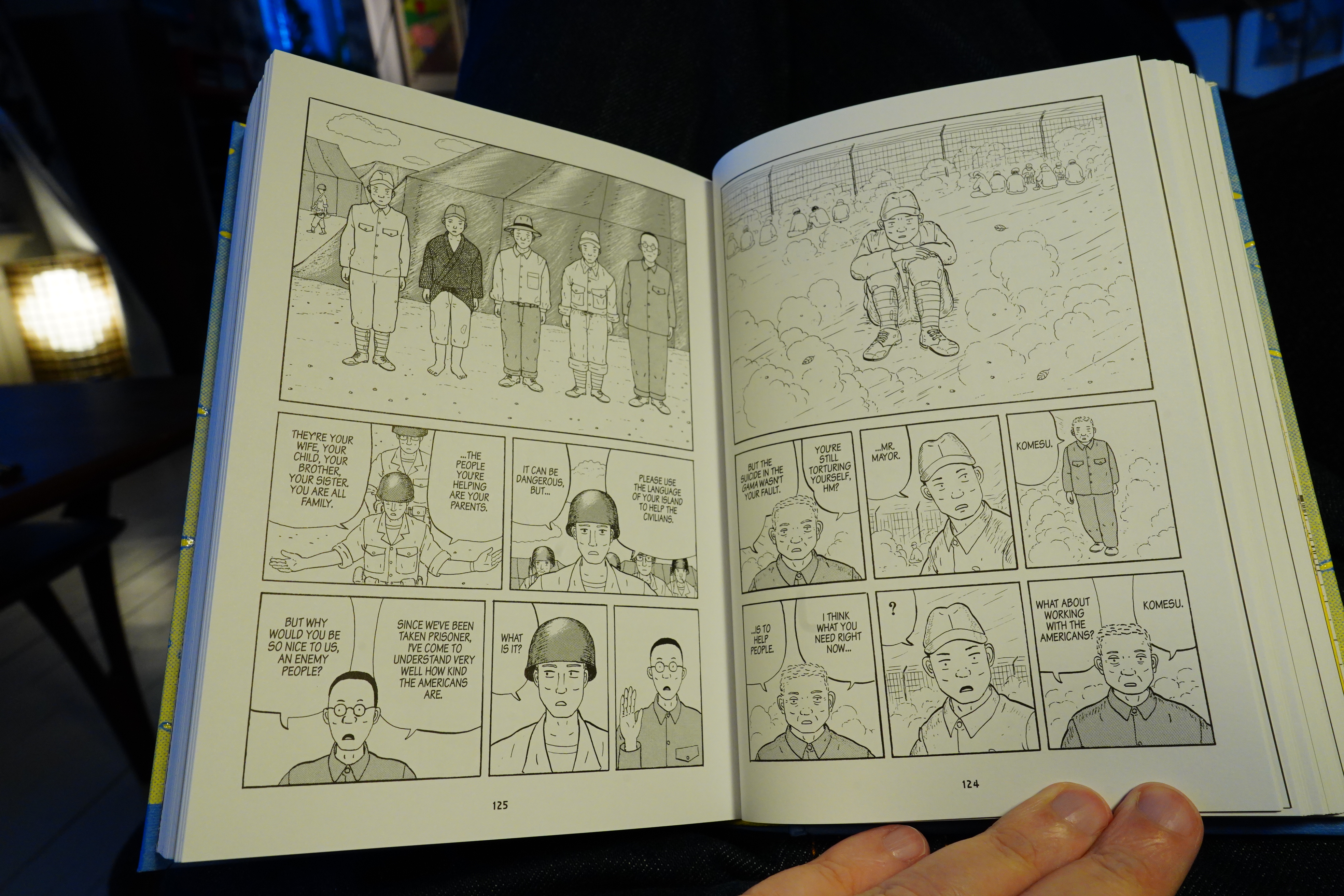
17:49: Okinawa by Susumu Higa (Fantagraphics)
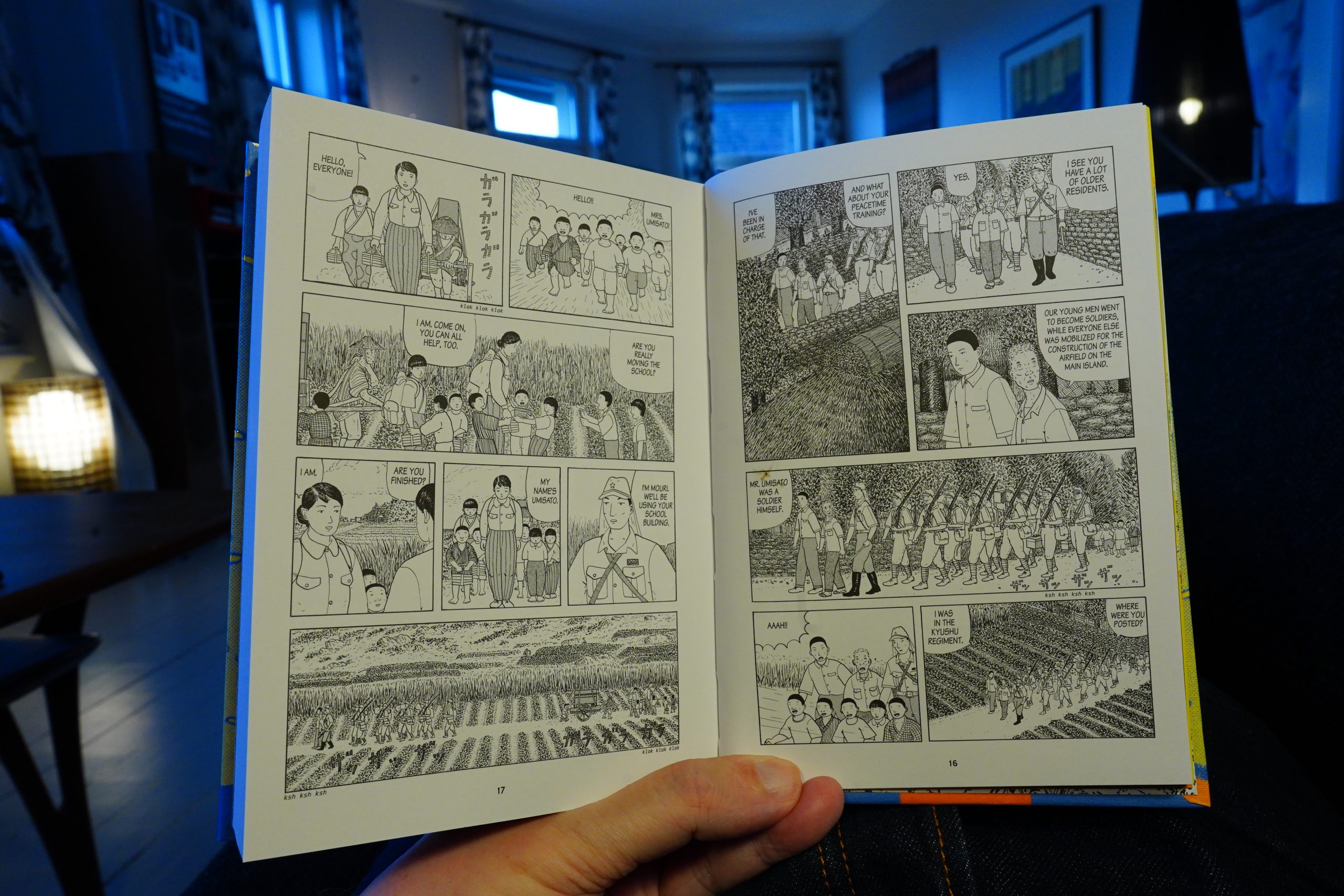
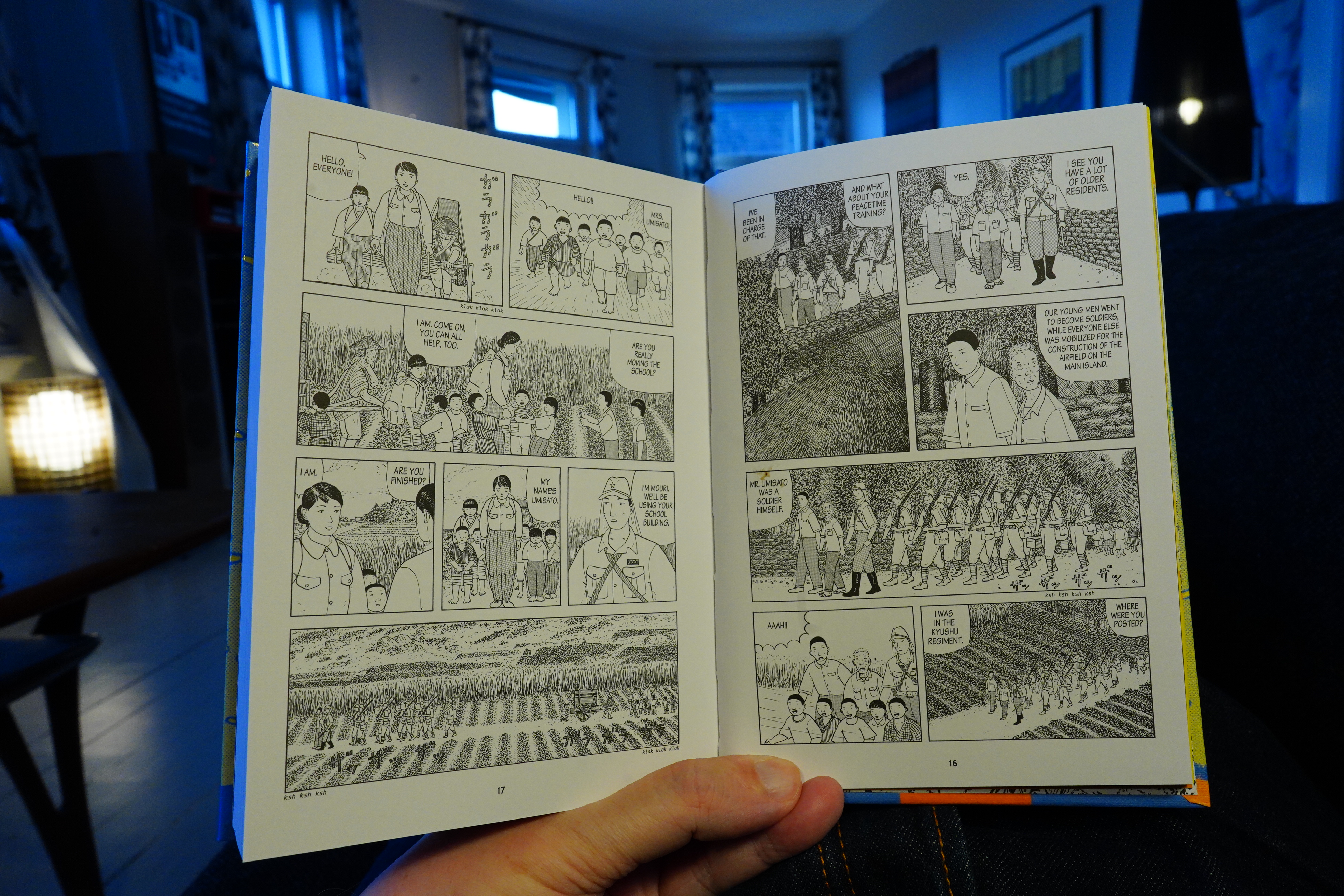
This is in an unusual format — it a bit smaller than how Japanese comics are usually printed. Was it this way originally? Everything just looks a tad too small, making it difficult to immediately make out what we’re looking at.
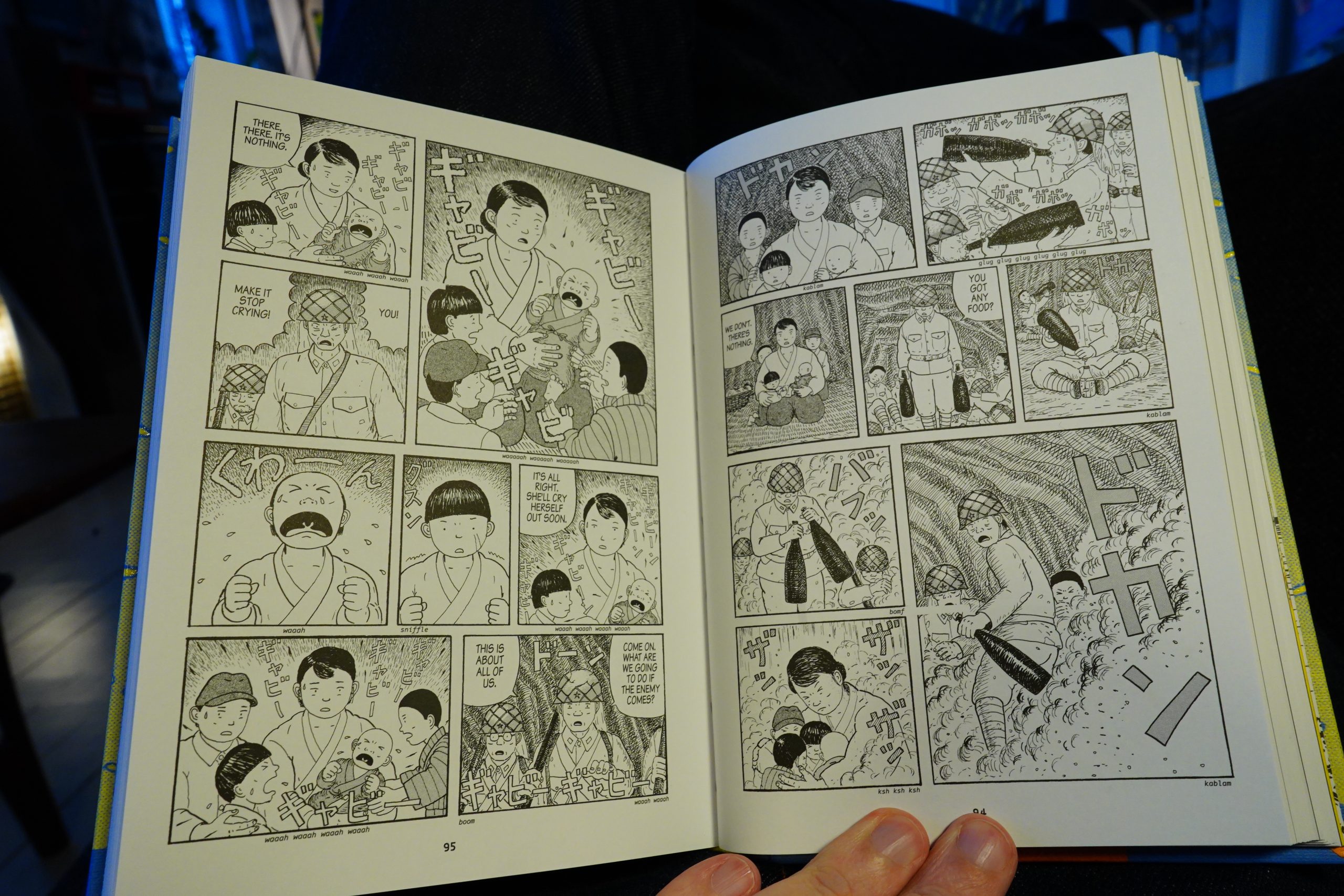
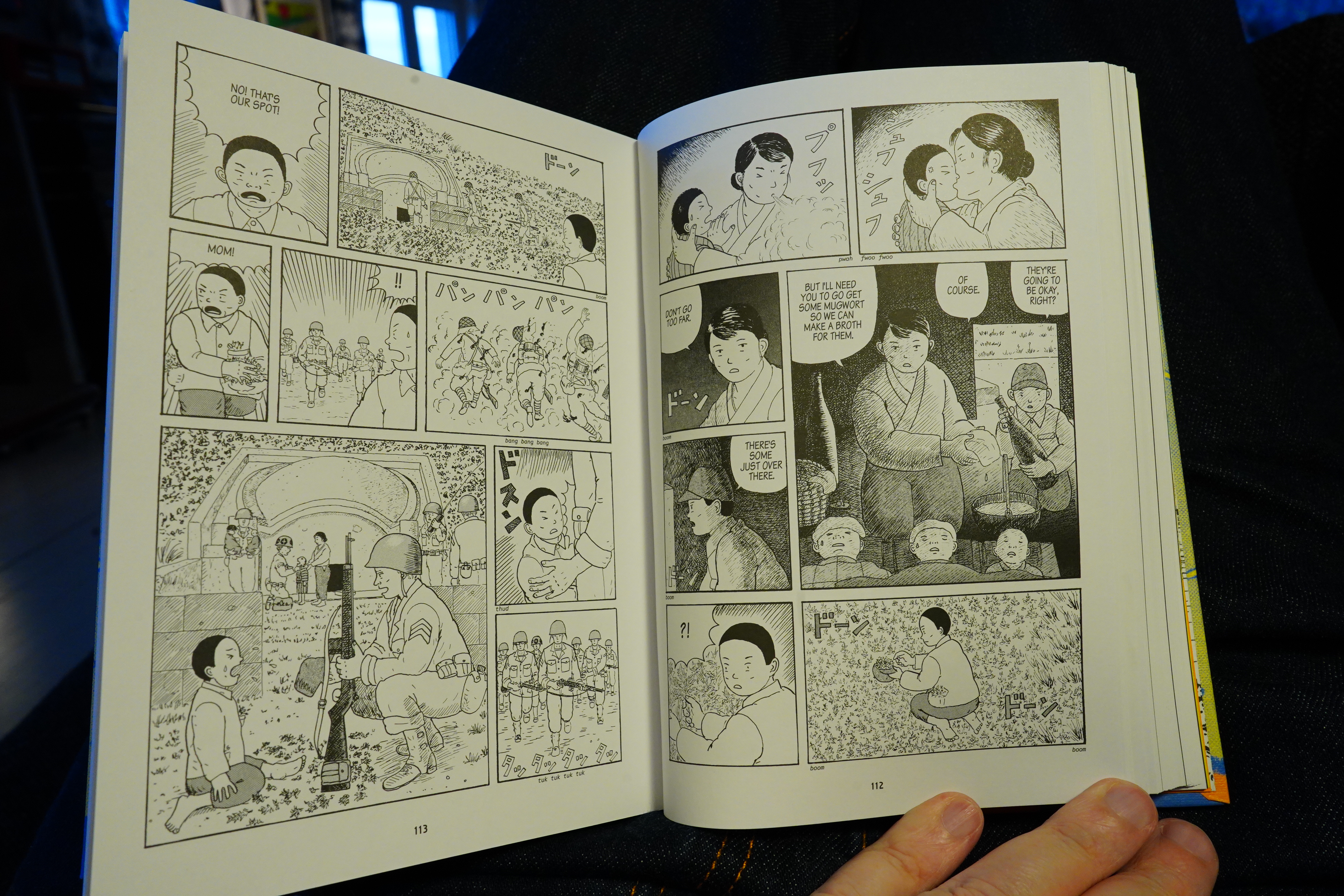
As usual with modern Japanese comics, the Japanese military are being portrayed as monstrous and moronic — but perhaps unusually, the American soldiers are portrayed as saving angels, sort of.
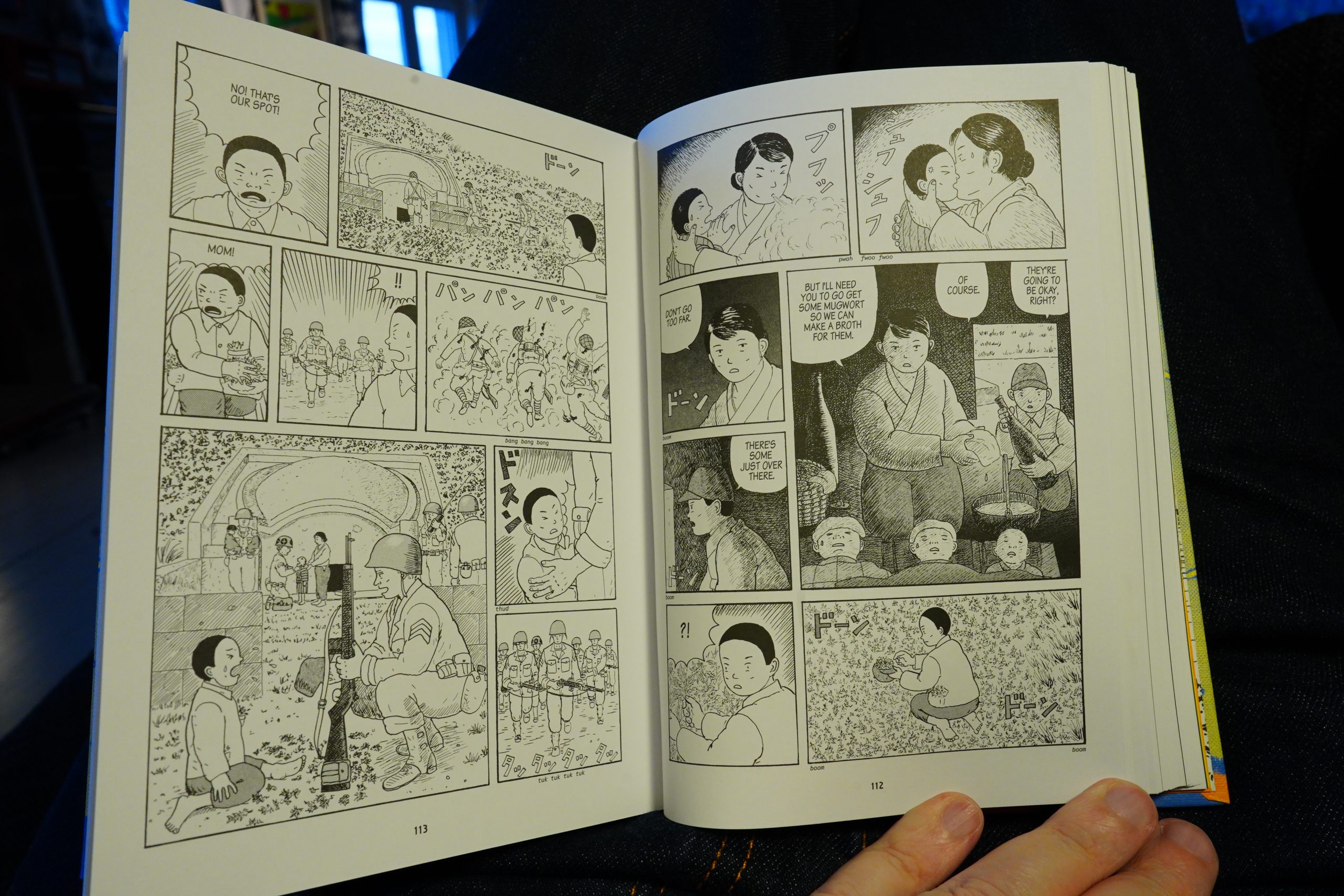
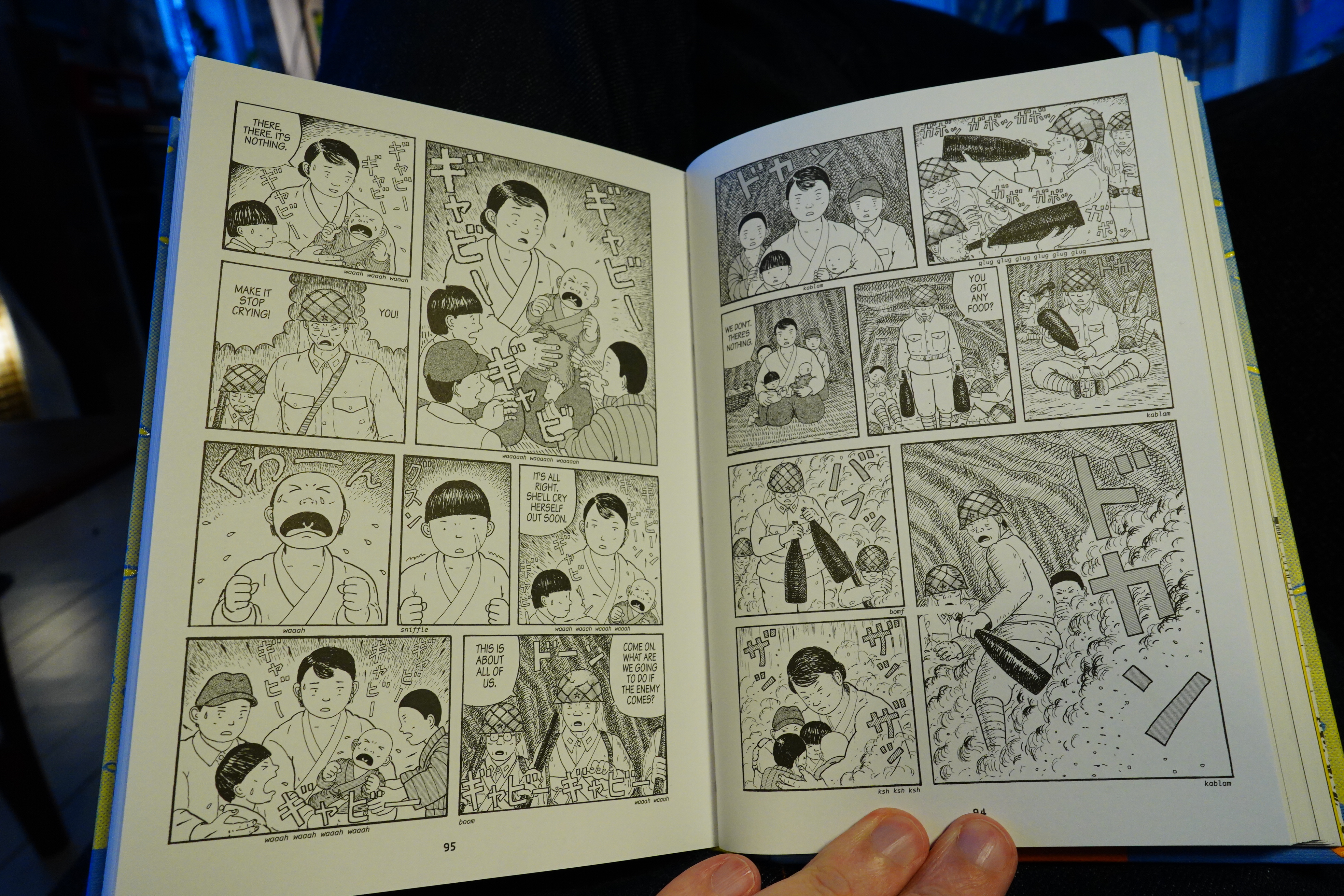
Susumu Higa is an extremely limited artist. He has very few facial shapes in his repertoire, and his physique is often off spec. He also has basically three angles to draw faces from, so things often look like odd medieval tableux.
His action scenes are also just incredibly stiff, making it difficult to say what’s supposed to be happening. After nine hours of careful studying of this spread, I have now reached a tentative conclusion that there were Japanese soldiers shot in the third panel on the left-hand side (you can tell them apart from the American ones by them having netting on the helmets — their faces are identical, of course).
The figures are in stark contrast with the background, which are sometimes obsessively hatched, and usually look pretty much correct. So I’m going to go ahead and guess that the background here are (as they are with so many Japanese comics) done by unnamed assistants, slaving away for hours and hours.
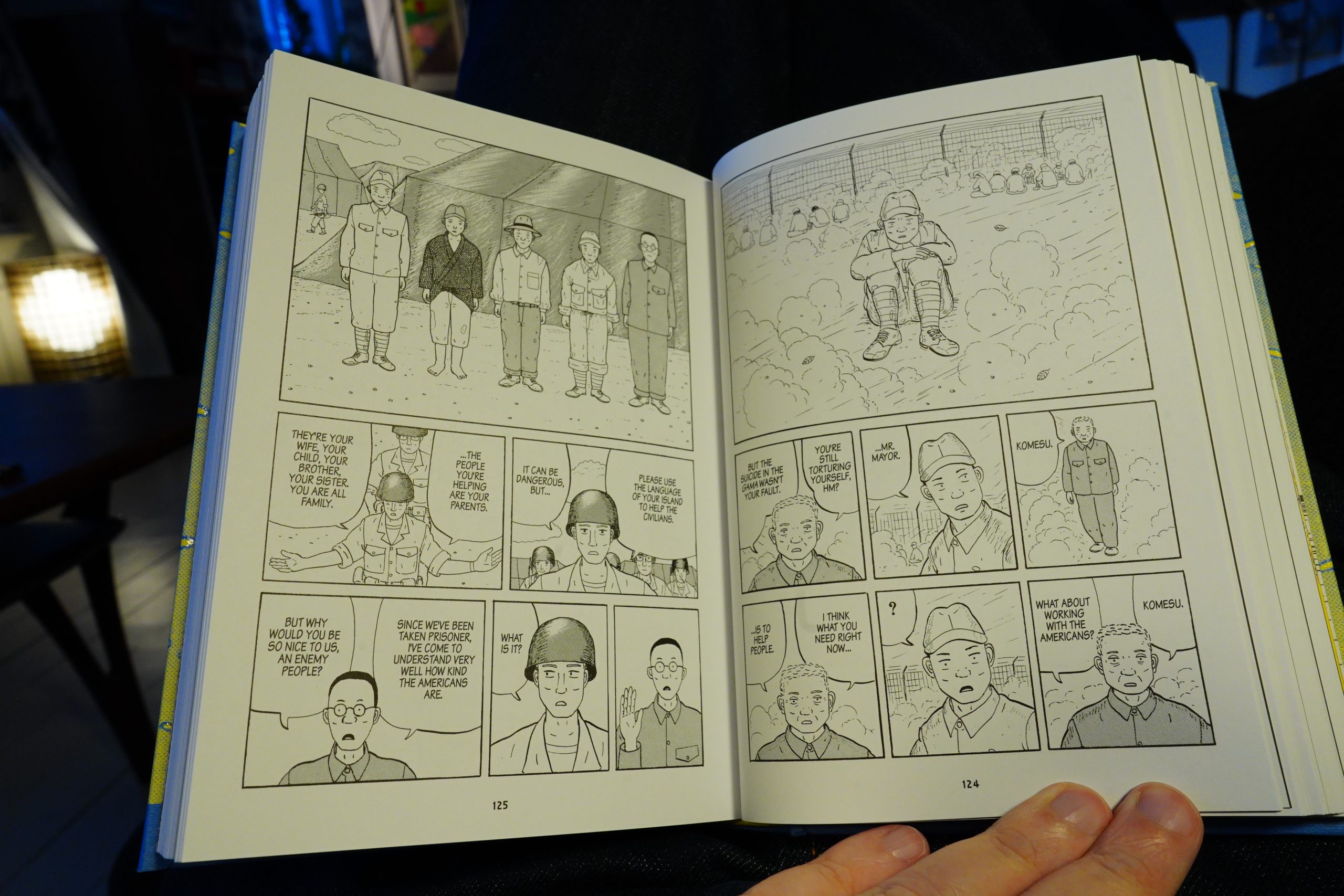
So kind.
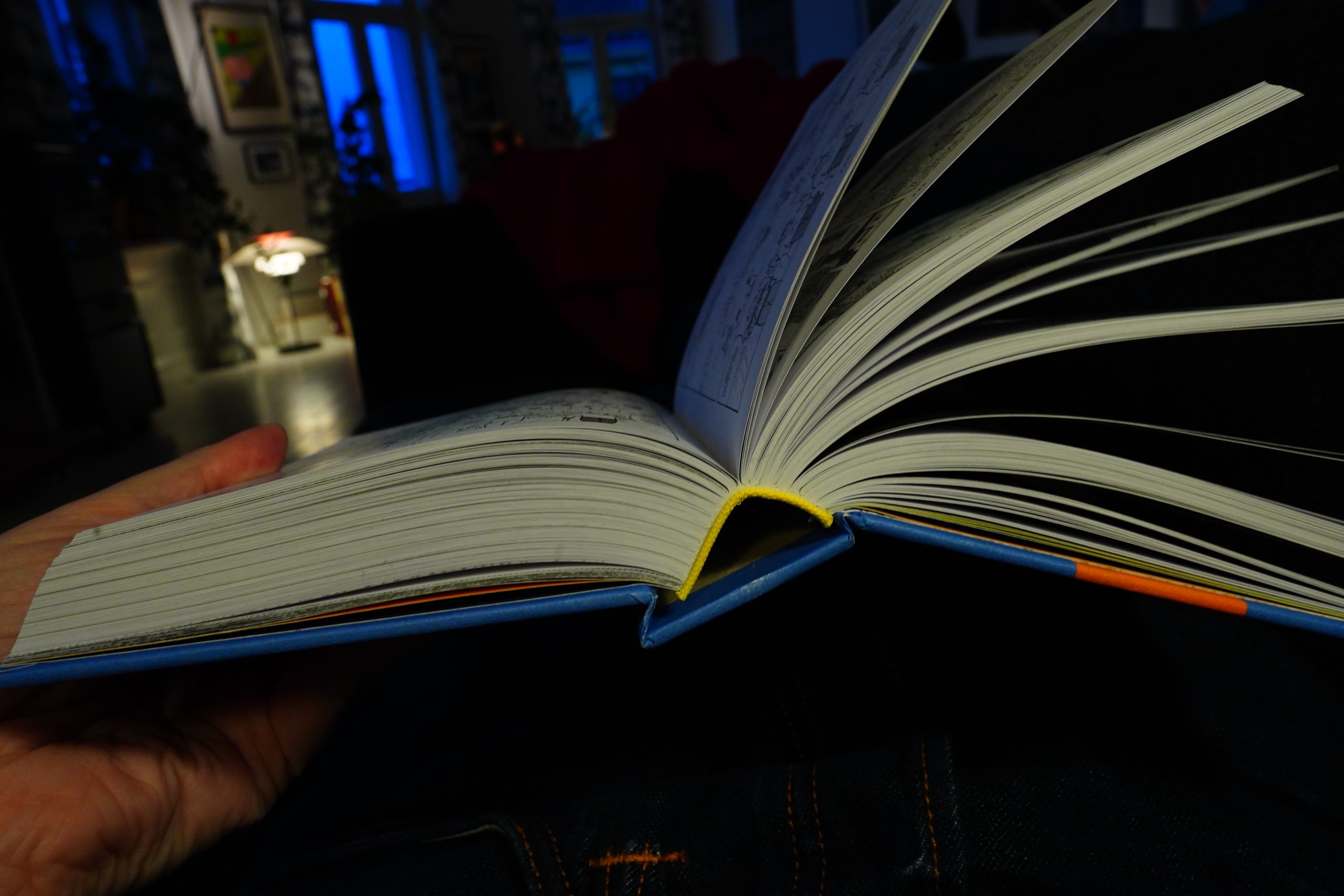
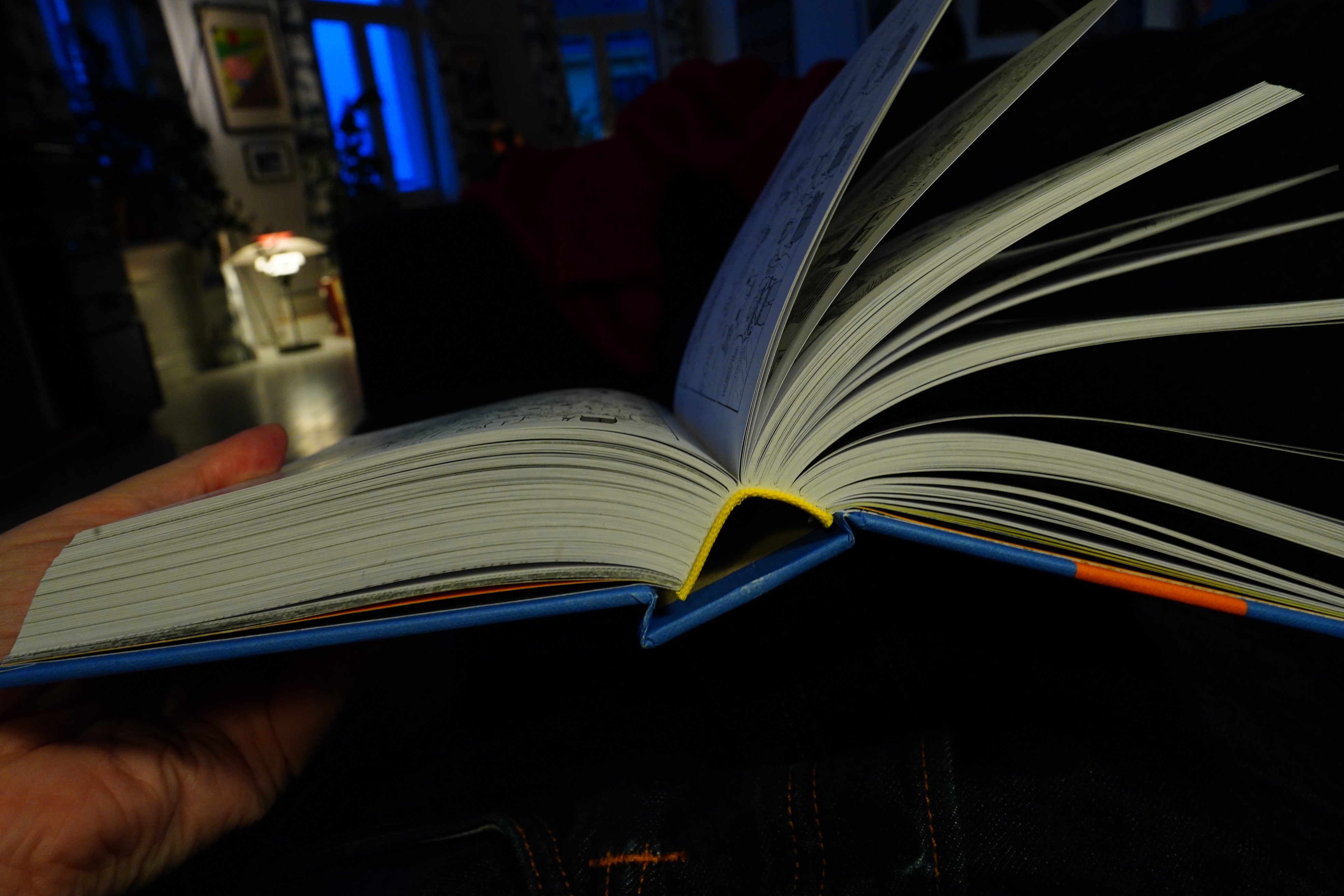
OK, I’ve got one positive thing to say about this book — the binding makes reading this less annoying than most books of this size. Good choice.
| The Honeymoon Killers: Les tueurs de la lune de miel |  |
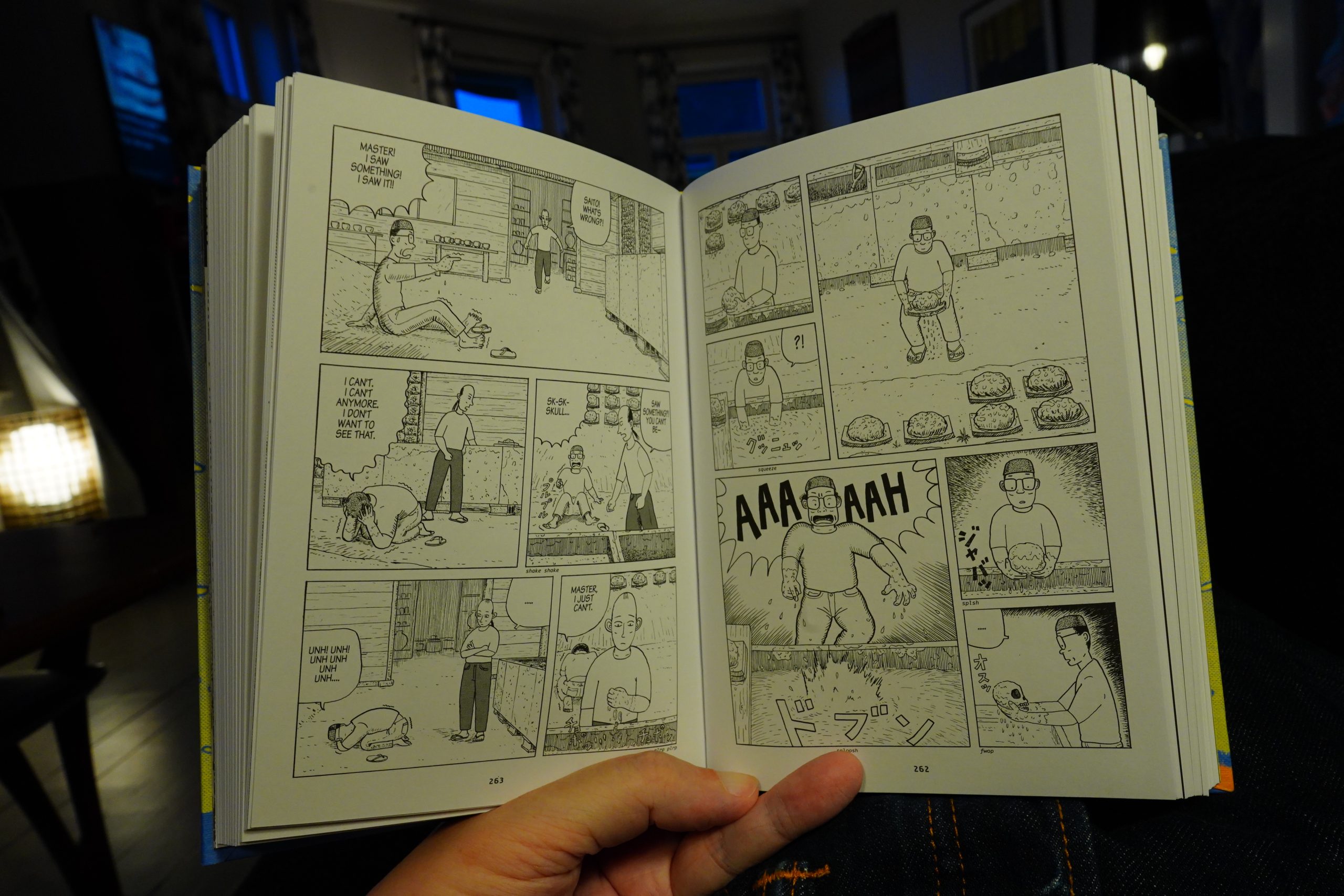
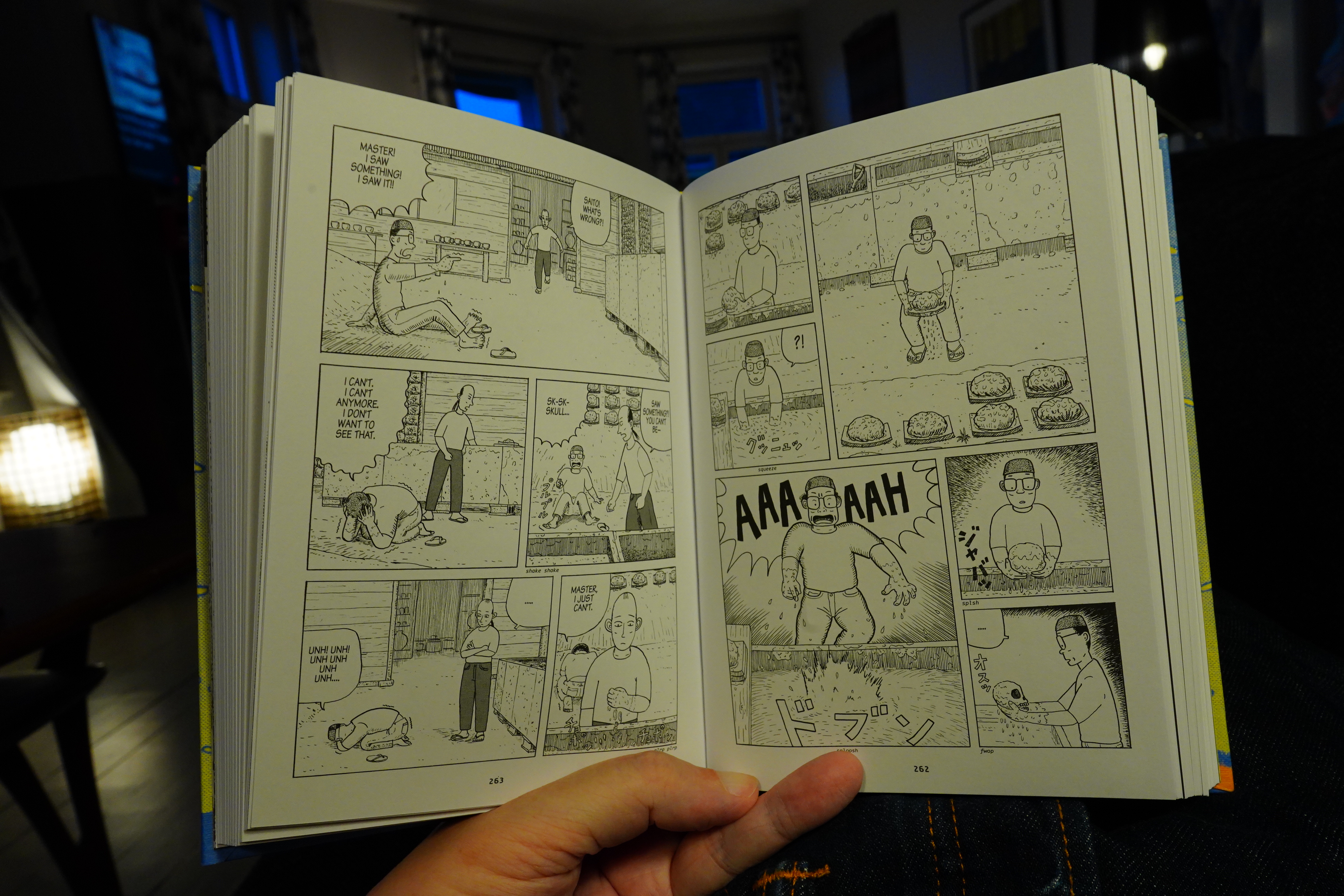
Oh, yeah — lots of supernatural things happen here, too, which brings me to another annoying thing about this book: The translation. Whenever there’s something supernatural going on, the translator chooses not to translate the central concepts… perhaps it just seems to make things sound too silly and childish? So you have, like, “His mabui has left! Quick! Get at ugan to an utaki, stat!” That sounds all mystical and “oriental”, right? Deep and stuff! But “His soul has left! Quick! Get a priestess to a sacred place, stat!” sounds less so, so it’s an understandable, but crappy choice.
| Hermine: The World On My Plates |  |
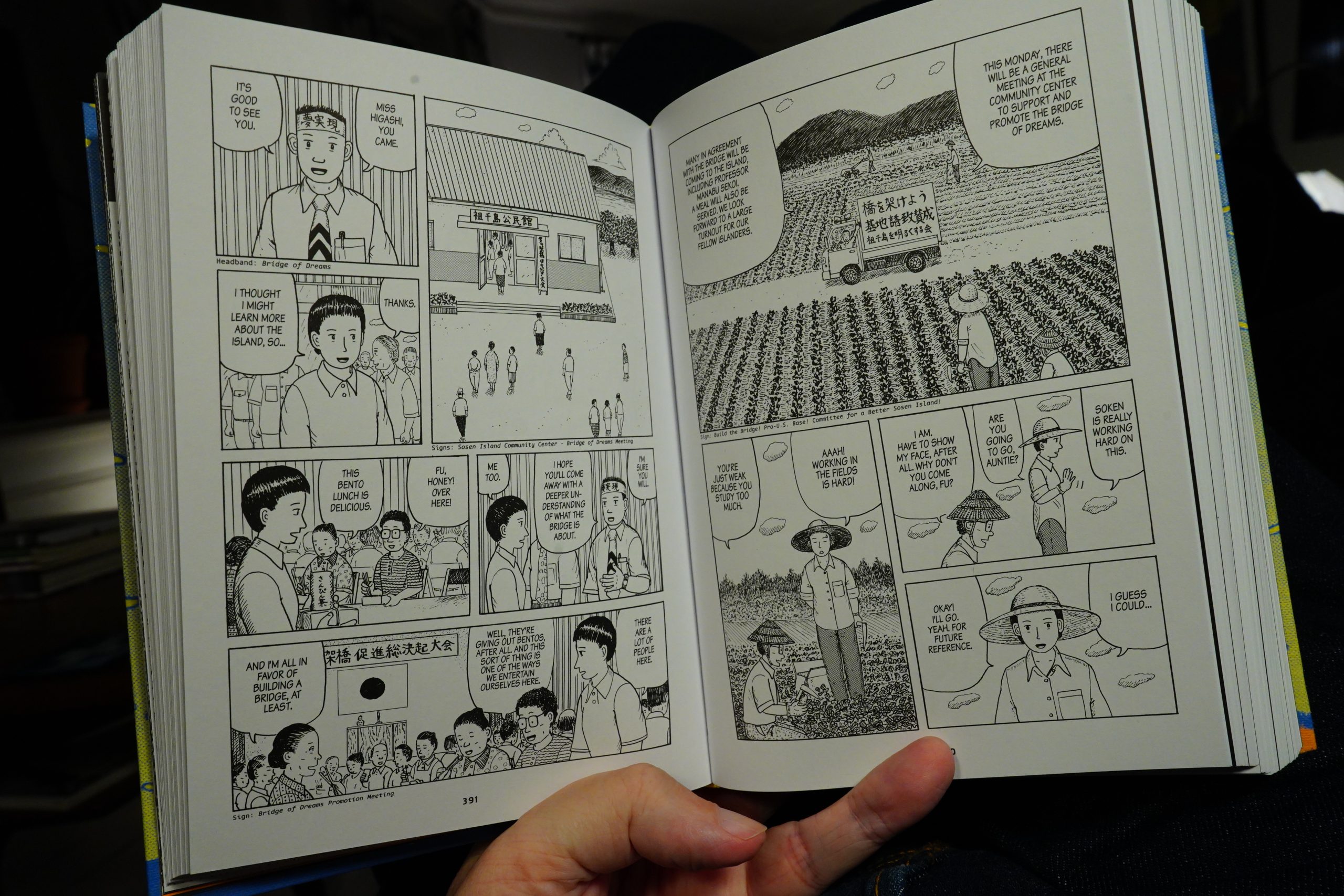
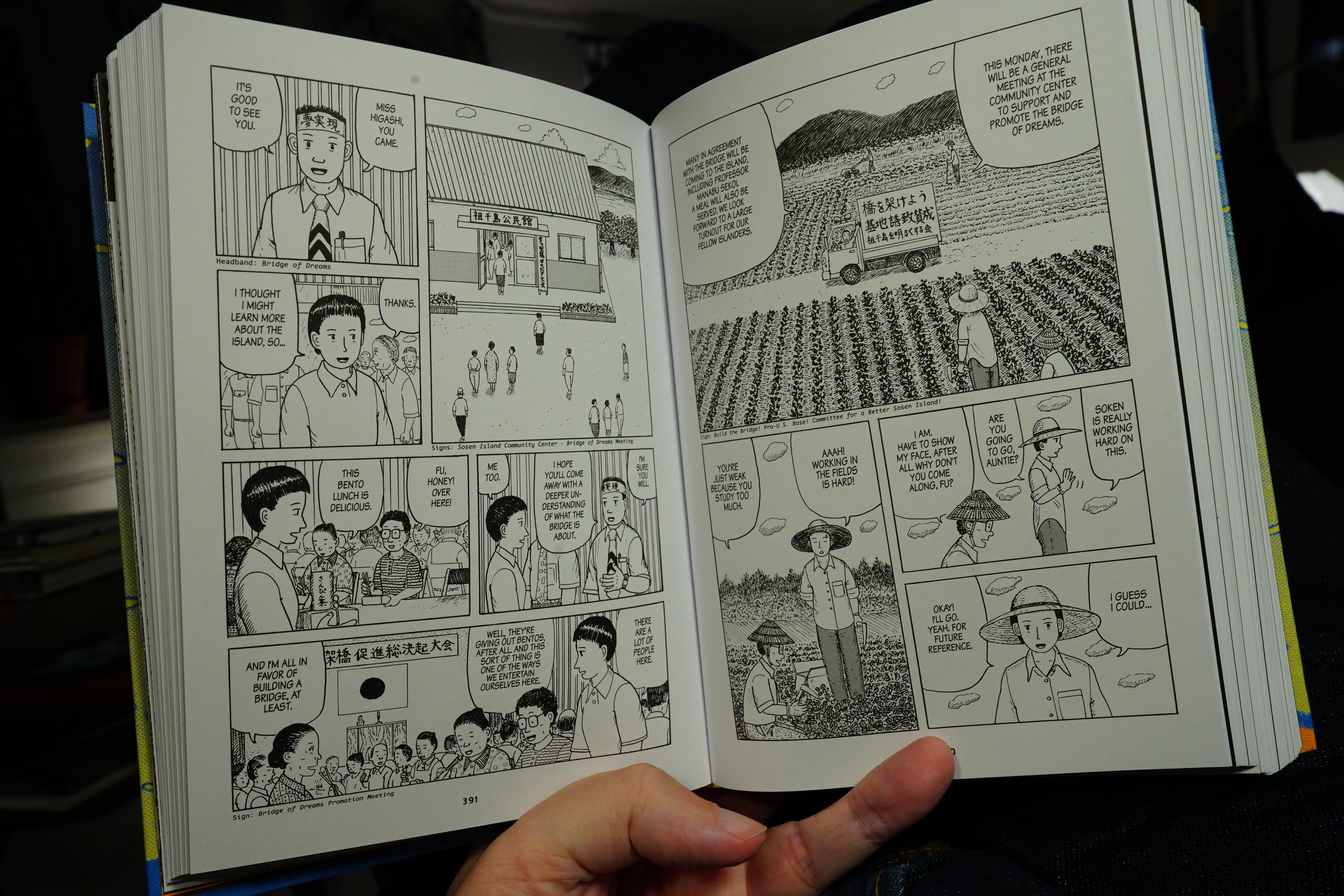
And it’s not just reticence with the silly religious stuff — the translation is just plain weird in a lot of places. “Yeah, for future reference”? I guess I understand what she means, but… that’s a weird way to put it. Perhaps the original text was similarly awkward? I wouldn’t be surprised.
I’m guessing everybody else loves the book, because it’s so “worthy”. Let’s see… Oh, the Chinese printer refused to print it:
However, during the proofing stage, we got some “feedback” from the printer in China that all of the mentions of Taiwan in the (new-to-this-edition) interview with Higa-san would need to be removed from the work, as would the mention of China in the book itself during the war.
But not because they thought it sucked.
And googling some more shows that everybody loves it, and some compare it to Maus. (!) This is the only vaguely moderate review I can find:
That being said, at over 500 pages, Okinawa is a commitment even for a manga, and not every story is a banger.
One comic book is a commitment? Kids these days.
| Blaine L. Reininger: Broken Fingers (vinyl) |  |
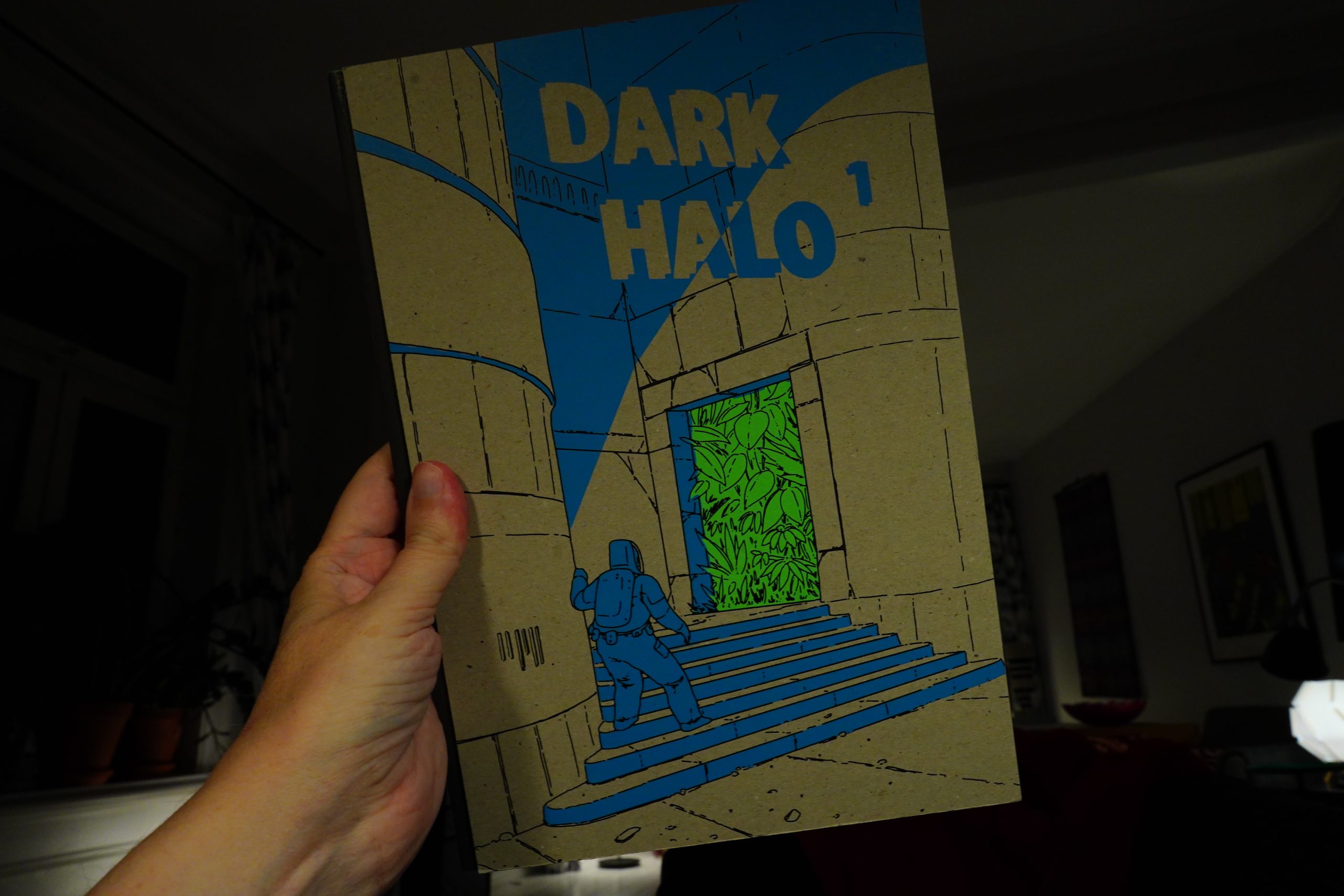
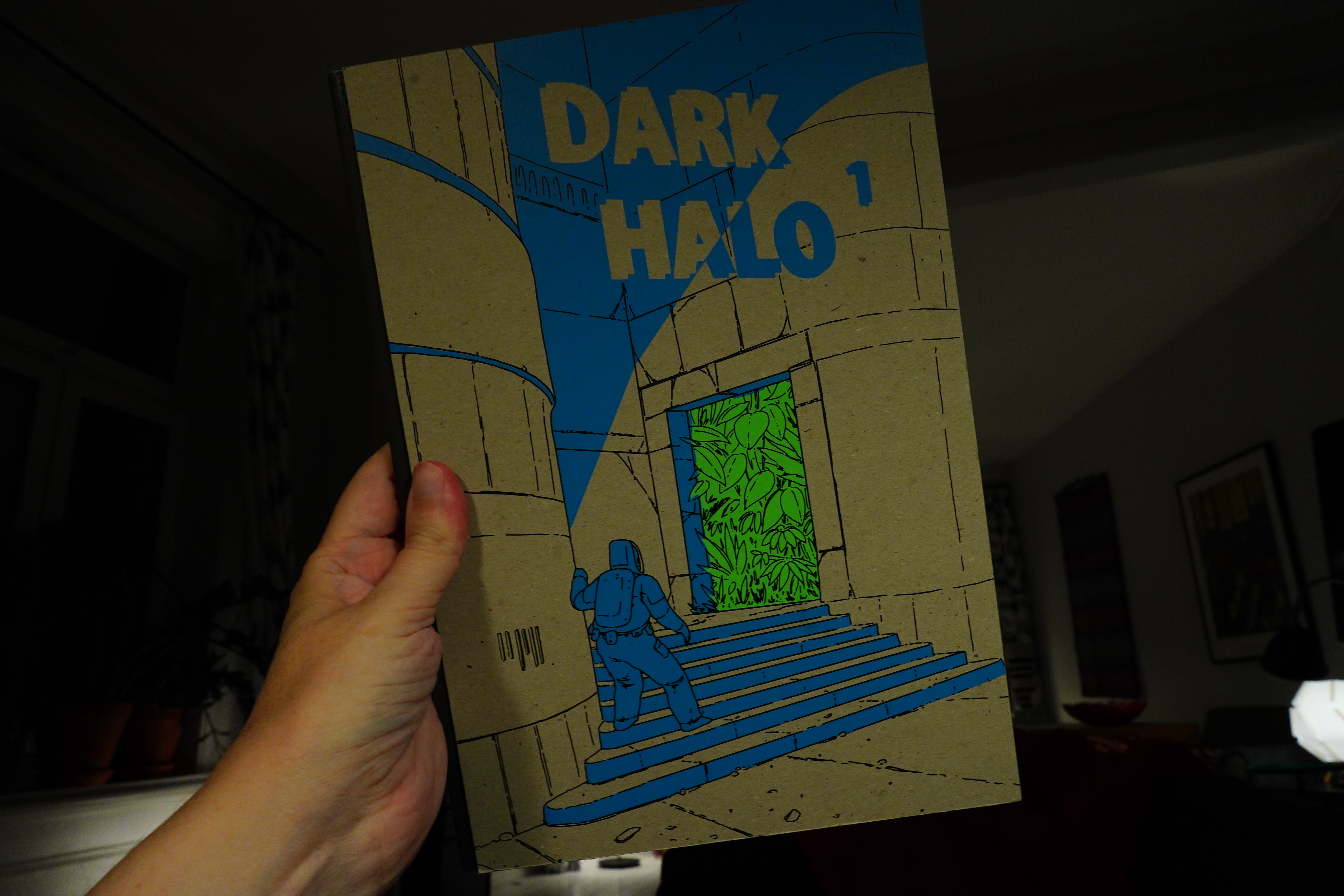
20:43: Dark Halo 1 by Gabriel Tiedt Lange & Onkel Hawaii (Backyard Barons)
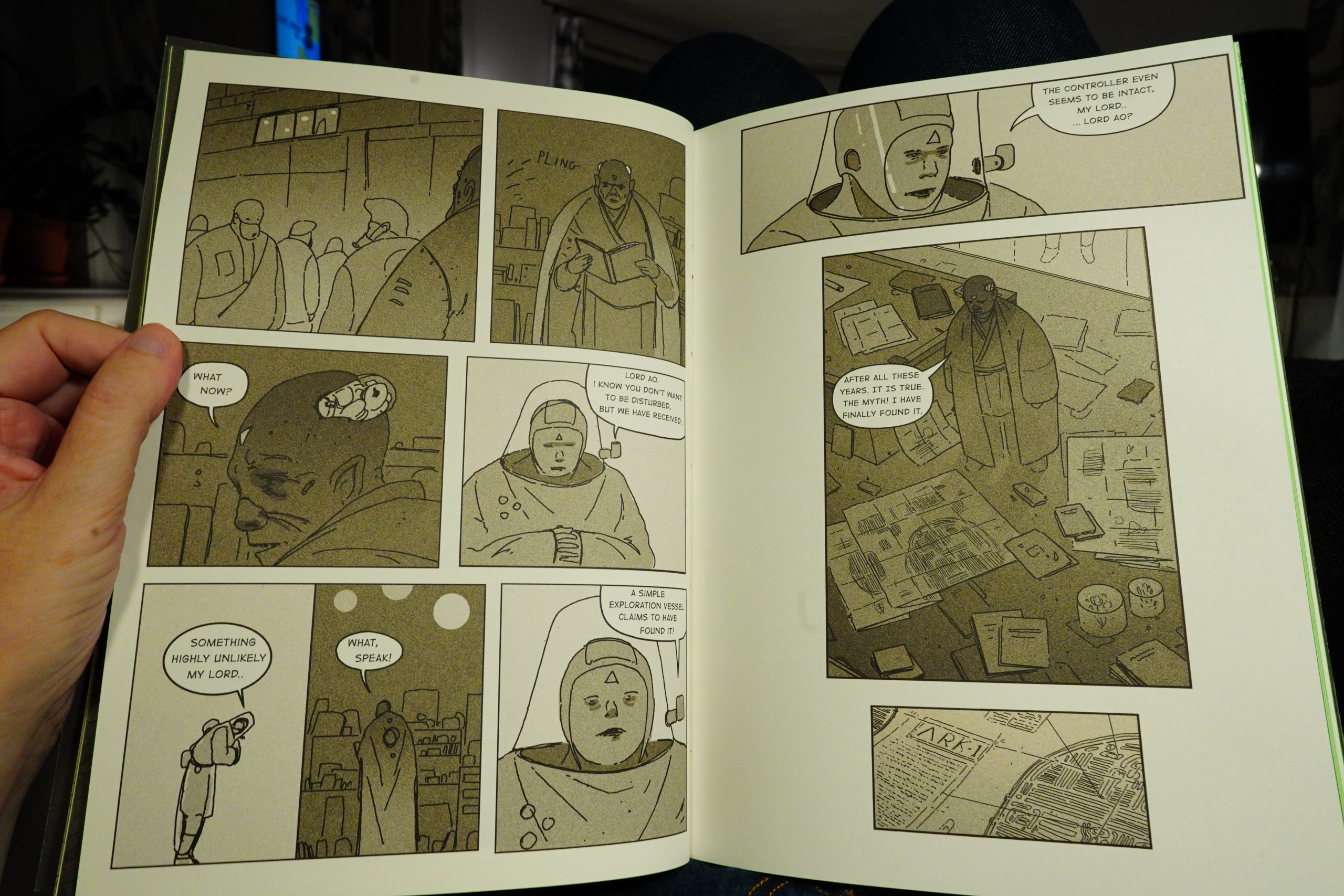
This is a Danish book (but in English, as more and more alternative comics throughout Europe are, these days).
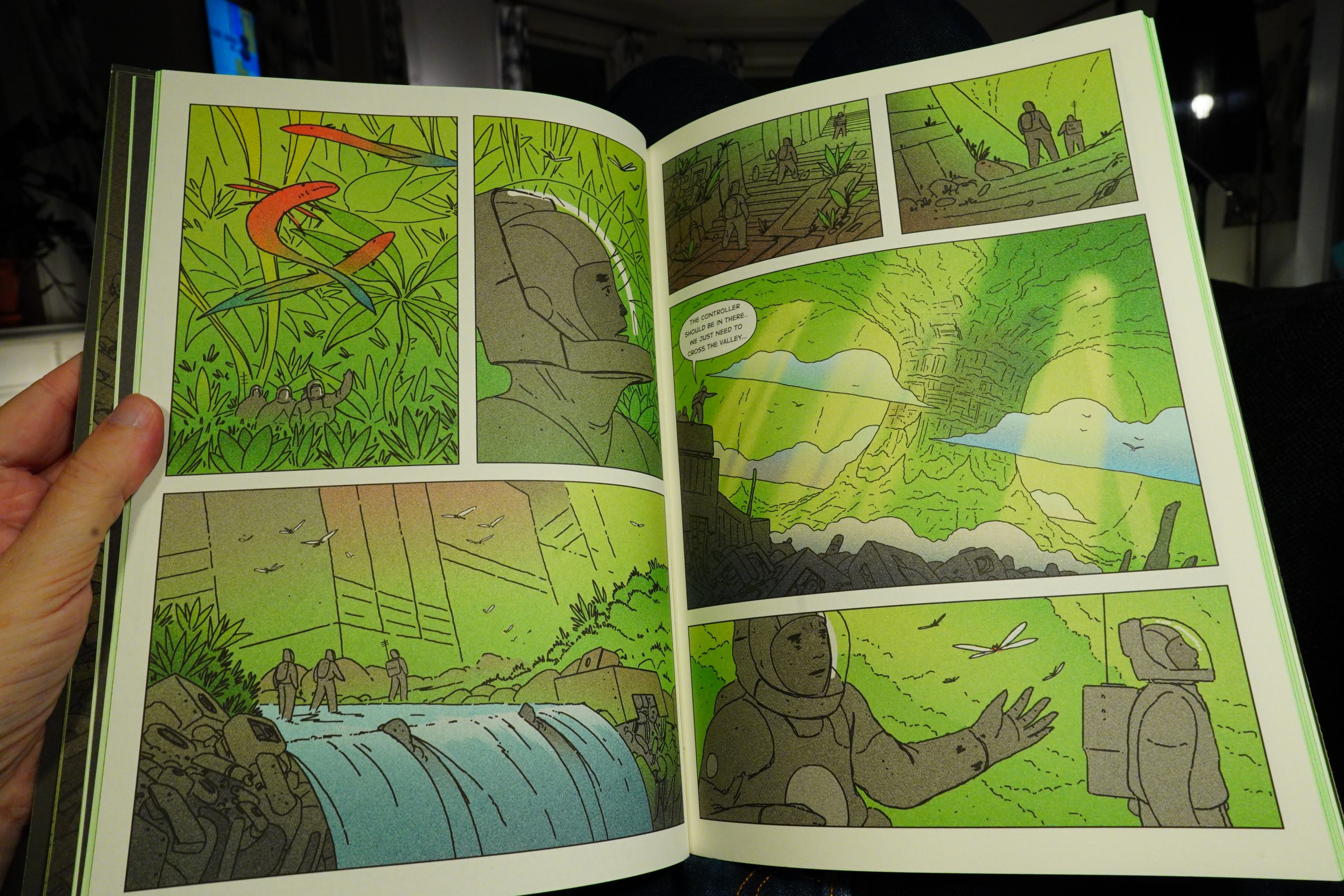
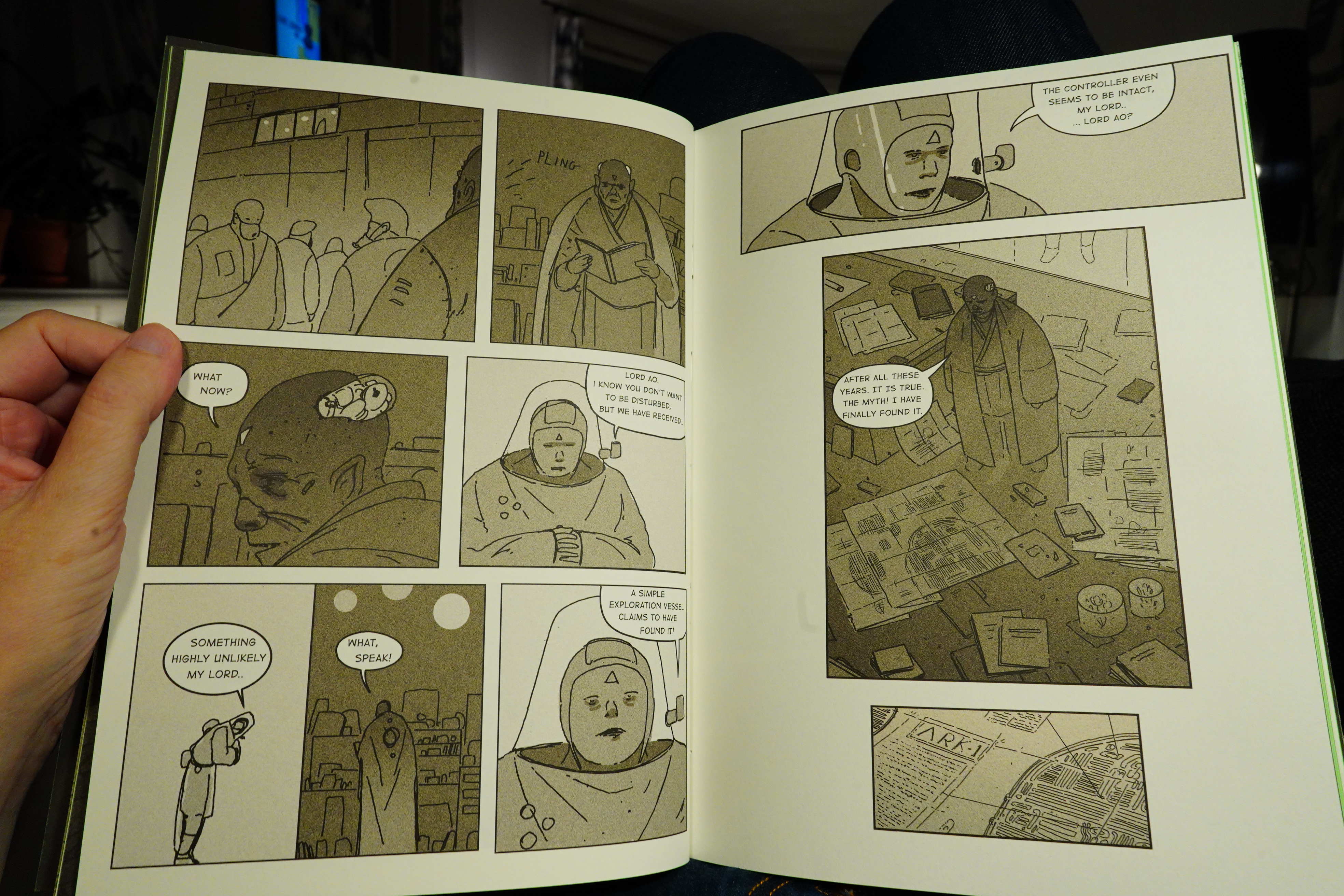
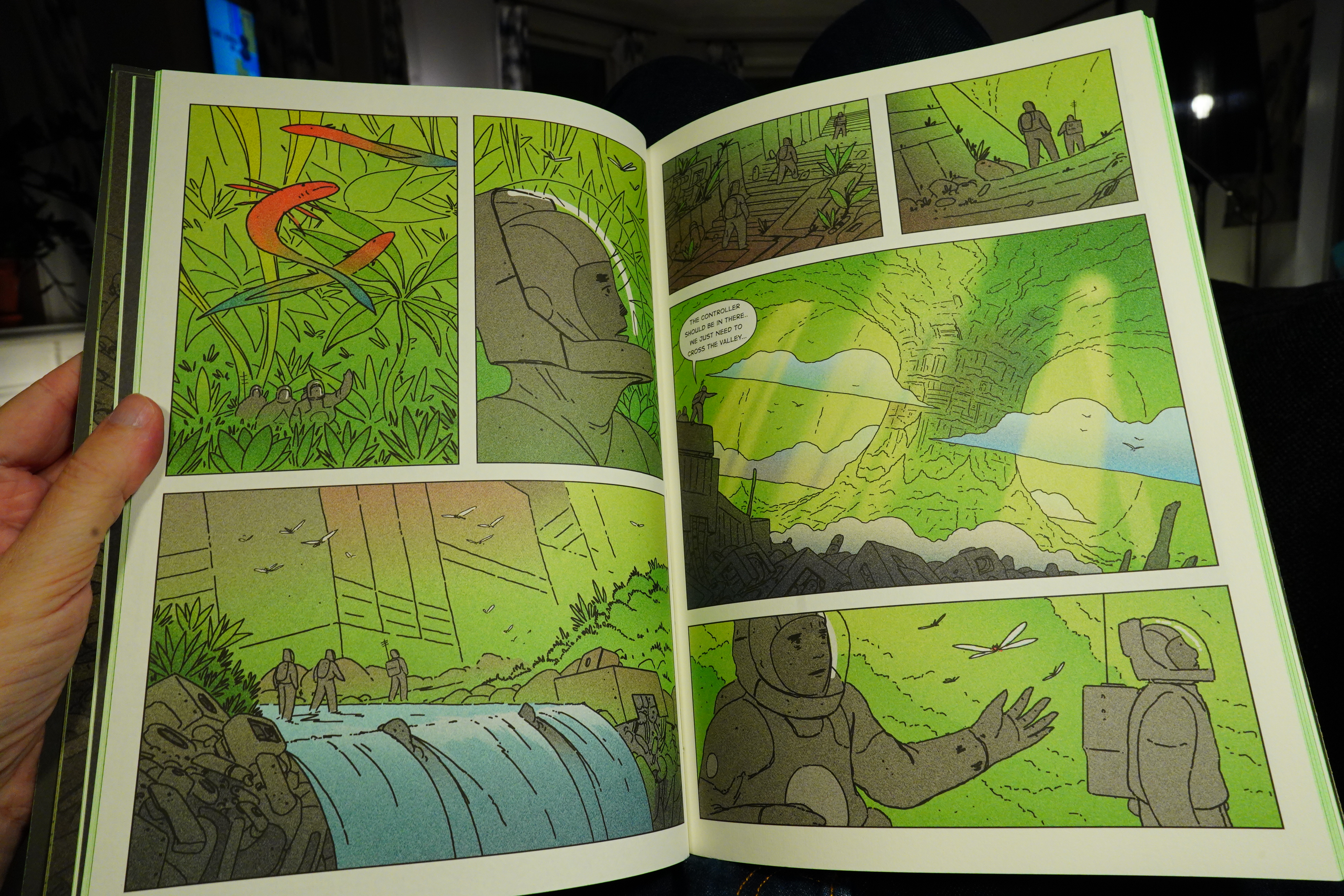
It’s a very attractive book — nice cardboard covers and printed well. And the artwork’s very appealing, too — it’s like… er… a modern take on 70s French(ey) comics, like er CF trying to do a Moebius story? Perhaps some Brandon Graham in there, too? Anyway, looks great, and while the story is pretty slight (and not very original), it’s a good, if very brisk read.
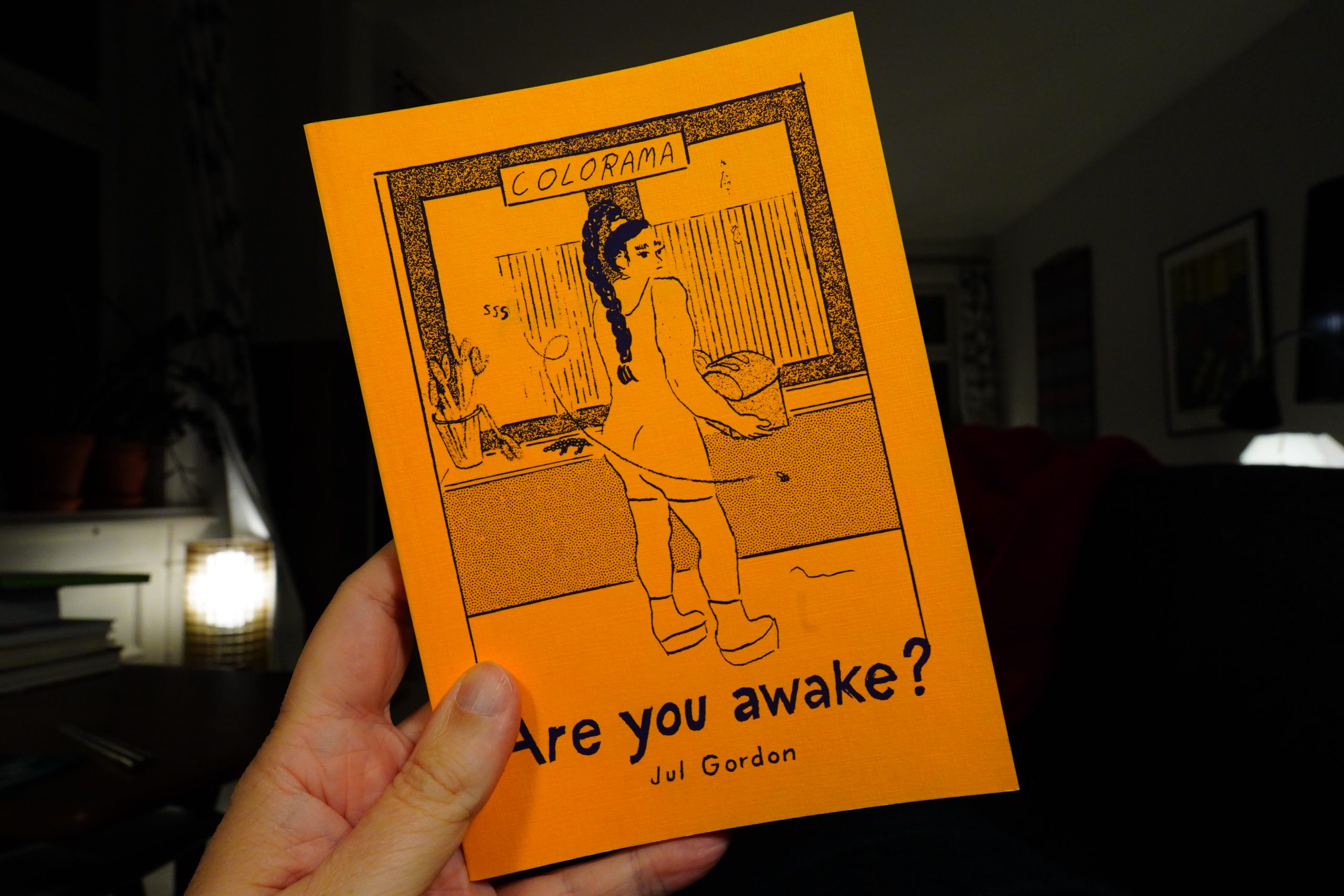
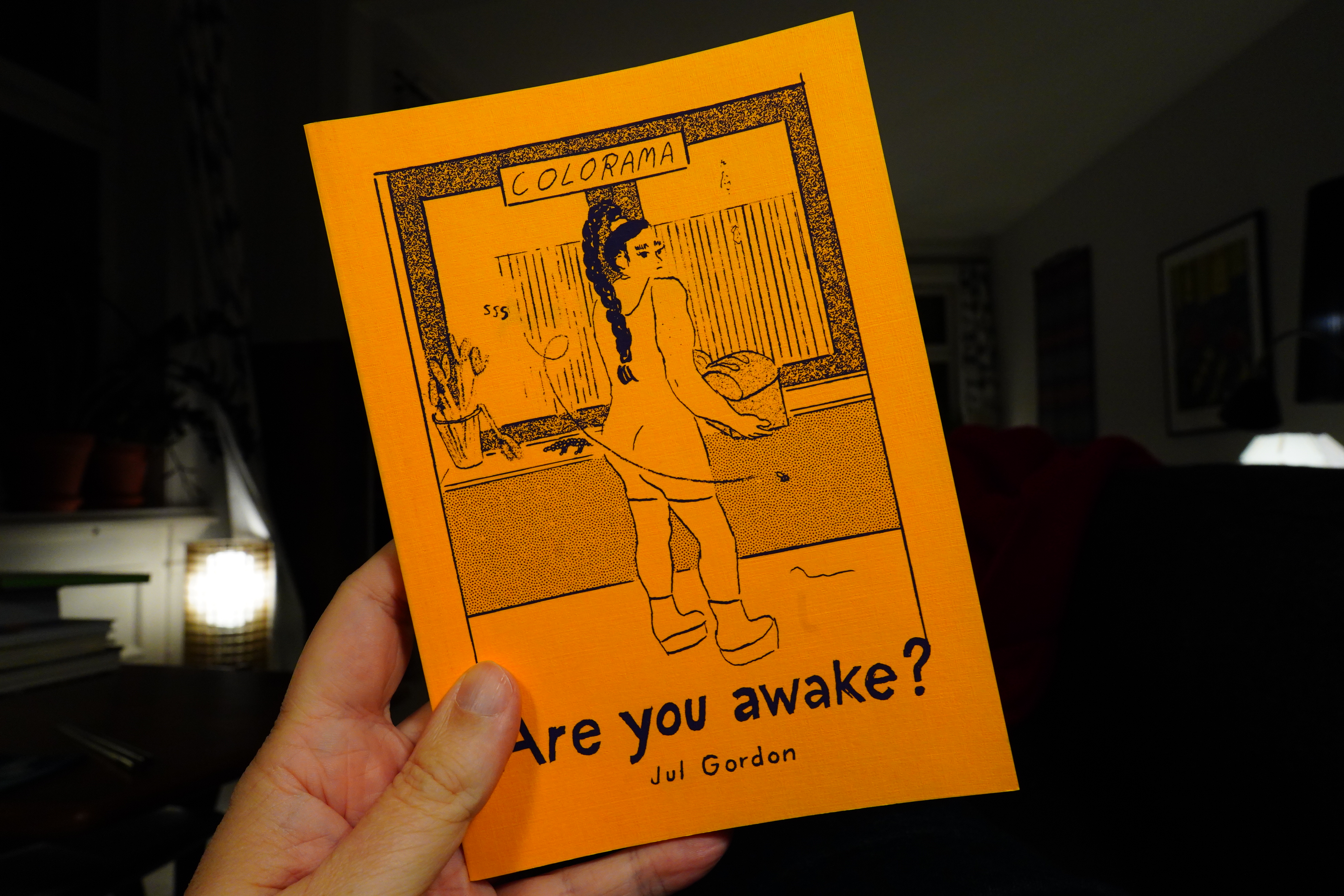
20:53: Are You Awake? by Jul Gordon (Colorama)
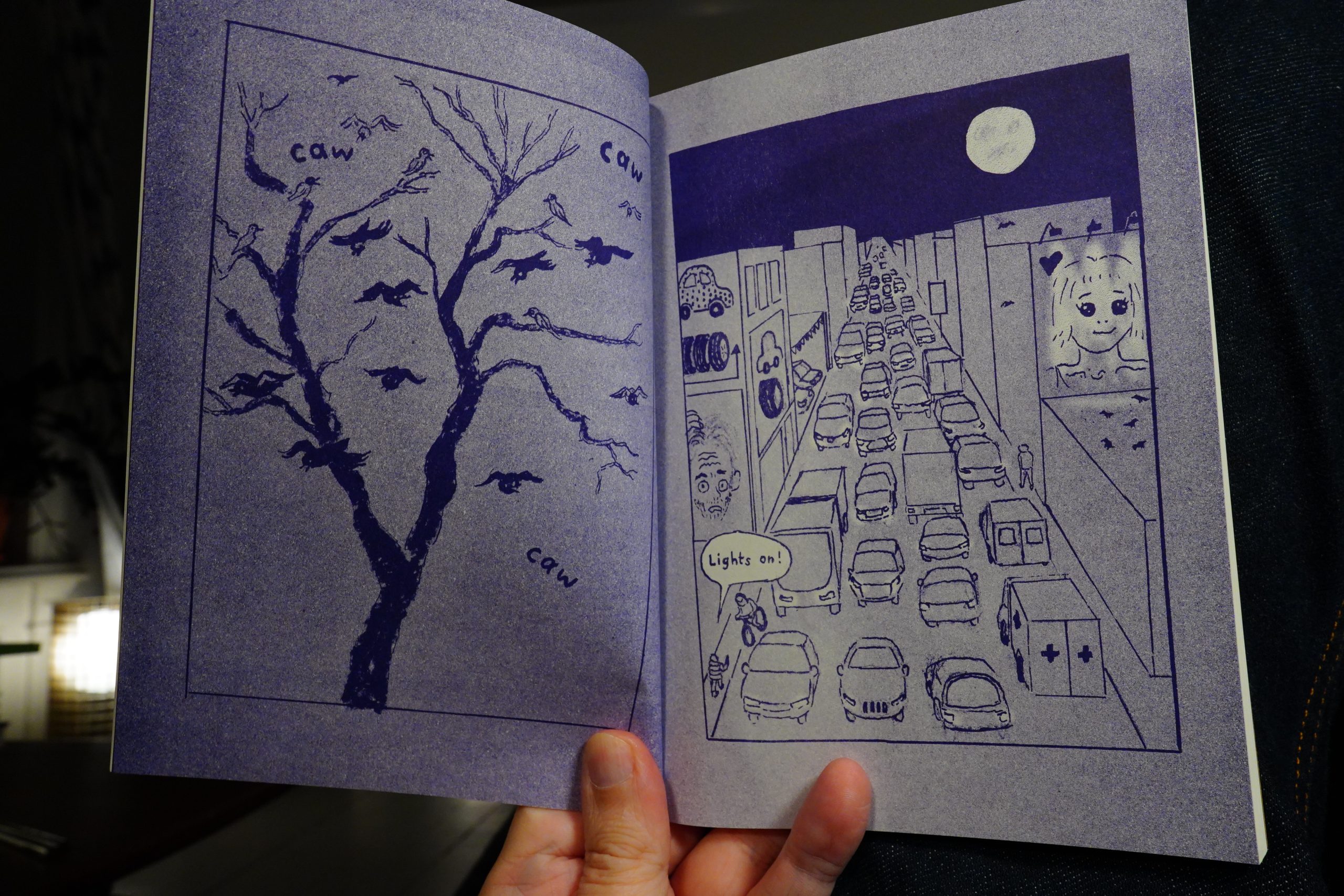
This is a very interesting little book.
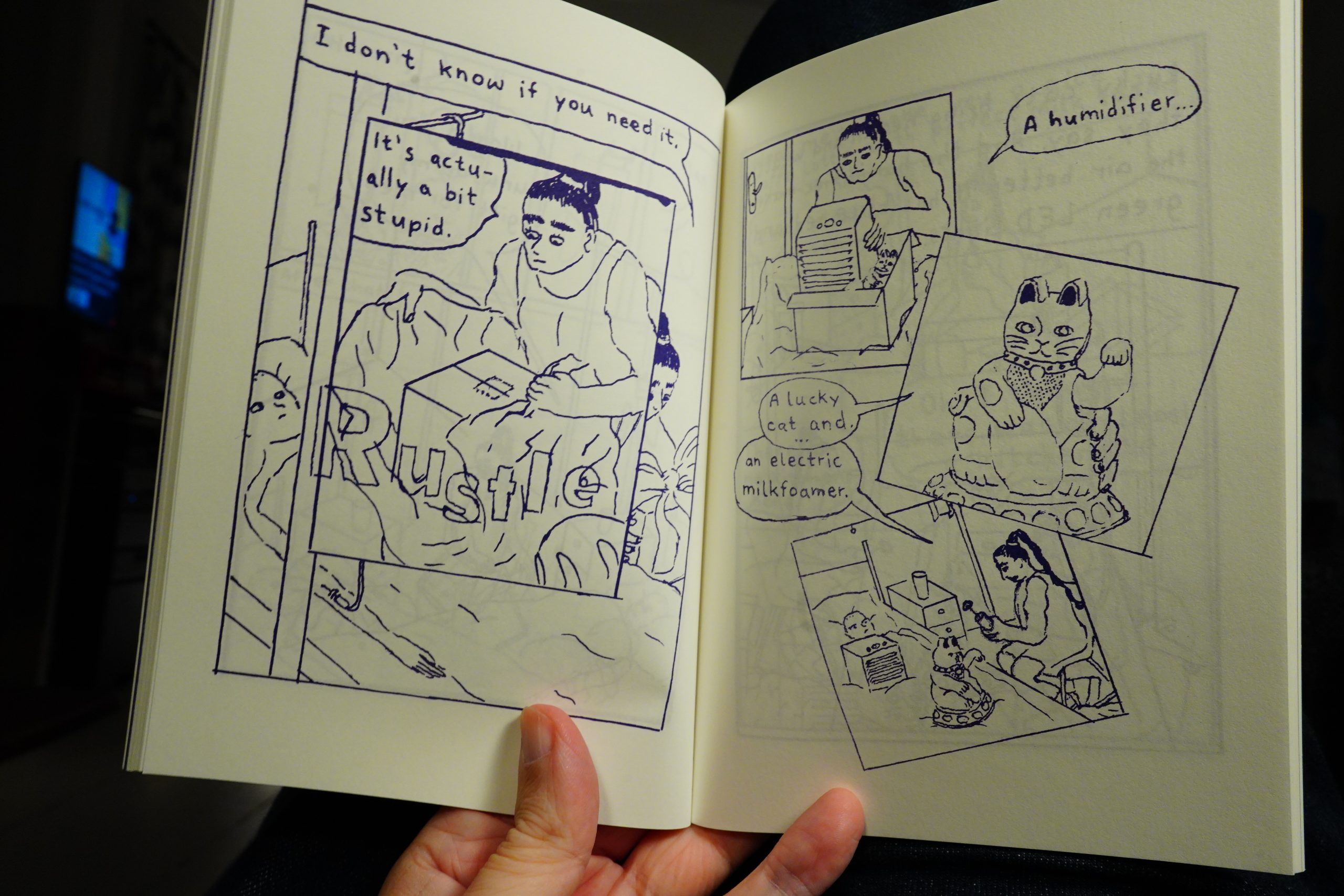
It’s got a kind of quiet desperation going on — it somehow gets more and more gripping, and then a devastating ending coming as a total surprise. Kinda magical.
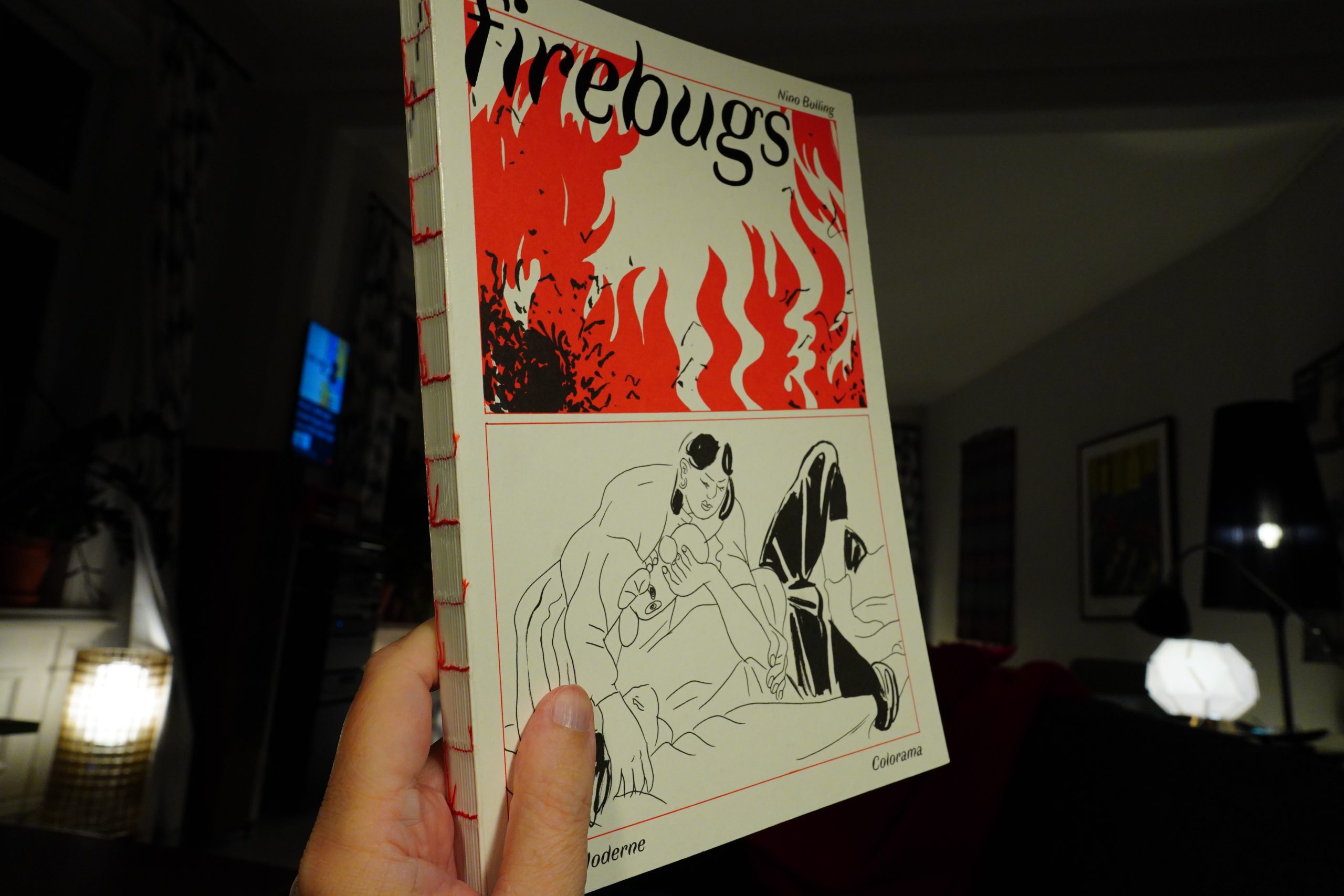
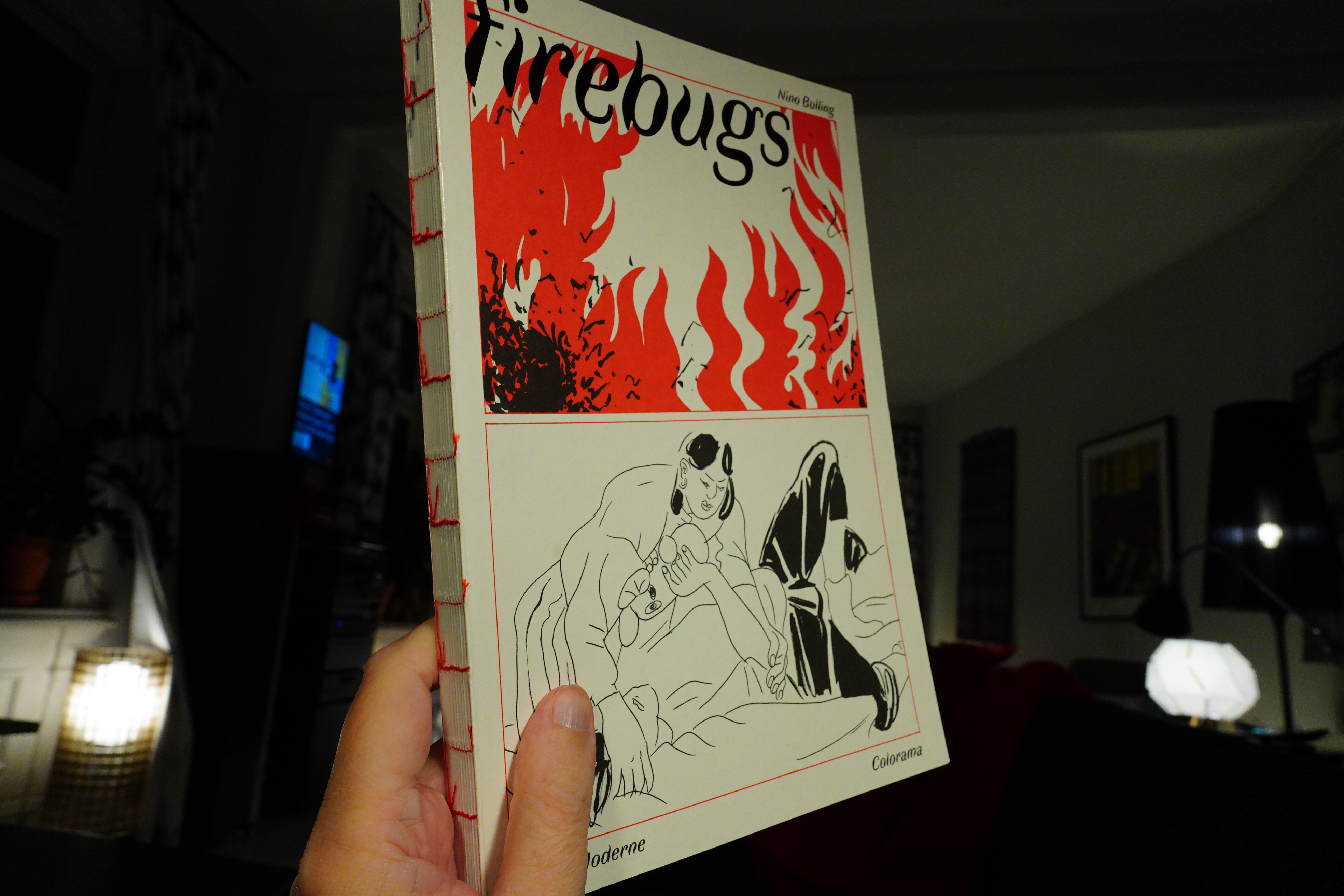
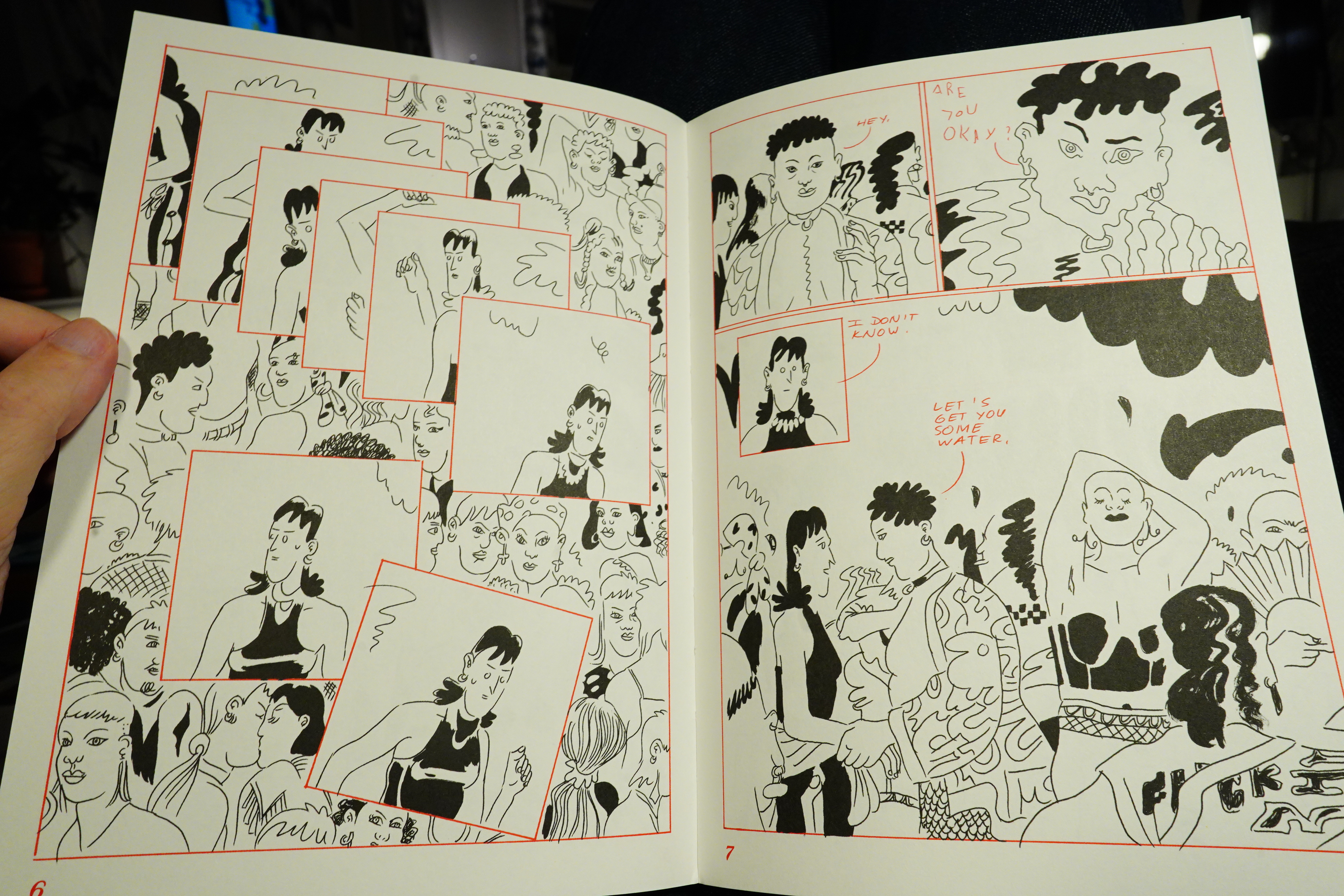
21:04: Firebugs by Nino Bulling (Colorama)
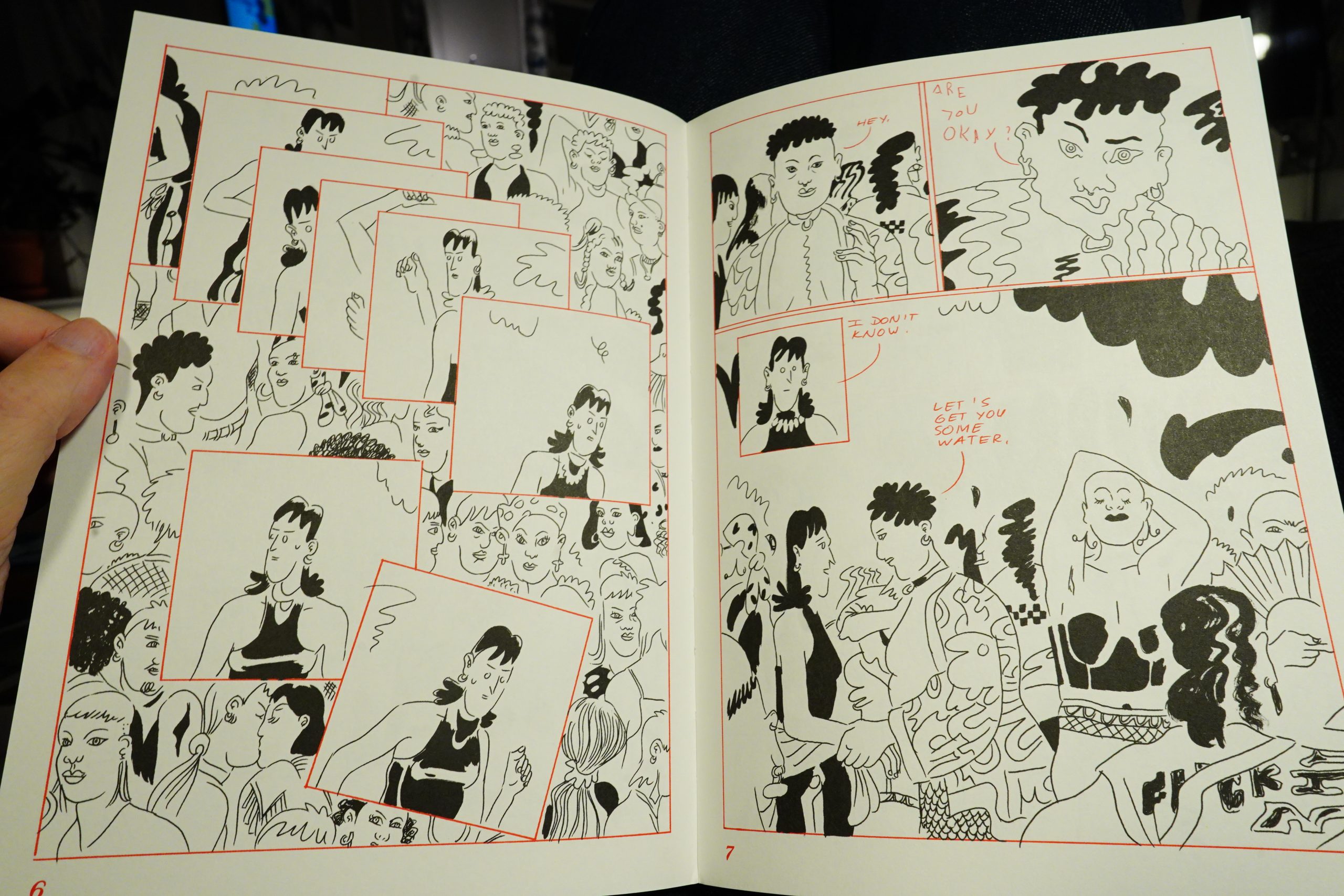
This starts off in a pretty thrilling way, but then the energy seems to dissipate about half-way through. Which is, I guess, very apropos of the story, which is also about a person stuck in a situation and not knowing quite what to do.
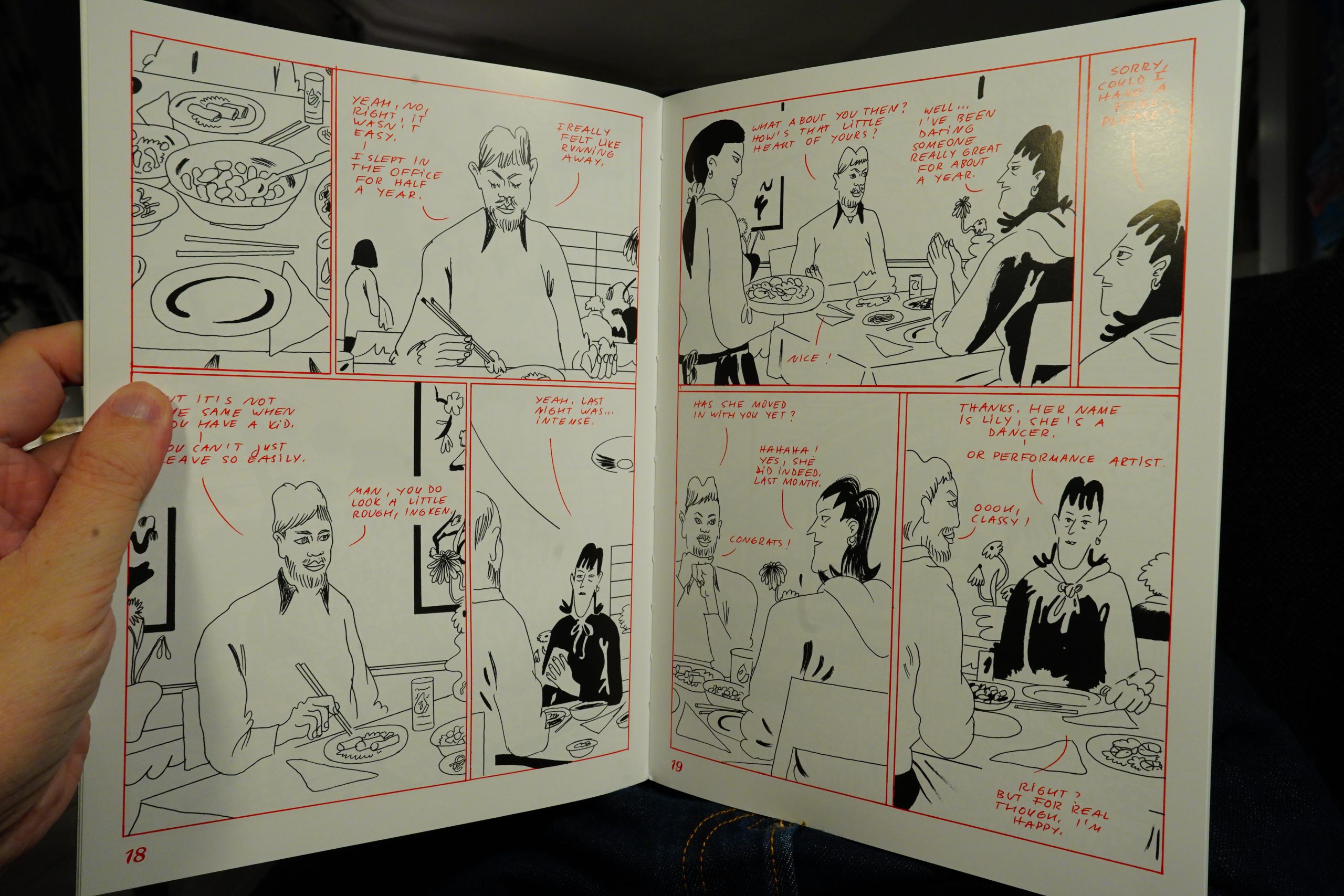
Half the pages are printed on matte paper and half on shiny, which is odd…
| Blaine L. Reininger & Alain Goutier: Paris en Autumne |  |
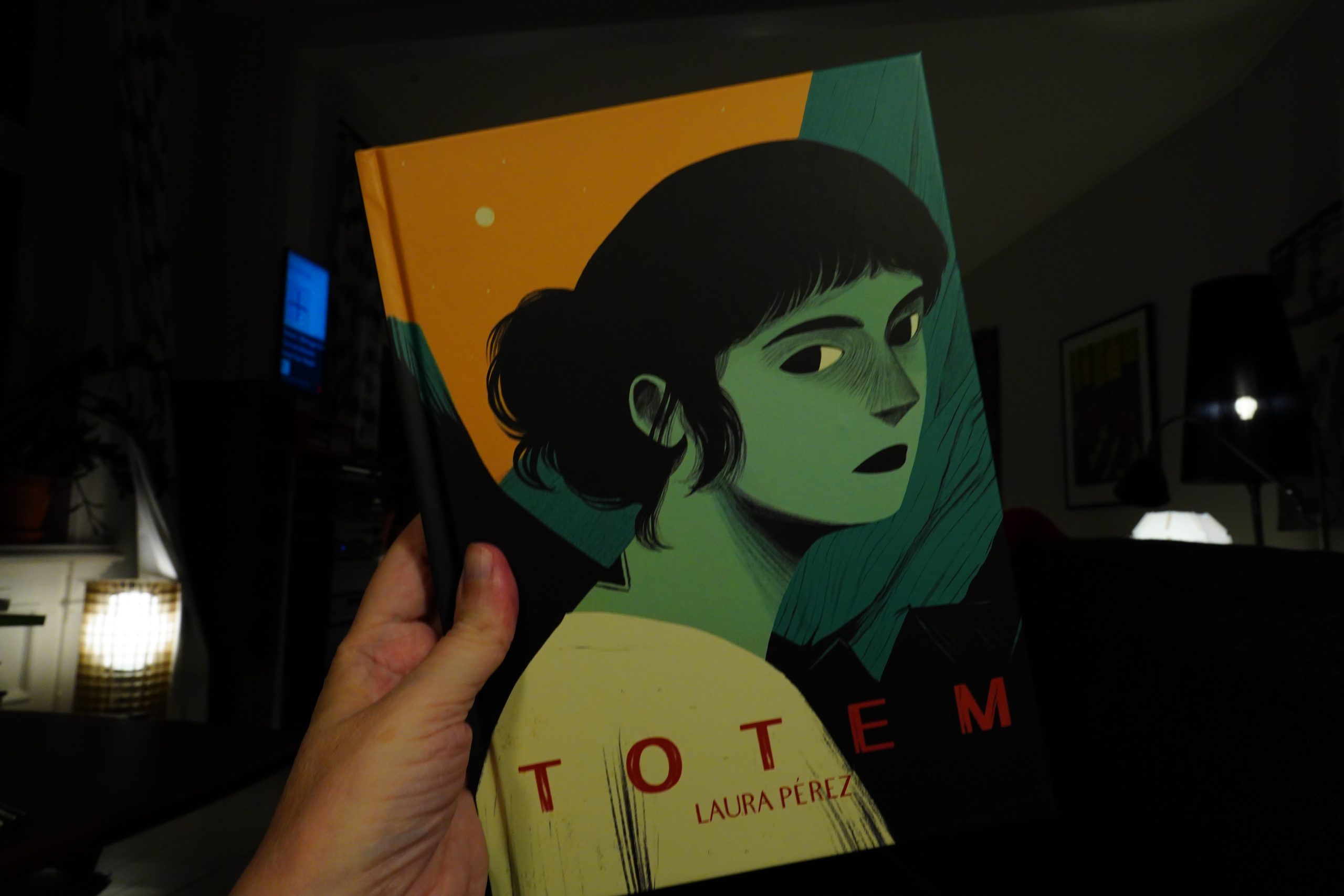
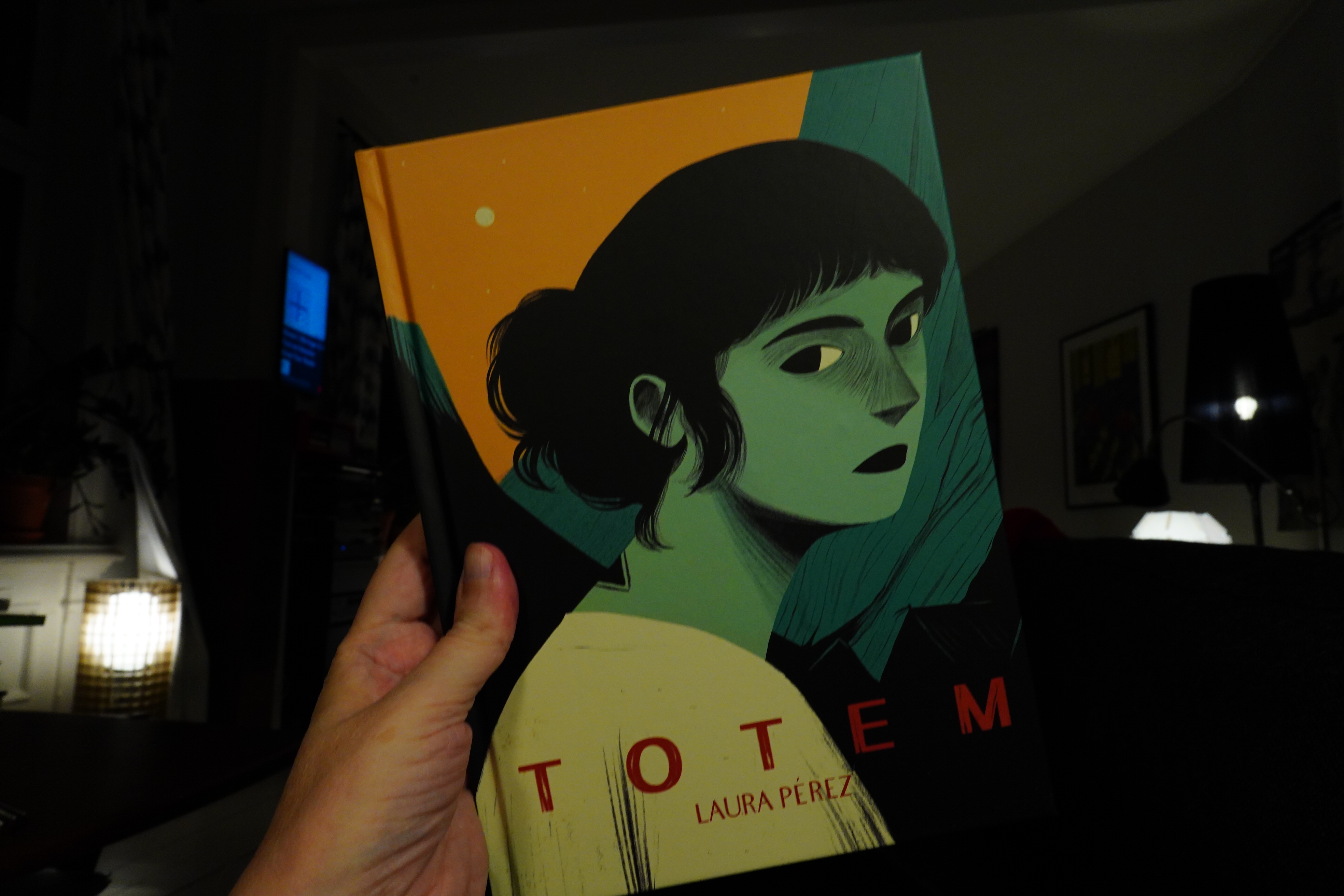
21:25: Totem by Laura Pérez (Fantagraphics)
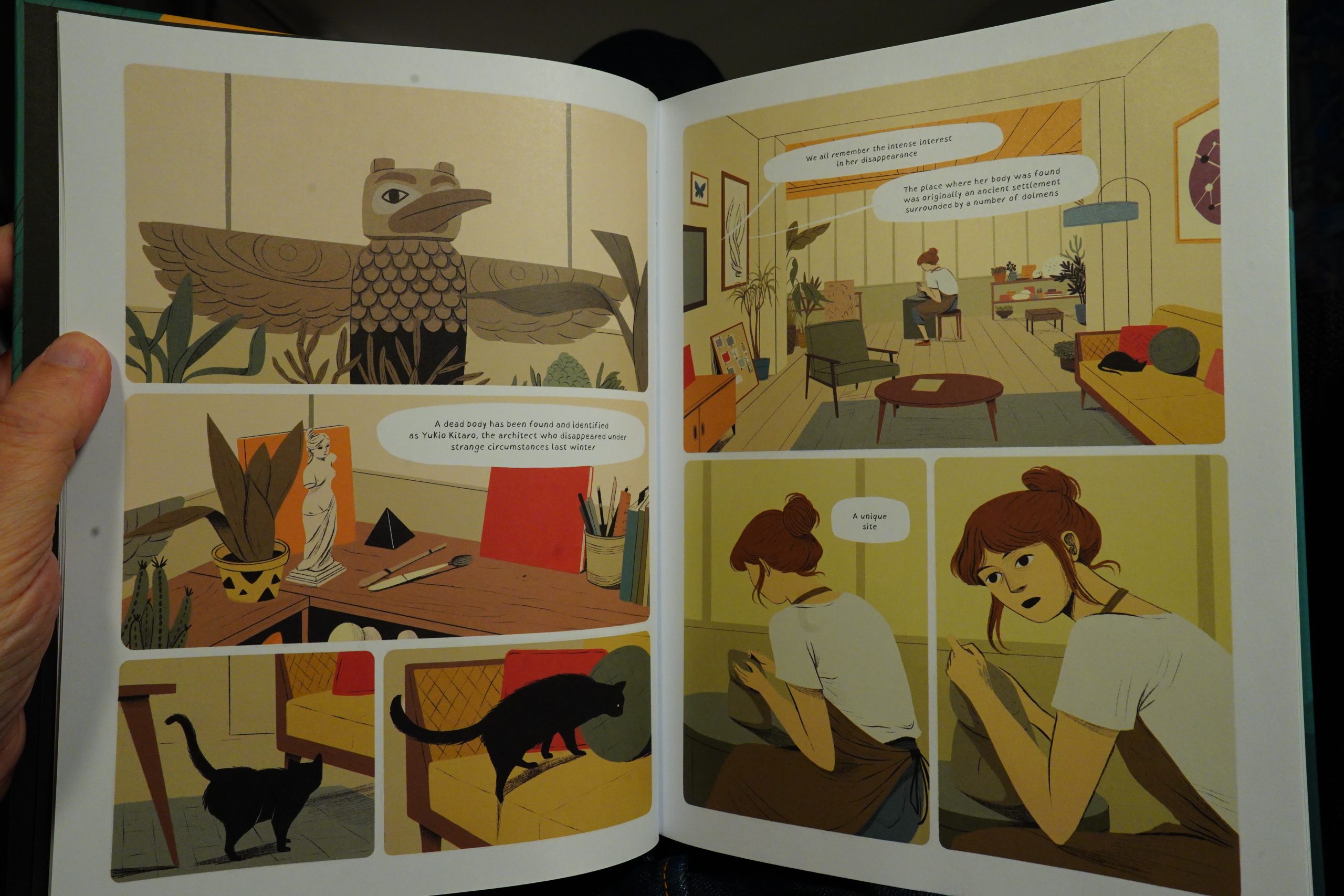
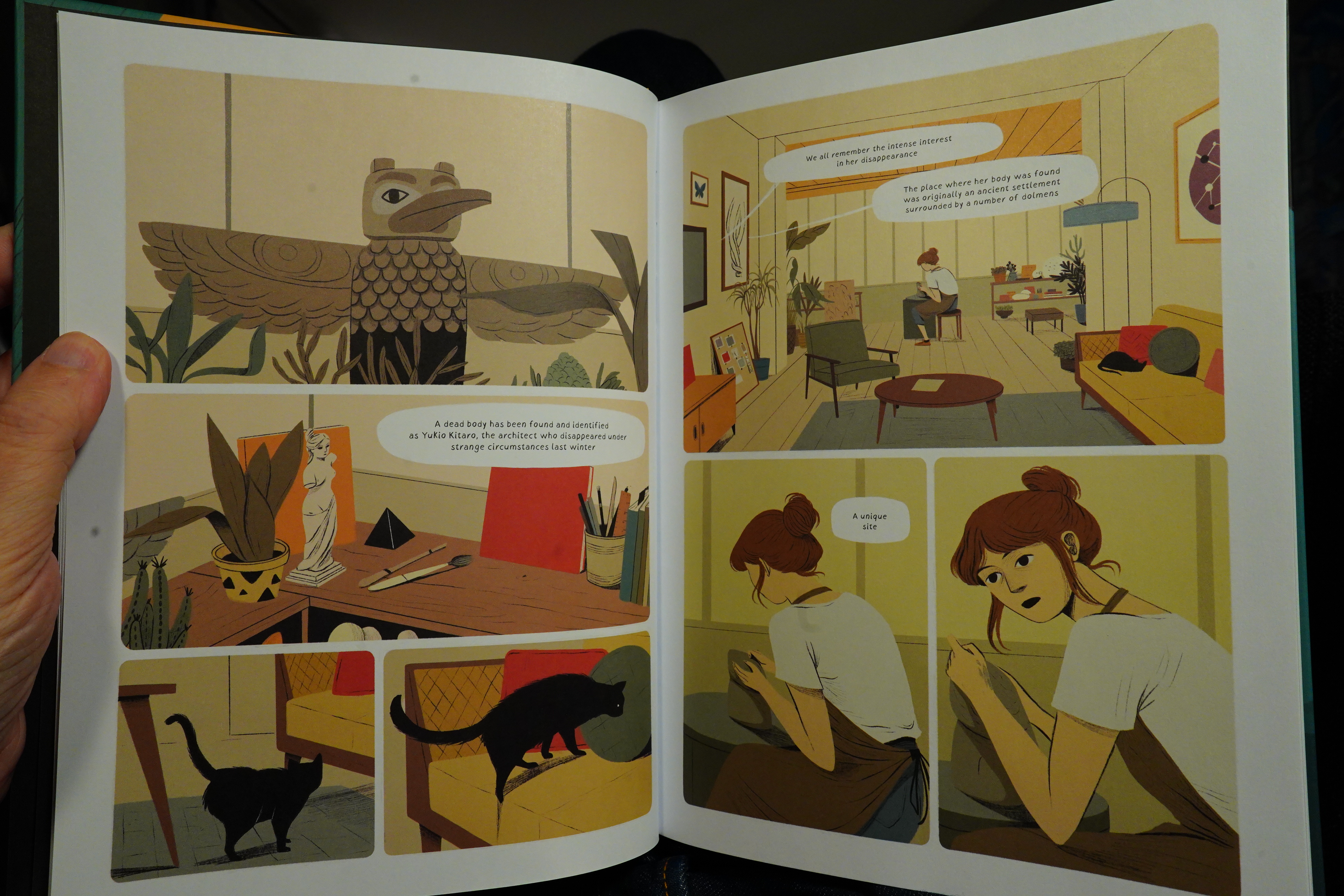
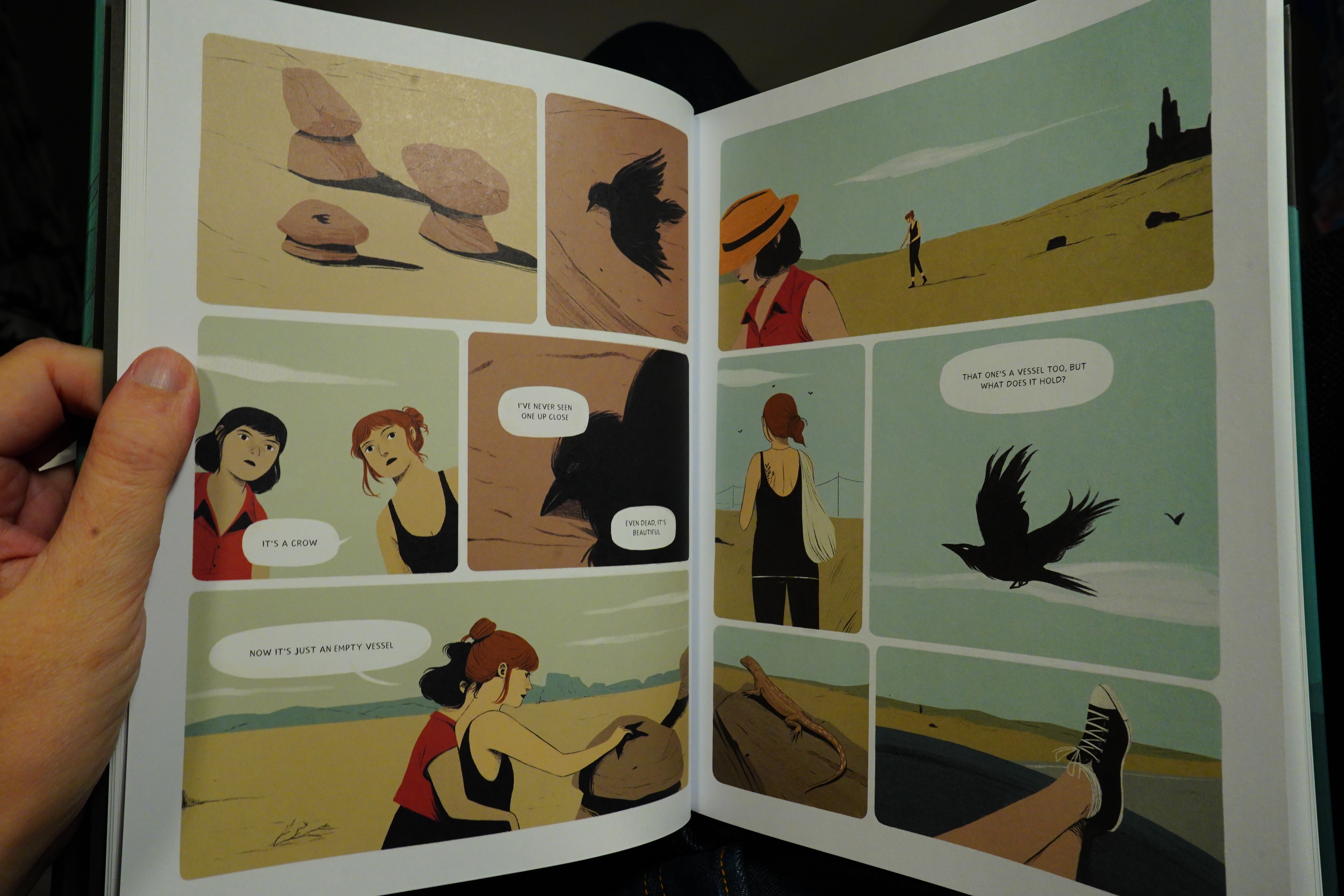
Hm. Well, this looks very modern… like… a digital version of Tomine-for-New-Yorker… a post-Sabrina palette. OK, it’s not that bad, but I don’t find it particularly attractive.
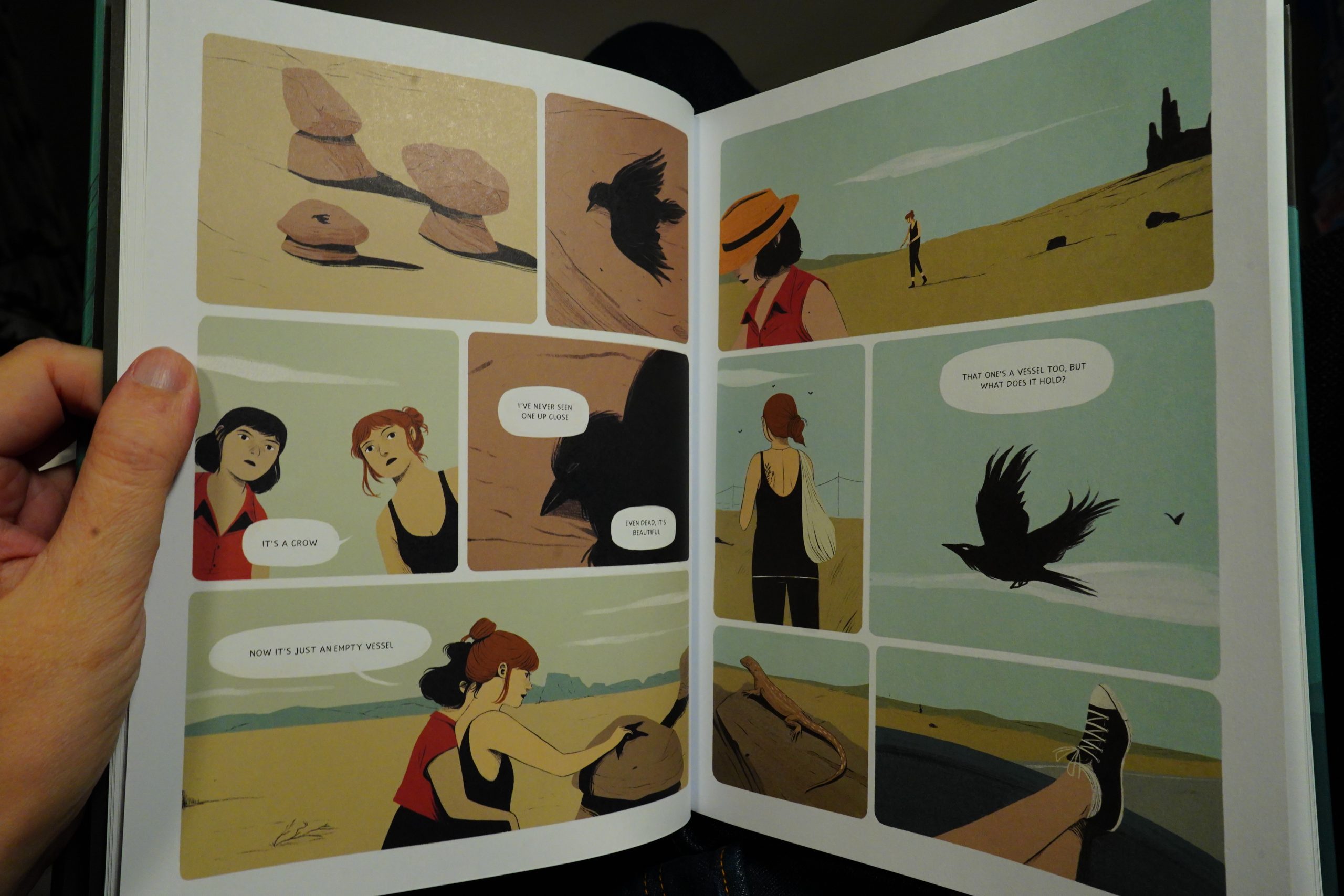
It’s very mysterious, and I didn’t get at all what it was supposed to be about. But I’m pretty confident it’s not worth it to try to disentangle the plot points.
| Benjamin Lew & Steven Brown: Douzieme Journee: Le Verbe, La Parure, L’Amour |  |
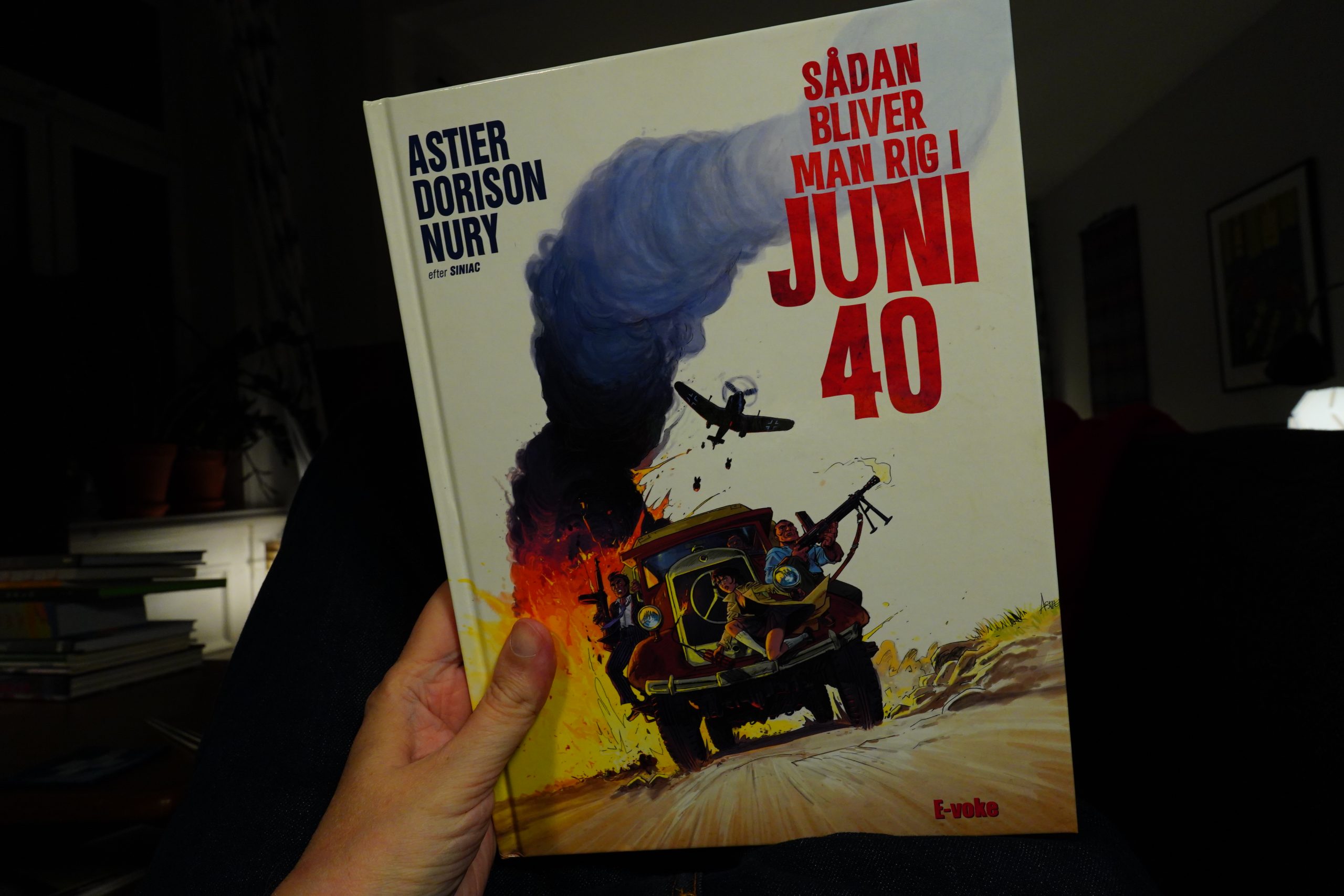
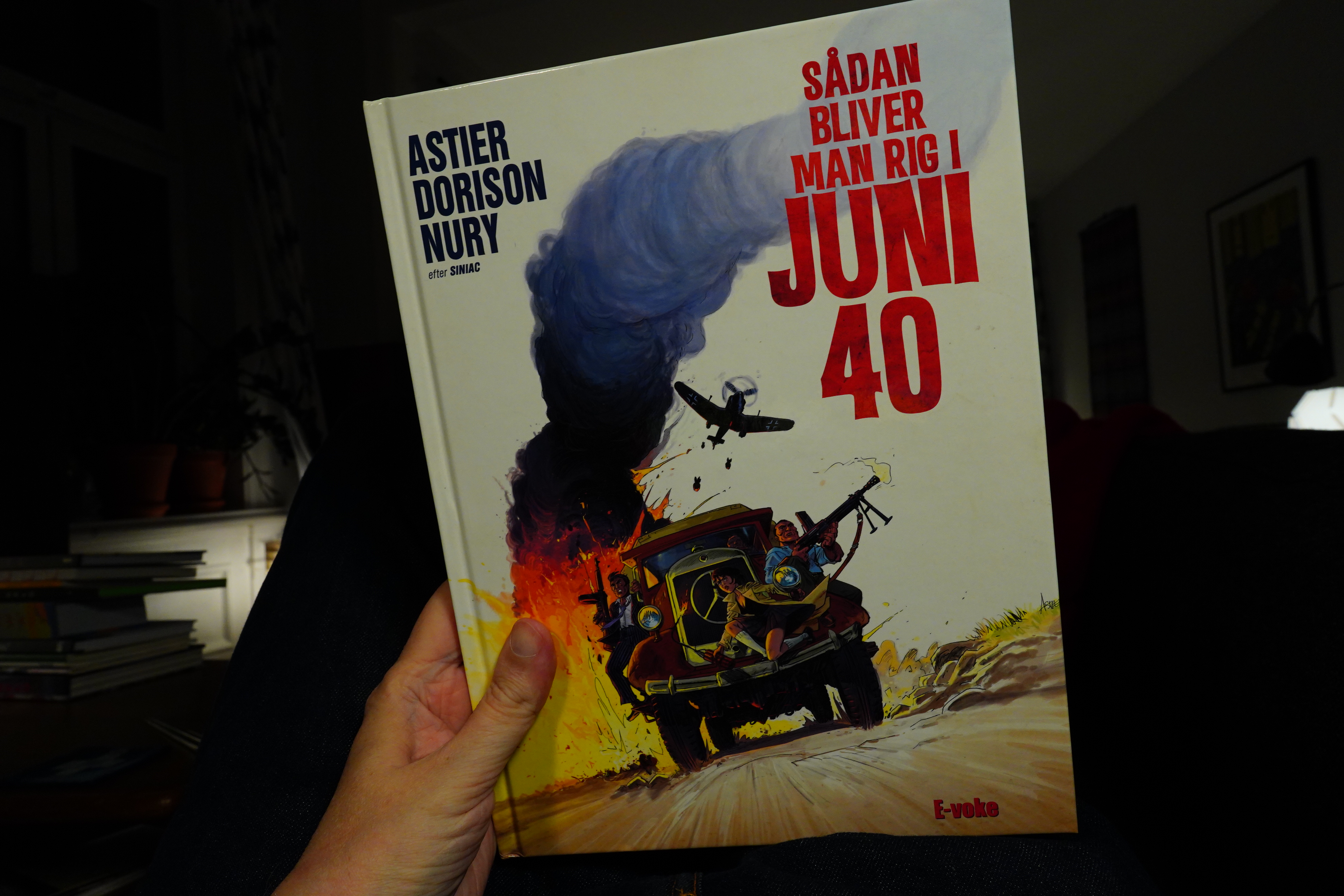
21:39: Comment faire fortune en Juin 40 by Astier/Dorison/Nury (E-Voke)
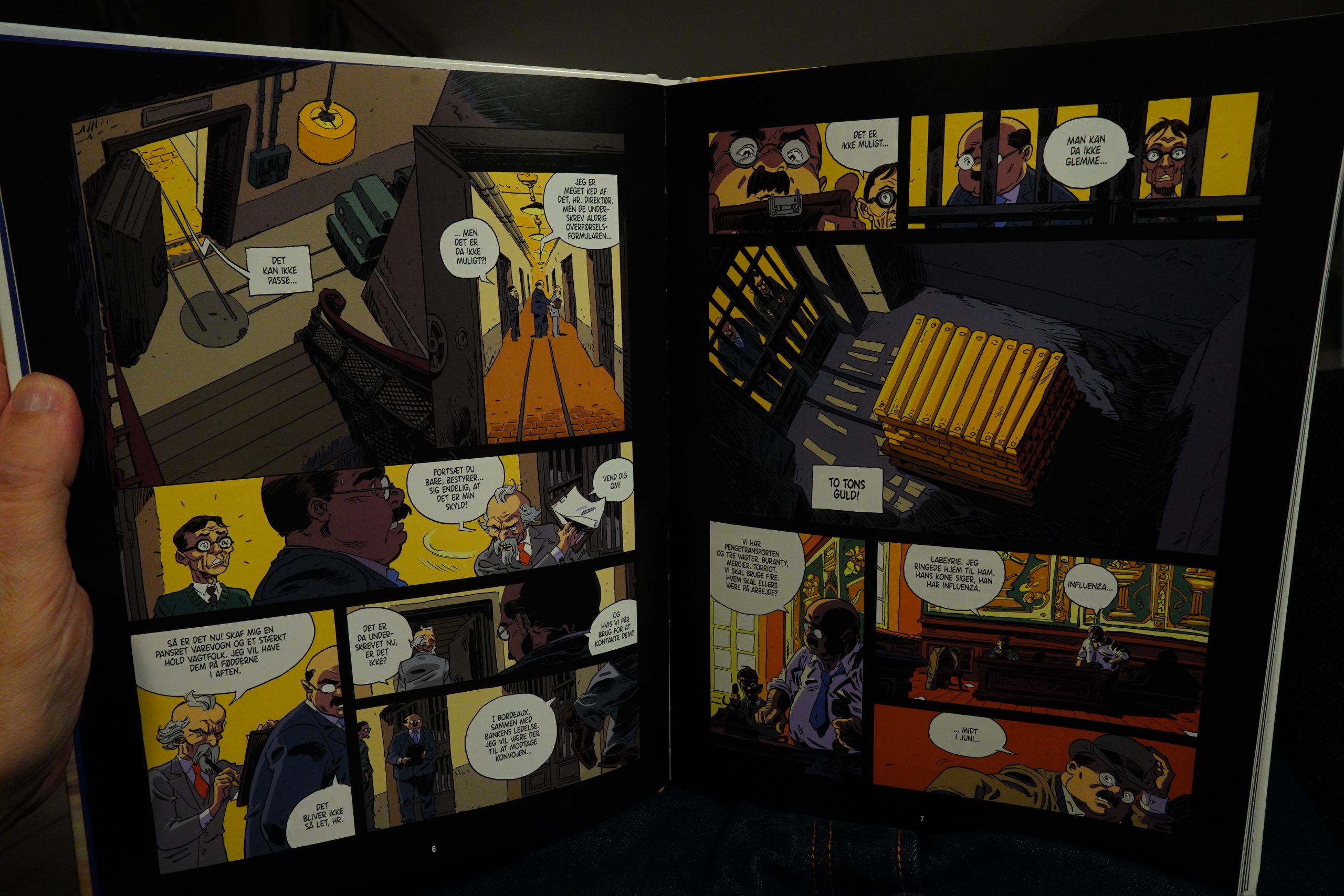
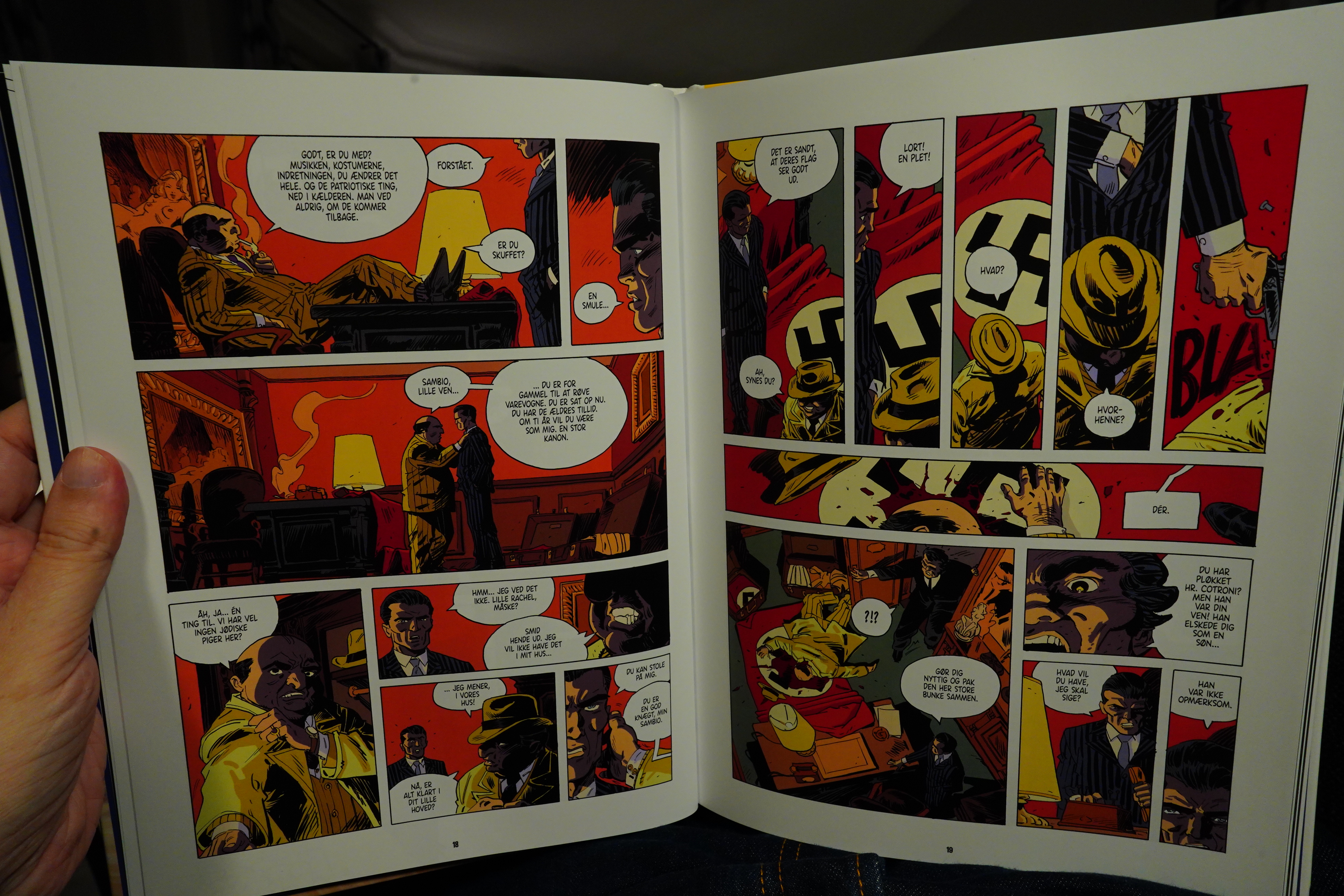
This was originally meant to be a movie, but I can see why nobody wanted to make it: Every cliché ever in a heist movie is jammed into this script, and it’s just exhausting.
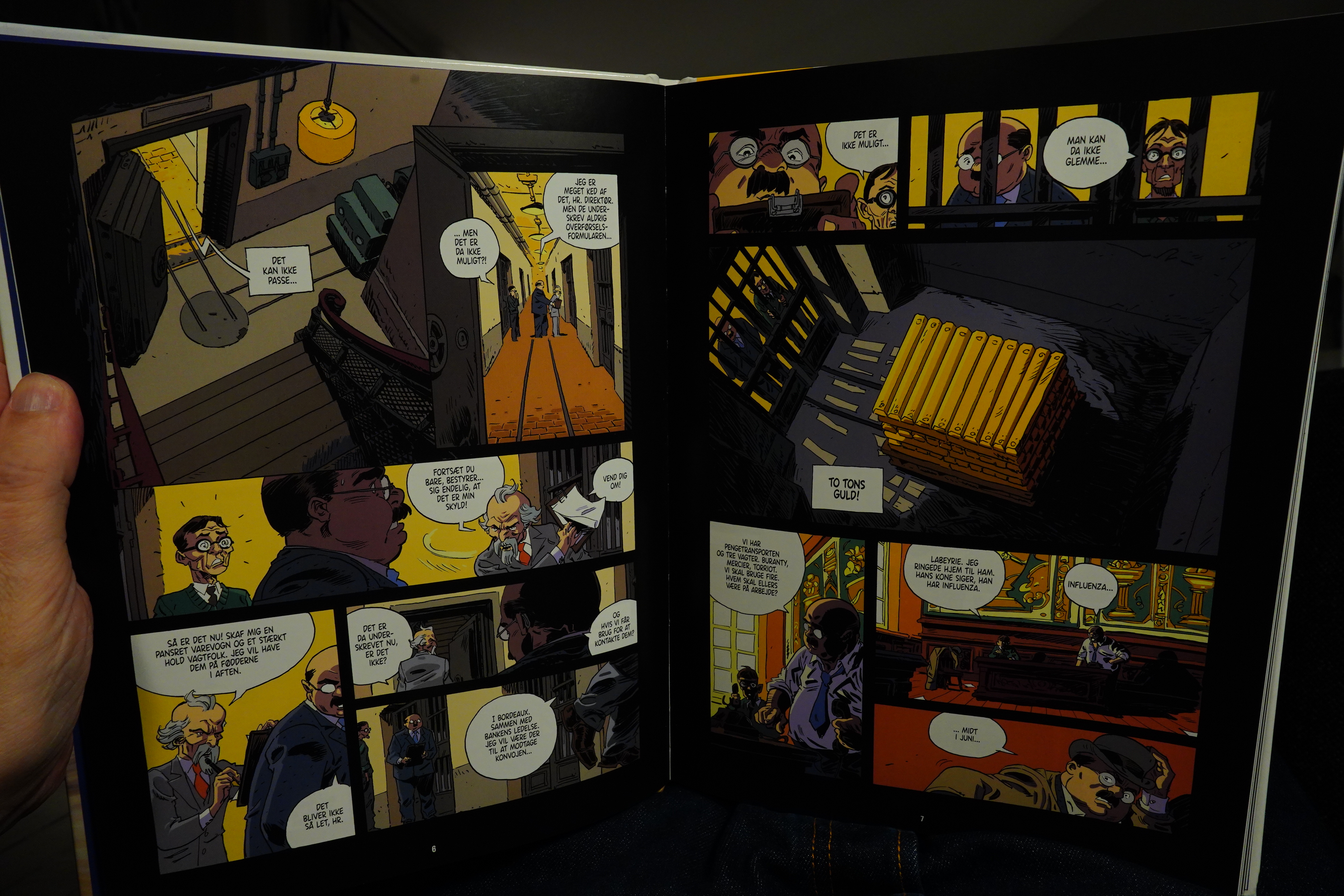
For the comics version, they seem to have hired somebody with no idea how much gold weighs: Those bizarre elongated gold bars, in what looks like a 2mx1.5mx1m cube is supposed to be two tons. The least dense gold ever!
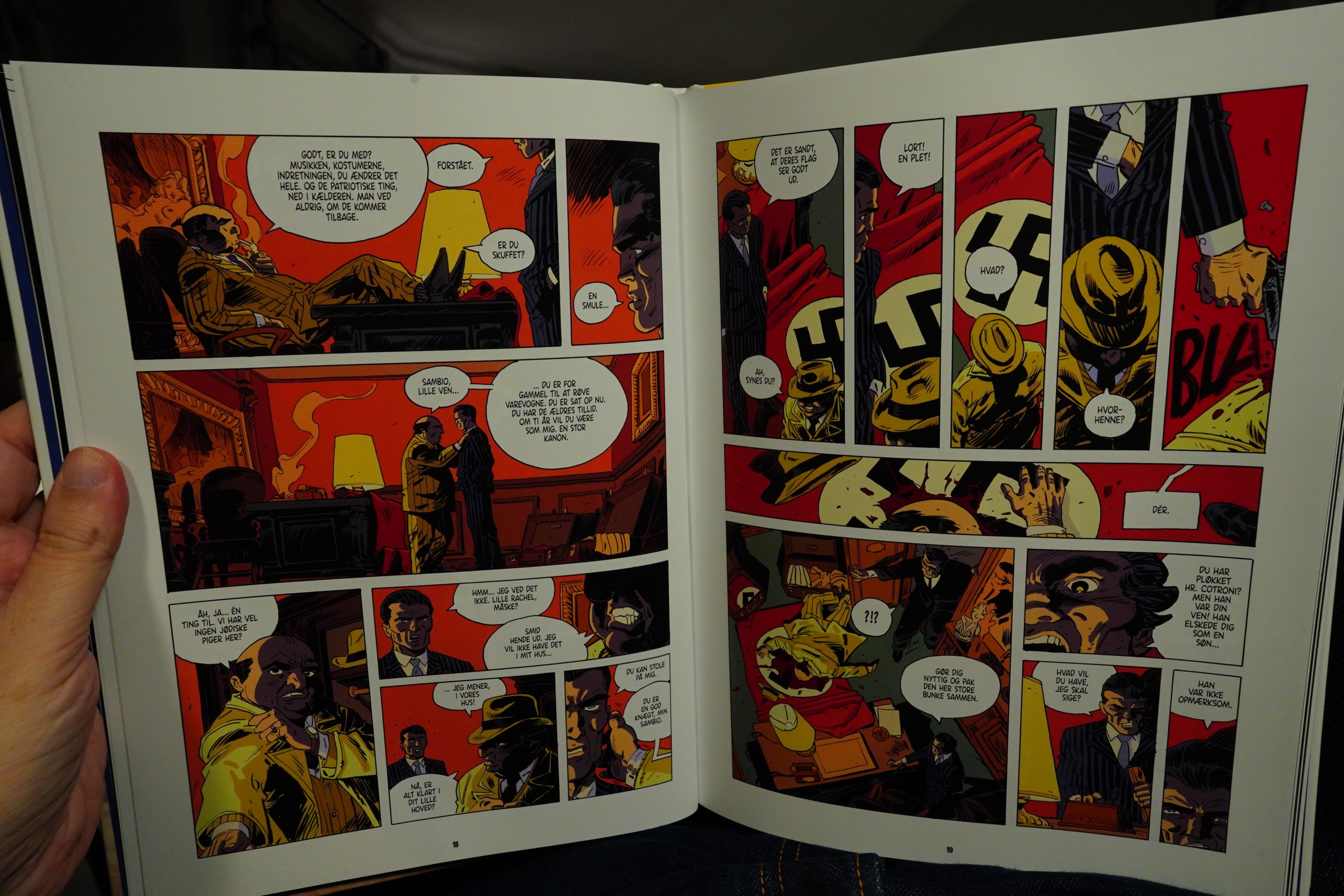
This has about two dozen characters (I think — many of them are drawn so similarly that it’s sometimes hard to tell), and more plot twists than you can shake a stick at.
I gave up on this two thirds of the way through, because it’s pretty tedious.
| Zazou, Bikaye & Cy1: Noir et Blanc (vinyl) |  |
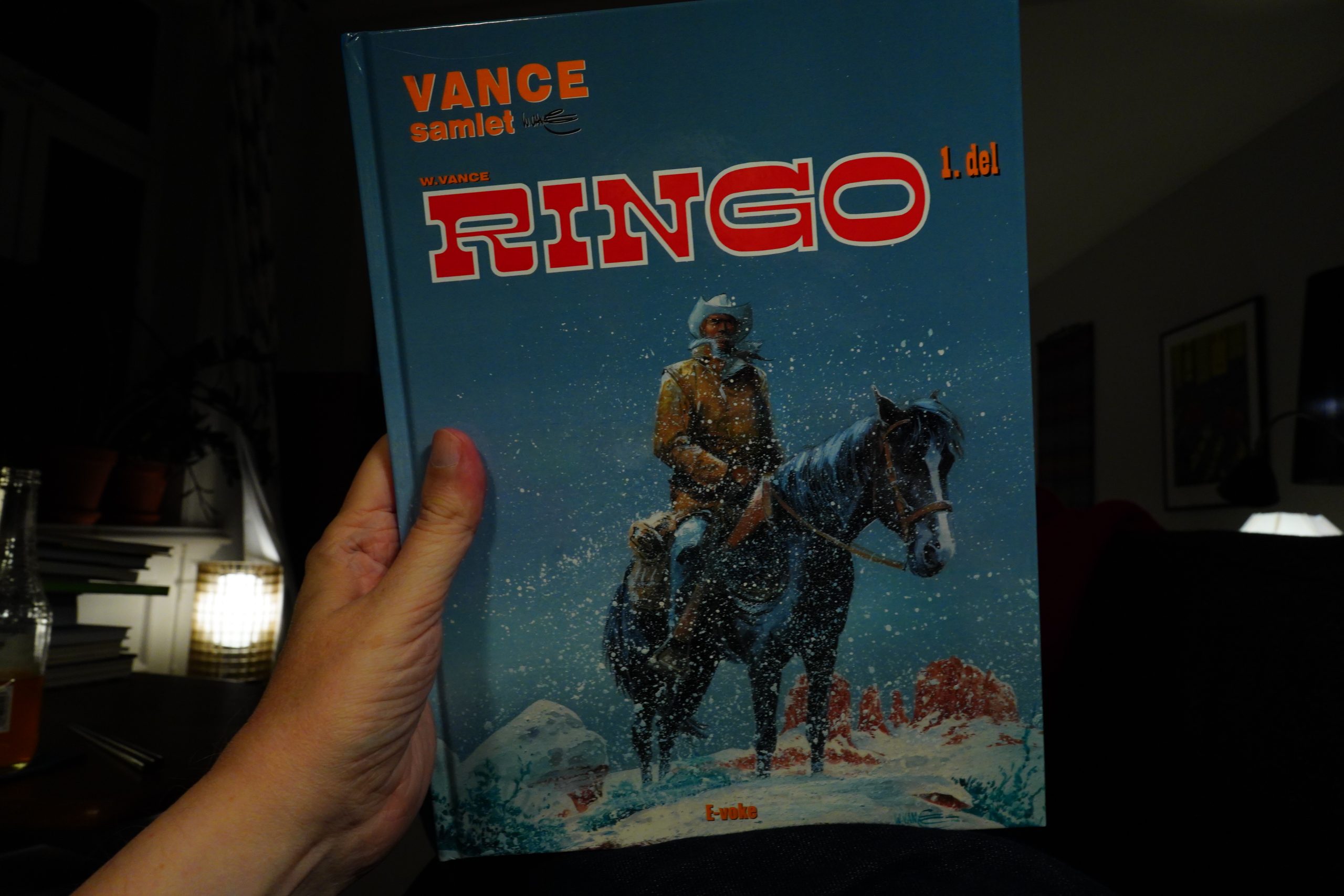
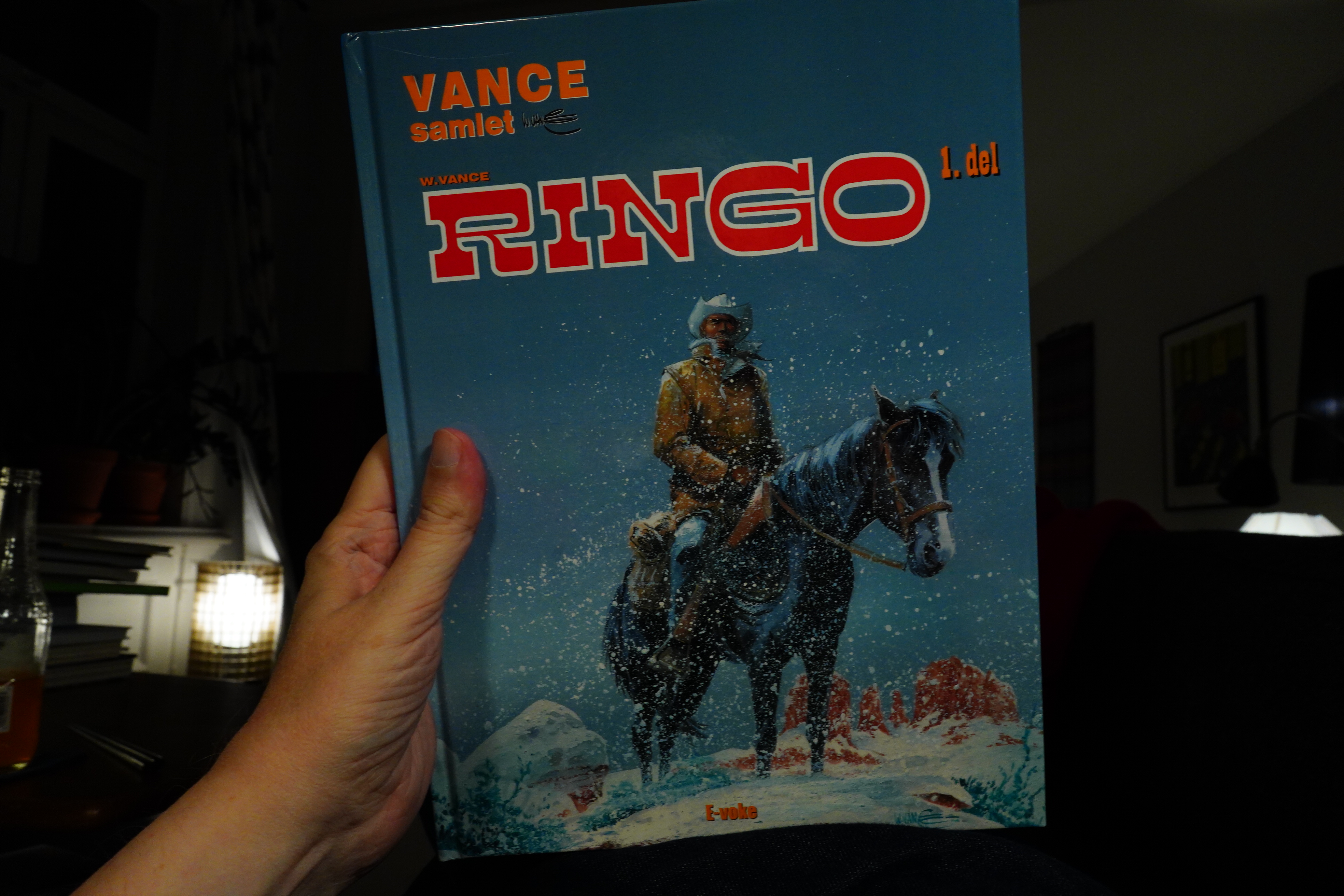
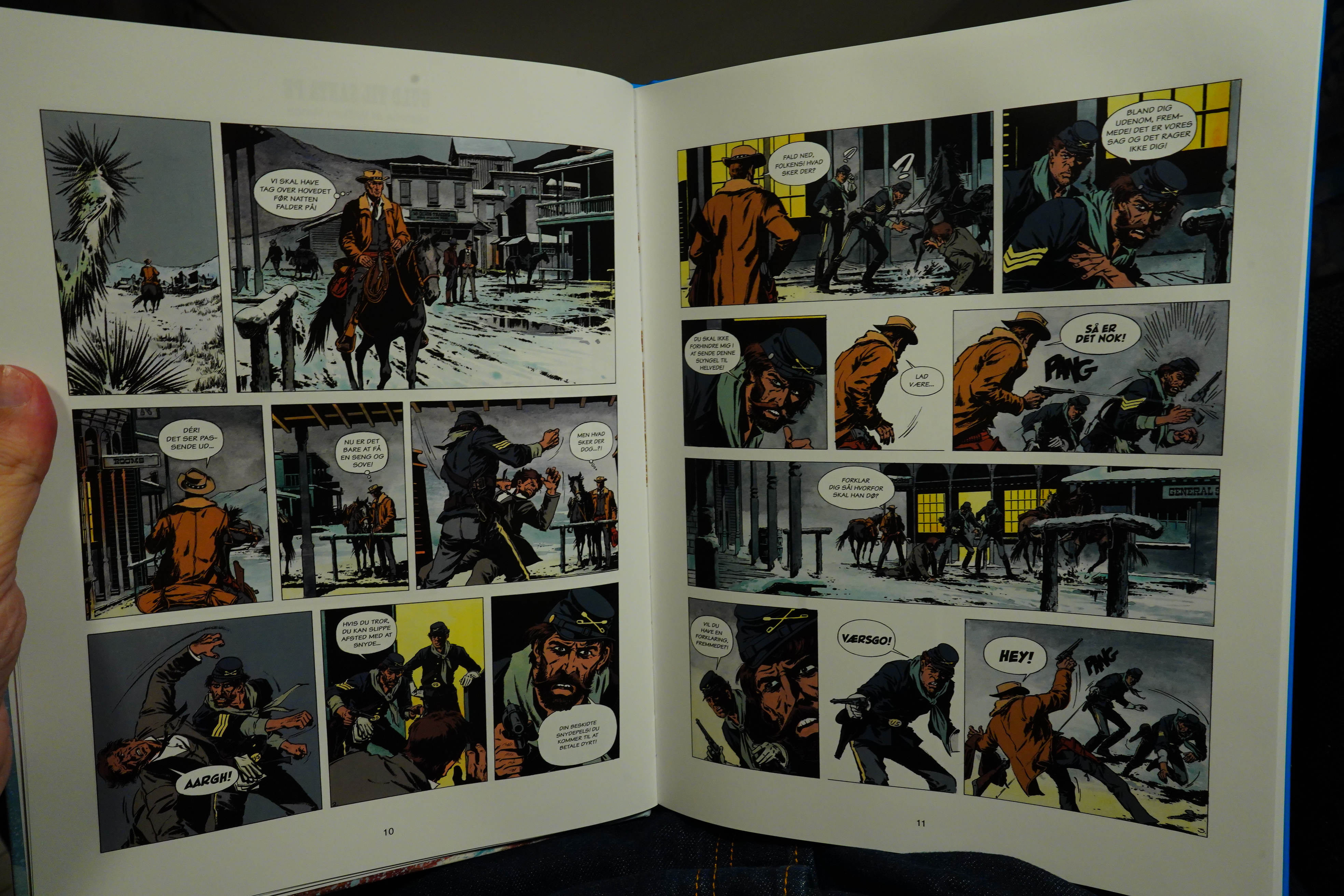
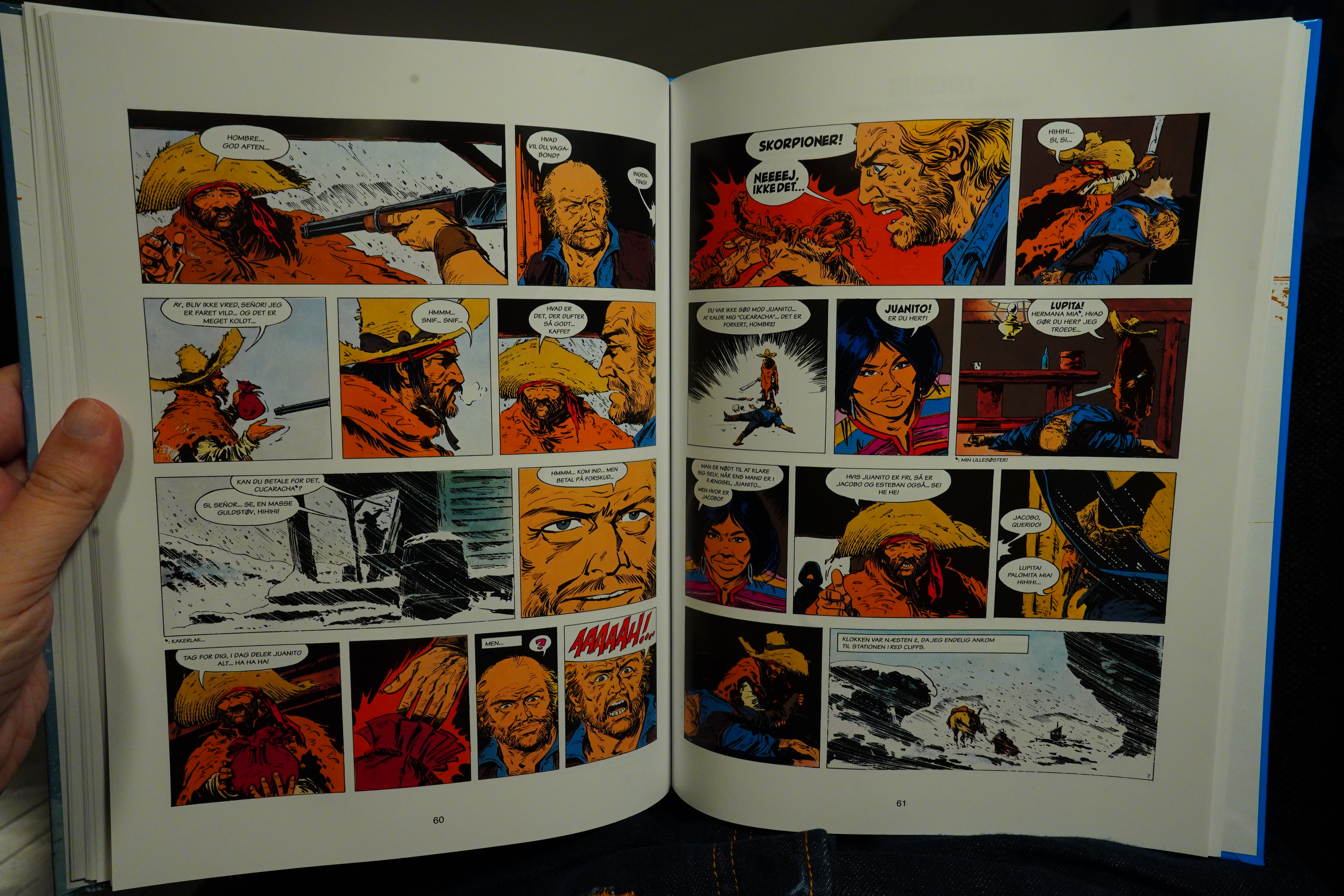
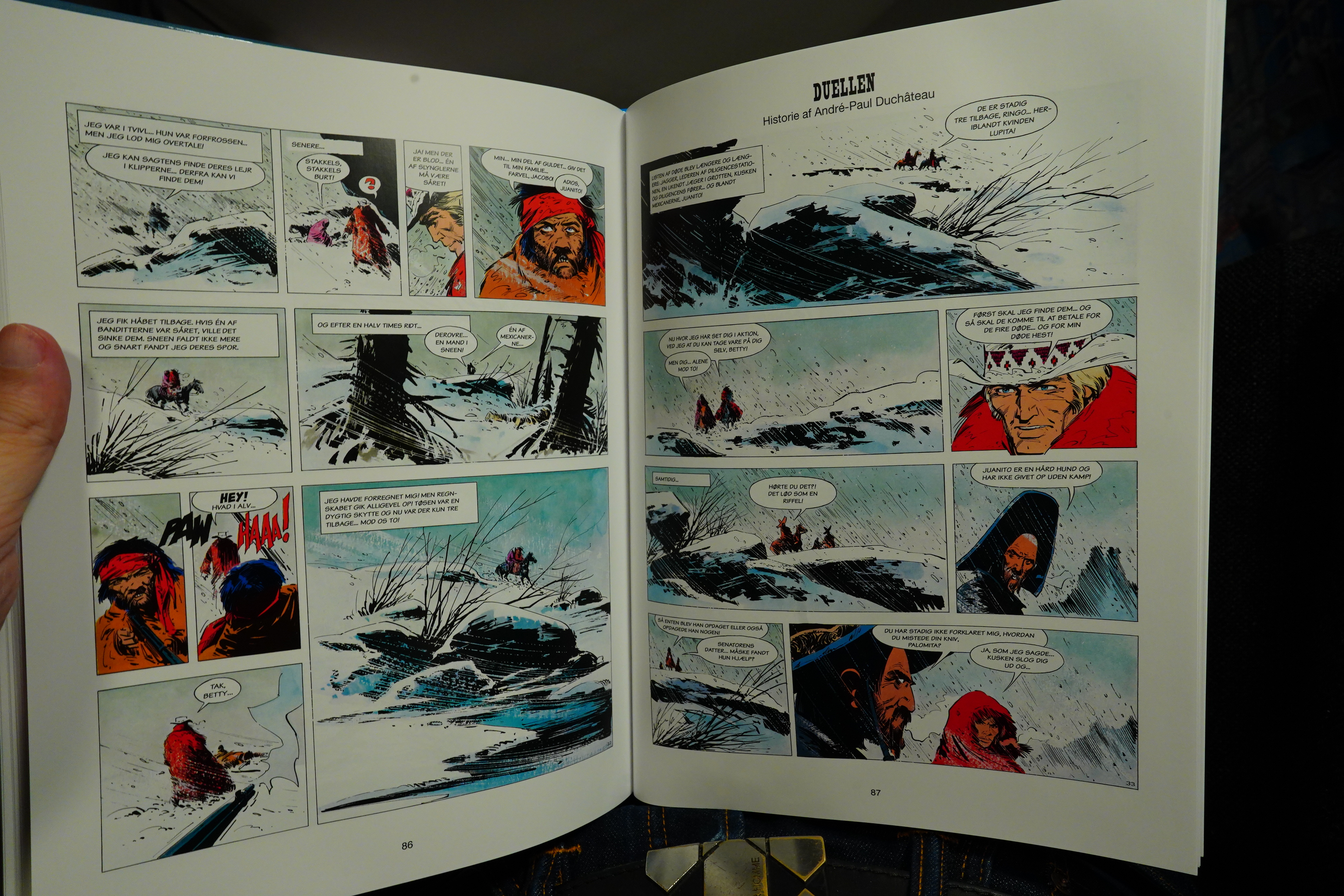
22:13: Tout Vance 8: Ringo 1 by William Vance (E-Voke)
William Vance has done a lot of different characters, and this series collects his less-well known, I think? I think I may have seen this around before, but I may not have read it. It’s one of those slightly more modern 60s westerns, I think?
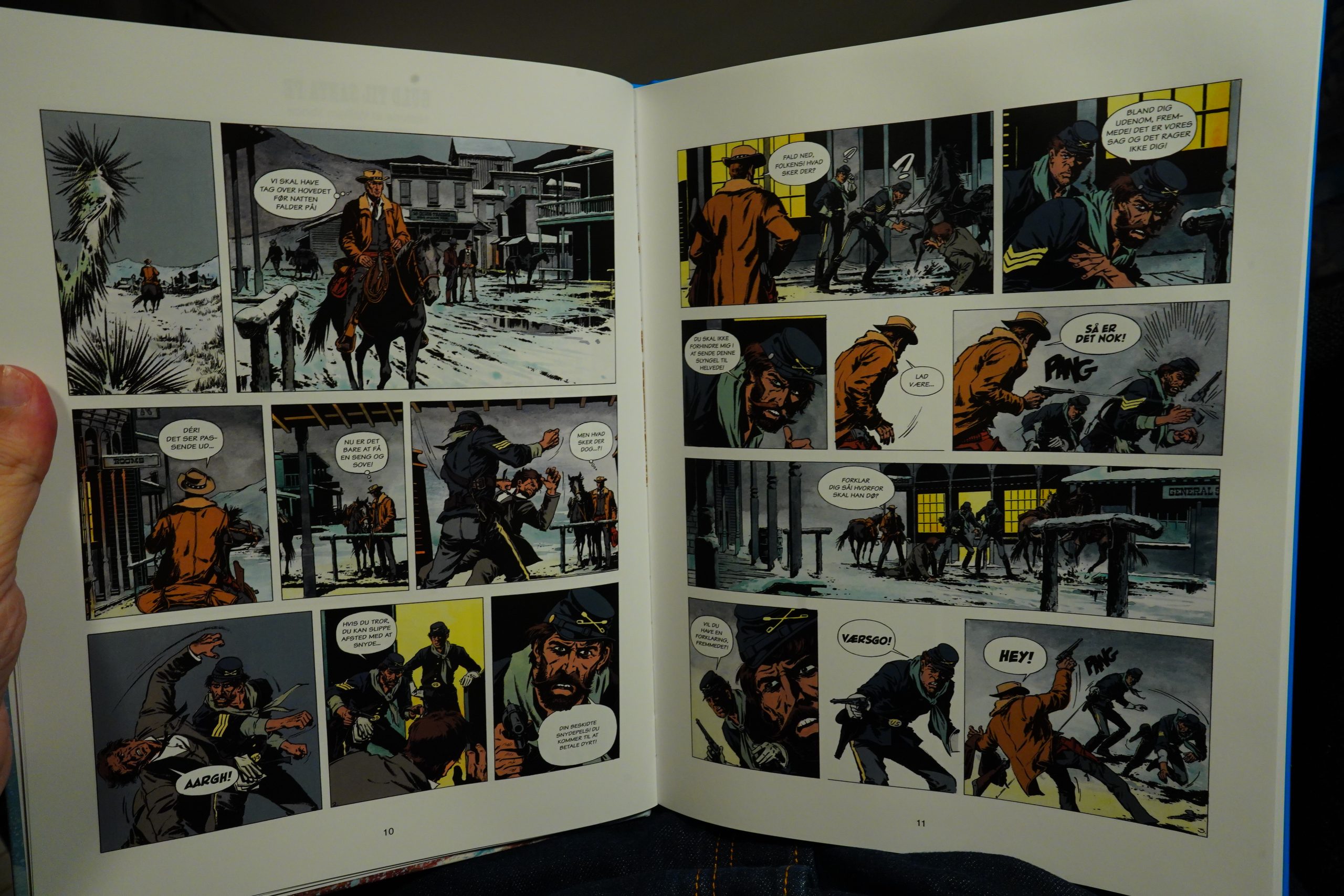
Vance’s artwork is always pretty entertaining to look at, but the reproduction here seems a bit off — as if a lot of finer lines have gone missing. Reproduced from a printed copy, perhaps?
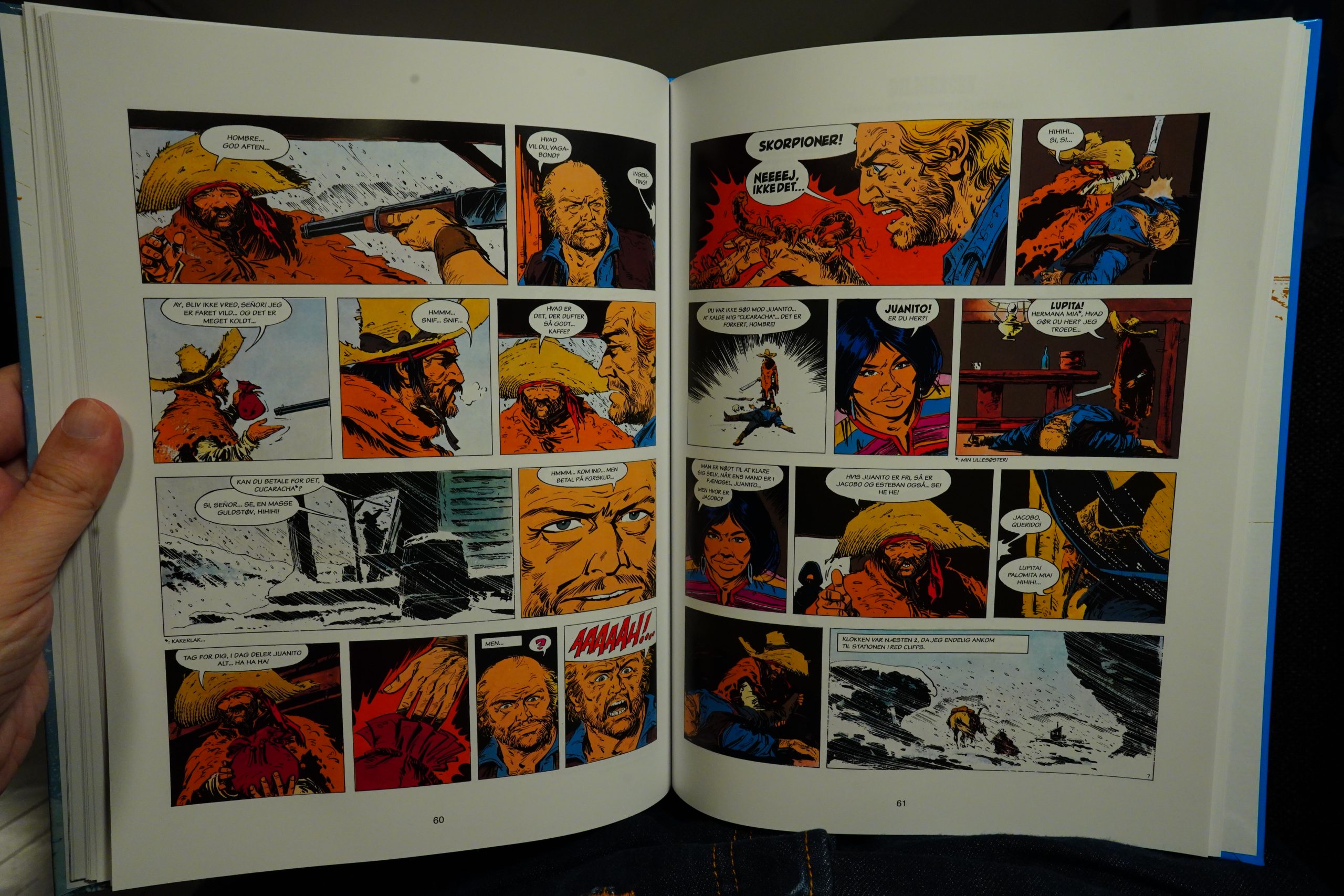
This is not one of those “revisionary” westerns — the Native Americans are villains, and the Mexicans are even worse.
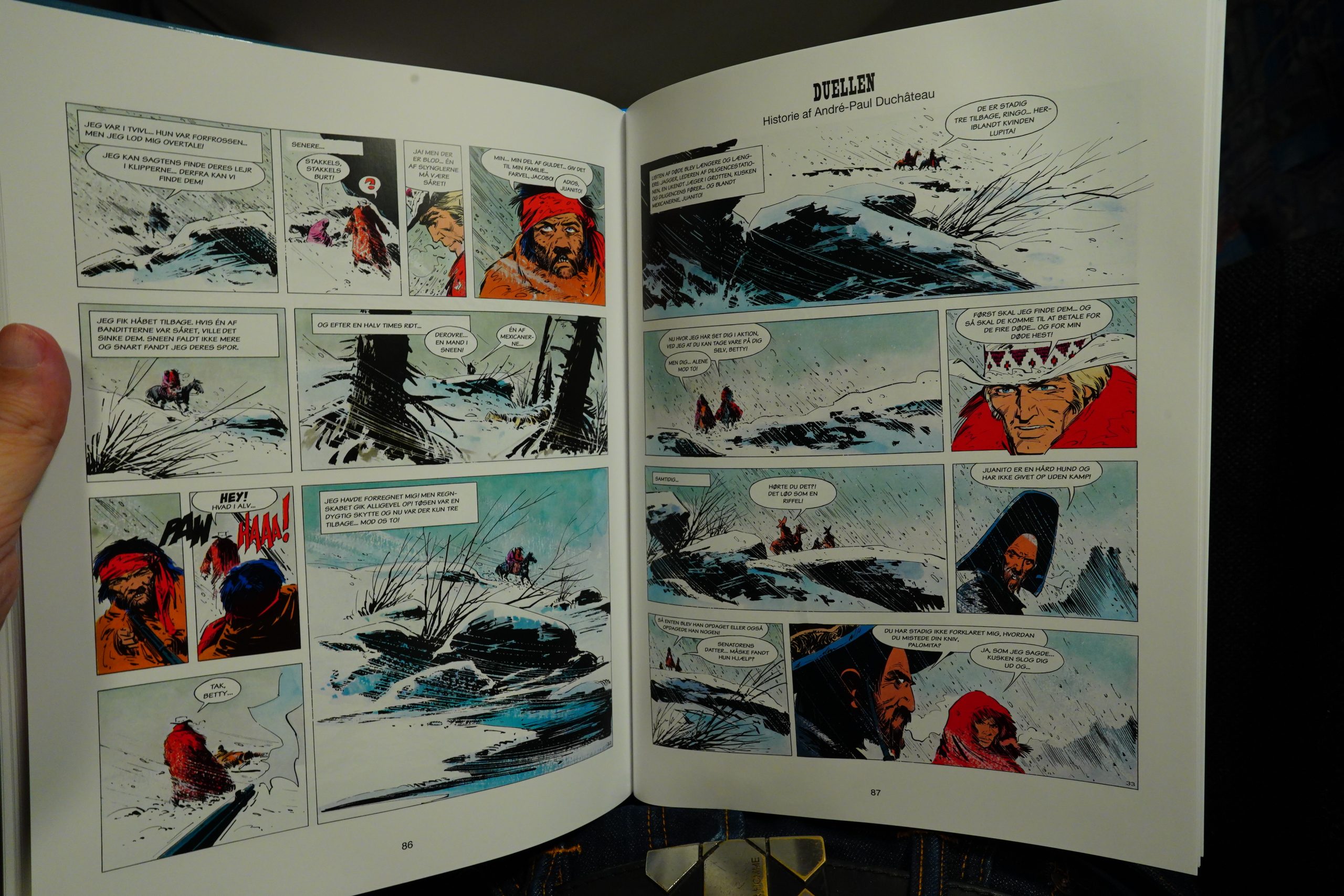
And things take a turn for the worse with the second album, when Duchâteau (of Ric Hochet fame) takes over the script — basically nothing happens for forty pages, and in a very annoying way.
| Band Apart: Marseille |  |
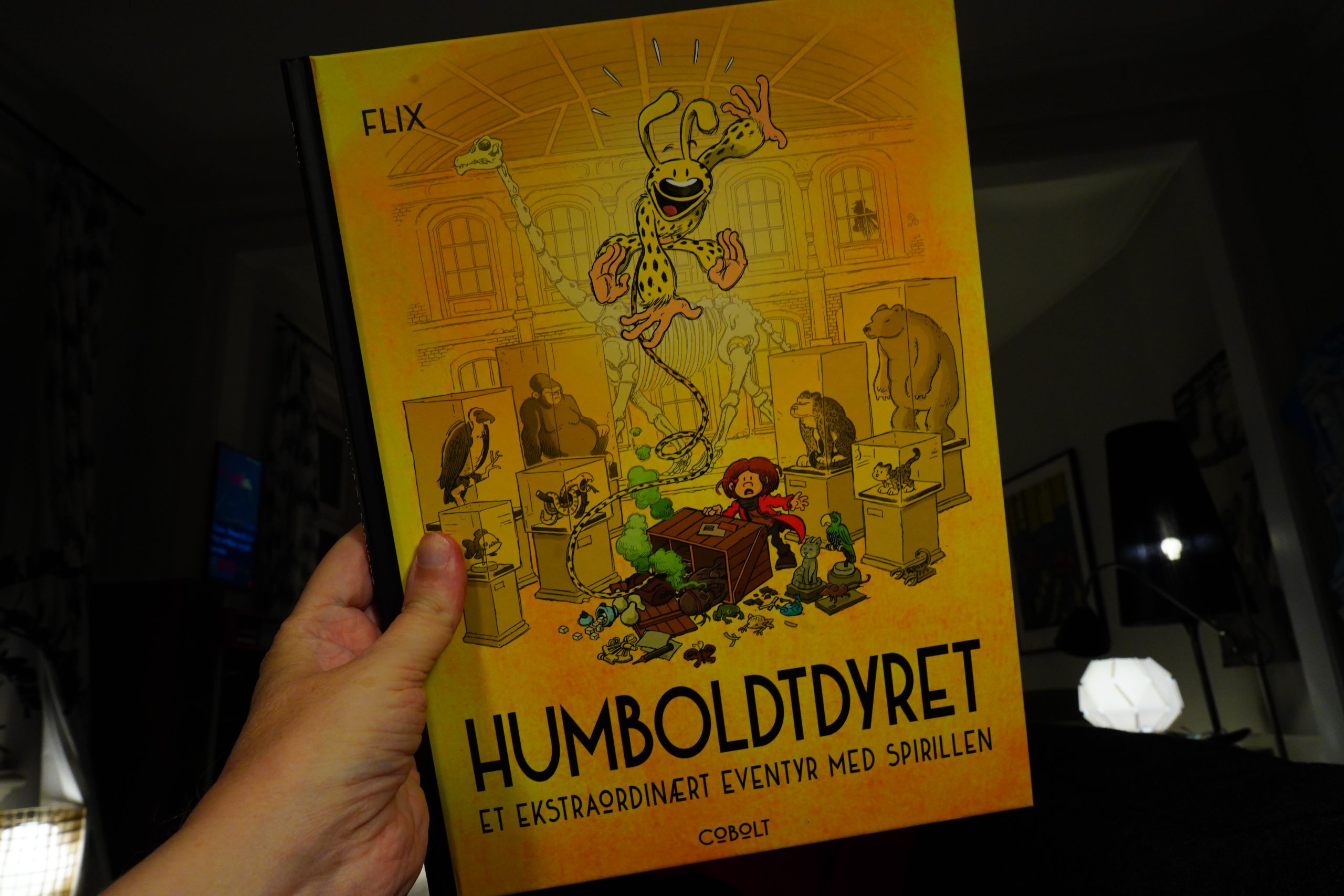
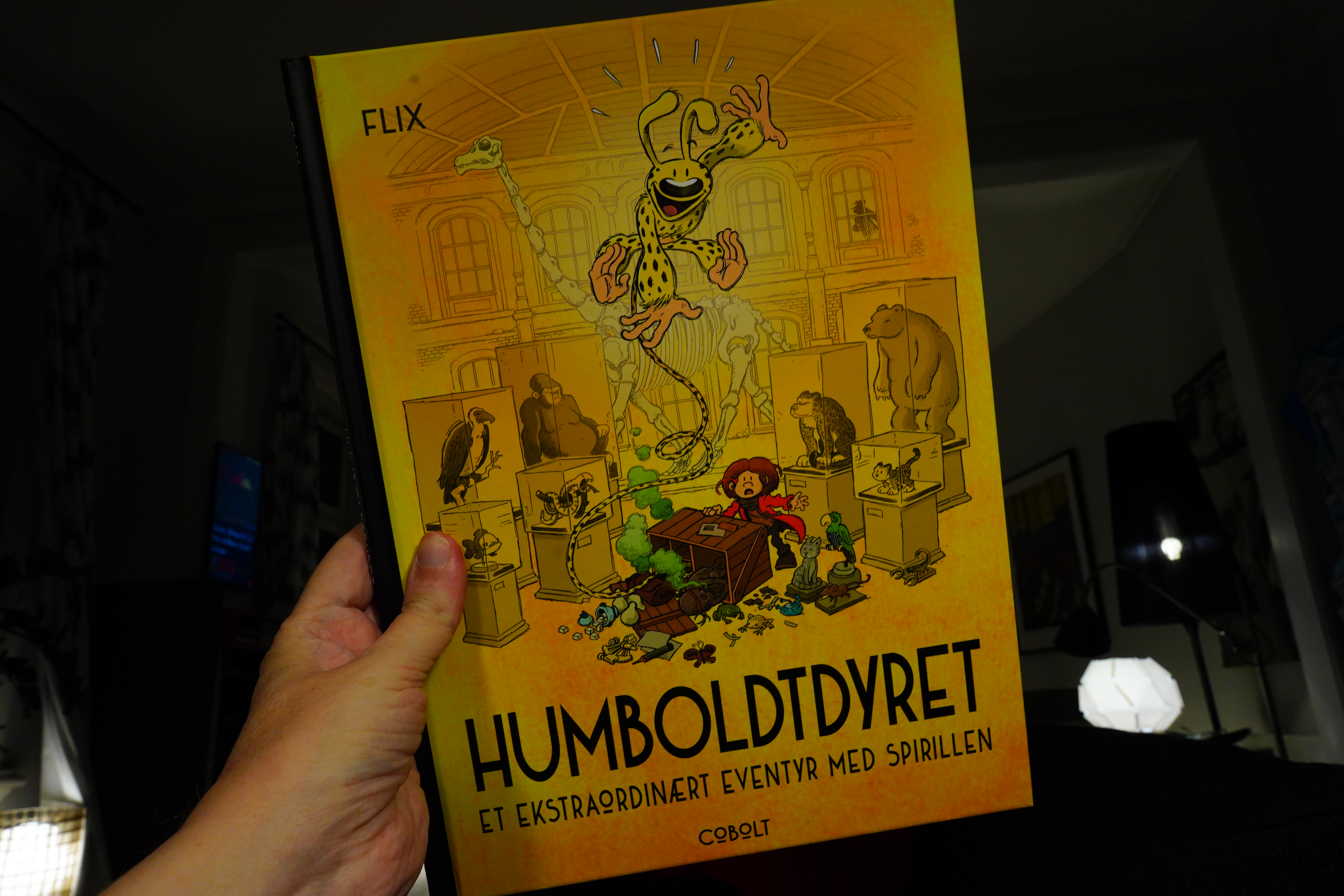
22:51: Das Humboldt-tier by Flix (Cobolt)
This was originally published in German? That’s unusual.
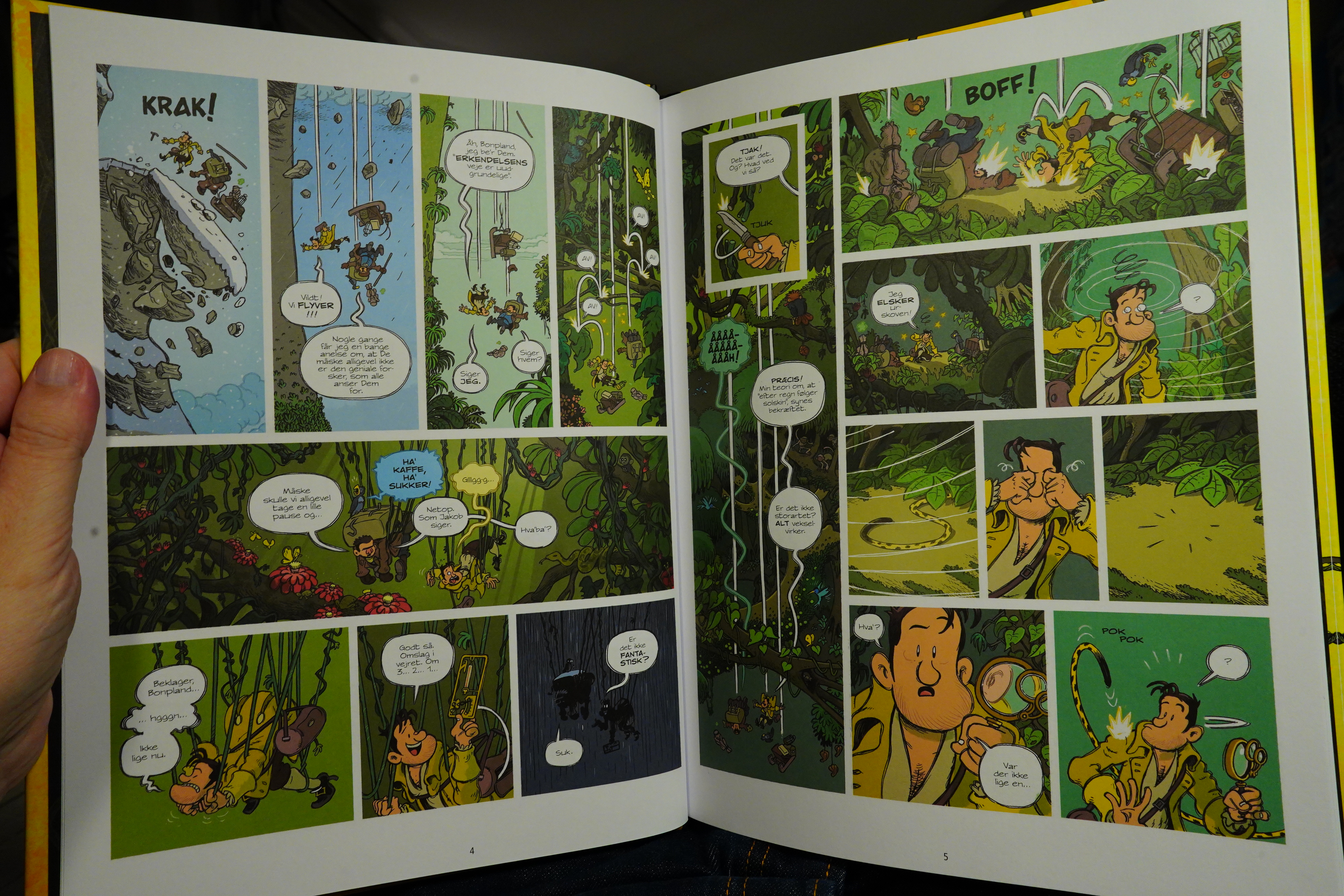
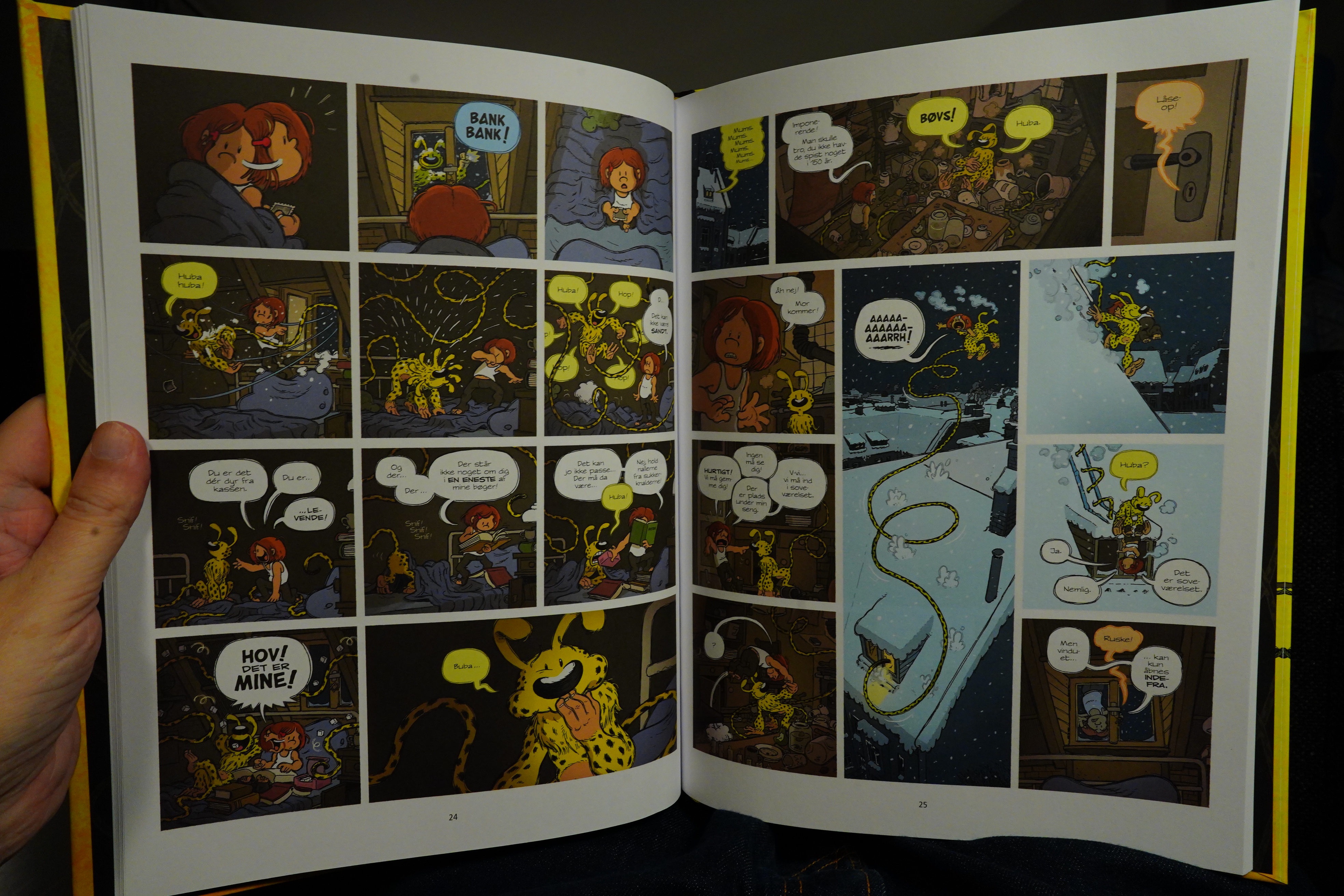
It’s a take on the Marsupilami, created by Franquin. I only read a couple of the Marsupilami albums, but this is one of those “extraordinary adventure” non-canonical ones… Those sometimes have a lot of references to older albums — or go in a totally different direction.
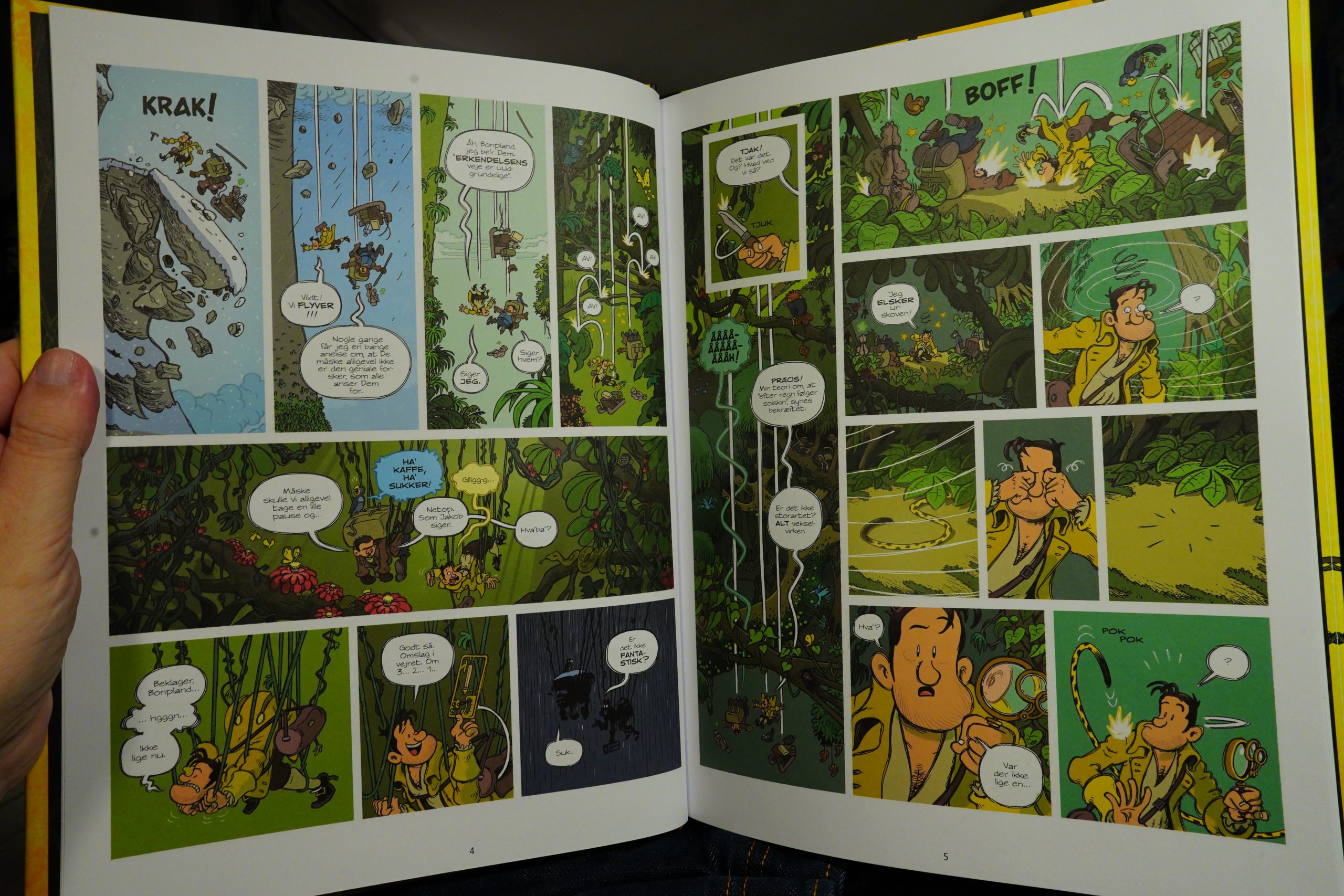
Oh, this goes in a totally different direction — we start in 1801, but most of the story happens in Germany in 1931.
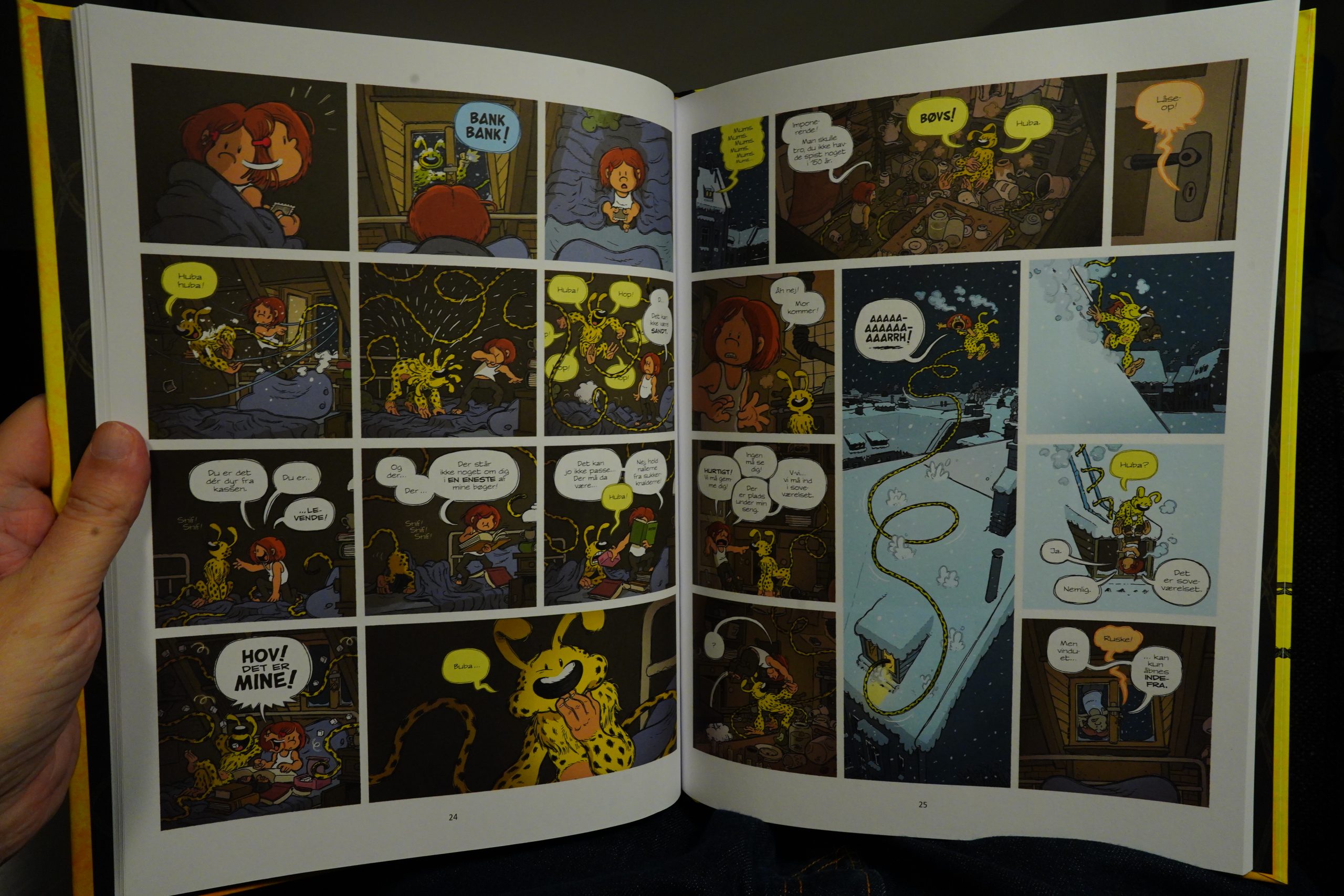
And… it’s great! It’s funny, it’s lively, and it has real stakes. It ends up being pretty moving, even? Very, very entertaining.
| Hector Zazou: Reivax au Congo |  |
23:21: The End
And now it’s time for bed.














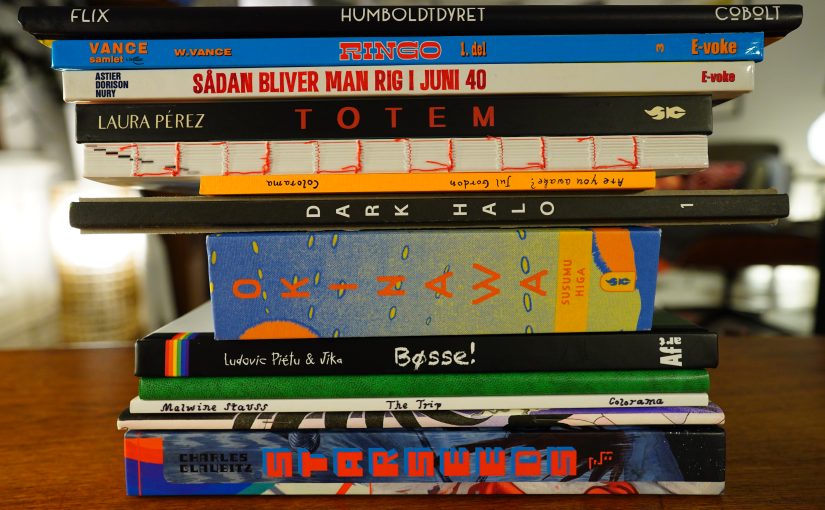
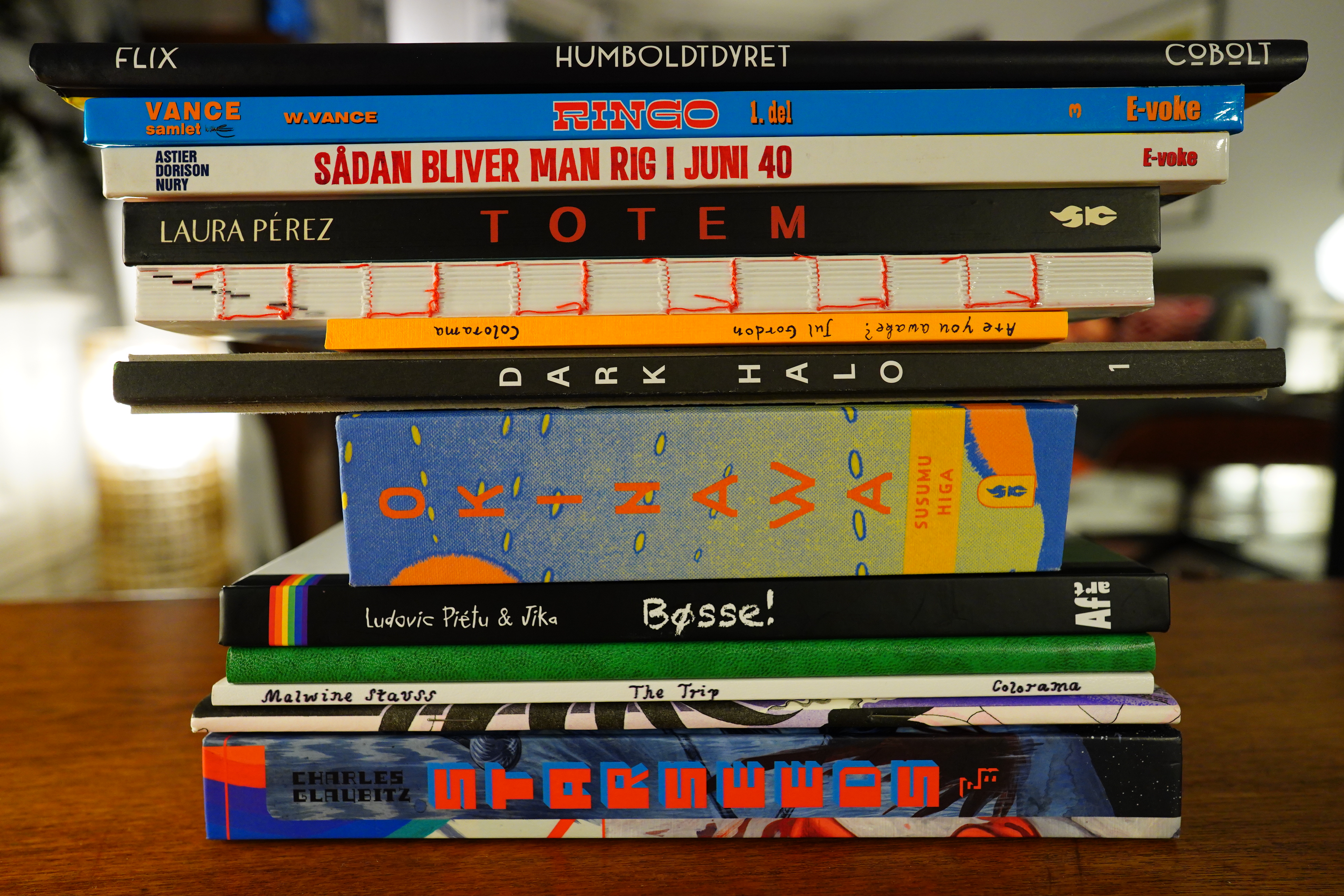






%3A+Live+In+Paris+'99)

)
)

))




)
)

)
)

%3A+Paperback+Writer-Rain+EP)

)
%3A+For+the+Roses)
%3A+Court+and+Spark)
%3A+Miles+of+Aisles)
%3A+The+Hissing+of+Summer+Lawns)
%3A+Peter+Evans)

)
)