

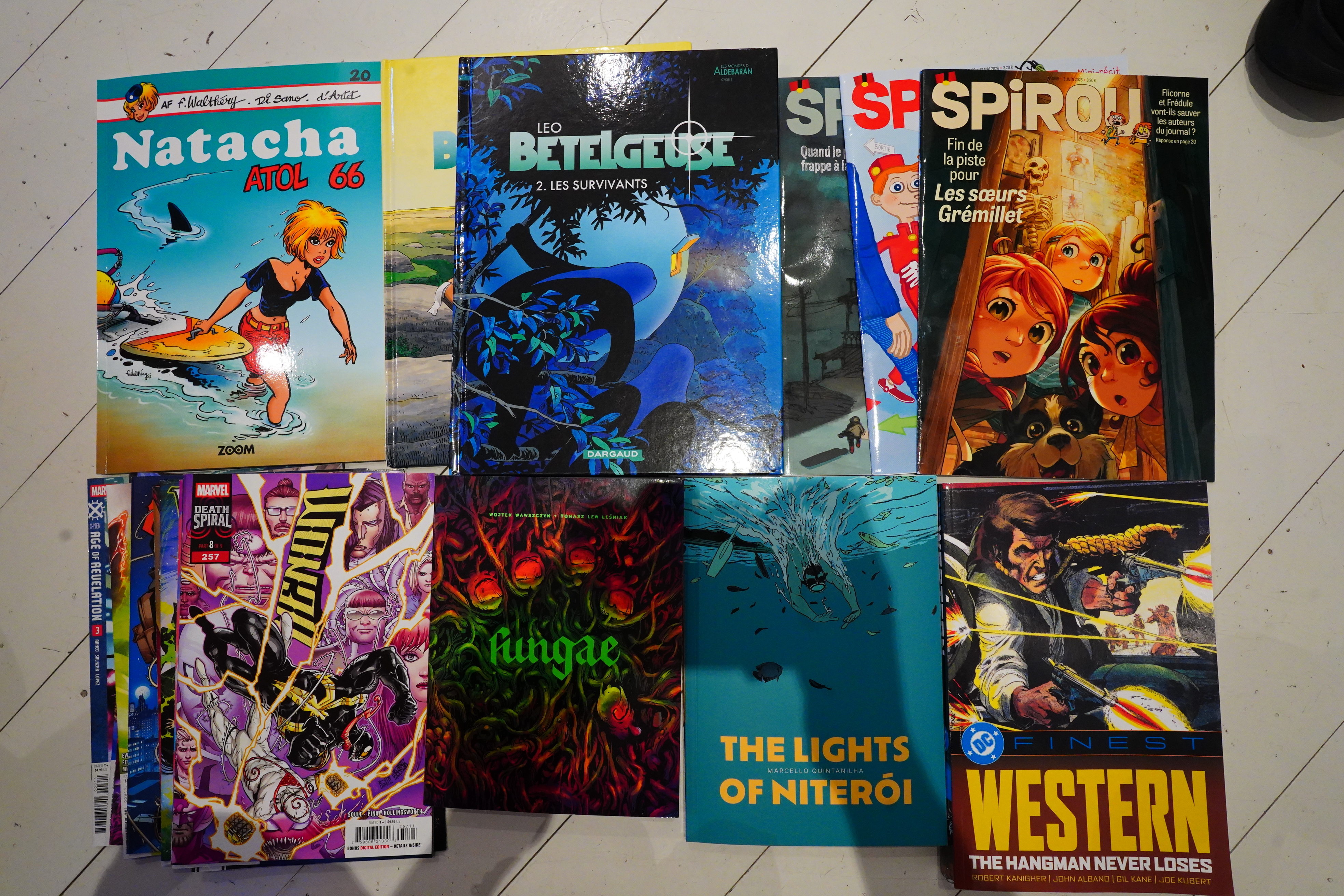
Here’s some comics I’ve read over the past month.
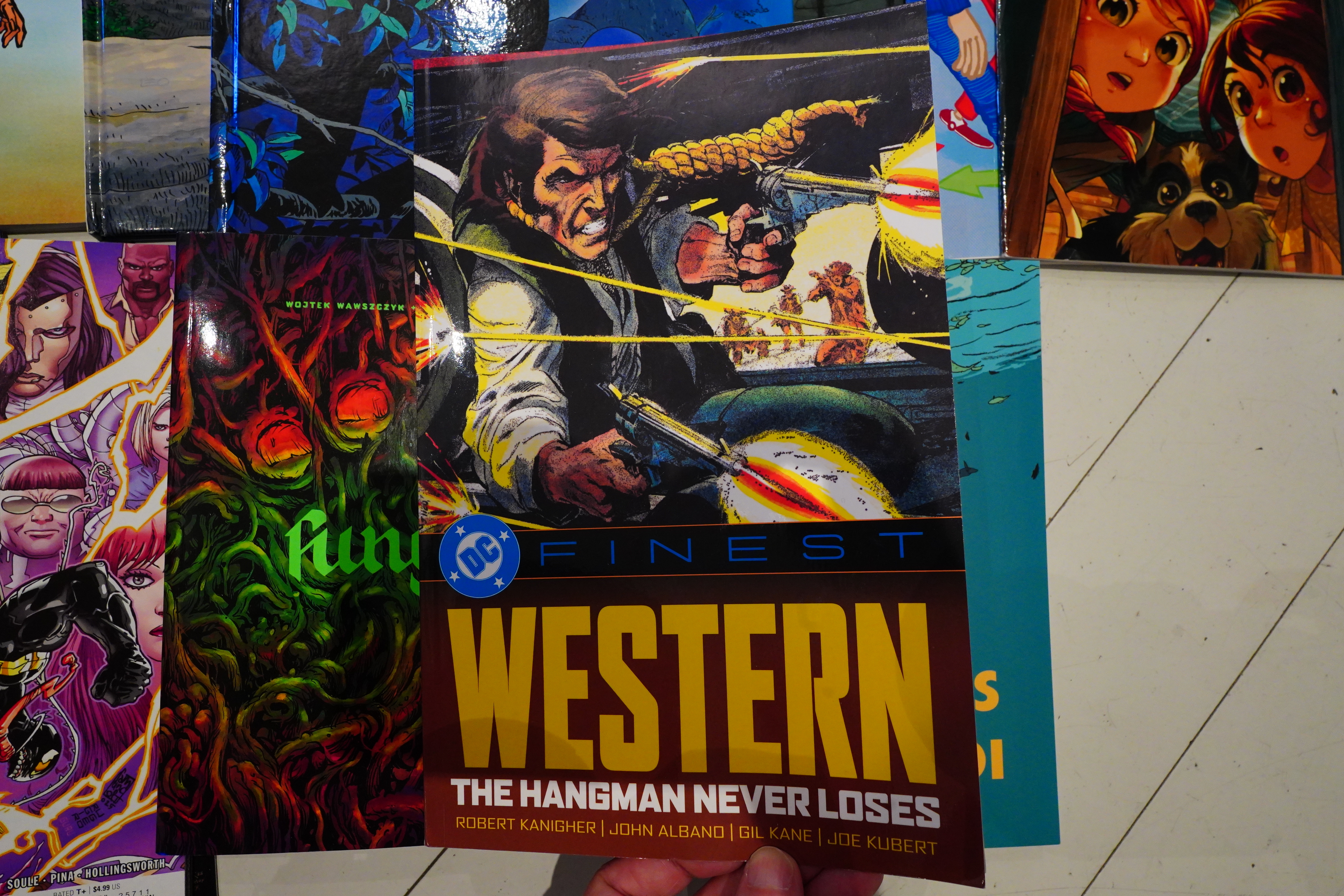
This is the one that I’ve spent the most time with, by far. It’s a collection of DC westerns from 1970-73. It’s not something I would normally have bought, but Matt Seneca made an argument for it collecting a masterpiece — Son of Tomahawk by Robert Kanigher and Frank Thorne, so I thought I’d give it a go. I’ve been reading a couple stories here and there, so it’s taken me weeks to get through these six hundred pages.
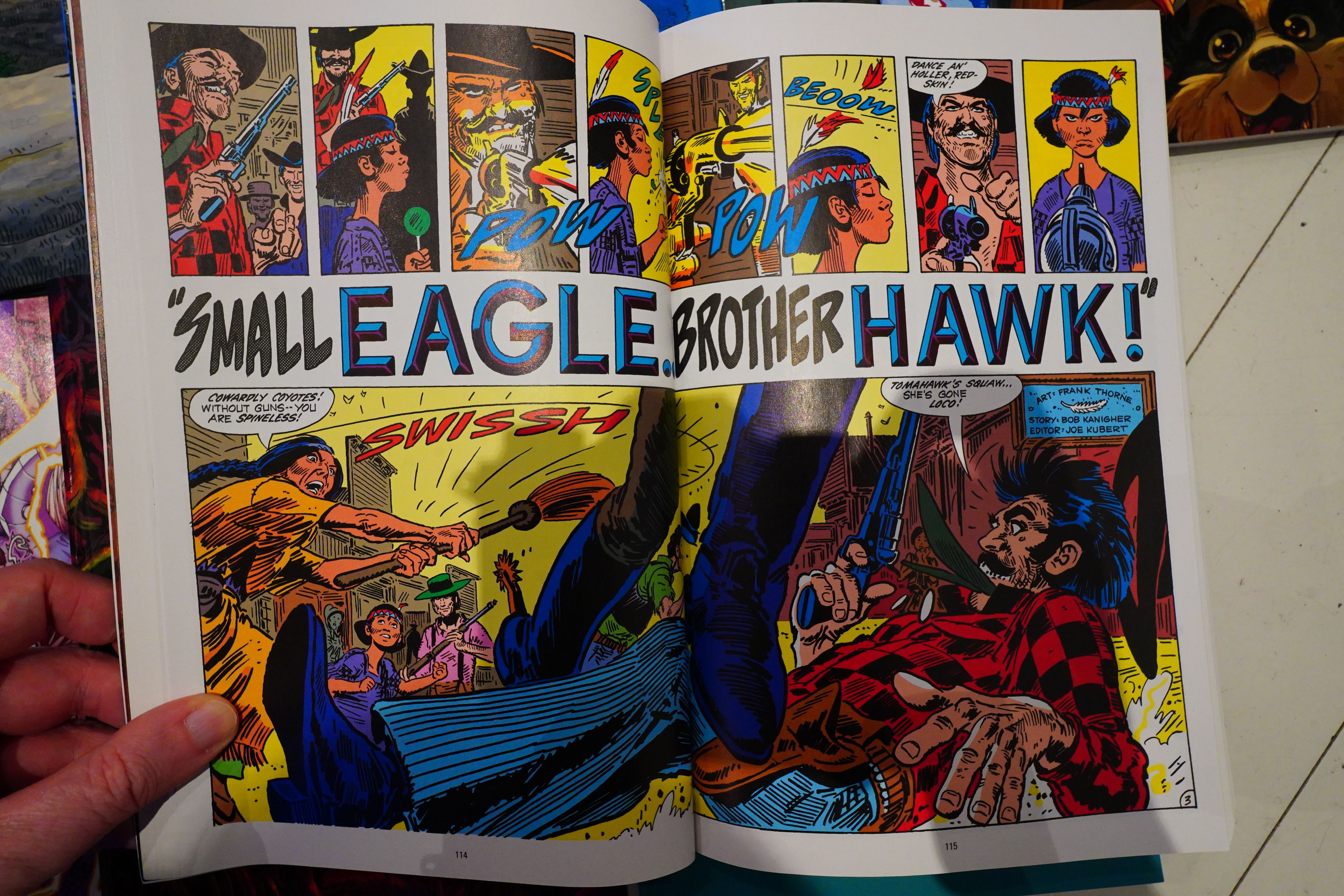
And… is Son of Tomohawk a masterpiece? No, of course not. But it’s pretty darn good! Much better than what you’d expect for with something like this. The stories feel fresh, and Thorne obviously put a lot of work into this — it’s a propulsive read. Kanigher sort of ran out of stories to do towards the end, but it’s very enjoyable.
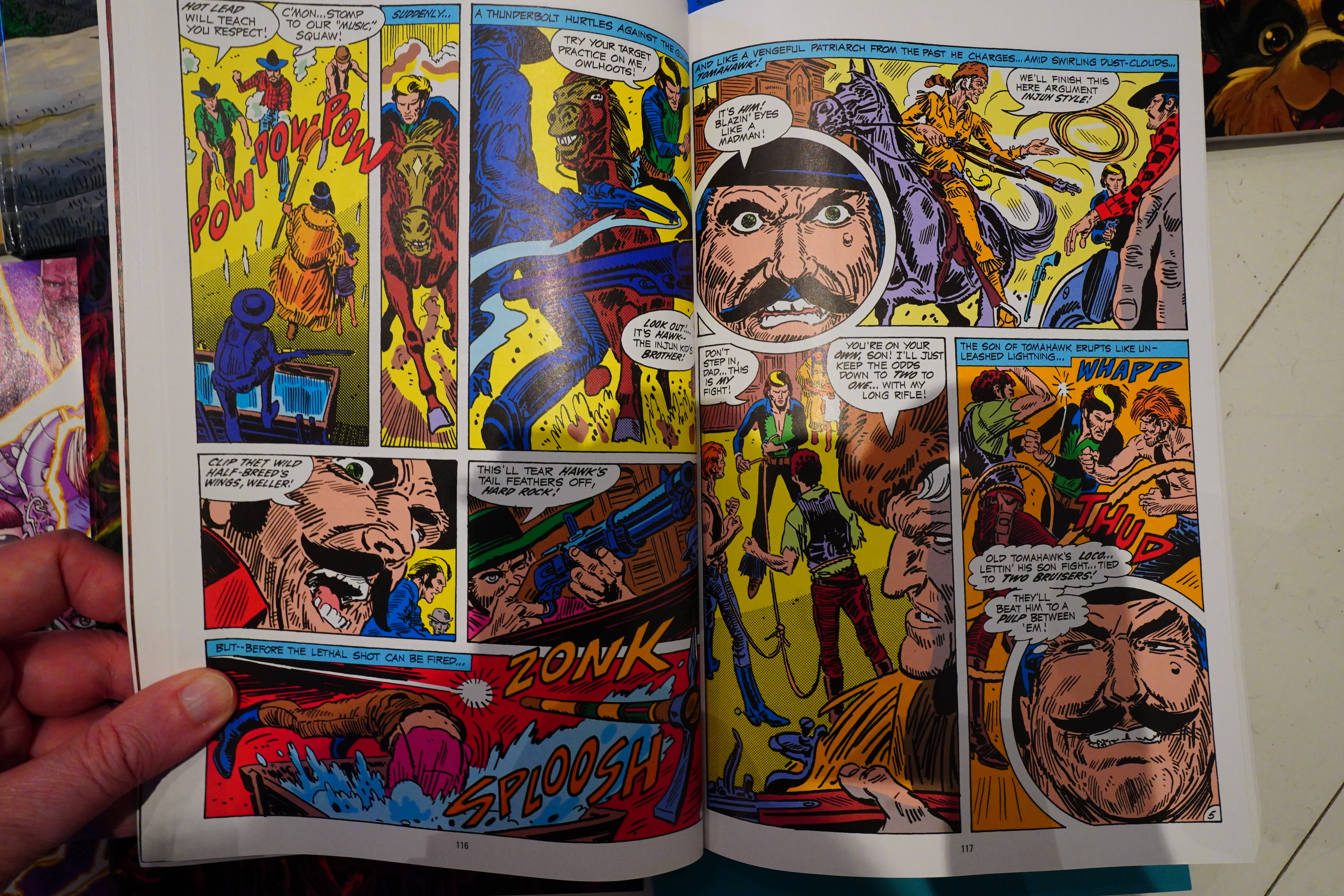
Have you noticed that DC artists (in the 70s) basically were in one of two camps? You had Neal Adams and all his imitators, and then you had the Joe Kubert school (heh heh) of art, and this book is 90% the latter. So Kubert himself, Thorne, Grey Morrow, Gil Kane in his grittier mode… It suits these stories very well, if course.
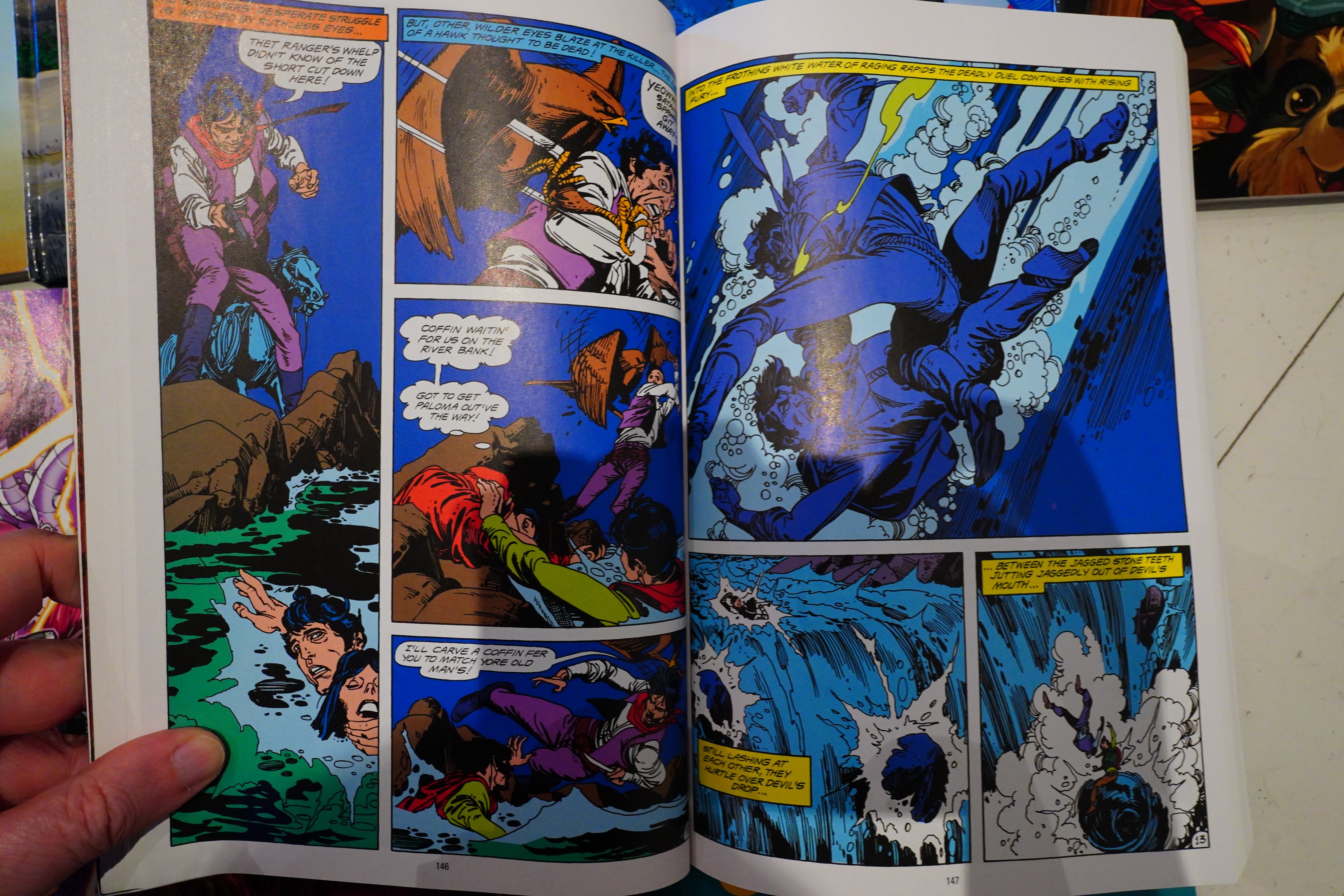
So these stories look swell.
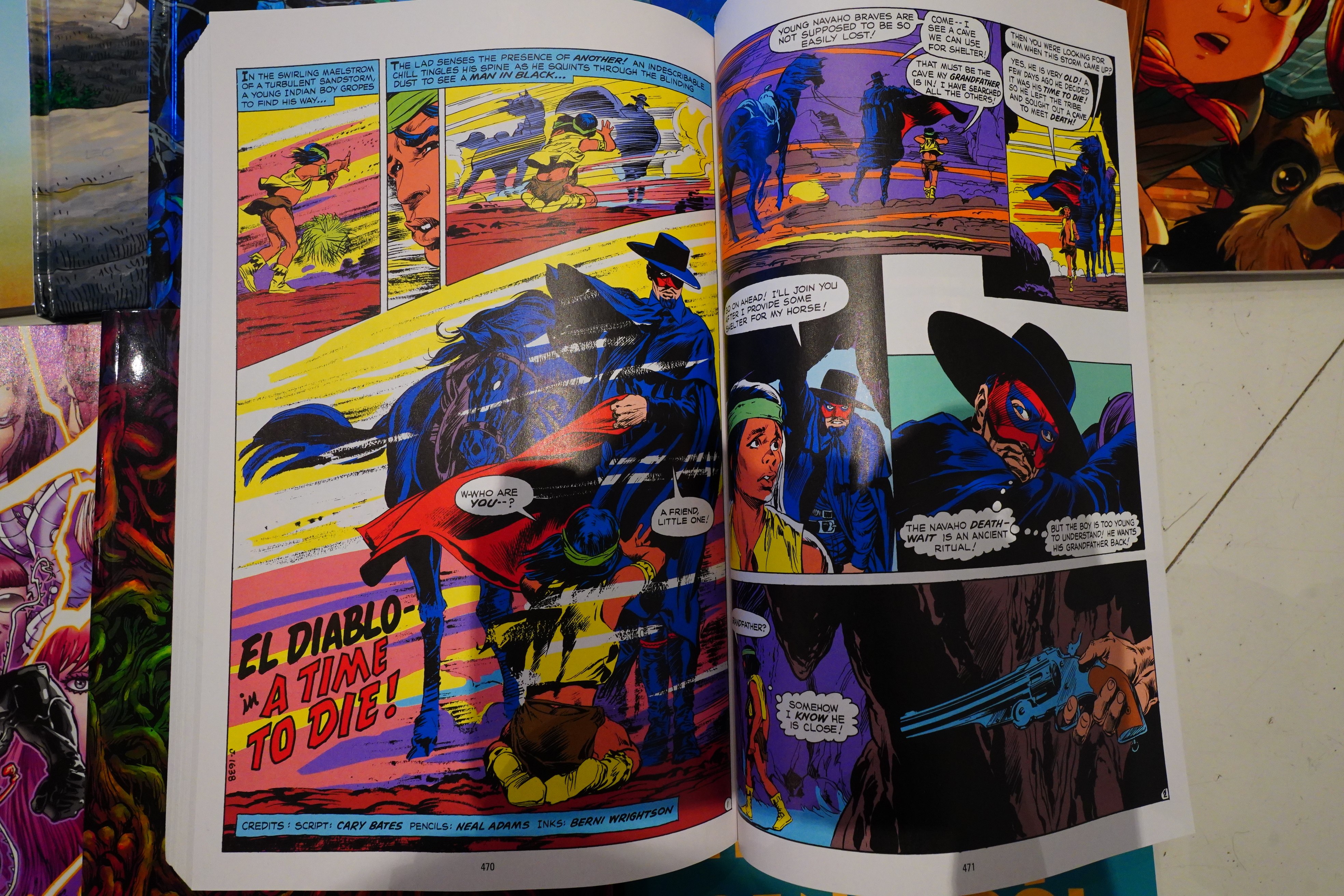
It’s also fun to randomly stumble over a story pencilled by Adams and inked by Berni Wrightson.
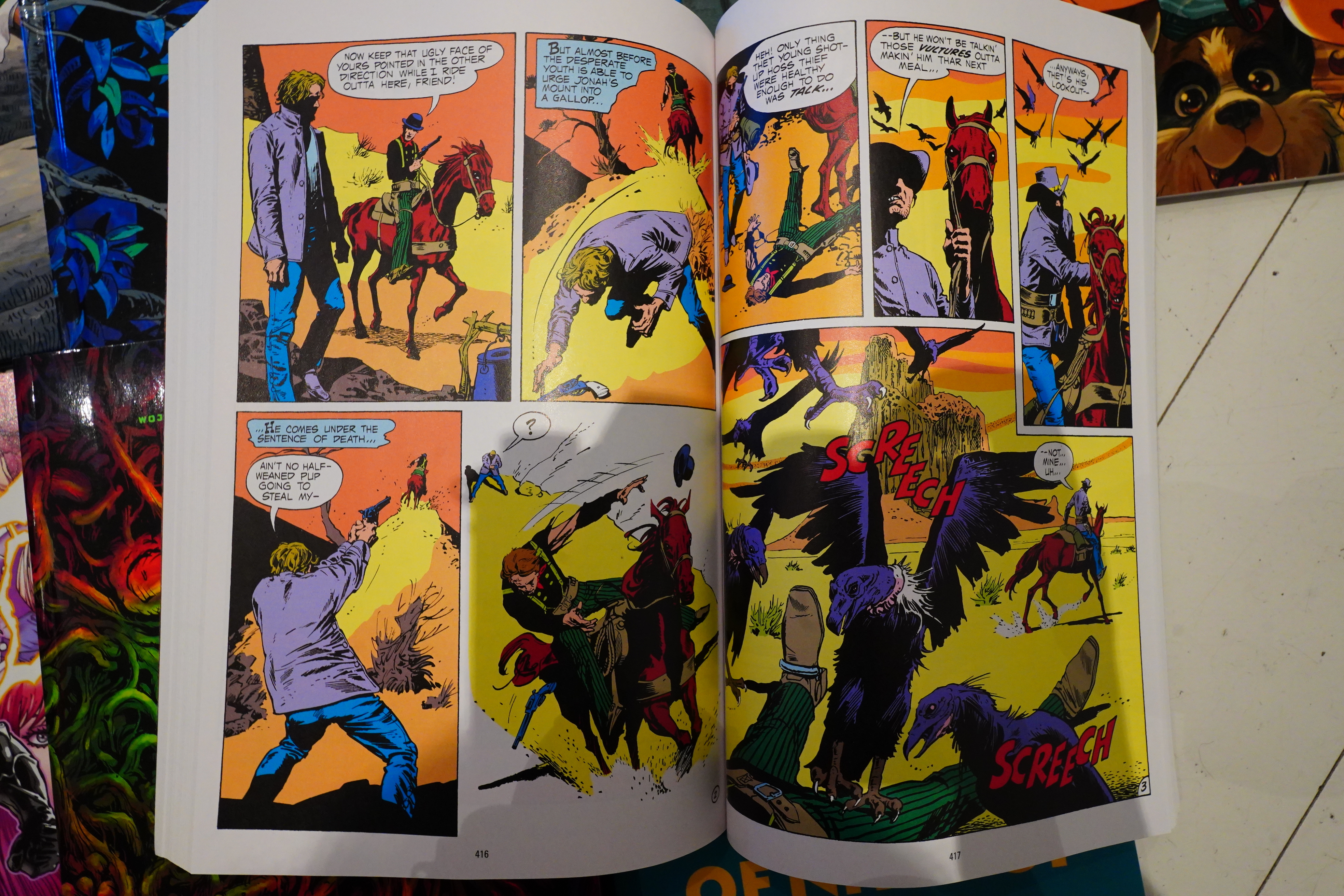
I was also impressed at how varied these stories are. I had the misfortune to read a whole bunch of Marvel westerns from a few years earlier, and they were formulaic to a fault, and were nigh unreadable after reading a couple, just by how boring it got. These pieces, on the other hand, were very entertaining… at least when reading a handful of these per sitting.
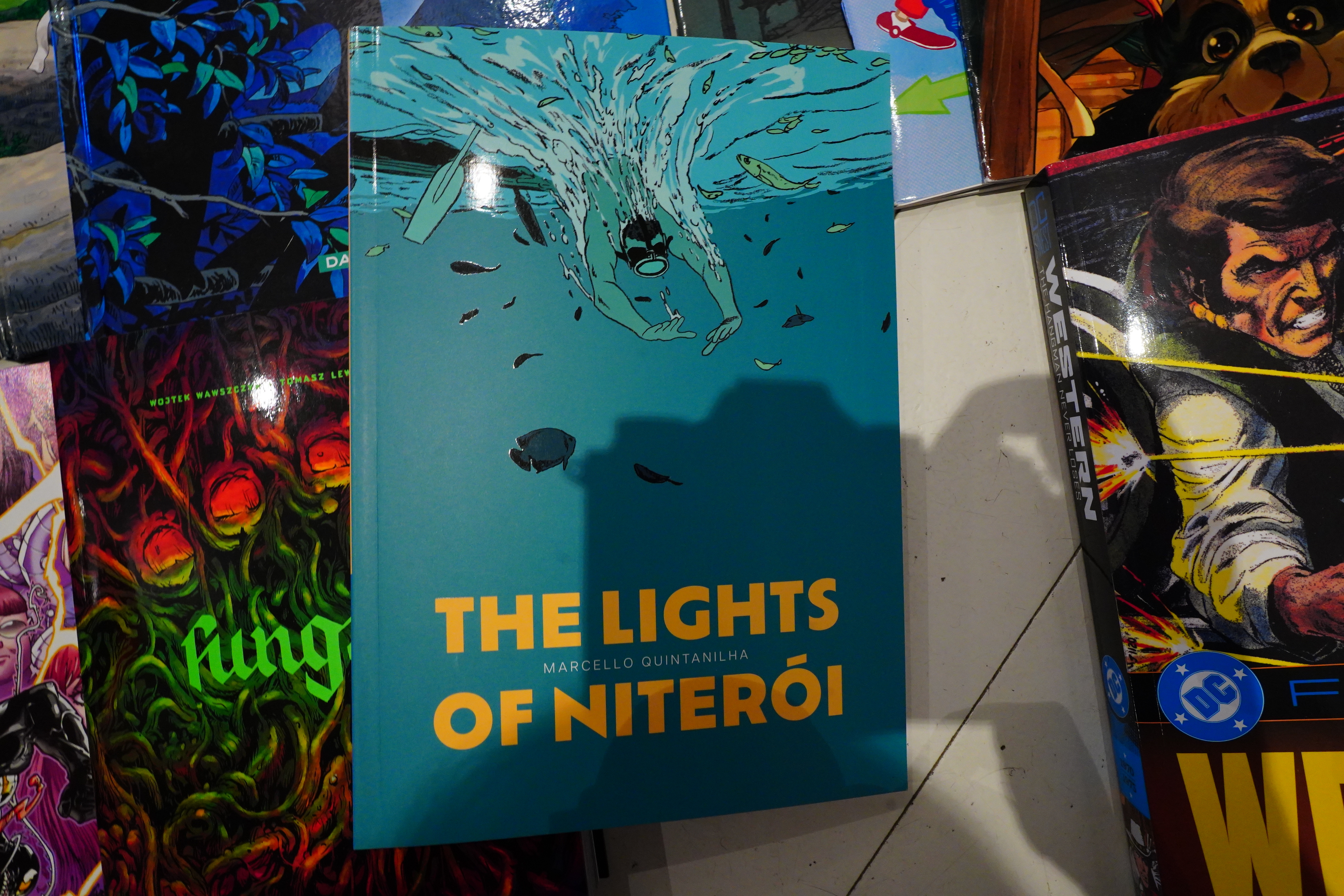
This on the other hand…
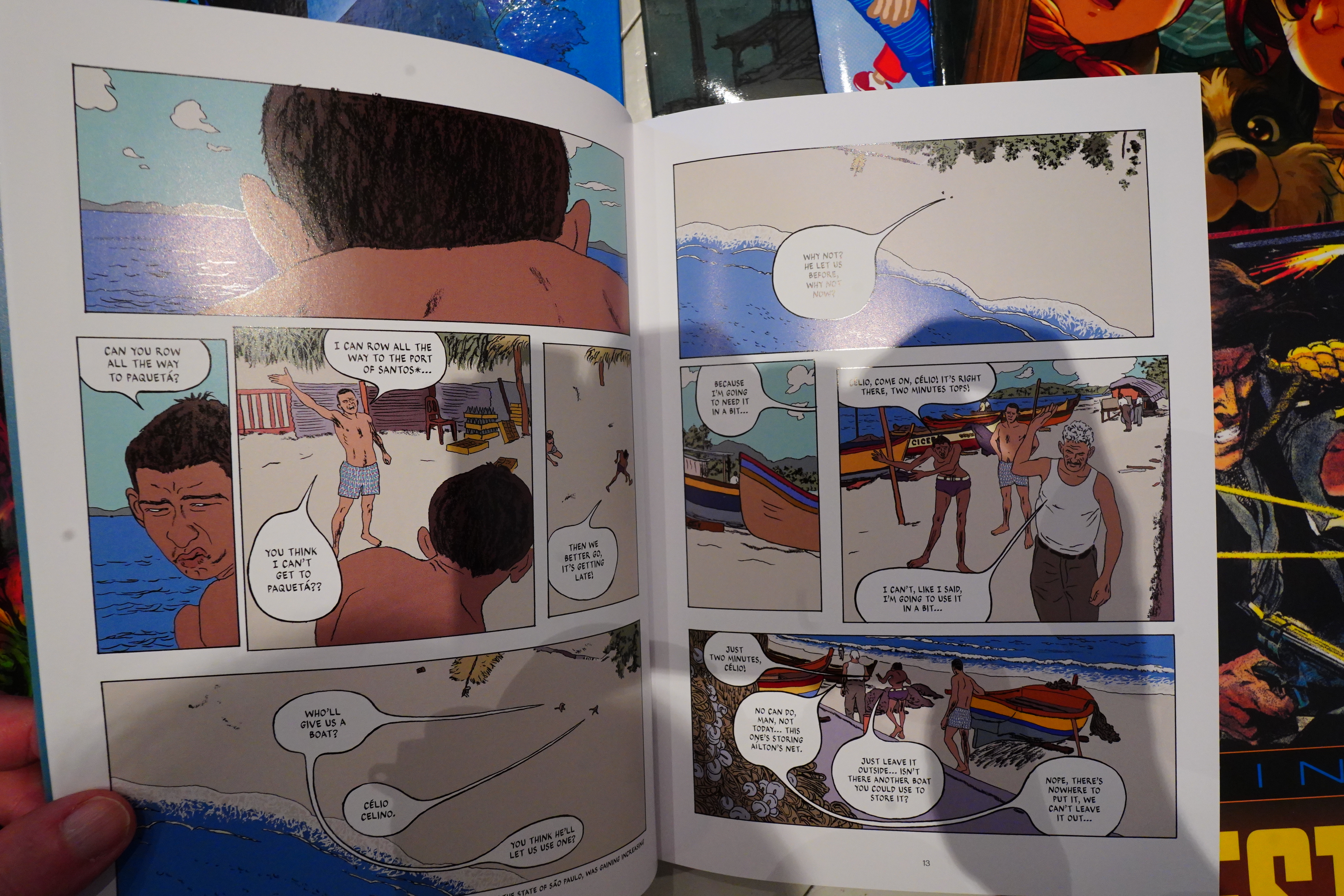
What is it about the translated books Fantagraphics are publishing these days? So many of them seem to come out of the same machine — not very attractively drawn, and with desaturated art, and aggressively middlebrow. It’s like Respectability 101 time. (And how did they get the paper this shiny? It’s almost impossible to snap anything here because of the reflections…)
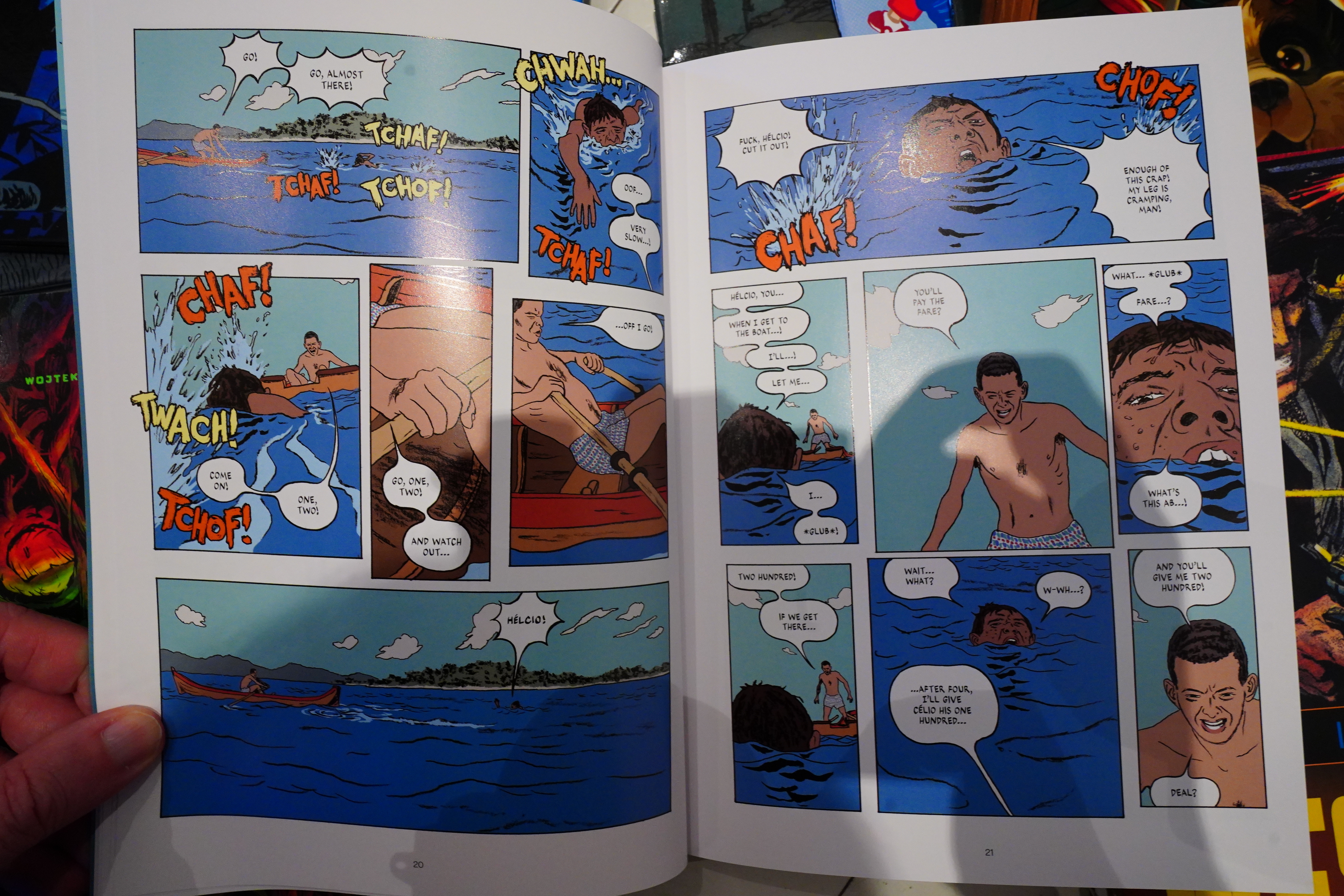
Anyway, I didn’t manage to make it through this one. Very annoying book.
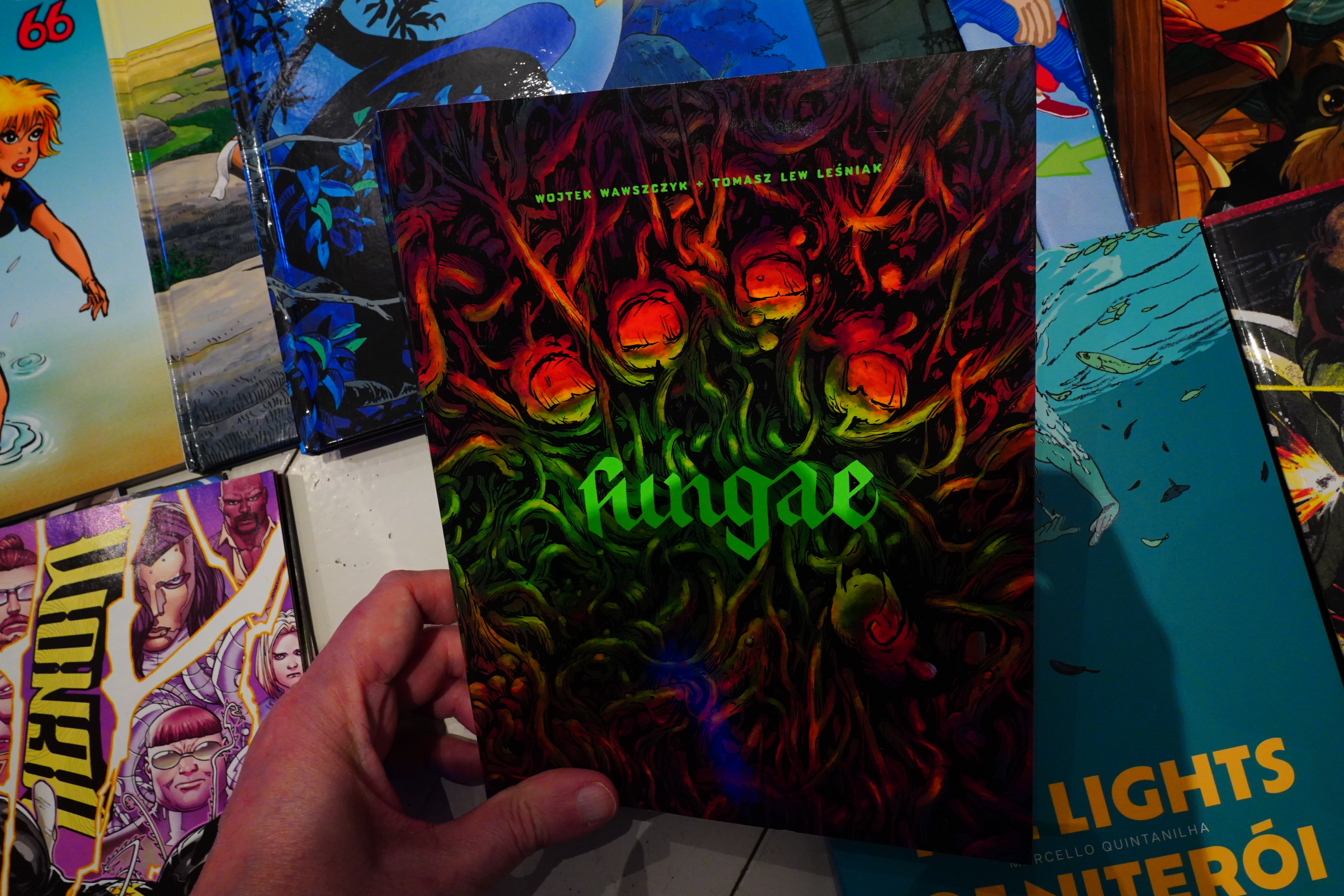
I did make it through this one, also from Fantagraphics.
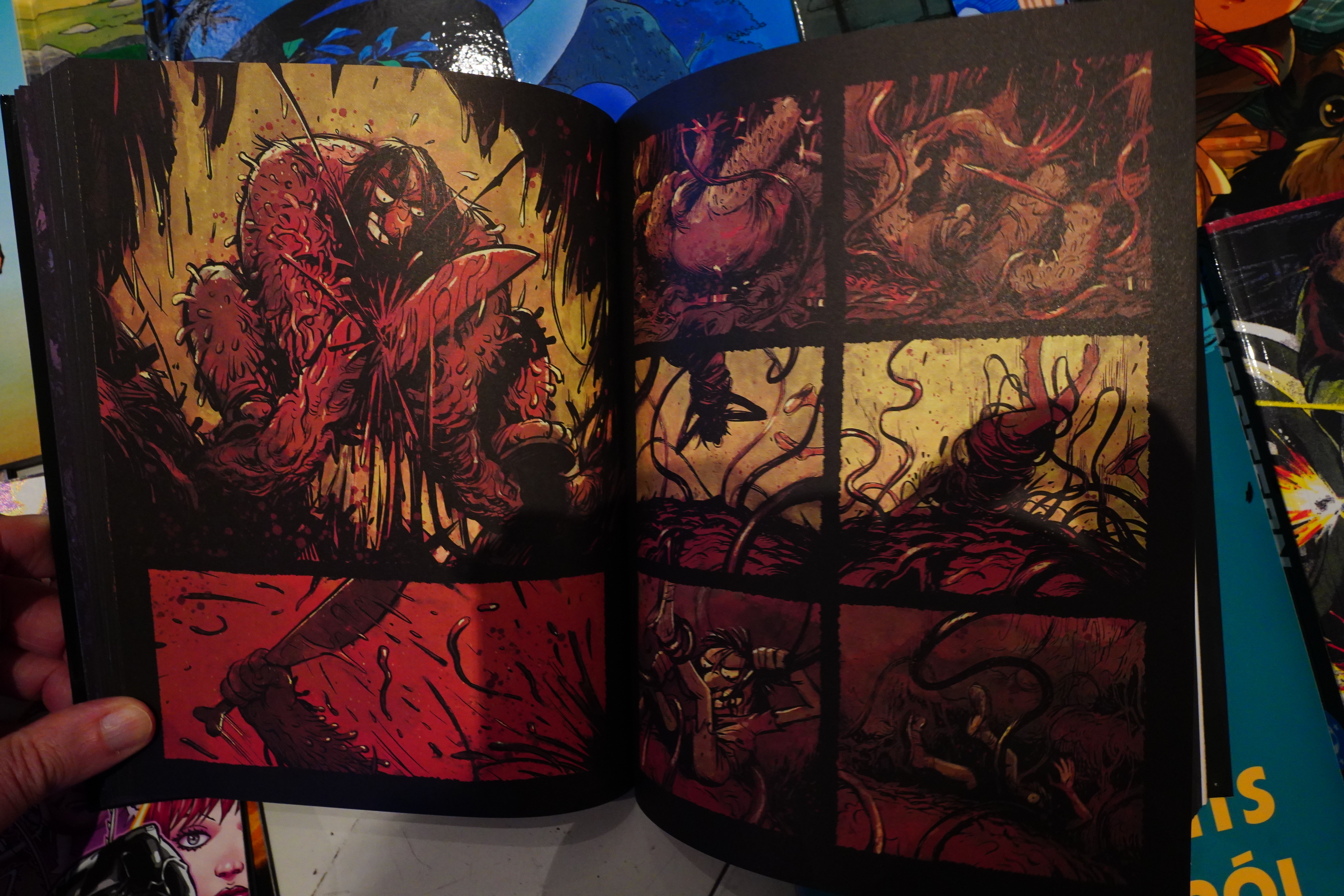
It has the unfortunate reek of metaphor.
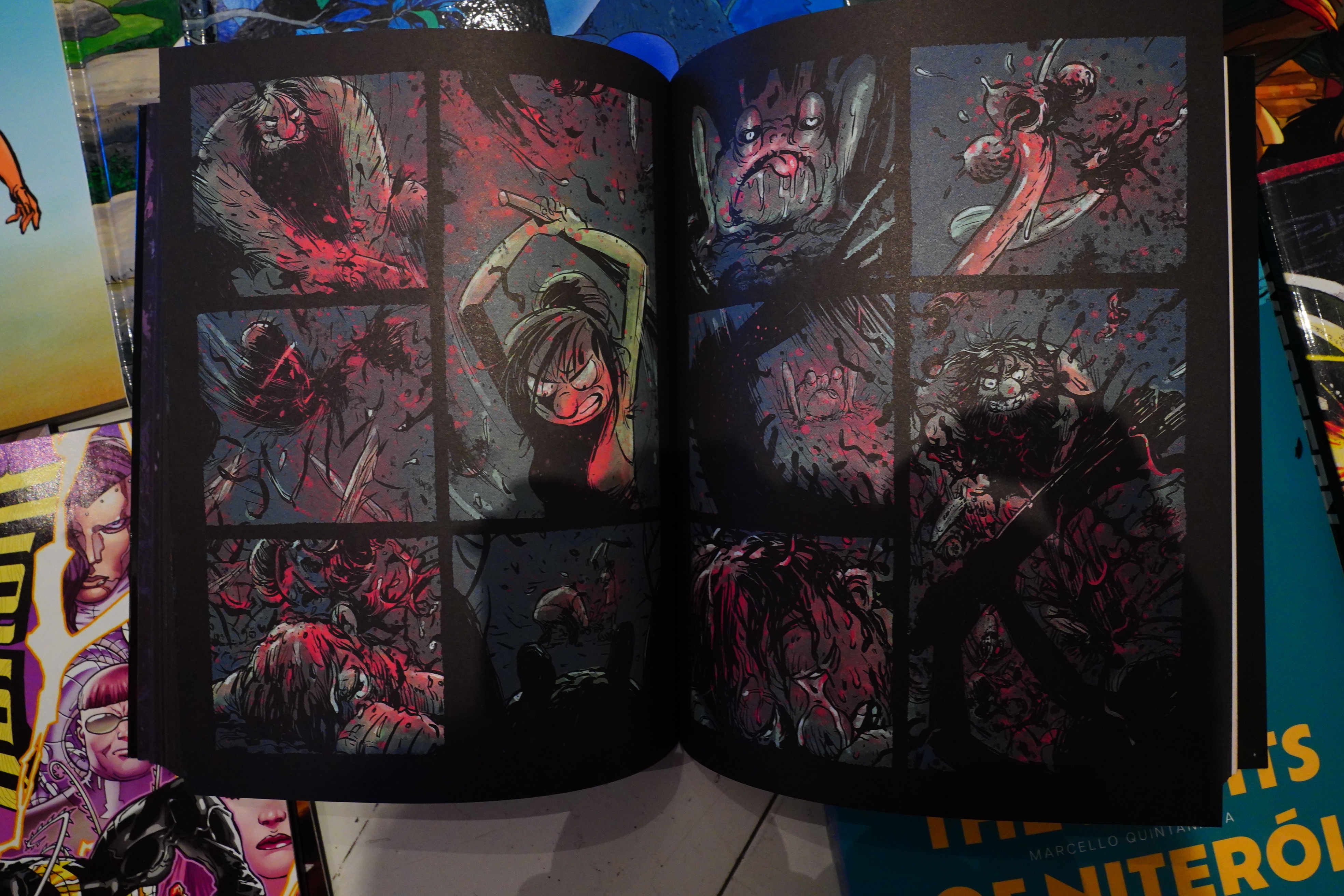
They’re fighting their way through a jungle! Endless! So symbolic!
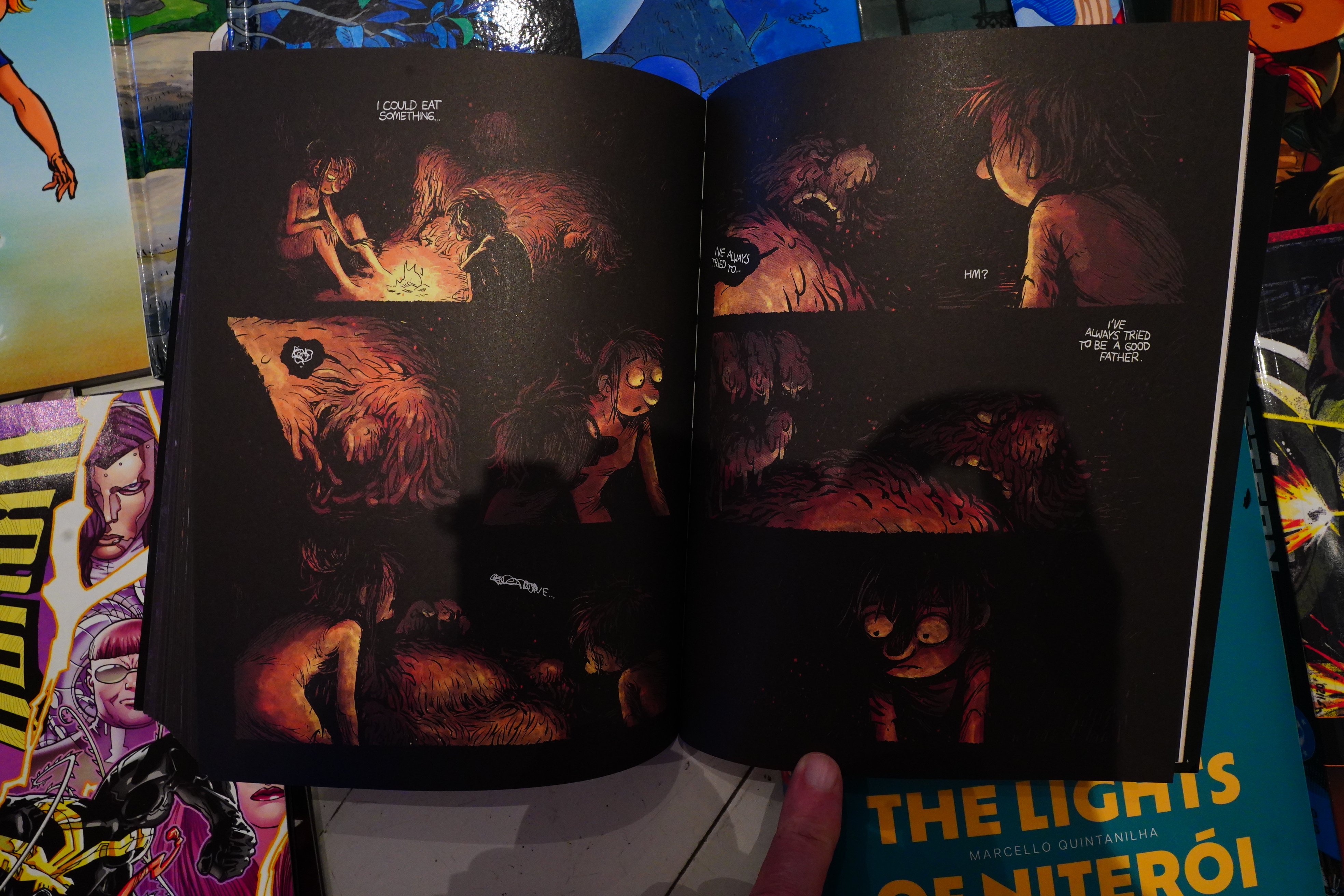
I mostly felt bad for the artist who had to draw hundreds and hundreds of pages after the writer had turned in a half-assed script that feels like it took all of thirty minutes to write. That’s how much depth it has.
But perhaps it took longer to write, in between playing video games.
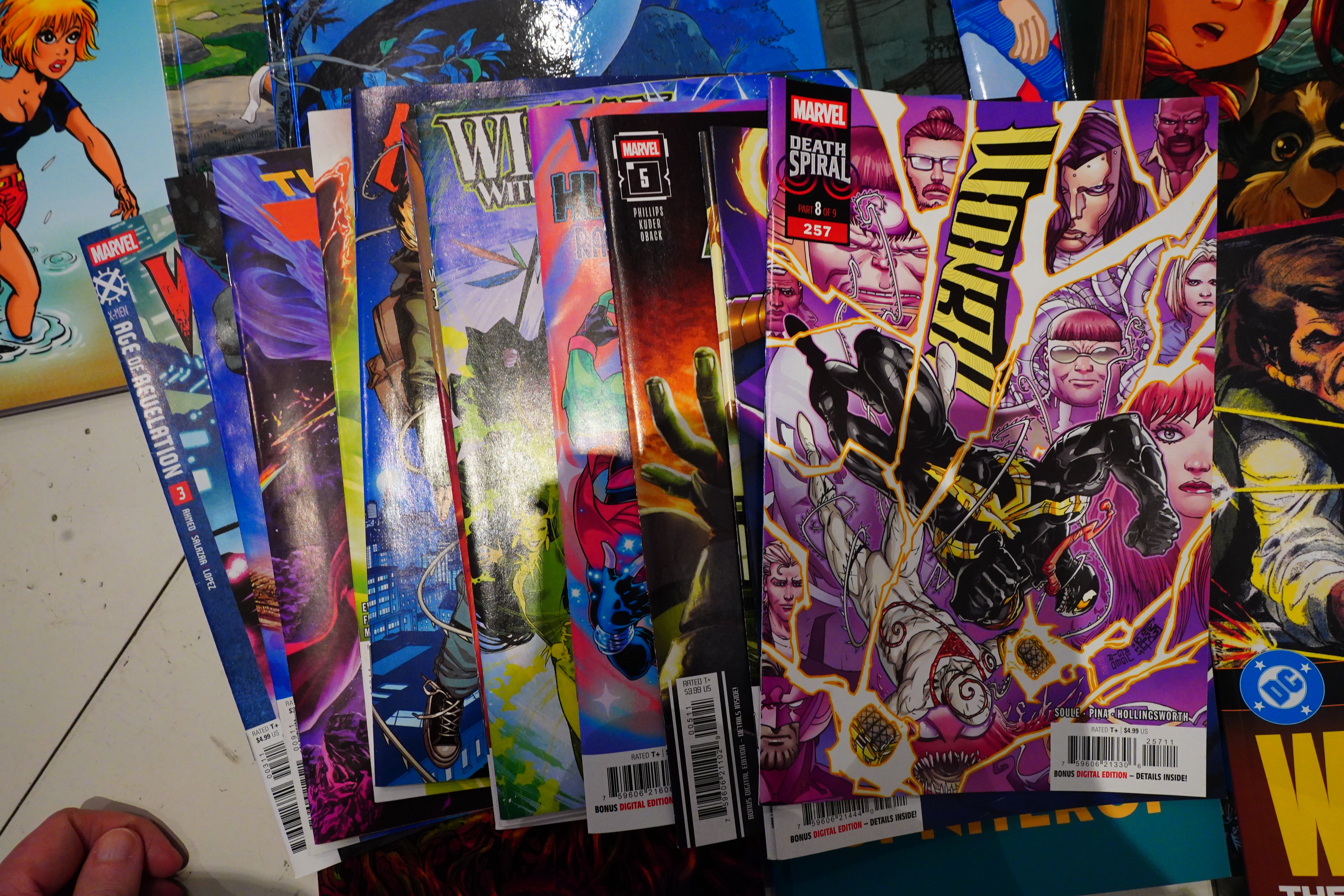
And I read a li’l stack of super-hero books. Anything of note?
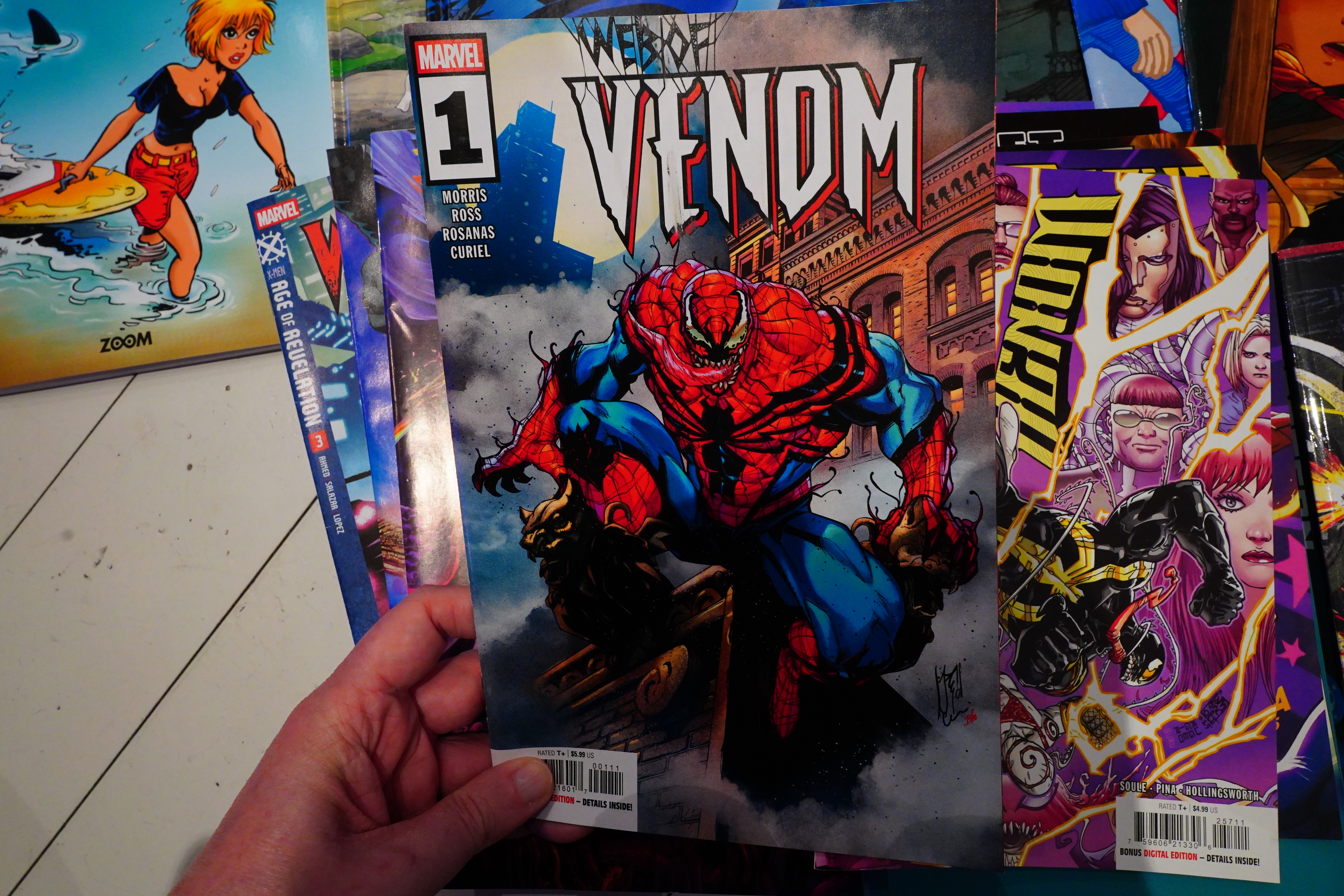
Not really, but I enjoyed Web of Venom #1.
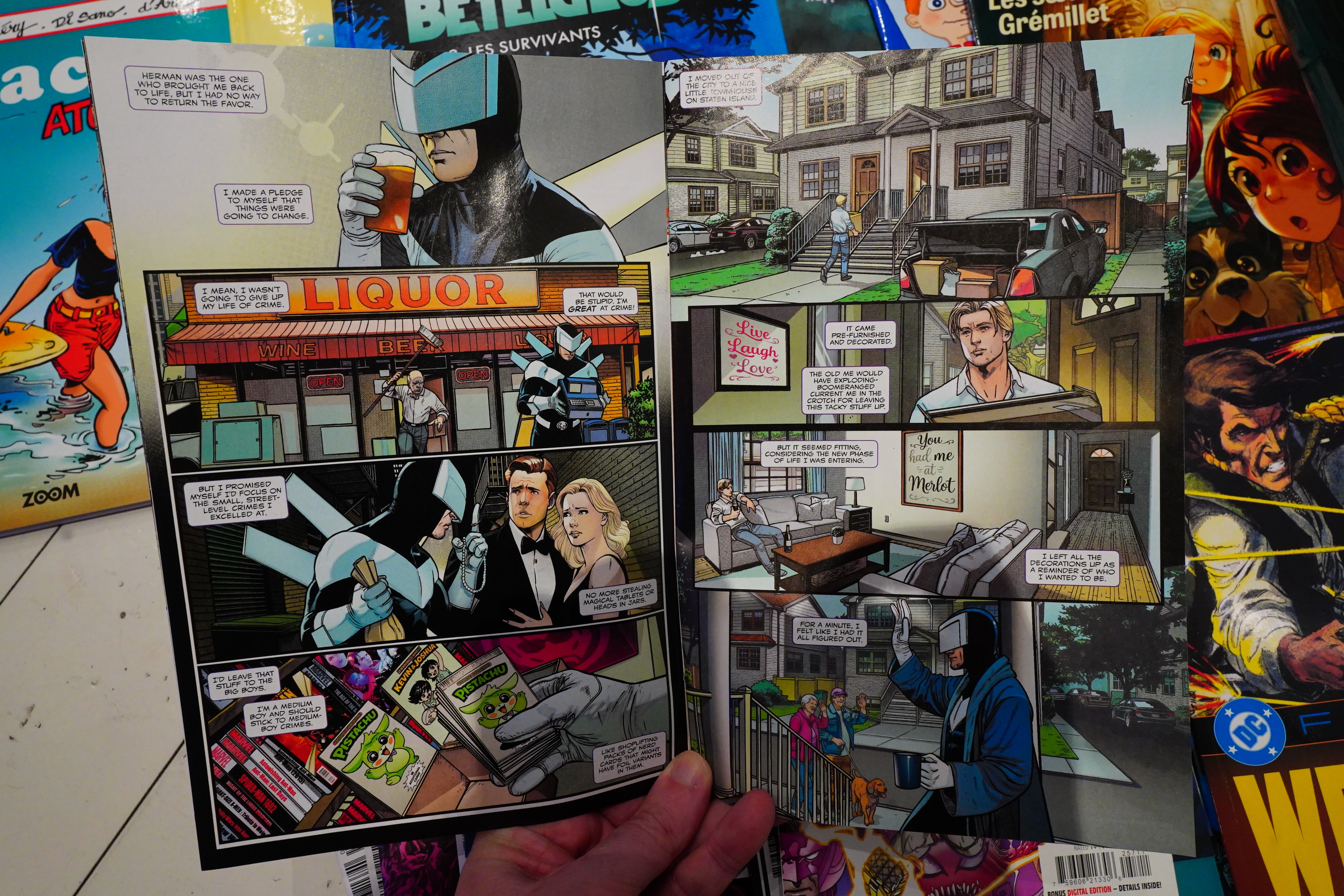
It’s very amusing.
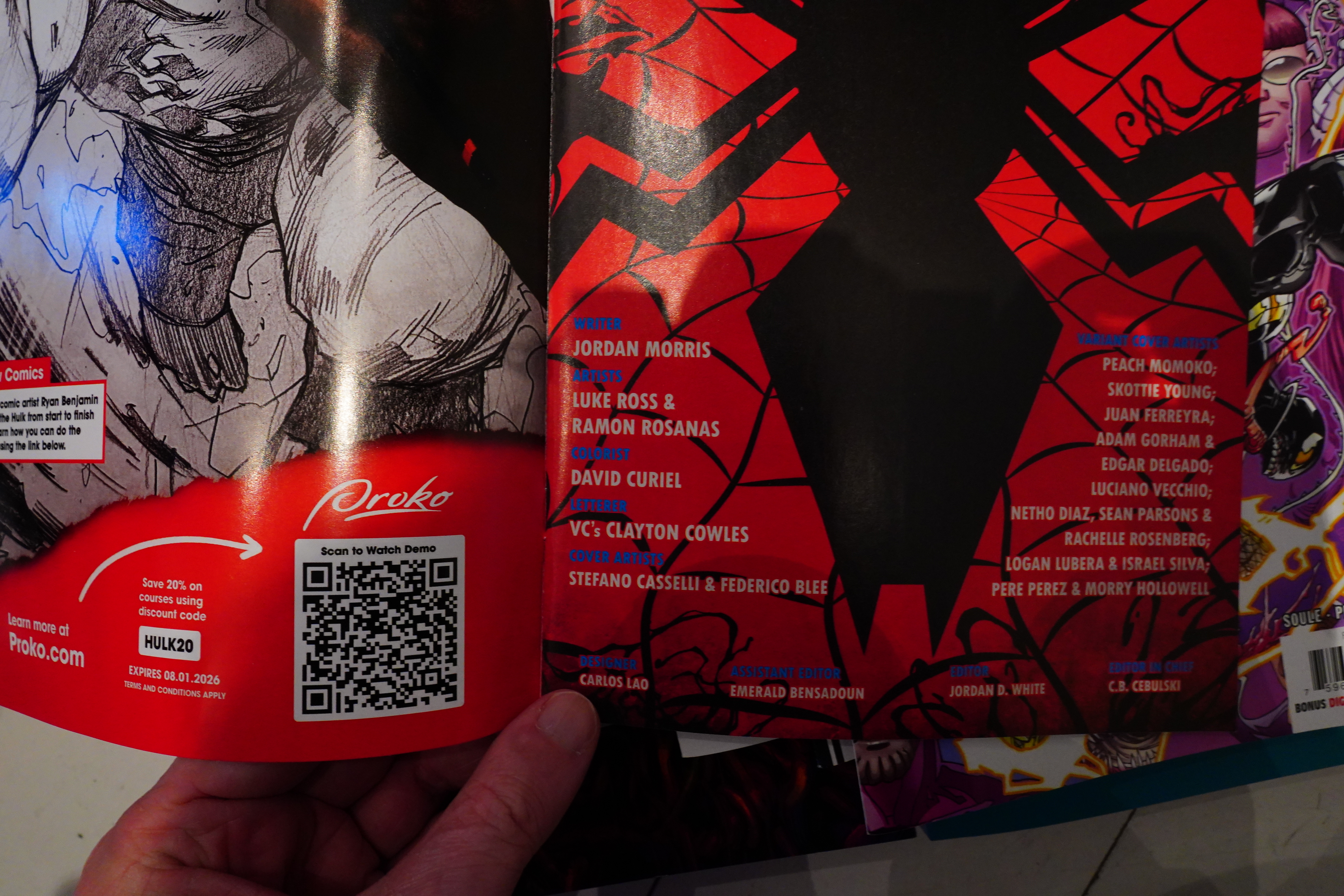
Written by Jordan Morris… not a name that’s familiar to me, but I guess I should start keeping a lookout for more books from Morris.
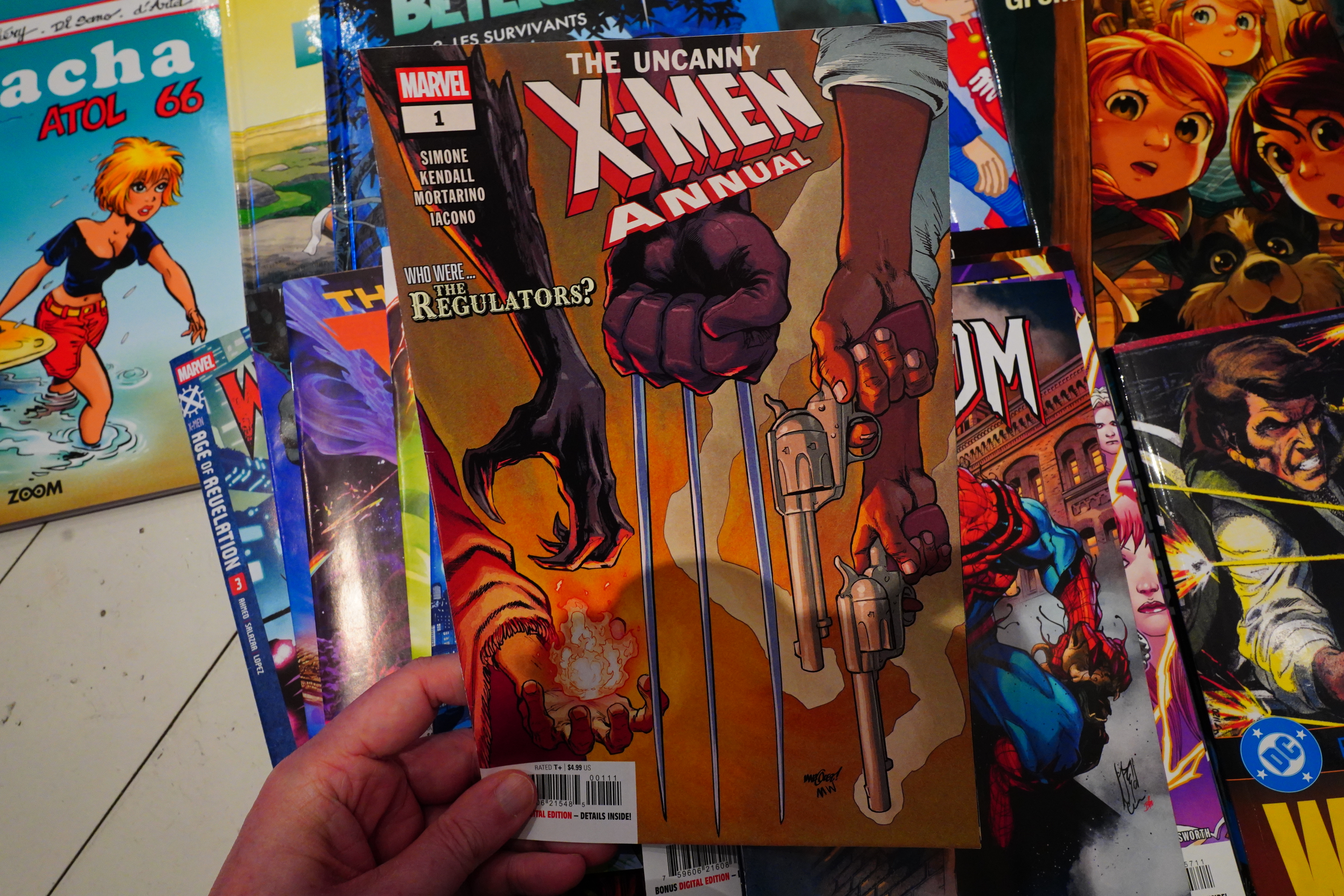
Since I said what the best of them was, I guess I should say what the worst one was. So many to choose from, though, but I’ll go with The Uncanny X-Men Annual #1.
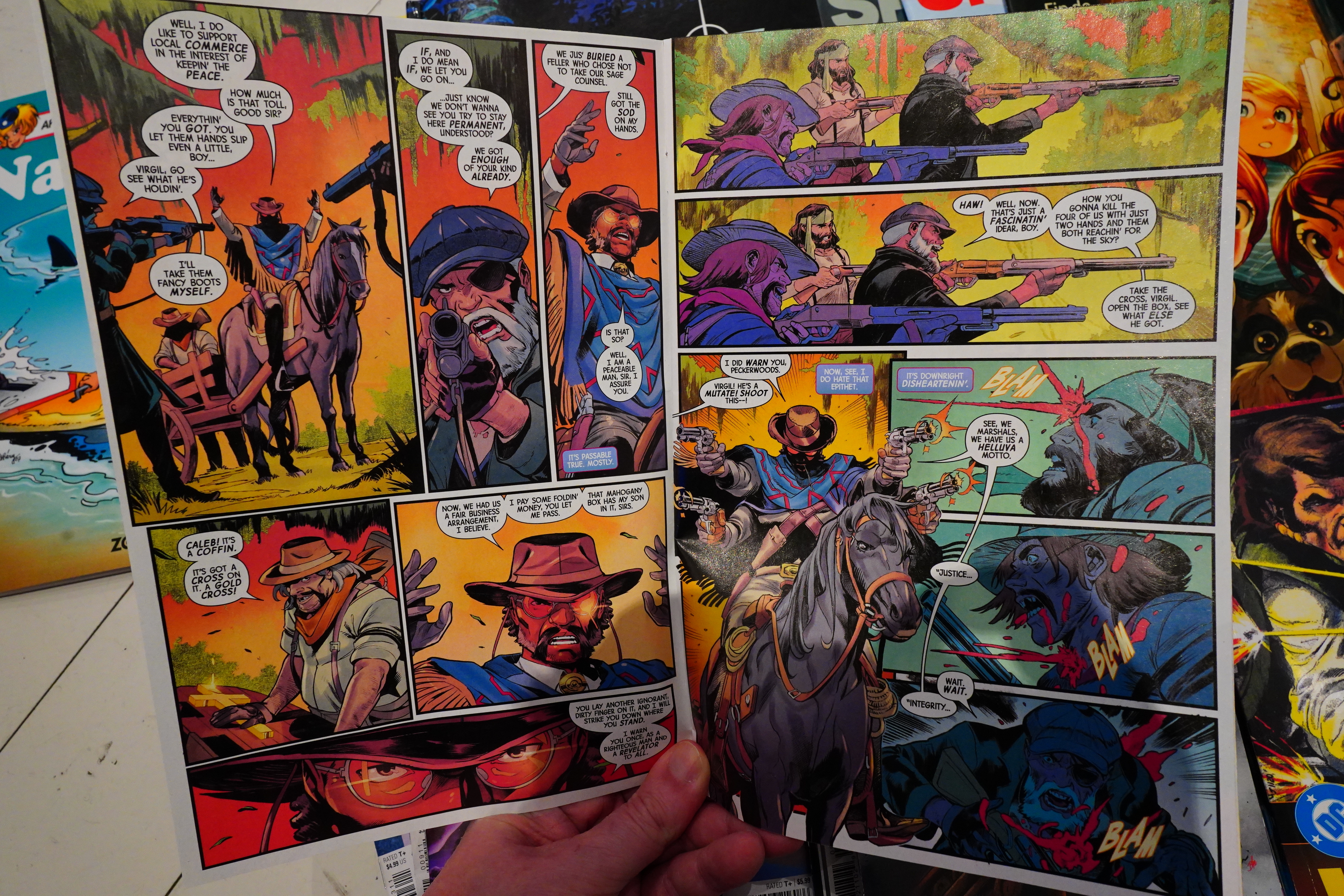
It’s just cringe worthy.
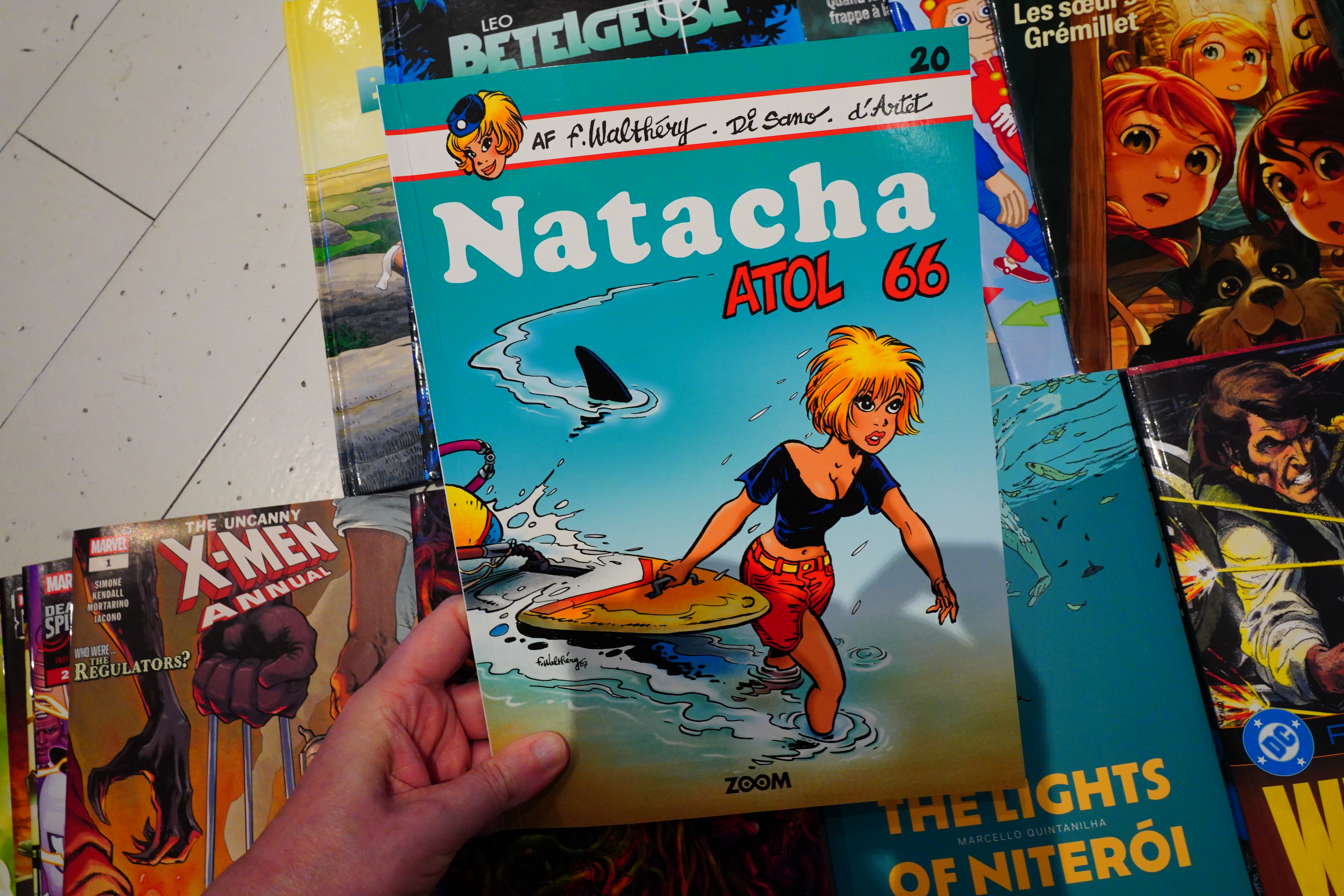
I assumed that this was a new album, but it’s from 2007, but newly translated. The Natacha series is very variable, but it’s sometimes great fun.
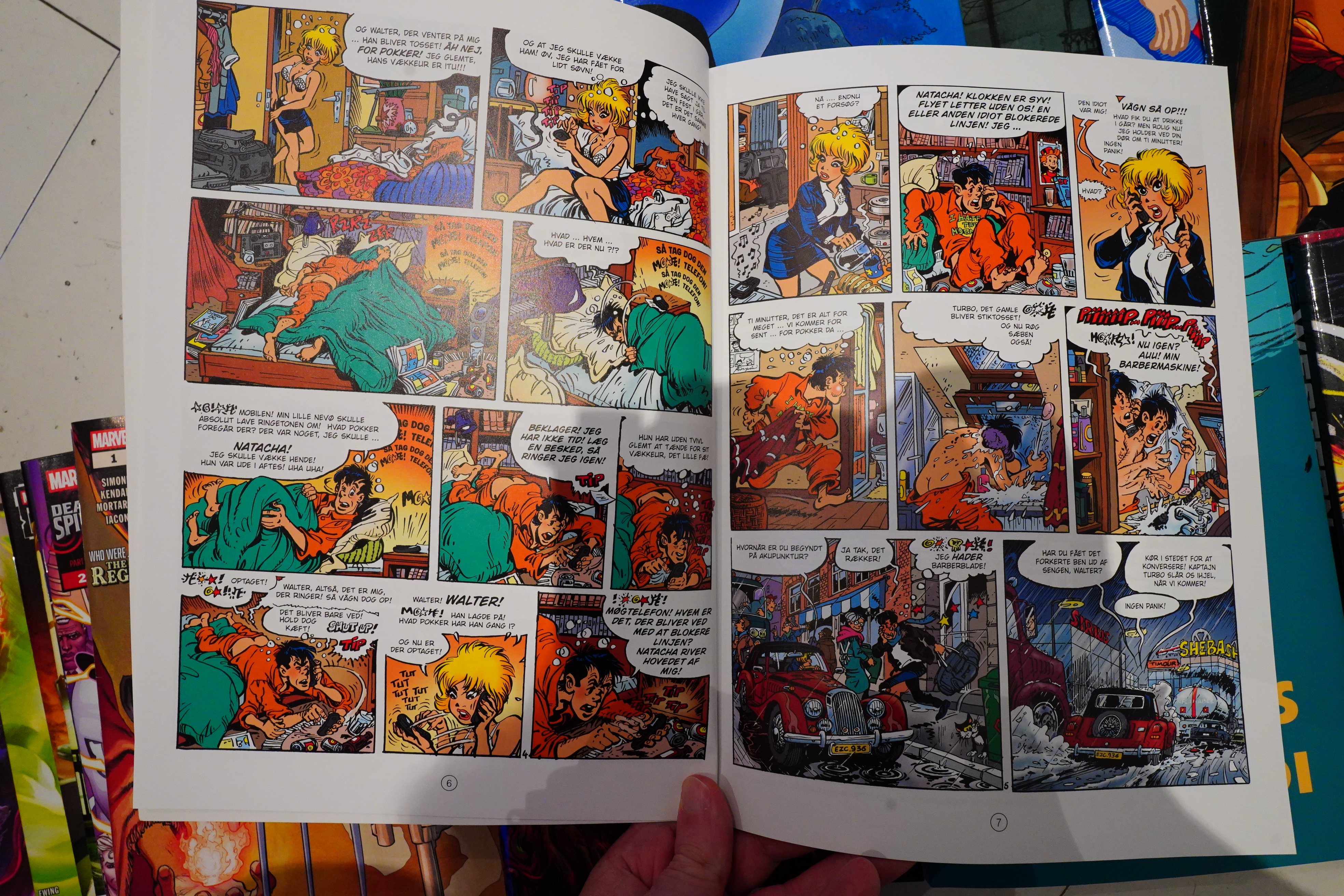
And Wathery is a solid artist… but there’s probably a reason this hasn’t been translated before.
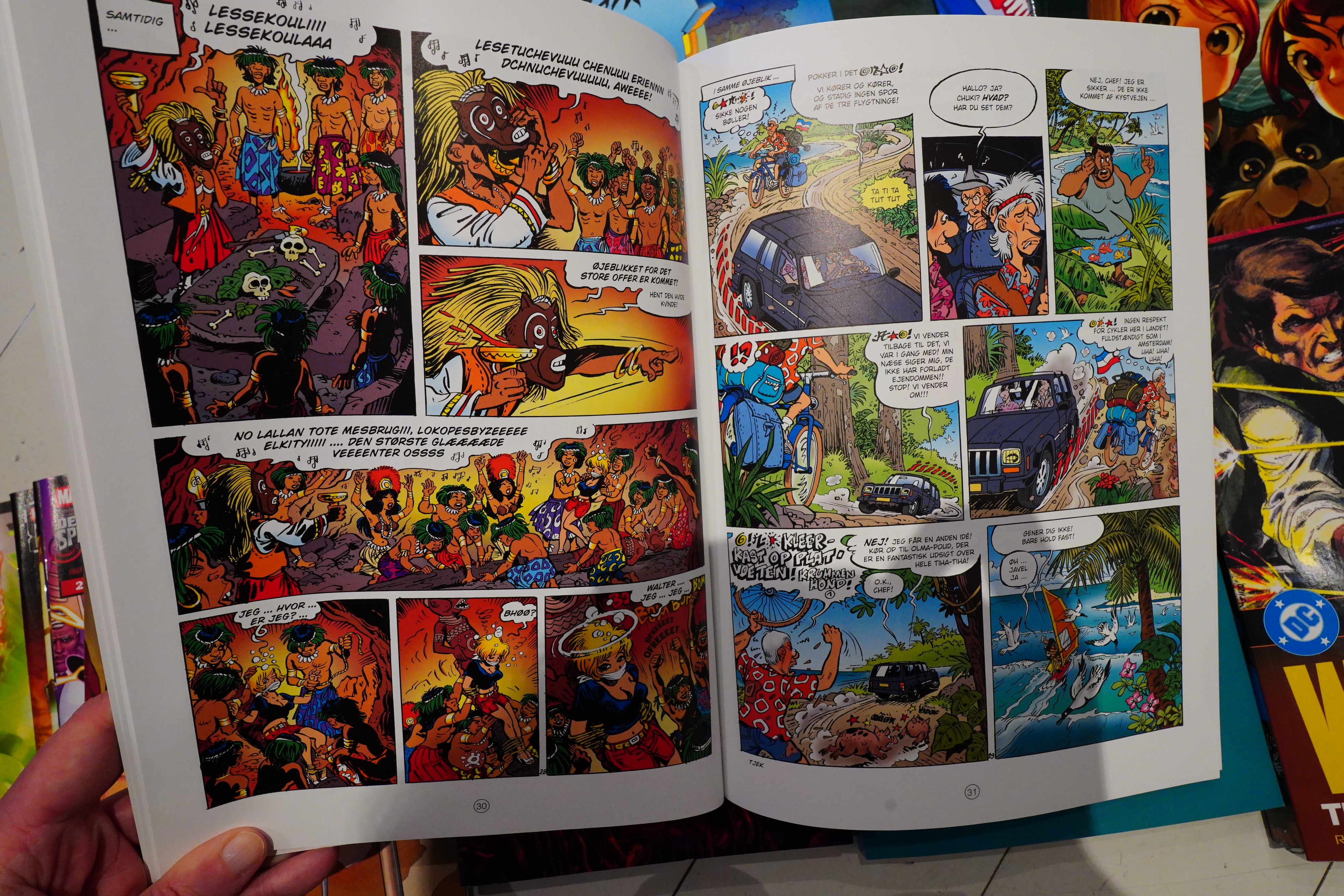
It’s just very chaotic. Walthery starts the intensity at MAX and then holds it there for the entire album. It’s defatigant.
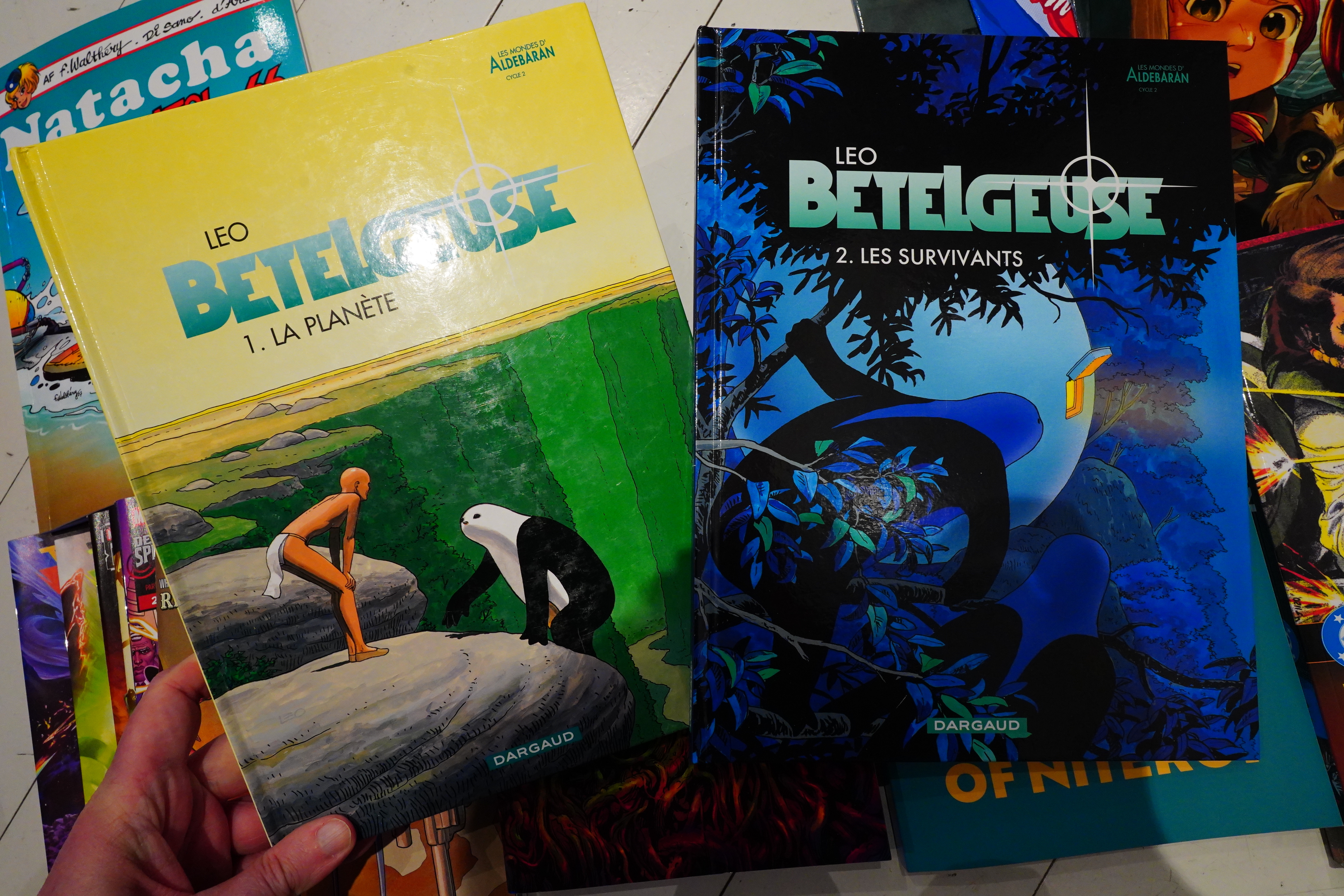
Speaking of French… I’ve read much of this series by Leo before, but I happened upon the first one here in a used bookstore, and I found it so relaxing to read in French that I ordered the rest from bdfugue.
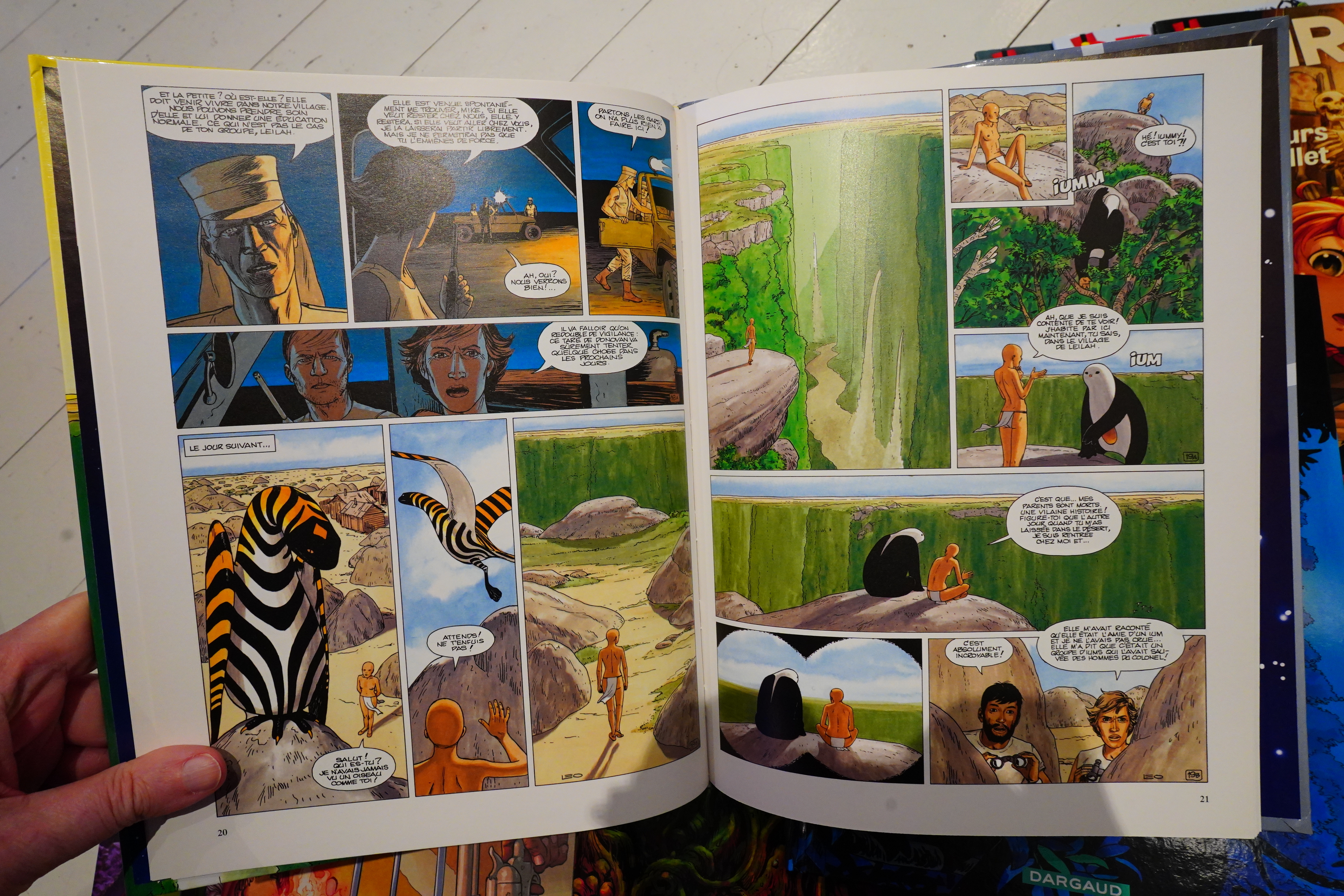
The thing with Leo is that he has no — zero — sense of humour. There are no jokes, no wordplay and no slang. This makes it totally ideal for a beginner in French to read. These albums are some of the few where there usually isn’t a single sentence I don’t understand (although there are some words I have to guess at from the context, so I’m still learning while reading).
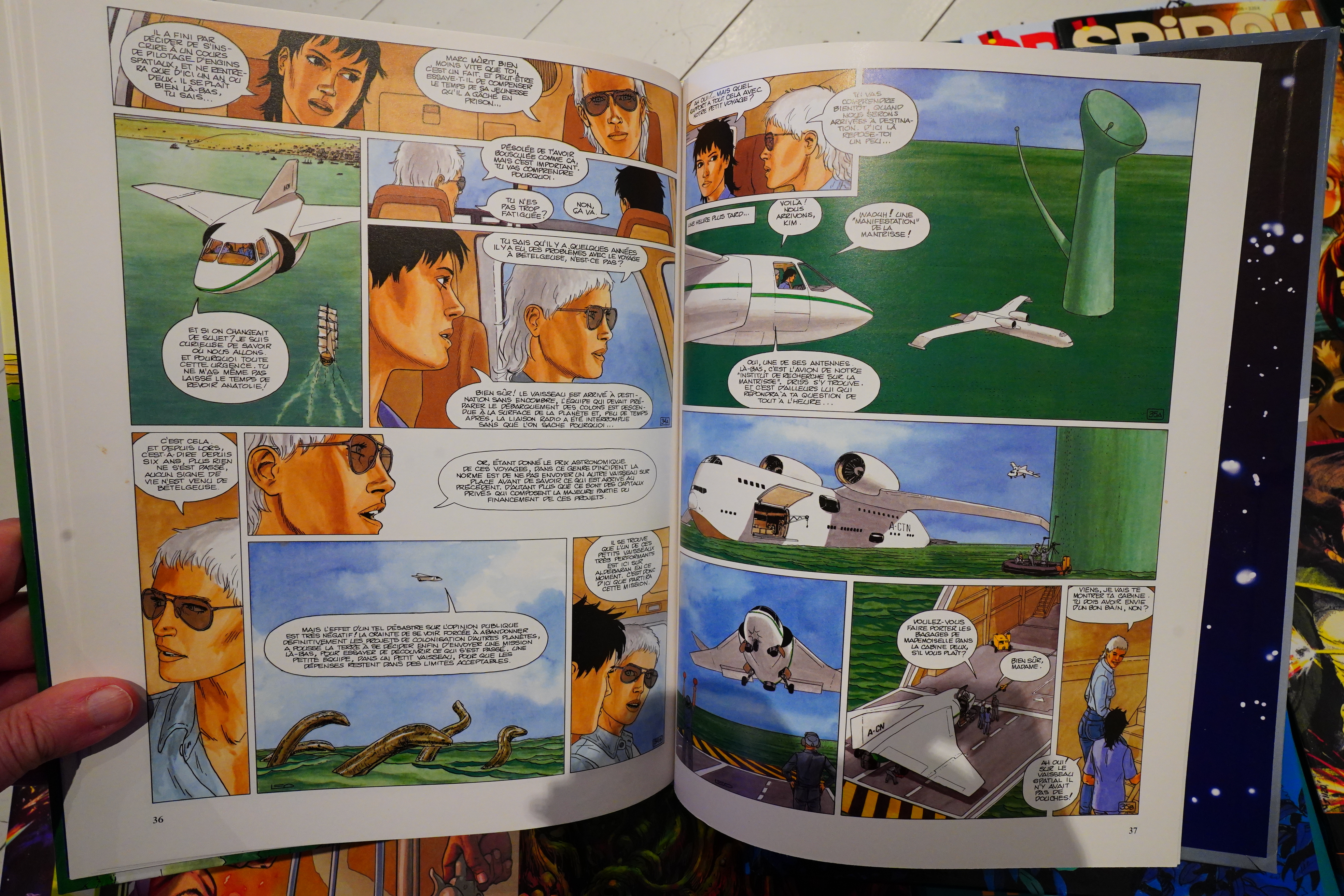
The other thing is that these books are so… science fictioney. They have all these strange and unnerving concepts that Leo keeps embroidering on and revealing more and more about. It’s no wonder these books are hugely popular.
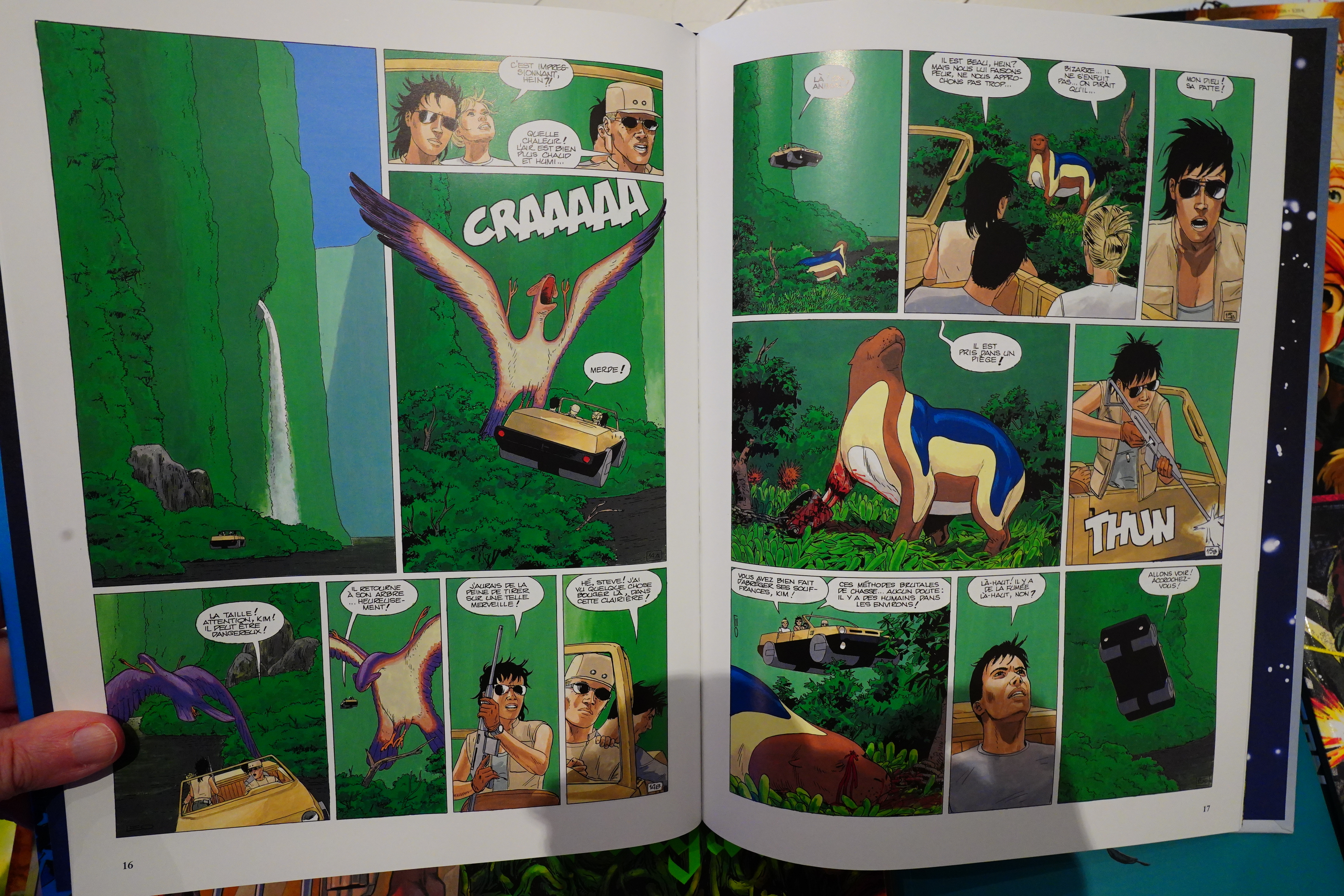
And the artwork is extremely appealing. All these strange creatures, the vibrant colours, and the scale of the environs…
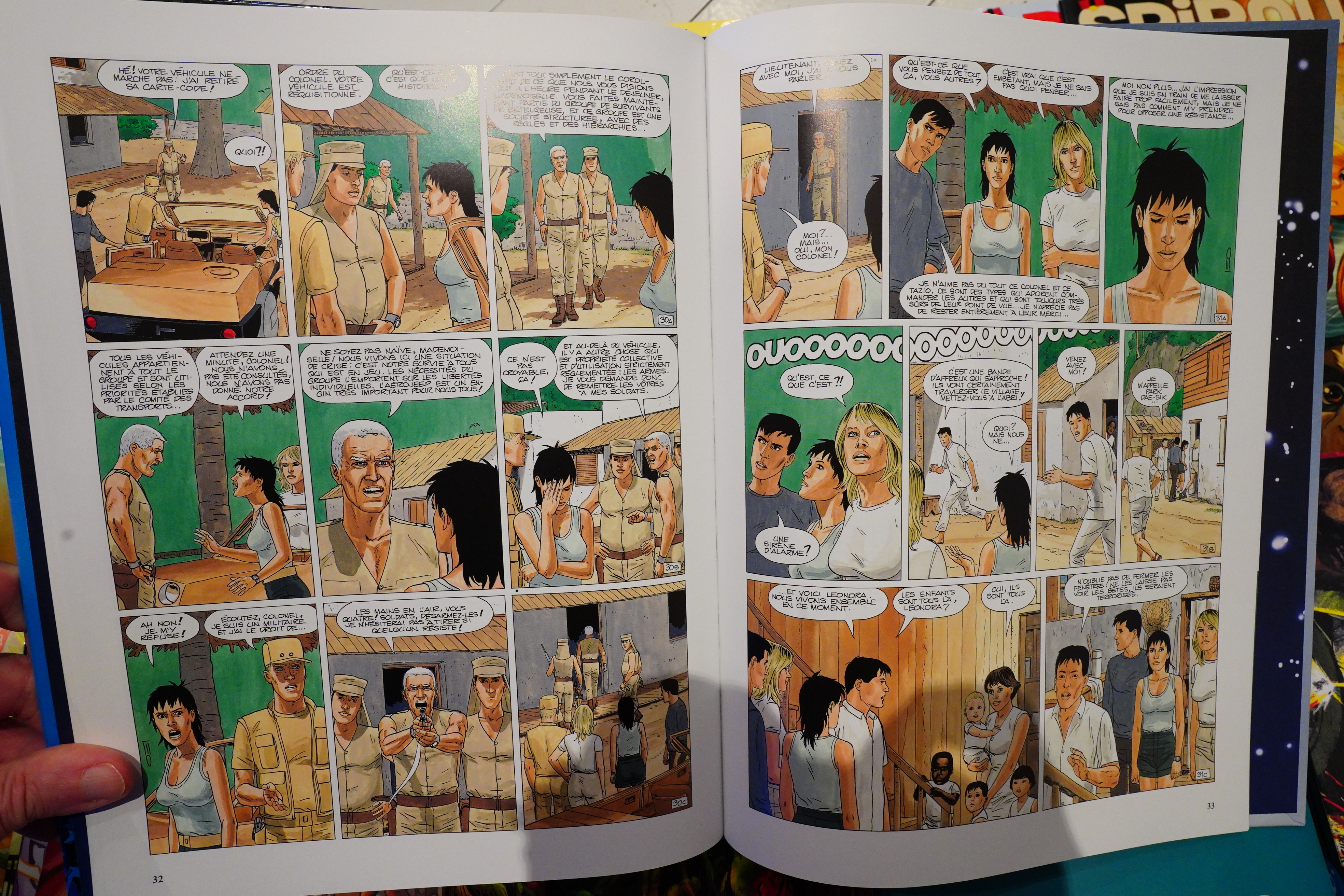
His only problem artwise is that he basically has one human form that he likes to draw for 90% of his characters: Slim and tall, and they have these narrow faces. Still, Leo manages to make them all distinguishable by varying hairdos, hair colour and dress.
Another thing — “ce n’est pas croyable, ça!” — Leo’s go-to villain is (usually) The Patriarchy: Our heroes often find themselves in societies/villages that are ruled by men who have decided that they control everything, and the way they seize control is always nightmarish, but oh so familiar. It’s great! (Don’t worry, they’re always defeated.)
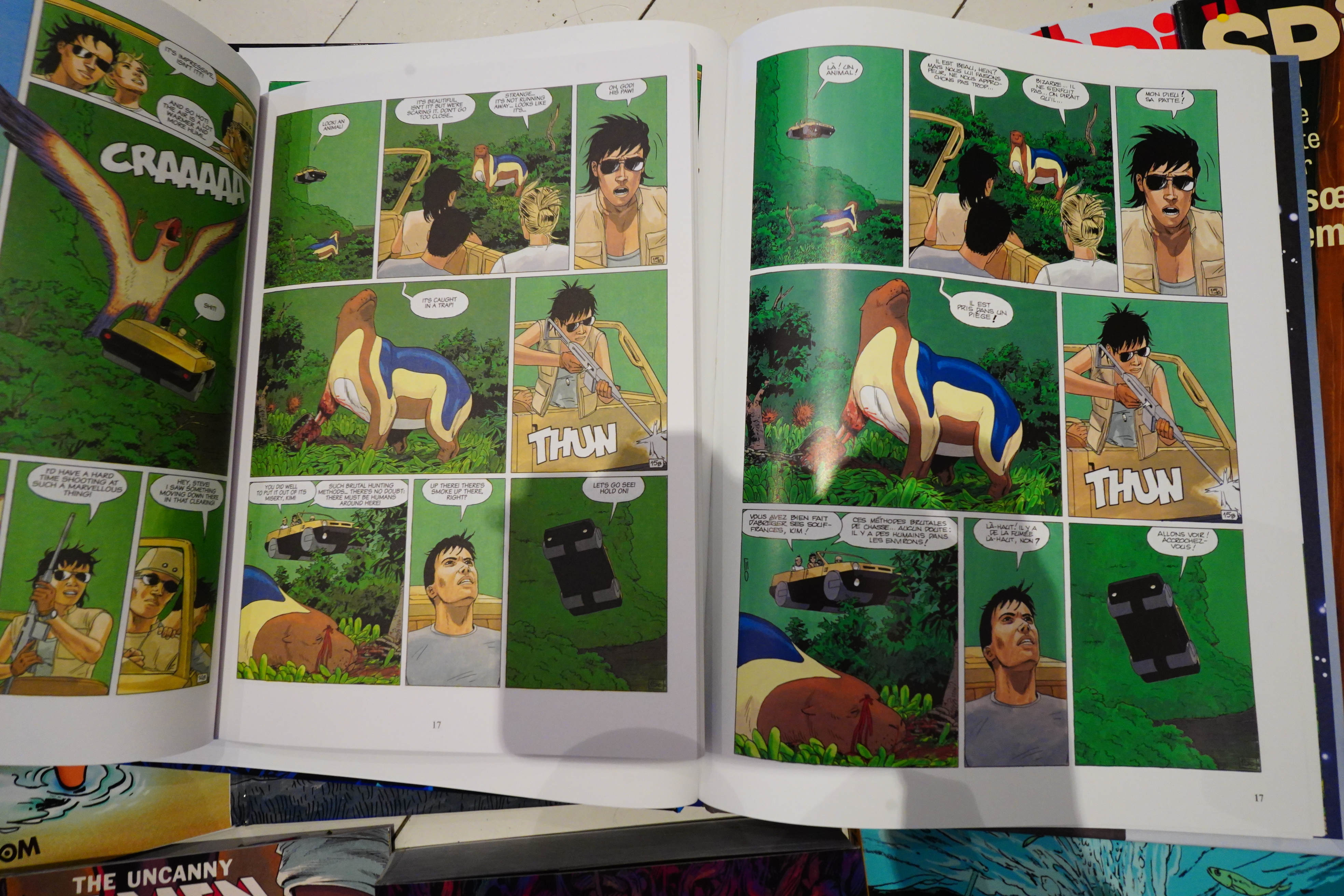
I’ve read (most of) these books before in the Cinebook versions (translated to English). Cinebook is notorious for drawing shirts on all the topless characters (because they also sell these comics in Saudi Arabia, or something, and there’s No Boobs Allowed), but I think a much bigger problem is the colours. Cinebook prints on a highly absorbent paper, so the saturated colours Leo used are washed out and not as impressive. (And also 10% smaller page size, for some reason…)
Anyway, I’ll be reading all of Leo’s books in this series, I think. There’s about 20 of them? They read like TV series episodes…
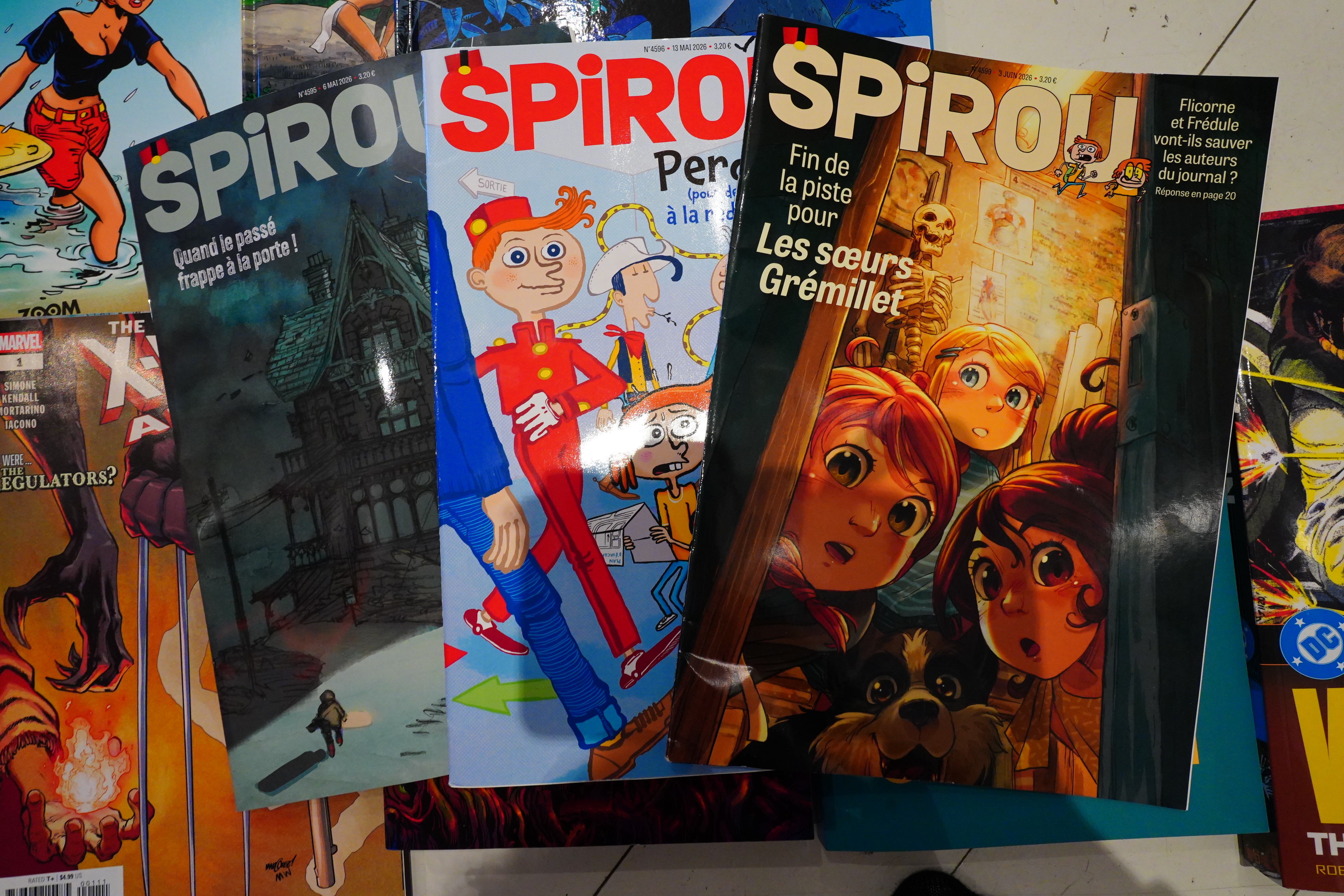
And I read three issues of Spirou.
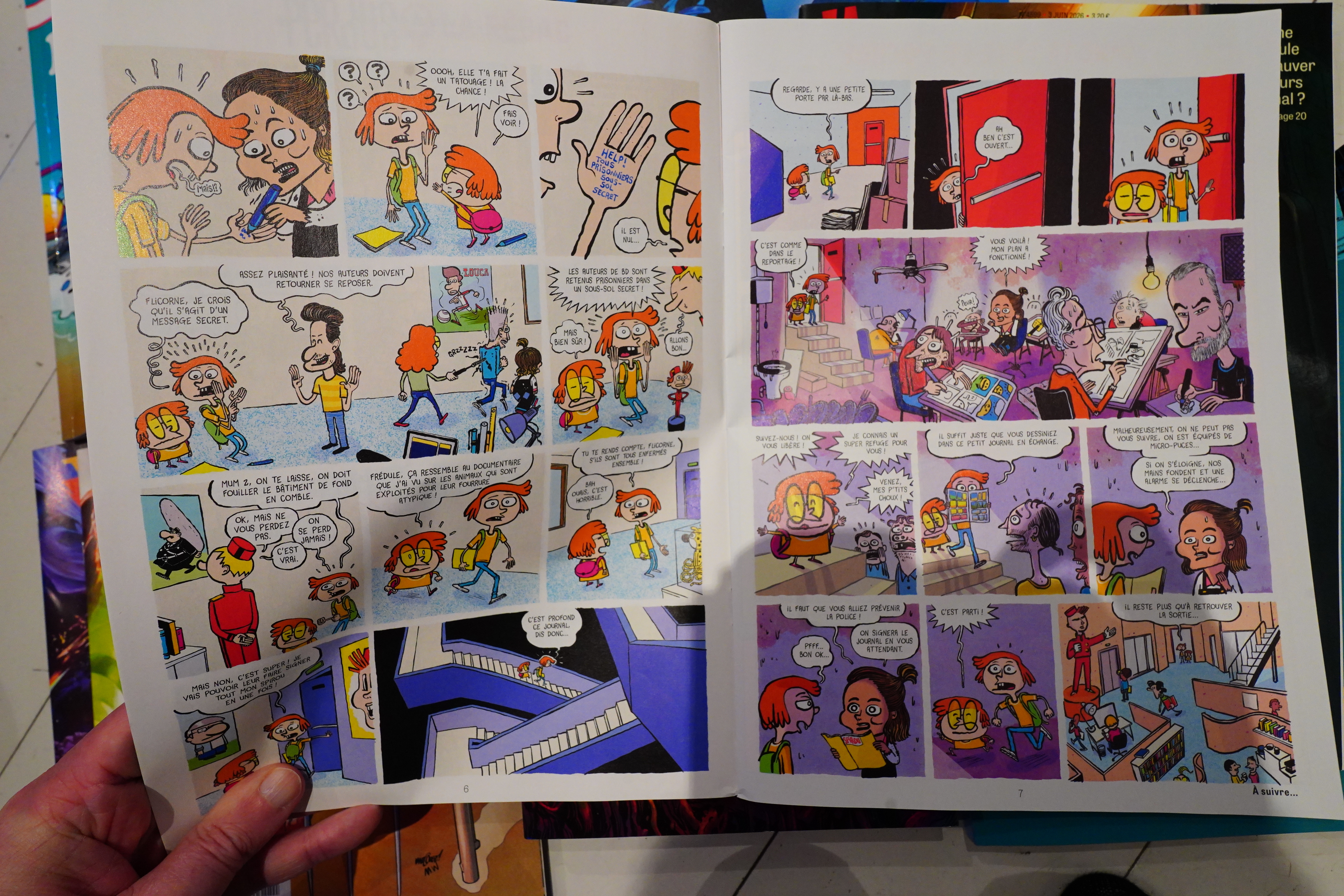
The kids that get lost all the time discover the secret to how Spirou is made — the publisher has all the artists chained up in the basement! Can the kids save them, are do they just get lost again!?
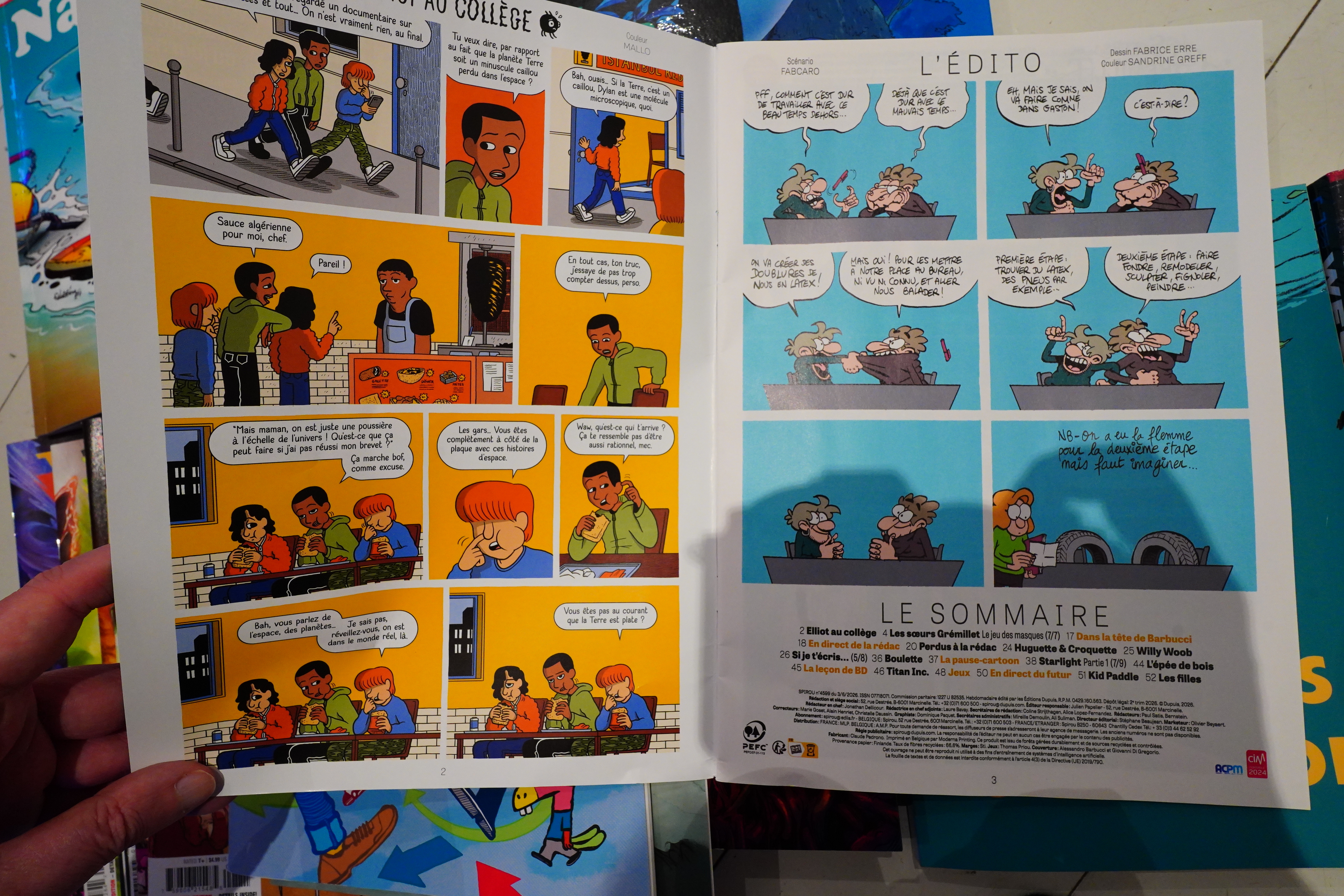
And this édito from Les Fabrices made me laugh.
OK, and that’s it? Yup.